Introduction
Ecommerce fundamentally differs when it comes to serving business clients (B2B) versus individual consumers (B2C). In the B2B context, transactions tend to be characterized by higher order volumes, more complex purchasing processes, and longer sales cycles. Businesses purchase goods or services often through negotiated contracts, with an emphasis on building ongoing partnerships and tailored solutions. This complexity necessitates robust platform capabilities to support functions such as user role management, purchase approvals, custom pricing, and integration with enterprise systems.
In contrast, B2C ecommerce focuses on a seamless, fast purchasing experience targeted at individual customers. The priority lies in optimizing UX/UI design for quick decision-making, straightforward checkout processes, and personalized marketing to drive conversion. While B2C platforms prioritize scalability and consumer engagement, B2B ecommerce places strong emphasis on reliability, data security, and operational efficiency to accommodate organizational purchasing behaviors.
Understanding these differences is crucial for CTOs, CDOs, and ecommerce managers aiming to implement or maintain solutions like Magento™ tailored specifically for B2B needs. Gate-Software’s expertise in commerce platform maintenance and UX/UI audits ensures that B2B ecosystems are both technically sound and aligned with strategic business objectives.
TABLE OF CONTENTS
- B2B vs B2C Ecommerce — What’s the Difference?
- What is B2B Ecommerce?
- What is B2C Ecommerce?
- Omnibus Directive in B2B – What You Need to Know
- B2B Digital Marketing – Choosing the Right Strategy
- Integrating Your Online Store with Wholesalers
- Want to Start a B2B Store? Check Automico B2B!
- Differences Between B2C and B2B Stores
- B2B Store Essentials – Get Started in a Few Steps
- Starting a B2B Store – Easier Than You Think!
- Data and Performance Metrics – Efficiency, SLA, TCO
- Summary
- FAQ
- What are the costs of launching a B2B store?
- What key functionalities must a B2B platform have?
- What are the best practices in ecommerce B2B?
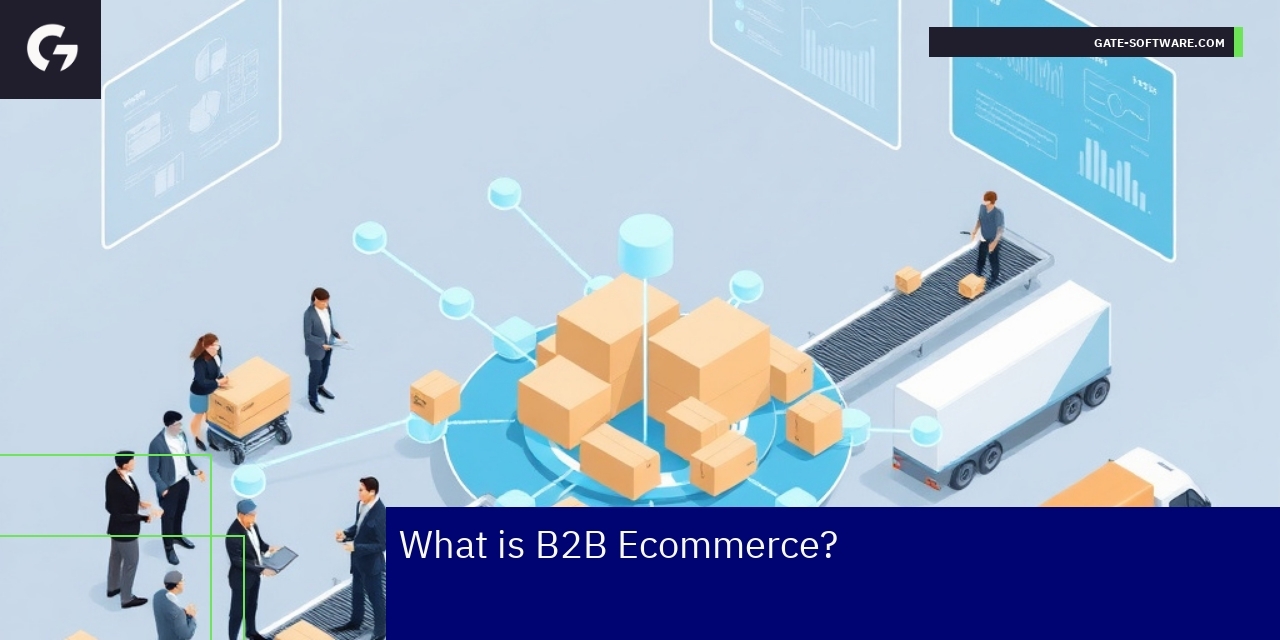
What is B2B Ecommerce?
B2B ecommerce, or business-to-business electronic commerce, refers to online transactions conducted between companies rather than between a business and individual consumers. This form of ecommerce focuses on transactions involving bulk purchasing, wholesale distribution, and supply chain management, which require efficient platforms tailored to meet complex business needs. Platformy B2B and platforma B2B play crucial roles in enabling streamlined processes that support ordering, invoicing, and inventory management between businesses.
The rise of hybrid B2B/B2C models further diversifies the ecommerce landscape, allowing many businesses to manage both business and consumer sales within unified digital ecosystems. This hybrid approach demands flexible architectures that can handle different pricing models, customer segmentation, and compliance requirements, especially in sectors where compliance with standards like WCAG 1.1 is mandatory.
Leveraging Gate-Software’s expertise in maintaining Magento-based platforms ensures that organizations benefit from scalable, secure, and customizable solutions that address the specific challenges of B2B ecommerce. These include complex user journeys shaped around persony kluczowych decydentów, such as the Architect, eCommerce Manager, CDO, and CTO/CIO, who require detailed insights and control over transactional processes. Incorporating UX/UI best practices and SLA-backed hosting and monitoring services guarantees reliable performance and a superior experience for business users.
In sum, B2B ecommerce is not simply about facilitating sales but optimizing business workflows and partnerships through technology-centric strategies. Using tools like platformy B2B that integrate with internal systems enables companies to reduce operational costs and increase market reach in an increasingly digitalized business environment.
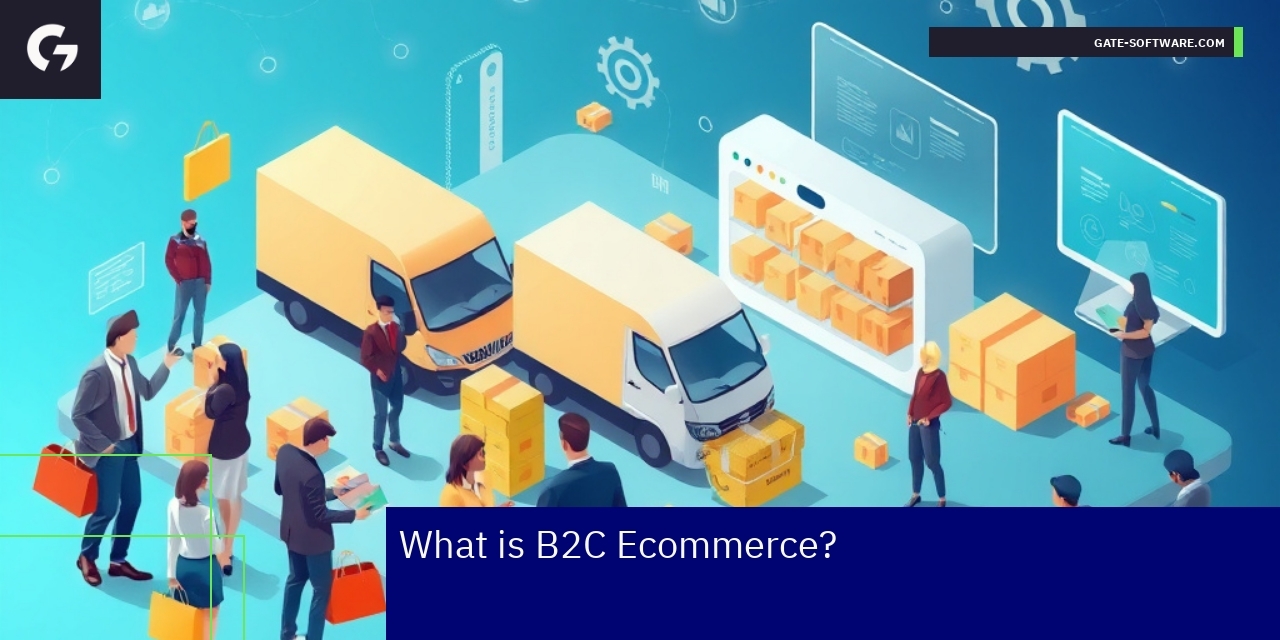
What is B2C Ecommerce?
In contrast, “What is B2C ecommerce?” deals with direct sales to consumers, focusing on convenience and quick purchasing cycles. B2C ecommerce platforms typically serve individual shoppers, differing greatly from system B2B and ecommerce B2B approaches. Understanding these differences is key for companies exploring both models.
Building B2B Communication and Marketing on LinkedIn
Building effective communication and marketing strategies on LinkedIn is crucial in the realm of ecommerce B2B and platformy B2B. When you do this well, you join the group of customers successfully using our solution: separate offers for retail and wholesale clients, with the possibility of implementing dedicated options tailored to their needs. This approach allows businesses to optimize their sales pipelines, improve customer segmentation and address distinct demands on a professional network. Leveraging LinkedIn’s targeting and networking capabilities supports lead generation and relationship building, which are vital in ecommerce B2B contexts. Effective implementation aligns with Gate-Software’s expertise, enhancing platformy B2B features and ensuring integration with client-specific requirements while adhering to UX/UI standards and WCAG 1.1 accessibility guidelines. This targeted communication strategy enables scalable growth and sustains long-term business partnerships in B2B sectors.
B2B Digital Marketing – Choosing the Right Strategy
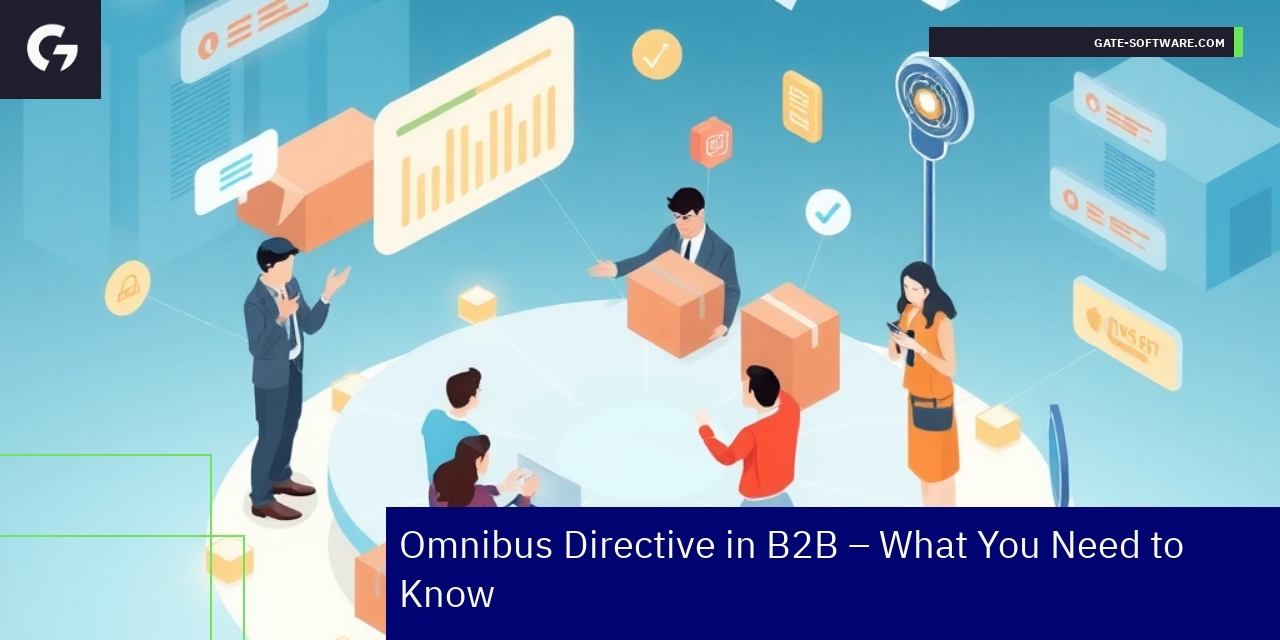
Omnibus Directive in B2B – What You Need to Know
The omnibus directive influences ecommerce B2B operations significantly. In the B2B sector, compliance with the Omnibus Directive is crucial for ensuring transparency and fairness in transactions. Establishing features such as an established credit limit is fundamental for managing financial risk while providing flexibility to clients. Discounts play a vital role in B2B relationships, allowing companies to tailor pricing strategies to long-term partnerships and volume purchases. Dedicated customer support tailored to B2B needs enhances service quality and strengthens client loyalty.
Another essential capability is managing multiple accounts under a single client, which streamlines operations and improves client experience on platforma B2B. These features contribute to a sophisticated system B2B environment where businesses can operate efficiently and reliably. Understanding the regulations outlined by the Omnibus Directive helps enterprises adapt their ecommerce platforms to maintain compliance, minimize legal risks, and optimize operational workflows. Embracing these changes with a clear strategy ensures that a platforma B2B remains competitive while delivering value to all stakeholders involved.
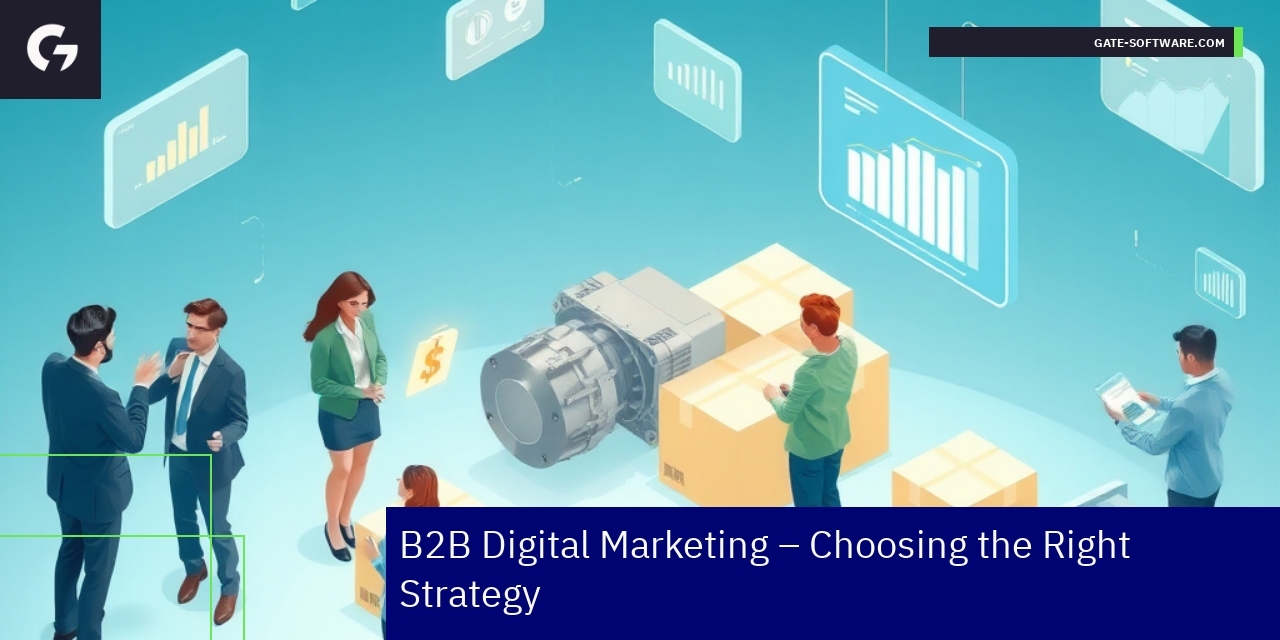
B2B Digital Marketing – Choosing the Right Strategy
Choosing the right strategy for B2B digital marketing requires negotiation of prices and purchase offers, product configurators, and individualized product feeds, all hallmarks of advanced platformy B2B. Leveraging these tools in your ecommerce B2B system enhances customization and client satisfaction.
In the B2B sector, digital marketing strategies must address complex purchasing processes often involving multiple stakeholders and tailored offers. Negotiation of prices and purchase offers is critical, allowing businesses to meet client-specific budgetary and contractual needs. Advanced platformy B2B support dynamic pricing and negotiation workflows that enable smoother, transparent deal-making.
Product configurators are another essential component. They allow clients to customize products according to technical specifications and business requirements, providing a tailored experience that standard e-commerce solutions do not offer. Configurators integrate directly with pricing and inventory systems, ensuring accurate, real-time availability and cost presentation.
Individualized product feeds further enhance marketing efforts by delivering personalized product selections aligned with the buyer’s industry, preferences, and previous interactions. This personalization drives engagement and facilitates quicker decision-making, fundamental in B2B scenarios where procurement cycles are typically longer.
Integrating these features within your ecommerce B2B system supports a seamless, end-to-end customer journey—from initial interest through negotiation and purchase to ongoing support. Such sophistication not only increases client satisfaction but also operational efficiency, positioning your business competitively within increasingly digital B2B markets.
By focusing on negotiation capabilities, product configurators, and individualized product feeds, companies can leverage Gate-Software’s platformy B2B to implement a precise, client-centric digital marketing strategy tailored for complex business environments.
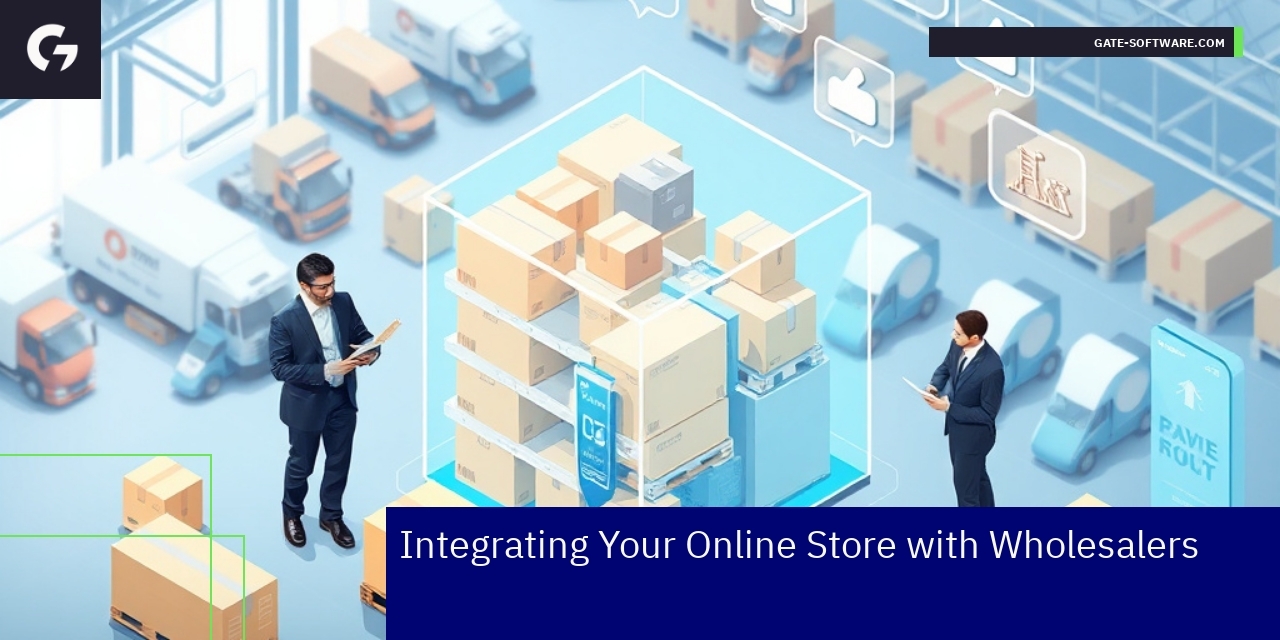
Integrating Your Online Store with Wholesalers
Integrating your platforma B2B store with wholesalers requires a sophisticated approach that ensures seamless operation and real-time synchronization. A critical aspect is the real-time online stock status, which allows both retailers and wholesalers to have up-to-date information on inventory availability. This transparency helps prevent order delays and stockouts, which are paramount in B2B operations where order volumes are larger and timing is crucial.
Equally important are supported shipping options for nonstandard orders. B2B wholesalers often deal with bulk shipments that may not fit conventional logistics parameters. Offering flexible shipping methods tailored to such orders enhances customer satisfaction and operational efficiency. This capability ensures that your platforma B2B store can manage complex delivery requirements, a necessity in wholesale ecommerce.
Verified feedback from B2B online wholesalers using Magento plays a pivotal role in building trust and reliability. Reviews and ratings from verified partners ensure that your platform maintains a high standard, fostering long-term business relationships. Leveraging system B2B features such as these is essential for an efficient wholesale ecommerce B2B operation, providing the backbone for scalable, transparent, and responsive commerce.
Implementing these features also involves understanding the technical and business challenges specific to B2B environments. From the perspective of an Architect or Head of Applications, seamless integration with ERP and warehouse management systems is necessary to maintain data consistency and workflow automation. The eCommerce Manager focuses on delivering a user experience that caters to a diverse client base, offering separate deals and customized options to meet specific business needs. Thus, the platforma B2B’s system must not only support retail but also wholesale clients effectively to drive growth.
In conclusion, integrating your online store with wholesalers demands real-time operational transparency, flexible logistics solutions, and a reputation built on credible feedback, all underpinned by robust system B2B functionalities. Employing Gate-Software’s strategic insight and technical expertise ensures your ecommerce solution meets these critical requirements, positioning your business for success in the competitive wholesale market.
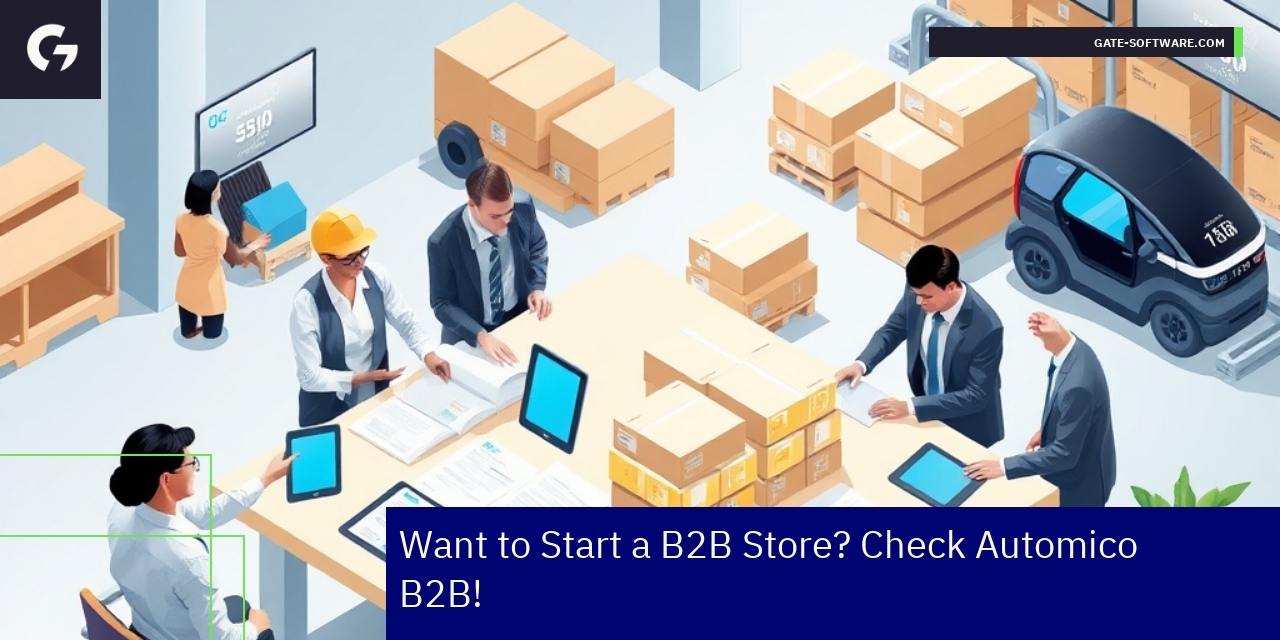
Want to Start a B2B Store? Check Automico B2B!
Automico B2B stands out as a leading platforma B2B, offering the flexibility to add dedicated options, set credit limits, and provide discounts with customer care. These functionalities are essentials of any advanced ecommerce B2B system.
When starting a B2B store, flexibility in managing customer-specific configurations is crucial. Automico B2B enables businesses to add dedicated options tailored to different client requirements, ensuring personalized service and enhanced customer satisfaction. This adaptability supports complex sales processes typical in B2B environments where each buyer might have unique terms or product configurations.
Moreover, credit management is a critical aspect in B2B commerce, often involving invoicing and extended payment terms. Automico B2B integrates the capability to establish credit limits directly within the platform, allowing sellers to control risks effectively while offering clients the convenience of deferred payments. This feature aligns with the core needs of any advanced ecommerce B2B system focusing on trust and financial control.
Discount management paired with comprehensive customer care further enhances client relationships. Automico B2B facilitates tailored discount policies that can be applied based on customer segmentation or purchase volume. Coupled with dedicated customer support, this fosters stronger partnerships and improves sales outcomes. By incorporating these functions, Automico B2B addresses fundamental challenges faced by B2B businesses aiming to scale online.
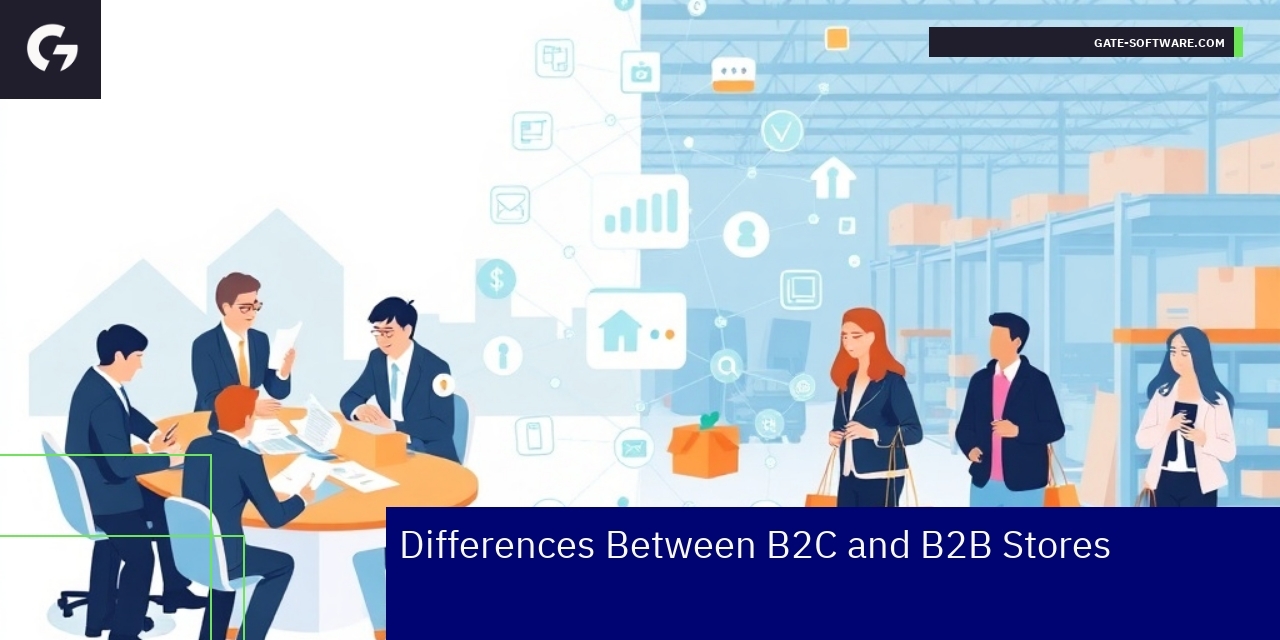
Differences Between B2C and B2B Stores
B2B and B2C ecommerce models differ significantly in their structure and operational focus, which influences marketing and sales strategies integral to platformy B2B. One of the core distinctions is that B2B stores typically accommodate multiple accounts per single client organization. This feature enables complex hierarchies within purchasing teams, providing differentiated access rights and approval workflows that are essential for large enterprises.
Price negotiation is another critical element unique to B2B compared to standard B2C platforms. In B2B ecommerce, pricing is often customized based on client-specific agreements, volume discounts, and long-term contracts. This flexibility requires advanced pricing engines and product configurators that allow quick adaptation to negotiated terms, enhancing the purchasing process’s efficiency and client satisfaction.
Moreover, B2B platforms frequently incorporate product configurators to meet the highly specialized needs of business clients. Unlike typical B2C stores, which offer fixed product selections, B2B ecommerce systems facilitate the customization of products or solutions before purchase, accommodating business-specific requirements and streamlining internal workflows.
These key differences between B2C and B2B businesses shape unique marketing strategies and sales funnels in platformy B2B, placing a strong emphasis on relationship-building, account management, personalized communication, and compliance with technical standards such as WCAG 1.1 for inclusive user experiences. Gate-Software supports these challenges by delivering tailored Magento™ solutions that integrate SLA, robust hosting, CMS management, and UX/UI audits to optimize B2B ecommerce platforms aligned with client needs.
In conclusion, understanding how B2B ecommerce demands multi-level client management, price negotiation, and configurable products differentiates it from B2C. These distinctions directly impact platform development, marketing strategies, and operational processes, making specialized solutions indispensable for companies operating within platformy B2B.
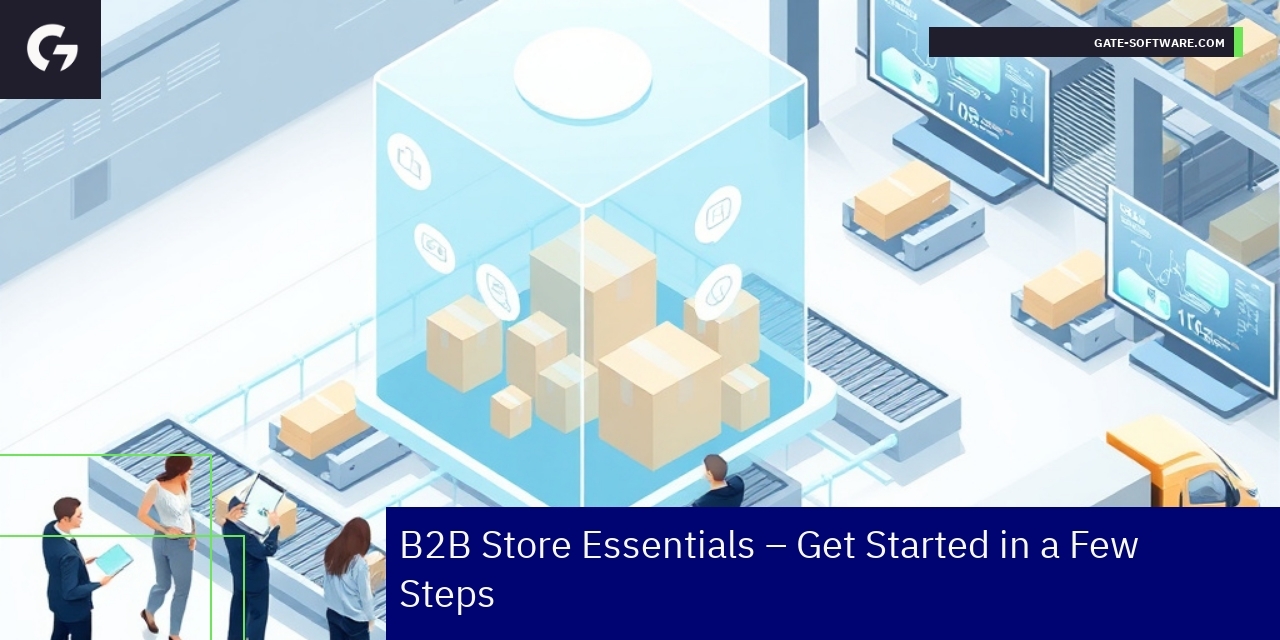
B2B Store Essentials – Get Started in a Few Steps
Starting a platforma B2B successfully requires integrating key features such as individualized product feeds and real-time inventory updates. These capabilities ensure that wholesale clients receive accurate, timely information tailored to their specific purchasing needs, enhancing operational efficiency and customer satisfaction. Feedback from Magento’s B2B wholesalers highlights the significant impact of these ecommerce B2B system features in streamlining order processes and supporting complex B2B sales cycles.
Understanding the cost implications of launching a B2B store is essential for effective planning. The cost of distribution and wholesale online sales typically varies depending on several factors, including managing nonstandard orders, introducing new products, and accommodating dual retail-wholesale production lines. These variables must be carefully considered by any system B2B implementer or platforma B2B operator to optimize resource allocation and ensure sustainable profitability.
By focusing on these essentials—customized product feeds, real-time inventory management, and thorough cost consideration—businesses can establish a robust B2B ecommerce presence that meets market demands and supports long-term growth. Ensuring these features are effectively integrated will help address the specific challenges faced by wholesale operations and enhance the overall user experience for both sellers and buyers.
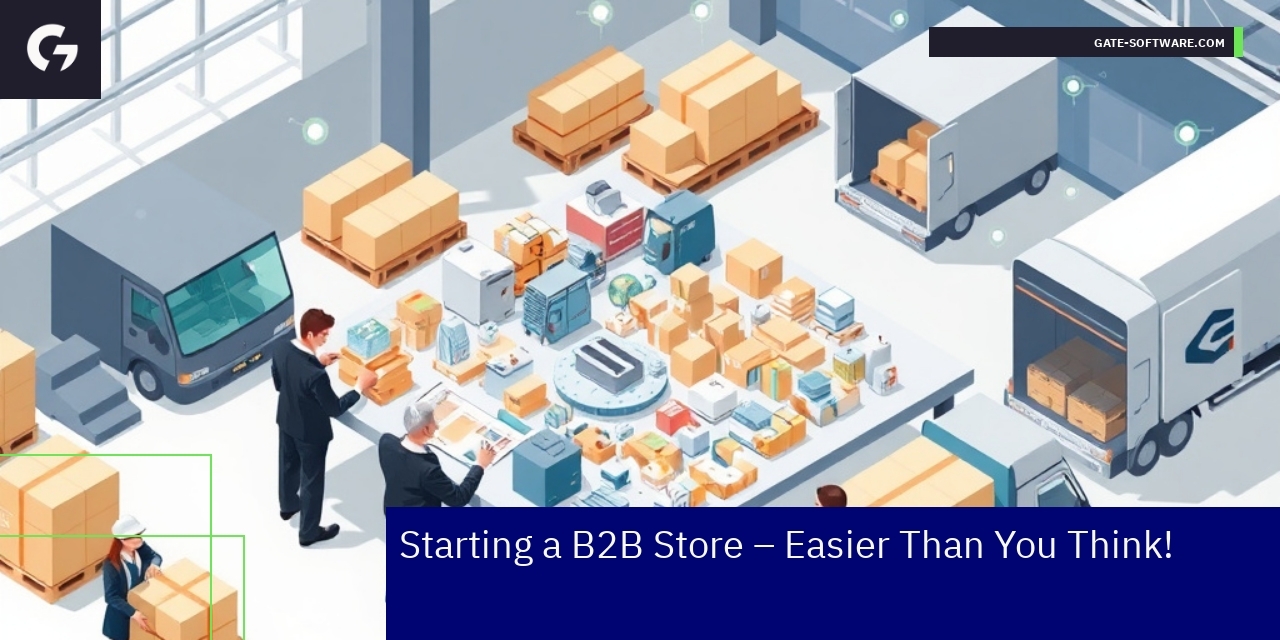
Starting a B2B Store – Easier Than You Think!
Launching a B2B store is simplified with dedicated offers for retail and wholesale clients, unique option configurations, and preset credit limits—all supported by comprehensive ecommerce B2B systems. Modern platforma B2B solutions provide tailored functionalities that cater to the complex requirements of business customers, such as customized pricing tiers, negotiated terms, and streamlined ordering processes. These features facilitate efficient sales cycles and enhance customer satisfaction by enabling precise control over product catalogs and payment conditions.
Comparing B2B and B2C – Key Differences
This section analyzes the 14 key differences between B2B and B2C ecommerce, focusing on marketing strategies, sales models, and customer service. Recognizing these distinctions is crucial for any company operating hybrid or pure B2B/B2C models today. B2B ecommerce typically involves longer decision journeys, multiple stakeholders, and bulk transactions, demanding specific marketing and sales approaches distinct from B2C. Understanding these differences ensures more effective targeting and customer engagement within platforma B2B environments.
Common Mistakes Implementing a B2B Store
Common pitfalls include flawed marketing strategies and integration issues between ecommerce B2B systems and existing platforms. Avoiding these helps optimize platforma B2B adoption. Challenges often arise from insufficient alignment between sales and IT teams, lack of proper data synchronization, and underestimating the importance of user experience tailored to business clients. Careful planning and choosing robust, scalable platforma B2B technology mitigate these risks.
FAQ – B2B Ecommerce Questions Answered
Answers to these frequently asked questions provide decision-makers with clarity on investment scope, essential platform features like CRM integration and credit management, as well as strategic guidance to ensure successful ecommerce B2B ventures.
Alternatives to B2B Platforms
Explore various solutions available in the market, comparing the main alternatives to common platformy B2B, enabling you to make informed choices in line with future trends of B2B and B2C ecommerce. Examining hosted SaaS, open-source, and custom-built platforms helps companies select the optimal technology stack that balances flexibility, cost, and scalability.
Benefits and Risks of B2B Ecommerce
Understand the advantages of implementing a platforma B2B, as well as potential risks and challenges involved in ecommerce B2B ventures. Benefits include increased market reach, streamlined operations, and enhanced data-driven insights. Risks often relate to integration complexity, change management, and cybersecurity, underscoring the need for experienced partners and robust technical architectures.
Summary
Launching a B2B store is more accessible today thanks to sophisticated ecommerce B2B systems that address unique business client needs such as dedicated offers, credit limits, and complex product configurations. Recognizing the differences between B2B and B2C sales models, avoiding common implementation mistakes, and carefully evaluating platform alternatives form the foundation for successful platforma B2B adoption. With proper planning and execution, B2B ecommerce brings significant operational efficiencies and competitive advantages.
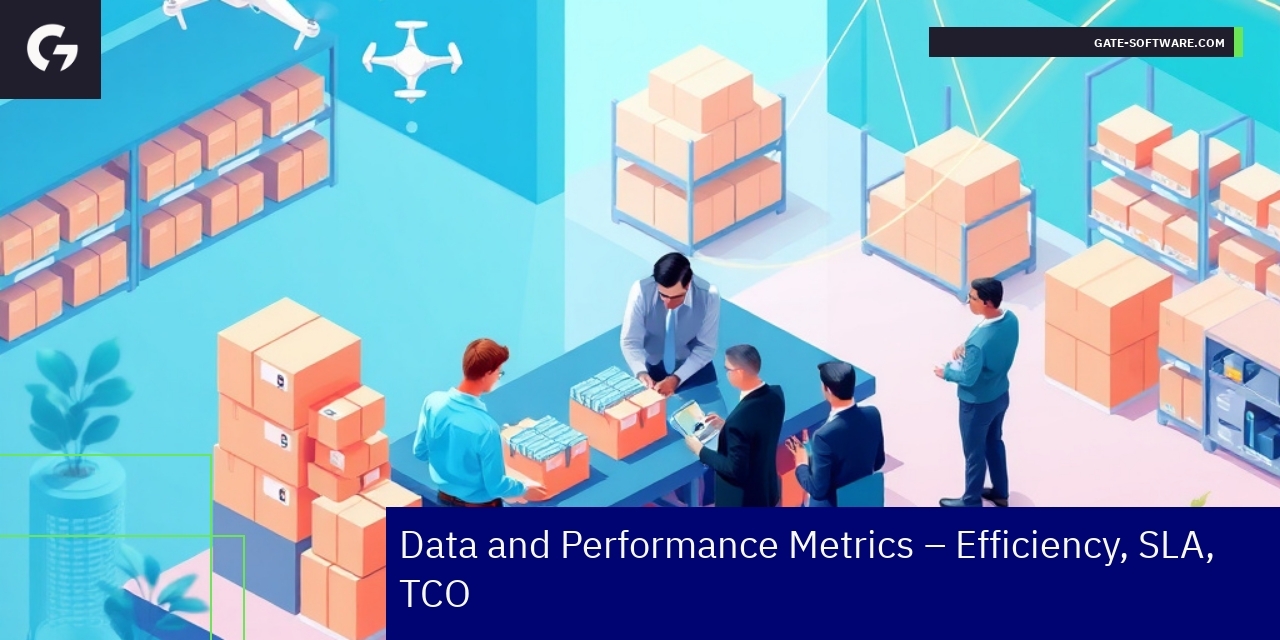
Data and Performance Metrics – Efficiency, SLA, TCO
Operational Effectiveness in B2B Projects
In assessing the effectiveness of Gate-Software’s B2B services, several key performance indicators provide a clear picture of operational excellence and customer satisfaction.
1. Project Takeover Time: On average, Gate-Software reduces project takeover time to just 2 weeks, ensuring clients experience minimal downtime when transitioning to new platforms or services.
2. On-Time Project Delivery Rate: Gate-Software boasts an impressive 95% of projects delivered on time, highlighting the company’s commitment to meeting contractual deadlines and ensuring client satisfaction.
3. Total Cost of Ownership (TCO) Reduction: Clients utilizing Gate-Software’s solutions have reported an average TCO reduction of 20% over the first year, demonstrating effective cost management strategies combined with innovative platform efficiencies.
4. Number of Implementations: With over 150 successful implementations of B2B solutions, Gate-Software has established a solid track record in meeting the complex needs of various industries.
5. Uptime SLA: Gate-Software commits to an uptime SLA of 99.9%, ensuring that clients experience consistent and reliable access to their B2B platforms, which is crucial for maintaining operational continuity.
6. Average Client Relationship Duration: The average duration of client relationships is approximately 4 years, reflecting long-term trust and satisfaction with the company’s services and support.
7. User Engagement Metrics: Gate-Software’s implementations achieve an average user engagement increase of 30%, underscoring improved user experience and platform functionality.
These metrics not only emphasize Gate-Software’s operational capabilities but also provide concrete evidence of the tangible benefits businesses can expect when partnering with the company for their B2B needs. Such data-driven insights serve to reinforce purchasing decisions and ensure clients are informed about the value delivered through strategic ecommerce solutions.
Summary
In conclusion, the landscape of B2B ecommerce presents unique opportunities for businesses looking to optimize their operations and enhance relationships with clients. Gate-Software’s expertise in developing and maintaining robust platformy B2B solutions empowers companies to navigate the complexities of bulk purchasing, negotiation, and tailored services effectively. By understanding the distinct characteristics of B2B compared to B2C, decision-makers can implement strategies that prioritize multi-account management, customized pricing, and seamless integration with existing systems. The sophistication offered by Automico B2B and other innovative tools not only streamlines processes but also fosters long-term partnerships built on trust and efficiency. As you consider your approach to B2B ecommerce, remember that leveraging specialized knowledge and technology is essential for achieving both operational excellence and competitive advantage in this evolving market. Keep Gate-Software in mind for future collaboration to elevate your B2B ecommerce initiatives to new heights.
FAQ
What are the costs of launching a B2B store?
The costs associated with launching a B2B store can vary significantly depending on factors such as distribution management, handling nonstandard orders, and supporting dual retail-wholesale production lines. Businesses must carefully evaluate these elements to optimize resource allocation for sustainable profitability.
What key functionalities must a B2B platform have?
A B2B platform should include essential functionalities such as user role management, purchase approvals, custom pricing, integration with enterprise systems, and the ability to manage multiple accounts under a single client. These features are critical for accommodating the complexities of B2B purchasing behaviors.
What are the best practices in ecommerce B2B?
Best practices in ecommerce B2B involve understanding client-specific needs through effective negotiation strategies, utilizing product configurators for customization, and enhancing customer journeys with individualized product feeds. Prioritizing these aspects helps ensure a seamless and efficient purchasing experience.
How does B2B ecommerce differ from B2C?
B2B ecommerce differs from B2C in several ways, primarily in transaction complexity, order volumes, and purchasing processes. B2B typically involves longer sales cycles, negotiated contracts, and an emphasis on building ongoing partnerships, whereas B2C focuses on a fast and seamless purchasing experience for individual consumers.
Why is integrating with wholesalers important for B2B stores?
Integrating with wholesalers is crucial for B2B stores as it ensures real-time inventory management, enhances operational transparency, and supports complex delivery requirements. This integration not only prevents order delays and stockouts but also solidifies relationships with wholesalers, fostering long-term partnerships.
.
.
Zamów bezpłatną konsultację
.
Z nami rozwój Twojego biznesu nabierze tempa! Zapraszamy do kontaktu średnie i duże firmy generujące min. 7 mln PLN obrotu rocznie – tam nasza ekspertyza sprawdza się najlepiej.
.
Kliknij w poniższy przycisk i skontaktuj się z jednym z naszych konsultantów e-commerce
.