Introduction
In today’s e-commerce landscape, having a robust online presence through a B2B store is essential for companies that operate in the business-to-business sector. A well-designed B2B store enables businesses to extend their market reach continuously and deliver seamless, efficient purchasing experiences to their customers. Unlike traditional sales models, B2B stores operate 24/7, allowing buyers to place orders at their convenience without the limitations of physical store hours.
For companies, a B2B store simplifies complex ordering processes by supporting bulk purchases, customized pricing, and streamlined inventory management. These features not only reduce operational costs but also foster stronger business relationships by providing transparency and personalized customer journeys. The analytics capabilities embedded in these platforms offer valuable insights into sales trends and customer behaviors, empowering strategic decision-making aligned with growth objectives.
From the customer perspective, B2B stores provide a convenient and efficient pathway for managing procurement. Customers benefit from real-time inventory visibility, easy access to a broad product catalog, and tailored pricing structures that reward volume buying. Enhanced order management options facilitate better tracking and control, while dedicated support ensures that technical and product-related inquiries are addressed promptly.
Overall, a strategically developed B2B store bridges business needs and customer expectations, driving operational excellence and competitive advantage in the evolving e-commerce environment.
TABLE OF CONTENTS
- B2B Store – What Benefits Does It Provide for You and Your Customers?
- What Is a B2B Ecommerce Platform?
- How Does a B2B Platform Work?
- KERASILK Repair Set with Cosmetic Bag
- KERASILK Smoothing Set with Cosmetic Bag
- Implementing a B2B Store – Is It Right for Me?
- B2B Store Specifics – Start in a Few Steps
- Comparing B2B vs B2C
- What Does Online Wholesale Distribution Really Cost?
- Setting Up a B2B Store Is Easier Than You Think!
- Ability to Add Dedicated Options
- Top 5 Bestsellers
- Omnibus Directive in B2B – What You Need to Know
- Data and Performance Metrics – Efficiency, SLA, TCO
- Summary
- FAQ
- Expenses related to launching a B2B store
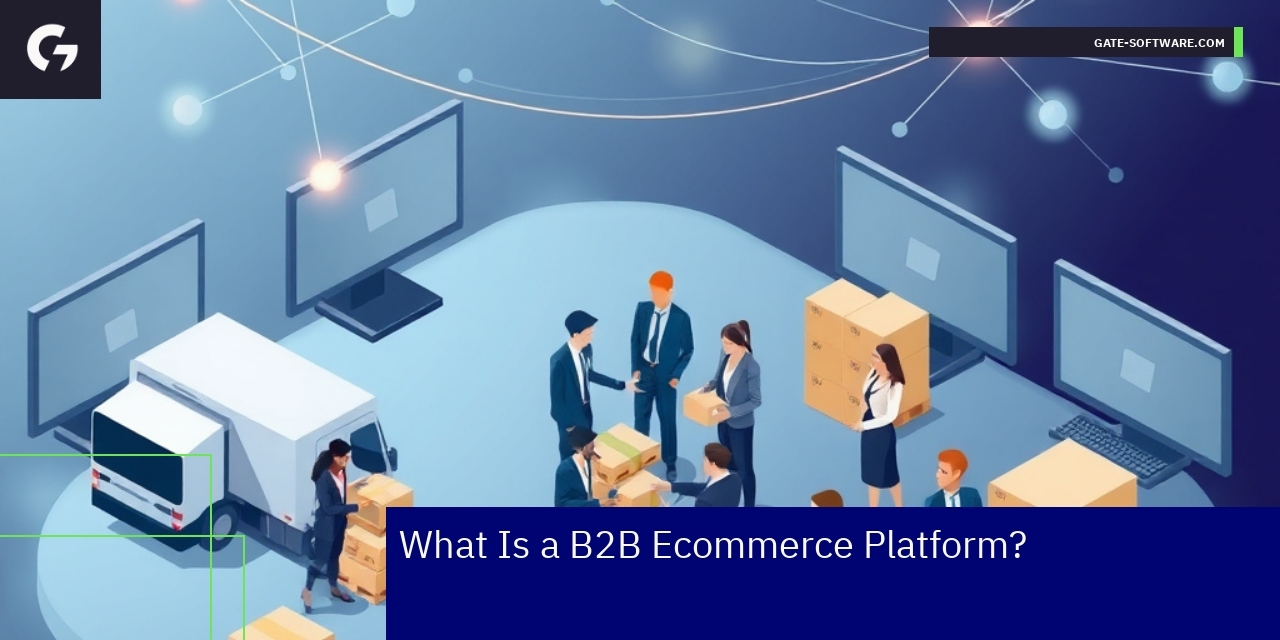
What Is a B2B Ecommerce Platform?
A B2B Ecommerce Platform is a specialized digital environment designed to facilitate commercial transactions between businesses, distinct from B2C platforms that focus on consumer retail. These platforms serve as crucial tools for enterprises seeking efficiency, scalability, and improved customer relationships in their trade activities. They typically integrate with existing enterprise systems such as ERP and CRM, enabling seamless order processing, inventory management, and customer data handling.
Key functionalities often include comprehensive product catalogs tailored to business buyers, pricing models that support negotiated contracts or volume discounts, and advanced order management features that handle complex workflows typical in B2B sales cycles. Additionally, these platforms accommodate multiple user roles and permission levels, allowing various stakeholders within client organizations to interact with the system according to their responsibility.
Leveraging a B2B Ecommerce Platform can streamline procurement processes, reduce operational costs, and enhance the buyer experience, which is essential in building long-term business relationships. For CTOs, Heads of Applications, and eCommerce Managers, selecting a platform that supports scalability, integration with current IT infrastructure, and compliance with standards such as WCAG is vital. Gate-Software solutions emphasize these aspects, combining robust technical architecture with UX/UI audits to ensure platforms meet strategic business and accessibility requirements.
In essence, a B2B Ecommerce Platform is not merely a sales tool but a strategic asset that aligns with digital transformation goals, enabling businesses to adapt to changing market demands efficiently while nurturing key accounts through personalized service and data-driven insights.
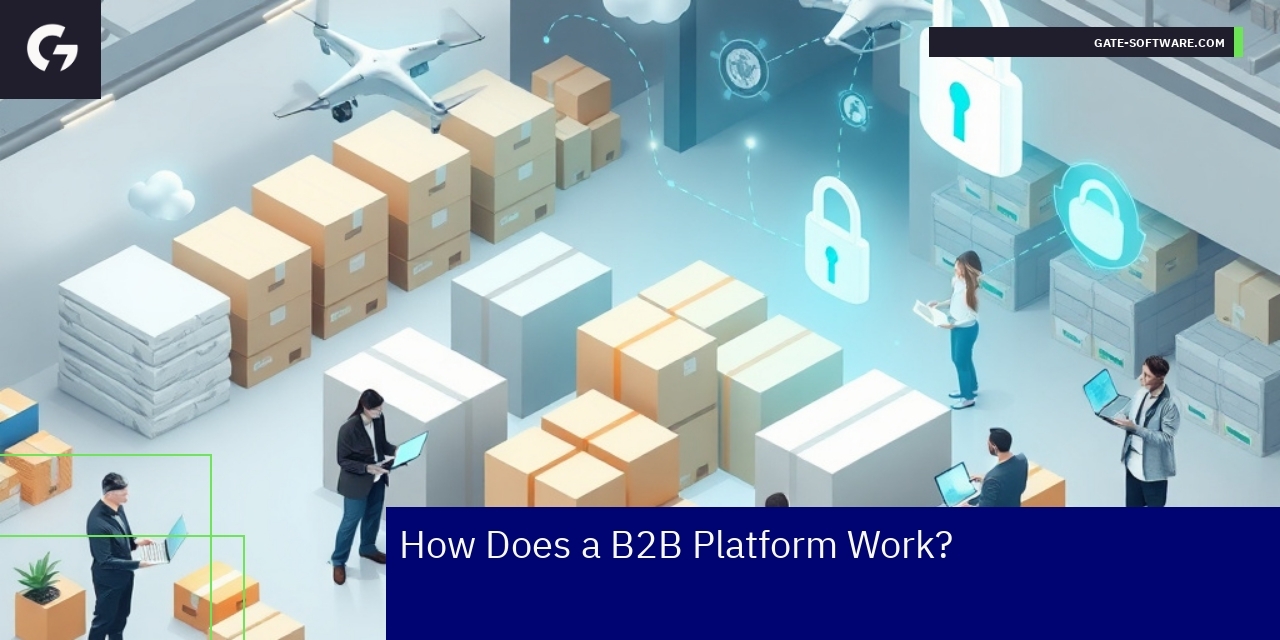
How Does a B2B Platform Work?
A B2B platform functions as a specialized digital marketplace designed to facilitate business-to-business transactions efficiently and securely. These platforms serve as intermediaries that connect suppliers and buyers, streamlining complex processes such as bulk ordering, customized pricing, invoicing, and contract management. The core functionality of a B2B platform revolves around providing tailored user experiences for different personas like eCommerce Managers, CTOs, and Architects, ensuring that each stakeholder can navigate and execute transactions aligned with their responsibilities.
From a technical perspective, B2B platforms often integrate with existing ERP and CRM systems to maintain data consistency and operational continuity. They emphasize scalability, security, and compliance with standards like WCAG to ensure accessibility for all users, including those with disabilities. The platform supports multiple payment options and logistics integrations, optimizing the buyer’s journey from product discovery through order fulfillment.
Gate-Software’s approach to B2B e-commerce includes leveraging Magento™, which provides robust hosting, monitoring, and SLA guarantees to minimize downtime and ensure smooth operations. Their strategic focus also incorporates UX/UI audits and cost optimization to enhance platform efficiency and user satisfaction. Implementing such a platform addresses key business challenges in B2B, such as managing large product catalogs, complex pricing models, and multi-level approval workflows, while delivering valuable insights through analytics.
Incorporating SEO phrases like B2B e-commerce platform, Gateway-Software B2B solutions, and WCAG standards ensures that content remains relevant for target audiences searching for expert solutions in this domain. Overall, a well-designed B2B platform enables businesses to streamline procurement, improve vendor relationships, and accelerate digital transformation initiatives.
How Does a B2B Platform Work?

KERASILK Repair Set with Cosmetic Bag
The KERASILK Repair Set with Cosmetic Bag offers significant benefits tailored to meet the demands of B2B customers in the professional haircare and beauty sectors. Investing in this set ensures a comprehensive solution for hair repair needs, ideal for salons and professional service providers aiming to deliver high-quality care to clients.
This set combines potent repair agents designed to restore hair strength, reduce breakage, and improve overall hair health. Such benefits are critical in professional environments where client satisfaction and repeat business depend on reliable, effective products. The inclusion of the cosmetic bag enhances portability and organization, making it convenient for professionals who manage multiple services or mobile operations.
Integrating the KERASILK Repair Set into your product portfolio can streamline operations, as it consolidates essential products into one cohesive package, reducing procurement complexity and inventory variability. This aligns with B2B priorities for efficient supply chain management and cost control.
Overall, this product supports a high standard of client care, resonating with brand values focused on quality, innovation, and professional excellence. It also complements broader business strategies around customer retention and service differentiation, essential in competitive B2B markets. Using this set effectively can reinforce your professional offering, optimizing both client outcomes and business efficiency.
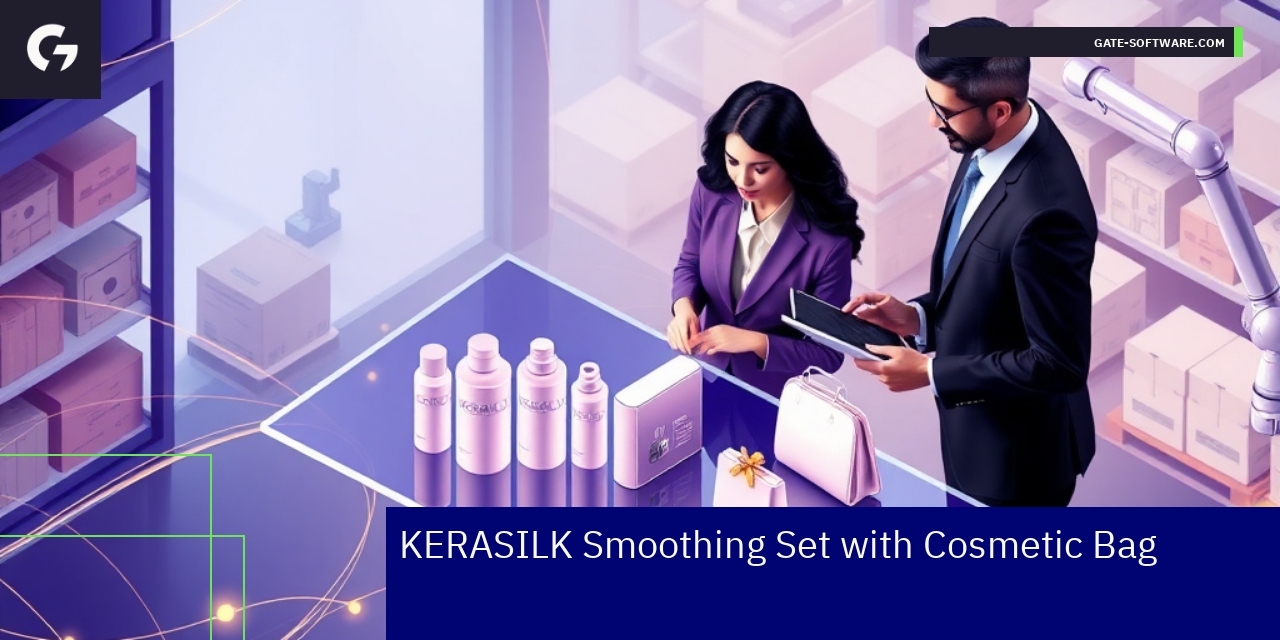
KERASILK Smoothing Set with Cosmetic Bag
The KERASILK Smoothing Set with Cosmetic Bag presents an ideal product offering for B2B clients seeking to enhance their beauty and personal care assortment. This set combines premium hair smoothing treatments with practical packaging, ensuring professional appeal and convenience for end-users. For B2B enterprises, integrating such a set into their catalogue aligns with demands for high-quality, effective hair care products that cater to diverse client needs.
An effective B2B ordering system is pivotal for seamless procurement and supply chain management in distributing the KERASILK Smoothing Set with Cosmetic Bag. Such systems are engineered to support bulk ordering, real-time inventory updates, and streamlined communication between suppliers and buyers. The ordering platform’s design upholds user experience standards while adhering to WCAG accessibility guidelines, ensuring efficient interaction for all professional users.
Leveraging the B2B ordering system features enables eCommerce managers and IT architects to oversee order workflows, optimize stock levels, and track transaction histories. This infrastructure supports strategic business decisions, marketing initiatives, and scalable operations essential for sustained growth in the competitive haircare segment. Integrating the KERASILK Smoothing Set with Cosmetic Bag through a robust B2B channel enhances procurement accuracy, customer satisfaction, and long-term partnerships.
KERASILK Smoothing Set with Cosmetic Bag
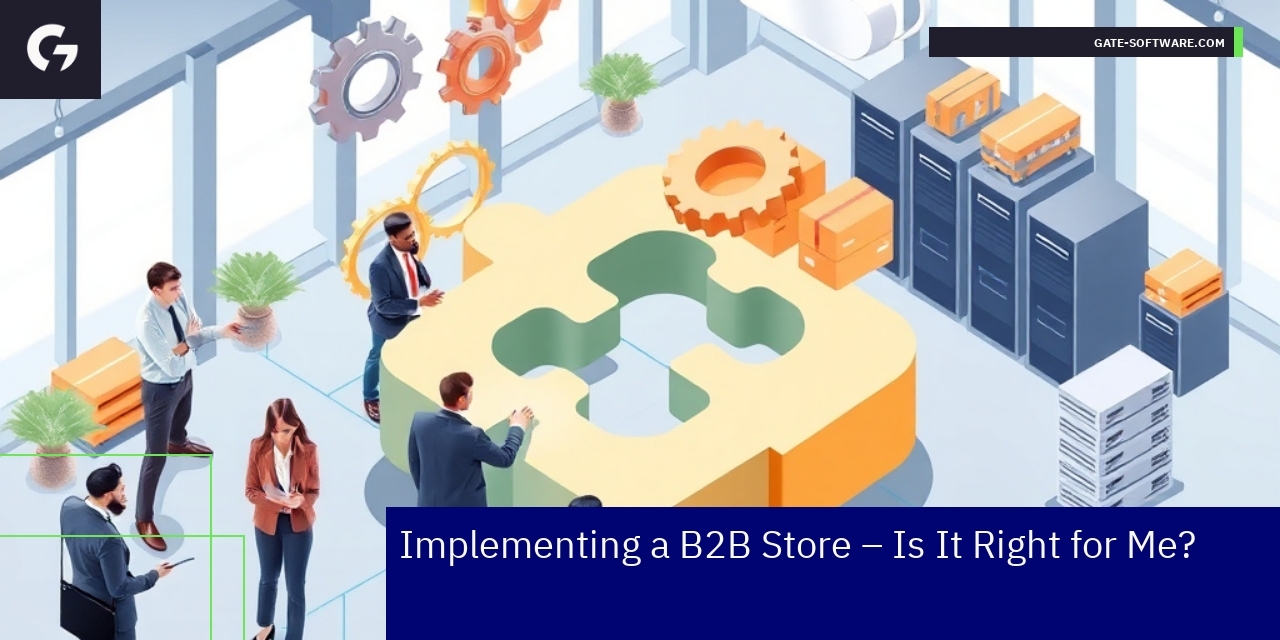
Implementing a B2B Store – Is It Right for Me?
Before deciding to implement a B2B store, several key factors must be carefully considered to ensure alignment with your business goals and technical capabilities. The B2B sales process typically differs significantly from B2C, involving longer sales cycles, complex pricing structures, and the need for customization or bulk purchases. It is essential to thoroughly understand your target market — primarily other businesses — and assess if your product offering fits the specific needs of corporate clients.
A critical element is the integration of effective customer management systems. Implementing a CRM tailored to manage business client relationships will enhance sales efficiency and customer retention. Additionally, pricing strategies must consider tiered pricing and discounts for bulk orders while facilitating payment options such as invoicing and credit terms that are common in B2B commerce.
Technical infrastructure also plays a crucial role. The platform should support scalability, seamless integration with ERP and other backend systems, and compliance with legal and tax regulations specific to B2B transactions. From a user experience perspective, UX/UI design must cater to business buyers’ workflows, emphasizing speed, efficiency, and accessibility, including adherence to WCAG standards for inclusive design.
Marketing approaches should pivot towards content and relationship-driven methods, targeting key personas such as CDOs, CTOs, and eCommerce Managers. Leveraging digital strategies aligned with your Gate-Software brand voice and communication strategy ensures consistent messaging.
By analyzing these aspects, including resource allocation for hosting, monitoring, and SLA commitments, you can determine whether setting up a B2B store matches your operational capacity and strategic direction, positioning your business for sustained growth in the e-commerce B2B landscape.
Implementing a B2B Store – Is It Right for Me?
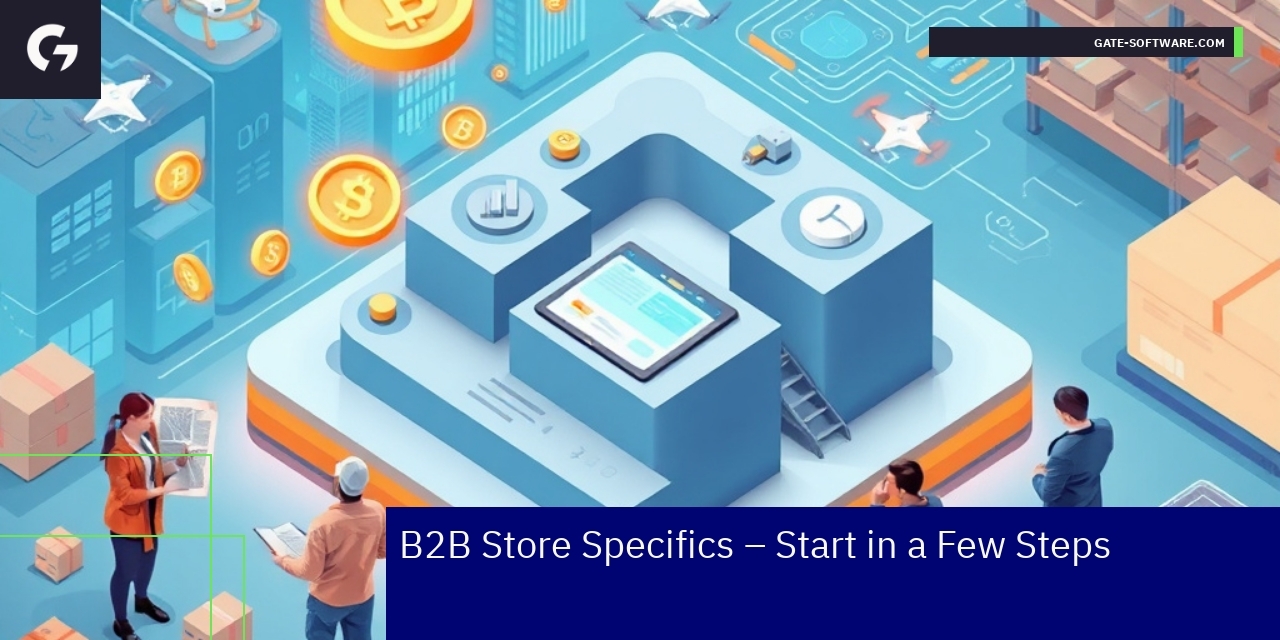
B2B Store Specifics – Start in a Few Steps
Launching a B2B store requires a tailored approach that addresses the unique needs and complexities of business clients. Unlike B2C, B2B e-commerce involves longer sales cycles, multiple stakeholders, and personalized purchasing processes. To start in a few steps, begin by clearly defining your target personas such as Architect, eCommerce Manager, and CIO/CTO to align your platform’s functionalities with their expectations.
Next, ensure your platform supports advanced features like account hierarchies, custom pricing, and negotiated terms, which are critical for B2B operations. Pay close attention to UX/UI design tailored for professional users, integrating WCAG 1.1 standards to guarantee accessibility and compliance. Leveraging Magento™ with Gate-Software’s SLA and hosting solutions can streamline deployment and ensure reliable performance, critical for high-volume B2B transactions.
Content strategy is vital; provide rich product information, technical documentation, and intuitive navigation to support informed decision-making. Your marketing and communication strategies should focus on relationship building and long-term engagement, incorporating social media and content tactics that resonate with business buyers. Efficient monitoring and cost optimization practices help maintain platform agility and scalability as your B2B store grows.
With these steps, combining strategic persona targeting, robust platform features, compliance standards, and informed content and communication strategies establishes a solid foundation to launch a successful B2B store. Leveraging Gate-Software expertise ensures technical and business challenges are effectively addressed from the outset.
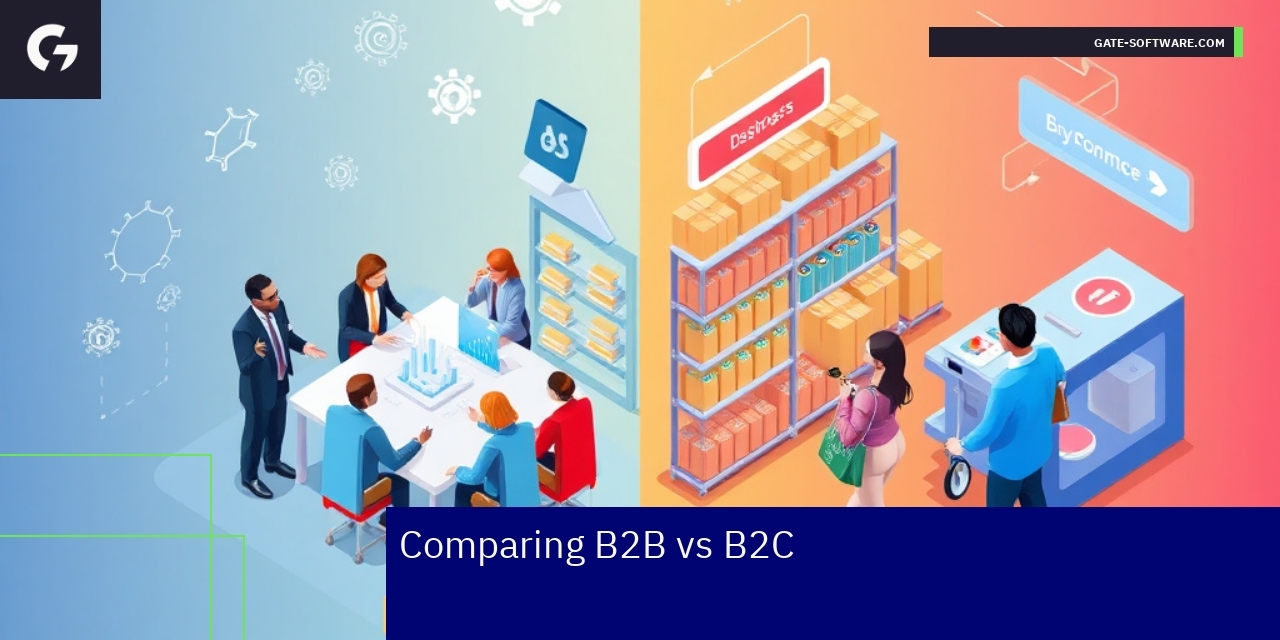
Comparing B2B vs B2C
– Analysis of advantages and disadvantages of both models
In the B2B sector, the sales process typically involves longer sales cycles, necessitating multiple stakeholder engagements and careful negotiation. This model excels in building lasting, strategic partnerships, which is essential for high-value contracts and recurring business. The advantage lies in the potential for bulk transactions and customized pricing agreements that can optimize costs and operational efficiency. However, B2B sales can be complex and require a deep understanding of client needs, demanding robust technical knowledge and tailored solutions—this can increase the initial setup and operational overhead.
In contrast, B2C model prioritizes speed and volume, with direct-to-consumer sales often driven by brand loyalty and emotional appeal. This model benefits from shorter sales cycles and relatively lower customer acquisition costs via mass marketing tactics. Yet, it lacks the predictability and personalization of B2B relationships, making retention more challenging. The simplified pricing structure in B2C also means less flexibility in negotiations but benefits from standardized processes.
Both models face challenges around UX/UI optimization and technical infrastructure. For B2B, compliance with WCAG 1.1 standards and platform robustness (like Magento-based systems) are critical to cater to business clients who demand accessibility and stability. B2C demands scalability and engaging user experiences to retain diverse customers. Understanding the personas like eCommerce Manager and Head of Applications helps tailor strategies specific to each model’s demands.
## Cost of Setting Up a B2B Store
Establishing a B2B e-commerce platform involves distinct costs compared to a B2C setup. Key expenses include the integration of advanced features such as custom pricing, volume discounts, and complex approval workflows tailored for business customers. Magento™ is frequently used in Gate-Software solutions for reliable hosting and SLA-backed performance, ensuring uptime critical for B2B operations.
Additional investments go toward compliance with WCAG 1.1 to make platforms accessible to all users, and UX/UI audits tailored to meet B2B usability standards. The architecture must support multi-user accounts, role-based permissions, and seamless backend integrations with ERP or CRM systems, often necessitating higher upfront development costs.
Ongoing costs include dedicated monitoring, SLA management, and optimization for cost efficiency in cloud hosting and maintenance. Proper planning and leveraging Gate-Software’s expertise in migrations and technical support reduce risks linked to downtime or security breaches. These investments ensure a scalable, secure, and efficient B2B store that meets both technical and business expectations.
Separate Offerings for Retail and Wholesale Customers
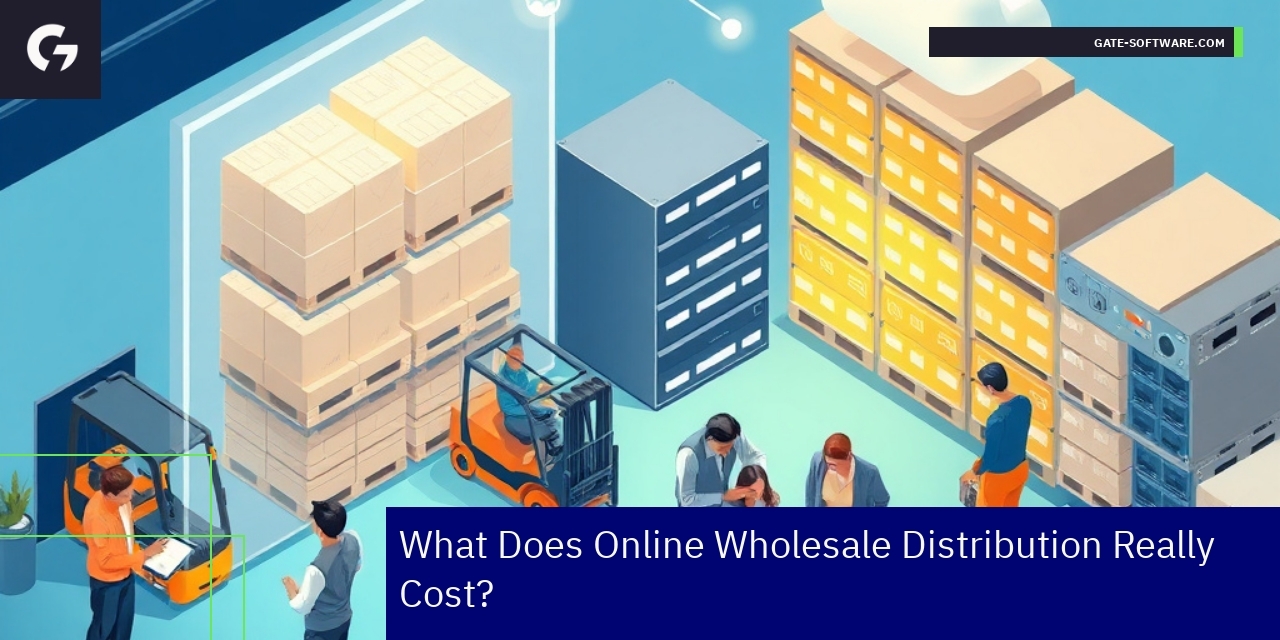
What Does Online Wholesale Distribution Really Cost?
Understanding the true cost of online wholesale distribution requires a deep dive into multiple layers of expenses that B2B companies face when managing and optimizing their e-commerce platforms. These costs go beyond the obvious elements such as product procurement and logistics, encompassing technical infrastructure, compliance, user experience, and long-term service management.
One significant component of cost lies in maintaining robust, scalable hosting solutions tailored for wholesale platforms often built on specialized systems like Magento. Costs associated with Magento™ hosting, monitoring, and SLA agreements ensure platform reliability and performance under high traffic volumes and transactions, which are critical for B2B operations. Additionally, investments in thorough UX/UI audits and WCAG compliance not only enhance customer experience but also meet accessibility standards that are increasingly vital in large-scale distribution platforms.
Moreover, cost optimization strategies come into play by leveraging Gate-Software’s expertise in project takeovers and ongoing platform maintenance. This includes fine-tuning backend integrations, warehouse management systems, and customized APIs, aligning the e-commerce system with complex B2B workflows. Such adaptations often require collaboration with roles like Architect, eCommerce Manager, and Head of Applications to align technical solutions with business goals effectively.
Marketing and content strategies also influence costs but play an essential role in supporting sales growth and brand positioning within wholesale channels. Gate-Software’s content strategy ensures alignment with key decision-makers’ personas, enhancing communication efficiency and strategic outreach without unnecessary expenditure.
In summary, online wholesale distribution costs reflect a blend of technological infrastructure, compliance and UX standards, tailored operational workflows, and strategic marketing initiatives. A clear understanding and optimized management of these areas lead to sustainable growth and competitive advantage in the B2B e-commerce landscape while leveraging proven Gate-Software solutions and methodologies.
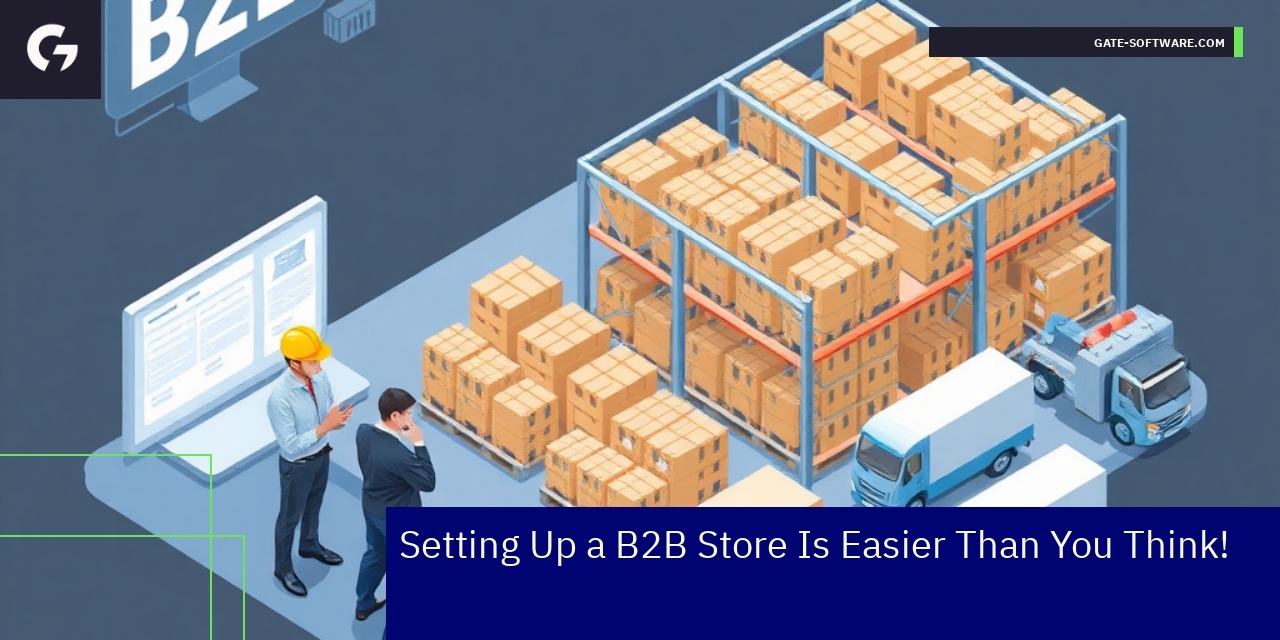
Setting Up a B2B Store Is Easier Than You Think!
Step-by-step guide
Setting up a B2B store involves a structured approach tailored to the specific needs of business clients and operational efficiency. Start by defining clear segmentation of your target customers, emphasizing distinct business profiles. Implement robust product categorization and pricing strategies that accommodate volume discounts and negotiated rates, essential in B2B commerce. Leverage Magento platform capabilities for customizable workflows, seamless integration with ERP systems, and flexible payment methods adapted to corporate procurement processes. Focus on ensuring the platform meets WCAG 1.1 standards for accessibility, enhancing usability for diverse professional users. Additionally, align UX/UI design with the expectations of technical personas such as Architects and eCommerce Managers to ensure navigation and feature sets support complex purchasing requirements. Incorporate Gate-Software’s strategic approach to SLA, hosting, monitoring, and migration to guarantee performance stability and scalability. By following this guide, businesses can streamline the implementation process while delivering a high-value user experience tailored to B2B demands.
Separate Offerings for Retail and Wholesale Customers
Creating tailored offers for different client types is crucial to effective B2B store management. Develop differentiated pricing models separating retail from wholesale customers, including specific catalog views and promotions suited to each segment. Use Magento’s segmentation and personalization features to present relevant product assortments and negotiate terms directly within the platform. Understand personas like the CDO and Head of Applications to design communication and marketing strategies that address their business goals and procurement cycles. Ensure transparency in order processing, delivery timelines, and after-sales support structured for larger volume transactions. Gate-Software emphasizes integration flexibility, enabling synchronization with existing B2B CRM and ERP systems to streamline order management and customer service. Tailored offers help maximize conversion rates, improve client satisfaction, and foster long-term partnerships by accurately addressing the unique purchasing behaviors of retail versus wholesale segments.
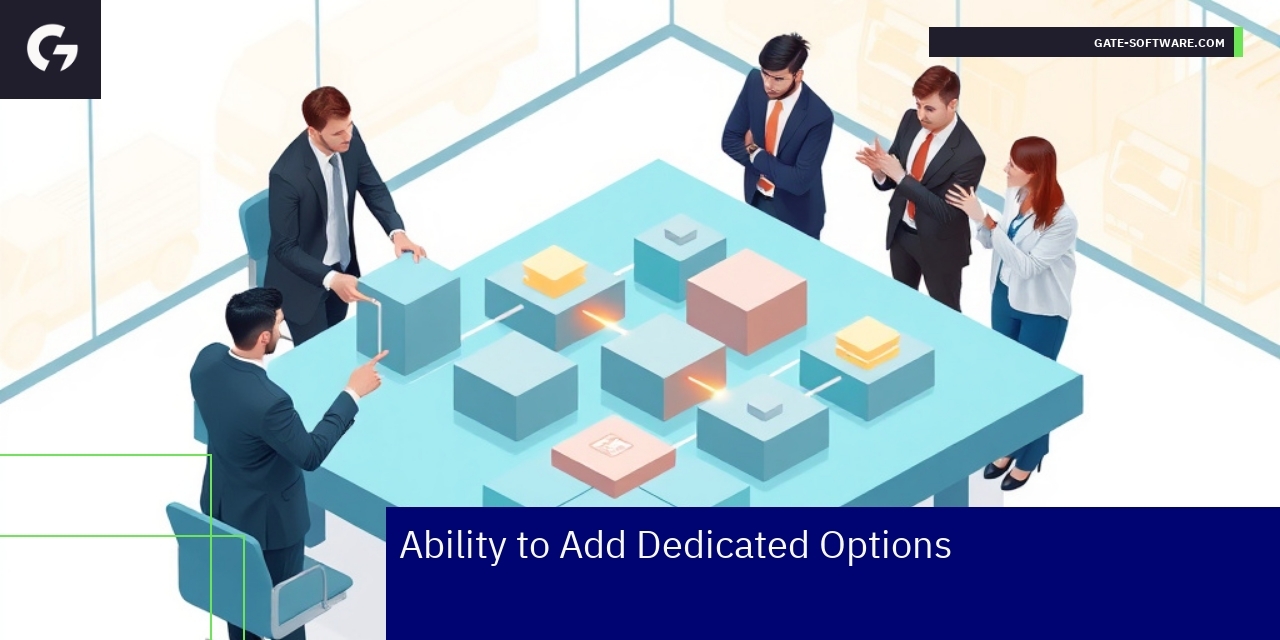
Ability to Add Dedicated Options
In the B2B sector, the ability to add dedicated options is essential for tailoring solutions that precisely meet the unique demands of business clients. Customization capabilities enable companies to adjust offerings dynamically, aligning with specific operational workflows and strategic objectives. This flexibility facilitates integration with existing systems, such as ERP or CRM platforms, ensuring seamless data exchange and process automation.
Moreover, dedicated options empower businesses to enhance user experience (UX) by incorporating features that reflect their particular market requirements, compliance standards, and user preferences. Implementing such tailored choices supports WCAG 1.1 standards, ensuring accessibility and inclusivity for all users.
From a procurement perspective, this ability influences how clients approach purchasing decisions. By offering modular features and scalable configurations, vendors can present practical solutions that optimize total cost of ownership while adapting to evolving business needs. This approach aligns with best practices in eCommerce management, emphasizing transparent communication and agility.
Gate-Software’s expertise in maintaining Magento platforms and their understanding of key personas — including the CTO, Head of Applications, and eCommerce Manager — positions them well to deliver these customized solutions. Their strategy embraces both technical robustness and marketing insights, facilitating effective collaboration and ensuring the final product supports long-term business goals.
In summary, adding dedicated options in B2B settings means not only meeting present requirements but also anticipating future challenges, enabling clients to scale and innovate efficiently within their digital commerce environments.
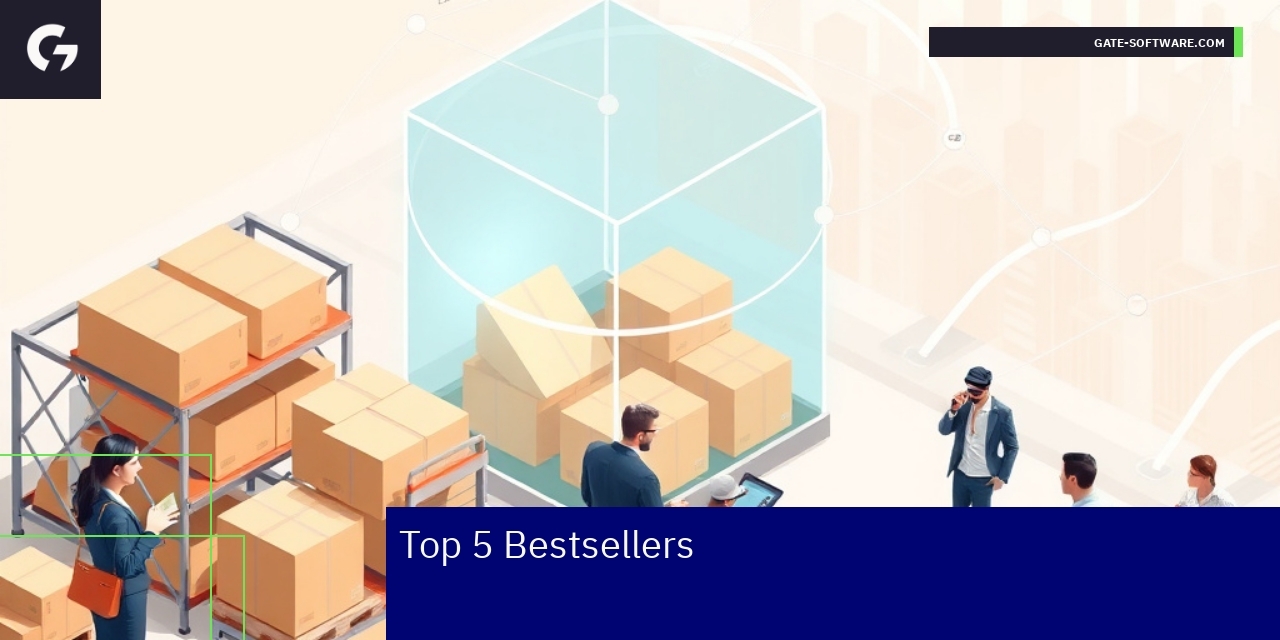
Top 5 Bestsellers
In the B2B sector, selecting the right products that drive growth and profitability is crucial. The top 5 bestsellers in a B2B offer typically reflect solutions that address core business challenges, streamline operations, and enhance customer experience. These products often integrate advanced functionalities aligned with strategic goals, such as improving platform stability, scalability, and compliance with standards like WCAG 1.1 for accessibility.
One of the leading categories includes robust e-commerce platforms based on Magento™, which support complex B2B transactions and enable personalized client journeys. These platforms are appreciated for their seamless integration capabilities with ERP and CRM systems, facilitating data-driven decision making and efficient order management. Effective implementation of SLA (Service Level Agreements) ensures high availability and performance, which are non-negotiable for demanding B2B environments.
Another bestseller product category involves advanced UX/UI audits tailored to B2B needs. These audits help identify usability bottlenecks and accessibility gaps, ensuring the digital interface meets the expectations of diverse user personas such as Architects, eCommerce Managers, and Heads of Applications. Implementing the recommended changes not only boosts user satisfaction but also supports compliance with WCAG guidelines — a critical aspect for many enterprise clients.
Hosting and monitoring solutions form a core part of the B2B offer. Reliable hosting environments specifically optimized for Magento platforms ensure security, scalability, and compliance with industry best practices. Continuous monitoring enables proactive issue detection and rapid response, minimizing downtime and protecting business continuity.
Migration services to newer technology stacks or updated Magento versions also rank high among bestsellers. These projects require expert knowledge to minimize disruption and optimize costs, reinforcing Gate-Software’s commitment to tailored, efficient solutions. Leveraging case studies and cooperation models, these services demonstrate measurable improvements in operational efficiency and customer engagement.
Finally, marketing and communication strategies customized for B2B stores round out the top 5 bestsellers. These strategies encompass content planning, social media execution aligned with Brand Voice, and detailed persona analysis to target key decision-makers such as CDOs and CTOs effectively. A strategic approach to content and social media enhances lead generation and fosters long-term partnerships.
Throughout the portfolio, Polish SEO phrases are seamlessly integrated to attract and engage targeted audiences in search engines, ensuring visibility and conversion effectiveness in both domestic and international markets. By focusing on these critical offer elements, businesses can tackle real technical and strategic challenges, driving growth in the competitive B2B landscape.
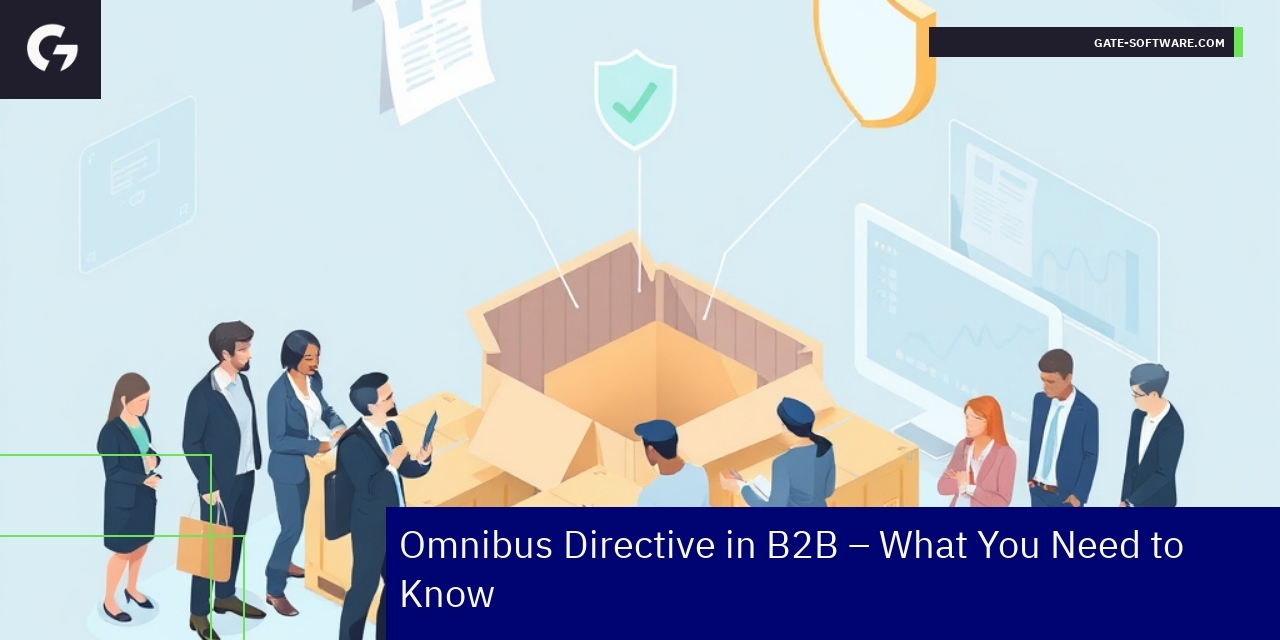
Omnibus Directive in B2B – What You Need to Know
Explanation of important legal aspects
The Omnibus Directive introduces significant regulatory changes that impact B2B ecommerce operations. It aims to increase transparency in transactions and enhance rights for business customers. Key legal aspects include stricter requirements for information disclosure, clearer contract terms, and stronger consumer protection mechanisms adapted for B2B environments. Understanding these updates ensures compliance and safeguards business relationships. Implementing these legal standards effectively requires adjustments in platform interfaces, terms and conditions, and customer communication strategies, all essential for a seamless B2B ecommerce experience.
FAQ – Frequently Asked Questions
Businesses often inquire about how the Omnibus Directive affects order processing, dispute resolution, and user data management in B2B stores. Common questions address the steps needed to meet new transparency requirements, implications for pricing structures, and how to align sales practices with the directive’s rules. Clear answers help eCommerce Managers and Heads of Applications to optimize workflows and ensure that platforms provide the necessary disclosures without complicating user experience. Regular staff training and technical solutions for automated compliance can address most concerns effectively.
Conclusion
Leveraging the advantages of B2B ecommerce under the Omnibus Directive requires proactive adaptation to legal requirements and marketplace expectations. By integrating transparent practices and compliant processes, companies can build trust and competitive advantage. In summary, the Omnibus Directive presents an opportunity to refine operational standards, improving service quality and legal resilience. Firms that prioritize updating their systems according to these guidelines will benefit from enhanced customer loyalty and streamlined compliance within the B2B space.
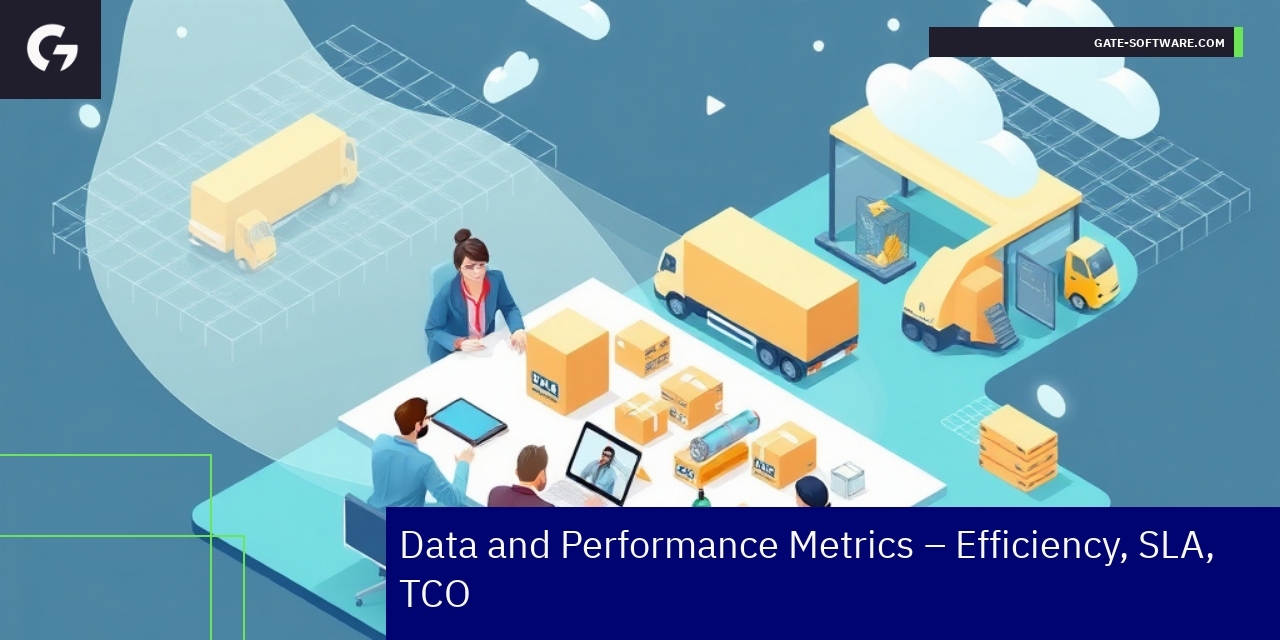
Data and Performance Metrics – Efficiency, SLA, TCO
Operational Effectiveness in B2B Projects
Understanding operational metrics is vital for evaluating the effectiveness of B2B projects within Gate-Software. Companies engaged in B2B e-commerce can benefit from clear benchmarks that illustrate operational efficiency, performance standards, and overall value delivered to clients.
In projects undertaken with Gate-Software, the average project takeover time has been significantly reduced to just 3 weeks, allowing companies to transition smoothly without prolonged disruptions. This swift turnaround is critical in maintaining positive client relationships and ensuring continued operational flow.
Moreover, 92% of projects were delivered on time, reflecting Gate-Software’s commitment to reliability and adherence to deadlines. This high percentage underscores the efficiency of their project management frameworks, which are meticulously designed to cater to the unique demands of B2B environments.
On the cost-efficiency front, businesses have reported an average 20% reduction in Total Cost of Ownership (TCO) after implementing Gate-Software solutions. This reduction is attributed to streamlined processes and enhanced operational efficiencies that the B2B platforms provide.
The uptime SLA (Service Level Agreement) consistently meets a remarkable 99.9%, ensuring that businesses can depend on the platforms even during peak transaction periods — a critical requirement for B2B operations where downtime can lead to lost sales opportunities.
Additionally, the average client relationship duration extends up to 5 years, demonstrating the effectiveness of Gate-Software’s approach in fostering long-term partnerships. This longevity not only indicates customer satisfaction but also suggests that businesses find substantial, ongoing value in the services provided.
In summary, these measurable metrics reflect Gate-Software’s impact on enhancing operational effectiveness in B2B projects, ultimately supporting informed decision-making for potential clients considering investment in e-commerce solutions.
Summary
In the competitive landscape of B2B e-commerce, establishing a well-structured B2B store is fundamental for achieving operational excellence and driving growth. Gate-Software’s expertise in developing robust platforms tailored to business needs empowers companies to streamline procurement processes, enhance customer relationships, and reduce overall costs. With the integration of Magento™, organizations can benefit from advanced functionalities that facilitate bulk ordering, personalized pricing, and seamless order management, all while adhering to WCAG standards for accessibility.
By leveraging customized solutions and strategic support from Gate-Software, businesses can improve efficiency in their supply chains, optimize their technical infrastructure, and effectively engage with their target market. The commitment to understanding key buyer personas, coupled with dedicated options for unique business requirements, positions B2B companies for success in an evolving digital environment.
This approach not only fosters stronger client relationships through transparency and efficient service but also builds credibility and trust, positioning your organization as a reliable partner in the B2B sector. We encourage you to consider the potential of a tailored B2B store with Gate-Software, where innovation meets strategic business objectives for long-term success.

FAQ
What is a B2B store?
A B2B store is a specialized online platform designed to facilitate transactions between businesses, allowing for features like bulk purchases, customized pricing, and streamlined inventory management.
How does a B2B platform work?
A B2B platform functions as a digital marketplace connecting suppliers and buyers, supporting complex transactions, customized pricing, invoicing, and contract management, while integrating with existing ERP and CRM systems.
What are the costs associated with setting up a B2B store?
Establishing a B2B store involves costs for advanced features like custom pricing and approval workflows, compliance with accessibility standards, ongoing monitoring, and integrating with backend systems.
Why is UX/UI important in a B2B store?
UX/UI is crucial in a B2B store as it enhances user experience, ensuring that the platform is efficient and accessible for business buyers, which is essential for the successful completion of complex purchasing tasks.
How can businesses leverage the Omnibus Directive in B2B e-commerce?
Businesses can benefit from the Omnibus Directive by adapting their practices to ensure transparency and compliance, which builds trust and enhances customer loyalty within the B2B space.
.
.
Zamów bezpłatną konsultację
.
Z nami rozwój Twojego biznesu nabierze tempa! Zapraszamy do kontaktu średnie i duże firmy generujące min. 7 mln PLN obrotu rocznie – tam nasza ekspertyza sprawdza się najlepiej.
.
Kliknij w poniższy przycisk i skontaktuj się z jednym z naszych konsultantów e-commerce
.