Introduction
In the contemporary landscape of digital commerce, B2B stores have emerged as pivotal hubs driving the success of e-commerce initiatives. Unlike B2C platforms, B2B e-commerce demands a nuanced approach that addresses complex buyer journeys, multi-level decision-making processes, and the integration of advanced technological solutions. For enterprises seeking to optimize their e-commerce performance, a dedicated B2B store not only streamlines procurement and sales cycles but also enhances customer experience through tailored UX/UI design and adherence to WCAG accessibility standards.
Gateway to this success is the strategic implementation of platforms like Magento™, which underpins scalable, secure, and customizable B2B storefronts. Simultaneously, maintaining operational excellence through comprehensive SLA agreements, continuous monitoring, and proactive support ensures uninterrupted service and aligns with the expectations of key personas such as CTOs, CDOs, and eCommerce Managers.
Gate-Software’s expertise in maintaining and evolving Magento platforms combined with a deep understanding of business requirements enables the delivery of robust B2B e-commerce solutions. These solutions address challenges such as complex user roles, integration with ERP systems, and optimization of marketing and content strategies to drive conversion and retention. Ultimately, B2B stores designed and managed with precision become fundamental assets in the digital transformation journey of any business aiming for sustainable growth in competitive markets.
What Is a B2B Store?
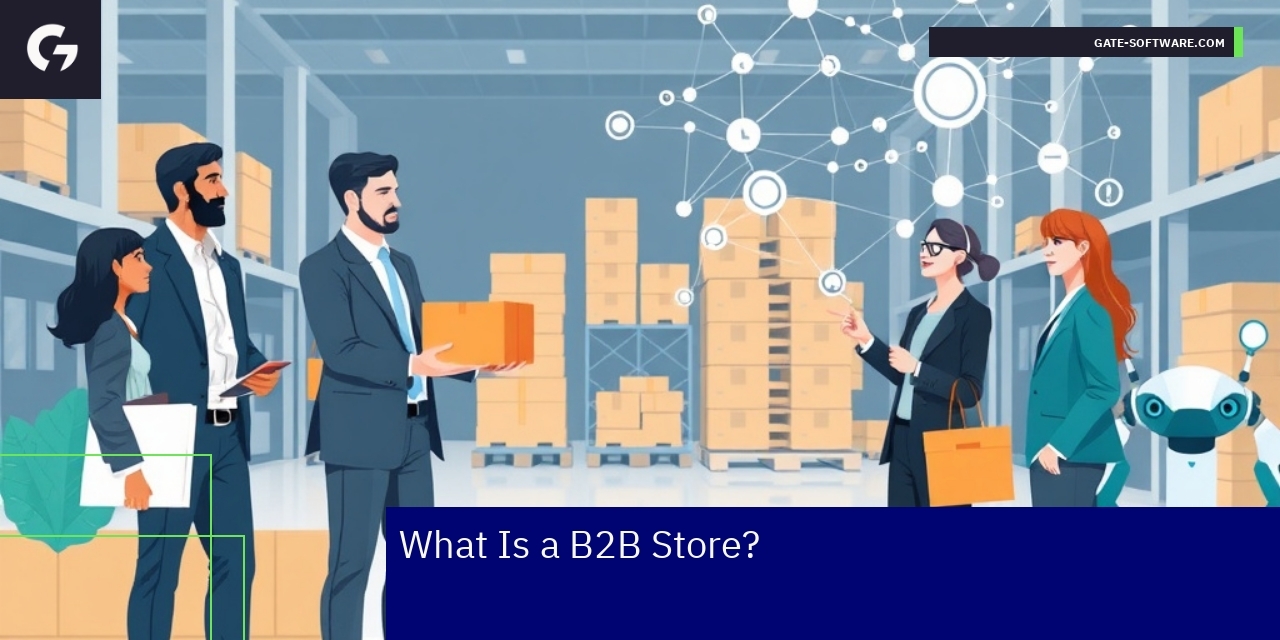
A B2B store, or Business-to-Business store, is an online platform designed to facilitate commerce exclusively between businesses. Unlike B2C channels, which target individual consumers, a B2B store caters to companies such as manufacturers, wholesalers, retailers, and service providers, offering products and services tailored to their specific operational needs. The core function of a B2B store is to provide an efficient, scalable environment where businesses can source goods in bulk or specialized services, negotiate pricing, and manage longer, more complex sales cycles.
Definition and basic concepts related to B2B e-commerce
B2B e-commerce is characterized by several distinct features. It often involves multi-tier pricing structures, where companies receive special terms and volume discounts based on negotiated agreements. Unlike consumer shopping experiences, B2B transactions integrate deeper into procurement systems and may require advanced capabilities like purchase order management, credit terms, and invoicing. The product catalog in a B2B store is usually highly detailed, reflecting technical specifications, certifications, or compliance necessary for professional use. The sales process is typically more consultative, requiring personalized customer service and support aligned with business goals. From a UX/UI perspective, intuitive navigation combined with robust search and filtering options enhances usability for professional buyers who value efficiency.
How does a B2B store work?
A B2B store starts with user registration and verification to ensure that only qualified businesses access the platform, which helps uphold pricing integrity and contract terms. Once registered, buyers can browse an extensive product range, often segmented by industry or application, facilitating quick identification of needed items. Orders are frequently placed through customized workflows offering options such as requesting quotes, contract pricing, or repeat order templates. Payment methods in B2B stores go beyond instant payment; they include credit lines, net terms, and purchase approvals tailored to corporate financial procedures. Logistics is another critical aspect, with stores capable of managing bulk shipments, drop-shipping, or scheduled deliveries as per client agreements. Finally, comprehensive customer support and technical consultation are integral to maintaining long-term business relationships, addressing complex client requirements within B2B ecosystems.
Integrating these elements, a well-structured B2B store not only streamlines purchasing but also reinforces strategic supplier partnerships, which are essential for sustained competitiveness in industrial and commercial sectors. This cohesion aligns with Gate-Software’s commitment to providing customized e-commerce solutions designed around the precise needs of B2B enterprises.
TABLE OF CONTENTS
- B2B Store – The Key to Success in E-commerce
- What Is a B2B Store?
- Types of B2B Stores
- B2B Store Features
- Benefits and Advantages
- Choosing a B2B Platform
- B2B Store on WordPress
- How to Buy
- Fast Repeat Ordering
- Advanced Product Info (PIM)
- B2B Digital Marketing Strategy
- FAQ – Questions & Answers
- Data and Performance Metrics – Efficiency, SLA, TCO
- Summary
- FAQ
- How to speed up the ordering process.
- Shared carts: benefits and practical uses.
- Additional services offered in a B2B store.
- Examples of extended products in B2B e-commerce.
- How the omnibus directive impacts B2B stores.
- Key changes and compliance requirements.
- How to select the best marketing strategy for your B2B store?
- Analyzing the effectiveness of different approaches.
- Digital tools that support B2B marketing efforts.
- Practical examples of tools in action.
What Is a B2B Store?
A B2B store (Business to Business) is a specialized e-commerce platform designed to facilitate transactions between companies rather than individual consumers. Unlike B2C stores focused on retail customers, B2B stores cater to enterprises engaging in wholesale purchases, often involving larger order volumes and tailored commercial agreements. Such stores play a critical role in the modern e-commerce ecosystem by supporting complex sales processes and enabling efficient procurement workflows for businesses.
B2B stores operate with distinct functional characteristics essential for business buyers. They typically require companies to register and undergo verification to ensure legitimate trade relations. Pricing structures are oriented towards wholesale, offering competitive rates and volume discounts, reflecting the larger quantities usually purchased by corporate clients. In addition, B2B platforms often enforce minimum order thresholds to optimize transaction efficiency.
Beyond pricing, B2B stores deliver business-specific features such as VAT invoicing, flexible payment terms, and customizable delivery schedules, which are crucial for compliance and operational planning. These platforms also emphasize post-sale support and the cultivation of long-term partnerships, which are vital for business clients relying on consistent supply chains. In this way, B2B stores integrate transactional precision with strategic relationship management, offering a comprehensive solution tailored to e-commerce’s business-to-business segment. All of these aspects align with Gate-Software’s focus on delivering B2B e-commerce platforms that address real technical and business challenges, ensuring scalable, secure, and efficient operations in this demanding market environment.
Types of B2B Stores
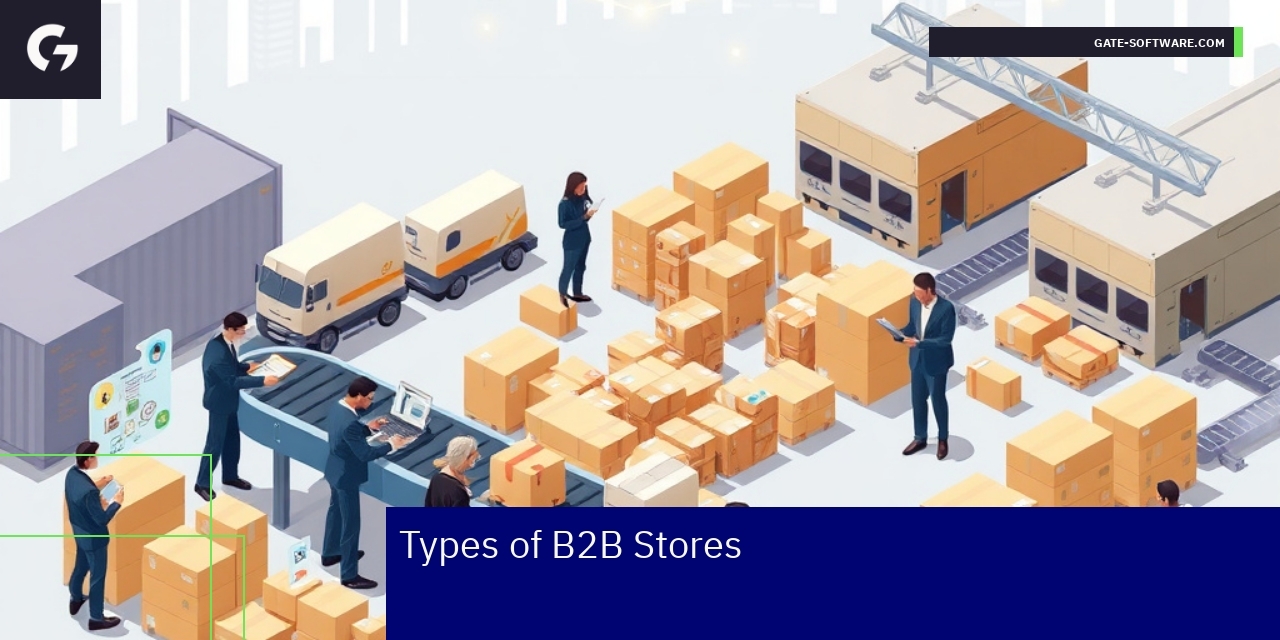
B2B platforms differ significantly in their structure, purpose, and application, addressing varied business needs across industries. These platforms facilitate transactions primarily between businesses, enabling streamlined procurement, inventory management, and integration with existing enterprise systems. Their architecture supports complex pricing models, bulk ordering, and tailored catalogs, which are essential to meet the specific requirements of B2B clients. Understanding these differences is crucial for CTOs and eCommerce Managers aiming to select and implement solutions that optimize operational efficiency and customer experience within B2B environments.
Online wholesalers play a pivotal role in the B2B e-commerce ecosystem by acting as intermediaries that provide an extensive range of products to retailers and other businesses. Their platforms emphasize scalability, reliability, and compliance with business purchasing standards. This segment of B2B stores often integrates advanced features such as tiered pricing, credit management, and dynamic inventory updates, enabling seamless transactions and fostering long-term client relationships. For Heads of Applications, ensuring these features align with IT infrastructure and business processes is key to maintaining competitive advantage and service quality.
When comparing the Best B2B eCommerce Platforms at a glance, several critical factors surface: platform flexibility, integration capabilities with ERP and CRM systems, security standards, and compliance with accessibility guidelines like WCAG 1.1. Gate-Software’s expertise in Magento™ offers tailored solutions that address these challenges comprehensively. Emphasizing scalability, cost optimization, and UX/UI standards helps businesses deliver consistent and accessible online experiences. The integration of marketing strategies and content aligned with brand voice further enhances engagement and conversion, a vital aspect highlighted by the eCommerce Manager and CDO personas. This holistic view supports informed decision-making and strategic platform deployment in B2B commerce.
B2B Store Features
Key features and benefits of powerful B2B eCommerce platforms
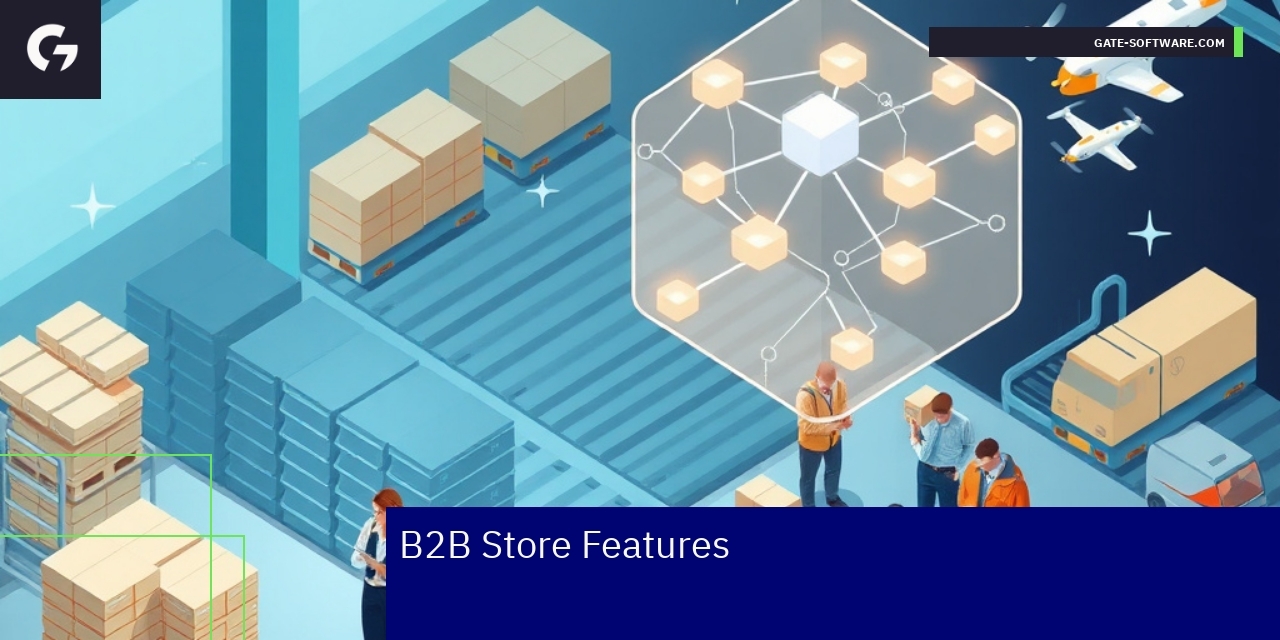
Powerful B2B eCommerce platforms must address the complexity and scale of wholesale transactions while ensuring seamless user experiences. Critical features include flexible catalog management tailored to diverse B2B customer segments, robust pricing and discount systems calibrated for volume purchases, and account management capabilities supporting multiple user roles and permissions. These platforms benefit businesses by enabling streamlined order processes, reducing errors, and improving customer satisfaction. The integration of tools for efficient inventory tracking and real-time stock availability helps maintain operational transparency. Additionally, platforms supporting custom workflows facilitate alignment with specific business processes, which is vital in wholesale environments where purchase approvals and negotiations are common. This foundation maximizes efficiency and supports scalability in all phases of B2B operations.
Integration with ERP and CRM systems
Integrating ERP and CRM systems into B2B stores is essential for comprehensive business process management and data consistency. ERP integration ensures accurate synchronization of inventory, pricing, and financial data, critical for managing complex supply chains and invoicing in B2B contexts. CRM integration, on the other hand, enhances customer relationship management by providing a unified customer view and history, improving personalized service and account management. These integrations enable automated data sharing that reduces manual workload, minimizes errors, and speeds up transaction cycles. By connecting eCommerce platforms with back-office systems, companies can offer real-time access to key business information, facilitating strategic decision-making and optimizing the entire customer lifecycle from lead generation to repeat orders.
Business process automation in B2B stores — Built to power wholesale buying and selling
Business process automation within B2B stores streamlines repetitive and complex operational tasks, allowing organizations to focus on strategic growth. Automation capabilities include order processing workflows that handle approvals and validations, automated pricing adjustments based on contract terms, and bulk order management tools tailored for wholesale needs. Automating inventory replenishment and alerts prevents stockouts and overstocks, maintaining smooth operations. These functionalities reduce processing time and create a consistent buying experience for customers. Automating communication and notifications ensures timely updates on order status and shipping, enhancing transparency and trust. Gate-Software solutions emphasize robust automation aligned with wholesale buying and selling, driving efficiency while maintaining compliance with corporate policies and contract conditions. This enhances both operational agility and customer satisfaction in the demanding B2B market.
Common mistakes to avoid when picking a platform
Benefits and Advantages
Main advantages of using Best B2B eCommerce Platforms.
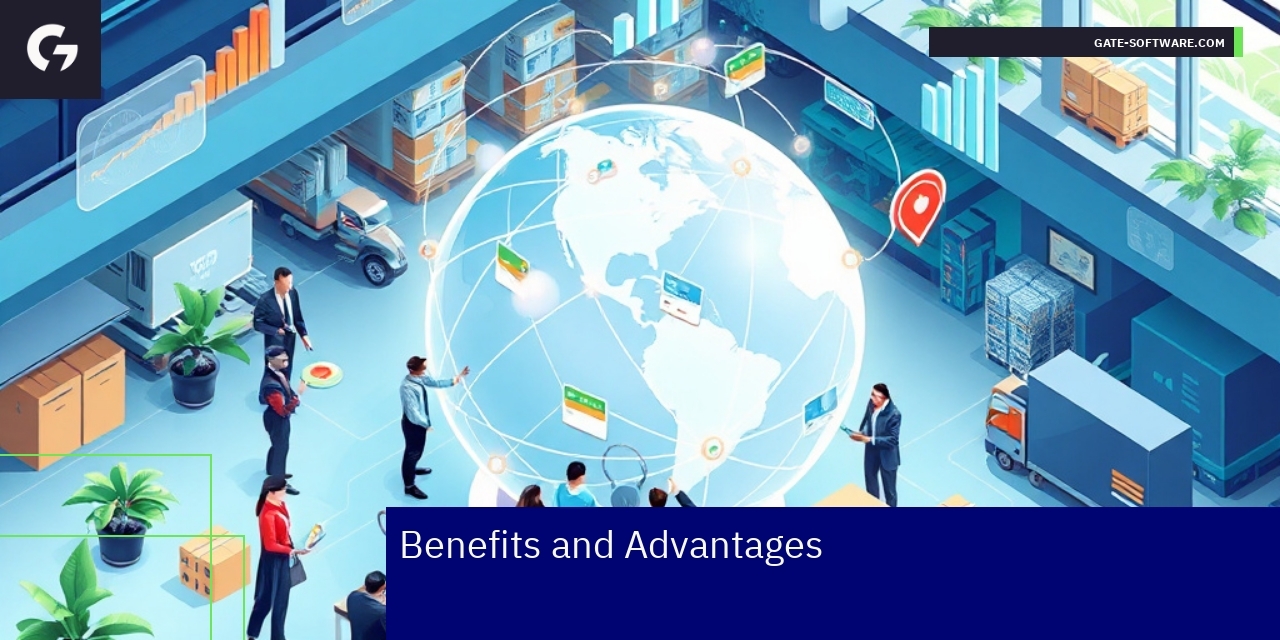
The adoption of Best B2B eCommerce Platforms brings a range of pivotal advantages that directly respond to the challenges faced by B2B enterprises. These platforms are tailored to the complex purchasing cycles, bulk ordering requirements, and unique pricing structures typical for B2B. They facilitate scalable growth by providing robust functionalities such as customizable catalogs, advanced pricing rules, and comprehensive account management. With seamless integration into existing ERP and CRM systems, they enhance data consistency and operational transparency. Employing these platforms ensures a streamlined procurement process for buyers and offers sellers detailed insights into buyer behavior and preferences. The platforms are designed with a deep understanding of the needs of CTOs, Heads of Applications, and eCommerce Managers, enabling them to maintain control over technological governance while empowering the sales teams.
Benefits from automation and integration.
Automation and integration form the backbone of efficiency in modern B2B operations. By leveraging advanced automation in order processing, inventory management, and customer communications, companies significantly reduce manual errors and operational costs. Integration with enterprise systems like Magento™, ERP, and monitoring tools enables real-time synchronization of data across departments, ensuring accuracy and faster response times. Furthermore, automated workflows supported by Gate-Software solutions allow businesses to meet WCAG standards and UX/UI guidelines seamlessly, improving accessibility and customer satisfaction. Automation of routine tasks frees the teams to focus on strategic initiatives such as personalized customer engagement and market expansion. This synergy between automation and integration is indispensable for any digital wholesale operation aimed at sustained growth and competitiveness.
How digital wholesale designed for you increases business efficiency.
Digital wholesale platforms designed with the buyer and seller in mind transform business efficiency dramatically. Custom-tailored solutions from Gate-Software address top-level concerns of decision-makers including scalability, security, and compliance with industry standards. By implementing features like role-based access, real-time analytics, and personalized communication channels, these platforms optimize the digital sales funnel. The result is a reduction in time-to-market and improved cash flow management. Digital wholesale interfaces are crafted to maximize usability and reduce friction in complex B2B transactions, aligning closely with the strategic objectives of CIOs, CDOs, and eCommerce Managers. Through focused design and technological innovation, such platforms unlock new revenue streams and enhance customer retention while maintaining operational excellence across the supply chain. This targeted approach ensures that businesses not only survive but thrive in competitive wholesale markets.
Choosing a B2B Platform
How to choose the right B2B eCommerce platform for your needs?
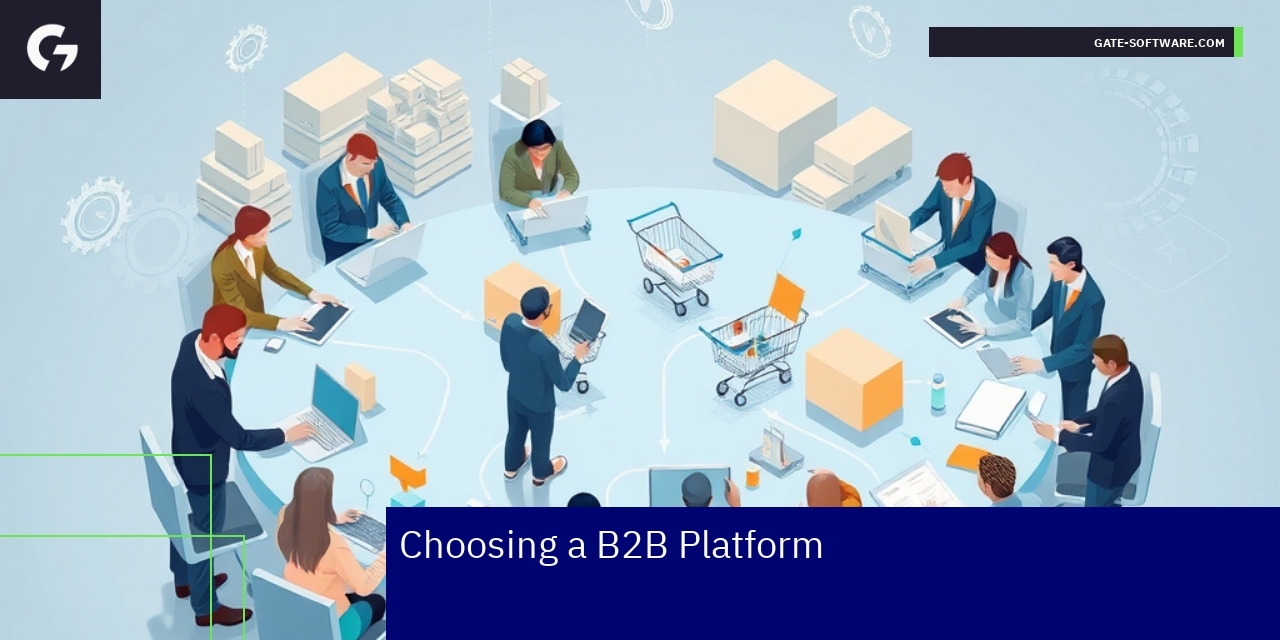
Choosing the right B2B eCommerce platform requires a deep understanding of your business needs, target personas, and technical requirements. For a successful selection, focus on platforms that support complex workflows typical in B2B environments, such as multi-user accounts, flexible pricing structures, and advanced order management. It is essential to consider user experience tailored to the B2B buyer journey, integrating seamlessly with existing systems like ERP and CRM to maintain data consistency. Security and compliance, especially related to WCAG standards, should also be a priority given the critical nature of B2B transactions. Check that the platform can handle your industry’s specific demands and allows scaling as your business grows.
Selection criteria: functionality, integrations, and support.
Functionality and integrations are key parameters in platform choice. Look for a B2B platform that provides customizable product catalogs, supports multi-store setups, and offers automation tools for repetitive tasks to increase efficiency. Integrations must be robust, enabling synchronization with legacy systems and third-party services, which is crucial to avoid operational silos. Customer support is equally imperative; a platform backed by expert technical assistance and clear SLA guarantees ensures minimal downtime and consistent performance. Attention to UX/UI audits and adherence to accessibility standards (WCAG 1.1) further contribute to smoother user interactions and broader user base accessibility.
Common mistakes to avoid when picking a platform.
Avoid choosing a platform based solely on initial cost or flashy features without verifying its alignment with long-term business strategy and scalability. Overlooking the importance of integrations can lead to costly custom workarounds and fragmented workflows. Neglecting accessibility and user experience considerations often results in reduced adoption and customer dissatisfaction. Another common pitfall is insufficient evaluation of vendor support and SLA terms, which can cause critical delays in issue resolution. Lastly, ignoring the voice of your key personas, such as the Architect, CTO, or eCommerce Manager, may result in a platform that does not meet technical expectations or business objectives, impacting overall project success.
Shared Carts and Accounts
B2B Store on WordPress
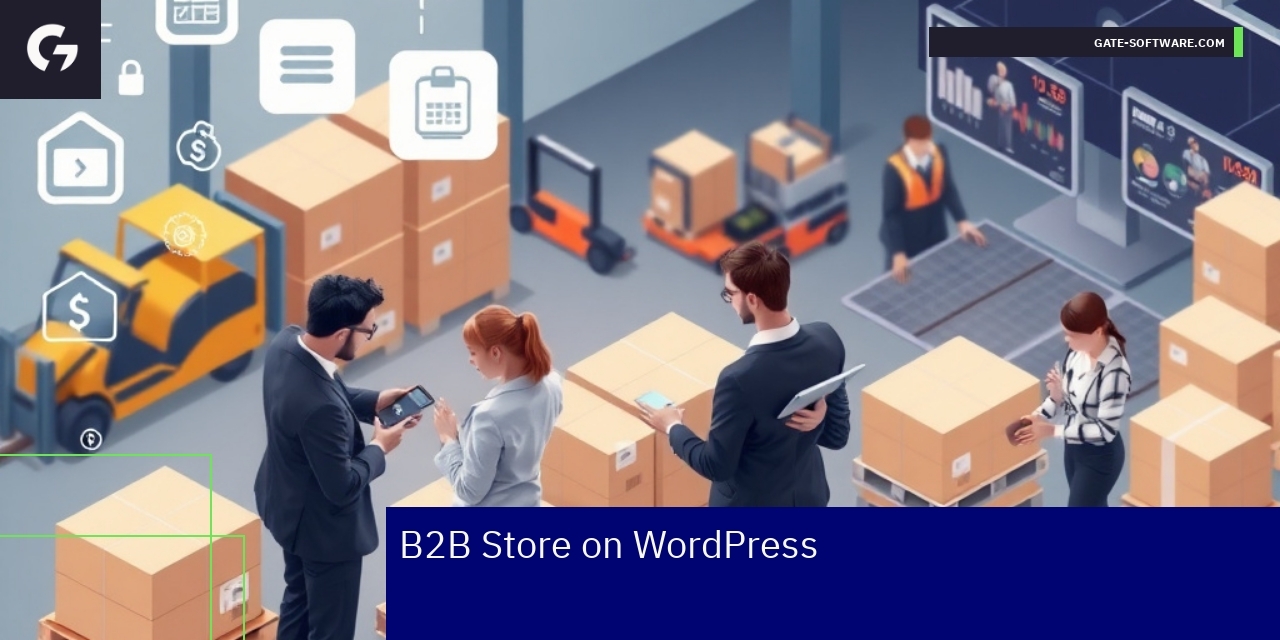
Getting started with B2B eCommerce on WordPress requires a clear understanding of the unique demands of B2B transactions, including complex pricing, bulk ordering, and integration with existing business systems. WordPress offers a flexible foundation to build a tailored B2B store, enabling seamless customization and scalability. For CTOs and Heads of Applications, it is critical to assess plugin compatibility with business processes and compliance standards to ensure smooth operation and security. Integrating payment gateways that handle corporate invoicing and multi-user accounts addresses key B2B requirements and optimizes the user journey.
Best plugins for B2B e-commerce on WordPress include solutions that extend WooCommerce with functionalities such as role-based pricing, advanced quote management, and efficient order approval workflows. Plugins that support integration with ERP and CRM systems enable synchronization of inventory, customer data, and order processing. Leveraging plugins designed with WCAG compliance supports accessibility requirements important for diverse user groups. Selecting plugins that facilitate SEO optimization, including the preservation of Polish SEO keywords such as B2B, ensures strong online visibility and supports content marketing strategies.
Examples of successful implementations illustrate how B2B stores built on WordPress can revolutionize business operations by improving customer experience and operational efficiency. Case studies highlight streamlined UX/UI designs tailored to key personas like eCommerce Manager and Architect, enabling faster decision-making and reduced friction in sales processes. Gate-Software’s approach leverages deep knowledge of B2B workflows to deliver customized environments with reliable hosting and monitoring, ensuring uptime and performance. These implementations demonstrate the impact of strategic content and technology integrations that support long-term growth in the B2B sector.

How to Buy
Buying process in a B2B store.
The buying process in a B2B store typically involves several well-defined stages: identifying business needs, researching available offers, negotiating terms, placing the order, and finalizing the transaction. Unlike B2C purchases, which are often impulsive, B2B purchasing is more complex and usually requires multiple approvals and formal procedures. This is because B2B transactions often involve higher order values, stricter compliance requirements, and strategic supplier relationships that support long-term cooperation. Understanding these stages helps B2B buyers navigate their purchasing efficiently and align with organizational policies and objectives.
Differences between B2B and B2C purchasing.
Key distinctions between B2B and B2C purchasing lie in decision-making processes, transaction scale, and relationship duration. B2B purchases are frequently made by decision committees rather than individuals, involving in-depth evaluations and risk assessments. The transaction sizes tend to be much larger and often include negotiations on pricing and terms. Furthermore, relationships in B2B contexts are typically long-term and partnership-driven, emphasizing trust and mutual benefit. In contrast, B2C transactions commonly represent single purchases made by individuals with less formal processes and a transactional nature. Recognizing these differences enables businesses to tailor strategies to their respective customers and optimize sales channels accordingly.
Personalized Pricing & Dynamic Catalogs
##### How personalized pricing works in B2B.
In B2B commerce, personalized pricing plays a crucial role by adjusting prices based on client-specific criteria such as purchase volume, contract terms, or historical buying patterns. This approach enables more competitive offers and supports sustaining profitable client relationships. By leveraging dynamic pricing engines integrated into e-commerce platforms, companies can tailor pricing effectively and transparently to each customer segment, which helps reinforce loyalty and increases order frequency. Personalized pricing strategies must be supported by robust data analytics and flexible catalog management to reflect real-time adjustments and client negotiations.
##### Dynamic product catalogs: what they are and how to use them effectively.
Dynamic product catalogs in B2B environments allow sellers to customize product visibility and offerings based on the profile and needs of each customer. This means showing relevant products, bundles, or services that align with customer history, industry, or purchasing behavior. Such catalogs improve the buyer experience by reducing complexity and highlighting applicable options, thus accelerating decision-making. Effective use of dynamic catalogs requires integration with CRM and ERP systems to ensure data consistency and enable automated updates reflecting inventory levels, pricing changes, or promotions. Leveraging these catalogs helps firms optimize sales processes and improve conversion rates.
Wholesale Buying
##### Wholesale buying, simplified: benefits explained.
Wholesale buying offers businesses significant advantages, including lower unit prices, improved payment terms, and better supply chain efficiency. Bulk purchasing allows economies of scale, reducing costs while securing product availability for continuous operations. Additionally, wholesale deals often involve relationship-building opportunities with suppliers, fostering trust and priority service. These benefits are critical in B2B where operational continuity and cost-effectiveness directly affect profitability and competitive positioning.
##### How to efficiently manage wholesale orders.
Efficient wholesale order management demands accurate demand forecasting, inventory control, and streamlined procurement workflows. B2B platforms should provide tools for bulk order submission, clear order tracking, and flexible payment options to accommodate client needs. Automating repetitive tasks and integrating order data with backend systems such as ERP enhances operational efficiency. Furthermore, maintaining open communication channels with suppliers and clients ensures timely fulfillment and quick resolution of potential issues, which is essential for sustaining customer satisfaction and loyalty in wholesale transactions.
Fast Repeat Ordering
Shared Carts and Accounts
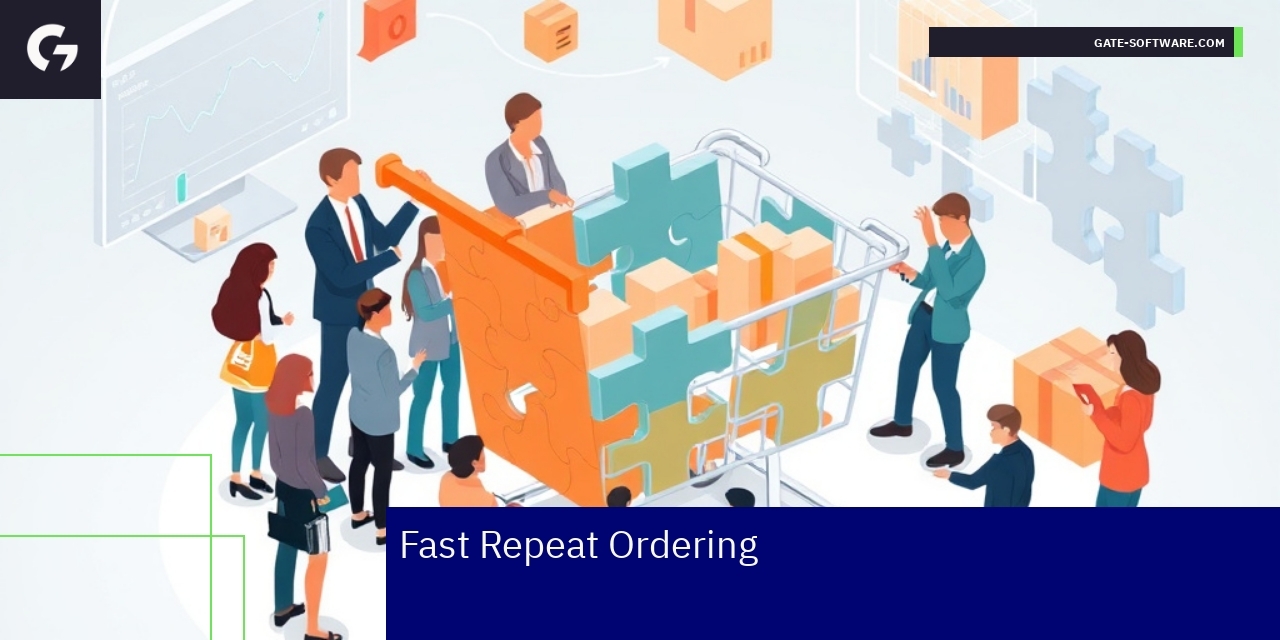
Shared carts significantly boost purchase efficiency by enabling multiple stakeholders from B2B companies to collaborate seamlessly during the procurement process. This feature caters well to complex buying workflows where different roles, such as purchasing agents and departmental heads, jointly manage orders. In wholesale environments, shared carts reduce duplication of effort and streamline approval cycles, allowing fast repeat ordering aligned with organizational needs. Shared carts support maintaining consistent order patterns, critical for supply chain stability and operational continuity. Leveraging such collaborative tools within your B2B platform empowers your teams to manage recurring purchases effectively while maintaining compliance with enterprise procurement policies.
Offer Management & CRM Integration
Integration of offer management with CRM systems is pivotal to streamline B2B ordering workflows, facilitating swift creation, modification, and approval of tailored offers. This connectivity ensures that sales teams have real-time access to customer-specific pricing, discounts, and contract terms directly within their CRM dashboards. For fast repeat ordering, automated synchronization between CRM and order management systems prevents data silos and minimizes manual input errors. Businesses gain from enhanced order precision and reduced cycle times, ultimately supporting seamless growth in wholesale operations. Incorporating these powerful solutions positions enterprises to respond rapidly to market demands while maintaining personalized service excellence and operational efficiency.
Advanced Product Info (PIM)
What is PIM and its importance in B2B stores?
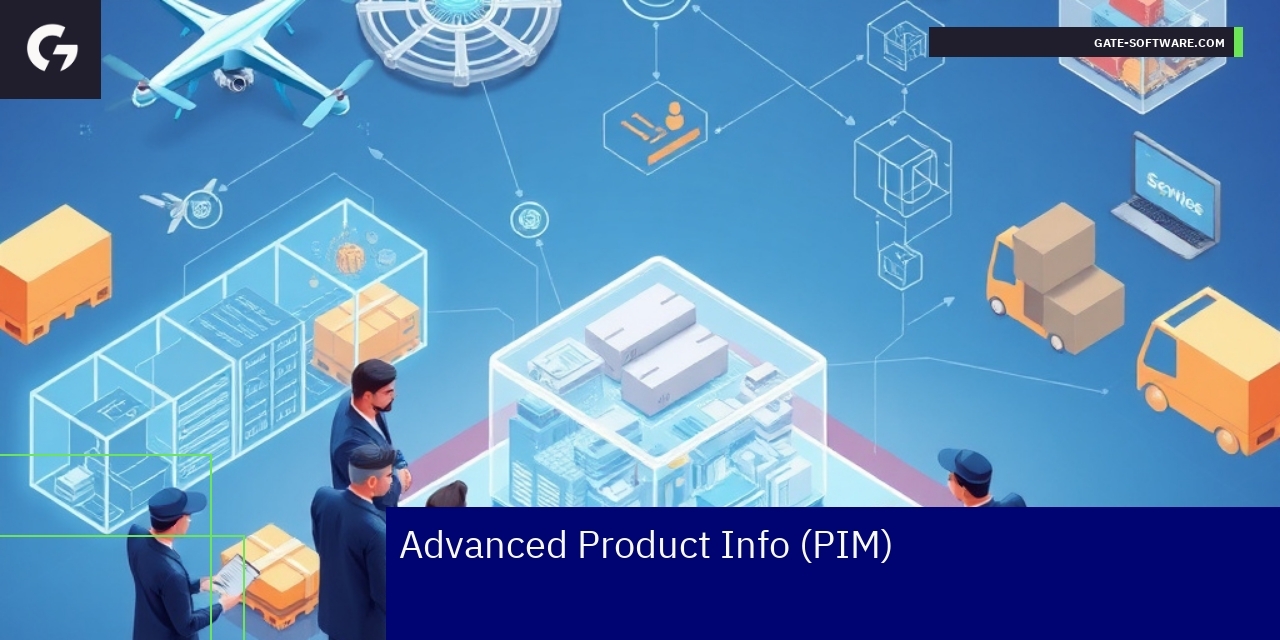
Product Information Management (PIM) is a critical system in B2B e-commerce for centralizing and managing detailed product data across multiple platforms and channels. In B2B stores, the complexity and volume of product information are significantly higher than in B2C due to technical specifications, compliance data, and detailed descriptions required by professional buyers. Effective PIM ensures data accuracy, completeness, and consistency, directly impacting buyer trust and sales efficiency. Integrating PIM helps handle bespoke product configurations, price lists, and contract terms, essential in B2B environments. Moreover, PIM supports compliance with industry regulations like the Omnibus Directive, reinforcing the need for impeccable product data handling.
Managing detailed product information in a B2B e-commerce environment.
Managing product information in B2B e-commerce involves organizing extensive data points such as technical specs, certifications, usage guidelines, and service terms. This management process must be synchronized with multiple stakeholders including procurement teams, architects, and engineers, ensuring all product details are up-to-date and reflect current availability and pricing. Using PIM solutions, companies can streamline workflows, automate updates, and enrich product data with multimedia content for better user experience. This approach reduces errors and enhances catalog management, crucial for maintaining competitive advantage and meeting complex buyer requirements in sectors like manufacturing and wholesale.
Extended Products (Training, Support, Services)
Offering extended products such as training, support, and services is increasingly vital in B2B commerce. Beyond the core product, these services add value by enabling clients to maximize product utilization and ensure seamless integration within their operations. Training programs for technical teams or end users improve adoption and reduce downtime. Support services ranging from installation, troubleshooting to continuous system updates guarantee operational reliability. Service contracts and extended warranties further complement the product offering, fostering long-term partnerships. Examples in B2B environments include software onboarding sessions, equipment maintenance packages, and consultancy services, all managed and promoted through advanced PIM systems.
Omnibus Directive in B2B
The Omnibus Directive introduces significant compliance requirements affecting B2B e-commerce stores by enhancing consumer rights and transparency obligations. Although originally targeted at B2C, its impact filters into B2B, especially in transactions involving smaller companies or mixed markets. Key changes include stricter rules on pricing transparency, return policies, and complaint handling, requiring precise and up-to-date product and transactional data. For B2B stores, this means integrating compliance checks within product information management to ensure all legal obligations are met without disrupting commercial workflows. Gate-Software solutions emphasize seamless integration of Omnibus requirements into Magento platforms, improving data accuracy and helping clients avoid legal risks while maintaining operational efficiency.
B2B Digital Marketing Strategy
Key strategies for effective B2B digital marketing.
Effective B2B digital marketing requires a precise approach tailored to the unique challenges and decision-making processes of business clients. Key strategies include leveraging data-driven insights to understand the buyer personas such as Architects, eCommerce Managers, and CTOs, ensuring all digital content complies with standards like WCAG for accessibility, and integrating personalized communication tactics aligned with Gate-Software’s brand voice. Central to success is the seamless alignment of marketing efforts with the technical complexity of B2B solutions, including e-commerce platforms like Magento’s Magento™, which must be presented clearly to enable informed purchasing decisions. Sector-specific content and interaction via social media channels—following Gate-Software’s Social Media 1.0 strategy—help position your brand as a knowledgeable partner. Additionally, ongoing UX/UI audits and optimizations based on user feedback improve customer engagement and retention, optimizing your B2B marketing ROI.
Examples of successful B2B marketing campaigns.
Successful B2B campaigns typically demonstrate deep understanding of business client needs combined with strategic use of technology. For example, campaigns leveraging data analytics to segment key personas—such as CDOs and Heads of Applications—and deliver targeted content around digital transformation or platform scalability have proven effective. Highlighting the benefits of SLA-driven hosting, cost optimization, and migration solutions from Gate-Software in campaign messaging resonates with decision-makers seeking reliability and efficiency. Social media campaigns that emphasize thought leadership in e-commerce technology, in tandem with strategic content marketing aligned to Content Strategy 5.0, boost credibility and inbound leads. Case studies illustrating real-world implementations and quantifiable business improvements further validate the message, accelerating buyer trust and conversion.
Choosing Marketing Strategies
Selecting the optimal marketing strategy for your B2B store hinges on a nuanced understanding of your target market and product positioning. Begin with a comprehensive audit of your ideal customer profiles and their decision-making hierarchy, incorporating insights from personas like the Architect and CTO. Strategies should focus on building trust through transparency about technical capabilities, using channels favored by business audiences and adapting language to reflect industry-specific terminology and concerns. Prioritize content that educates rather than merely sells, and leverage digital tools for segmentation and personalized campaigns. Considering Gate-Software’s expertise in Magento platform management and UX/UI standards, strategies can be customized to showcase your platform’s technical robustness while simplifying complex features for easier comprehension by key stakeholders. Finally, continuously gather data to iterate your strategy for evolving market preferences and technology trends.
Measuring effectiveness requires clear KPIs relevant to B2B goals—lead quality, engagement rates among decision-makers, and sales pipeline conversions rather than pure volume metrics. Utilize analytics platforms integrated with your Magento store to track visitor behavior, campaign touchpoints, and content performance. Combining quantitative data with qualitative feedback from sales teams provides a comprehensive view of what messaging and channels work best. Techniques like A/B testing content formats and outreach timing improve precision in targeting. Gate-Software-focused metrics, such as improvements in customer retention following UX/UI enhancements or reduced downtime via SLA adherence, offer additional lens to gauge marketing impact. Use these insights to allocate resources dynamically and refine the balance between inbound content, digital advertising, and direct outreach.
Using Digital Tools
Digital tools play an essential role in streamlining and amplifying B2B marketing initiatives. Marketing automation platforms enable personalized workflows tailored to complex sales cycles typical in B2B, integrating seamlessly with CRM systems for efficient lead nurturing. Data analytics and AI-driven insights assist in identifying high-potential accounts and behaviors, optimizing outreach timing and message relevance. Tools supporting content management and multi-channel distribution ensure consistency in brand voice across social media, email, and web. Gate-Software’s solutions, including Magento™ hosting and monitoring capabilities, underpin these tools with robust technical infrastructure, ensuring performance stability and security—key concerns for B2B clients. Accessibility compliance monitoring tools also aid in meeting WCAG standards to reach wider audiences without barriers.
An example of effective tool usage involves integrating marketing automation with Magento’s e-commerce backend. This enables triggering personalized campaigns based on user actions such as product views or repeated visits, which cater to buyer personas during different purchase stages. Analytics dashboards provide real-time KPIs to the marketing team to adjust campaigns quickly. In one case, leveraging Gate-Software’s UX/UI audit tool revealed user friction points that, once addressed, increased engagement significantly. Social media scheduling tools aligned with Gate-Software’s Social Media 1.0 strategy help maintain consistent interaction with business stakeholders, fostering community and trust. These tools collectively create a cohesive and measurable B2B marketing ecosystem tailored for complex enterprise sales scenarios.

FAQ – Questions & Answers
In the B2B environment, efficiency and reliability of the e-commerce platform are critical success factors. Organizations often ask about adapting Magento-based stores to the specific needs of B2B customers, including handling complex product catalogs, pricing structures, and procurement processes. Key concerns also include the integration of platforms with existing ERP and CRM systems to ensure seamless data flow, which is essential for maintaining up-to-date pricing and inventory levels.
Another common question relates to achieving compliance with accessibility standards such as WCAG 1.1, ensuring that the online store is accessible to all users, including those with disabilities. This is not only a legal requirement in many markets but also a competitive advantage. UX/UI design approaches tailored to B2B personas, like the Architect, eCommerce Manager, and CTO, play a vital role in improving user experience and streamlining the purchasing process, which often involves multiple decision-makers.
Clients frequently inquire about the scalability and reliability of hosting solutions and SLA commitments, which guarantee uptime and performance essential for business continuity. Monitoring tools and Audit procedures for UX/UI are also highlighted as crucial aspects that enable ongoing optimization of the platform.
Marketing and communication strategies specifically designed for B2B target audiences focus on delivering relevant content to key stakeholders through social media and content marketing plans aligned with Gate-Software’s comprehensive Brand Voice and values, which emphasize partnership and technical expertise.
The importance of effective project takeovers and cooperation models is underlined in scenarios where business transformation requires quick adaptation and expert technical support. This includes cost optimization strategies centered on Magento™ infrastructure.
Throughout all these questions, SEO phrases such as B2B stores, Magento, UX/UI, WCAG 1.1, and eCommerce Manager are integrated seamlessly to highlight industry-specific challenges and solutions.
FAQ
Data and Performance Metrics – Efficiency, SLA, TCO
Operational Effectiveness in B2B Projects
In the realm of B2B solutions, operational metrics are vital for demonstrating the effectiveness of deployed services. Gate-Software prides itself on delivering measurable outcomes that enhance business operations and facilitate informed decision-making.
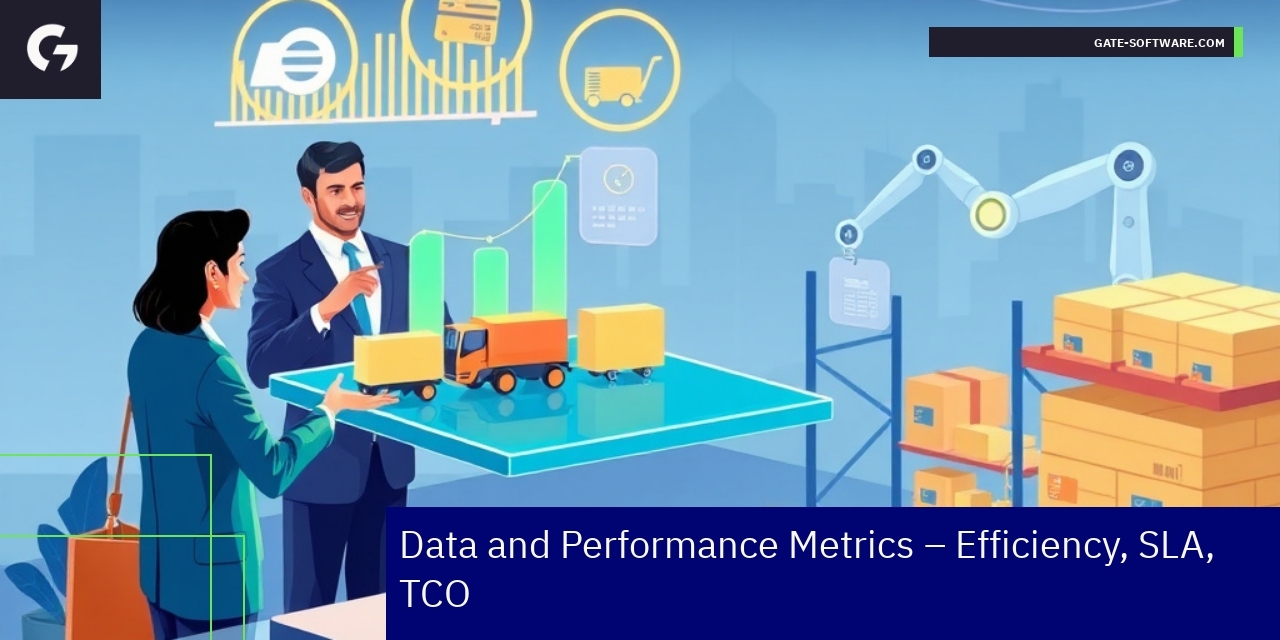
One critical metric is the average project takeover time, which stands at approximately 14 days. This efficient turnaround is essential for ensuring that clients can rapidly resume operations with minimal disruption. Furthermore, Gate-Software boasts an impressive 95% of projects delivered on time, reflecting a strong commitment to meeting client expectations and deadlines.
When examining total cost of ownership (TCO), clients report an average reduction of 20% after integrating Gate-Software’s solutions, primarily due to improved efficiencies and lower maintenance costs. Additionally, Gate-Software has successfully executed over 250 B2B implementations, showcasing its extensive experience in the field.
In terms of service reliability, clients benefit from a 99.9% uptime SLA, ensuring consistent access to e-commerce platforms and uninterrupted business operations. The average duration of client relationships extends to approximately 5 years, indicating strong client satisfaction and loyalty, while also signifying the effectiveness of Gate-Software’s continuous support and innovative solutions in the long term.
These metrics not only underscore the operational capabilities of Gate-Software but also provide concrete evidence for decision-makers regarding the value and effectiveness of investing in tailored B2B e-commerce solutions.

Summary
In today’s ever-evolving digital landscape, establishing a robust B2B e-commerce platform is pivotal for driving business success. With Gate-Software’s expertise in creating tailored solutions, utilizing platforms like Magento™, businesses can overcome complex procurement challenges while enhancing the user experience for their professional buyers. By integrating sophisticated features such as dynamic pricing, flexible catalogs, and comprehensive support systems, companies can streamline their operations, improve efficiency, and build lasting relationships with their clients.
Moreover, by focusing on automation and integration, Gate-Software crafts environments where transaction accuracy and speed are paramount, allowing businesses to thrive in competitive markets. The emphasis on accessibility and adherence to WCAG standards further empowers organizations to create inclusive experiences for all users, fostering a sense of trust and reliability.
As you explore opportunities to enhance your B2B e-commerce strategy, consider the insights highlighted in this article and reach out to Gate-Software for a partnership that prioritizes your unique needs. Together, we can pave the way for lasting growth and transformation in your digital business journey.
Summary
FAQ
What is a B2B store?
A B2B store, or Business-to-Business store, is an online platform tailored for transactions exclusively between businesses. It facilitates bulk purchasing, specialized services, and complex procurement processes unlike B2C platforms that cater to individual consumers.
How does a B2B store accommodate complex buyer journeys?
A B2B store integrates advanced functionalities such as multi-tier pricing, user role management, and custom workflows tailored to the needs of businesses, ensuring a streamlined purchasing experience that accommodates longer decision-making processes.
Why is compliance with WCAG standards important for B2B stores?
Compliance with WCAG standards ensures that B2B e-commerce platforms are accessible to all users, including those with disabilities. It not only fulfills legal requirements but also enhances user experience and expands customer reach, giving businesses a competitive advantage.
How do B2B platforms integrate with existing business systems?
B2B platforms typically offer integration capabilities with ERP and CRM systems to ensure real-time synchronization of data such as inventory levels and pricing, which is critical for effective supply chain management and improved operational efficiency.
What are the key features of effective B2B e-commerce platforms?
Effective B2B e-commerce platforms incorporate features such as flexible catalog management, automated order processing, personalized pricing, and comprehensive account management, all designed to enhance the efficiency of wholesale transactions and support complex business needs.
Types of B2B Stores
.
.
Zamów bezpłatną konsultację
.
Z nami rozwój Twojego biznesu nabierze tempa! Zapraszamy do kontaktu średnie i duże firmy generujące min. 7 mln PLN obrotu rocznie – tam nasza ekspertyza sprawdza się najlepiej.
.
Kliknij w poniższy przycisk i skontaktuj się z jednym z naszych konsultantów e-commerce
.