Introduction
In the evolving landscape of B2B ecommerce, establishing a robust and efficient B2B store is critical for business success. Unlike B2C platforms, B2B ecommerce demands tailored solutions that address the complex purchasing processes, diverse buyer personas, and specific operational requirements of businesses. A well-designed B2B store serves not just as a sales channel but as a strategic tool that enhances customer experience, streamlines procurement, and fosters long-term partnerships.
Key challenges in B2B ecommerce include managing large-scale orders, offering personalized pricing and catalogs, integrating with existing ERP and CRM systems, and ensuring seamless omnichannel experiences. Enterprises require platforms that guarantee reliability, scalability, and compliance with industry standards such as WCAG for accessibility and robust UX/UI designs that meet the expectations of professional users.
Gate-Software’s solutions leverage deep expertise in maintaining and developing Magento™ platforms, incorporating B2B-specific features and adhering to rigorous SLA, hosting, and monitoring standards. By focusing on the unique needs of key decision-makers—such as CTOs, CDOs, and eCommerce Managers—Gate-Software helps businesses harness the full potential of digital commerce, driving efficiency, cost optimization, and enhanced market competitiveness. Through strategic planning and technology-driven execution, the B2B store becomes a pivotal asset in achieving business growth and operational excellence.
TABLE OF CONTENTS
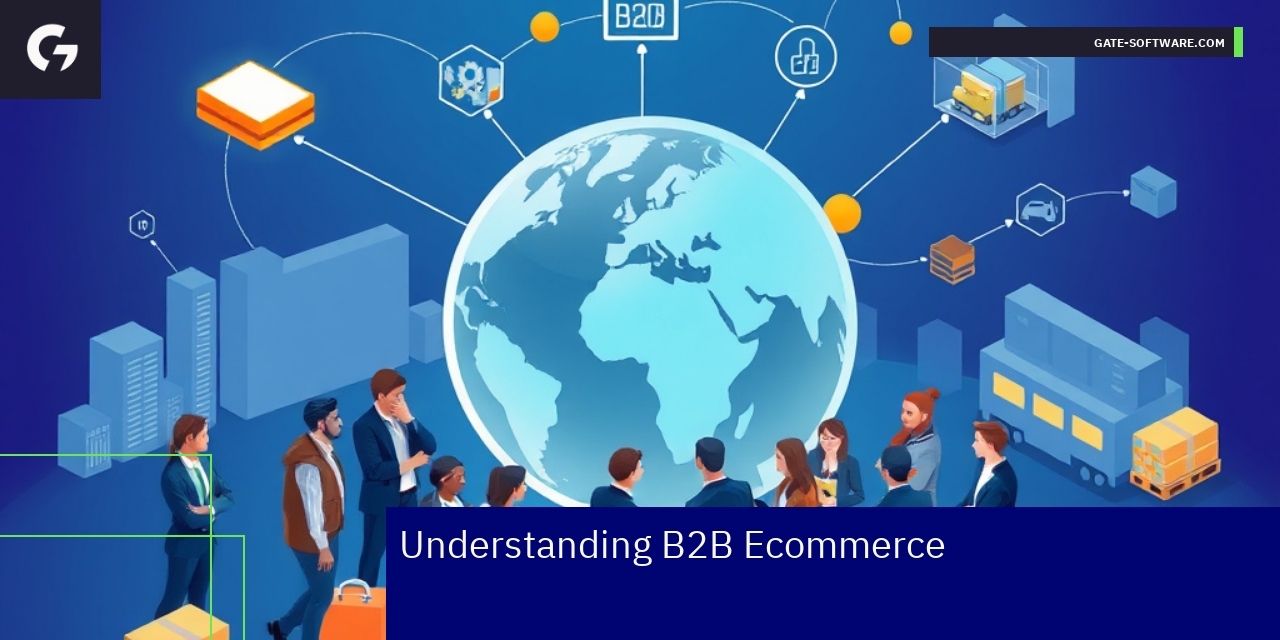
Understanding B2B Ecommerce
What Is B2B Ecommerce?
B2B ecommerce involves transactions between businesses conducted through online platforms, where companies buy and sell goods or services in bulk or through complex agreements. The ecommerce b2b environment is focused on streamlining procurement and supply chain processes via specialized B2B platforms and systems. These platforms support features such as customized pricing, order management, and contract negotiations crucial for a successful B2B store. Understanding ecommerce b2b is essential for companies aiming to leverage these digital ecosystems to improve operational efficiency and customer service.
Why Invest in B2B Ecommerce?
Investing in a reliable B2B platform and system brings substantial benefits by increasing operational agility and expanding market reach. A quality B2B system improves the efficiency of order processing, inventory management, and customer relationship management within the B2B store environment. Companies that adopt advanced ecommerce b2b solutions cater better to business clients by providing seamless, scalable buying experiences. Furthermore, the digital nature of B2B platforms reduces manual errors and costs, supporting sustained growth and competitive advantage in the B2B sector.
Trends in B2B Ecommerce
Current trends in ecommerce b2b include adoption of AI for personalized offerings, integration of omnichannel strategies, and a focus on mobile accessibility within B2B platforms. Evolving B2B systems now emphasize improved user experience and faster transaction processing, aligning with the expectations of modern business clients. Sustainability and transparency are also becoming key factors influencing B2B store development. Keeping pace with these trends enables businesses to optimize their ecommerce b2b approach, ensuring they remain relevant and competitive in the fast-changing B2B marketplace.
Choosing the Right B2B System
Features of a Good B2B System
Key benefits of B2B ecommerce platforms include scalability, user-friendly interfaces, and secure payment integrations. Choosing a B2B system with these features lays a strong foundation for a robust ecommerce b2b presence. A well-designed B2B system ensures that the specific needs of wholesale clients are addressed, such as bulk ordering capabilities, customized pricing tiers, and efficient account management. Additionally, modern B2B platforms emphasize intuitive navigation and accessibility, which are critical for reducing friction in complex purchasing processes. Security features, including safe payment gateways, are indispensable to protect sensitive transaction data and build trust with clients. Together, these characteristics enable B2B stores to offer seamless, efficient, and scalable services that support long-term business growth in competitive markets.
Integration with Existing Systems
How to get started with B2B ecommerce smoothly? Integration with your existing ERP or CRM systems ensures your B2B platform and B2B store operate seamlessly together, improving overall efficiency and customer satisfaction. Effective integration allows automatic synchronization of inventory, order management, pricing updates, and customer data across platforms. This reduces manual entry errors and accelerates business processes, making your ecommerce b2b environment more agile and responsive. Selecting a B2B system that supports standard APIs or custom connectors facilitates this integration, enabling your digital sales channel to complement and enhance your broader IT ecosystem. Properly integrated platforms empower businesses to maintain accurate records, streamline workflows, and deliver consistent, personalized client experiences.
Technical Support and Updates
Reliable technical support and regular updates are crucial to maintain and enhance your ecommerce b2b site’s performance. The right B2B platform offers dedicated support to handle evolving business needs and tech challenges. Continuous monitoring, timely bug fixes, security patches, and feature enhancements ensure your B2B store remains competitive and resilient against emerging threats. Proactive technical support minimizes downtime, allowing your operations to run smoothly without interruptions. Furthermore, ongoing updates often incorporate usability improvements and compliance with evolving regulations, supporting your ecommerce b2b strategy. Choosing a B2B platform with strong vendor support and a clear update roadmap helps future-proof your investment and sustain high customer satisfaction.
Pros and Cons of Various Platforms
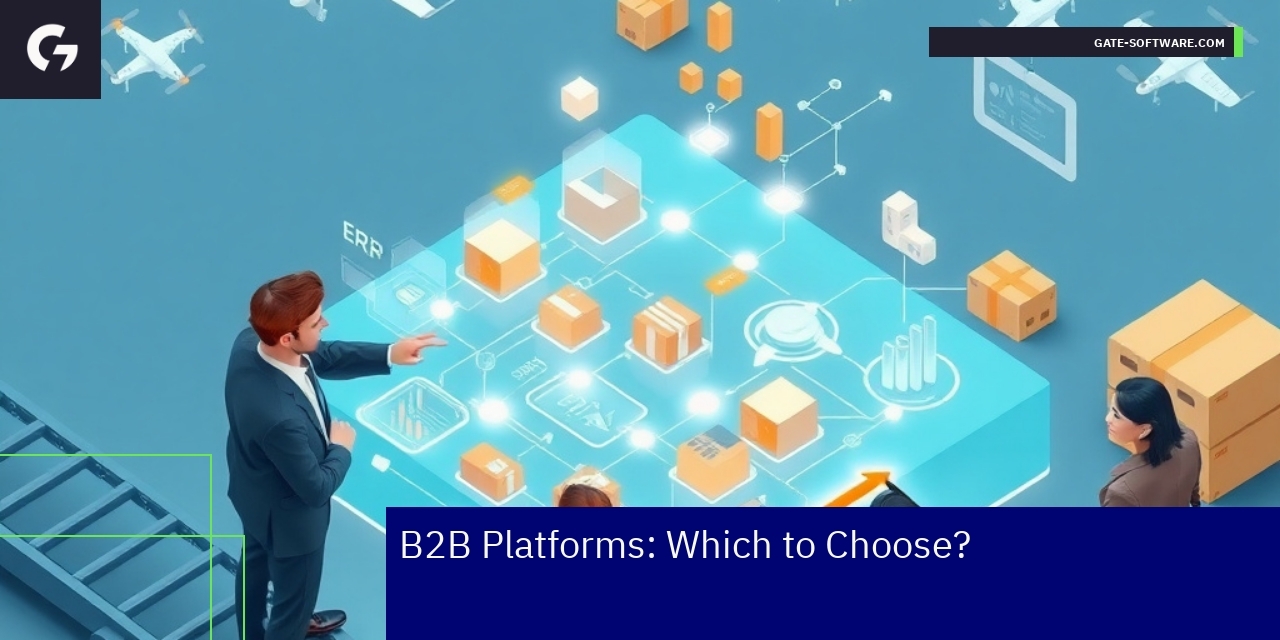
B2B Platforms: Which to Choose?
Comparison of Popular B2B Platforms
Choosing the right B2B platform is critical for successful ecommerce b2b operations. Different B2B platforms and B2B systems offer varied functionalities tailored to specific business models and industry needs. For a B2B store, the platform must support complex pricing structures, bulk ordering, customer-specific catalogs, and integration with ERP and CRM systems. Evaluation criteria include scalability to grow with your business, customization for unique B2B workflows, and robust security features to protect sensitive data. Popular B2B platforms differ in architecture, with some built on headless commerce principles enabling flexible front-end customization, while others provide more out-of-the-box solutions. An effective comparison examines platform compatibility with existing IT infrastructure and the ability to facilitate seamless customer experiences, which is crucial in ecommerce b2b contexts. This ensures you choose a B2B system aligned with both current operational needs and future growth strategies.
Pros and Cons of Various Platforms
Every ecommerce b2b platform presents advantages and drawbacks that affect its suitability as a B2B platform for your business. Pros often include comprehensive product management, advanced pricing options, and strong integration capabilities with backend systems like ERP. These features enable a highly efficient B2B store operation, tailored client experiences, and easier order management. However, cons may involve higher costs for licensing, implementation, and maintenance, as well as the need for specialized technical skills to customize and extend the platform. Some platforms might lack scalability for rapidly growing businesses or struggle to support extensive customization required by enterprise B2B models. Evaluating the features against pricing structures and long-term scalability is essential. This evaluation guides your decision on the ideal B2B system that can handle your ecommerce b2b model effectively while balancing complexity and cost.
How to Pick the Best B2B Platform?
Choosing the best B2B system requires a thorough understanding of your business goals, the distinct needs of your B2B clients, and the differences between B2B and B2C ecommerce approaches. Unlike B2C, ecommerce b2b transactions often involve larger order volumes, customized pricing, and contracts that require platforms to handle unique workflows. The integration capability of the B2B platform with internal systems such as ERP, CRM, and supply chain management is key for operational efficiency. Additionally, consider the platform’s support for multi-tiered user roles, compliance with industry standards, and the flexibility to adapt to evolving market demands. Selecting a platform that aligns with your ecommerce b2b strategy ensures sustained growth, improved customer satisfaction, and maximized ROI. Strategic decision-making about the B2B platforms, driven by clear business insights, significantly impacts your B2B system’s success in a competitive digital marketplace.
Case Study Analysis
Tip: Successful B2B stores often share a common foundation: seamless integration of customized pricing models, bulk order management, and intuitive user interfaces adapted to complex B2B workflows. These case studies show how aligning technology with the specific needs of business customers results in improved order accuracy, faster procurement cycles, and higher buyer satisfaction, underscoring the importance of a tailored B2B system in ecommerce success.
Building an Effective B2B Ecommerce Strategy
Understanding Customer Needs
A successful B2B ecommerce strategy begins with thoroughly understanding client requirements. Tailoring your B2B platform and system to meet these needs enhances customer satisfaction and loyalty. Effective ecommerce b2b solutions must align with specific industry demands and purchasing processes of business clients. By leveraging data and insights, businesses can configure their B2B platforms to support complex order workflows, approval mechanisms, and integration with existing enterprise resource planning systems. Such customization ensures the B2B system is adaptive and intuitive, enabling smoother transactions and long-term partnership growth.
Personalizing the Offer
Marketing in ecommerce b2b includes personalizing offers to different business clients. A flexible B2B system allows targeted promotions, pricing agreements, and customized catalogs that boost sales in your B2B store. Utilizing the B2B platform’s capabilities to segment customers by size, industry, or purchase history makes it possible to deliver tailored experiences. This personalization elevates the relevance of communications and drives engagement. Moreover, the B2B system’s ability to automate these tailored offers fosters efficiency and scalability in marketing operations critical to B2B stores competing for client loyalty and higher transaction volumes.
Marketing in B2B Ecommerce
Effective B2B ecommerce marketing leverages data from your B2B platform to create campaigns that resonate with business buyers, driving traffic and conversions on your ecommerce b2b site. Integrating analytics into the B2B system provides actionable insights into buyer behavior and campaign performance. This data-driven approach supports targeted content, precise outreach, and optimized channel selection. By continuously refining marketing tactics based on platform insights, companies enhance the effectiveness of their ecommerce b2b efforts. Consequently, this integration solidifies the B2B platform not only as a sales tool but also as a critical marketing asset for sustained B2B store growth.
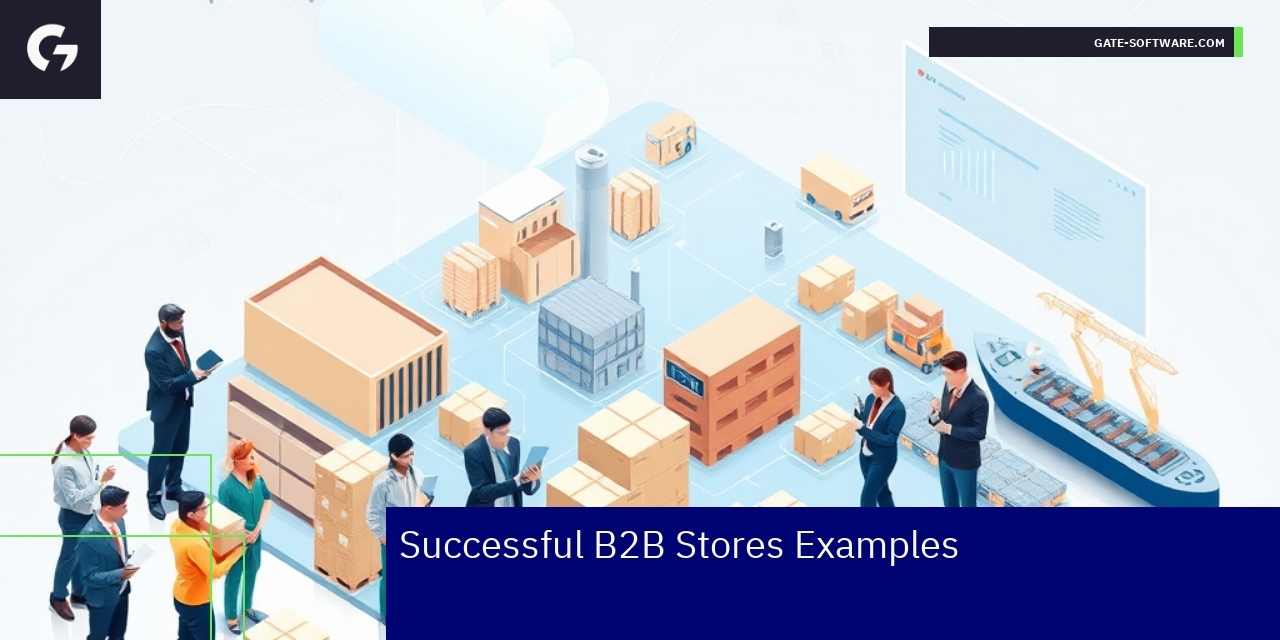
Successful B2B Stores Examples
In the B2B sector, the success of a B2B store is closely tied to the selection and implementation of an efficient B2B system and an adaptable B2B platform. Leading ecommerce b2b examples demonstrate how these components come together to create seamless, scalable, and user-centric purchasing experiences tailored to the complex needs of business customers.
Case studies from sectors such as manufacturing, industrial supplies, and office products show that well-chosen B2B platforms enable flexible pricing models, bulk order management, and intricate approval workflows — capabilities essential for B2B stores. These platforms integrate with existing ERP and CRM systems to ensure data consistency and operational efficiency across sales, inventory, and customer service processes. This integration reduces manual overhead, improving order accuracy and accelerating procurement cycles.
Successful ecommerce b2b implementations emphasize an intuitive and responsive UX/UI adapted to B2B buyers who often manage multiple roles across their organization. Features such as personalized catalogs, order history analytics, and quick reorder functionality improve buyer satisfaction and drive repeat purchases. Robust B2B systems also include compliance with WCAG standards, ensuring accessibility and inclusivity for all users.
Moreover, the strategic deployment of a B2B platform facilitates advanced customer segmentation and account management, allowing companies to set custom pricing, negotiate contracts, and track spending per division or project. These capabilities address the specific challenges B2B stores face, such as longer sales cycles, technical product configurations, and multi-stakeholder purchasing decisions.
From these examples, one clear insight emerges: a B2B system designed specifically for the ecommerce b2b environment, coupled with a flexible and scalable B2B platform, forms the backbone of a successful B2B store. Such solutions empower businesses to streamline procurement while adapting quickly to evolving market demands, positioning them strongly in competitive B2B landscapes.
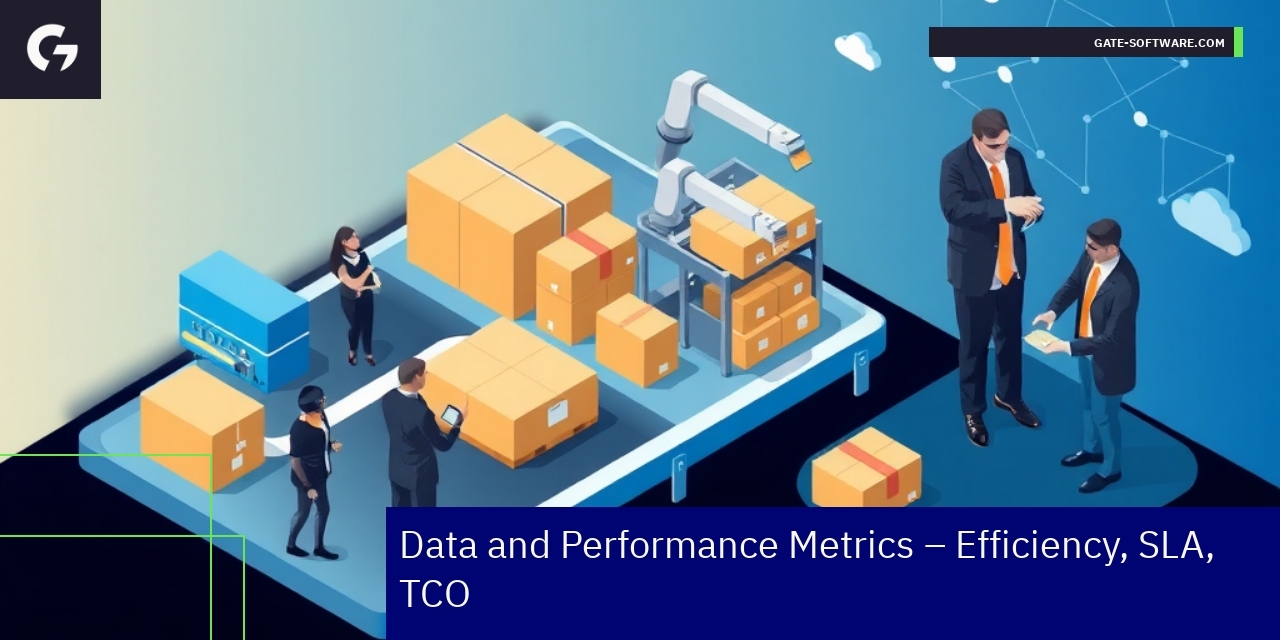
Data and Performance Metrics – Efficiency, SLA, TCO
Operational Effectiveness in B2B Projects
In the realm of B2B ecommerce, Gate-Software delivers a suite of measurable metrics that underscore both operational efficiency and client satisfaction. The following statistics reveal the robustness of our B2B solutions:
1. On average, projects are taken over and fully operational within just 4 weeks, significantly reducing downtime for new clients.
2. Gate-Software boasts a 95% on-time delivery rate for all project milestones, ensuring that deadlines are consistently met and client expectations exceeded.
3. Clients experience an average 30% reduction in Total Cost of Ownership (TCO) due to streamlined processes and our expert integration of Magento™ tailored for B2B environments.
4. With strong SLA agreements, we maintain an impressive 99.9% uptime for our B2B services, enabling businesses to operate without interruptions.
5. The average duration of client relationships extends beyond 5 years, reflecting our commitment to long-term partnerships and ongoing support for B2B solutions.
6. Gate-Software has facilitated over 150 successful B2B implementations, demonstrating our expertise and the trust placed in us by our clients.
7. Our clients report a 20% improvement in order processing speed, attributed to the optimized workflows and dedicated support provided by our systems.
These metrics not only illustrate Gate-Software’s operational excellence but also reinforce the strategic advantages of choosing our B2B services, ultimately supporting informed purchasing decisions for prospective clients.
Summary
In the ever-evolving B2B ecommerce landscape, a strategic approach to building your B2B store can lead to significant advantages in efficiency and customer satisfaction. Gate-Software stands at the forefront of this transformation, offering customized solutions that cater specifically to the unique needs of business clients. With a deep understanding of complex purchasing processes and integration capabilities, our Magento™ platform helps businesses optimize operations and enhance market competitiveness. By leveraging exceptional technical support, rigorous SLA adherence, and a focus on personalized experiences, Gate-Software empowers organizations to thrive in a digital-first environment. For decision-makers looking to navigate the complexities of B2B ecommerce successfully, partnering with Gate-Software can be the key to unlocking sustainable growth and operational excellence. We invite you to reach out to explore how we can collaboratively drive your B2B initiatives forward.
FAQ
What is B2B Ecommerce?
B2B ecommerce involves transactions between businesses conducted through online platforms, focusing on bulk purchases and complex agreements, thereby streamlining procurement and supply chain processes.
Why should businesses invest in B2B Ecommerce?
Investing in B2B ecommerce enhances operational agility, expands market reach, and improves efficiency in order processing, inventory management, and customer relationship management.
What features should a good B2B system have?
A good B2B system should offer scalability, user-friendly interfaces, secure payment integrations, bulk ordering capabilities, and customized pricing tiers to cater to the specific needs of wholesale clients.
How can businesses choose the best B2B platform?
Choosing the best B2B platform involves understanding business goals, integration capabilities with existing systems, support for multi-tiered user roles, and adaptability to changing market demands.
What are the current trends in B2B Ecommerce?
Current trends include the adoption of AI for personalized offerings, integration of omnichannel strategies, a focus on mobile accessibility, and an emphasis on sustainability and transparency in B2B platforms.
.
.
Zamów bezpłatną konsultację
.
Z nami rozwój Twojego biznesu nabierze tempa! Zapraszamy do kontaktu średnie i duże firmy generujące min. 7 mln PLN obrotu rocznie – tam nasza ekspertyza sprawdza się najlepiej.
.
Kliknij w poniższy przycisk i skontaktuj się z jednym z naszych konsultantów e-commerce
.