Introduction
In the evolving landscape of eCommerce, understanding the fundamental differences between B2B and B2C platforms is crucial for businesses aiming to optimize their digital sales channels. B2B eCommerce platforms serve a distinct market characterized by complex buying processes, multiple decision-makers, and longer sales cycles compared to B2C platforms, which focus on individual consumers and typically deal with shorter purchase decisions.
B2B platforms prioritize functionality such as personalized pricing, bulk ordering, contract management, and integration with enterprise resource planning (ERP) systems, reflecting the intricate needs of business buyers. Additionally, B2B user experiences (UX/UI) must accommodate roles like architects, eCommerce managers, and CIOs/CTOs, ensuring ease of navigation and compliance with standards such as WCAG 1.1 for accessibility.
Gate-Software addresses these challenges by offering tailored Magento™ solutions and comprehensive support for utrzymanie i rozwój (maintenance and development), designed specifically with B2B requirements in mind. This approach ensures scalability, cost optimization, and seamless integration with existing enterprise infrastructures, empowering clients to maintain competitive advantages in their sectors.
Understanding these key differences reinforces the strategic importance of choosing the right eCommerce platform aligned with organizational goals and the unique demands of B2B commerce.
Differences Between B2B and B2C

What You Will Learn
In the rapidly evolving landscape of B2B services, decision-makers like CTOs, Heads of Applications, and eCommerce Managers face complex technical and business challenges. This guide equips you with insights to navigate these challenges effectively, leveraging solutions tailored to enhance operational efficiency and drive growth.
You will learn about Magento™, an integrated platform designed for seamless management of B2B transactions. This robust solution aligns your eCommerce operations with current market demands, enabling streamlined sales processes, reduced order-to-cash cycles, and increased revenue.
The role of UX/UI audits is vital for optimizing B2B platforms. These audits identify usability issues impacting user experience and conversion rates. Understanding how to conduct such audits focused on B2B customers ensures your platform is user-friendly and compliant with industry standards, fostering customer loyalty and repeat business.
You will also explore the significance of solid Service Level Agreements (SLA), providing clarity and accountability between service providers and clients. Knowledge of SLA components helps ensure commitments around uptime, response times, and support are met, empowering you to negotiate service agreements that align with business objectives.
Effective hosting and monitoring guarantee performance, security, and scalability. You will learn best practices for selecting hosting solutions and monitoring environments to maintain uptime and swiftly address potential issues via real-time insights and alerting.
Regarding migrations, the guide covers strategies for moving from legacy systems to modern architectures with minimal disruption. You will understand how to maintain data integrity, user access, and performance throughout the transition.
Cost optimization is critical in B2B. Gain insights on reducing operational expenses without sacrificing quality by analyzing workflows, resources, and technology investments. Additionally, applying principles from Content Strategy 5.0 and the TOYA framework helps develop sustainable content strategies that support business goals while controlling costs.
Finally, learn how to align technology with business strategy to build an agile, competitive organization. This ensures your initiatives drive innovation and position you as a B2B market leader.
This guide empowers you to overcome the pressing B2B challenges, paving the way for successful digital transformation with Gate-Software’s expert solutions.
TABLE OF CONTENTS
What Is a B2B Store?
Definition and Importance
A B2B store is a specialized platform designed for business-to-business transactions, focusing on serving companies rather than individual consumers. Understanding what is B2B eCommerce? is crucial, as it distinguishes these platforms from typical retail sites. B2B systems accommodate complex business needs such as bulk ordering, negotiated pricing, and long-term contracts. B2B platforms are developed to manage diverse corporate requirements like tiered pricing structures, user roles for approval processes, and integration with enterprise resource planning (ERP) systems. These features enable efficient management of large-scale transactions and support sustainable business partnerships, emphasizing automation and scalability over one-time sales.
Role in eCommerce
In the evolving landscape of digital commerce, B2B platforms play a pivotal role by facilitating streamlined business transactions. Unlike B2C setups, B2B eCommerce systems emphasize integration and process automation, allowing companies to optimize procurement and supply chain workflows. This integration reduces manual interventions, enhances visibility into orders and inventory, and supports repeat purchasing behaviors grounded in complex contract terms. Successful B2B platforms empower buyers with personalized experiences, including customized pricing and account-specific catalogs. Consequently, they reduce friction in the purchasing process and foster stronger, durable business relationships.
Key Features
Key features of a B2B store or system include customizable pricing tailored to client agreements, tools for order approvals ensuring compliance with corporate purchase policies, and robust account management capabilities supporting multiple user roles within an organization. B2B stores also provide scalable ordering workflows accommodating bulk orders and reorders. Integration capabilities with existing business software such as CRM and ERP systems streamline operational tasks and data consistency. Through these specialized functionalities, B2B systems differentiate themselves from B2C platforms by addressing unique corporate challenges, ultimately driving efficiency, accuracy, and long-term customer satisfaction in complex business environments.
Differences Between B2B and B2C
Customers
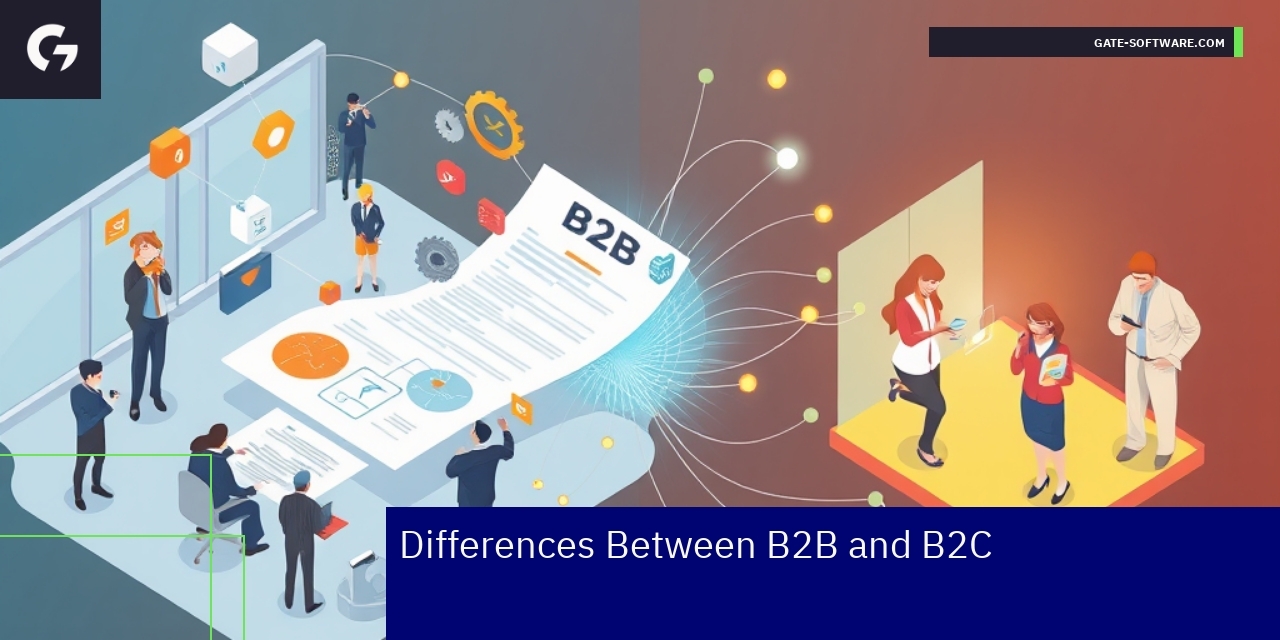
A key difference between B2B and B2C ecommerce lies in the audience: B2B platforms focus on business clients, requiring more detailed account handling, while B2C serves individual consumers with simpler purchasing requirements. In B2B, customers are other businesses purchasing products or services for resale or operational use. This audience demands precise communication, emphasizing relationships and negotiations. Conversely, B2C targets individual consumers, where marketing strategies lean towards emotional engagement and customer experience enhancement.
Buying Process
The buying process in B2B eCommerce is more complex, involving multiple approval stages and negotiations, unlike the straightforward checkout typical of B2C stores. B2B purchases often include market research, offer analysis, price negotiations, and decision-making by several stakeholders. This contrasts with B2C transactions, which prioritize convenience, speed, and personal preference, offering a simpler and more immediate shopping experience in B2B store environments.
Business Relationships
B2B platforms emphasize ongoing relationships, offering tools to support contract management and customer retention, key differences that highlight the strategic nature of B2B commerce. Building trust, maintaining long-term partnerships, and customizing offerings to client needs are crucial in B2B. While B2C relationships are generally less personal, customer loyalty and brand emotional connection remain important, albeit driven by different mechanisms.
B2B system solutions integrate various business processes such as order management, logistics, and invoicing, supporting complex B2B transactions. Meanwhile, B2B platforms serve as marketplaces where enterprises exchange products and services, often providing online purchasing, product catalogs, and customer relationship management (CRM) functionalities, tailored to the unique needs of business customers.
Offer Personalization
Data and Performance Metrics – Efficiency, SLA, TCO
B2B System
Characteristics
B2B systems are designed to meet the complex demands of business customers, featuring capabilities such as handling corporate accounts, tiered and volume pricing models, and sophisticated user role management. These B2B platforms enable organizations to tailor purchasing experiences for various clients, supporting multiple decision-makers and approval workflows. Integration with enterprise platforms allows for seamless data exchange, making B2B systems essential tools in managing large-scale operations efficiently. The combination of these features ensures that B2B stores can address the nuanced requirements of corporate buyers, facilitating smoother, large-volume transactions and strategic partnerships.
Integration with Other Systems
Successful B2B eCommerce platforms prioritize seamless integration with existing business ecosystems, including CRM, ERP, and inventory management systems. This integration is critical for maintaining accurate product availability, pricing synchronization, and streamlined order processing. A well-integrated B2B platform will automate workflows that traditionally required manual input, reducing errors and improving data visibility across departments. Such interoperability not only enhances operational efficiency but also elevates customer satisfaction by ensuring that orders placed through the B2B store are fulfilled accurately and promptly. This holistic approach supports scalability and responsiveness in the ever-evolving B2B eCommerce landscape.
Benefits of B2B Systems
Implementing dedicated B2B systems offers tangible benefits, primarily improving operational efficiency and customer experience. By automating complex sales processes and providing customized catalogs, a B2B store simplifies ordering for business clients, reducing friction and accelerating purchase cycles. These systems also minimize human errors during order management, leading to more reliable fulfillment and billing. Additionally, B2B platforms enable better data-driven decision-making through enhanced analytics and reporting, providing insights into customer behavior and sales trends. Ultimately, investing in a robust B2B system strengthens business relationships, supports growth initiatives, and helps maintain a competitive edge in the B2B eCommerce sector.
B2B eCommerce
Business Models
B2B eCommerce supports various models, including wholesaling, distribution, and drop shipping, each optimized by flexible B2B platforms. These platforms are specifically designed to handle complex pricing, bulk orders, and repeat purchases typical in B2B relationships. By leveraging a tailored B2B platform, companies can address the unique procurement processes of their clients, ensuring smoother order processing and stronger customer engagement. The ability to integrate with ERP and CRM systems further enhances the efficiency of these models, providing real-time inventory updates and personalized offers that align with the specific needs of business buyers.
Platform Examples
Well-known B2B systems like Magento Commerce, Shopify Plus, or OroCommerce showcase how diverse B2B stores can be. These systems provide robust back-end management tools, enabling businesses to customize storefronts, manage user roles, and implement complex pricing rules. The flexibility of these B2B systems supports various industries and scales, from small wholesalers to global distributors. Integration capabilities with payment gateways and logistics providers ensure seamless transactions and fulfillment processes. A comprehensive B2B store powered by such systems enhances the buyer’s journey by offering tailored catalogs and efficient self-service options, critical for retaining long-term corporate clients.
Trends in B2B
Emerging trends in B2B eCommerce point to greater use of AI, hybrid B2B/B2C models, and enhanced personalization to deepen business relationships. AI-powered recommendations and chatbots improve the customer experience by providing instant support and personalized product suggestions based on purchasing history. The hybrid approach combines traditional B2B platforms with B2C-like interfaces, simplifying complex purchasing processes. Furthermore, data-driven insights enable businesses to anticipate client needs and tailor marketing efforts more accurately. These advancements benefit both suppliers and buyers by making transactions quicker, more intuitive, and strategically aligned with business objectives, driving growth and customer loyalty in the evolving B2B landscape.
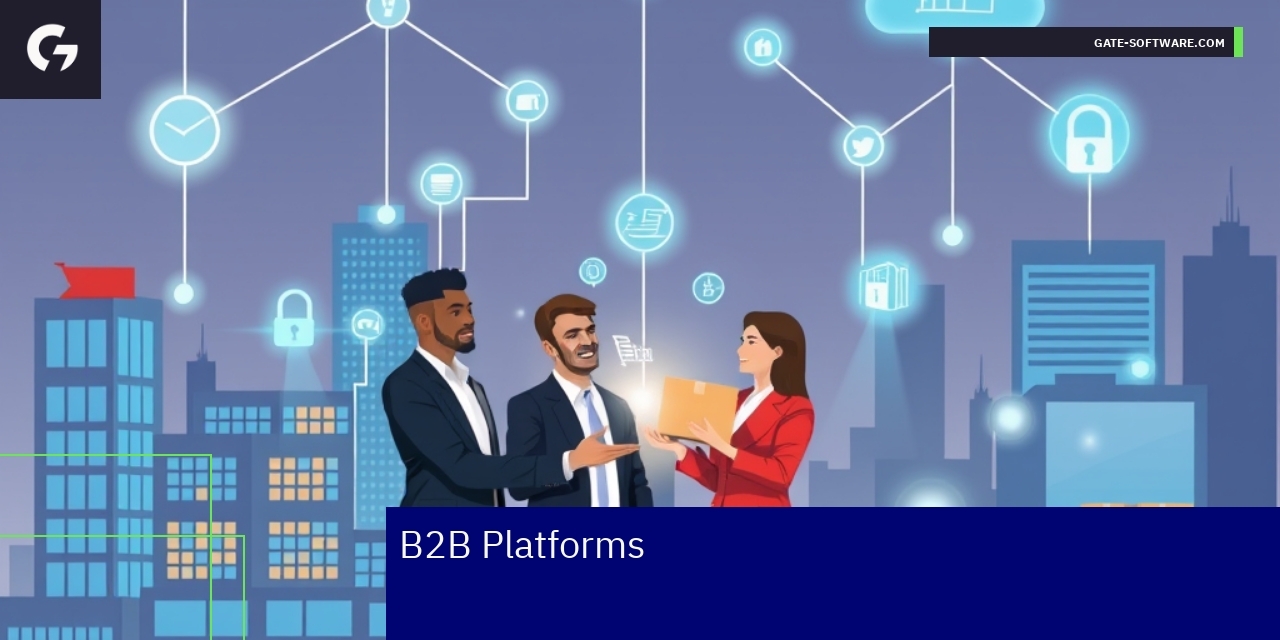
B2B Platforms
Top Platforms
The market’s top B2B platforms often lead in security, scalability, and integration abilities, driving growth in B2B eCommerce. Leading B2B platforms such as Magento Commerce and Shopify Plus provide extensive support for diverse business needs, making them reliable choices for enterprises seeking robust B2B systems. These platforms offer advanced architecture capable of handling complex transactions and high traffic, essential for establishing a resilient B2B store. Their scalability supports businesses as they grow, maintaining performance while offering integrations with ERP and CRM solutions to streamline workflows and enhance customer experience. With a focus on compliant, secure environments, top B2B platforms enable companies to protect sensitive data and build trust with partners.
Functionalities
B2B platforms generally include multi-user accounts, tiered pricing, and advanced reporting functions tailored for B2B needs. Effective B2B systems support features like custom catalogs, volume-based discounts, and quick reorder capabilities, which are critical for B2B store users managing large orders and diverse client profiles. Integration with existing corporate IT infrastructure ensures seamless data exchange, while automation in order management reduces manual errors. Additionally, detailed analytics and reporting tools empower businesses to track sales performance and customer behavior, enabling data-driven decision-making. These functional capabilities collectively foster operational efficiency and improve client satisfaction in B2B eCommerce environments.
Choosing the Right Platform
Choosing the right B2B platform requires understanding your business model, customer requirements, and the level of integration required, key differences to consider when moving from B2C to B2B ecommerce. Decision makers must evaluate platforms based on scalability, customization options, and how well the B2B system supports complex pricing and purchasing processes inherent in a B2B store. Factors such as industry-specific needs, technical infrastructure compatibility, and support services are equally important. A strategic approach to platform selection ensures alignment with business goals, facilitating smoother transitions and sustained growth in B2B eCommerce operations.
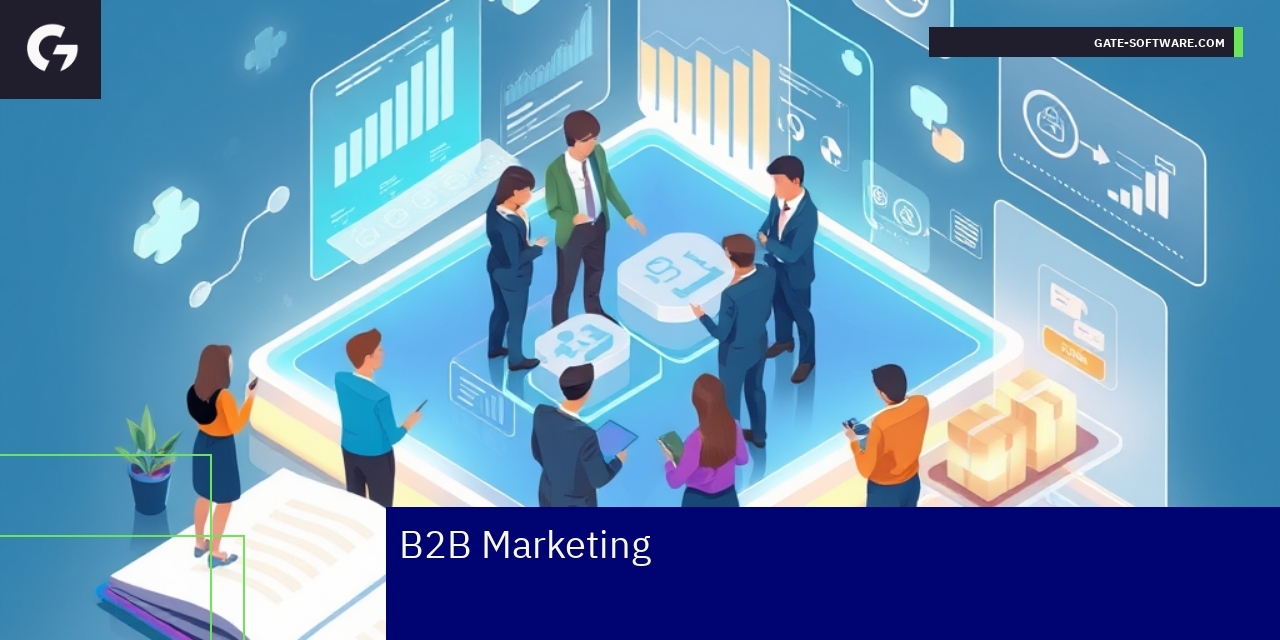
B2B Marketing
Marketing Strategies
Effective B2B marketing strategies leverage data-driven insights and focus on the specific nuances of B2B eCommerce. Utilizing tailored content marketing approaches across various B2B platforms allows brands to engage decision-makers through relevant, value-driven messaging. Given the complexity and length of the sales cycle typical of B2B, marketers must prioritize relationship-building and account-based strategies. A well-structured B2B platform enables precise targeting and personalization, providing customers with meaningful touchpoints throughout their journey. Key tactics include leveraging detailed analytics, optimizing SEO for B2B store visibility, and deploying nurturing workflows that align with the buyer’s decision process. Integrating these elements into a holistic approach ensures sustained growth and competitive advantage in B2B eCommerce.
Building Client Relationships
In the context of B2B platforms, building strong client relationships is paramount. A sophisticated B2B system supports this by offering comprehensive tools for customer data management, enabling personalized communications, and tracking client interactions across channels. Account managers play a crucial role, serving as trusted advisors who tailor solutions and services to each client’s specific challenges and goals. Beyond transactional exchanges, the focus is on creating long-term partnerships that drive mutual business growth. A B2B store integrated with these systems enhances customer experience by offering customized product recommendations, streamlined ordering processes, and dedicated support. Such an approach fosters loyalty and encourages repeat business, crucial factors in the competitive B2B landscape.
Customer Education
Customer education remains a critical differentiator for B2B platforms striving for excellence in B2B eCommerce. Providing business clients with access to webinars, in-depth guides, case studies, and best practice insights helps demystify complex product offerings and technical solutions. This educational content empowers buyers to make informed decisions that align with their operational requirements and strategic objectives. A forward-thinking B2B store incorporates these resources into its digital experience, facilitating seamless navigation and knowledge acquisition. This strategy not only supports customer success but also positions the brand as an industry leader, enhancing credibility and trust. Elevating customer education through a well-structured B2B system ultimately contributes to higher conversion rates and stronger client retention.
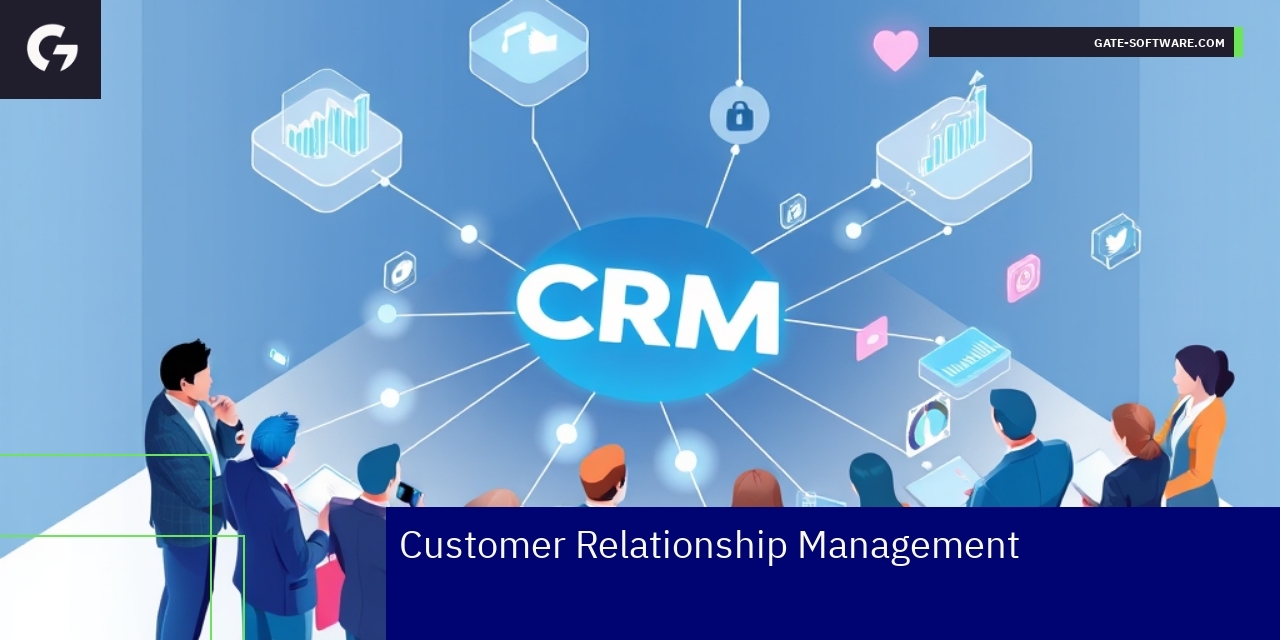
Customer Relationship Management
CRM in B2B
In the realm of B2B eCommerce, effective customer relationship management (CRM) is crucial for leveraging the full potential of B2B platforms. A well-integrated CRM system allows businesses to streamline interactions with clients, ensuring that sales and marketing efforts are aligned with customer needs. This alignment not only enhances the customer experience but also fosters long-term partnerships. The challenges faced in B2B environments—such as complex sales cycles and the need for tailored solutions—are addressed effectively via advanced CRM functionalities that can manage diverse client interactions across various B2B platforms. With a focus on data-driven insights, organizations can implement strategies that optimize their B2B store offerings, making it easier to respond dynamically to market changes and consumer demands. By harnessing a robust CRM, businesses can not only manage leads more efficiently but also enhance overall customer satisfaction and loyalty, which are imperative for sustained growth in the competitive B2B eCommerce landscape.
Offer Personalization
In today’s fast-paced B2B environment, offering personalization through a sophisticated B2B system is vital for capturing and retaining customers. Personalization strategies derived from a well-implemented CRM enable businesses to analyze customer behavior and preferences effectively, leading to more tailored interactions in a B2B store. The integration of customer data allows for informed decision-making, ensuring that recommendations and promotional offers resonate well with various segments of the target audience. However, the real challenge lies in implementing these systems seamlessly across the B2B platform while maintaining data integrity and user experience. This involves creating a unified approach that consolidates customer insights and enables quick adjustments to marketing strategies based on analytics. By ensuring that personalized offerings are not only relevant but also easily accessible, companies can differentiate themselves, drive engagement, and ultimately enhance customer loyalty.
Managing Customer Data
Managing customer data effectively is a significant challenge that many businesses face in the B2B eCommerce sphere. With the proliferation of multiple B2B platforms, organizations must ensure that their data management strategies are robust and scalable. A comprehensive CRM provides tools necessary to aggregate, analyze, and utilize data from various sources, facilitating informed decision-making. The integration of a solid B2B platform allows organizations to streamline data flow and functionalities, ensuring that teams have access to accurate, real-time information. This capability is crucial in optimizing customer interactions and improving the overall customer experience. Additionally, businesses must navigate issues related to data security and compliance, making it essential to choose a B2B system that prioritizes data privacy while enabling insightful analytics. By effectively managing customer data within their B2B eCommerce operations, companies can enhance their service levels, optimize engagement strategies, and drive revenue generation through targeted marketing efforts.
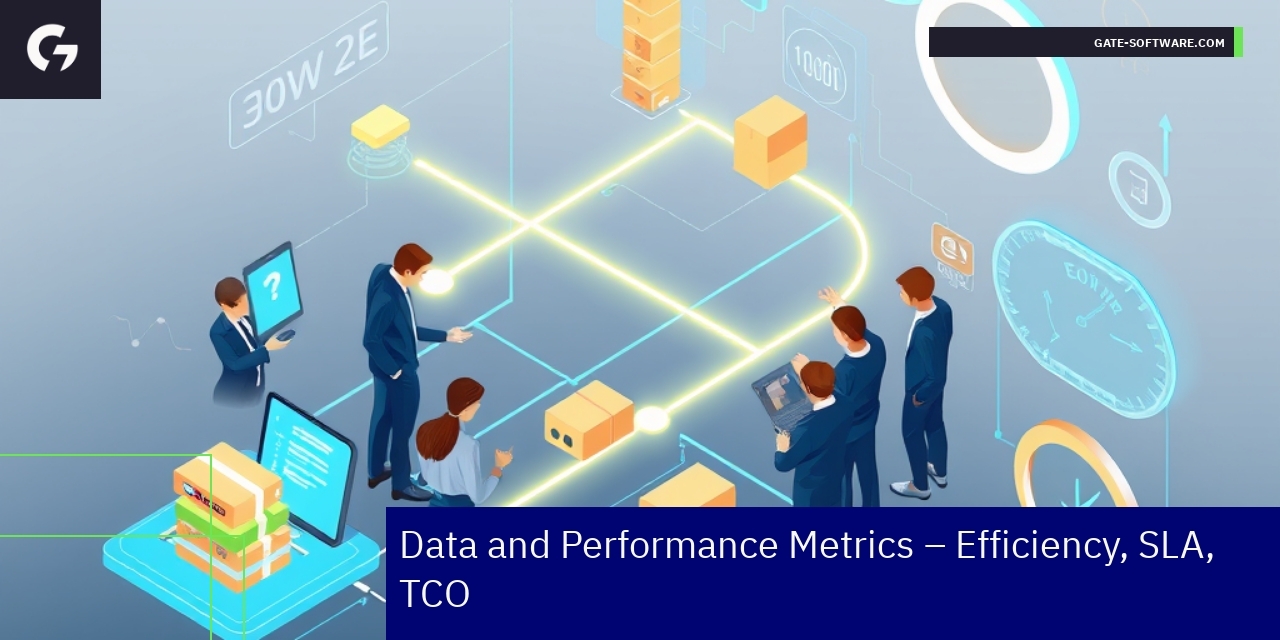
Data and Performance Metrics – Efficiency, SLA, TCO
Operational Effectiveness in B2B Projects
Gate-Software’s approach to B2B projects is built on measurable outcomes that enhance operational efficiency and ensure client satisfaction. For instance, the average project takeover time for transitioning to a new B2B system is approximately 3 weeks, allowing clients to minimize downtime and start benefiting from new solutions quickly.
Additionally, an impressive 85% of B2B projects are delivered on time, reinforcing Gate-Software’s commitment to meeting deadlines and maintaining client trust. In terms of cost efficiency, clients have reported an average reduction of 30% in Total Cost of Ownership (TCO) after implementing Magento™, showcasing the platform’s effectiveness in streamlining operations and reducing expenses.
The uptime SLA for Gate-Software’s hosting solutions exceeds 99.9%, ensuring clients can rely on consistently available services, which is crucial for maintaining business operations. With a focus on building long-term relationships, the average client relationship duration stands at around 5 years, demonstrating the value and trust clients place in Gate-Software’s expertise.
Moreover, the company has achieved over 150 successful implementations of Magento™ solutions in various sectors, reflecting its ability to cater to diverse business needs effectively. These measurable metrics not only highlight Gate-Software’s operational effectiveness but also underscore its focus on delivering strategic value to B2B clients.
Summary
As a decision-maker in the B2B landscape, you understand the critical importance of choosing a platform that aligns with your business goals. Gate-Software offers tailored Magento™ solutions designed specifically for B2B requirements, ensuring scalability, cost-effectiveness, and seamless integration with existing enterprise systems. Our focus on personalized support for utrzymanie i rozwój means that you’re not just investing in technology but in a partnership aimed at driving your business forward. By harnessing our expertise in B2B eCommerce, including robust Service Level Agreements (SLA) and effective cost optimization strategies, you can enhance operational efficiency and build lasting relationships with your clients. Let us help you navigate the complexities of B2B commerce, ensuring you maintain a competitive edge in your industry. We invite you to reach out for a consultation and discover how Gate-Software can empower your business journey.
FAQ
What distinguishes B2B eCommerce from B2C eCommerce?
B2B eCommerce platforms cater to business clients, focusing on complex purchasing processes, bulk ordering, and long-term contracts, whereas B2C platforms primarily serve individual consumers with simpler buying requirements.
How do B2B platforms accommodate the needs of business buyers?
B2B platforms prioritize features such as personalized pricing, bulk ordering, contract management, and integration with ERP systems to meet the intricate demands of business customers.
Why is a strong CRM system crucial in B2B eCommerce?
A robust CRM system is essential for managing complex sales cycles and diverse client interactions, allowing businesses to align sales and marketing efforts with customer needs, ultimately fostering long-term partnerships.
What benefits do companies gain from implementing a dedicated B2B system?
Dedicated B2B systems improve operational efficiency, customer experience, and decision-making by automating sales processes, offering customized catalogs, and providing valuable analytics on customer behavior.
How can organizations optimize their B2B marketing strategies?
Organizations can enhance B2B marketing strategies by leveraging data-driven insights, focusing on relationship-building, and employing tailored content marketing approaches to engage decision-makers effectively.
TABLE OF CONTENTS
.
.
Zamów bezpłatną konsultację
.
Z nami rozwój Twojego biznesu nabierze tempa! Zapraszamy do kontaktu średnie i duże firmy generujące min. 7 mln PLN obrotu rocznie – tam nasza ekspertyza sprawdza się najlepiej.
.
Kliknij w poniższy przycisk i skontaktuj się z jednym z naszych konsultantów e-commerce
.