Introduction
In the B2B eCommerce landscape, wholesale suppliers play a pivotal role in ensuring seamless business operations and sustained growth. Unlike B2C environments, B2B transactions demand a more complex, tailored approach driven by volume, pricing flexibility, and integration capabilities. Wholesale suppliers must efficiently manage large orders, establish transparent pricing models, and support personalized customer experiences aligned with buyer personas such as CTOs, CDOs, and eCommerce Managers.
Critical to success in this sector is the adoption of robust eCommerce platforms like Magento™, which support scalability, integrations with ERP systems, and ensure compliance with standards including UX/UI and WCAG for accessibility. Furthermore, maintaining a secure, high-performance infrastructure backed by SLA agreements and continuous monitoring safeguards transaction reliability and data integrity.
Gate-Software’s expertise focuses on optimizing these wholesale supplier requirements through strategic platform maintenance, development, and tailored consulting. By aligning technical solutions with business challenges—such as cost optimization, seamless migration paths, and compliance—the company empowers B2B enterprises to achieve operational excellence and market agility in their eCommerce initiatives.
TABLE OF CONTENTS
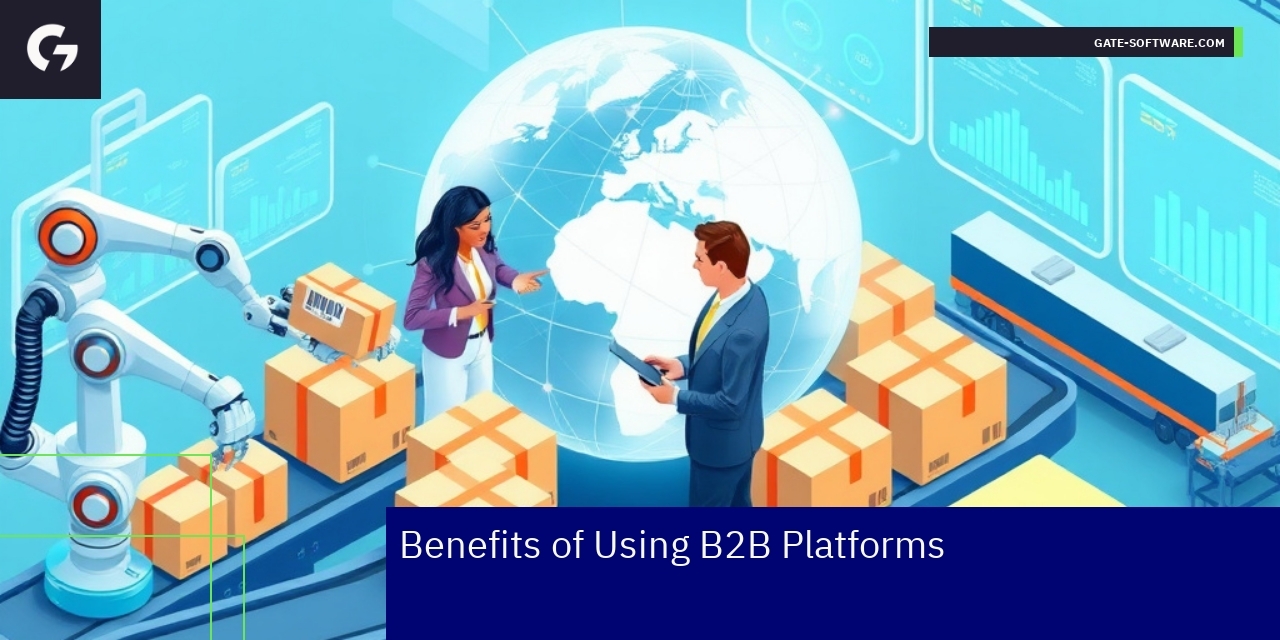
Benefits of Using B2B Platforms
Increased Efficiency
Using a robust platforma b2b significantly boosts operational efficiency by automating core processes in ecommerce b2b environments. The system b2b streamlines order management, minimizing manual errors and accelerating sales cycles, which is essential for business growth. This automation reduces the workload on teams, enabling faster response times and improving overall business agility. For decision-makers such as CTOs and eCommerce Managers, implementing a system b2b means leveraging technology to optimize workflows, integrate seamlessly with existing infrastructure, and maintain a scalable operation that supports increased transaction volumes without proportional increases in overhead.
Broad Reach
Platformy b2b extend your ecommerce b2b market reach far beyond traditional borders. Leveraging a system b2b allows you to access a wider audience and find your perfect wholesale supplier today, ensuring a steady flow of potential buyers and partners. This broad reach facilitates new business opportunities and partnerships, critical for expanding market footprint and driving revenue growth. For companies focusing on B2B, enhancing digital presence through platformy b2b is vital to connect with key stakeholders and decision-makers across industries, supported by data-driven insights and modern e-commerce capabilities.
Cost Reduction
One of the crucial advantages of a platforma b2b is significant cost reduction. Automating repetitive tasks through a system b2b lowers operational expenses and helps businesses maximize profit margins in ecommerce b2b settings by cutting unnecessary manual labor. This reduction in operational costs stems from fewer errors, reduced need for manual processing, and optimized resource allocation. For technical leads and financial overseers, investing in efficient platformy b2b translates directly into better budget control and sustainable cost management, aligned with the strategic goals of scalable, low-cost e-commerce ecosystems.
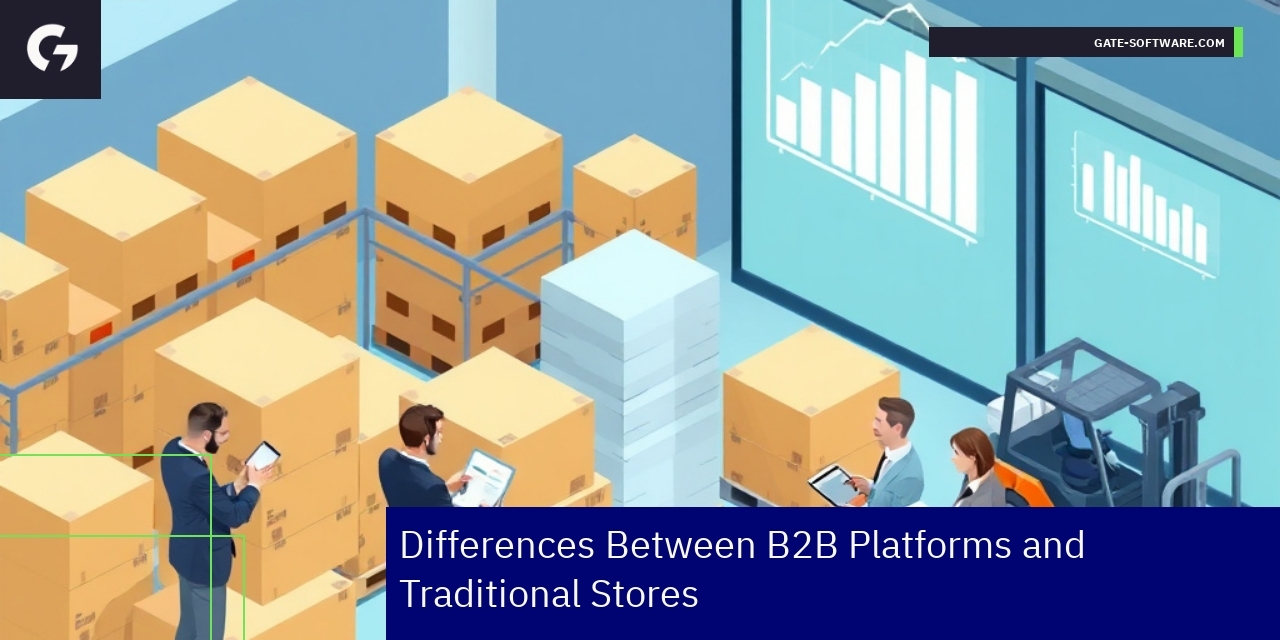
Differences Between B2B Platforms and Traditional Stores
Target Customer Group
A platforma b2b serves a specialized client base focused on wholesale transactions, unlike traditional retail stores. In B2B scenarios, customers are typically businesses that require tailored solutions to meet complex purchasing needs and volume orders. Understanding who your customers are and what to look for in a supplier is key to tailoring the system b2b to their unique needs in ecommerce b2b. Unlike retail stores that serve individual consumers, platformy b2b must integrate features that accommodate business buyers’ expectations, such as detailed product catalogs, company-specific pricing, and approval workflows. The ability to segment clients and personalize their buying experience within a system b2b is essential for optimizing ecommerce b2b performance and securing long-term partnerships.
Buying Process
The buying process on platformy b2b differs significantly from traditional shopping. B2B transactions often involve multiple decision-makers, longer sales cycles, and more complex contract terms than typical retail purchases. The system b2b supports bulk orders, negotiated pricing, and approval workflows in ecommerce b2b, which are essential factors when working with wholesale suppliers. This complexity demands software capabilities that enable flexibility in order management, robust user roles, and detailed analytics to monitor purchasing behavior. Platformy b2b accommodate these needs by providing tailored interfaces that streamline the buying journey, reducing friction and increasing efficiency compared to traditional B2C stores.
Pricing and Discounts
Pricing in platforma b2b environments is often flexible, featuring volume-based discounts and tiered pricing models managed by the system b2b. Wholesale suppliers typically require customizable pricing strategies that reflect different buyer segments and purchasing volumes, which is distinct from fixed pricing commonly seen in retail. The system b2b must therefore handle complex pricing rules while ensuring transparency and compliance in ecommerce b2b transactions. Proper setup enhances ecommerce b2b profitability while meeting wholesale suppliers FAQ demands. Dynamic pricing and incentive structures embedded within platformy b2b help incentivize larger orders and foster customer loyalty, crucial for sustaining competitive B2B relationships.
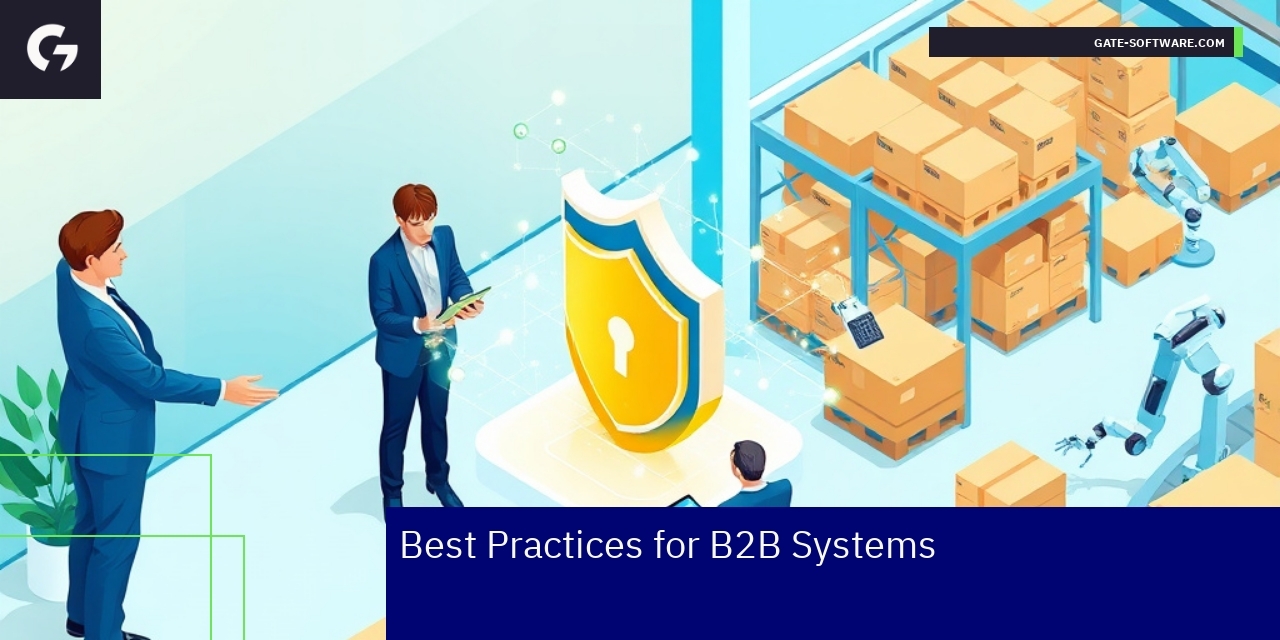
Best Practices for B2B Systems
Relationship Management
Building strong relationships with suppliers is critical. A platforma b2b integrated with a system b2b helps track interactions, preferences, and histories, improving collaboration and long-term partnership success in ecommerce b2b. Effective relationship management relies on seamless data exchange and transparency, which these platforms facilitate by centralizing supplier information and communication. This integration enables businesses to tailor their offerings and negotiations based on precise supplier behavior and history, enhancing trust and engagement throughout the supply chain.
Transaction Security
Security is paramount for ecommerce b2b transactions. Platformy b2b require comprehensive security measures within the system b2b to protect sensitive data and ensure safe payment processing, fostering trust among wholesale suppliers and buyers. Implementing advanced encryption, multi-factor authentication, and continuous monitoring are essential to safeguard transactional data. The system must also comply with relevant regulations and standards to mitigate risks associated with data breaches and fraud. Robust security protocols foster confidence and enable smoother, risk-free business conduct across large-scale digital B2B platforms.
Handling Large Orders
Handling large orders efficiently is a hallmark of an advanced platforma b2b. A reliable system b2b manages inventory, logistics, and order tracking effectively, which is essential when dealing with wholesale suppliers and maintaining smooth ecommerce b2b operations. Efficient order management systems reduce errors, optimize stock levels, and streamline dispatch processes. Real-time inventory visibility combined with automated workflows supports business scalability and responsiveness, fulfilling complex order requirements without compromising delivery timelines or accuracy. This operational efficiency is foundational for sustaining high-volume ecommerce b2b environments.
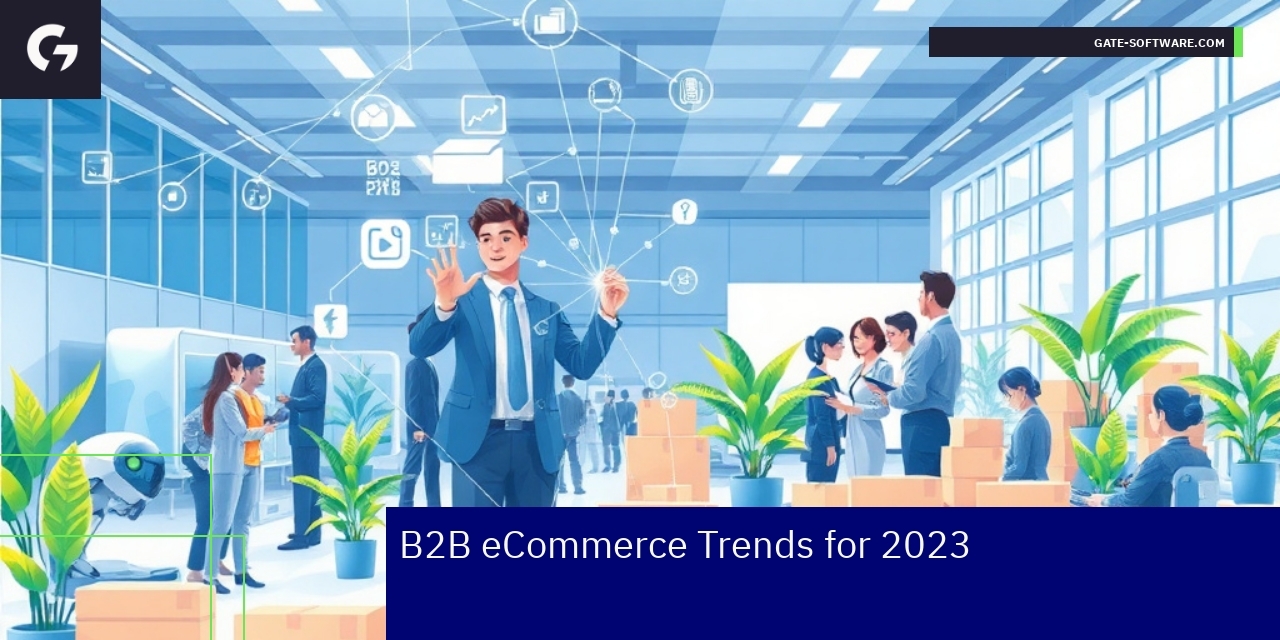
B2B eCommerce Trends for 2023
Experience Personalization
Personalization is becoming a top priority in ecommerce b2b. Using data insights within a platforma b2b and system b2b allows companies to tailor the buying experience, increasing customer satisfaction and loyalty while engaging wholesale suppliers effectively. By integrating advanced analytics and behavioral data, businesses can customize product offerings, pricing, and communications to meet distinct client needs. This targeted approach fosters stronger B2B relationships and drives repeat business through a more relevant and streamlined experience.
AI and Automation Use
Tip: AI and automation are transforming how B2B platforms handle large-scale transactions. They streamline workflows such as supplier vetting, order processing, and inventory management while enabling predictive analytics. This not only boosts operational efficiency and reduces errors but also ensures scalability and quality of service even amid growing market demands.
The adoption of AI and automation in platformy b2b streamlines workflows and decision-making in ecommerce b2b. Implementing AI-driven system b2b features accelerates supplier vetting, order processing, and inventory management to keep pace with market demands. AI empowers predictive analytics for demand forecasting and automates routine tasks, improving operational efficiency and reducing errors. Such automation facilitates scalable interactions and ensures that ecommerce b2b platforms can handle complex, high-volume transactions without compromising service quality.
Sustainable Development
Sustainable practices are increasingly integrated into platforma b2b operations. Leveraging system b2b tools to monitor environmental impact and encourage responsible sourcing is a vital trend shaping ecommerce b2b and supplier relationships today. Companies are using technology to track sustainability metrics across the supply chain and embed eco-friendly criteria into procurement decisions. This focus on sustainability not only meets growing regulatory and client expectations but also enhances brand reputation and long-term business resilience.
Summary
The evolving landscape of B2B eCommerce in 2023 centers on personalized experiences, AI-driven automation, and sustainable development. By utilizing system b2b and platformy b2b capabilities, businesses can deliver tailored buyer journeys, optimize operational workflows, and support responsible sourcing practices. These trends collectively enable ecommerce b2b enterprises to enhance efficiency, build stronger partnerships, and secure competitive advantage in a dynamic market environment.
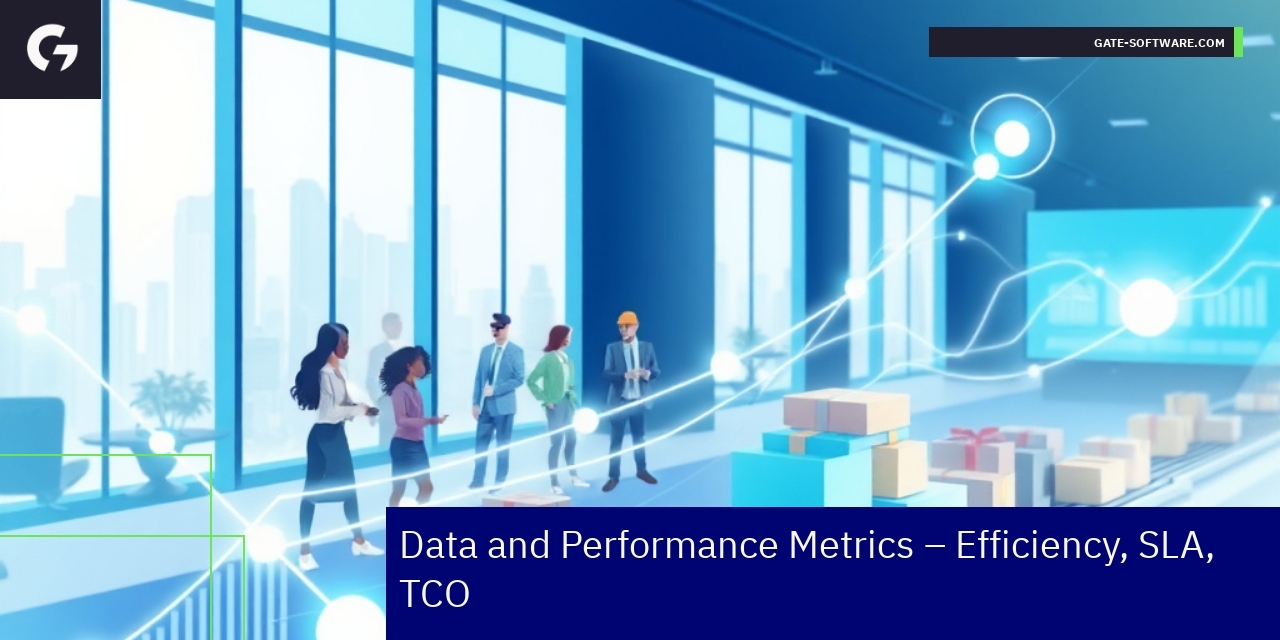
Data and Performance Metrics – Efficiency, SLA, TCO
Operational Effectiveness in B2B Projects
In the realm of B2B eCommerce, measurable data and performance metrics are vital for understanding operational effectiveness and delivering credibility in purchasing decisions. Gate-Software implements strategic processes that yield significant statistics crucial for decision-makers.
For instance, projects utilizing the platforma b2b can experience an average project takeover time of 2 weeks, significantly expedient for companies looking to transition quickly. Leveraging these efficiencies, 95% of projects are delivered on-time, showcasing the reliability and effectiveness of Gate-Software’s comprehensive service offerings.
Furthermore, businesses leveraging Gate-Software’s services often see an average reduction in Total Cost of Ownership (TCO) by approximately 30% compared to traditional setups, emphasizing cost efficiency that significantly benefits B2B operations. With a strong focus on uptime, the SLA commitments typically yield an impressive 99.9% uptime, ensuring that businesses remain operational and transactions proceed without interruptions.
Moreover, Gate-Software has successfully supported over 200 B2B implementations in the past year, demonstrating robust activity and client engagement in the sector. The average client relationship duration stands at 4 years, reflecting the commitment to long-term partnerships and customer satisfaction.
These quantitative metrics not only highlight the operational strengths of Gate-Software but also serve to build trust and encourage potential clients to engage with their B2B eCommerce solutions.
Summary
In the rapidly evolving B2B eCommerce landscape, Gate-Software stands out as a trusted partner for wholesale suppliers, helping them navigate the complexities of digital transactions and enhance operational efficiency. Our expertise in leveraging platforms like Magento™ ensures that your business can optimize workflows, accommodate large orders with ease, and integrate seamlessly with existing systems. We prioritize building robust, secure infrastructures backed by SLA agreements, ensuring reliability and data integrity for every transaction. By focusing on the critical trends of personalization, AI-driven automation, and sustainable practices, we empower your enterprise to create meaningful customer experiences and drive growth within dynamic markets. Collaborate with Gate-Software to navigate your specific B2B challenges and unlock new opportunities for success without pressure, but with the assurance of our commitment to your operational excellence.
Summary
FAQ
What are the main benefits of using B2B platforms?
The main benefits include increased efficiency through automation, a broad market reach enabling access to more potential buyers and partners, and significant cost reduction by lowering operational expenses and optimizing resource allocation.
How do B2B platforms differ from traditional retail stores?
B2B platforms cater specifically to business customers requiring tailored solutions for wholesale transactions, involving complex purchasing needs and longer sales cycles, unlike traditional retail stores designed for individual consumers.
Why is transaction security critical for B2B transactions?
Transaction security is essential to protect sensitive data and ensure safe payment processing, fostering trust among wholesale suppliers and buyers while complying with relevant regulations and standards to mitigate risks.
How do B2B systems handle large orders efficiently?
B2B systems are designed to manage inventory, logistics, and order tracking effectively. This includes real-time inventory visibility and automated workflows, which optimize the fulfillment of large orders without compromising delivery timelines.
What trends are influencing B2B eCommerce in 2023?
Key trends include increased experience personalization, the adoption of AI and automation for streamlined workflows, and a focus on sustainable development to meet customer expectations while enhancing brand reputation.
.
.
Zamów bezpłatną konsultację
.
Z nami rozwój Twojego biznesu nabierze tempa! Zapraszamy do kontaktu średnie i duże firmy generujące min. 7 mln PLN obrotu rocznie – tam nasza ekspertyza sprawdza się najlepiej.
.
Kliknij w poniższy przycisk i skontaktuj się z jednym z naszych konsultantów e-commerce
.