Introduction
Choosing the right B2B eCommerce platform is a critical decision for any wholesale business aiming to thrive in the competitive digital landscape. The platform you select must align with your company’s operational requirements, technical ecosystem, and long-term strategic goals. Key considerations include ensuring scalability to accommodate business growth, delivering a seamless user experience (UX/UI) tailored to B2B buyer behavior, and supporting complex pricing and ordering processes typical in wholesale environments.
Integration capabilities are essential, as the platform should efficiently connect with ERP, CRM, and other legacy systems to maintain data consistency and process automation. Additionally, compliance with security standards and accessibility guidelines, such as WCAG 1.1, must be ensured to protect data and serve all users effectively.
At Gate-Software, our approach emphasizes data-driven platform evaluation, prioritizing functionality that reduces operational costs while enhancing buyer engagement and conversion. This requires a thorough assessment of customization options, performance reliability, and vendor support models — all vital components in sustaining a robust B2B digital channel.
Selecting the right B2B eCommerce platform is a strategic investment that directly impacts wholesale business scalability, customer satisfaction, and market responsiveness. This introduction lays the foundation for deeper exploration into best practices and criteria essential for informed decision-making in the B2B digital commerce sphere.
How to Choose the Right B2B eCommerce Platform
TABLE OF CONTENTS
B2B System Features
Product Management
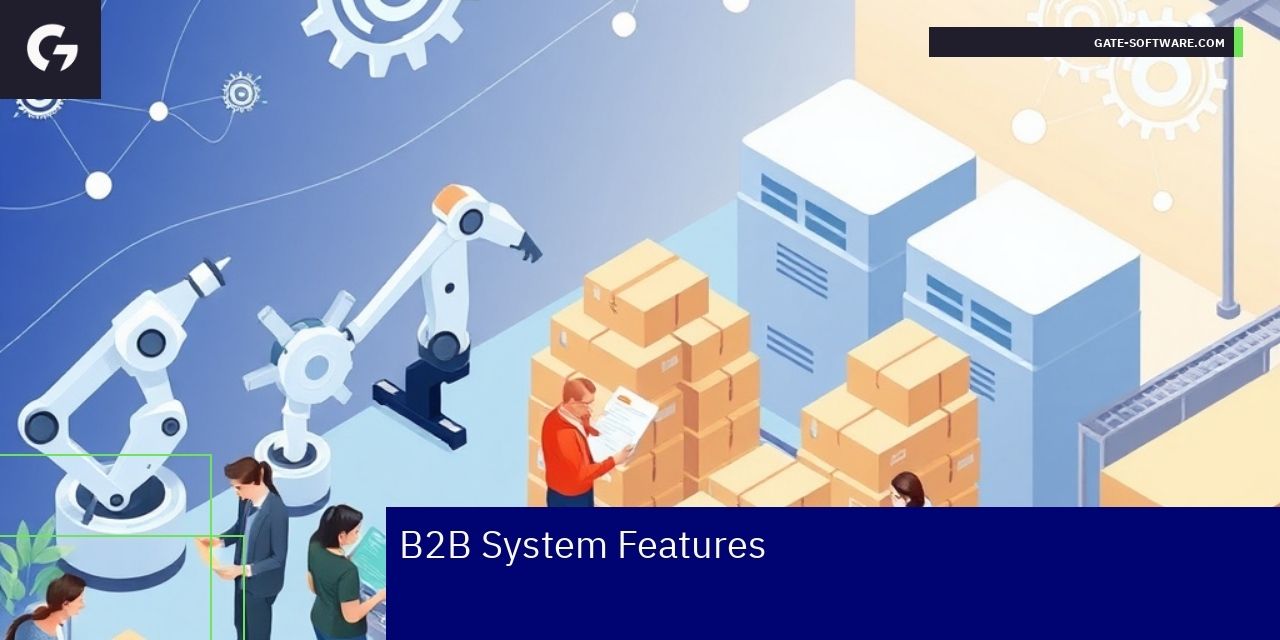
Managing your wholesale inventory effectively is key to “Wholesale Buying, Simplified.” The system b2b options and platformy b2b available today empower ecommerce b2b businesses to streamline product updates and stock control seamlessly. By leveraging platformy b2b capabilities, organizations can maintain accurate inventory levels, enable dynamic pricing, and manage product catalogs with ease. The system b2b supports detailed product attributes and categorization, ensuring that wholesale clients can find and order exactly what they need while simplifying backend management. This comprehensive approach enhances the overall ecommerce b2b experience by making product management efficient and responsive to market demands.
System Integrations
Integrations with other tools are pivotal for “From Chaos to Clarity: A Practical Guide to Wholesale Inventory Management.” A robust platforma b2b supports system b2b integration to enhance your ecommerce b2b efficiency through connected workflows. The system b2b seamlessly connects with ERP, CRM, and logistics platforms, ensuring data consistency and process automation. By using platforma b2b integration capabilities, companies reduce manual workflows and errors in order processing, invoicing, and inventory updates. This end-to-end connected ecosystem boosts operational transparency and responsiveness, driving better decision-making and smoother collaboration across departments within ecommerce b2b environments.
Customer Support
Excellent customer service boosts trust and retention. Leveraging ecommerce b2b features within platformy b2b and system b2b frameworks ensures responsive client interactions, supporting “Service Beyond the Subscription: Your Partner in Wholesale Growth.” Effective customer support in the ecommerce b2b context includes tailored communication channels, SLA management, and proactive issue resolution. Platformy b2b tools facilitate easy access to support tickets and real-time assistance, helping clients quickly resolve concerns related to orders, payments, or product information. The system b2b also supports comprehensive knowledge bases and training resources, empowering customers and reducing support overhead. This commitment strengthens client partnerships and fosters long-term growth.
Benefits of B2B Platforms
Boosting Efficiency
B2B platforms enable businesses to significantly enhance operational workflows by integrating system b2b functionalities specifically designed for complex commercial transactions. Through platformy b2b, ecommerce b2b companies automate critical processes such as order handling, invoicing, and inventory management, which reduces manual errors and accelerates processing times. This leads to streamlined communication across departments and with partners, allowing wholesalers and suppliers to optimize resource allocation and maintain agility in dynamic markets. Leveraging a comprehensive system b2b foundation supports scalable operations aligned with the principle of “Wholesale Buying, Simplified,” ensuring businesses can sustain growth while maintaining efficiency.
Access to New Markets
Expanding market reach is central to sustained growth in ecommerce b2b. By adopting a tailored platforma b2b that integrates global commerce capabilities, businesses can successfully enter new domestic and international markets. These systems facilitate compliance with diverse regulatory requirements, currency conversions, and multilingual support, critical for seamless cross-border transactions. Leveraging such system b2b technologies, ecommerce b2b enterprises unlock access to untapped customer segments, enhancing brand visibility and market diversification. The ability to connect with new buyers at scale transforms the platforma b2b into “The global B2B commerce platform,” empowering companies to expand thoughtfully and competitively.
Increasing Sales
Maximizing revenue through effective use of platformy b2b and system b2b is a strategic priority for ecommerce b2b businesses. These platforms enable personalized buyer experiences, flexible pricing models, and targeted marketing approaches, all of which contribute to increased customer engagement and conversion rates. Additionally, integrated analytics and reporting tools offer critical insights into customer behavior and sales trends, informing data-driven decisions that optimize sales strategies and product offerings. By leveraging a system b2b tailored for ecommerce b2b, companies can build stronger relationships with customers and grow revenue sustainably, reinforcing the core objective of “Build Relationships and Grow Revenue.”

Best Practices in B2B eCommerce
Offer Personalization
Customizing offers on your system b2b is essential to enhance customer engagement and meet the specific needs of business clients. Utilizing advanced tools available in platformy b2b enables tailored pricing, product recommendations, and personalized promotions that align with the unique purchasing behaviors observed in ecommerce b2b environments. Personalization efforts not only increase customer satisfaction but also optimize sales funnel efficiency, fostering stronger loyalty and repeat business. Incorporating data-driven insights into your system b2b helps ensure that content and offers are relevant, thereby supporting strategic goals outlined in “B2B Commerce for Lifestyle Brands.”
Optimizing Purchase Flow
Streamlining the buying process in ecommerce b2b is critical for improving conversion rates and customer retention. Implementing user-friendly navigation and simplified checkout processes on your platforma b2b reduces friction for buyers and accelerates order completion. Integration of features like quick reorder, bulk purchase options, and saved payment methods within your system b2b significantly enhances usability. These optimizations create a seamless experience that aligns with the expectations of B2B buyers and supports operational efficiencies as highlighted in “Wholesale Buying, Simplified.”
Strengthen and Optimize Partner Relationships
Sustained growth in ecommerce b2b depends on building and maintaining strong partnerships. Using robust platformy b2b and system b2b frameworks facilitates transparent communication and data sharing, which are key to mutual success. Effective collaboration tools embedded within ecommerce b2b platforms enable better joint planning, inventory management, and marketing efforts. By fostering trust and alignment through these technologies, businesses can “Strengthen and Optimize Partner Relationships,” ensuring long-term stability and growth.
FAQ
How to Choose the Right B2B eCommerce Platform
Business Needs Analysis
Starting with a detailed business needs analysis is essential when selecting the right platforma B2B. This step ensures alignment between platformy B2B capabilities and your ecommerce B2b goals. Understanding your company’s specific operational workflows, sales processes, and customer profiles helps identify the exact functionalities your system b2b must support. Consider aspects such as order volume, customer segmentation, pricing complexity, and integration with existing ERP or CRM systems. Ensuring the system b2b supports scalability and flexibility is critical to sustaining growth and adapting to market changes. A well-analyzed foundation will enhance your decision-making, avoiding costly platform mismatches or underwhelming ecommerce b2b performance.
Comparing Solutions
After clarifying your business needs, evaluating and comparing available platforma B2B options becomes the next priority. Focus on how each system b2b handles key B2B requirements like bulk ordering, advanced pricing tiers, multi-user accounts, and personalized catalogs. Reviewing user experience, security compliance, and extensibility is also fundamental, as these factors directly impact your ecommerce b2b efficiency and client satisfaction. Compare solutions through demos, expert reviews, and case studies reflecting real-world B2B scenarios. This process will help you identify a system b2b that not only meets your immediate needs but also supports long-term strategic goals within ecommerce b2b wholesale operations.
Platform Testing
Before finalizing your choice, thoroughly testing the system b2b and platformy B2B in practical ecommerce b2b environments is indispensable. This hands-on validation helps confirm that the chosen solution integrates seamlessly with your existing infrastructure and delivers the expected operational performance. Testing should cover critical functionalities such as product management, checkout processes, payment methods, and customer service workflows. Engaging internal teams in this phase ensures the platforma B2B’s usability aligns with everyday business activities and the strategic vision outlined in “The Simpler B2B eCommerce Platform.” This stage reduces risks of post-implementation issues and guarantees a smoother transition to the new ecommerce b2b system.
Best Practices in B2B eCommerce
Data and Performance Metrics – Efficiency, SLA, TCO
Operational Effectiveness in B2B Projects
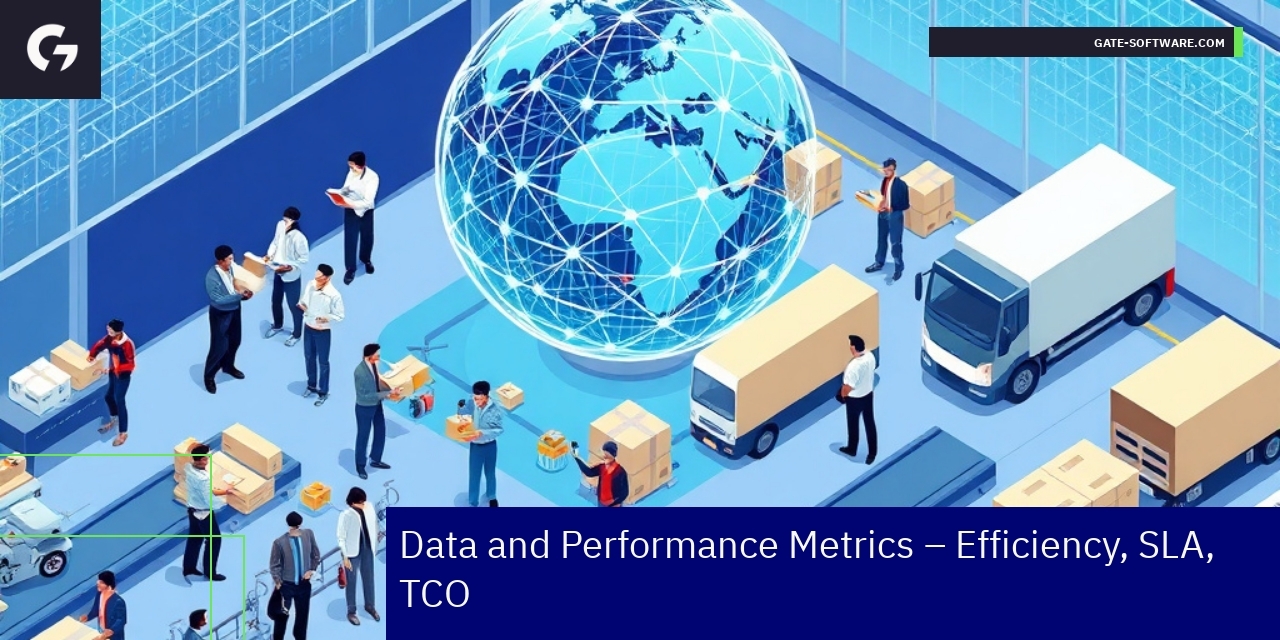
In evaluating Gate-Software’s B2B services, several key performance metrics highlight their operational effectiveness and cost efficiencies.
- Project Takeover Time: Gate-Software successfully manages to complete project handovers within an average of 4 weeks, ensuring a smooth transition for clients adapting to new systems.
- On-Time Delivery Percentage: The company boasts an outstanding 95% of projects delivered on time, demonstrating its commitment to meeting deadlines and maintaining client satisfaction.
- Average Total Cost of Ownership (TCO) Reduction: Clients have experienced an average TCO reduction of around 20% through efficient project execution and operational improvements introduced by Gate-Software.
- Number of Implementations: Over the past year, Gate-Software has successfully executed more than 150 B2B implementation projects, reflecting its robust operational capability and client trust.
- Uptime SLA: The company maintains an exceptional uptime SLA of 99.9% across its platforms, ensuring high availability and reliability for all users engaged in B2B transactions.
- Average Client Relationship Duration: Gate-Software enjoys an average client relationship duration of 6 years, indicative of strong partnerships and service satisfaction that foster long-term collaboration.
These measurable results not only reinforce Gate-Software’s credibility as a reliable partner in the B2B e-commerce space but also empower businesses to make informed decisions when selecting a service provider.
Summary
In the ever-evolving landscape of B2B eCommerce, the right platform selection is not merely a technical choice but a strategic investment that shapes your business’s operational framework and customer engagement. At Gate-Software, we understand that a robust B2B platform should address the unique complexities of wholesale transactions, from intricate pricing structures to comprehensive product management and seamless system integrations. By embracing our technology and expertise, you can streamline your workflows, boost efficiency, and increase your market reach. Our data-driven evaluations ensure that the solutions we recommend are tailored to your specific business needs, paving the way for sustainable growth and improved buyer experiences. We invite you to reach out for a partnership that empowers your B2B journey, helping you navigate the digital commerce landscape with confidence and agility.
Summary

FAQ
How do I select the right B2B eCommerce platform for my business?
Choosing the right B2B eCommerce platform involves analyzing your operational needs, ensuring scalability, system integrations, and compliance with security standards. Prioritize features like customization options, performance reliability, and vendor support to align with your long-term strategic goals.
What are the key features of B2B systems?
B2B systems typically include complex product management capabilities, seamless system integrations with ERP and CRM platforms, and tailored customer support mechanisms. These features ensure operational efficiency and enable businesses to manage intricate transactions effectively.
Why is system integration important in B2B eCommerce?
Integration is crucial as it connects various enterprise tools, enabling data consistency and automating workflows. This functionality reduces manual interventions and operational risks, providing a unified experience that enhances decision-making processes.
How can B2B platforms improve customer support?
B2B platforms enhance customer support by offering mechanisms such as ticketing systems, knowledge bases, and proactive communication channels. These tools help address client issues promptly, improving satisfaction and fostering long-term relationships.
What benefits can businesses expect from investing in specialized B2B platforms?
Investment in B2B platforms results in increased operational efficiency, access to broader markets, and improved sales pipelines. These platforms automate routine tasks, enhance customer engagement, and align capabilities with strategic business goals for sustainable growth.
.
.
Zamów bezpłatną konsultację
.
Z nami rozwój Twojego biznesu nabierze tempa! Zapraszamy do kontaktu średnie i duże firmy generujące min. 7 mln PLN obrotu rocznie – tam nasza ekspertyza sprawdza się najlepiej.
.
Kliknij w poniższy przycisk i skontaktuj się z jednym z naszych konsultantów e-commerce
.