Introduction
Setting up a successful B2B store requires a strategic approach tailored to the unique needs of business clients. The choice typically hinges on whether to leverage an established B2B marketplace or to develop an independent online shop. Each option presents distinct opportunities and challenges pivotal to your e-commerce strategy.
A B2B marketplace aggregates multiple sellers, offering immediate access to a broad customer base and streamlined operational processes. This ecosystem facilitates faster market entry and scalability but may limit your control over branding and direct customer engagement. Conversely, owning your online shop grants full autonomy over the customer experience, brand identity, and data insights, yet demands significant investment in platform development, marketing, and customer acquisition.
Understanding your target personas — from CTOs and CDOs who emphasize integration and scalability, to eCommerce Managers mindful of user experience and conversion optimization — is essential. Additionally, technical considerations such as platform choice (e.g., Magento™), compliance with WCAG 1.1 standards for accessibility, and UX/UI best practices must align with your business objectives.
Ultimately, whether opting for a B2B marketplace or an independent online shop, success stems from meticulous planning, leveraging Gate-Software’s expertise in maintaining and developing Magento platforms, and implementing actionable strategies grounded in data-driven decision-making tailored to B2B environments.
TABLE OF CONTENTS
- B2B Marketplace or Own Online Shop – How to Set Up a B2B Store?
- B2C vs. B2B Store Differences
- B2B Store Features – Start Operating in Steps
- Setup Costs – What Does Wholesale Online Sales Really Cost?
- Setting Up a B2B Shop – Easier Than You Think!
- B2B Shop Implementation – Is It Right for You?
- B2B Digital Marketing – Choosing the Right Strategy
- LinkedIn for B2B – Building Marketing and Communication
- Omnibus Directive in B2B – What You Need to Know
- How Does a B2B Online Shop Work and What Business Models Are Possible?
- Data and Performance Metrics – Efficiency, SLA, TCO
- Summary
- FAQ
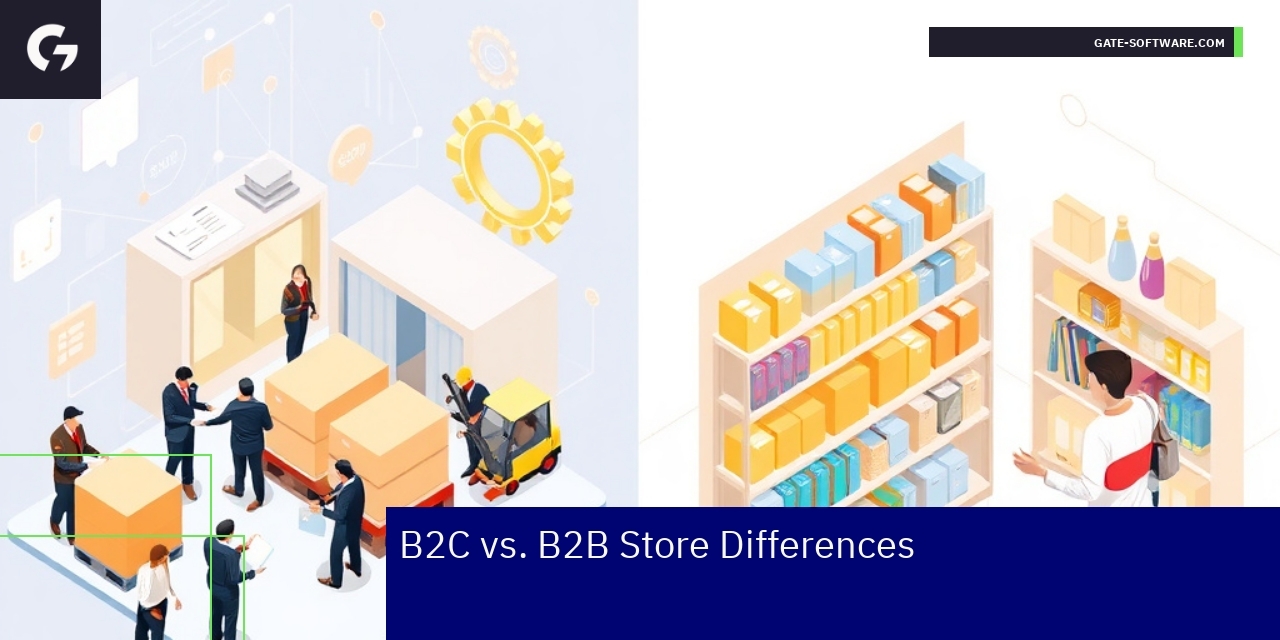
B2C vs. B2B Store Differences
Exploring the contrasts between a b2b platform and a b2c store reveals crucial distinctions that affect business strategies and technical implementations. One of the primary differences lies in offering separate offers for retail and wholesale customers. B2B platforms typically need to manage complex pricing structures tailored to wholesale clients, including volume discounts, negotiated prices, and contract terms, while also catering to smaller retail customers who require straightforward pricing. In contrast, B2C stores focus mainly on standardized pricing and retail offers optimized for individual consumers.
Possibilities for dedicated options further distinguish B2B from B2C environments. For instance, B2B platforms often include dedicated workflows such as custom quotes, purchase order integrations, and approval processes that accommodate organizational purchasing habits. These dedicated options support a more collaborative and negotiated sales process, which is rarely necessary in B2C contexts where the customer journey is more streamlined and self-service oriented.
Another significant distinction concerns the administration of platforms. B2B platforms may use a single admin panel to manage both wholesale and retail operations, simplifying user management while ensuring tailored service delivery. Alternatively, separate admin panels can be implemented to segregate retail and wholesale administration, providing specialized tools and data analytics relevant to each customer group. B2C stores predominantly operate with a unified admin panel designed for handling consumer sales, marketing, and customer service efficiently.
Understanding these technical and operational differences is key to determining whether marketplaces or own online shops better suit your business model. Marketplaces may offer broad exposure and streamlined logistics but limit customization for unique B2B needs. Conversely, own online shops provide greater control over customer experience, pricing flexibility, and integration of dedicated options suitable for the complex B2B purchasing lifecycle.
By grasping the nuanced distinctions between a b2b platform and a b2c store, businesses can make informed decisions that align with their customer segments and strategic goals, ensuring optimal system architecture and operational workflows for their e-commerce initiatives.
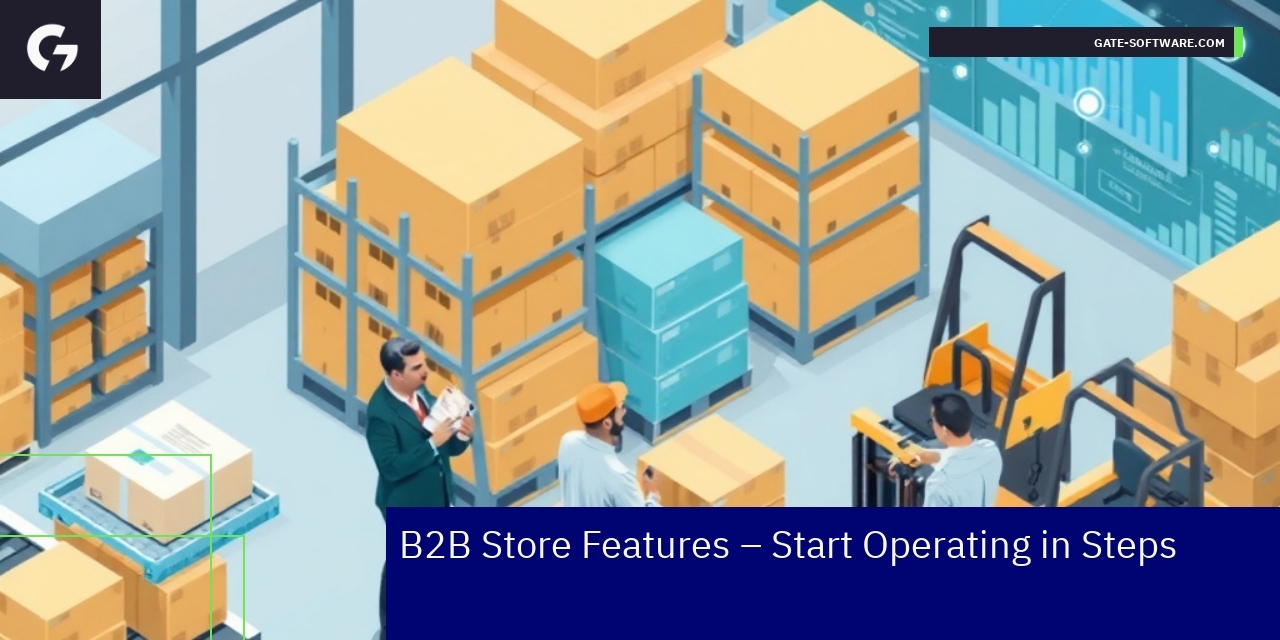
B2B Store Features – Start Operating in Steps
Launching a professional online wholesale store requires a strategic approach, especially in the B2B sector where complex buyer requirements and streamlined operations are paramount. Leveraging leading b2b platforms tailored to ecommerce b2b systems allows businesses to optimize their distribution channels effectively. These platforms support business-specific features like multi-level pricing, customized catalogs, and detailed order management which are essential for meeting the expectations of wholesale clients.
A phased implementation approach serves as the foundation for successful B2B store deployment. Initially, focusing on core functionalities such as user role management, seamless integration with existing ERP systems, and access to exceptional wholesale prices ensures that operational workflows are efficient. This stepwise methodology minimizes risk, facilitates early user adoption, and allows iterative optimization of the store environment based on actual usage and feedback.
Further stages involve upgrading the store with advanced capabilities including personalized product recommendations, automated contract and pricing negotiations, and analytics tools that empower decision-makers with insights into buyer behavior and sales trends. By adopting these b2b platforms, companies achieve a highly tailored ecommerce b2b system that not only supports current business needs but is also scalable for future expansion.
Throughout the process, attention to compliance with standards such as WCAG and UX/UI best practices guarantees inclusive user experience for all clients. Ultimately, the goal is to build a robust B2B ecommerce environment where businesses can access competitive wholesale offers, enhance buyer satisfaction, and maintain efficient distribution channels tailored to their market’s complexities.
Setup Costs – What Does Wholesale Online Sales Really Cost?
Delving into the real expenses of setting up and maintaining a B2B online shop reveals several critical cost factors that decision-makers must carefully consider. One of the primary areas of expenditure lies in negotiating purchase offers and pricing structures. Unlike B2C marketplaces, B2B transactions typically require complex pricing models tailored for different client segments, volume discounts, and contractual terms. This complexity calls for robust systems to manage and automate offer negotiations efficiently, often embedding real-time pricing updates and approval workflows.
Another significant cost driver is managing an individual product feed. Each product often needs detailed specifications, customization options, and compliance with industry regulations, all of which demand substantial data management and integration efforts. Effective handling of product feeds ensures accurate catalogue representation and synchronizes inventory and pricing data between suppliers and clients, which is crucial for maintaining trust and operational smoothness.
Operational costs also include maintaining the technical infrastructure of the B2B platform. Hosting solutions must guarantee high availability, security, and scalability to handle variable loads and sophisticated integrations like ERP and CRM systems. Gate-Software offers tailored Magento™ environments with SLA-backed hosting and monitoring to reduce downtime and optimize performance.
UX/UI considerations specifically aligned with WCAG standards also contribute to setup costs, especially to ensure accessibility and compliance in the B2B context. These factors, combined with ongoing marketing strategy adaptations, social media engagement, and content updates, underline the continuous investment required beyond initial setup.
Understanding these expense points is vital for eCommerce Managers, CTOs, and Architects to realistically assess the total cost of ownership for a B2B wholesale online shop, ensuring strategic allocation of budgets and resources aligned with Gate-Software’s comprehensive support and expertise.
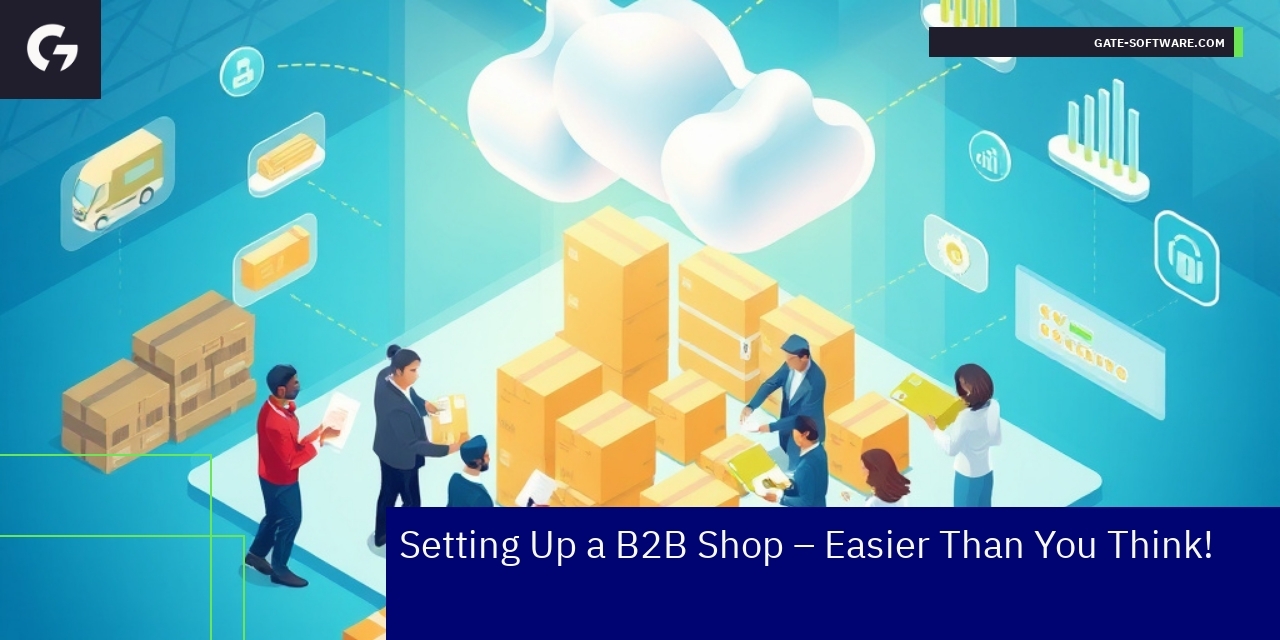
Setting Up a B2B Shop – Easier Than You Think!
Establishing a B2B shop today means more than just launching an online storefront; it involves creating a seamless, integrated ecosystem tailored to professional buyers’ specific needs. One key advantage is enabling your customer to access the promotion zone directly from your ecommerce b2b system, which streamlines their purchasing journey and increases engagement. This level of integration requires robust synchronization between your online shop and wholesale warehouses, ensuring real-time data accuracy on stock availability, pricing, and order status.
Implementing your own b2b platform offers complete control over brand identity, allowing consistent delivery of your company’s values and messaging across all digital touchpoints. This control is critical for establishing trust and long-term partnerships essential in B2B commerce. Moreover, such a platform empowers you to manage user roles, tailor pricing strategies, and customize workflows to fit complex business processes.
Technical challenges to consider include ensuring scalability to support variable order volumes, integrating secure authentication for multiple users per account, and guaranteeing compliance with accessibility standards such as WCAG 1.1. Leveraging Gate-Software’s capabilities, your B2B solution can incorporate these aspects while focusing on cost optimization and maintaining high performance. The result is an efficient, user-focused B2B shop that meets the expectations of modern enterprise clients and supports your business growth.
B2B Shop Implementation – Is It Right for You?
Implementing a B2B shop requires careful consideration of your business goals and operational needs. Users of b2b wholesaler platforms like Magento often highlight the system’s efficiency in streamlining order management and enhancing client communication. Key features such as notifications for new products and promotions support proactive engagement with customers, which is essential in B2B environments where timely information can drive sales and strengthen partnerships.
A critical factor in deciding whether to implement a b2b online shop is alignment with your strategic objectives. If your organization aims to scale operations, improve customer experience, and reduce manual order processing, investing in a B2B shop platform can be highly beneficial. The platform’s capabilities to integrate with existing systems also determine the level of automation and control you can achieve, impacting cost optimization and resource allocation.
Moreover, leveraging functionalities like personalized promotions and real-time inventory updates ensures that your B2B clients receive relevant and precise information. This capability supports better business decisions and fosters long-term customer loyalty. Ultimately, the choice to own a b2b online shop depends on whether the platform’s features and user experiences meet your unique business requirements and contribute positively to your sales strategies and operational workflows.
B2B Digital Marketing – Choosing the Right Strategy
A proper b2b digital marketing plan is essential for platforms with separate retail and wholesale offers. Explore how to tailor your marketing strategies to each segment to gain advantages of b2b marketplaces and the owned b2b platform alike.
In B2B digital marketing, the complexity of addressing both retail and wholesale channels requires a nuanced strategy that aligns with the distinct buyer journeys and decision-making processes involved. Unlike B2C marketing, B2B emphasizes building long-term relationships, with a focus on expertise, trust, and value-driven communication tailored to industry-specific challenges. Leveraging data-driven insights and customer personas such as eCommerce Manager, Head of Applications, and Architect allows precise targeting that meets the unique needs of procurement professionals and business decision-makers.
Successfully navigating the benefits of b2b marketplaces alongside an owned b2b platform involves integrating marketing automation, personalized content strategies, and robust analytics. This ensures the right messaging hits the right stakeholders — from CIO/CTO to CDO — while respecting the individual purchasing workflows and technical requirements of each segment. Essential elements include optimizing user experience by adhering to UX/UI best practices and WCAG standards to enhance accessibility and satisfaction, thereby boosting retention and conversion rates.
Implementing a coherent content strategy across channels is key, with focus on value propositions tailored to wholesale buyers and separate tactics for retail clients. Marketing efforts should emphasize scalability, cost optimization, and seamless integration with Magento platforms, underscoring Gate-Software’s expertise in supporting complex B2B digital ecosystems. Ultimately, the strategy must foster alignment between marketing and sales teams to accelerate pipeline growth and build durable partnerships in competitive B2B environments.

LinkedIn for B2B – Building Marketing and Communication
LinkedIn is an essential platform for b2b marketplaces and e-commerce b2b platform operators aiming to expand their reach among wholesalers, physical stores, and b2b sellers. Building effective marketing and communication strategies on LinkedIn requires a clear understanding of the target audience and the unique needs of B2B relationships. For decision-makers such as CTOs, Heads of Applications, and eCommerce Managers, leveraging LinkedIn means utilizing its advanced targeting and networking capabilities to foster trust, share expert content, and support business growth.
The platform allows businesses to present their brand voice consistently, engage with key decision-maker personas, including Architects, eCommerce Managers, and CIO/CTOs, and showcase solutions tailored to B2B challenges like platform maintenance, migration, and user experience optimization. Integrating LinkedIn campaigns with Gate-Software’s strategic communication frameworks ensures that messages resonate with the professional audience through refined UX/UI, adherence to WCAG standards, and clear value propositions relevant to the B2B sector.
Employing LinkedIn effectively also aligns with content strategies that emphasize transparency, performance, and innovation, encouraging collaboration and long-term partnerships within wholesale and retail networks. This approach enhances brand authority in the B2B marketplace, drives engagement with physical stores and resellers, and supports the scalability of e-commerce b2b platform operators. Utilizing data-driven insights and personalized communication on LinkedIn translates to optimized lead generation and stronger marketing ROI, making it a vital instrument for B2B growth.
Omnibus Directive in B2B – What You Need to Know
The Omnibus Directive introduces important changes for ecommerce B2B platforms, particularly affecting purchase negotiations and management of individual product feeds. As B2B transactions often involve complex agreements and tailored pricing, compliance with this directive ensures transparent communication and standardized practices that benefit both sellers and buyers. For platforms operating marketplaces or owned online shops, adhering to these regulations enhances credibility and trustworthiness in the competitive digital environment.
In purchase negotiations, the directive emphasizes clear disclosure of terms, pricing, and potential changes, which helps reduce conflicts and misunderstandings between business partners. This transparency is crucial when managing individualized deals or bulk orders, common in B2B settings. Furthermore, the directive impacts the management of product feeds by requiring accurate, up-to-date information that reflects real-time availability, pricing, and specifications. This precision supports better purchase decisions and smoothens the operational workflow between suppliers and buyers.
Moreover, maintaining compliance with the Omnibus Directive aligns with broader standards such as WCAG 1.1, which Gate-Software integrates through UX/UI audits and platform improvements. This compliance not only supports legal requirements but also promotes inclusive design, enhancing user experience for all decision-makers involved, including the Architect, eCommerce Manager, and CTO. Leveraging Magento™ capabilities and dedicated monitoring services helps manage these technical challenges effectively, ensuring ongoing adherence without disrupting daily operations. Ultimately, the directive fosters a fairer, more transparent ecommerce ecosystem that strengthens B2B relationships and boosts platform reliability.
How Does a B2B Online Shop Work and What Business Models Are Possible?
Understand how professional b2b online wholesale shops operate on the market, and discover which types of business activities you can conduct online, leveraging the advantages of Amazon Business and hybrid approaches combining marketplaces with own shops.
Comparison: B2B Marketplace vs. Own Online Shop
B2B marketplaces and owned B2B platforms both serve essential roles in business-to-business commerce, yet they offer distinct advantages and limitations. B2B marketplaces provide broad market access, streamlined buying processes, and instant exposure to a diversified customer base, which is valuable for scaling quickly and reducing customer acquisition costs. On the other hand, owned online shops give companies full control over the customer experience, branding, and pricing strategies, enabling personalized interactions and long-term customer relationships. However, marketplaces often have fees, less branding visibility, and dependency risks, while operating your own B2B online shop demands investments in technology, integration, security, and continuous optimization. Deciding between marketplaces, own shops, or hybrid approaches requires analyzing factors such as sales volume goals, budget, brand positioning, and operational complexity. Leveraging Amazon Business as part of a hybrid model can combine marketplace reach with the control of proprietary platforms, facilitating scalable, flexible B2B eCommerce solutions.
Checklists and Steps for Setting Up a B2B Store
Launching a professional B2B online shop involves a structured approach to ensure robustness and market fit. Start with defining buyer personas and business goals, followed by selecting the appropriate ecommerce platform, often Magento or similar, with features supporting complex catalogs, user roles, custom pricing, and integration capabilities. The checklist includes comprehensive UX/UI design aligned with WCAG accessibility standards for inclusivity, backend integration with ERP and CRM systems for seamless order and customer data management, and deployment of SLA-defined hosting and monitoring to maintain high availability and performance. Compliance with security and data privacy regulations is critical to maintain trust. The process also encompasses digital marketing strategy development for brand visibility, including SEO based on keywords like “B2B eCommerce solutions” and “Wholesale online store.” Testing and launching should be supported by clear documentation, training for staff, and defining workflows for order management and customer support tailored to B2B workflows.
Common Mistakes When Launching a B2B Shop
Typical pitfalls in setting up a B2B ecommerce business include underestimating the complexity of buyer workflows, neglecting personalized pricing and volume discounts, and failing to integrate with internal ERP or accounting systems. Insufficient planning around user roles and authentication can lead to security gaps or poor customer experience. Many overlook the importance of mobile responsiveness and accessibility compliance under WCAG 1.1 standards. Another mistake is inadequate inventory management linked to bulk purchasing processes, leading to issues in order fulfillment. Marketing mistakes often involve ignoring niche SEO phrases such as “B2B marketplace” and “Business-to-business sales,” which are critical for discoverability. To avoid these, companies should engage expert input for technical architecture and business process mapping, adopt flexible platforms, and conduct continuous training and system monitoring post-launch.
FAQ – Frequently Asked Questions
Key FAQs about running a b2b online shop address topics like how to handle bulk purchasing for enterprises, what subscription services for businesses entail in an ecommerce context, and differences between dropshipping B2B and traditional inventory models. Companies often ask how to balance marketplace participation with owned platform investments and how to ensure security and compliance in transactional systems. Clear guidelines on customer onboarding and integrating SaaS for B2B companies are also common queries. Providing detailed, precise answers builds credibility and guides decision-makers through technical and operational challenges.
Alternatives to B2B Stores
Beyond owned online shops and marketplaces, other e-commerce business models include hybrid platforms combining direct sales and marketplace listings, subscription-based services delivering ongoing product or software access, and specialized dropshipping models where inventory management is outsourced to third parties. Some businesses explore customized SaaS solutions tailored for B2B client needs or wholesale distribution partnerships supported by digital supply chain optimization. Selecting the right alternative depends on operational strengths, customer expectations, and scalability aspirations.
Benefits and Risks of Running a B2B Shop
Operating a b2b online store offers significant benefits such as expanded market reach, reduced sales cycle times, and enhanced data insights for personalized offerings. Digital automation improves order accuracy and customer service efficiency. However, risks include high upfront investment in platform development, complex integration with legacy systems, cybersecurity threats, and fluctuating buyer demands requiring agile responses. Understanding these pros and cons helps companies craft resilient strategies tailored to their specific market niches.
Summary
Professional B2B online shops operate using models like wholesale online stores, subscription services for businesses, and B2B marketplaces, each with unique operational demands. Choosing the right approach involves balancing the advantages of marketplace reach and owned platform control while managing technical complexity and customer expectations. Careful deployment, including adherence to UX/UI and WCAG standards, and integration with business systems ensures a smooth experience for enterprise clients. Awareness of common pitfalls and alternative business models informs strategic decisions that drive sustainable growth in the competitive B2B eCommerce landscape.
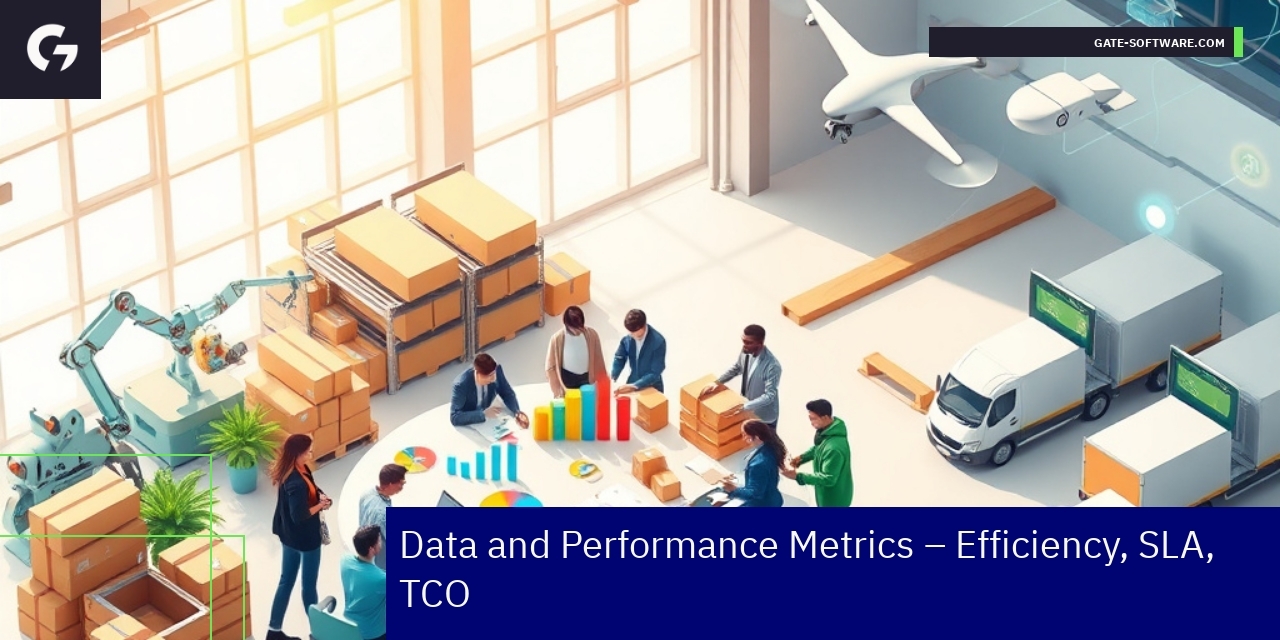
Data and Performance Metrics – Efficiency, SLA, TCO
Operational Effectiveness in B2B Projects
In the landscape of B2B services, particularly when utilizing Gate-Software’s expertise, measurable data underpins operational effectiveness and strategic decision-making. The following statistics provide insights into the performance and efficiency of B2B projects:
1. Project Takeover Time: Gate-Software consistently achieves an average project takeover time of 2 weeks, ensuring a smooth transition and minimal disruption for clients.
2. On-Time Delivery Rate: An impressive 95% of B2B projects are delivered on time, highlighting the commitment to meeting client deadlines and expectations.
3. Average Total Cost of Ownership (TCO) Reduction: Clients experience an average TCO reduction of 20% after implementing Gate-Software solutions, a testament to the effective resource management and strategic optimizations offered.
4. Number of Implementations: Gate-Software has successfully executed over 150 B2B implementations, demonstrating extensive experience and a proven track record in the field.
5. Uptime SLA: The company guarantees an SLA uptime of 99.9%, ensuring that B2B platforms remain continuously accessible to clients and their customers, which is critical for maintaining operational fluidity.
6. Average Client Relationship Duration: Clients maintain partnerships with Gate-Software for an average of 5 years, reflecting strong satisfaction and trust in the quality of service provided.
7. Efficiency in Project Management: Through agile methodologies, Gate-Software reduces project timelines by 30%, facilitating faster go-to-market strategies for B2B clients.
These metrics collectively showcase the operational effectiveness and reliability that Gate-Software brings to B2B engagements, fostering data-driven decision-making and enhancing overall business performance.

Summary
In the evolving landscape of B2B e-commerce, establishing an effective online shop is essential for businesses aiming to meet the complex needs of professional buyers. As we’ve discussed, the choice between leveraging a B2B marketplace or developing an independent online shop requires careful evaluation of your business goals and operational capabilities. The flexibility offered by Gate-Software’s expertise, particularly in managing and developing platforms like Magento™, can greatly enhance your ability to navigate these choices efficiently. With the right strategy, you can ensure that your e-commerce environment is tailored to your specific target personas, integrates seamlessly with existing systems, and adheres to best practices like WCAG standards for accessibility.
By prioritizing meticulous planning and leveraging advanced features such as personalized pricing, custom catalogs, and robust data analytics, your B2B online shop can not only cater to the immediate needs of your clients but also position your company for future growth. The potential benefits, including expanded market reach, improved order accuracy, and enhanced customer experience, underscore the importance of investing in a sophisticated B2B platform. We encourage you to reach out to Gate-Software to explore how our tailored solutions can support your journey towards establishing a successful B2B e-commerce presence. Together, we can build a robust digital ecosystem that aligns with your business objectives and fosters meaningful relationships with your clients.
Summary
FAQ
How does a B2B online shop differ from a B2C store?
A B2B online shop typically involves complex pricing structures, tailored offerings for wholesale clients, and dedicated workflows for custom quotes and purchase orders, whereas a B2C store usually focuses on standardized pricing for individual consumers with simpler purchasing processes.
What are the essential features of a B2B online store?
Key features of a B2B online store include multi-level pricing, customized catalogs, detailed order management, user role management, and seamless integration with existing ERP systems to optimize workflows and meet the expectations of wholesale clients.
Why is compliance with WCAG standards important for B2B shops?
Compliance with WCAG standards ensures accessibility for all users, including those with disabilities, thereby enhancing the overall user experience and maintaining legal and ethical obligations, which is crucial in fostering trust in the B2B marketplace.
How can companies leverage digital marketing for B2B success?
Companies can tailor their digital marketing strategies to address the unique needs of both retail and wholesale segments by utilizing data-driven insights, personalized content, and targeted communication to build long-term relationships with business clients.
What common mistakes should be avoided when launching a B2B shop?
Common mistakes include underestimating the complexity of B2B workflows, neglecting seamless integration with ERP systems, and failing to ensure mobile responsiveness and compliance with accessibility standards, which can significantly hinder customer experience and operational efficacy.
.
.
Zamów bezpłatną konsultację
.
Z nami rozwój Twojego biznesu nabierze tempa! Zapraszamy do kontaktu średnie i duże firmy generujące min. 7 mln PLN obrotu rocznie – tam nasza ekspertyza sprawdza się najlepiej.
.
Kliknij w poniższy przycisk i skontaktuj się z jednym z naszych konsultantów e-commerce
.