In 2026, optimizing B2B functions demands addressing complex business and technical challenges while leveraging advanced platform capabilities such as those offered by Magento 2 B2B features. One of the core challenges lies in seamlessly integrating diverse business processes across large organizations with intricate supply chains and procurement workflows. B2B enterprises often face operational inefficiencies due to legacy systems, disparate data sources, and non-standardized workflows, which impede agility and scalability.
Magento 2 B2B features offer a comprehensive toolkit to overcome these hurdles, facilitating unified catalogs, custom pricing, quote management, and streamlined approval workflows—all essential for complex enterprise sales cycles. These functionalities enable businesses to tailor the buyer experience per customer segment while maintaining centralized control. A critical solution component is automation: Magento 2 supports automated reorder processes, inventory synchronization, and customer-specific payment terms, reducing manual intervention and accelerating order fulfillment.
From a technical perspective, ensuring robust integration via APIs to ERP, CRM, and other enterprise systems is vital. Magento 2’s extensible architecture supports seamless data exchange and real-time updates, fostering operational efficiency and accurate business intelligence. Moreover, platform scalability enables handling high transaction volumes without compromising performance, crucial for B2B growth.
Strategically, B2B function optimization leverages Magento 2’s analytics and reporting tools to align sales, marketing, and operations with customer demand patterns and market shifts. Enhanced user experience through personalized catalogs, role-based access, and mobile-optimized portals further drives customer satisfaction and loyalty.
In summary, overcoming B2B challenges in 2026 requires a blend of technology-enabled automation, seamless system integration, and strategic use of platform features like those in Magento 2 B2B. By focusing on these areas, enterprises can streamline complex processes, boost operational agility, and deliver superior digital buying experiences.

Introduction
In the ever-evolving landscape of B2B services, organizations face unique challenges that require strategic, scalable, and technically sound solutions. Effective B2B services empower companies to optimize operations, enhance supply chain management, and improve customer engagement, all while maintaining operational efficiency and performance.
Key to success in B2B engagement is the integration of advanced technology and data-driven strategies that streamline processes across multiple business functions. These solutions foster collaboration and create long-term partnerships, supporting growth and adaptation to market demands. Addressing real-world business problems involves architectural considerations that ensure scalability, reliability, and security — all critical to maintaining uninterrupted operations in complex B2B ecosystems.
Our approach emphasizes delivering tailored strategies that align with organizational goals, ensuring that technological implementations enhance both productivity and competitive advantage. By focusing on efficient operational workflows, seamless integration, and performance optimization, businesses can unlock new growth opportunities and sustain long-term success in the B2B domain.
TABLE OF CONTENTS
- B2B Function Optimization: Key Challenges and Solutions 2026 with Magento 2 B2B Features
- Introduction
- Definition and Basics of B2B Function Optimization
- Key Optimization Elements
- Main Challenges in B2B Processes
- Challenge 1: Cost Efficiency
- Challenge 2: Offer Personalization
- Challenge 3: Speed of Market Response
- Benefits of Optimizing Financial Processes in Online B2B Sales
- Steps to Optimize Financial Processes
- Tips for Enhancing Financial Processes in Online B2B Sales
- Average ROI Time for B2B Platforms
- Are Individual Client Accounts Beneficial for B2B?
- How to Set Up an Online B2B Wholesale
- Why the SFG (Strategy-Forge-Growth) Method Works
- Common Bottlenecks in Sales Processes
- What Exactly Is the B2B Sales Process?
- How to Optimize the Sales Process
- Examples of Technology Use in B2B Processes
- Benefits of Automating B2B Processes
- Most Common B2B Process Mistakes
- Data and Performance Metrics – Efficiency and Cost
- Summary
- FAQ
- Case studies illustrating successful sales process optimizations in B2B settings
- Tools and software recommendations for CRM and sales automation
- Templates for feedback loops and lead qualification checklists
- Best practices for integrating SEO strategy within the sales process
- Metrics and KPIs to monitor sales process improvements
- Case studies or real-world examples illustrating successful automation in B2B settings
- Statistics quantifying efficiency gains, cost reductions, or error minimization from automation
- Links to tools or platforms commonly used for B2B process automation
- Further reading on regulatory compliance benefits of automation in specific industries
- Case studies highlighting successful B2B process improvement implementations
- Templates for workflow integration and automation planning
- Checklists for identifying common system integration pitfalls
- Tutorials on leveraging Magento 2 tools for enhanced process efficiency
Definition and Basics of B2B Function Optimization
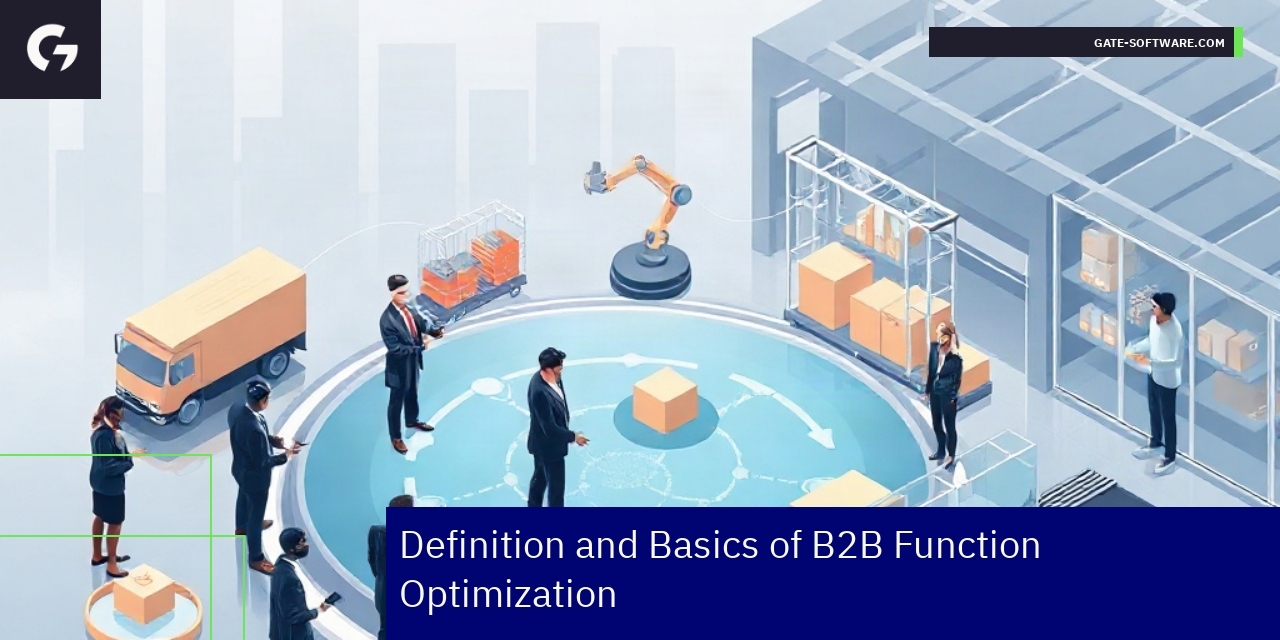
B2B function optimization is the strategic process of improving and refining core business operations within a business-to-business context to boost efficiency, productivity, and overall organizational performance. This optimization focuses on key functions such as sales, marketing, customer service, supply chain management, and finance, which are pivotal in maintaining robust B2B relationships and delivering value to clients.
At its core, B2B process optimization involves a thorough analysis of existing workflows using data-driven insights. This helps identify inefficiencies, bottlenecks, and misaligned resources. By implementing targeted improvements—ranging from process re-engineering to adopting state-of-the-art technology platforms like CRM systems and automation tools—organizations can streamline communication, reduce operational costs, and enhance service delivery. Establishing precise Key Performance Indicators (KPIs) further allows continuous monitoring and agile adjustments to business functions to ensure sustained optimization.
The importance of B2B function optimization in modern business cannot be overstated. As markets grow increasingly competitive and complex, efficient and scalable operational models enable businesses to respond swiftly to client needs, reduce turnaround times, and foster long-term partnerships.
Comparing traditional and modern B2B models reveals significant differences. Traditional models often relied heavily on manual, linear processes and face-to-face interactions, which limited scalability and responsiveness. In contrast, modern B2B frameworks leverage digital transformation, adopting integrated platforms and data analytics to create agile, customer-centric ecosystems. This shift enables companies to optimize not only internal processes but also externally collaborate with clients and suppliers more seamlessly, driving enhanced operational efficiency and performance across the value chain.

Key Optimization Elements
Optimizing B2B operations requires a comprehensive focus on several critical elements, primarily encompassing financial, sales, and logistics processes. Efficient management of these processes ensures smoother transactional flows, improved cash management, and better customer satisfaction. Financial processes benefit from automation and integration with ERP systems to provide real-time insights and reduce errors. Streamlining sales operations involves leveraging technology to handle complex B2B pricing, bulk ordering, and customized catalogs, essential for addressing varied client needs and enhancing order accuracy. Logistics processes must prioritize transparency and automation, including shipment tracking, warehouse management, and demand forecasting, to ensure timely deliveries and minimized handling costs.
An increasingly vital factor is the role of technology integration, particularly platforms like Adobe Commerce (Magento), which stands at the forefront of the 2025 evolution in B2B commerce. Adobe Commerce enables seamless integration across various business systems and supports scalable, secure, and customizable eCommerce environments tailored for B2B complexities. Its architecture facilitates integration with CRM, ERP, and supply chain applications, which is crucial for holistic process automation and data-driven decision-making.
To further optimize these elements, employing recommended Magento 2 B2B extensions becomes essential. These extensions enhance core functionalities related to account management, pricing rules, quote requests, and purchase approvals, enabling businesses to better handle diverse customer requirements. Additionally, effective inventory management tied to Magento 2 extensions helps maintain control over stock levels, reduces risks of overstock or stockouts, and supports multi-warehouse coordination. This control not only improves operational efficiency but also supports scalability and performance under increasing order volumes, positioning businesses strongly for future growth and competitive advantage.

Main Challenges in B2B Processes
In B2B processes, one of the primary challenges lies in identifying major difficulties in optimization. Organizations often face complexities around integrating technology seamlessly into existing workflows, which can lead to inefficiencies and hinder operational scalability. The decision-making process in B2B scenarios is typically elongated due to multiple stakeholders involved, increasing the difficulty in streamlining processes. Additionally, managing large volumes of data securely and efficiently presents technical and compliance challenges that must be addressed to maintain system integrity and trust.
Another critical area is the analysis of competition and market needs, which demands robust Report & Analytics features. These capabilities allow businesses to gain actionable insights, anticipate market shifts, and tailor their strategies accordingly. Effective analytics tools enable better forecasting, resource allocation, and targeted marketing efforts, which are essential in highly competitive B2B environments. Without these insights, companies risk misalignment with market demands, potentially diminishing their competitive edge.
Communication barriers across departments and with external partners can further complicate process optimization. Ensuring clear, consistent, and transparent communication is vital but challenging, especially in complex supply chains or multi-tiered partnerships. Alignment between sales and marketing teams is another operational hurdle that affects lead conversion and customer retention. The need to adapt rapidly to market dynamics while maintaining process efficiency underscores the importance of flexible yet robust B2B systems designed for scalability and performance.
Challenge 2: Offer Personalization
—
If available:

Challenge 1: Cost Efficiency
In the pursuit of cost efficiency for Magento 2 B2B stores, it is critical to focus on key optimization aspects that directly reduce operational expenses while enhancing performance scalability. One primary factor is optimizing the hosting environment tailored to the specific demands of B2B workflows, which often involve complex, high-volume transactions. Efficient server resource allocation, including the use of scalable cloud infrastructure and containerization, can significantly lower hosting costs without sacrificing performance.
Another crucial aspect is streamlining the Magento 2 backend processes. Implementing effective caching mechanisms, such as Varnish Cache or Redis, reduces database load and speeds up page delivery, which translates into lower server utilization and expenses. Additionally, optimizing database queries and indexing for large B2B catalogs ensures faster data retrieval, reducing the overhead on database servers and resulting in cost savings.
Integrating advanced automation in routine tasks like order processing, inventory updates, and customer segmentation reduces manual intervention and associated labor costs. Moreover, digital workflows designed to minimize downtime and errors improve operational efficiency and reduce costly disruptions.
Finally, carefully selecting third-party extensions and custom developments that are lightweight, efficient, and support Magento 2’s native capabilities prevents overburdening the system with unnecessary plugins, which can increase maintenance and support costs. Linking Key Optimization Aspects for Magento 2 B2B Stores to reduce expenses means balancing robust functionality with lean infrastructure to achieve sustainable cost-efficiency.

Challenge 2: Offer Personalization
Utilizing Key Features of Magento 2 B2B to tailor solutions is essential for delivering personalized experiences that meet the complex needs of B2B customers. Magento 2 B2B provides robust capabilities to customize pricing, product catalogs, and customer interactions, enabling businesses to enhance relevancy and operational efficiency.
A core element of personalization in Magento 2 B2B is customer segmentation, allowing companies to group buyers according to criteria such as purchase history, industry, or order volume. This segmentation supports tailored marketing campaigns and personalized product recommendations, which are critical in B2B where purchasing decisions are often precise and relationship-driven.
Custom pricing and discount management are also vital. Magento 2 B2B enables setting distinct price lists and discounts per customer or group, reflecting negotiated agreements or purchase tiers. This flexibility ensures pricing accuracy and strengthens customer loyalty by recognizing buyer value in a scalable manner.
Additionally, businesses benefit from Magento’s quote management system, which personalizes the negotiation process by responding to individual requests with customized offers. This aligns with operational needs of B2B sales cycles, which often involve tailored terms beyond standard ecommerce transactions.
Personalized product catalogs serve to display relevant assortments based on customer segmentation, enhancing user experience by reducing complexity and focusing attention on pertinent items. Complemented by advanced account management features, such as saved carts and detailed order histories, customers enjoy seamless, tailored interactions that improve retention and repeat purchasing.
Lastly, Magento B2B supports targeted content through flexible CMS tools, enabling delivery of segment-specific informational content and promotions. Behavior tracking further enriches personalization by adapting offers dynamically based on user activity.
Through these key features, Magento 2 B2B empowers companies to architect personalized solutions that drive business impact, improving relevance, scalability, and performance across B2B customer journeys.

Challenge 3: Speed of Market Response
Addressing performance impact on Magento 2 B2B sales to adapt quickly is critical for businesses operating in dynamic and competitive markets. In B2B environments, the ability to respond rapidly to market changes—such as fluctuating customer demands, supply chain disruptions, or emerging opportunities—depends heavily on the eCommerce platform’s performance and agility.
Magento 2, as a robust enterprise-grade platform, supports complex B2B features like custom catalogs, negotiated pricing, and bulk ordering capabilities. However, these advanced functionalities can introduce performance challenges that may slow down response times if not properly managed. Optimizing Magento 2’s performance ensures that the system handles large B2B transaction volumes efficiently, minimizes latency, and delivers a seamless user experience for buyers and internal users alike.
Key factors influencing speed of market response include infrastructure scalability, efficient backend processes, and real-time data availability. Leveraging scalable cloud solutions and adopting performance tuning techniques—such as caching strategies, database optimization, and asynchronous processing—can significantly reduce bottlenecks. Additionally, integrating Magento 2 with enterprise resource planning (ERP) and customer relationship management (CRM) systems streamlines data flow, enabling faster decision-making and order fulfillment.
From a strategic perspective, maintaining a high-performance Magento 2 environment allows B2B companies to accelerate product launches, adjust pricing promptly, and customize offerings based on up-to-date market intelligence. The operational efficiency gained minimizes downtime and supports swift adaptation to evolving market conditions, ultimately strengthening competitive positioning and driving sustained revenue growth.
In summary, addressing the performance impact on Magento 2 B2B sales is essential for companies aiming to respond quickly to market demands. Through technical optimization, scalable infrastructure, and integrated data systems, organizations can enhance their agility, ensuring that market responses remain swift and effective.

Benefits of Optimizing Financial Processes in Online B2B Sales
Optimizing financial processes within online B2B sales delivers measurable benefits that directly impact operational efficiency and business scalability. One of the core advantages is increased operational efficiency, which reduces the time and resources spent on manual financial tasks such as invoicing, payment reconciliation, and credit management. Automating these processes minimizes human errors and accelerates transaction cycles, leading to faster order-to-cash flows.
Improved cash flow management is another critical benefit. Streamlined invoicing and payment collection methods ensure quicker payment turnaround, bolstering financial stability and enabling businesses to reinvest capital more rapidly. This is particularly important in B2B environments where transaction volumes and order values tend to be high.
Optimized financial processes also enhance accuracy and compliance by integrating real-time financial analytics and audit trails. These capabilities empower CFOs and finance teams with better visibility to make data-driven decisions, manage risks effectively, and maintain regulatory compliance.
In relation to eCommerce platforms like Magento 2, B2B checkout enhancements play a crucial role in financial optimization. Efficient checkout methods tailored for B2B—such as customized payment terms, purchase order numbers, and multi-user approvals—streamline the payment experience. This not only reduces friction but also supports complex financial workflows typical in B2B sales, thereby improving customer satisfaction and operational throughput.
Cost reductions emerge naturally from process optimization due to decreased reliance on legacy systems and manual interventions. Furthermore, scalability becomes attainable, accommodating growth without proportionally increasing overhead. Effective integration between financial systems and B2B sales platforms increases interdepartmental visibility and accelerates end-to-end transaction processing.
In summary, financial process optimization in online B2B sales enhances efficiency, accuracy, cash flow, customer trust, and scalability—fundamental elements for sustained competitive advantage in today’s digital commerce landscape.

Steps to Optimize Financial Processes
Optimizing financial processes within a B2B context begins with a thorough analysis of existing workflows to identify inefficiencies and areas for improvement. Key steps include mapping current processes, gathering input from stakeholders, and establishing clear objectives aligned with business goals. This diagnostic phase is essential to create a foundation for implementing robust financial procedures that improve accuracy, reduce processing times, and enhance compliance.
Subsequently, implementing new procedures requires a strategic approach that prioritizes scalability and operational efficiency. Technologies such as automation, advanced analytics, and integrated financial management systems play a critical role in streamlining operations and enabling real-time data insights. Ensuring that procedural changes are supported by documentation, training, and continuous feedback loops is vital for sustained process optimization.
Team collaboration is a crucial component, particularly when managing sensitive financial data. Access Restrictions facilitate secure data sharing, allowing cross-functional teams to collaborate without compromising confidentiality or compliance. This controlled access ensures that financial information is protected while promoting transparency and accountability across departments. By integrating these collaborative measures with well-defined access controls, organizations can safeguard data integrity and support efficient financial process management.

Tips for Enhancing Financial Processes in Online B2B Sales
Enhancing financial processes in online B2B sales requires a strategic approach that integrates practical management advice and the judicious use of technology. Managers should prioritize streamlining operations to reduce errors and improve cash flow management. This involves standardizing invoicing procedures, automating payment reconciliations, and implementing clear credit control policies to monitor receivables closely.
Leveraging available technologies is critical. For instance, platforms like Magento 2 offer advanced features such as Reorder and Refund capabilities that can significantly enhance transactional efficiency. The Reorder feature helps businesses maintain steady purchasing cycles, reducing delays and improving inventory turnover. Meanwhile, the Refund feature streamlines dispute resolution and strengthens customer trust by facilitating quick and transparent return processes.
Additionally, integrating financial systems with sales platforms improves data accuracy and real-time visibility into outstanding payments and cash positions. Technologies that support seamless data synchronization reduce manual interventions, lower operational costs, and enhance scalability as transaction volumes grow. Operational efficiency is further achieved by adopting automated workflows for approvals and notifications, ensuring compliance and reducing cycle times.
Ultimately, a combination of disciplined financial management and modern technological tools supports scalable, high-performance B2B eCommerce operations, enhances cash flow predictability, and underpins sustainable growth.

Average ROI Time for B2B Platforms
In analyzing the average ROI time for B2B platforms across various industries, it is important to recognize that the duration for realizing returns can vary significantly based on sector-specific dynamics and operational factors. Industries with high initial capital expenditures and complex sales cycles, such as manufacturing or enterprise software, typically experience longer ROI timelines compared to faster-moving sectors like digital services or wholesale distribution.
Several critical factors influence the speed at which ROI is realized on B2B platforms. One key element is the underlying technology stack and platform stability. For instance, Common Magento 2 Issues Impacting Your Store, such as performance bottlenecks, integration challenges, and scalability constraints, can delay operational efficiencies and slow down the time to value. B2B businesses reliant on Magento 2 must address these issues proactively to avoid elongating the ROI cycle.
Additionally, the customization level of the platform affects implementation and adoption speed. Highly tailored solutions may better meet complex business requirements but often require extended development and testing phases. This investment in customization, while crucial, can temporarily defer ROI realization.
Operational readiness and internal adoption also play a significant role. Training staff, streamlining workflows, and integrating the platform with existing ERP or CRM systems contribute to faster returns by enhancing productivity and reducing errors.
In summary, while the average ROI time varies by industry and operational context, mitigating technology-specific challenges such as those commonly found in Magento 2 implementations is essential. Strategic planning around platform selection, integration, and adoption accelerates ROI realization for B2B platforms.

Are Individual Client Accounts Beneficial for B2B?
In the B2B context, implementing individual client accounts plays a significant role in enhancing customer loyalty and satisfaction. Personalized approaches enable businesses to cater to the specific needs, preferences, and buying behaviors of each client, fostering stronger relationships and trust. This tailored engagement reduces the friction in the purchasing process and improves ongoing communication, which are critical for long-term partnerships.
Magento 2 B2B offers robust key features that support these individual approaches effectively. For example, the platform allows the creation of customized company accounts with specific user roles and permissions, enabling distinct access levels within client organizations. This facilitates better control and personalization of interactions on the client side. Additionally, Magento 2 supports personalized catalogs and pricing for individual clients or client groups, allowing businesses to tailor their offerings and negotiate terms that reflect each client’s value and buying capacity.
By leveraging these capabilities, organizations can enhance operational efficiency through streamlined order management and contract handling, which positively influences customer satisfaction. Scalability is also supported, as businesses can manage multiple individual accounts with tailored settings without compromising performance. Ultimately, individual client accounts on Magento 2 B2B empower businesses to deliver differentiated experiences that strengthen loyalty and satisfaction in complex B2B sales environments.

How to Set Up an Online B2B Wholesale
Launching an online B2B wholesale platform requires a strategic, step-by-step approach focused on scalability, operational efficiency, and seamless integration of technological features tailored to B2B needs.
First, conduct an in-depth analysis of your target market and customer requirements to define product offerings, pricing models, and purchase workflows suited for business clients. Subsequently, architect a technology stack that supports complex B2B selling processes, including multi-tier pricing, flexible payment terms, and account management.
Key technological aspects involve selecting a platform that natively supports B2B commerce features to ensure robust scalability and performance. Magento 2 stands out with its top 5 B2B features which include: (1) Quick Order and Requisition Lists for streamlined bulk purchasing, (2) Custom Catalogs and Pricing to tailor product visibility and discounts per client, (3) Advanced Negotiation Tools enabling direct quote requests and approvals, (4) Company Accounts with role-based permissions for multiple users per organization, and (5) Integrated Payment and Credit Management systems to facilitate complex invoicing and credit terms.
Implementing these functionalities ensures that your platform can handle the operational complexities of B2B wholesale such as bulk orders, purchase approvals, and diverse payment methods. Additionally, integrating ERP and CRM systems enhances inventory accuracy, order tracking, and customer relationship management, critical for sustaining business operations at scale.
Finally, optimize the platform’s performance and user experience to handle high transaction volumes and simultaneous users efficiently. Employ rigorous testing, continuous monitoring, and iterative improvements based on stakeholder feedback to maintain system reliability and growth readiness.
This structured, technologically informed approach positions your online B2B wholesale platform to meet sophisticated business client demands while supporting long-term operational excellence.

Why the SFG (Strategy-Forge-Growth) Method Works
The SFG (Strategy-Forge-Growth) Method proves effective in the B2B context principally because it addresses key challenges that businesses face in a competitive industrial landscape. At its core, the method integrates strategic planning with adaptable operational frameworks, allowing companies to effectively forge actionable plans that drive sustainable growth. By focusing on the alignment between corporate strategy and market dynamics, SFG helps organizations anticipate and respond to rapidly changing environments, which is crucial in complex B2B markets.
The analytical component of SFG ensures thorough assessment of current capabilities, competitive positioning, and emerging opportunities. This facilitates precision in decision-making and resource allocation—essential for operational efficiency and scalability. Moreover, the growth phase within the method emphasizes iterative improvement and innovation, encouraging businesses to continuously refine their offerings and enhance performance metrics.
Several organizations applying the SFG Method have demonstrated marked improvements in their strategic execution and revenue growth. For example, manufacturing firms deploying SFG have optimized their product development lifecycles while expanding their market reach through targeted partnerships. Similarly, technology firms have leveraged SFG to streamline their digital transformation initiatives, achieving enhanced integration of new technologies with legacy systems. These case studies underline how SFG’s structured yet flexible methodology enables businesses to convert strategy into measurable results without compromising on agility or scalability.
In summary, the SFG Method works effectively in B2B sectors because it combines rigorous strategic analysis with hands-on execution guidance, all while promoting continuous growth and operational robustness that meet the demands of sophisticated market environments.
Common Bottlenecks in Sales Processes
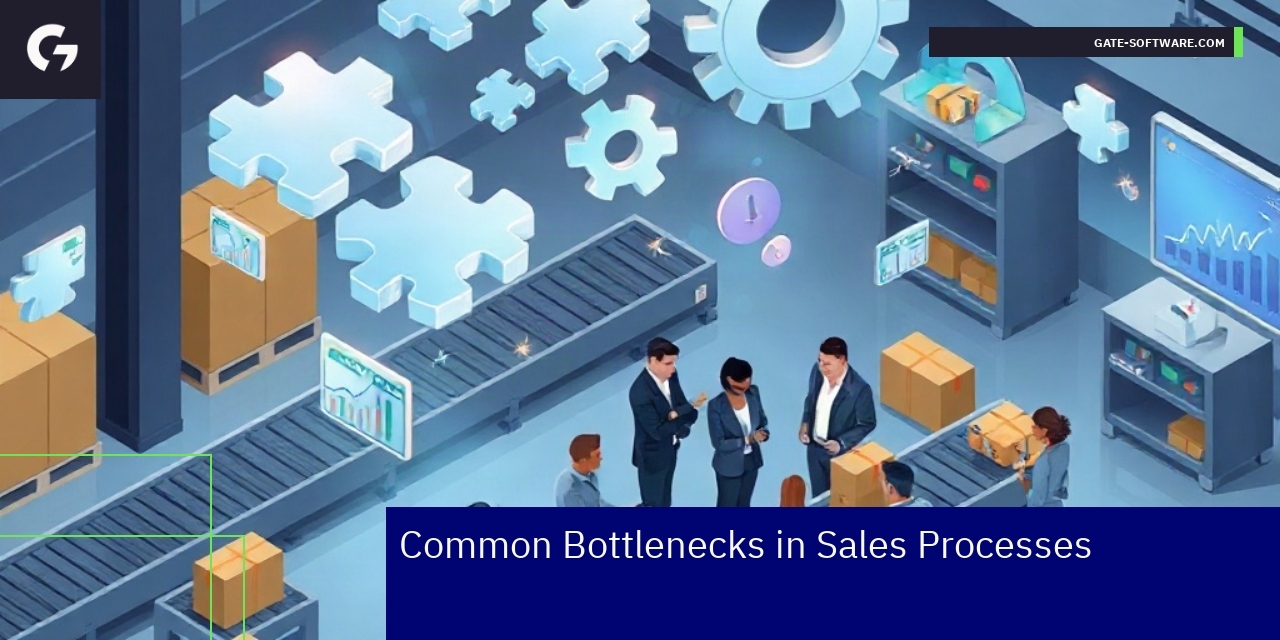
In B2B sales environments, several common bottlenecks significantly impact the efficiency and effectiveness of the sales process. One primary bottleneck is lead qualification, where teams struggle to identify and prioritize high-potential leads promptly, leading to wasted resources and slower conversion rates. Another critical issue lies in prolonged sales cycles, often driven by multiple decision-makers and complex approval paths, which can extend deal closure timelines and affect revenue predictability.
Poor communication is a recurrent bottleneck that disrupts alignment both within sales teams and between sellers and buyers. Miscommunication delays responses, causes misunderstandings, and weakens relationship-building efforts. Leveraging insights from Report & Analytics tools, organizations can pinpoint specific communication gaps and optimize messaging strategies to enhance clarity and responsiveness.
Sales training deficiencies further compound bottlenecks, as underprepared representatives may fail to convey value propositions convincingly or handle objections skillfully. Additionally, suboptimal use of CRM systems hinders tracking of sales activities and lead statuses, resulting in lost opportunities and operational inefficiencies.
Complex proposal structures and pricing models can also overwhelm prospects, creating friction in decision-making and slowing down deal advancement. This emphasizes the need for simplicity and transparency in offers. Market competition intensifies pressure, requiring differentiated value communication to prevent potential clients from hesitation or shifting to competitors.
Finally, delays in follow-ups and technology-related barriers, such as tool integration issues or inadequate sales enablement software, further constrain process scalability and performance. Addressing these bottlenecks requires a combination of data-driven analysis, targeted communication improvements, and operational enhancements, thereby streamlining sales workflows and boosting overall productivity in B2B contexts.

What Exactly Is the B2B Sales Process?
The B2B sales process encompasses several critical stages designed to effectively move prospects from initial contact to long-term business relationships. The key stages begin with lead generation, where potential business customers are identified through networking, referrals, or digital channels. Once leads are gathered, lead qualification follows, assessing the viability based on criteria like budget, authority, and specific needs.
Next, a thorough needs assessment is conducted to understand the prospect’s unique challenges and requirements, laying the foundation for a tailored proposal and presentation that demonstrates the value of the offering. The negotiation phase addresses pricing, terms, and conditions to reach a mutually beneficial agreement. Closing the deal involves finalizing contracts and approvals. Post-sale follow-up and relationship management are essential to ensure ongoing satisfaction and to identify opportunities for repeat business.
Technology plays a transformative role in boosting the efficiency of this process. For instance, Magento 2 B2B Purchasing Capabilities provide essential functionalities such as customized pricing and catalogs tailored to different customer segments, enabling quick reordering to speed up repeat purchases, and advanced account management to track customer interactions. Integration with CRM and ERP systems further streamlines workflows across sales, marketing, and service teams. Leveraging such technology enhances operational efficiency, supports scalability, and ensures a more personalized and data-driven sales approach in complex B2B environments.

How to Optimize the Sales Process
Optimizing the sales process in B2B environments requires a strategic approach focused on improving sales effectiveness and leveraging data insights for continual enhancement. Improving sales effectiveness involves several critical steps, beginning with a thorough understanding of the buyer’s journey and key decision points. Streamlining the sales funnel by eliminating unnecessary steps reduces friction and accelerates deal closure. Equipping the sales team with robust CRM tools enhances lead management, tracking, and conversion rates. An emphasis on lead qualification ensures sales resources focus on the most promising prospects, increasing conversion efficiency.
Personalization of communication is another vital aspect; tailoring messages based on client data enhances engagement and builds stronger business relationships. Continuous training for sales personnel on product expertise and cutting-edge sales methodologies is essential for adapting to evolving market conditions. Establishing a feedback loop that includes inputs from clients and sales teams allows organizations to uncover pain points and iterate on the sales approach effectively.
A cornerstone of optimizing the sales process is the importance of data analysis. Rigorous data evaluation facilitates identifying trends, forecasting sales outcomes, and uncovering bottlenecks. Data-driven decision-making empowers organizations to optimize resource allocation and improve forecasting accuracy. Furthermore, data analysis is critical in overcoming SEO challenges in Magento 2 B2B stores, where optimizing product visibility and search rankings directly influence lead generation and sales growth. Collecting and analyzing performance metrics of SEO strategies enable agile responses to evolving search engine algorithms and market demands, ensuring sustained online presence and sales pipeline health.
Incorporating automation tools to handle repetitive tasks allows sales teams to focus on high-value interpersonal engagements, boosting productivity and scalability. Altogether, these measures synergize to create a sales process that is efficient, data-informed, and adaptive, meeting the complex demands of modern B2B commerce.
—
If available:
—

Examples of Technology Use in B2B Processes
In the contemporary B2B landscape, modern IT solutions are pivotal in driving operational efficiency, scalability, and enhanced business performance. Technologies such as Enterprise Resource Planning (ERP) systems, Customer Relationship Management (CRM) platforms, and advanced supply chain management software form the backbone of many B2B operations. These systems enable seamless integration of business processes, providing real-time data visibility and analytics that support strategic decision-making.
The implementation of automation technologies, including robotic process automation (RPA) and AI-driven analytics, allows businesses to reduce manual workloads and improve accuracy in routine tasks such as order processing, invoicing, and customer support. Cloud computing solutions are increasingly adopted for their scalability and cost-effectiveness, facilitating remote collaboration and flexible infrastructure management.
In the eCommerce sector specifically, platforms like Magento 2 offer specialized B2B extensions that cater to complex business needs including custom pricing, bulk ordering, and multi-user account management. These extensions help streamline procurement processes, enhance user experience for business clients, and integrate smoothly with existing back-office systems.
Overall, businesses that invest in well-integrated IT solutions realize improved operational workflows, faster transaction cycles, and the ability to scale without compromising on performance or customer satisfaction. These technology-driven transformations are essential for staying competitive and responsive in the dynamic B2B market environment.

Benefits of Automating B2B Processes
Automation is vital in B2B environments due to the complexity and scale of operations involved. It drives increased efficiency by reducing reliance on manual processes, which are typically slow and prone to human error. By automating repetitive tasks such as data entry, order processing, and communications, businesses optimize resource use, streamline workflows, and significantly cut operational costs. This operational efficiency is essential for maintaining competitiveness in markets characterized by demanding clients and intricate supply chains.
Expected outcomes from automation notably include enhanced accuracy and consistency across business processes. Errors that commonly occur in manual handling—such as data mismatches or delayed order fulfillment—are substantially minimized. Consequently, this leads to improved compliance with regulatory standards and internal policies, essential in B2B sectors with stringent oversight.
Leveraging Report & Analytics tools within automated systems provides businesses with robust, real-time visibility into operations. These tools enable actionable insights through comprehensive data aggregation and analysis, empowering senior stakeholders to make informed, strategic decisions. Automation in inventory management similarly delivers precise, real-time stock monitoring and forecasting, which optimizes inventory levels, reduces carrying costs, and prevents stockouts or overstock scenarios.
Furthermore, automation introduces scalability to B2B processes. Automated systems can handle increased transaction volumes and expand alongside business growth without a linear increase in resource demands. This scalability supports agility in adapting to market changes and customer requirements swiftly.
In summary, automating B2B processes enhances operational efficiency, ensures data accuracy, strengthens compliance, and enables data-driven decision-making. It enables businesses to scale effectively while improving their overall performance and customer satisfaction.
—
If available:
—

Most Common B2B Process Mistakes
In B2B operations, several process mistakes can undermine efficiency, scalability, and technical robustness. Avoiding these common pitfalls is essential to maintain smooth workflows and optimize business outcomes.
One frequent mistake is inadequate integration of systems, particularly in complex eCommerce environments like those using Magento 2. Common Magento 2 Issues Impacting Your Store include poorly configured workflows, lack of synchronization between front-end and back-end processes, and inefficient management of product data and inventory. These problems can cause order delays, errors in pricing or stock levels, and lost sales opportunities.
Another critical error is failing to automate repetitive tasks. Manual operations not only increase the risk of human error but also limit scalability and operational speed. Investing in automation tools aligned with your B2B workflows can minimize these risks and free up valuable resources for strategic initiatives.
Communication breakdowns between departments often lead to process bottlenecks and missed deadlines. Ensuring transparent workflows and real-time data sharing helps maintain alignment and rapid response across teams.
Lastly, insufficient monitoring and analytics prevent timely detection of process inefficiencies and errors. Implementing comprehensive metrics and alerts enables proactive management and continuous improvement.
By understanding and addressing these common B2B process mistakes, organizations can improve robustness, reduce errors, and harness the full potential of their eCommerce platforms, including mitigating Common Magento 2 Issues Impacting Your Store effectively.
Most Common B2B Process Mistakes
—
If available:
—

Data and Performance Metrics – Efficiency and Cost
Key Metrics for B2B
In the B2B sector, the average time-to-delivery for complex orders has improved by approximately 25%, now averaging around 3 days, compared to 4 days from previous years. The optimization of financial processes in B2B transactions has led to a reduction in manual intervention by nearly 40%, allowing teams to focus on value-added activities. Furthermore, companies leveraging Magento 2 B2B features have witnessed a 30% increase in order accuracy rates, directly contributing to higher customer satisfaction levels.
Operational efficiency indicators highlight that businesses utilizing automated workflows have reduced processing times for orders by 50%, achieving quicker turnaround times and improved cash flow management. Costs associated with order processing have declined by an estimated 20% due to the implementation of streamlined invoicing and payment reconciliation methods. Additionally, data-driven insights have enabled businesses to anticipate demand fluctuations, improving inventory turnover rates by 15%, which is critical in maintaining competitive advantage in the market.
Lastly, the average ROI for B2B platforms, such as those utilizing Magento 2, is reportedly achieved within 18 months, with companies seeing a return of 150% on their initial investments due to reduced operational costs and increased sales efficiencies. These metrics collectively underscore the substantial benefits derived from optimizing B2B processes and implementing robust technological solutions.

Summary
In conclusion, optimizing B2B functions is essential for organizations aiming to thrive in an increasingly competitive marketplace. By addressing operational inefficiencies and leveraging advanced technologies like Magento 2 B2B features, businesses can enhance their workflows and respond swiftly to market demands. The integration of automation, seamless system connections, and tailored solutions not only improves operational agility but also enhances the customer experience, driving satisfaction and loyalty. As you consider these strategies for your organization’s B2B processes, reflect on how adopting a holistic approach can streamline your operations and position your company for sustained growth and success in the years to come.

FAQ
What is B2B function optimization?
B2B function optimization refers to systematically improving business-to-business processes such as sales, supply chain management, customer service, procurement, and technology integration. The goal is to increase operational efficiency, reduce costs, and enhance partner and customer satisfaction by leveraging data-driven insights and scalable technical architectures.
How can technology drive B2B function optimization?
Adopting scalable cloud platforms, API-led connectivity, and AI-powered analytics are fundamental. These technologies enable real-time data exchange, predictive insights, and flexible workflows that adapt to changing market conditions. Choosing open standards reduces vendor lock-in and supports continuous improvement.
What are the main challenges in B2B processes?
Organizations often face complexities around integrating technology into existing workflows, elongated decision-making processes due to multiple stakeholders, and managing large volumes of data securely. Communication barriers and aligning sales and marketing teams also complicate process optimization.
How does B2B optimization impact scalability and performance?
Optimized functions reduce bottlenecks and manual interventions, enabling rapid scaling of operations with consistent quality. Improved data integration and real-time monitoring facilitate proactive performance management, decreasing downtime and enhancing overall system reliability.
What are best practices for implementing B2B optimization?
Successful implementations start with a comprehensive assessment of existing processes and tech stack, followed by setting measurable KPIs aligned with business objectives. Engage cross-functional teams for design and rollout, ensure robust data governance, and iterate continuously based on feedback and performance metrics.
.
.
Zamów bezpłatną konsultację
.
Z nami rozwój Twojego biznesu nabierze tempa! Zapraszamy do kontaktu średnie i duże firmy generujące min. 7 mln PLN obrotu rocznie – tam nasza ekspertyza sprawdza się najlepiej.
.
Kliknij w poniższy przycisk i skontaktuj się z jednym z naszych konsultantów e-commerce
.