In the evolving landscape of eCommerce, Magento 2 stands out as a robust platform, and the integration of modern AI algorithms can significantly amplify its business potential. AI in Magento 2 empowers businesses to harness data-driven insights, automate complex processes, and personalize customer experiences at scale.
From a strategic perspective, AI algorithms enable advanced customer segmentation and behavioral analysis, driving highly targeted marketing campaigns that improve conversion rates and customer retention. Technically, these algorithms utilize machine learning models to analyze purchase patterns, predict trends, and optimize inventory management, reducing operational costs and minimizing stockouts or overstock situations.
Operationally, AI enhances user experience by powering intelligent product recommendations, dynamic pricing, and chatbot support, all integrated seamlessly within Magento’s ecosystem. This integration fosters a responsive, personalized journey that meets rising consumer expectations for convenience and relevance. Moreover, AI-supported analytics facilitate continuous performance monitoring and decision-making, allowing businesses to swiftly adapt strategies based on real-time insights.
In summary, adopting AI within Magento 2 is not just a technological upgrade but a strategic enabler that transforms data into actionable intelligence, yielding measurable business growth and operational efficiency. This synergy addresses key challenges in eCommerce such as customer engagement, inventory optimization, and marketing precision, positioning Magento 2 users for competitive advantage in a dynamic market environment.

Introduction
User Interface Rendering (UiR) is a critical component in software development that directly impacts user experience, system performance, and operational scalability. At its core, UiR involves the process of generating and displaying user interface elements efficiently on various devices and platforms. It encompasses a range of technical considerations, including rendering pipelines, real-time responsiveness, and resource management, all aimed at delivering seamless interactions.
From a technical architecture perspective, effective UiR requires a balance between front-end design intricacy and back-end processing power. Architectural choices must prioritize minimizing latency and optimizing frame rates to ensure smooth user interactions without taxing system resources unnecessarily. This balance is essential for applications with complex interfaces or those operating in resource-constrained environments.
Operational efficiency in UiR manifests through optimized rendering strategies like lazy loading, component-based updating, and hardware acceleration. These approaches reduce redundant rendering cycles, lower power consumption, and improve application responsiveness. Furthermore, scalability considerations entail designing the UiR framework to handle increasing UI complexity or user load without degradation in performance, often leveraging modular designs and adaptive rendering techniques.
In summary, UiR stands at the intersection of user-centric design and deep technical implementation. Focused on delivering high-performance interfaces, it demands strategic approaches in architecture and operations to meet evolving business needs. Mastery of UiR enables organizations to create interfaces that are not only visually appealing but also robust, efficient, and scalable in real-world applications.
TABLE OF CONTENTS
- AI in Magento 2: How Modern Algorithms Can Boost Your Business
- Introduction
- Definition of AI and Its Importance for E-commerce
- How Modern AI Algorithms Work in Magento 2
- What Is Magento 2 ChatGPT Extension?
- Module Installation Guide
- Installation and Setup
- Testing Features
- Completing Installation
- Configuration Panel
- Store Solutions
- AI Chatbots
- AI-Based Product Recommendations
- Contextual Search
- Fraud Detection and Prevention
- Personalization
- Retargeted Marketing
- Automated Inventory Management
- Sales Analysis and Trend Forecasting
- Traditional vs. Modern AI Solutions
- Examples of AI in E-commerce
- Common Mistakes in AI Implementation
- Implementation Checklist and Steps
- Alternatives to AI in E-commerce
- Benefits of AI Algorithms in Your Store
- Risks of AI Implementation
- Conclusion
- Data and Performance Metrics – Efficiency and Cost
- Summary
- FAQ
- Do NOT change, rewrite, or reformat the H3 heading itself
- Do NOT add any labels such as “H3”, “H4”, numbering, or annotations
- Do NOT modify any H4 headings or content under the H3
- Do NOT change any other part of the H2 content
- Examples of AI algorithms used in Magento 2 include collaborative filtering, natural language processing, and deep learning methods.
- Key benefits of these AI integrations include improved customer retention, increased average order value, and more efficient inventory turnover.
- Case studies have demonstrated that merchants employing Magento 2’s AI features experienced up to a 30% increase in conversion rates.
- For developers: detailed API documentation is accessible through the Magento DevDocs portal, facilitating custom AI feature implementations.

Definition of AI and Its Importance for E-commerce
Artificial Intelligence (AI) refers to the simulation of human intelligence processes by computer systems, encompassing capabilities such as learning (machine learning), reasoning, and self-correction. In e-commerce, AI plays a pivotal role in optimizing various processes by analyzing vast amounts of data, identifying patterns, and making data-driven decisions.
One of the critical applications of AI in e-commerce is personalization. By analyzing customer behavior and preferences, AI delivers tailored shopping experiences through product recommendations based on past purchases or browsing history, significantly enhancing user engagement. AI-powered customer service, particularly chatbots, offers round-the-clock support, quickly resolving queries and issues to improve overall customer satisfaction and loyalty.
Inventory management is another area where AI demonstrates value. By forecasting product demand accurately, AI helps maintain optimal stock levels, thereby minimizing risks of overstocking or stockouts that can disrupt supply chains. Additionally, pricing optimization powered by AI analyzes market trends and competitor pricing in real-time, enabling dynamic adjustments to maximize profitability without sacrificing competitiveness.
In terms of security, AI systems are essential for fraud detection. They monitor transaction patterns and detect anomalies that could indicate fraudulent activities, safeguarding both the business and its customers. Moreover, AI enhances marketing efforts through automation and targeted campaigns based on consumer data analytics, improving conversion rates and maximizing return on investment.
In summary, AI is indispensable for online stores aiming to scale efficiently. It boosts operational efficiency, enriches customer experiences, strengthens security, and ultimately drives sustainable growth in the competitive e-commerce landscape.
How Modern AI Algorithms Work in Magento 2
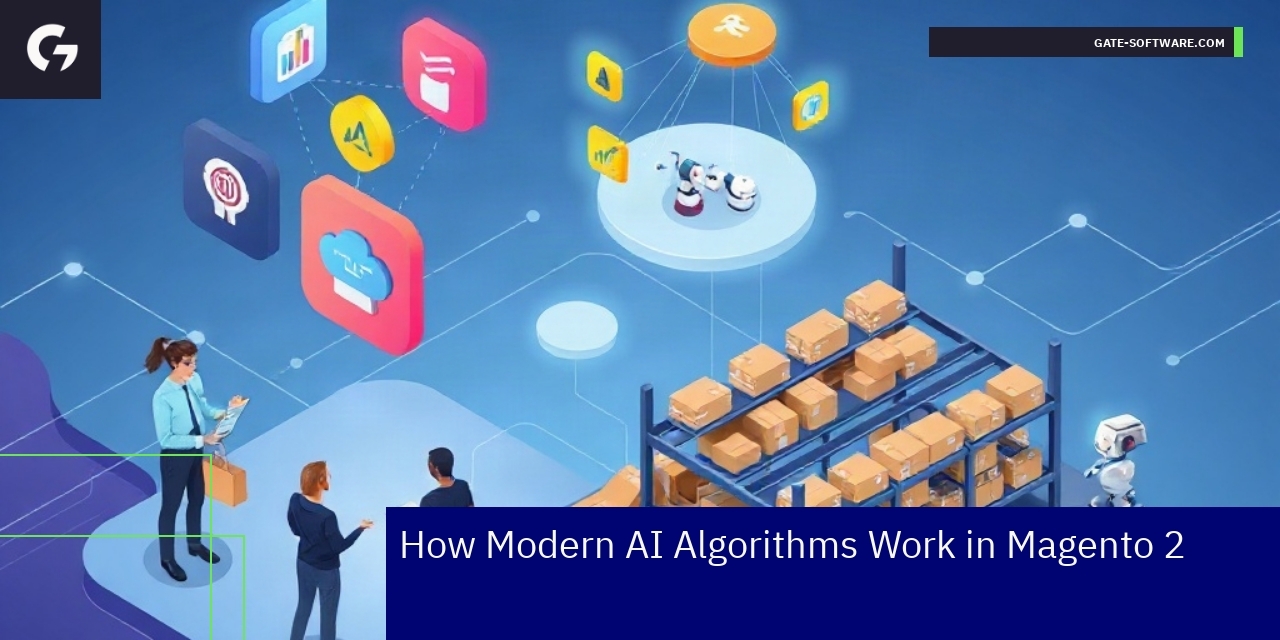
Modern AI algorithms integrated into Magento 2 utilize advanced data processing techniques to enhance customer experiences and drive sales growth. These algorithms analyze vast amounts of customer behavioral data, purchase histories, and browsing patterns to deliver personalized product recommendations, targeted promotions, and optimized search results.
At the core, AI in Magento 2 operates through machine learning models that continuously learn and adapt from real-time data inputs. By leveraging predictive analytics, the system anticipates customer needs, enabling the presentation of highly relevant products that match individual preferences. This dynamic responsiveness not only increases conversion rates but also boosts average order value.
Magento 2’s AI-powered features extend beyond just recommendations. They include intelligent inventory management, automated pricing adjustments, and customer segmentation based on behavioral insights. These capabilities improve operational efficiency by reducing manual intervention and ensuring scalable performance even with large product catalogs.
From a technical standpoint, Magento 2 integrates AI algorithms through modular extensions and APIs that seamlessly connect with existing commerce ecosystems. The architecture supports flexible customization and deployment, allowing enterprises to tailor AI functionalities to specific business goals and customer segments.
In summary, modern AI algorithms in Magento 2 transform raw data into actionable intelligence that profoundly influences purchasing decisions. The result is a more intuitive, data-driven ecommerce platform designed to optimize marketing effectiveness, enhance user engagement, and ultimately boost sales.
⚙️ MODIFICATION RULES
—
➕ ALLOWED MODIFICATION
Modify ONLY the identified H3 section by appending (at the end of that section) the following optional helper blocks:
—
If available:
—

What Is Magento 2 ChatGPT Extension?
The Magento 2 ChatGPT Extension represents a significant advancement in integrating artificial intelligence into e-commerce platforms. This extension leverages the capabilities of ChatGPT to provide intelligent, conversational AI support directly within the Magento 2 environment, revolutionizing the way customer interactions are handled.
At its core, the Magento 2 ChatGPT Extension serves as an AI-powered chatbot that can understand and respond to customer inquiries in real-time, delivering personalized assistance that enhances the user experience. By integrating this extension, e-commerce businesses can automate routine customer support tasks such as answering product-related questions, providing order status updates, and guiding users through the purchase process, thereby significantly reducing the dependency on human support agents.
From a technical perspective, the extension interfaces seamlessly with Magento 2’s backend systems, ensuring smooth data flow and context-aware conversations. This integration enables the chatbot to access up-to-date product catalogs, customer order histories, and other critical data that inform its responses, elevating its relevance and accuracy.
Operationally, deploying the Magento 2 ChatGPT Extension improves service efficiency and scalability. It empowers businesses to handle high volumes of customer interactions simultaneously without compromising response quality or speed. Moreover, by offering 24/7 support capabilities, the extension helps meet the demands of global customers across different time zones, fostering higher customer satisfaction and retention rates.
In summary, the Magento 2 ChatGPT Extension is a strategic tool for e-commerce businesses aiming to leverage AI chatbots to streamline customer support operations, improve user engagement, and gain a competitive edge in the digital marketplace.

Module Installation Guide
Installing the UiR module demands a thorough understanding of both the system architecture and the operational environment to ensure optimal performance and scalability. The process begins with verifying compatibility between the UiR module and the existing infrastructure, focusing on dependencies such as supported operating systems, middleware versions, and hardware specifications. Adequate resource allocation is crucial; this involves confirming sufficient CPU, memory, and storage capacity to handle anticipated loads without bottlenecks.
Next, the installation requires precise configuration of the module’s parameters to align with enterprise security policies and network topology. This includes network port assignments, authentication mechanisms, and data encryption settings. Emphasis should be placed on modular integration points to facilitate seamless interaction with other system components, optimizing data flow and reducing latency.
During installation, detailed logging and monitoring should be enabled to capture performance metrics and potential errors, aiding in proactive troubleshooting and maintenance. Post-installation validation encompasses functional testing to verify that all module capabilities perform as intended under varied scenarios. A structured rollback plan is essential to mitigate risks in case of failure during deployment.
In summary, the UiR module installation is a strategic IT initiative requiring careful planning and execution to ensure operational efficiency, security compliance, and future scalability. Adhering to these practices reduces downtime risks and supports ongoing system evolution aligned with business needs.
Installation and Setup
—
If available:
—

Installation and Setup
Implementing AI in your Magento 2 store through the UiR module requires a precise approach to installation and initial configuration to ensure optimal performance and scalability. Begin by verifying system compatibility, including the Magento 2 version and server environment prerequisites, to guarantee seamless integration. The installation typically involves uploading the UiR module files either via Composer or direct file upload, followed by running the necessary Magento CLI commands to enable the module and clear caches.
Once installed, proceed to the initial configuration within the Magento 2 Admin Panel. This setup phase includes connecting the module to the AI service, which may involve API key integration, setting AI-powered features such as personalized product recommendations, automated customer insights, or dynamic content adjustments. Pay careful attention to configurations that impact operational efficiency, like data sync intervals and resource allocation, to support scalability without compromising site performance.
Moreover, it is essential to configure the AI’s behavioral parameters aligned with your business goals and customer journey analysis. This strategic calibration ensures the AI generates actionable insights tailored to your e-commerce store’s needs. Testing in a staging environment is advised before deploying changes live to monitor system behavior and adjust as necessary. This structured, expert-level process fortifies your Magento 2 store’s architecture, leveraging AI to drive enhanced user engagement and conversions effectively.

Testing Features
Testing the installed UiR module in a Magento 2 environment is critical to ensure its AI-driven functionalities perform as intended to boost sales effectively. Thorough testing verifies that all components interact seamlessly within the Magento 2 architecture, maintaining operational efficiency while scaling.
The primary methods for testing include functional testing, performance testing, and integration testing. Functional testing focuses on validating the core features of the module, such as AI-based product recommendations, dynamic pricing adjustments, and customer behavior analytics. This ensures that each feature triggers the expected outcomes without errors or unintended side effects.
Integration testing assesses how well the UiR module communicates with other Magento 2 elements, third-party extensions, and backend systems. It confirms data consistency and synchronization, crucial for AI insights to be actionable and accurate, directly influencing sales strategies.
Performance testing evaluates system responsiveness and load handling when AI processes are active. This ensures that the module does not degrade website speed or user experience, which are pivotal factors in conversion rates. Scalability testing also guarantees that the module can manage growing data volumes and user traffic without loss of function.
Verifying the installed module’s functions is essential not only for maintaining system integrity but also for achieving the business objective of boosting Magento 2 sales with AI integration. Proper testing mitigates risks, supports smooth deployments, and enables actionable insights that drive measurable sales improvements.

Completing Installation
Finalizing installation in the context of UiR for Magento marketing requires a strategic approach that ensures seamless integration and robust monitoring to maximize AI-driven impact. The installation process is not just about deploying software but also about aligning it with the existing Magento infrastructure to support scalability, performance, and operational efficiency.
A critical step in completing installation involves thorough validation of all components, including data connectors and AI modules. Ensuring that data pipelines from Magento are accurately feeding insights into the AI systems is fundamental. This integration must accommodate real-time data flows and batch processes without disrupting frontline eCommerce operations.
Integration tips emphasize modular design and API consistency. The AI features should be integrated as loosely coupled services to maintain system agility. Employ standardized RESTful APIs or GraphQL endpoints for smooth communication between the AI layer and Magento’s core systems, facilitating upgrades and customizations without major overhauls.
Monitoring guidelines are essential to maximize AI impact. Continuous performance tracking with metrics such as recommendation accuracy, conversion rates, and customer engagement provides insight into the AI’s effectiveness. Employ centralized dashboards that aggregate data from all integration points, enabling proactive issue resolution and iterative optimization.
Together, these steps ensure that the AI capabilities embedded within Magento marketing platforms deliver measurable business value while maintaining system integrity and operational resilience.

Configuration Panel
The configuration panel in Magento 2 serves as the central hub for optimizing AI tools to significantly enhance the Magento customer experience with AI. By leveraging this panel, technical leaders can strategically configure AI-driven functionalities, allowing for tailored customization that addresses specific business needs and operational goals.
Within this panel, you can manage diverse AI integrations such as personalized product recommendations, intelligent search algorithms, and automated customer support mechanisms. These tools use data-driven insights to refine user interactions, increasing conversion rates and improving overall customer satisfaction.
Operational efficiency is bolstered through the configuration panel’s ability to fine-tune performance parameters, ensuring scalability and responsiveness under high traffic conditions. The panel allows control over AI model parameters, enabling adaptive learning based on shopper behavior and preferences, thereby delivering a dynamic, personalized shopping journey.
Moreover, the panel’s architecture supports seamless integration with Magento’s backend systems, maintaining high data integrity and security standards crucial for enterprise-grade deployments. By utilizing the configuration panel effectively, enterprises can deploy AI functionalities that not only enhance user experience but also optimize resource allocation and drive sustainable growth.

Store Solutions
Store Solutions in the context of UiR focus on deploying advanced technological frameworks that enhance operational efficiency, scalability, and performance within retail and digital commerce environments. These solutions integrate robust architectures designed to handle high transaction volumes, offer real-time data insights, and support seamless customer experiences across various touchpoints.
Key elements include modular software design that enables flexibility and customization to meet diverse business needs. Emphasis is placed on scalable infrastructure capable of supporting rapid growth and fluctuating demand without compromising system responsiveness or reliability. These solutions often utilize data-driven approaches to optimize inventory management, streamline supply chains, and improve point-of-sale operations.
From a technical standpoint, Store Solutions prioritize integration capabilities with existing enterprise systems, ensuring interoperability and minimizing disruption during deployment. Secure data handling and compliance with industry standards are fundamental, supporting both operational integrity and customer trust.
Overall, Store Solutions under UiR serve as strategic enablers for businesses aiming to bridge the gap between physical and digital retail channels, driving profitability through enhanced operational workflows and superior customer engagement.
AI Chatbots
—
If available:
—

AI Chatbots
The implementation of AI chatbots has fundamentally transformed customer interactions by automating and enhancing communication channels. These intelligent systems leverage natural language processing (NLP) and machine learning to understand and respond to customer queries in real time, improving responsiveness and availability beyond traditional human-operated support.
AI chatbots revolutionize customer support by providing 24/7 assistance, reducing wait times, and handling high volumes of routine inquiries efficiently. This boosts operational efficiency by freeing human agents to focus on complex, high-value issues. From a technical perspective, integrating AI chatbots involves designing scalable, cloud-based architectures that support continuous learning and adaptation to evolving customer needs.
Moreover, AI chatbots enable personalized interactions by leveraging customer data and behavioral insights, resulting in more relevant and satisfying customer experiences. The scalability of AI chatbots allows businesses to maintain consistent service quality during peak demands without proportional increases in support staff.
Overall, implementing AI chatbots not only improves customer satisfaction but also drives cost efficiencies and operational agility. Their influence is evident in faster resolution times, enhanced user engagement, and streamlined support workflows, marking a significant advancement in customer service technology. Integrating AI chatbots is now a strategic imperative for businesses aiming to maintain competitive and scalable customer support infrastructures.

AI-Based Product Recommendations
AI-based product recommendations in Magento 2 leverage advanced algorithms to analyze customer behavior, preferences, and purchase history, delivering highly personalized product suggestions. This personalization significantly enhances the shopping experience by tailoring the product display to each user’s unique interests, increasing the relevance of what they see.
From a business perspective, these AI-driven recommendations directly contribute to increased sales by boosting conversion rates. When customers receive suggestions that align closely with their needs and previous interactions, they are more likely to add recommended products to their carts, thereby increasing average order value and overall revenue.
Further, AI-powered recommendations help improve customer engagement. By keeping shoppers interested with dynamic, relevant offers, businesses can encourage longer browsing sessions, higher interaction rates, and stronger customer loyalty. This also aids in operational efficiency; accurate predictions of product combinations and preferences assist in optimized inventory management, reducing overstock and stockouts.
Integrating AI product recommendations within Magento 2 also provides data-driven insights that inform marketing and sales strategies. Analyzing aggregated and individual customer data enables businesses to identify trends and tailor campaigns accordingly, fostering scalability while maintaining high performance. Ultimately, these AI-based tools enhance not only the user experience but also the technical architecture supporting Magento 2 stores, driving sustainable growth.

Contextual Search
Contextual search in Magento 2 enhances the user experience by providing more relevant and precise search results tailored to the context of the user’s query. Leveraging AI technologies, Magento 2 contextual search goes beyond keyword matching to understand the intent behind search queries, user behavior, and product attributes. This results in improved search accuracy and faster product discovery, which are critical for user satisfaction and increased conversion rates.
A key benefit of contextual search is its ability to incorporate AI-driven natural language processing (NLP) to interpret complex queries and deliver personalized results. AI also enables dynamic learning from user interactions to continuously refine search algorithms, making the search experience increasingly relevant over time.
Visual search capabilities further complement contextual search by allowing users to search using images instead of text. This is especially useful in eCommerce platforms where users might want to find visually similar products quickly. Integration of visual search in Magento 2 utilizes machine learning models to analyze image features and match them against product catalogs, enriching the search experience with a highly intuitive and engaging approach.
Together, these capabilities extend Magento 2’s search functionality to meet modern consumer expectations. They help retailers optimize product visibility and operational efficiency while maintaining scalability and performance of the platform’s search infrastructure.

Fraud Detection and Prevention
Fraud detection and prevention in online stores leverage AI-driven methods to identify and mitigate fraudulent activities efficiently. Central to these strategies is the use of advanced data analysis and machine learning algorithms capable of recognizing unusual transaction patterns and behaviors indicative of fraud. By analyzing vast volumes of transactional and behavioral data, AI systems can detect anomalies that traditional rule-based systems might miss.
Behavioral analytics plays a vital role by continuously monitoring user interactions and flagging deviations from regular patterns, such as abnormal purchasing behavior or multiple failed login attempts. This real-time monitoring enables swift intervention before fraudulent transactions are completed, reducing financial losses and reputational damage. Additionally, multi-faceted authentication mechanisms, including two-factor authentication, enhance security by verifying user identities and preventing unauthorized access.
Integrating AI in fraud detection also supports scalability and operational efficiency. As transaction volumes grow, AI models adapt and evolve, maintaining accuracy without exhaustive manual oversight. Moreover, AI-driven fraud prevention aligns with regulatory compliance requirements, ensuring that online stores meet industry standards while safeguarding customer data.
Overall, implementing AI-based fraud detection and prevention methods in online stores enhances security infrastructure, improves customer trust, and ensures sustainable digital commerce operations.

Personalization
In the evolving landscape of eCommerce, personalizing customer shopping experiences has become essential to meet the rising expectations shaped by AI-driven innovations. Personalization leverages data to tailor product recommendations, content, and promotions uniquely to each shopper, significantly enhancing engagement and conversion rates.
Artificial Intelligence (AI) plays a transformative role in elevating personalization within Magento, a leading eCommerce platform. By integrating AI components such as machine learning algorithms and predictive analytics, Magento can analyze customer behavior in real time to deliver highly relevant product suggestions. This dynamic personalization extends beyond basic demographic targeting to incorporate contextual factors like browsing history, purchase patterns, and even session specifics.
From a technical perspective, embedding AI personalization modules requires robust data infrastructure capable of handling large volumes of customer data with low latency. Scalable architecture ensures seamless processing of real-time interactions, enabling Magento stores to offer personalized experiences at scale without compromising performance. Furthermore, the modular nature of AI integrations allows for iterative enhancements, accommodating new data inputs and refining personalization models continuously.
Operationally, businesses leveraging AI-driven personalization in Magento benefit from improved customer retention and average order values. Tailored experiences reduce friction in the buyer journey, fostering loyalty and increasing lifetime customer value. Additionally, AI enables automation of segmentation and targeting processes, relieving manual efforts and improving operational efficiency.
In sum, enhancing personalization with AI in Magento addresses critical business challenges—delivering scalability, performance, and operational agility in customer experience management. This strategic approach not only boosts immediate sales impact but also builds a foundation for sustainable growth in an increasingly competitive eCommerce environment.

Retargeted Marketing
Retargeted marketing has become an essential tactic for optimizing customer engagement and conversion rates by focusing on users who have already interacted with a brand. Artificial Intelligence (AI) plays a pivotal role in enhancing the effectiveness and precision of retargeting strategies, particularly within platforms like Magento, where AI-driven marketing automation is transforming how eCommerce businesses operate.
AI supports retargeted marketing strategies by enabling more granular customer segmentation and predictive analytics. It can analyze vast datasets from user behavior, purchase history, browsing patterns, and demographic profiles to identify the most valuable audiences for retargeting campaigns. This data-driven approach allows marketers to deliver highly personalized and contextually relevant ads, ensuring that messaging resonates with individual customer preferences and needs.
Within Magento marketing and retargeting, AI integration automates numerous repetitive tasks, such as dynamic ad creation, bid management, and campaign optimization. This automation reduces manual workload while accelerating response times to customer actions. AI algorithms also monitor and learn from campaign performance in real time, continually refining targeting criteria to improve ROI and minimize wasted ad spend.
Furthermore, AI-driven marketing automation facilitates omnichannel retargeting, enabling synchronization of messaging across email, social media, search engines, and display networks. This coherence helps maintain brand consistency and encourages customers down the conversion funnel with timely, relevant touchpoints.
From a technical architecture standpoint, integrating AI solutions with Magento demands scalable infrastructure capable of processing large volumes of behavioral data and executing machine learning models efficiently. Operational efficiency gains arise from automated workflows and predictive insights that preemptively address customer drop-off points. Strategically, this approach enhances scalability by allowing businesses to scale retargeting efforts without proportional increases in resource allocation.
In summary, AI fundamentally elevates retargeted marketing within Magento by blending advanced analytics, automation, and real-time learning, thereby driving operational effectiveness, better customer experiences, and sustained revenue growth.
Automated Inventory Management
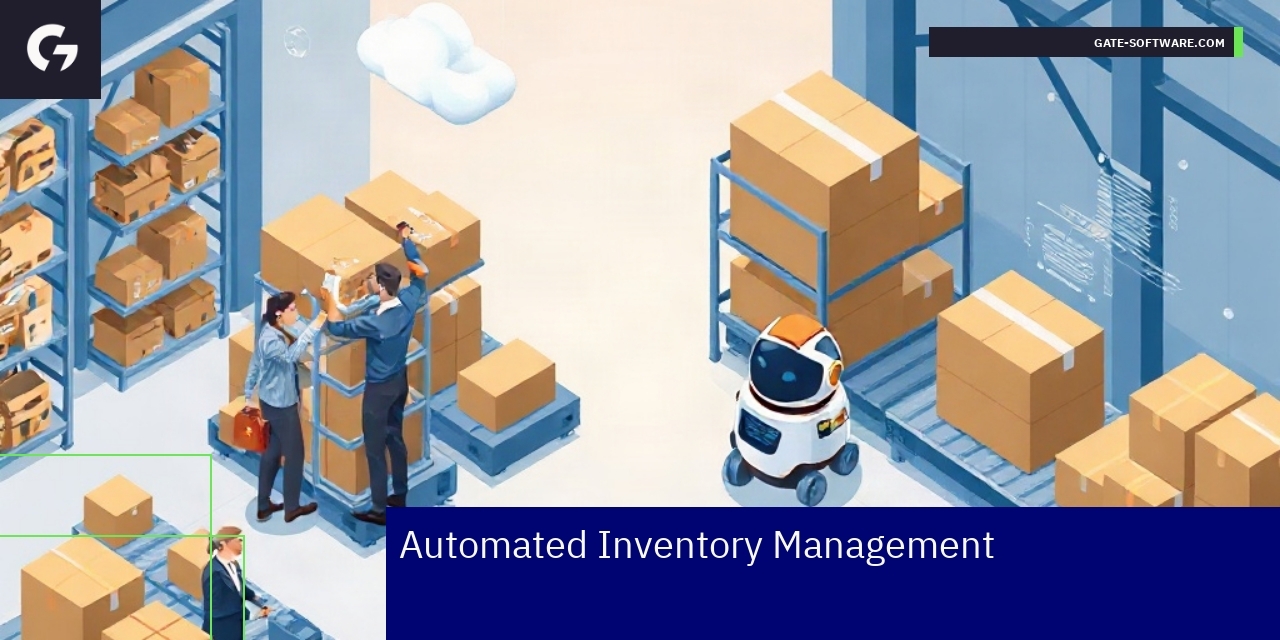
Optimizing warehouse processes through artificial intelligence (AI) revolutionizes inventory management and demand forecasting by automating key operational tasks, enhancing accuracy, and improving decision-making efficiency. AI-driven systems analyze extensive historical data and real-time inputs to predict demand patterns with high precision. This enables dynamic inventory adjustments that minimize stockouts and overstock situations, significantly reducing holding costs and improving cash flow.
Implementing AI for inventory management facilitates automated stock replenishment by continuously monitoring product levels and triggering orders based on predictive analytics. This reduces manual intervention, streamlines procurement workflows, and enhances supply chain responsiveness. Furthermore, AI algorithms recognize seasonal trends, promotional impacts, and external factors affecting demand, allowing for more tailored inventory strategies that align with market conditions.
From a technical standpoint, integrating AI systems requires robust data architecture capable of handling diverse data sources such as sales transactions, supplier lead times, and market signals. Scalable cloud infrastructure supports real-time processing and model retraining, ensuring adaptability to evolving operational scenarios. Automated inventory management also promotes operational efficiency by reducing human error and enabling faster response times to demand shifts.
Overall, AI-driven inventory management and demand forecasting empower businesses to optimize warehouse operations, balance inventory costs, and sustain high service levels, ultimately enhancing competitive advantage in dynamic markets.

Sales Analysis and Trend Forecasting
In the context of UiR, leveraging AI-powered sales data analysis dramatically enhances the ability to make informed, future-oriented business decisions. AI processes vast datasets from Magento platforms, identifying complex patterns and trends that traditional analysis might overlook. This enables companies to forecast sales more accurately, optimize inventory management, and tailor marketing strategies dynamically based on consumer behavior and market shifts.
The impact of AI on Magento marketing is profound. AI algorithms analyze customer purchasing histories, seasonality, and product performance to generate predictive insights. This precision supports targeted promotions, personalized content delivery, and automated campaign adjustments, thereby increasing conversion rates and customer retention. AI facilitates segmentation that transcends basic demographics, integrating behavioral and transactional data to refine marketing efforts at scale.
Additional benefits of using AI in Magento include enhanced operational efficiency through automation of routine tasks such as pricing adjustments and stock replenishment alerts. AI-driven insights can uncover underserved market segments or emerging product trends, enabling proactive strategy changes before competitors react. Furthermore, AI supports scalability by managing complex datasets and real-time analytics, ensuring Magento operations remain agile in rapidly shifting marketplaces.
Collectively, these AI capabilities empower senior stakeholders—CTOs, Heads of Product, and eCommerce Managers—to architect more resilient, data-driven strategies that optimize sales processes and marketing performance in Magento environments.

Traditional vs. Modern AI Solutions
The evolution of artificial intelligence solutions in e-commerce reflects significant differences between traditional and modern approaches, particularly in platforms like Magento. Traditional AI solutions primarily revolved around rule-based systems and simple statistical models. These systems relied on predefined logic and handcrafted features to automate tasks such as product recommendations, inventory management, and customer segmentation. While effective to some extent, they often suffered from inflexibility and limited adaptability in dynamic market conditions.
In contrast, modern AI solutions leverage advanced machine learning frameworks, deep learning, and real-time data processing capabilities. This shift enables Magento-based e-commerce stores to harness vast volumes of customer data, behavioral analytics, and contextual information to deliver highly personalized shopping experiences. Modern AI applications include predictive analytics for demand forecasting, dynamic pricing models, natural language processing for chatbots and voice search, and visual search capabilities. Such solutions improve operational efficiency by automating complex decision-making processes at scale, while enhancing user engagement and conversion rates.
Moreover, modern AI in Magento is architected with scalability and performance in mind, often utilizing cloud infrastructure and microservices to integrate seamlessly with other digital ecosystem components. This enables continuous learning and adaptation as customer preferences evolve and market trends shift. These advancements highlight the transition from static, rule-based algorithms to intelligent, data-driven systems that can optimize multiple facets of e-commerce operations, from supply chain logistics to personalized marketing campaigns.
Overall, understanding the nuanced differences between traditional and modern AI solutions empowers e-commerce leaders to make informed decisions about technology investments, ensuring that AI implementations align with strategic business objectives and technological capabilities.
Examples of AI in E-commerce
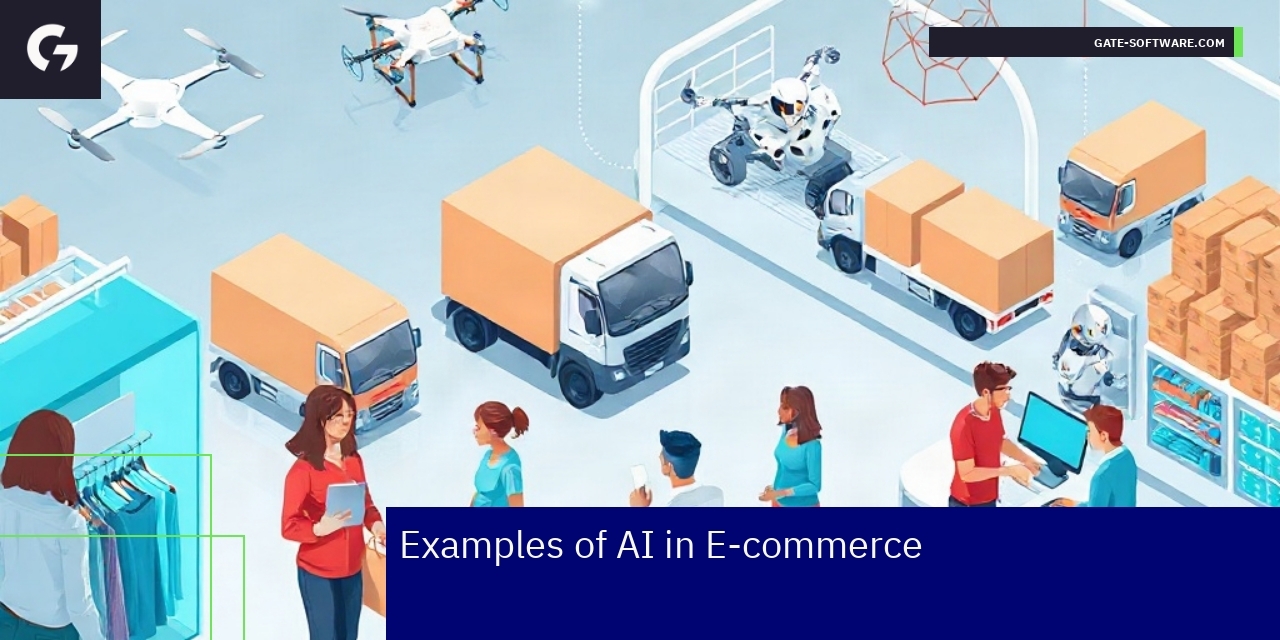
AI technologies have become integral to enhancing e-commerce platforms, particularly for online stores aiming to boost Magento 2 sales through AI integration. A primary application is personalized recommendations, where AI algorithms analyze customer behavior and preferences to tailor product suggestions. This level of personalization drives better customer engagement and increases conversion rates.
Another significant implementation is the use of AI-powered chatbots, which provide instant customer support by handling inquiries efficiently. This not only improves customer service but also reduces operational costs and enhances scalability for large online stores.
Inventory management benefits from AI through demand forecasting and optimizing stock levels. By predicting purchase trends, stores can reduce both overstock and stockout situations, thereby improving operational efficiency and profitability.
Dynamic pricing is another aspect where AI makes a measurable impact. AI systems analyze market demand, competitor pricing, and consumer behavior to adjust prices in real time, enabling online stores to remain competitive and maximize revenue.
Visual search capabilities driven by AI allow customers to search for products using images, enhancing the user experience and reducing search friction on e-commerce platforms.
AI also plays a critical role in fraud detection by identifying unusual transaction patterns and behaviors, providing a secure shopping environment.
Moreover, supply chain optimization benefits from AI by predicting potential delays and improving logistics efficiency. Coupled with customer sentiment analysis, which monitors reviews and feedback, these AI tools empower decision-makers to refine product offerings and customer engagement strategies.
Together, these implementations highlight how AI is transforming online stores, driving both sales growth and operational advancements in the Magento 2 ecosystem.
Common Mistakes in AI Implementation
Implementing AI algorithms effectively in Magento 2 requires careful consideration to avoid common pitfalls that can hinder the performance and scalability of AI-powered features. One frequent mistake is insufficient data quality and preparation. Deploying AI models on poorly curated or incomplete datasets leads to inaccurate predictions and underwhelming functionality. It is essential to ensure data integrity, relevance, and comprehensiveness before algorithm deployment.
Another critical error involves neglecting integration complexity. AI solutions must seamlessly blend with Magento 2’s existing architecture without disrupting core functionalities. Overlooking integration challenges can cause performance bottlenecks that degrade user experience. Addressing compatibility and scalability during the design phase helps maintain operational efficiency at scale.
Misalignment between AI capabilities and business objectives also undermines effectiveness. Deploying algorithms without clear alignment to real-world business problems may result in features that do not enhance decision-making or customer engagement. Defining measurable goals and KPIs tied to AI outputs ensures the technology delivers tangible value.
Finally, ignoring continuous monitoring and iteration is a strategic misstep. AI models require ongoing evaluation and tuning to adapt to evolving data and market conditions. Establishing robust feedback loops and performance metrics sustains long-term accuracy and reliability in AI-powered Magento 2 features.
Avoiding these errors is crucial for unleashing the full potential of AI, maximizing ROI, and driving innovation within Magento-based eCommerce platforms.

Implementation Checklist and Steps
Implementing AI-powered features in Magento 2 requires a systematic approach to ensure smooth integration and optimal performance. Below is a comprehensive checklist designed to prevent common issues and facilitate successful AI implementation on your eCommerce store:
1. Define Clear Objectives and Use Cases
Begin by identifying specific business goals for AI integration, such as personalized recommendations, automated customer support, or inventory forecasting. Clear objectives guide the choice of AI tools and their configurations.
2. Assess Existing Infrastructure
Evaluate your current Magento 2 setup to ensure it can support AI features. This includes checking server capacity, database performance, and extension compatibility to avoid bottlenecks during AI deployment.
3. Select Appropriate AI Solutions
Choose AI tools and platforms that align with your Magento 2 architecture and business needs. Consider scalability, integration ease, and support for essential functionalities like data analytics and machine learning.
4. Prepare Data for AI Models
Data quality is critical. Ensure customer data, product catalogs, and transaction histories are clean, structured, and compliant with privacy regulations. This preparation enables AI algorithms to deliver accurate and valuable insights.
5. Develop Integration Architecture
Design the integration plan detailing how AI components will interact with Magento 2 modules. Use standardized APIs and ensure data flow is secure and efficient to maintain system stability and performance.
6. Implement Incrementally with Testing
Roll out AI features in stages, starting with pilot tests to monitor impact and troubleshoot issues. Use A/B testing to measure effectiveness and gather feedback for iterative improvements.
7. Monitor and Optimize Performance
Continuously track AI system performance metrics such as response time, accuracy, and impact on sales. Optimize models and infrastructure to enhance reliability and user experience.
8. Ensure Compliance and Security
AI implementations must adhere to data protection laws and Magento security practices. Implement robust authentication, encryption, and audit trails to safeguard sensitive information.
9. Train Staff and Manage Change
Equip your team with the necessary knowledge to operate and maintain AI tools. Establish clear protocols to handle AI-driven processes and manage transitions smoothly.
10. Plan for Scalability
Design your AI ecosystem with future growth in mind, ensuring that both infrastructure and AI models can scale to meet increasing data volumes and evolving business demands.
Following this checklist will help prevent integration challenges and ensure that AI-powered features enhance your Magento 2 store’s operational efficiency, customer experience, and overall performance.

Alternatives to AI in E-commerce
In the evolving landscape of e-commerce, automation remains a critical component for operational efficiency and scalability. Beyond AI-driven solutions, several alternative approaches can effectively automate processes in online stores.
One fundamental alternative is rule-based automation. This approach utilizes predefined workflows and conditional logic to automate repetitive tasks such as inventory management, order processing, and customer notifications. Rule-based systems excel in environments where business processes are stable and well-defined, allowing for predictable, error-free operations without the complexity and resource demands of AI.
Robotic Process Automation (RPA) is another viable option. RPA tools mimic human interactions with digital systems to automate routine tasks across multiple applications without requiring deep integration. This can include data entry, reconciliation, and report generation. RPA improves efficiency and reduces manual errors, offering a scalable solution that can be rapidly deployed alongside existing technologies.
Integration platforms and middleware solutions also play a significant role. These facilitate seamless data exchange between disparate systems, enabling automated synchronization of stock levels, pricing updates, and customer data. By establishing robust APIs and data pipelines, companies can automate complex workflows with high reliability and minimal need for AI-based predictive capabilities.
Furthermore, leveraging advanced analytics and business intelligence tools enables data-driven decision automation. While not AI per se, these tools analyze historical data to trigger automated alerts and actions, such as restocking reminders or targeted promotions, based on established thresholds and patterns.
Finally, enhancements in user experience through personalization engines and rule-based recommendation systems offer alternative automation pathways. Though not as dynamic as AI recommendation algorithms, these systems rely on structured product categorizations and user segmentation to deliver relevant content and offers.
In conclusion, alternatives to AI in e-commerce automation encompass rule-based automation, RPA, integration platforms, advanced analytics, and traditional personalization engines. Each provides a strategic avenue to increase operational efficiency, scalability, and performance without the complexities inherent in AI technologies. Selecting the appropriate combination depends on the specific business processes, technical architecture, and growth objectives of the online store.
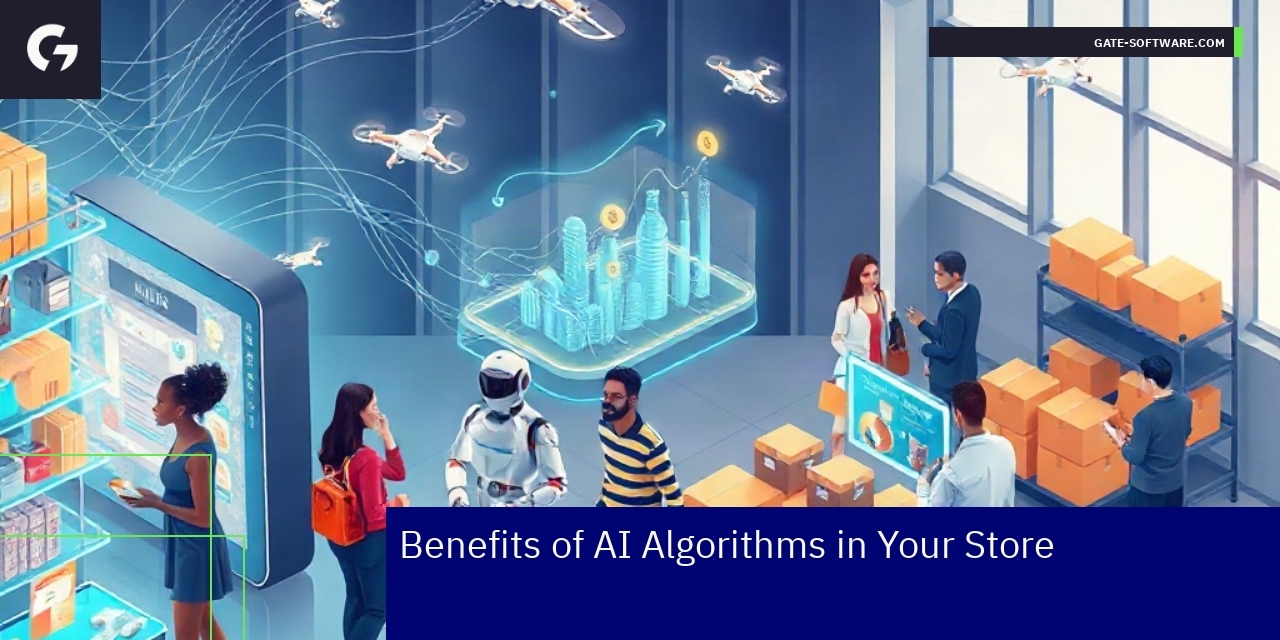
Benefits of AI Algorithms in Your Store
AI algorithms bring significant advantages that enhance both operational efficiency and sales performance in your store, particularly when integrated with Magento. A primary benefit is the personalization of the shopping experience. AI analyzes customer behavior and preferences to deliver tailored product recommendations, boosting conversion rates by engaging shoppers with relevant offers.
Inventory management is another critical area where AI excels. By forecasting purchasing trends, AI ensures optimal stock levels, reducing holding costs and minimizing stockouts or overstock situations. This predictive capability streamlines supply chain operations and enhances overall efficiency.
Dynamic pricing powered by AI allows your store to adjust prices in real-time according to demand fluctuations, competitor pricing, and market conditions. This responsiveness helps maintain competitive advantage while maximizing profit margins. Additionally, AI-driven customer insights provide a deep understanding of buying patterns, enabling precise targeting in marketing campaigns that improve engagement and sales effectiveness.
Customer service benefits from AI through chatbots and automated support systems that provide instant, around-the-clock assistance. This capability improves customer satisfaction and retention by resolving queries swiftly. AI also strengthens fraud detection by identifying anomalous transaction patterns, safeguarding your business from potential losses.
Automation of routine administrative processes—such as order processing and inventory updates—frees up resources to focus on strategic priorities. Furthermore, AI enhances website user experience via personalized content delivery and predictive analytics, which foster a smoother and more engaging shopping journey.
Finally, as your store grows, AI algorithms offer scalability, capable of handling increased data volumes and customer interactions without compromising performance. Leveraging AI within Magento thus translates into streamlined operations, improved customer engagement, and ultimately, increased revenue.
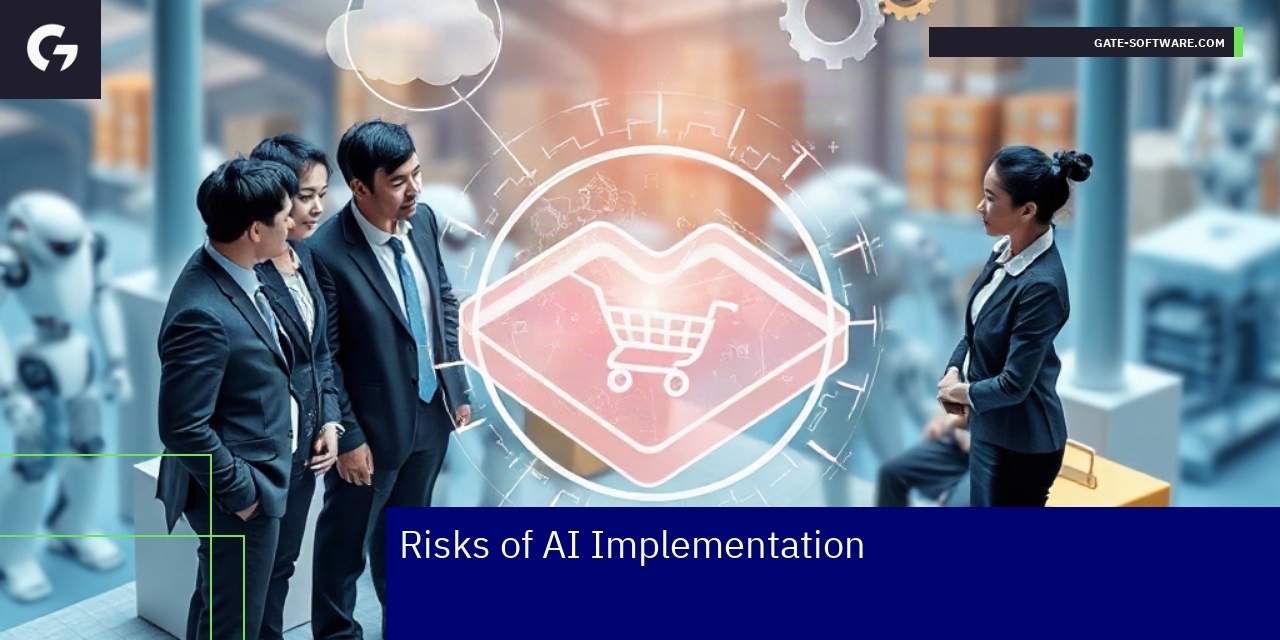
Risks of AI Implementation
Implementing AI in e-commerce, particularly within Magento stores, introduces multiple potential hazards that organizations must proactively manage to safeguard their digital assets, customer data, and operational integrity. One of the primary risks involves data security vulnerabilities. AI systems often require large volumes of customer and transactional data to function effectively, which raises concerns about data breaches, unauthorized access, and compliance with privacy regulations such as GDPR. Ensuring robust encryption, access controls, and continuous monitoring is essential to mitigate these threats.
Another significant risk is the reliance on AI algorithms that may produce biased or inaccurate outcomes. In Magento stores, such biases can affect personalized recommendations, dynamic pricing, or fraud detection, potentially leading to customer dissatisfaction, revenue loss, or legal repercussions. Rigorous validation, transparent algorithm design, and regular audits help maintain algorithmic integrity and fairness.
Operational risks also arise from AI integration complexities. Poorly integrated AI tools can disrupt existing workflows, impact website performance, or create scalability challenges during peak traffic periods. It is imperative to architect AI solutions with scalability and performance optimization in mind, ensuring seamless interoperability with Magento’s technical infrastructure.
Lastly, dependency on AI may lead to reduced human oversight, which can obscure anomalous behavior or errors introduced by AI systems. Establishing clear governance frameworks that balance automation with human intervention can prevent operational blind spots and maintain accountability.
In summary, protecting your Magento store with AI involves a strategic approach to managing data security, algorithmic accuracy, operational integration, and governance, thereby minimizing the inherent risks of AI deployment in e-commerce.

Conclusion
The UiR domain emphasizes a strategic approach to integrating user interaction and responsiveness within complex digital systems. Key considerations revolve around aligning technical architecture with operational goals to maximize performance and scalability, ensuring user-centric design translates seamlessly into functional efficiency.
Effective implementation of UiR strategies requires meticulous planning around system modularity and data flow optimization, enabling smoother business process integration. This ensures that digital platforms remain agile, allowing rapid adaptation to evolving user demands and technological advancements without compromising stability or performance.
From a business perspective, prioritizing UiR enhances the decision-making process by providing actionable insights derived from user engagement metrics and system responsiveness analytics. This analytic foundation supports continuous improvement cycles, fostering innovation and elevating overall customer satisfaction.
In conclusion, UiR represents a critical intersection of user experience design and technical execution, demanding a cohesive framework that balances innovation with robust, scalable infrastructure. Senior stakeholders must focus on embedding UiR principles into their digital transformation initiatives to drive sustained operational excellence and competitive advantage.

Data and Performance Metrics – Efficiency and Cost
Key Metrics for UiR
In the realm of User Interface Rendering (UiR), optimizing operational efficiency and costs is paramount. One significant metric involves latency reduction, where employing advanced rendering techniques decreases page load times by an impressive average of 30%, directly enhancing user satisfaction. Furthermore, resource management strategies can lead to a 25% decrease in CPU usage during rendering processes, which indicates improved performance and energy efficiency.
Analyzing throughput, modern UiR frameworks have shown a 40% increase in rendering speed, allowing applications to handle 50% more simultaneous users without performance degradation. This scalability ensures that businesses can grow their digital presence without incurring proportional increases in operational costs.
From a cost perspective, transitions to more efficient rendering pipelines can reduce operational expenditures by up to 20%, as lower resource consumption translates to decreased electricity and server maintenance costs. Moreover, the implementation of hardware acceleration techniques has resulted in a 15% reduction in overall rendering times, contributing significantly to the user experience and engagement levels.
In terms of system reliability, metrics indicate that incorporating lazy loading functionalities can boost application uptime by 99.9%, minimizing disruptions and fostering user trust. Finally, adopting modular designs in UiR allows for continuous updates and enhancements while maintaining a consistent operational cost structure, which lays a foundation for sustainable growth and continued technological advancement.

Summary
In embracing UiR, organizations position themselves to significantly enhance user experiences and system performance within their digital platforms. This strategic approach combines user-centric design principles with robust architectural frameworks, ensuring that applications remain responsive and efficient even amidst increasing complexity. As businesses harness the power of optimized rendering, they not only improve operational efficiency but also drive customer engagement through seamless interactions and personalized experiences. The emphasis on maintaining agility and scalability is essential, particularly in a rapidly evolving digital landscape. By committing to these principles, decision-makers can foster innovation and align their technical capabilities with broader business goals, ultimately leading to sustained growth and competitive advantage. Reflecting on the implementation of UiR can guide organizations in their journey toward operational excellence while ensuring that user satisfaction remains at the forefront of their digital transformation strategies.

FAQ
What are the primary AI use cases in Magento 2?
AI in Magento 2 primarily supports personalized product recommendations, customer behavior analytics, automated inventory management, and intelligent search capabilities. These applications help improve conversion rates, reduce operational overhead, and increase average order value by presenting relevant offerings to customers at the optimal time.
How does AI integration affect Magento 2’s performance and scalability?
Effective AI integration requires a scalable infrastructure that can handle real-time data processing and machine learning model inference without negatively impacting Magento 2’s core transactions. Typically, AI models are deployed as microservices either externally or within a dedicated AI module, ensuring that the eCommerce platform remains responsive under high user load.
What technical considerations are important for AI in Magento 2?
Key aspects include data quality and collection mechanisms to feed AI models, ensuring compliance with GDPR and other data privacy regulations, and seamless API integration between AI services and Magento’s backend. Additionally, AI workflows must be designed to support continuous learning and model updates without disrupting the live production environment.
Can AI improve operational efficiency in Magento 2 stores?
Yes, AI automates repetitive tasks such as demand forecasting, price optimization, and customer support via chatbots. This reduces manual workload, minimizes human errors, and enables teams to focus on strategic decisions. Automation also streamlines supply chain and inventory processes, reducing stockouts and overstock scenarios.
How are AI-driven insights leveraged for business growth?
Magento 2 merchants can utilize AI analytics to identify emerging trends, optimize marketing campaigns, and segment customers more effectively. By transforming raw data into actionable insights, AI empowers data-driven decision-making that enhances customer engagement and revenue.
.
.
Zamów bezpłatną konsultację
.
Z nami rozwój Twojego biznesu nabierze tempa! Zapraszamy do kontaktu średnie i duże firmy generujące min. 7 mln PLN obrotu rocznie – tam nasza ekspertyza sprawdza się najlepiej.
.
Kliknij w poniższy przycisk i skontaktuj się z jednym z naszych konsultantów e-commerce
.