Introduction
Launching a B2B ecommerce store involves careful planning and execution to address the unique needs of business customers. Unlike B2C, B2B ecommerce demands a focus on complex pricing structures, bulk ordering capabilities, and tailored user experiences that support professional buyers.
The first critical step is conducting thorough market research to understand your target industry’s dynamics, buying behaviors, and competitors. This insight guides decisions on product selection, pricing models, and customer segmentation. Next, selecting a robust ecommerce platform that supports B2B functionalities such as customer-specific pricing, credit terms, and advanced catalog management is essential. Platforms like Magento™ offer scalable solutions designed to meet enterprise-level B2B demands, including seamless integration with existing ERP and CRM systems.
Building a user-friendly website that adheres to UX/UI best practices ensures a smooth purchasing journey tailored for decision-makers like CDOs and eCommerce Managers. Accessibility considerations, grounded in WCAG 1.1 standards, enhance usability for all users, boosting engagement and satisfaction.
Payment and fulfillment processes must accommodate the complexities of B2B transactions, including invoicing, purchase orders, and logistics coordination. Implementing secure, flexible payment gateways and integrating shipment tracking optimizes operational efficiency.
Effective marketing strategies leverage data-driven approaches to engage key personas such as Architects and Heads of Applications. Content aligned with the Gate-Software brand voice and social media guidelines fosters trust and positions your ecommerce offering as a strategic business enabler.
Finally, continuous analytics and optimization based on real usage data allow you to refine your platform, ensuring long-term growth and profitability. By addressing these technical and business challenges thoughtfully, companies can establish a competitive B2B ecommerce presence that drives sustainable success.
TABLE OF CONTENTS
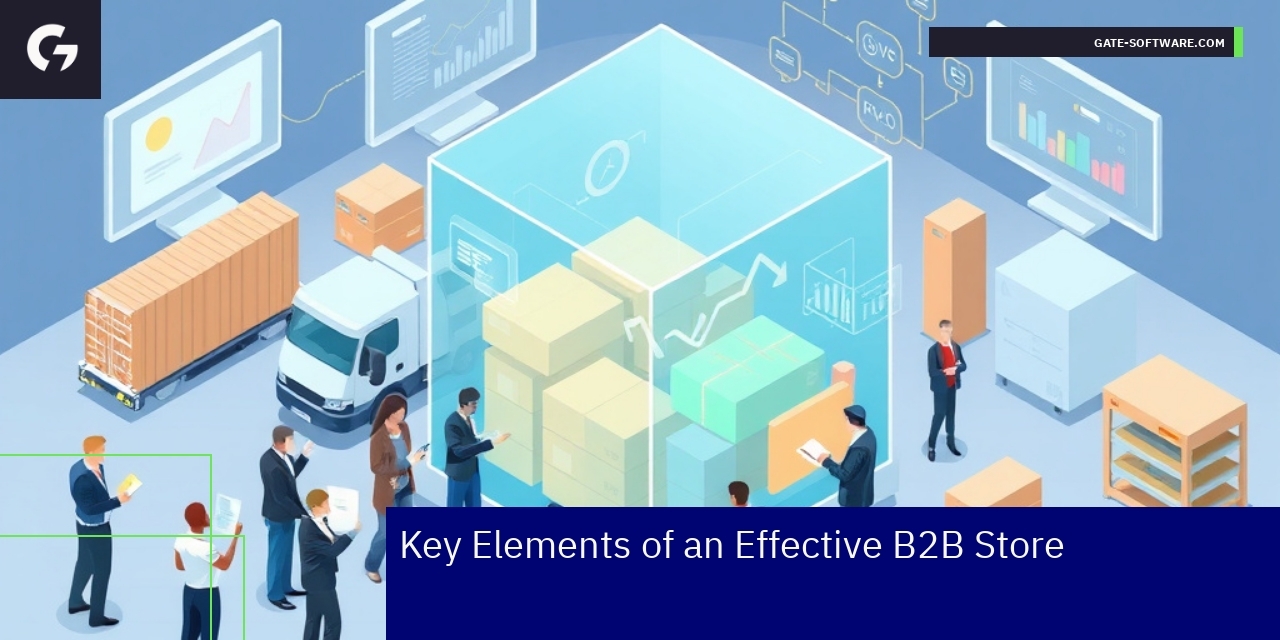
Key Elements of an Effective B2B Store
An effective system B2B store relies heavily on robust ecommerce B2B strategies and the right platforma B2B. Understanding these key elements is essential when asking, What is the B2B e-commerce business model? and implementing the best B2B ecommerce strategies for 2025.
Understanding Customer Needs
Grasping the specific requirements of your clients is fundamental in B2B ecommerce. The platformy B2B you choose must support personalized experiences that align with ecommerce B2B trends. A flexible system B2B helps meet buyer expectations shaped by the B2C effect. Recognizing different buyer personas and their unique workflows ensures that the platformy B2B can deliver tailored solutions boosting engagement and loyalty.
Choosing the Right B2B Platform
Selecting the best platforma B2B involves evaluating how well the system B2B integrates essential ecommerce B2B features such as bulk ordering, complex pricing models, and seamless integration with existing ERP or CRM systems. Knowing the B2B ecommerce types will guide your choice to fit your unique business needs effectively. The platforma B2B must provide scalability, security, and support for custom business rules, enabling efficient operations in a B2B environment.
Optimizing the Purchasing Process
Streamlining the purchasing journey in your system B2B ensures smoother transactions on your platformy B2B. Advanced ecommerce B2B techniques leverage automation and data analytics to enhance user experience and sales efficiency. By integrating features like automated quotes, approval workflows, and real-time inventory updates, system B2B solutions reduce friction and accelerate buying cycles. This optimization improves customer satisfaction and drives repeat business within ecommerce B2B models.

Top B2B Ecommerce Platforms
Discover the leading platforma B2B options designed to support your system B2b ambitions. Ecommerce B2b market research in 2025 helps identify platforms that offer scalability, security, and key benefits of B2B ecommerce. Choosing the right platforma b2b requires understanding the specific needs of your business system b2b infrastructure. A well-designed platforma b2b enables efficient management of complex B2B transactions, supports integration with existing enterprise systems, and offers advanced user permissions for multiple stakeholders. Ecommerce b2b solutions must also ensure compliance with industry regulations and provide robust security to protect sensitive data. Leaders in the field focus on ease of customization to match unique business processes while ensuring scalability to grow alongside your business. The evolution of ecommerce b2b platforms embraces AI-driven insights, streamlined workflows, and enhanced user experiences to drive better engagement and loyalty in the B2B sector. Employing these platforms strategically can significantly boost operational efficiency and sales performance across your B2B channels.
Platform Comparison
A thorough comparison of popular platformy b2b evaluates their system b2b capabilities and ecommerce b2b compatibility. Assessing these against the essential B2B ecommerce strategies for 2025 ensures you choose the best fit. Critical factors in this comparison include support for complex pricing models, multi-user roles, and integration with ERP systems. Each platformy b2b offers unique advantages in terms of customization, scalability, and security. The system b2b effectiveness is measured by how well it handles high-volume transactions and automation of workflows. Ecommerce b2b compatibility also involves seamless connection with suppliers, distributors, and logistics partners. Evaluators should consider the platform’s track record in delivering robust APIs and modular architecture, which underpin successful system b2b implementations. This comprehensive assessment allows decision-makers to align technology choice with strategic growth objectives and operational needs.
Platform Features
Explore the functionalities each platforma b2b offers to empower your system b2b. Features like seamless integration, multi-user access, and customized pricing play key roles in ecommerce b2b success. Advanced platforma b2b components support personalized catalogs, order management, and dynamic pricing logic, which are essential for meeting varied client requirements. The system b2b must incorporate real-time inventory updates and analytics dashboards for actionable business insights. Ecommerce b2b platforms are increasingly providing API-first designs, enabling quick integrations with CRM, ERP, and payment gateways. The presence of security features such as role-based access control and audit trails ensure compliance and risk mitigation. These platform capabilities collectively enable businesses to streamline their sales processes, reduce errors, and provide superior service quality in demanding B2B ecosystems.
Choosing the Best Platform for Your Business
Select a platforma b2b that aligns with your ecommerce b2b goals and system b2b infrastructure. Applying the B2B eCommerce readiness checklist helps finalize the choice that drives business growth. It is vital to evaluate current business processes, scalability needs, and integration demands before committing. Platformy b2b vary considerably in deployment options, whether cloud-based or on-premises, each with particular advantages related to control and cost efficiency. Ensuring seamless integration with existing IT landscapes, especially ERP and CRM, optimizes operational workflows and data consistency. Security, compliance, and support structures should also factor into the decision. By carefully matching a platforma b2b’s capabilities with strategic ecommerce b2b objectives and system b2b requirements, companies can enhance customer experience, improve efficiency, and sustain competitive advantage in the evolving market landscape.
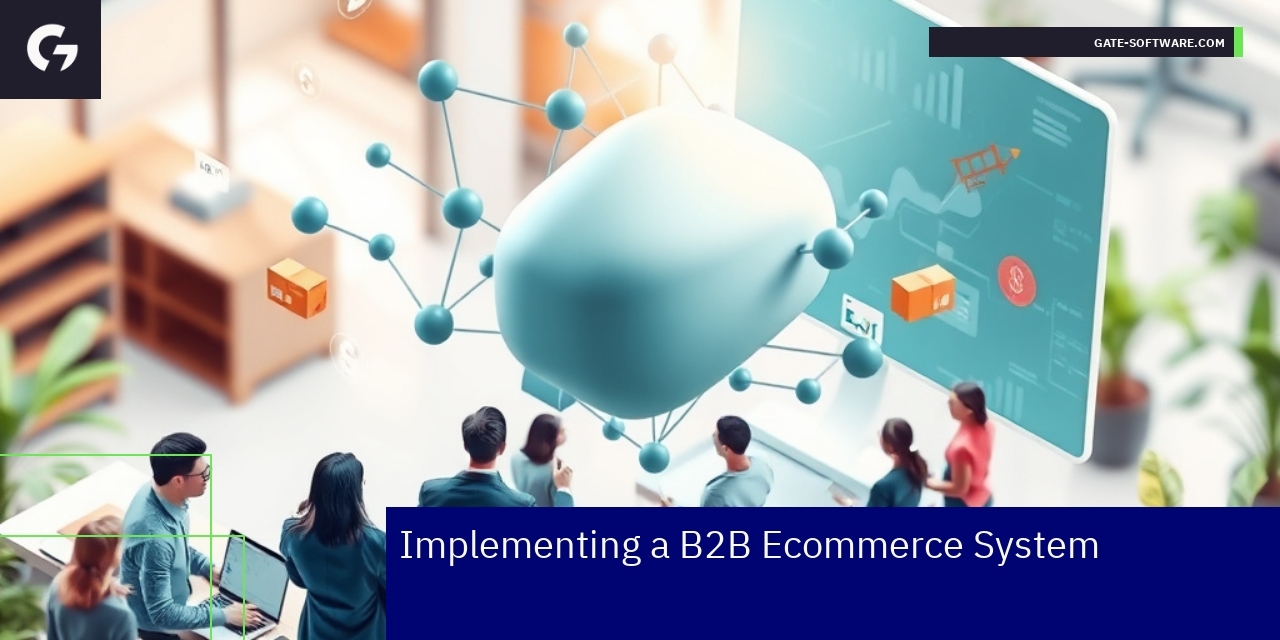
Implementing a B2B Ecommerce System
Effective implementation of your system B2B depends on choosing the right platforma B2B and leveraging ecommerce B2B best practices. This phase is where strategy meets execution in launching your B2B ecommerce store. Selecting a system b2b that integrates smoothly with existing business processes ensures streamlined operations and enhances customer experience. The platforma b2b should support complex B2B workflows, such as multi-level pricing, personalized catalogs, and bulk ordering capabilities, all essential for ecommerce b2b success.
Planning Implementation
A detailed plan for your platformy b2b implementation addresses timelines, resource allocation, and aligns the system b2b with your overall ecommerce b2b strategy. How to create a business plan is crucial here to identify performance metrics, integration points, and risk management strategies. Planning also involves coordinating among IT, sales, and marketing teams to ensure the platformy b2b meets technical and commercial requirements, enabling a smooth rollout aligned with ecommerce b2b objectives.
Integration with Existing Systems
Seamless integration between your new system b2b and current platforms ensures operational efficiency. Effective use of platforma b2b capabilities facilitates this process critical for ecommerce b2b success. Integration with ERP, CRM, and logistics systems ensures real-time data consistency and minimizes manual errors. It also enables end-to-end automation across order processing, inventory management, and customer service, which are pivotal for a robust ecommerce b2b framework.
Team Training
Ensuring your team understands the ecommerce b2b system and platformy b2b tools helps maximize the benefits of your new system b2b. Training is a strategic step in adopting essential B2B ecommerce strategies for 2025. Well-prepared teams can leverage system functionalities proactively, troubleshoot issues efficiently, and drive adoption across departments, accelerating the return on investment and ensuring continuous improvement within the ecommerce b2b environment.
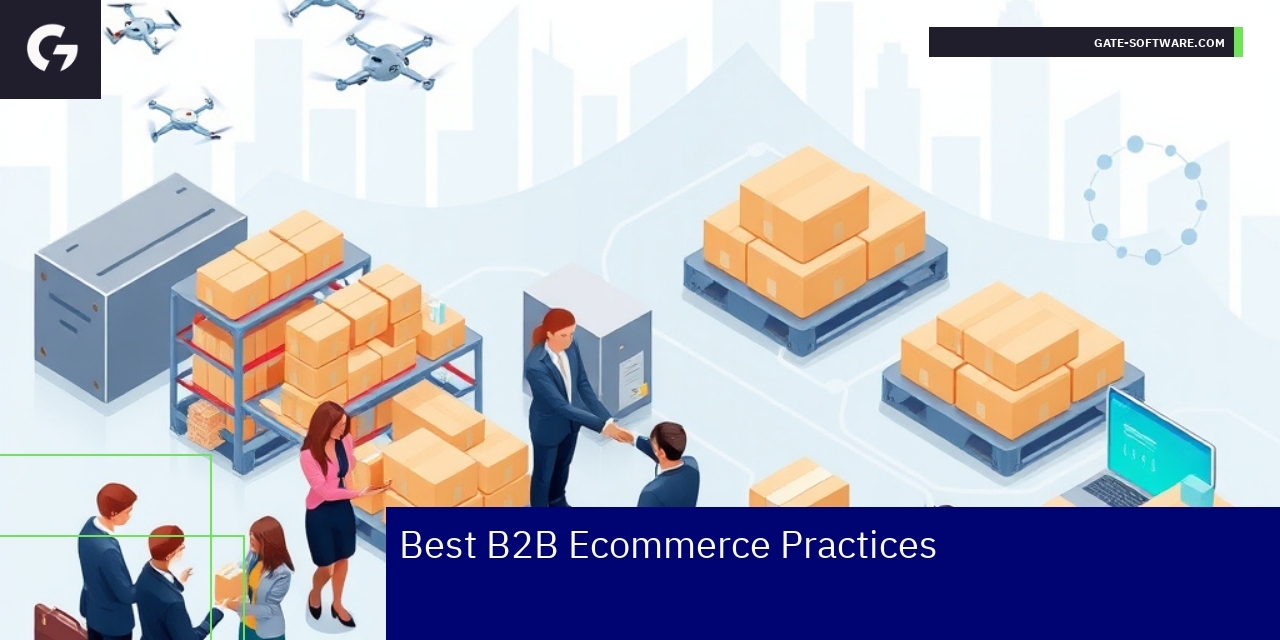
Best B2B Ecommerce Practices
Implementing proven system B2B methodologies combined with the right platforma B2B enhances your ecommerce B2B effectiveness. These best practices cover marketing, relationship management, and continuous optimization.
Customer Relationship Management
Building strong customer connections using platformy B2b tools and a dedicated system B2B supports long-term ecommerce B2B success. Effective B2B sales strategies for ecommerce success focus heavily on CRM. Leveraging integrated CRM capabilities within your platforma B2B ensures that all client interactions are tracked and managed efficiently, enhancing responsiveness and personalization. This approach fosters trust and loyalty, which are critical in B2B environments where purchasing cycles are longer and relationships more complex than in B2C. A robust system b2b also allows for accurate segmentation and targeted outreach, optimizing sales efforts and ensuring that communication aligns with the unique needs of each client.
Marketing and Promotion
Tip: For successful B2B marketing campaigns, combining data-driven insights from your system with market trends is essential. The ability to deliver dynamic content across multiple channels ensures your messaging reaches the right professional buyers. Always coordinate marketing and sales teams to streamline lead nurturing, ultimately boosting conversion rates and solidifying your brand’s position.
Crafting targeted marketing campaigns using your platforma B2B and system B2B capabilities increases visibility and engagement. SEO for B2B in 2025 and B2B ecommerce types influence your promotion planning. Effective campaigns blend data-driven insights from system b2b analytics with market trend awareness to tailor messaging that resonates with professional buyers. Platforma B2B enables dynamic content delivery and multichannel integration, helping you reach decision-makers effectively. Consistent alignment between marketing and sales teams supported by technology ensures lead nurturing processes are smooth and conversion rates improve, reinforcing your brand’s positioning in the ecommerce B2B landscape.
Performance Analysis and Optimization
Analyzing results through platformy B2B analytics and refining your system B2B processes ensures continuous growth. Following essential B2B ecommerce strategies for 2025 helps stay ahead in a competitive market. Performance metrics should encompass customer behavior, transaction data, and operational efficiency to identify bottlenecks and opportunities for innovation. Using platformy B2B to automate reporting and forecast trends allows decision-makers to adjust strategies proactively. Iterative optimization supported by data insights from system b2b solutions strengthens your ecommerce B2B business model and drives sustainable profitability.
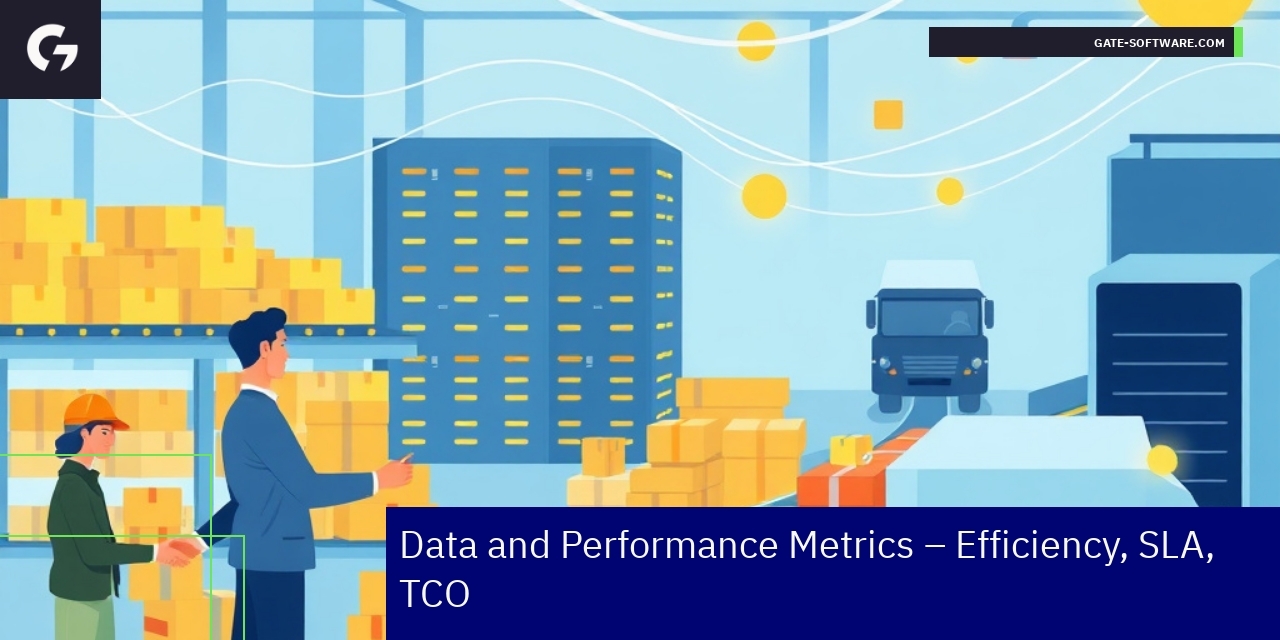
Data and Performance Metrics – Efficiency, SLA, TCO
Operational Effectiveness in B2B Projects
In the realm of B2B ecommerce, having measurable data is crucial to demonstrate the efficiency and reliability of services offered by Gate-Software. Here are key metrics that highlight our operational effectiveness:
1. Average Project Takeover Time: Gate-Software can manage to take over new B2B projects within an average timeframe of 2 weeks, ensuring a swift transition that minimizes disruption to our clients’ operations.
2. On-Time Delivery Rate: Over 90% of our B2B projects are delivered on time, reflecting our commitment to adhering to agreed timelines and enhancing client trust.
3. TCO Reduction: Clients who utilize our services report an average 25% reduction in Total Cost of Ownership (TCO) over a three-year period, affirming the cost-effectiveness of our solutions compared to traditional approaches.
4. Number of Implementations: Gate-Software has successfully completed over 150 B2B project implementations, showcasing our experience and capability in navigating complex integrations.
5. Uptime SLA: We maintain an impressive 99.9% uptime SLA for our hosting services, ensuring that our clients’ operations remain uninterrupted and reliable at all times.
6. Average Client Relationship Duration: The average duration of our client relationships in the B2B sector extends to 5 years, indicative of the long-term partnerships and trust we build with our customers.
These metrics not only highlight the effectiveness of our services but also provide measurable evidence that supports purchasing decisions for potential clients in the B2B market.
Summary
In today’s competitive landscape, establishing a robust B2B ecommerce presence is not just beneficial; it is essential for achieving long-term business success. Gate-Software’s comprehensive approach equips organizations with the necessary tools to navigate the complexities of B2B transactions effectively. By leveraging platforms like Magento™, businesses can create tailored user experiences that cater to the specific needs of professional buyers. Emphasizing the importance of understanding customer requirements, optimizing purchasing processes, and integrating with existing systems, Gate-Software stands out as a trusted partner in this journey. The strategies we implement not only enhance operational efficiency but also foster strong customer relationships and drive sustainable growth. If you are ready to transform your B2B ecommerce strategy and maximize your operational potential, we invite you to connect with us for a collaborative exploration of how we can support your goals. Your next step toward success in the B2B environment awaits.

FAQ
What are the key elements of an effective B2B store?
Key elements include understanding customer needs, selecting the right ecommerce platform, and optimizing the purchasing process. Addressing customer requirements and utilizing tailored platforms can significantly enhance customer engagement and sales efficiency.
How can I choose the right B2B ecommerce platform?
Choosing the right platform involves evaluating scalability, customization options, and integration capabilities with existing systems like ERP or CRM. Comparison of leading platforms based on these factors ensures that businesses select a solution that meets their unique operational needs.
Why is optimizing the purchasing process important in B2B ecommerce?
Optimizing the purchasing process is critical for enhancing customer experience. Streamlining checkout and providing detailed product information can improve efficiency, reduce friction during transactions, and ultimately lead to higher conversion rates.
How does customer relationship management impact B2B ecommerce success?
Effective CRM practices foster stronger connections with clients, allowing businesses to personalize marketing strategies and enhance engagement. Building trust and loyalty through efficient management of customer interactions is essential for sustaining long-term relationships in the B2B space.
What role does performance analysis play in B2B ecommerce?
Performance analysis helps identify areas for improvement by assessing key metrics such as customer behavior and transaction data. Continuous optimization based on these insights ensures businesses remain competitive and can adapt to changing market demands effectively.
.
.
Zamów bezpłatną konsultację
.
Z nami rozwój Twojego biznesu nabierze tempa! Zapraszamy do kontaktu średnie i duże firmy generujące min. 7 mln PLN obrotu rocznie – tam nasza ekspertyza sprawdza się najlepiej.
.
Kliknij w poniższy przycisk i skontaktuj się z jednym z naszych konsultantów e-commerce
.