Introduction
Choosing the right B2B ecommerce software is a critical decision that directly impacts your company’s operational efficiency, customer satisfaction, and growth potential. In today’s complex digital landscape, B2B platforms must address unique challenges such as managing large catalogs, complex pricing models, customized workflows, and integration with existing enterprise systems. Selecting software that aligns with your business objectives, technological infrastructure, and user experience standards is essential.
When deciding on a B2B ecommerce solution, it is vital to consider scalability, flexibility, and the ability to support personalized customer journeys that reflect professional client interactions. Equally important is compliance with industry standards, including WCAG guidelines for accessibility and robust UX/UI principles tailored to the B2B audience. Effective software should facilitate smooth order management, seamless integrations with ERP and CRM systems, and provide comprehensive support for multilingual and multi-currency operations.
Gate-Software’s approach to B2B ecommerce platforms emphasizes a partnership model where we leverage Magento™ and other advanced solutions to ensure high availability, security, and continuous development tailored to your specific needs. This ensures that your platform not only meets today’s requirements but is prepared to evolve alongside your business. This introduction sets the stage for a deeper exploration of the strategic considerations and technical criteria essential for making an informed decision about the right B2B ecommerce software.
TABLE OF CONTENTS
- B2B Ecommerce Software: How to Choose the Right Solution for Your Business
- B2B Software Features
- B2B vs B2C Differences
- Top B2B Platforms
- Choosing the Right B2B Platform
- B2B Software Use Cases
- Benefits of B2B Platforms
- Challenges in B2B Software Deployment
- The Future of B2B Ecommerce
- Data and Performance Metrics – Efficiency, SLA, TCO
- Summary
- FAQ
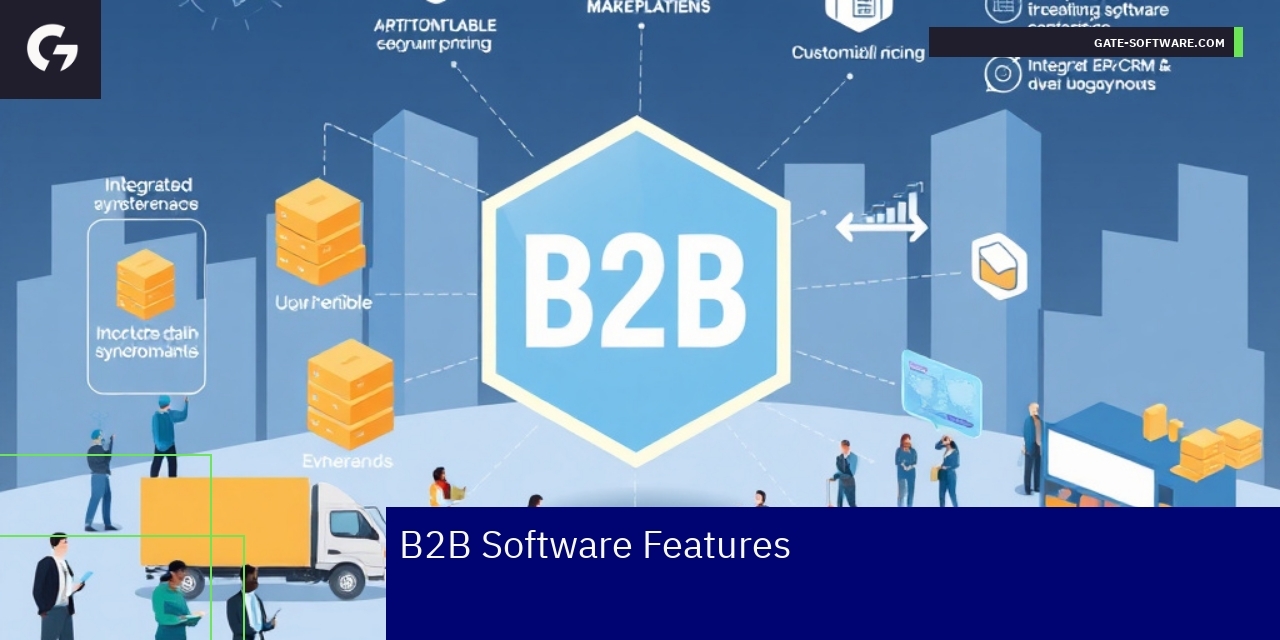
B2B Software Features
Key Functionalities
The must-have features of a proper B2B ecommerce software in 2025 include robust order management, customizable pricing, and seamless integration options. Choosing the appropriate B2B ecommerce software depends on understanding these core functionalities to improve your platform’s efficiency and user satisfaction. A reliable system b2b should enable granular user roles and permissions to cater to complex organizational structures typically found in B2B environments. Advanced inventory management capabilities are essential to synchronize supply chain activities and minimize stockouts. Further, personalized pricing models and contract-based price agreements reflect the specific commercial terms of B2B dealings. These features enhance the attractiveness of any platforma b2b by improving transactional accuracy and customer experience, affirming the platformy b2b’s value proposition in highly competitive sectors.
Integrations
Successful B2B order management software integrates effortlessly with existing ERP and CRM systems. Top 5 B2B ecommerce software solutions often stand out due to their wide range of platform integrations, enabling better automation and scalability. A well-integrated ecommerce b2b system streamlines data flow across internal systems, reducing redundancy and preventing manual errors. Integration with financial software simplifies invoicing and compliance activities, which are critical for B2B transactions. API-based connectivity allows the platforma b2b to quickly adapt to evolving technologies and business requirements. Moreover, integrating with third-party logistics and payment providers enhances operational transparency and accelerates the transaction lifecycle, offering a comprehensive solution that fits seamlessly into the existing IT ecosystem of B2B enterprises.
Technical Support
Reliable technical support is a key factor to consider when selecting a B2B ecommerce platform. Best B2B ecommerce software for small to midsized businesses typically includes 24/7 support, ensuring smooth operations and quick issue resolution. Technical assistance in a system b2b environment must be proactive and knowledgeable about the unique nuances of B2B commerce processes. Dedicated support teams familiar with platformy b2b intricacies can effectively address challenges around custom workflows, integration issues, and data security. Continuous monitoring and rapid incident response minimize downtime, which is crucial for maintaining trust and uninterrupted business activities. Support packages often feature onboarding and tailored training sessions to empower users, promoting efficient adoption of ecommerce b2b solutions and maximizing the platform’s return on investment.
Needs Analysis
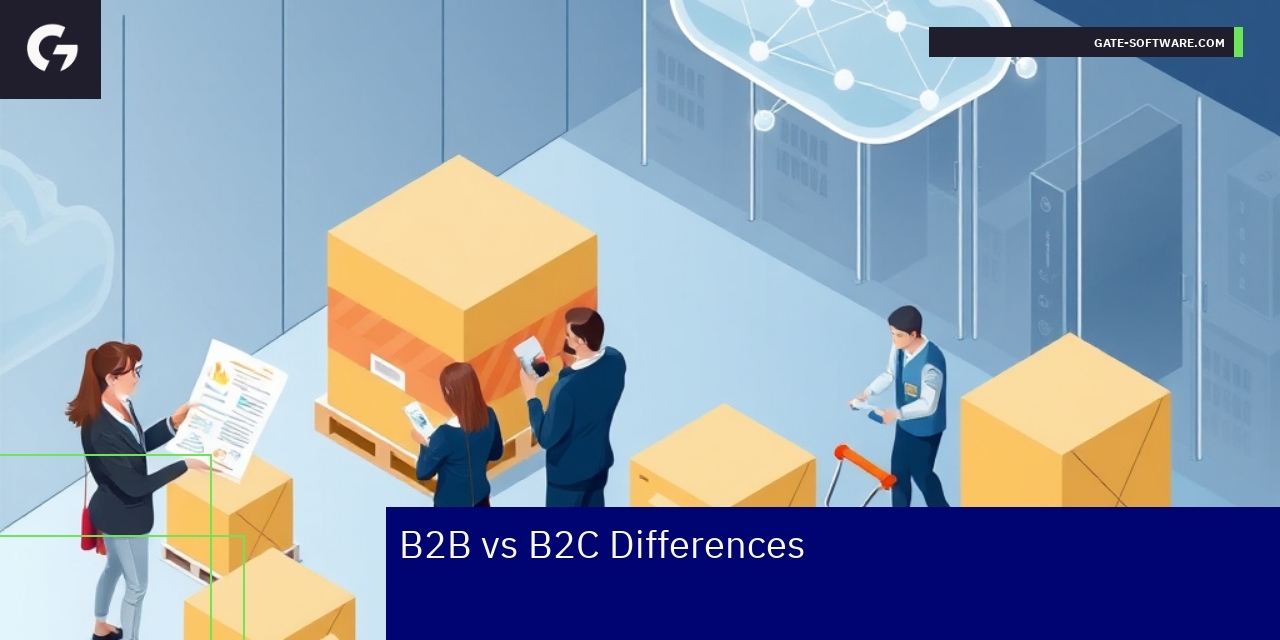
B2B vs B2C Differences
Sales Models
What makes B2B ecommerce different is primarily the sales models involved — wholesale pricing, bulk ordering, and contract management set apart system b2b from typical B2C platforms. In B2B, transactions are usually larger in volume and involve negotiated contracts tailored to each client’s needs. This requires system b2b to support complex order processes and flexible terms, unlike the straightforward, fixed pricing seen in B2C. Additionally, platforms used for ecommerce b2b must accommodate various payment options, purchase orders, and sometimes credit management to fit business purchasing cycles. Understanding these nuances is critical in choosing the right platforma b2b that not only supports efficient bulk ordering but also maintains compliance with contractual obligations and pricing agreements. Wholesale discounts and dynamic pricing tiers embedded in system b2b help providers maintain competitiveness while meeting client-specific demands.
Customer Management
Effective customer management on platformy b2b requires features like role-based account access and credit limit settings. B2B ecommerce ecosystems are often populated by multiple users from the same organization with different roles—purchasing agents, finance officers, and managers each need tailored system b2b access rights. Managing this complexity is fundamental for platformy b2b to operate smoothly, ensuring data security and process transparency. Moreover, ecommerce b2b platforms integrate detailed customer profiles, purchase history, and bespoke pricing, enabling personalized service delivery and proactive sales strategies. Credit management capabilities embedded within platforma b2b help businesses balance cash flow while fostering long-term relationships by managing payment terms and risks effectively.
Pricing and Discounts
Dynamic pricing structures and tiered discounts are standard within system b2b software, contrasting with simpler B2C pricing models. In ecommerce b2b, prices may vary by customer segment, volume ordered, or contractual terms, demanding flexible system b2b architectures. Platformy b2b frequently include automated discount management tools aligned with sales strategies, allowing companies to quickly adapt offers based on market conditions or client status. This complexity is critical when selecting a platforma b2b, as static pricing may limit competitiveness or customer retention. Advanced pricing engines also facilitate integration with ERP systems, streamlining price updates and ensuring consistency across sales channels. Overall, thoughtful pricing and discount modules within system b2b platforms contribute significantly to operational efficiency and client satisfaction in B2B markets.
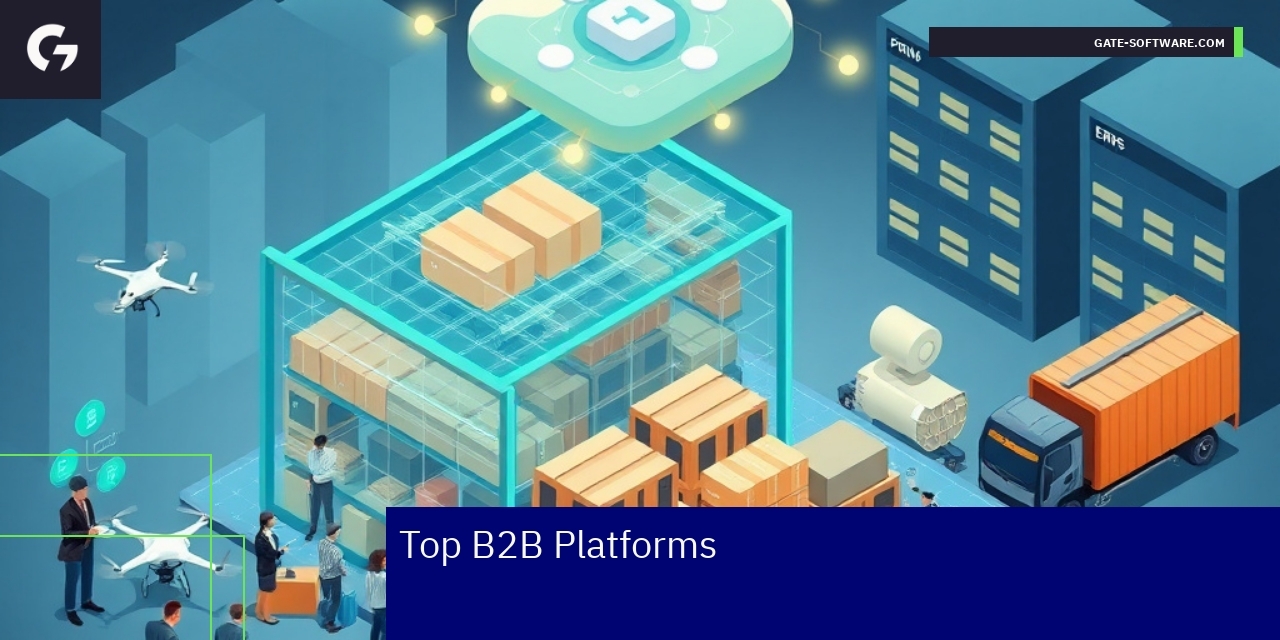
Top B2B Platforms
Magento
Magento stands as one of the best B2B ecommerce software solutions in 2025, offering high customization and scalability ideal for large ecommerce B2B enterprises. It provides robust capabilities to handle complex product catalogs, multiple pricing tiers, and customer-specific pricing models, which are essential for an effective system b2b environment. Magento’s platforma b2b supports deep integration with ERP and CRM systems, facilitating seamless business process automation. Its compliance with WCAG standards ensures accessibility, enhancing user experience across all user personas including architects and eCommerce managers. Magento’s flexibility and extensive ecosystem make it suitable for businesses seeking a tailored and scalable ecommerce b2b platform.
Shopify
Shopify provides user-friendly platformy B2B options with growing support for B2B ecommerce functionalities, making it a contender among the 11 best B2B ecommerce platforms in 2025 for wholesalers and distributors. Shopify’s system b2b capabilities include streamlined order management, custom pricing, and multi-channel sales support. Its ease of deployment and intuitive interface help reduce time to market and operational complexity. Shopify’s focus on cloud hosting and monitoring aligns with Gate-Software’s SLA and cost optimization strategies, ensuring reliability and performance for demanding ecommerce b2b operations. The platform supports integration with essential business applications and adheres to UX/UI best practices for effective customer engagement.
WooCommerce
WooCommerce offers flexible ecommerce B2B solutions mainly suited for small to midsized businesses, backed by a strong community and extensive plugin ecosystem. This platforma b2b is highly customizable through plugins that enhance system b2b features such as tiered pricing, inventory management, and customer role access control. Its open-source nature allows technical teams to extend functionality according to business needs, which aligns with the approach preferred by CTOs and Head of Applications focused on technical flexibility. WooCommerce’s compatibility with WordPress ecosystems supports content strategy 5.0 and social media integration, vital for driving growth in ecommerce b2b channels. Its balance of usability and extensibility makes it a practical choice for businesses scaling their platformy b2b capabilities.
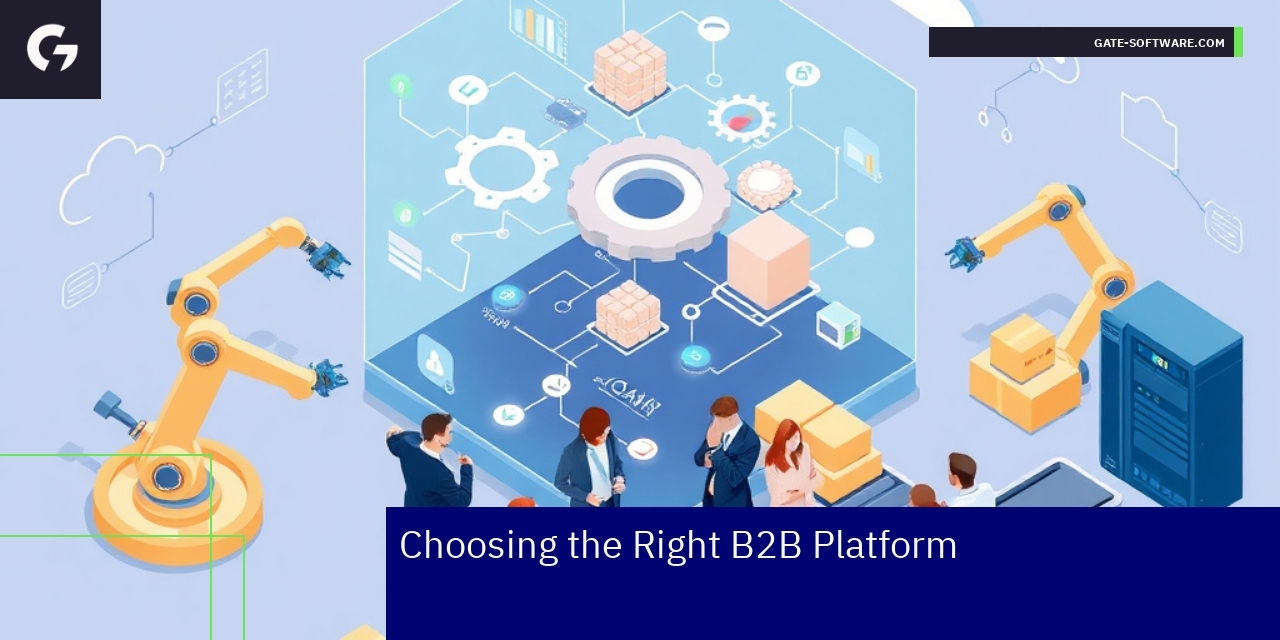
Choosing the Right B2B Platform
Needs Analysis
How to choose the right B2B order management software starts with a thorough needs analysis. Identify your business processes and functional requirements to narrow down platforma B2B options that fit your system B2B operations. A comprehensive evaluation involves consulting with CTOs, Heads of Applications, and eCommerce Managers to understand specific workflows, integration needs, and user experience expectations. Prioritize platforms that support seamless integration with existing enterprise systems such as ERP or CRM, ensuring data consistency and operational efficiency. Understanding your unique order volumes, payment models, and customer segmentation enables selecting ecommerce B2b systems that optimize transaction flows and meet compliance standards.
Budget Considerations
Budget plays a crucial role when selecting ecommerce B2B solutions. Factor in upfront costs and ongoing expenses to pick among the best B2B ecommerce software for small to midsized businesses. Total Cost of Ownership (TCO) should include licensing fees, implementation, hosting, support, and future scalability requirements. Avoid platforms with excessive hidden costs or limited vendor support that can inflate long-term expenses. Efficient budget management involves balancing feature sets and system b2b capabilities with financial constraints, while ensuring that the platforma b2b chosen allows room for growth and adaptation without requiring costly overhauls.
Scalability
Scalability is vital for growing businesses. Choosing the appropriate B2B ecommerce software includes evaluating platforma B2B’s ability to handle increasing order volumes and expanding product catalogs. The selected platform must support elastic scalability in both infrastructure and software features. This ensures smooth performance during peak demand and enables onboarding of new clients without disruption. Consider architectural flexibility to support modular growth and updates, which aligns with system B2B robustness. Scalability also encompasses internationalization capabilities and multi-channel integration options, crucial for future-proofing your ecommerce b2b investment.
Automation
B2B Software Use Cases
Industrial Sector
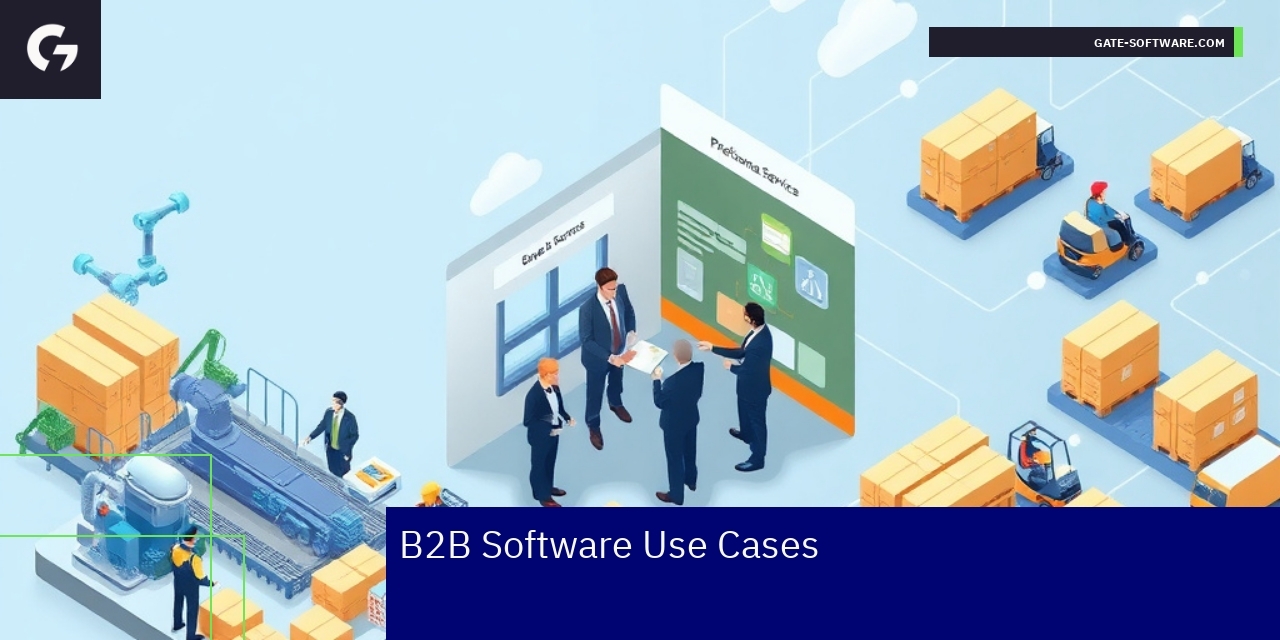
Industrial companies benefit from robust system B2B platforms supporting complex order workflows and integration with manufacturing processes. These platformy b2b solutions address the critical need for seamless coordination between production lines and order management systems, ensuring real-time inventory updates and minimizing downtime. Implementing a system b2b tailored for industrial use allows organizations to manage bulk orders effectively, optimize supply chain logistics, and enhance supplier collaboration. Such platforma b2b solutions also support advanced customization options for different industrial clients, aligning with their specific contractual and delivery requirements. This integration fosters operational efficiency and boosts responsiveness to market fluctuations, facilitating sustained growth within ecommerce b2b environments.
Professional Services
Professional services leverage ecommerce B2B platforms for streamlined client onboarding and custom contract management. These platformy b2b support tailored workflows that automate the negotiation and approval processes, critical for service-based transactions where terms vary substantially. A sophisticated system b2b enables service providers to maintain accurate client records, automate billing cycles, and ensure compliance with service level agreements. Moreover, platforma b2b functionalities simplify communication and data sharing with clients, enhancing transparency and trust. By embedding such capabilities, ecommerce b2b systems empower professional services to scale operations efficiently while maintaining personalized client interactions, crucial for long-term business relationships.
Wholesale Trade
Wholesale trade depends heavily on system B2B software featuring tiered pricing and bulk order capabilities to meet buyer expectations. Platformy b2b in wholesale environments must accommodate diverse buyer profiles with varying pricing contracts and credit terms, enabling automated handling of complex commercial rules. A robust platforma b2b supports volume-based discounts and real-time availability checking, which are essential to effectively compete in ecommerce b2b markets. Additionally, system b2b tools facilitate order history tracking and advanced logistics coordination, ensuring timely deliveries and optimized inventory turnover. By integrating these features in a cohesive platformy b2b, wholesalers enhance customer satisfaction and operational agility in a demanding digital marketplace.
Benefits of B2B Platforms
Operational Efficiency
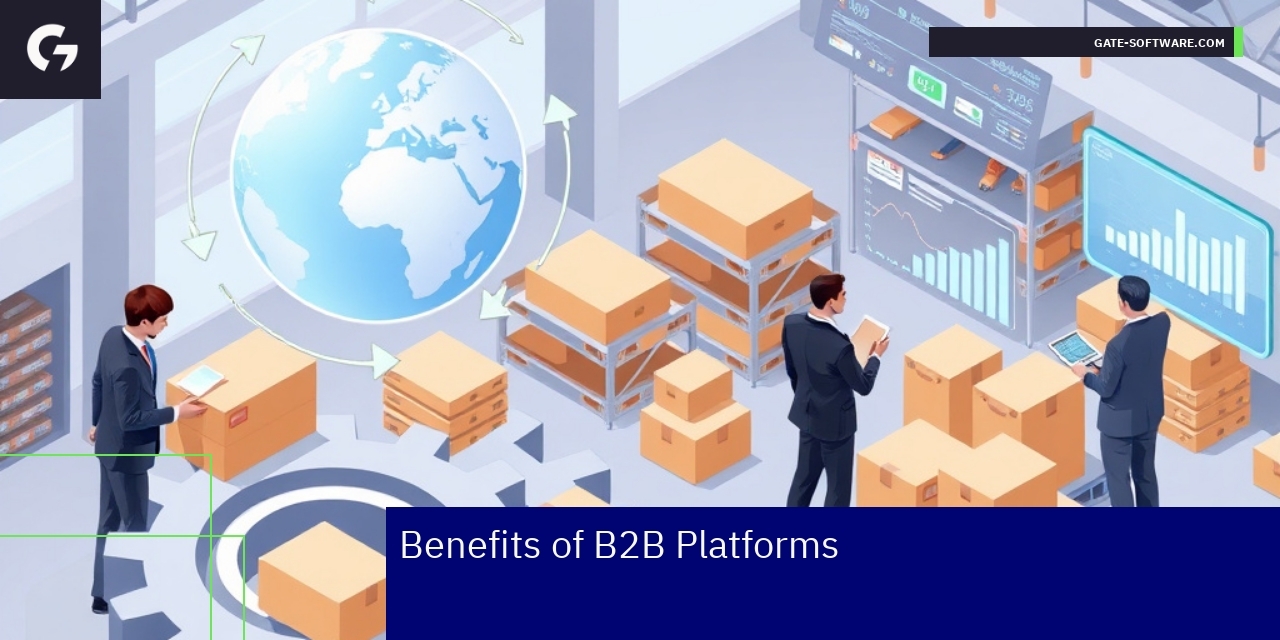
Implementing platformy B2B significantly enhances operational efficiency by reducing manual errors and accelerating order processing. This streamlining is essential for a system b2b environment, where the complexity and volume of transactions require precise automation and integration. Leveraging a platforma b2b allows businesses to automate workflows, synchronize inventory, and coordinate logistics more effectively, resulting in faster turnaround times and lower operational costs. For decision-makers such as CTOs and Heads of Applications, these improvements translate into greater reliability and scalability of ecommerce b2b operations, ensuring that the technology infrastructure aligns seamlessly with business goals and client expectations.
Expanded Reach
Ecommerce b2b platforms serve as a vital channel for expanding market reach by simplifying global sales and customer acquisition. A robust platforma b2b facilitates multi-currency and multi-language support, which are crucial for accessing international markets without the friction associated with traditional sales methods. Moreover, modern platformy b2b integrate with marketing and CRM tools, enabling better targeting and personalized communication with diverse buyer personas. For stakeholders focused on growth and digital transformation, these platforms open new revenue streams and build stronger business relationships through enhanced accessibility and engagement across geographies.
Better Data Management
A system b2b platform provides centralized data management that empowers organizations to make informed decisions with greater agility. By consolidating customer data, transaction history, and inventory insights into a unified platforma b2b, companies can leverage advanced analytics and reporting tools to optimize pricing, forecast demand, and identify operational bottlenecks. For the eCommerce Manager and CDO, this level of data transparency and consistency supports strategic planning and continuous improvement. Furthermore, integrating such platforms with backend enterprise systems helps maintain data accuracy and compliance, which are critical in complex B2B ecosystems.
Challenges in B2B Software Deployment
Costs
Deployment costs can be a barrier; evaluating platforma B2B pricing models helps manage system B2B expenditure effectively. Implementing a robust ecommerce B2b solution requires addressing not only upfront licensing fees but also ongoing maintenance, integration, and customization costs. These financial factors significantly impact the overall budget and ROI estimations. Choosing the right platformy b2b that aligns with the company’s scale and tech ecosystem avoids unnecessary spending and enables better resource allocation. Proper cost assessments also facilitate smoother approval processes by stakeholders such as CTOs and Heads of Applications, who need to balance innovation with fiscal responsibility.
Employee Training
Comprehensive training ensures your team maximizes the benefits of ecommerce B2B software, minimizing disruptions. The adoption of a new system b2b involves changing daily workflows and mastering new tools, which can slow productivity without targeted training programs. Investing in tailored sessions enables employees—from sales teams to IT staff—to understand the platforma B2B’s features and leverage them effectively. Training also supports long-term adoption, helping avoid resistance that could otherwise undermine the software’s value. With well-prepared personnel, companies can optimize the digital transformation journey and accelerate achievement of strategic goals.
Change Management
Managing change during system B2B implementation includes clear communication and phased rollouts to smooth platforma B2B transitions. Change management is critical in B2B environments where complex organizational structures and legacy processes exist. Ensuring that all stakeholders, including CDOs and CIOs/CTOs, are aligned on objectives and expectations reduces resistance and confusion. Structured plans that incorporate pilot phases and feedback loops help identify and resolve issues early. Effective communication addressing both technical and business impacts fosters collaboration, reduces uncertainty, and builds confidence. This approach ultimately ensures that ecommerce B2b platforms are implemented smoothly and sustain ongoing improvements.
The Future of B2B Ecommerce
Technology Trends
Emerging technology trends in platformy B2B highlight the increasing role of AI-driven analytics and seamless integration capabilities. These advances enable companies to leverage data for predictive insights and optimize their supply chains and customer interactions in real time. Modern system B2B architectures are evolving towards modularity and cloud-native deployments, allowing scalable and flexible ecommerce b2b environments. This shift supports faster updates, better security, and enhanced interoperability between various platforma B2B components, ensuring businesses stay agile in dynamic markets. Furthermore, adopting headless commerce solutions facilitates personalized front-end experiences while maintaining robust backend processes, essential for complex B2B transactions.
Personalization
Personalization in ecommerce B2B platforms is becoming a cornerstone of competitive differentiation. By incorporating data-driven customer segmentation and behavior analysis, platformy b2b can deliver tailored product recommendations, customized pricing, and targeted marketing campaigns that speak directly to individual business needs. This level of personalization enhances customer satisfaction and loyalty, critical in long-term B2B relationships. System b2b solutions are increasingly embedding AI and machine learning algorithms to continuously refine personalization efforts, integrating buyer personas and purchase histories to elevate the user experience on platforma B2B. This approach facilitates smoother purchasing workflows and reduces friction in decision-making processes.
Automation
Automation within system B2B software is transforming operational efficiency across all platforma B2B functions. Routine tasks such as order processing, inventory management, invoicing, and customer support are being streamlined through intelligent automation workflows. This not only accelerates transaction cycles but also minimizes human errors and operational costs. Ecommerce b2b environments benefit from integrated automation tools that coordinate actions across multiple systems, ensuring consistent data accuracy and real-time updates. By automating repetitive processes, businesses can redirect resources to strategic initiatives and innovation, driving growth and enhancing the overall value proposition of their platformy b2b solutions.
Data and Performance Metrics – Efficiency, SLA, TCO
Operational Effectiveness in B2B Projects
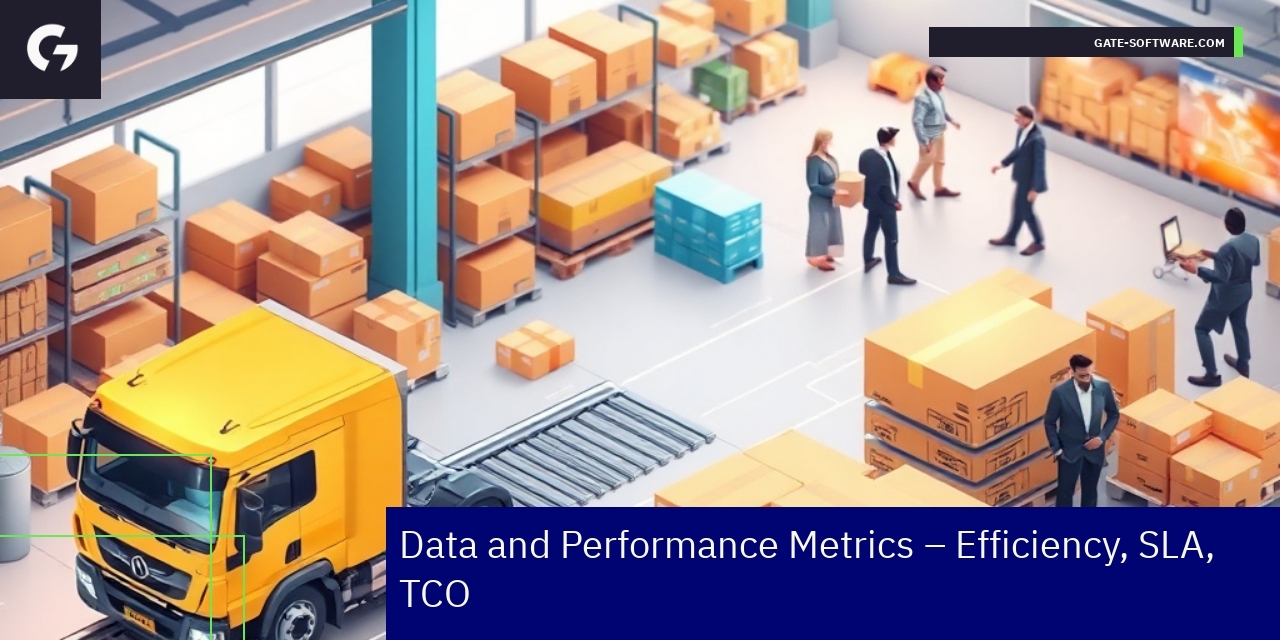
In evaluating the operational effectiveness of Gate-Software’s B2B services, several key metrics illustrate the high performance and reliability of our platform solutions. First, the average project takeover time is remarkably efficient, at just 3 weeks, ensuring minimal disruption as clients transition to our B2B system. This swift onboarding is complemented by a strong track record, with 95% of projects delivered on time, reflecting our commitment to meeting client deadlines.
Furthermore, our strategic implementations have led to a substantial 20% average reduction in Total Cost of Ownership (TCO) for our clients, optimizing their operational expenditures while maintaining high service quality. Gate-Software has successfully completed over 150 implementations of our Magento™ platform, showcasing our extensive experience and capability in delivering tailored solutions to varied business needs.
We also maintain a high uptime Service Level Agreement (SLA) of 99.9%, ensuring that our systems are continuously available to handle client transactions without interruptions. Finally, our average client relationship duration stands at an impressive 5 years, highlighting the trust and satisfaction our clients have in our services. These metrics not only underscore our operational proficiency but also provide a compelling case for potential partners considering Gate-Software for their B2B ecommerce solutions.

Summary
In today’s rapidly evolving B2B landscape, selecting the right ecommerce software is more critical than ever for sustaining growth and efficiency. Gate-Software stands out with its partnership approach, utilizing advanced solutions like Magento™ to provide robust, customizable platforms tailored to meet the unique needs of businesses. By focusing on essential features such as seamless integrations, dynamic pricing, and comprehensive technical support, Gate-Software empowers you to enhance operational efficiency, expand market reach, and improve data management. As you navigate the complexities of B2B ecommerce, rest assured that our expertise is dedicated to facilitating your journey towards a successful digital transformation. We invite you to connect with us to explore how our tailored solutions can support your business ambitions and ensure you stay ahead in the competitive B2B landscape.
Summary
FAQ
What are the key functionalities of a B2B ecommerce software?
A proper B2B ecommerce software should include robust order management, customizable pricing, seamless integration options, and advanced inventory management capabilities to facilitate complex organizational structures and improve user satisfaction.
Why is scalability important when choosing a B2B platform?
Scalability is vital as it allows the B2B ecommerce software to handle increasing order volumes and expanding product catalogs without disruption, ensuring smooth performance during peak demand and accommodating future growth.
How does Gate-Software support B2B ecommerce solutions?
Gate-Software emphasizes a partnership model, leveraging Magento™ and other advanced solutions to provide high availability, security, and continuous development tailored to the specific needs of businesses.
What challenges can arise during the deployment of B2B software?
Challenges include high costs associated with implementation, the need for comprehensive employee training to maximize software benefits, and managing change within the organization to ensure a smooth transition to the new system.
How can automation benefit B2B ecommerce operations?
Automation streamlines manual tasks such as order processing and inventory management, minimizing errors and reducing operational costs, which allows businesses to focus on strategic growth and enhances overall operational efficiency.
.
.
Zamów bezpłatną konsultację
.
Z nami rozwój Twojego biznesu nabierze tempa! Zapraszamy do kontaktu średnie i duże firmy generujące min. 7 mln PLN obrotu rocznie – tam nasza ekspertyza sprawdza się najlepiej.
.
Kliknij w poniższy przycisk i skontaktuj się z jednym z naszych konsultantów e-commerce
.