Introduction
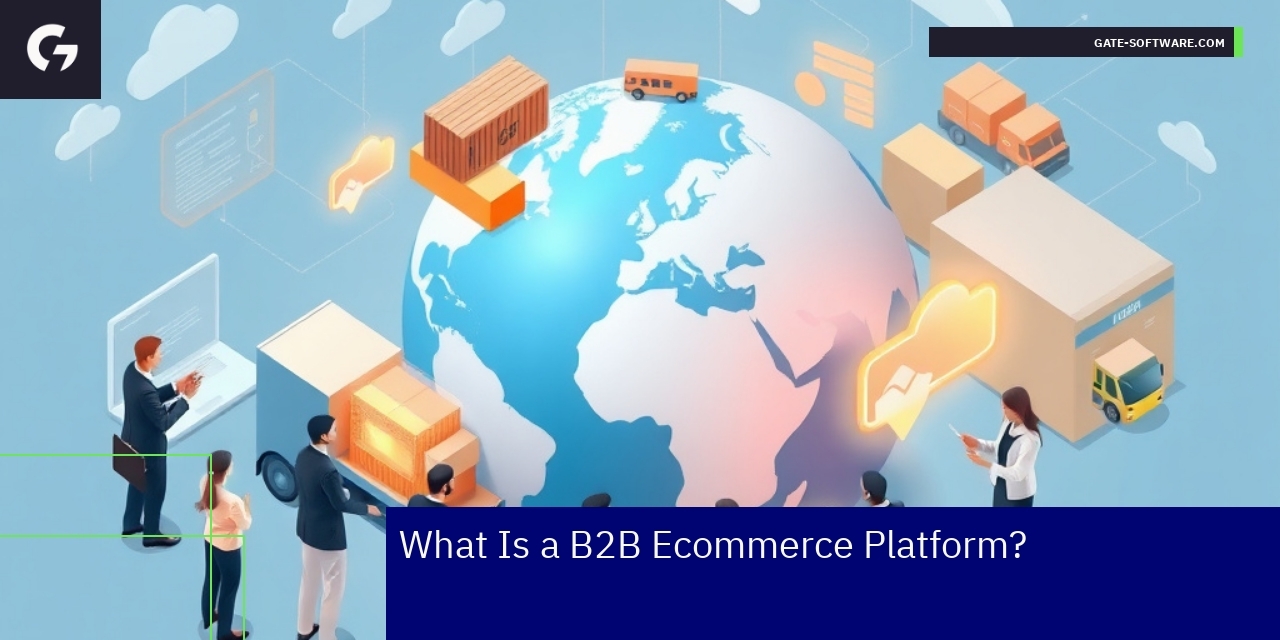
A B2B ecommerce platform is a specialized online marketplace designed exclusively for transactions between businesses. Unlike B2C platforms focused on retail consumers, a B2B store addresses the unique demands of wholesalers, manufacturers, and other enterprises that procure products or services in large volumes. Key functionalities include bulk ordering capabilities, enabling businesses to acquire substantial inventory at once, and advanced pricing structures that adapt to customer relationships, negotiated agreements, or order quantities.
Account management features are fundamental in B2B stores, providing detailed tracking of orders, invoices, and transaction histories to enhance transparency and operational efficiency. Payment options on these platforms are tailored to business needs, often allowing for invoicing and extended credit terms, which streamline the procurement process under flexible financial arrangements. Additionally, customer-specific catalogs enable personalization, displaying only relevant products to particular clients, thereby simplifying purchasing decisions.
Such platforms play an essential role in optimizing supply chain workflows, reducing procurement costs, and driving better collaboration across business ecosystems. Gate-Software’s expertise in developing and maintaining Magento™ solutions ensures that B2B ecommerce stores meet technical, UX/UI, and WCAG 1.1 standards, offering robust, scalable, and highly customized commerce environments aligned with strategic business goals.
TABLE OF CONTENTS
- B2B Ecommerce Platform – What Is a B2B Store
- What Is a B2B Ecommerce Platform?
- How Does B2B Commerce Work?
- Shipping Custom Orders
- Why Invest in Online Wholesale?
- LinkedIn B2B – Building Communication and Marketing
- Key Functions of a B2B Store
- Challenges in B2B Ecommerce Platforms
- Integrating Online Stores with Wholesalers
- Data and Performance Metrics – Efficiency, SLA, TCO
- Summary
- FAQ
What Is a B2B Ecommerce Platform?
Benefits of Using a B2B Ecommerce Platform
A B2B ecommerce platform is designed to address the unique needs of business buyers and sellers by delivering enhanced operational efficiency and scalability. Using a B2B ecommerce platform enables companies to streamline procurement processes, automate repetitive tasks, and reduce transaction costs compared to traditional methods. This efficiency drives faster order processing, better inventory management, and minimized human error. Additionally, businesses benefit from personalized pricing based on customer profiles and order volumes, facilitating flexible negotiation and improved margins. The B2B commerce environment also integrates complex workflow approvals and multi-user management, important for enterprises with multiple stakeholders. Leveraging a sophisticated B2B system supports integration with ERP, CRM, and other enterprise applications, ensuring seamless data flow across operations. Ultimately, embracing a B2B ecommerce platform empowers companies to respond swiftly to market demands while improving customer satisfaction, making it a strategic asset for sustainable growth.
Join Our Customers Using Our B2B System
Businesses that adopt a robust B2B system tap into a competitive advantage through enhanced connectivity and collaboration with their partners and suppliers. Our customers highlight improvements in supplier relationships, more accurate demand forecasting, and increased sales volumes owing to the ease of use and the transparency provided by the B2B system. The advanced features of a B2B ecommerce platform, such as detailed analytics and reporting tools, enable strategic decision-making and continuous process optimization. Moreover, clients appreciate the scalability of the B2B commerce solution, which can grow with their business needs, adapting to changing market conditions and industry standards. This flexibility allows for quick adjustment to new B2B system capabilities like advanced payment terms, custom catalogs, and multi-channel sales integration. By choosing a proven B2B ecommerce platform, companies position themselves to capitalize on digital transformation in procurement and sales, gaining operational resilience.
Differences Between B2C and B2B Stores
While both B2C and B2B stores function as digital marketplaces, the fundamental differences lie in their target audiences and process complexities. B2B commerce involves transactions between businesses, often characterized by larger order volumes, customized pricing, and negotiated contracts. In contrast, B2C trading caters to individual consumers with fixed prices and simpler purchase flows. The B2B system supports multiple decision-makers and approval hierarchies within organizations, extending the sales cycle compared to the quick checkout experienced in B2C stores. Additionally, a B2B ecommerce platform accommodates varied payment methods, such as invoicing and credit accounts, which are uncommon in B2C systems. Another key difference is the necessity for integration with enterprise resource planning and supply chain systems essential for B2B operations. Understanding these distinctions is crucial for choosing and implementing the right B2B ecommerce platform tailored to business needs.
B2B Store Specifics – Start in a Few Steps
Launching a B2B store on a B2B ecommerce platform involves several distinct steps that cater specifically to business clients. It starts with defining customer personas, pricing models, and product catalogs tailored to diverse business segments. The B2B system requires configuration of roles and permissions to manage various stakeholders within client organizations. Next, integration with existing business systems such as ERP or CRM ensures seamless order processing and data management. Providing advanced features like custom contracts, bulk order capabilities, and flexible payment terms helps meet the expectations of B2B buyers. Training internal teams and clients on the platform’s functionalities secures user adoption and smooth operations. Finally, ongoing support and platform optimization based on user feedback drive success. Starting with these foundational steps guarantees a strong entry into B2B commerce, enabling businesses to leverage the full benefits of their B2B ecommerce platform.
The Purchasing Process in B2B
How Does B2B Commerce Work?
The Purchasing Process in B2B
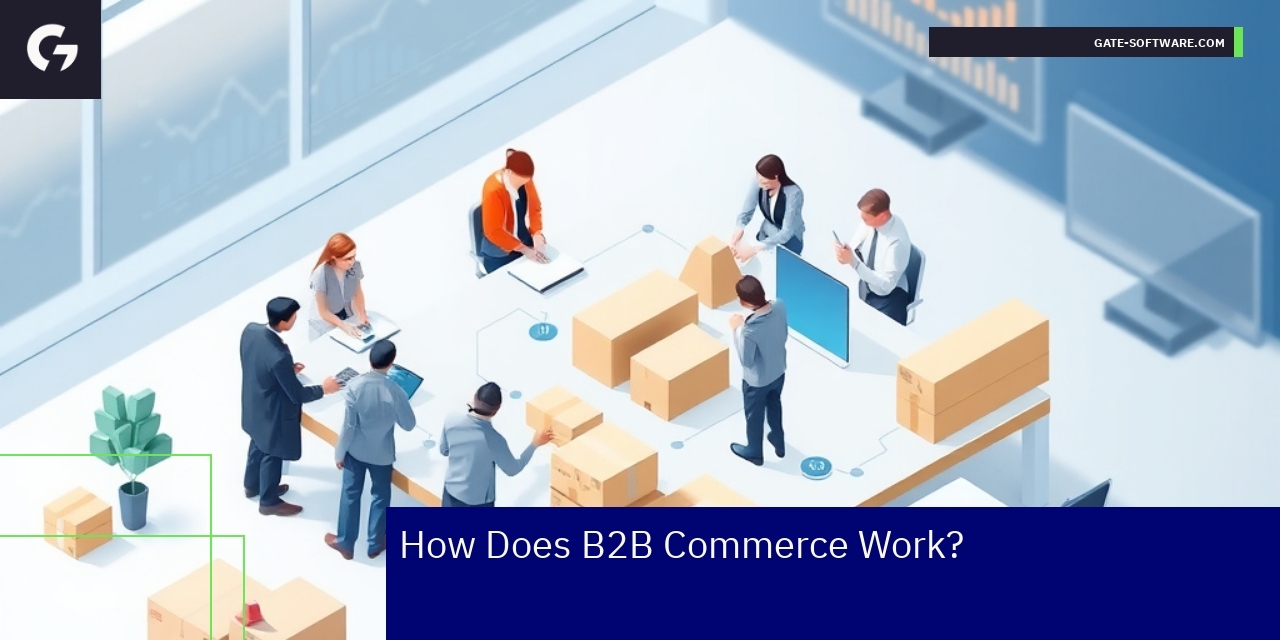
In B2B commerce, the purchasing process is notably distinct from typical consumer transactions due to its complexity and scale. The process begins with identifying business needs and often involves multiple stakeholders across departments, such as procurement, technical teams, and finance. This multi-level involvement requires the B2B system to support functionalities like role-based access and approval workflows to streamline decisions within organizations.
A B2B store serves as the digital interface where businesses explore catalogs tailored to their specific needs, often featuring negotiated prices, bulk order options, and contract terms. The B2B commerce environment emphasizes transparency and workflow integration, enabling buyers to track order statuses and manage repeat purchases efficiently. The B2B system is also integrated with other enterprise systems, such as ERP and CRM, ensuring data consistency and automation from order placement to delivery.
Effective B2B commerce relies on building long-term partnerships, where the purchasing process is optimized for efficiency, compliance, and customization. This approach reduces friction, accelerates transaction cycles, and enhances customer satisfaction. For eCommerce managers and heads of applications, implementing a robust B2B store and system means not only simplifying the buyer journey but also enabling scalable business growth by addressing complex transactional needs specific to B2B commerce.
Order Management
Shipping Custom Orders
Cost of Setting Up a B2B Store – What Does Online Wholesale Distribution Really Cost?
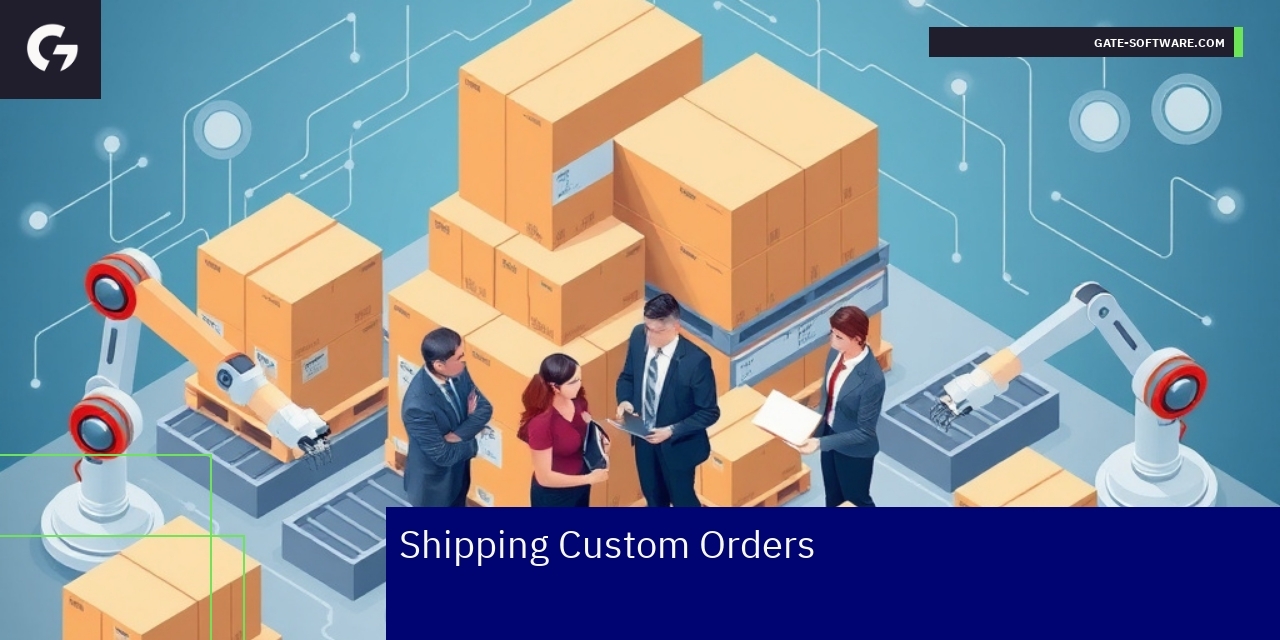
Setting up a B2B system for shipping custom orders requires careful consideration of initial and ongoing costs specific to B2B ecommerce platforms. These costs go beyond traditional retail solutions, as B2B commerce involves complex pricing structures, volume discounts, and integration with existing enterprise systems. The investment typically covers platform licensing, custom development, security enhancements, and workflow automation tailored to business clients’ needs. A well-implemented B2B system supports seamless order management and shipping coordination, reducing manual errors and improving operational efficiency. Understanding these expenses upfront is crucial for decision-makers like CTOs and Heads of Applications to ensure the platform meets all B2B commerce requirements while remaining cost-effective.
Price Optimization on a B2B Platform – 6 Practical Aspects
Price optimization is a core challenge in B2B ecommerce platforms, especially when dealing with custom orders that require dynamic pricing models. The B2B system must accommodate various discount rules, contract-specific pricing, and tiered rates to reflect client agreements accurately. Advanced B2B commerce solutions provided by Gate-Software include algorithms to analyze historical data, competitor pricing, and demand fluctuations for optimized pricing strategies. This not only helps in maintaining competitive pricing but also maximizes profit margins. Optimized pricing workflows directly impact shipping custom orders by aligning costs with business volumes and delivery requirements, ensuring profitability through every transaction.
B2B Platform Costs: 2024 Update!
In 2024, the cost structure for B2B ecommerce platforms continues evolving due to technological advancements and increased demand for customization in shipping processes. Investing in a robust B2B system is mandatory to keep pace with market expectations for efficiency, compliance, and user experience. Platform costs now factor in enhanced features like automation of custom order shipping, integration with logistics providers, and real-time order tracking. Gate-Software’s approach emphasizes scalable solutions that adapt to varying B2B commerce needs while controlling operational expenditures. For CTOs and ecommerce managers, understanding these updated costs ensures strategic alignment of budget and project scope, fostering successful digital transformations in online wholesale distribution.
Why Invest in Online Wholesale?
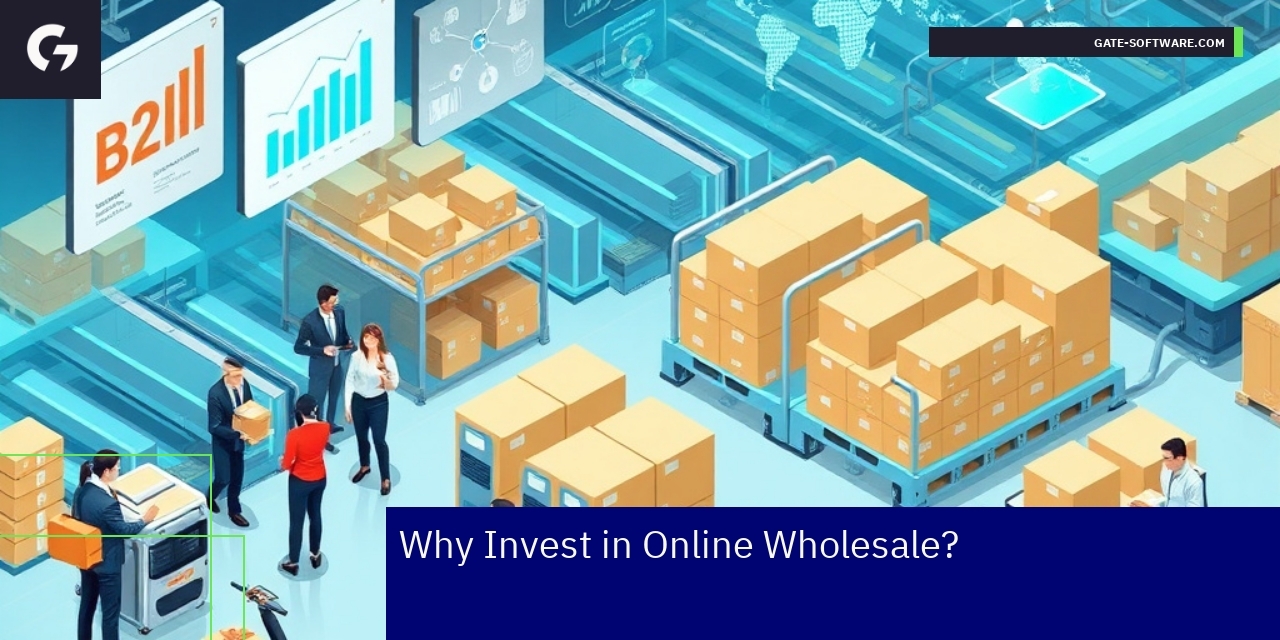
Investing in online wholesale presents a strategic opportunity for businesses focused on B2B operations to enhance efficiency, scalability, and market reach. A robust B2B ecommerce platform allows companies to streamline procurement and sales processes, significantly reducing transaction times and operational costs. By leveraging a specialized B2B system, organizations can automate complex workflows, integrate with existing ERP or inventory solutions, and provide seamless ordering experiences to their customers, which are crucial in the competitive wholesale landscape.
Online wholesale platforms deliver the scalability required to adapt quickly to demand fluctuations and expand outreach beyond traditional regional markets. This not only improves customer acquisition but enhances retention by offering 24/7 accessibility and a wider selection of products. The integration of data analytics capabilities within B2B ecommerce platform environments empowers decision-makers like CTOs and eCommerce Managers to optimize inventory management and forecast sales better, ensuring that supply aligns with demand.
Furthermore, online wholesale supports enhanced buyer-seller collaboration through tailored interfaces and personalized offers, features often embedded in modern B2B systems. This strengthens long-term business relationships and drives growth. With the increasing digitalization of B2B commerce, investing in online wholesale is no longer optional but essential for companies seeking to maintain competitive advantage and operational excellence in the wholesale domain.

LinkedIn B2B – Building Communication and Marketing
B2B Digital Marketing – Choosing the Right Strategy
In the context of B2B ecommerce platform development, selecting the right digital marketing strategy is crucial for reaching and engaging key decision-makers such as CTOs, Heads of Applications, and eCommerce Managers. LinkedIn serves as a pivotal channel where communication tailored to the professional and technical needs of B2B audiences can thrive. An effective approach integrates precise messaging about the capabilities of your B2B system, emphasizing how it supports seamless commerce processes and enhances operational efficiencies. Crafting content that aligns with the interests of these stakeholders, including insights into platform scalability, integration flexibility, and secure transaction handling, helps position your B2B commerce offering as a strategic asset. Supplementing this with targeted campaigns that leverage LinkedIn’s advanced segmentation features maximizes outreach and lead quality, ensuring that your marketing efforts on the B2B ecommerce platform translate into meaningful business conversations and sales acceleration.
Increase B2B Sales in 10 Steps – Download the Checklist
Boosting sales within a B2B system demands a comprehensive and disciplined approach. Utilizing a checklist tailored for B2B ecommerce platform managers can streamline efforts from lead generation to closing deals. Key steps include optimizing product listings for clarity and precision, aligning sales messaging with buyer personas, and leveraging data analytics to identify high-potential accounts. Moreover, integrating marketing automation tools in your B2B commerce environment facilitates timely follow-ups and personalized communications, critical for nurturing leads. Engaging content on LinkedIn that addresses specific pain points and demonstrates the value of your B2B system can effectively drive warmer leads into the pipeline. The checklist also advises continuous review and adjustment of sales tactics based on feedback and performance metrics, ensuring sustained growth in a competitive marketplace.
B2B Marketing: Optimizing Your Marketing Efforts
Optimizing marketing efforts in B2B ecommerce platform initiatives requires a deep understanding of both technical and business challenges. This entails aligning the marketing strategy with the specific functionalities and advantages of your B2B system, emphasizing robust integration, scalability, and support for complex buyer journeys typical in B2B commerce. Optimization includes using LinkedIn to its fullest with targeted campaigns that speak directly to personas like the Architect or eCommerce Manager, who influence platform adoption decisions. Data-driven decision-making is critical, using metrics from marketing automation and CRM systems to fine-tune message timing, content relevance, and channel selection. Holistic coordination between marketing, sales, and technical teams ensures that communications on LinkedIn reinforce the strengths of your B2B ecommerce platform, driving engagement and supporting long-term business objectives efficiently.
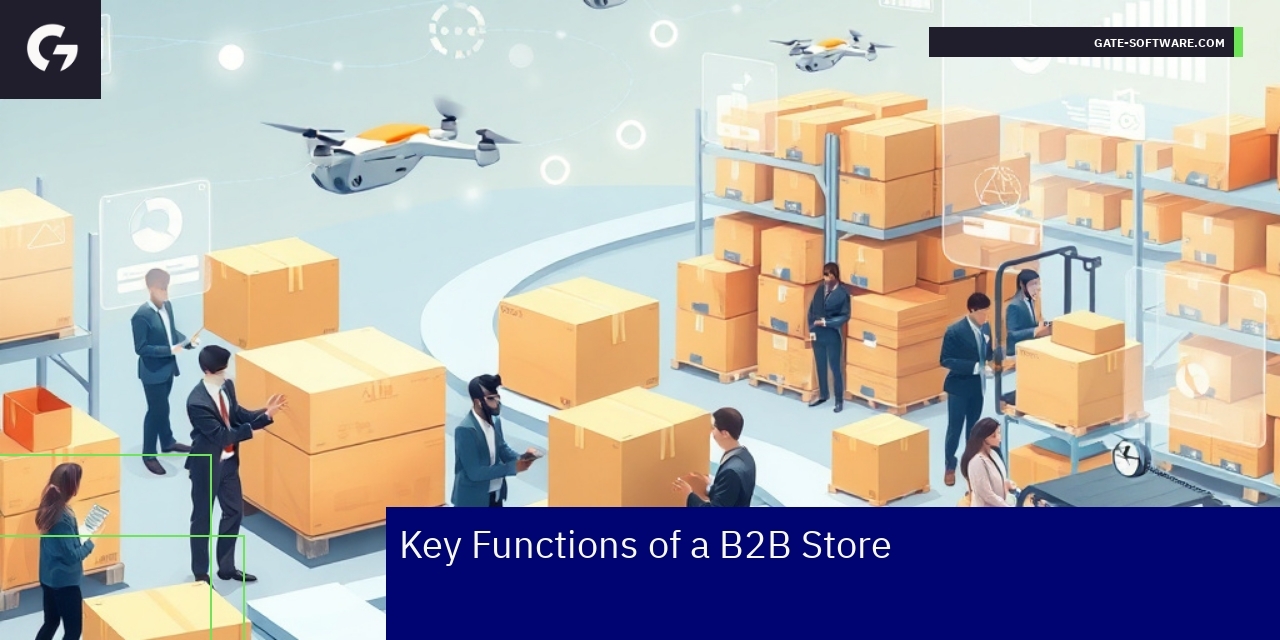
Key Functions of a B2B Store
Order Management
Effective order management is a key feature of any successful B2B store, enabling seamless handling of complex purchasing processes typical for business clients. A robust order management system ensures accurate tracking of orders from placement through fulfillment, reduces errors, and accelerates turnaround times. This function supports multiple order types, including bulk orders, recurring orders, and customized orders, aligning with specific needs of B2B customers.
In a B2B store, order management integrates closely with inventory control, payment processing, and customer account management to provide end-to-end visibility and control. It enables order status updates and real-time notifications, allowing businesses to plan their supply chain and logistics efficiently. Additionally, the system supports varied payment terms and credit limits, tailored to different customer profiles, which are key features enhancing user satisfaction and operational efficiency.
Ensuring the system is adaptable to ERP and CRM integrations further streamlines workflows, enabling data consistency and eliminating manual entry. B2B stores that prioritize order management reduce operational costs and improve customer loyalty through reliable and transparent transaction handling. The key features embedded in order management empower businesses to execute purchasing strategies effectively while maintaining compliance and oversight.
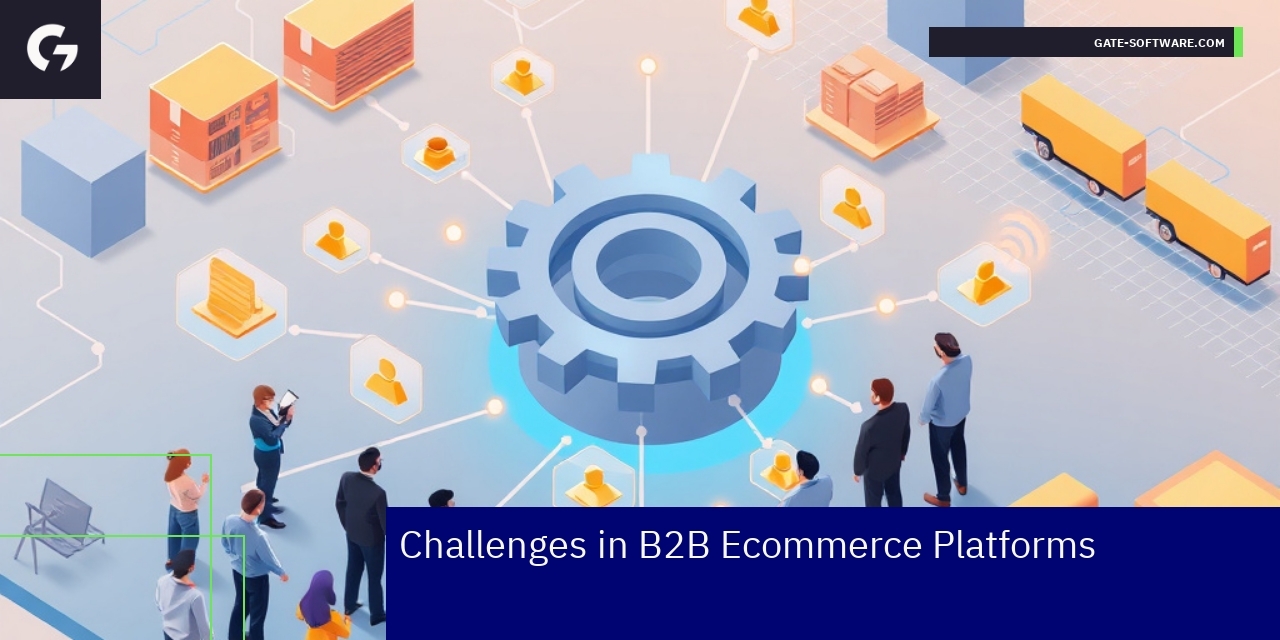
Challenges in B2B Ecommerce Platforms
Integration Issues
One of the primary challenges in managing a B2B ecommerce platform lies in seamless integration with existing enterprise systems. Integration issues arise when the ecommerce platform must connect with ERP, CRM, inventory management, and other backend systems, each potentially using different technologies and data standards. Failure to effectively address integration issues leads to data inconsistencies, delays in order processing, and reduced operational efficiency. Furthermore, integration challenges complicate maintaining real-time updates on stock availability, pricing, and customer-specific terms, which are critical in B2B transactions. Overcoming these challenges requires a well-architected middleware or API layer, ensuring smooth data flow and synchronization across all platforms. Addressing these integration issues also enables better analytics and reporting capabilities, which support strategic business decisions. Therefore, understanding and resolving integration issues is essential for optimizing a B2B ecommerce platform, minimizing challenges, and delivering a consistent user experience that meets the expectations of sophisticated buyers and decision-makers.
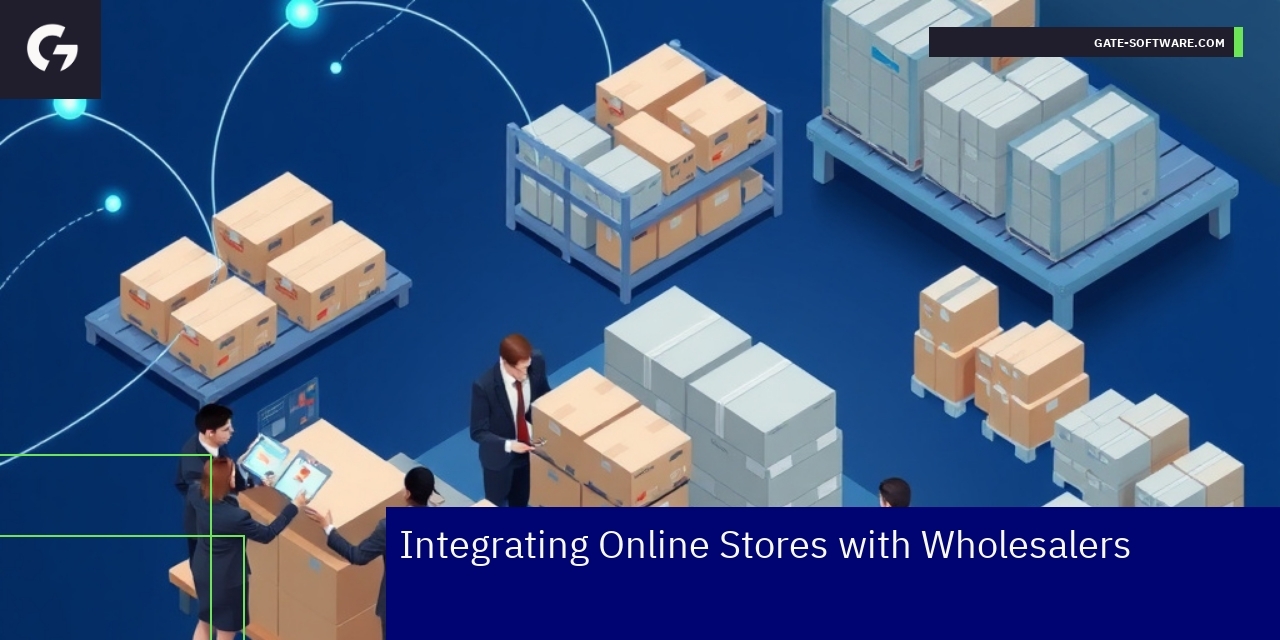
Integrating Online Stores with Wholesalers
Is B2B Store Implementation Right for You?
Implementing a B2B ecommerce platform is a strategic decision that hinges on your business model and customer needs. For companies targeting wholesalers, a dedicated B2B system offers tailored functionalities such as bulk ordering, tiered pricing, and customized catalogues, which are not typically available in retail-focused platforms. The complexity of B2B commerce—often involving contract negotiations, longer sales cycles, and specific compliance requirements—demands a robust and flexible system. Integrating your online store with wholesalers through a B2B ecommerce platform ensures seamless data exchange, real-time inventory updates, and efficient order processing. This integration enables businesses to maintain strong relationships with wholesalers by providing a convenient and professional online buying experience. Moreover, such integration supports scalability, allowing you to expand your wholesale channels without compromising on service quality. Carefully evaluating your current processes and growth objectives will help determine if adopting a B2B system is the right move to enhance your B2B commerce capabilities.
B2B Store vs Marketplace – Differences and Combining Both
Distinguishing between a B2B store and a marketplace is crucial when planning your digital commerce strategy. A B2B ecommerce platform typically focuses on centralized control over product offerings, pricing, and customer relationships, making it ideal for businesses managing their wholesale channels directly. Conversely, a marketplace brings together multiple sellers, providing a broader product assortment but with less control over individual vendor interactions. Combining both models can be an effective approach, allowing your business to leverage the strengths of each. For instance, integrating a B2B system with marketplace functionalities enables wholesalers to benefit from a controlled, branded purchasing environment while accessing a wider range of products and suppliers. This hybrid approach requires sophisticated integration capabilities within the B2B ecommerce platform to unify order management, inventory synchronization, and customer data protection. Selecting the right combination depends on your company’s strategic priorities and the technological maturity of your B2B commerce infrastructure.
Separate Offers for Retail and Wholesale Customers
Creating distinct offers for retail and wholesale customers within your B2B ecommerce platform is essential for addressing the unique needs and expectations of each segment. Wholesale clients often require personalized pricing, bulk discounts, and advanced order management tools, which differ significantly from the retail shopping experience. Implementing a B2B system that supports separate customer profiles and customizable catalogues allows you to efficiently manage these differences, ensuring each segment receives relevant content and pricing. Additionally, this separation helps streamline the sales process by automating workflows specific to wholesale transactions, such as approval processes and credit management. Technically, the platform must support flexible user roles and permissions, integration with ERP systems, and dynamic content delivery. By tailoring your B2B commerce strategy to accommodate both retail and wholesale requirements, you maximize customer satisfaction and operational efficiency across your entire sales channel network.
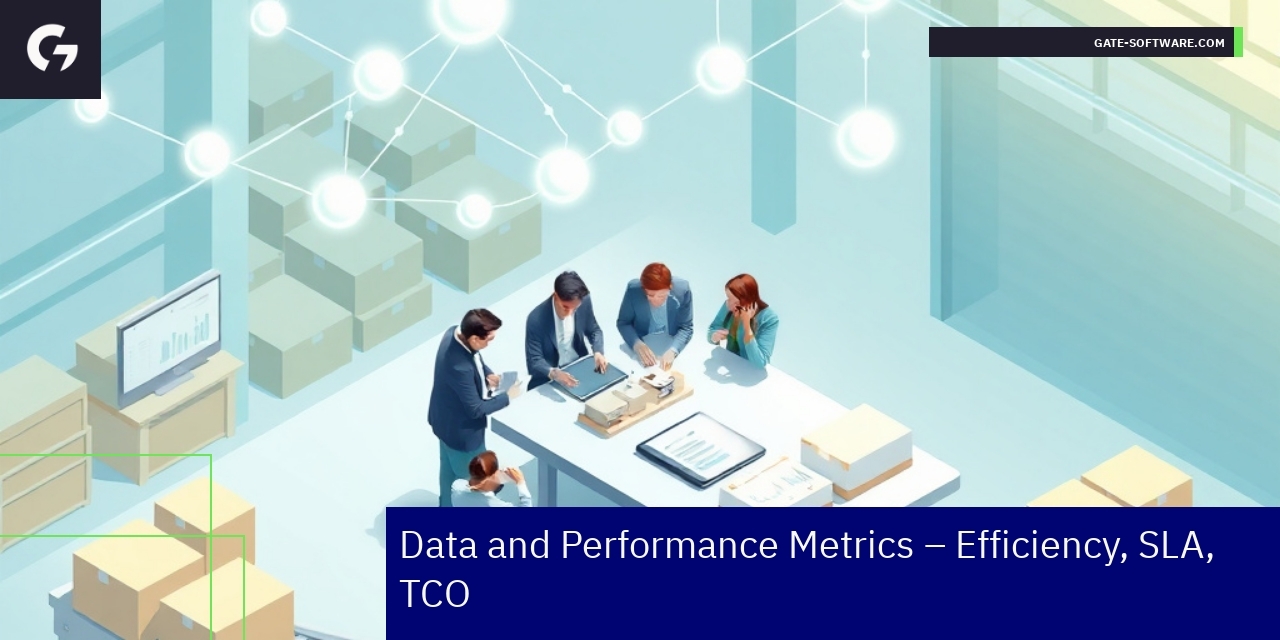
Data and Performance Metrics – Efficiency, SLA, TCO
Operational Effectiveness in B2B Projects
Gate-Software’s commitment to delivering exceptional B2B services is reflected in several key performance metrics that highlight operational efficiency and value. In recent implementations, the average project takeover time has been reduced to 2 weeks, ensuring that clients can transition seamlessly into enhanced digital commerce environments. Furthermore, an impressive 95% of projects were delivered on time, significantly enhancing client trust and satisfaction.
Cost efficiency is a paramount consideration for any B2B operation. Gate-Software has successfully achieved an average Total Cost of Ownership (TCO) reduction of 20% for our clients, primarily through streamlined processes and optimized resource allocation. This cost savings is complemented by a robust uptime Service Level Agreement (SLA) of 99.9%, demonstrating our commitment to reliability and performance.
In terms of operational longevity, our client relationships have averaged 5 years, indicating strong trust and satisfaction with our services. With over 100 successful B2B implementations under our belt, Gate-Software consistently adapts to client needs, ensuring tailored solutions that drive business growth.
These measurable results position Gate-Software as a leader in providing B2B solutions that not only meet but exceed client expectations, facilitating enhanced procurement processes and strategic business outcomes.
Summary
In today’s competitive landscape, optimizing your B2B ecommerce strategy is more vital than ever. Gate-Software’s solutions, particularly our expertise in Magento™, empower businesses to enhance operational efficiencies and streamline complex purchasing processes. By leveraging our B2B ecommerce platform, you can manage bulk orders, negotiate contracts, and customize pricing specifically tailored to your clients’ needs. Our systems ensure seamless integration with existing enterprise applications, facilitating real-time data flow and improved decision-making, which ultimately drives profitability.
Investing in a robust B2B system not only simplifies procurement processes but also fosters better collaboration with suppliers and partners, enhancing your overall business ecosystem. The unique functionalities of our B2B platform cater to the specific requirements of wholesale and retail operations alike, ensuring that you meet diverse market demands effectively. As businesses increasingly shift towards digital solutions, having a scalable and customizable B2B ecommerce platform becomes a strategic asset in achieving sustainable growth and maintaining a competitive edge. We invite you to explore how partnering with Gate-Software can transform your B2B operations and lead you towards a more efficient and prosperous future.
FAQ
What is a B2B ecommerce platform?
A B2B ecommerce platform is a specialized online marketplace designed exclusively for transactions between businesses, focused on bulk ordering and advanced pricing structures tailored to business relationships and order quantities.
Why should businesses invest in online wholesale?
Investing in online wholesale allows businesses to enhance efficiency, scale their operations, and streamline procurement and sales processes, reducing transaction times and operational costs while expanding market reach.
How does the purchasing process work in B2B commerce?
The B2B purchasing process involves multiple stakeholders and requires role-based access and approval workflows to streamline decision-making, with a focus on transparency and seamless integration between systems.
What are the key functions of a B2B store?
Key functions of a B2B store include order management, custom pricing models, bulk ordering capabilities, integration with other enterprise systems, and tailored customer catalogs that enhance operational efficiency and user satisfaction.
How can businesses optimize their pricing strategies on a B2B platform?
Businesses can optimize their pricing strategies by employing dynamic pricing models, utilizing algorithms to analyze historical data and market demand, while ensuring pricing aligns with customer agreements and order volumes.
.
.
Zamów bezpłatną konsultację
.
Z nami rozwój Twojego biznesu nabierze tempa! Zapraszamy do kontaktu średnie i duże firmy generujące min. 7 mln PLN obrotu rocznie – tam nasza ekspertyza sprawdza się najlepiej.
.
Kliknij w poniższy przycisk i skontaktuj się z jednym z naszych konsultantów e-commerce
.