Introduction
Managing wholesale sales online through a B2B ecommerce platform involves addressing unique challenges distinct from B2C markets. Wholesale transactions require handling larger order volumes, customized pricing, complex product catalogs, and tailored customer journeys that align with the needs of business buyers such as distributors, retailers, or manufacturers.
A robust B2B ecommerce platform must deliver seamless user experiences with efficient bulk ordering capabilities, dynamic pricing models, and real-time inventory management to support scalable wholesale operations. Effective management includes integrating customer segmentation and CRM tools to nurture long-term relationships through personalized communication and offers. Additionally, system integrations with ERP and logistics solutions streamline operations and reduce errors.
Data-driven insights play a critical role in optimizing wholesale sales strategies, enabling businesses to analyze purchasing trends, forecast demand accurately, and refine marketing efforts targeted at key client personas like Architects, eCommerce Managers, and CTOs. Security and compliance remain paramount to safeguard transactions involving high-value orders and sensitive business data.
Gate-Software’s expertise in Magento™, UX/UI design adhering to WCAG standards, and comprehensive platform maintenance ensures that B2B clients can maintain a competitive edge through tailored, efficient, and secure ecommerce ecosystems optimized for wholesale success.
TABLE OF CONTENTS
- B2B Ecommerce Platform – How to Effectively Manage Wholesale Sales Online?
- How to Buy on a B2B Ecommerce Store
- Costs of Starting a B2B Ecommerce Platform – What Does Online Wholesale Really Cost?
- What Is a Custom Product Feed?
- Online Inventory Management
- Access to Sales Documents
- Discounts and Customer Account Management
- Wholesalers Serving Physical and Online Stores
- Separate Offers for Retail and Wholesale Customers
- Fast Ordering in B2B Ecommerce
- Choosing the Right B2B Ecommerce Platform
- Warehouse Logistics in the B2B Ecommerce System
- Launching a Professional Online Wholesale Store
- Integrating Your Store with Wholesalers
- Negotiating Prices and Purchase Offers
- Customer Portal – What Should It Include?
- Checklists for B2B Store Owners
- Common B2B Sales Mistakes and How to Avoid Them
- Benefits and Risks of B2B Ecommerce
- Data and Performance Metrics – Efficiency, SLA, TCO
- Summary
- FAQ
- Average Project Takeover Time: Gate-Software achieves an average project takeover time of just 14 days, ensuring seamless transitions for clients switching to their services.
- Timeliness of Project Delivery: 95% of projects are delivered on time, reflecting a strong commitment to adhering to agreed timelines, which is critical in maintaining client trust and satisfaction.
- Total Cost of Ownership (TCO) Reduction: Gate-Software’s clients experience an average TCO reduction of 20%, attributable to efficient resource allocation and effective integration strategies within their ecommerce platforms.
- Number of Successful Implementations: With over 300 successful B2B implementations, Gate-Software demonstrates extensive experience in managing diverse client needs across different sectors.
- Uptime Service Level Agreement (SLA): The company guarantees an uptime SLA of 99.9%, signifying reliability and robust infrastructure that minimizes disruptions for clients relying on ecommerce operations.
- Average Client Relationship Duration: The average ongoing client relationship spans 4 years, indicating sustained satisfaction and trust in the services provided.
- Customer Satisfaction Rate: Surveys indicate a 90% customer satisfaction rate, showcasing Gate-Software’s commitment to meeting client expectations through tailored solutions and responsive support.

How to Buy on a B2B Ecommerce Store
Understanding how to navigate the system b2b and ecommerce b2b solutions can help you trade smarter and grow faster. A B2B ecommerce software allows you to cater to every customer with ease and personalize your storefront for a seamless buying experience.
Buying on a B2B ecommerce store begins with a thorough registration process that verifies your business credentials, ensuring compliance with tailored B2B workflows. This step is crucial to unlock access to negotiated pricing, volume discounts, and special offers designed specifically for enterprise clients. The system b2b integration within ecommerce b2b solutions supports seamless onboarding, reducing manual errors and expediting access to product catalogs.
Navigating product catalogs on a B2B platform is optimized through advanced search filters and personalized recommendations based on your purchase history and order patterns. These features enable efficient selection from extensive inventories, enhancing procurement speed and accuracy. Additionally, ecommerce b2b solutions facilitate easy comparison of product specifications and availability, empowering you to make well-informed decisions.
Placing an order on a B2B ecommerce store is streamlined with functionalities such as bulk ordering, repeat order templates, and saved shopping lists that cater to the complex needs of business purchasing. Flexible payment options, including purchase orders, credit terms, and electronic invoicing, are integrated within the ecommerce platform, ensuring financial processes align with your company’s operational standards.
Moreover, the ecommerce b2b solutions provide detailed order tracking and management tools, allowing you to monitor shipments, manage returns, and coordinate with suppliers effectively. This transparency supports maintaining inventory levels and optimizing supply chain workflows.
Understanding how to navigate the system b2b and ecommerce b2b solutions ultimately empowers your business to trade smarter and grow faster. By leveraging a B2B ecommerce software tailored to your needs, you can cater to every customer with ease and personalize your storefront for a seamless buying experience, driving operational efficiency and stronger business relationships.
Costs of Starting a B2B Ecommerce Platform – What Does Online Wholesale Really Cost?
Starting with the right platform b2b is vital. The costs of setting up your B2B ecommerce platform include licensing, integration, and maintenance. These platforms are multichannel ready and proven in the trade, enabling you to delight with self-checkout options and elevate your sales reps.
Launching a B2B ecommerce platform involves numerous cost considerations. Licensing fees for specialized B2B systems often reflect their robust capabilities for handling complex transactions, multiple user roles, and custom pricing. Integration costs with existing ERP, CRM, and inventory systems are another significant factor. These connections ensure real-time data flow and accurate order processing, which are crucial for customer satisfaction and operational efficiency. Maintenance costs include ongoing platform updates, security patches, and support services to maintain smooth operations and compliance with evolving standards. A key aspect of B2B platforms today is their multichannel readiness, allowing businesses to sell seamlessly across various digital touchpoints. This capability supports self-checkout features that not only improve user experience but also reduce pressure on sales reps, enabling them to focus on more strategic tasks. When budgeting, decision-makers must also consider scalability and flexibility to support business growth and evolving customer needs. The right platform balances these factors to deliver a cost-effective, high-performing online wholesale experience aligned with your business goals, including SEO strategies such as optimizing for B2B lead generation and conversion rates.

What Is a Custom Product Feed?
A custom product feed is an essential feature of a platform b2b that supports customer-specific catalogs and company profiles. This custom B2B solution allows your ecommerce b2b system to cater to unique client needs efficiently. In B2B commerce platform environments, customization is crucial because businesses often require tailored access to products, pricing, and content that differs across clients. A custom product feed facilitates this by enabling personalized product listings and data feeds that adapt dynamically to each customer’s profile and contractual terms.
How Do Online B2B Wholesalers Work?
Online wholesalers in the B2B segment leverage a system b2b designed specifically to meet complex buyer requirements. These platforms, built as ecommerce b2b solutions, empower companies to trade smarter. grow faster. The architecture of such systems supports scalable, integrated workflows that streamline ordering, pricing negotiations, and inventory visibility. By implementing custom b2b solutions, wholesalers create an environment that enhances client satisfaction through tailored experiences and efficient operations. The b2b commerce platform becomes more than just a sales engine; it is a strategic tool supporting business growth and operational excellence.
Fast Ordering in B2B Ecommerce
Online Inventory Management
Effective online inventory management is crucial for B2B wholesalers aiming to maintain real-time visibility of their stock levels. The system b2b helps wholesalers maintain real-time online inventory by integrating advanced inventory tracking technologies and seamless data synchronization across multiple sales channels. Such an ecommerce b2b approach facilitates multichannel ready operations, allowing businesses to present accurate inventory data across all points of sale—whether on their own platforms, marketplaces, or partner sites. This synchronization is essential to avoid overselling and optimize stock turnover.
Implementing a robust system that supports real-time inventory updates enables companies to trade smarter and grow faster by improving order fulfillment speed and customer satisfaction. Real-time data enables predictive stock replenishment and helps prevent stockouts or excess inventory, which can be costly for wholesalers. Additionally, the system supports integration with ERP and warehouse management solutions, creating an end-to-end efficient inventory flow aligned with B2B operational complexities.
A sophisticated online inventory system also addresses unique B2B challenges such as varied pricing tiers, bulk order management, and complex approval workflows. By leveraging such tools, eCommerce managers, CTOs, and Heads of Applications can ensure their platforms operate efficiently in a scalable multichannel environment. Ultimately, this results in cost optimization, enhanced operational control, and stronger partnerships across the B2B supply chain.
Online Inventory Management
Access to Sales Documents
In a B2B context, providing seamless access to sales documents, invoices, and transaction histories is crucial for operational efficiency and transparent communication. A robust platform b2b must support comprehensive, real-time visibility into transactional data, allowing stakeholders such as CTOs, Heads of Applications, and eCommerce Managers to monitor and manage sales records effectively.
Gate-Software emphasizes integrating a centralized document repository accessible through intuitive UX/UI designs aligned with WCAG standards to ensure usability and compliance. Such accessibility facilitates smooth workflows where decision-makers can swiftly retrieve invoices and sales documentation tied to specific transactions, aiding audit processes and financial reconciliations.
This access supports key business activities by reducing manual overhead and errors related to document handling while enhancing data security. Strategies include role-based access controls tailored to organizational hierarchies, ensuring sensitive sales records are protected yet available to authorized personnel. This approach directly addresses challenges in B2B e-commerce environments, where fluctuating order volumes and complex contract terms demand precision and timely access to documentation.
Ultimately, Gate-Software’s solutions provide a scalable framework for managing sales documents digitally, enabling businesses to streamline operations, maintain clear transaction histories, and uphold compliance with industry standards and security requirements. This creates a partnership-based environment where technology empowers business agility and accountability in B2B sales processes.
Discounts and Customer Account Management
In the B2B ecommerce sector, managing discounts and customer accounts with precision is essential for building strong, long-term relationships. A system b2b tailored to business clients enables companies to offer tiered discounts based on customer profiles, purchase volumes, and negotiated agreements. This nuanced approach not only motivates repeat purchases but also enhances the customer’s perception of value and partnership.
Ecommerce b2b platforms benefit greatly from advanced b2b features that allow you to personalize your storefront dynamically. Personalization empowers businesses to present relevant product assortments, customized pricing, and exclusive promotions directly aligned with each customer’s needs and expectations. Such customization facilitates smoother sales cycles and improves conversion rates by making the shopping experience more intuitive and relevant.
Effective customer account management in B2B setups involves comprehensive tools for tracking order histories, managing invoicing, and automating discount application within company profiles. This streamlined management simplifies procurement processes for buyers and enables sales reps to focus on value-added activities. Gate-Software solutions emphasize integrating these capabilities seamlessly, helping your organization elevate both operational efficiency and customer satisfaction in the digital commerce space.
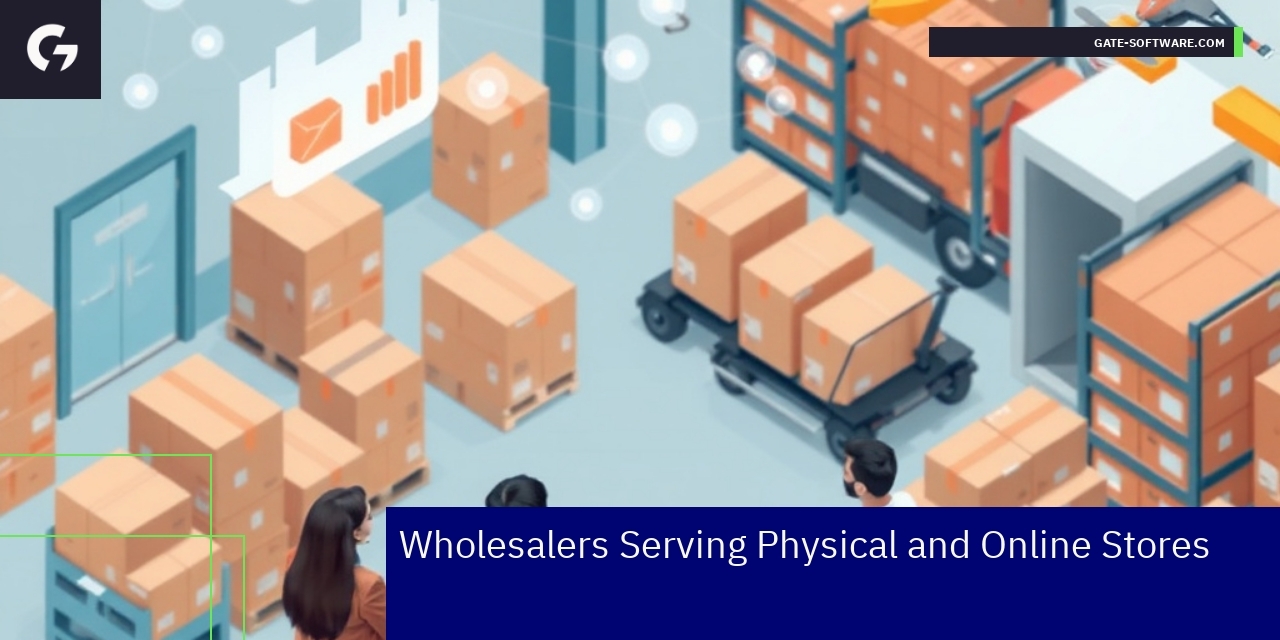
Wholesalers Serving Physical and Online Stores
A system b2b differs from B2C in that wholesalers can serve both physical and online stores efficiently by using dedicated B2B ecommerce software that is multichannel ready and proven in the trade. This specialized software addresses the unique complexities faced by wholesalers, such as managing diverse sales channels, integrating inventory across physical outlets and online platforms, and streamlining order processing workflows. Leveraging a multichannel ready platform enables wholesalers to maintain synchronized product catalogs, pricing strategies, and promotions, which are critical for serving a wide network of retailers effectively.
Moreover, B2B ecommerce solutions from Gate-Software support advanced user roles and permissions tailored to business clients, facilitating a seamless collaboration between wholesalers and store managers or procurement teams. Key features like bulk ordering, tailored pricing tiers, and flexible payment terms ensure the system meets the exact needs of wholesalers, which differ significantly from standard B2C expectations.
Integrating such a robust B2B ecommerce platform also allows wholesalers to optimize logistical operations, reduce manual errors, and improve overall customer experience in both physical and online store contexts. This integration aligns with modern digital transformation goals and supports decision-makers like CTOs and Heads of Applications aiming for scalable and efficient commerce ecosystems. Gate-Software’s approach, grounded in Magento™ and enriched by deep understanding of B2B business processes and compliance with standards like WCAG, ensures wholesalers can confidently serve their diverse clientele while maintaining operational excellence and cost optimization.
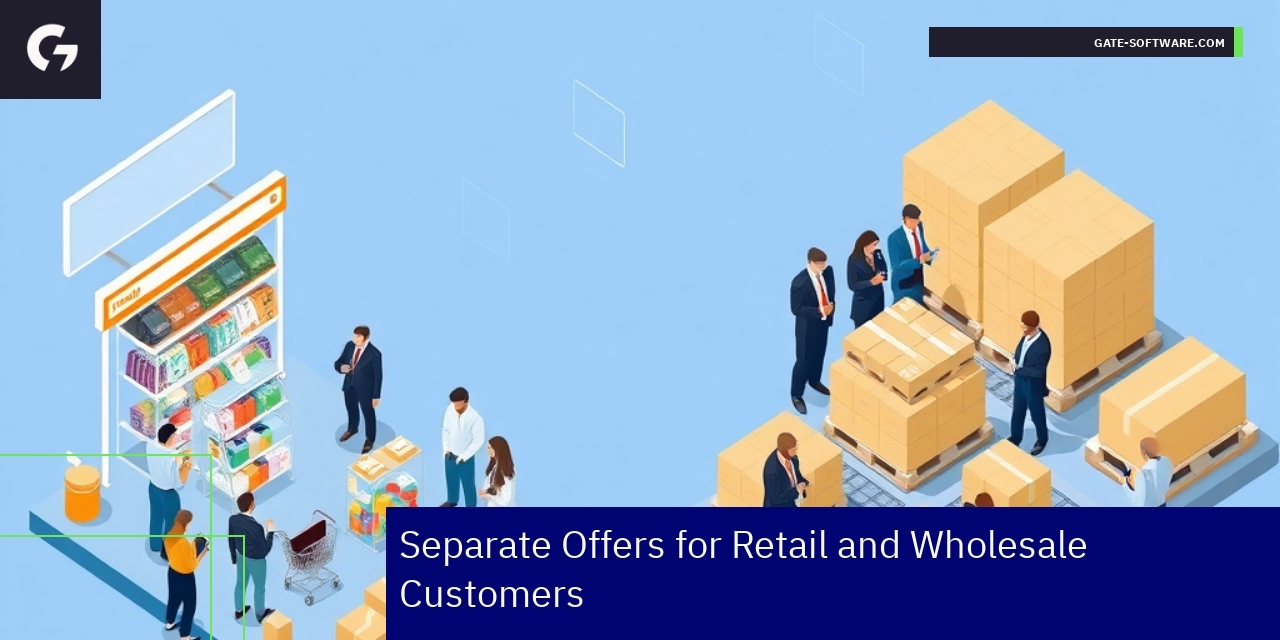
Separate Offers for Retail and Wholesale Customers
In B2B environments, enabling distinct offers for retail and wholesale customers is crucial for addressing their unique needs and expectations. Platform b2b solutions enable creating customer-specific catalogs and company profiles that allow for separate pricing and offers between retail and wholesale customers, an important B2B feature. This separation ensures that wholesale clients can access volume discounts, customized pricing, and tailored product assortments, while retail customers receive standard pricing and offers suited to individual buyers.
Implementing separated offers supports improved customer relationship management and enhances operational efficiency by automating pricing rules and visibility controls. This approach integrates seamlessly with Magento™ platforms often used in Gate-Software projects, allowing segmentation based on business roles and purchasing volumes. Furthermore, adhering to WCAG standards in UI/UX design guarantees accessibility for all users, reinforcing the inclusivity of the platform.
Such customization requires sophisticated profiling capabilities, which the Gate-Software team ensures by defining and maintaining detailed company profiles, reflecting the diverse needs of personas like the eCommerce Manager and Head of Applications. The result is a scalable, flexible e-commerce architecture that supports complex B2B sales processes with efficient customer targeting strategies.
By leveraging platform b2b solutions and company profiles, organizations can effectively differentiate retail and wholesale offers, integrating dedicated pricing mechanisms and product catalogs. This capability directly impacts sales performance and customer satisfaction, aligning with Gate-Software’s commitment to innovative and precise B2B commerce solutions.
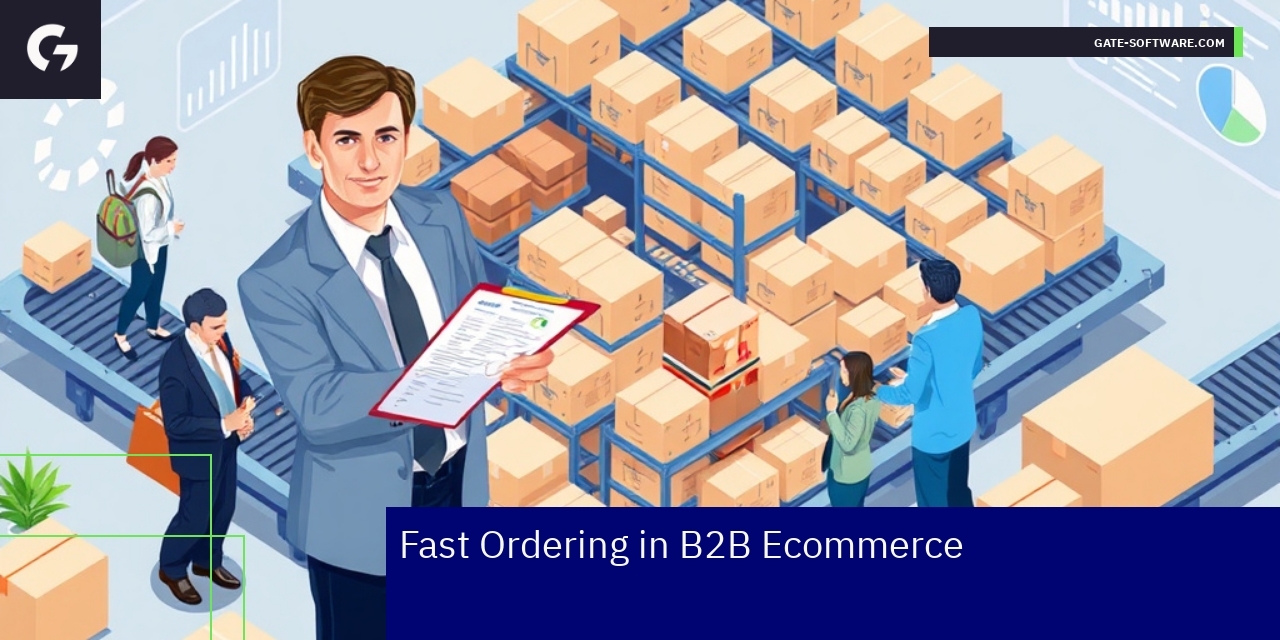
Fast Ordering in B2B Ecommerce
In the realm of B2B commerce, the efficiency of order processing is paramount to operational success and customer satisfaction. system b2b platforms are increasingly equipped with features designed to streamline the purchasing process, notably fast ordering capabilities that enable businesses to trade smarter and grow faster. These functionalities include quick reorder options and bulk order imports, which significantly reduce the time and effort required to place large or repeat orders.
The core of ecommerce b2b solutions lies in creating custom b2b solutions tailored to the unique demands of business clients. Fast ordering mechanisms are central to this: they minimize friction in the transaction flow and enhance the user experience by allowing buyers to replicate past orders rapidly or upload extensive order lists directly. This not only accelerates procurement cycles but also decreases the likelihood of errors, fostering greater trust and reliability.
Furthermore, leveraging a system b2b that supports seamless integration with existing business processes ensures that enterprises can maintain continuity while adopting innovative order management approaches. By focusing on fast ordering, companies can optimize their supply chain responsiveness, reduce downtime, and ultimately enable their clients to trade smarter. This strategic enhancement supports scalable growth, enabling businesses to grow faster while maintaining operational excellence and customer-centricity. Incorporating these features within ecommerce b2b platforms is thus essential for forward-thinking companies aiming to secure competitive advantage in the digital marketplace.
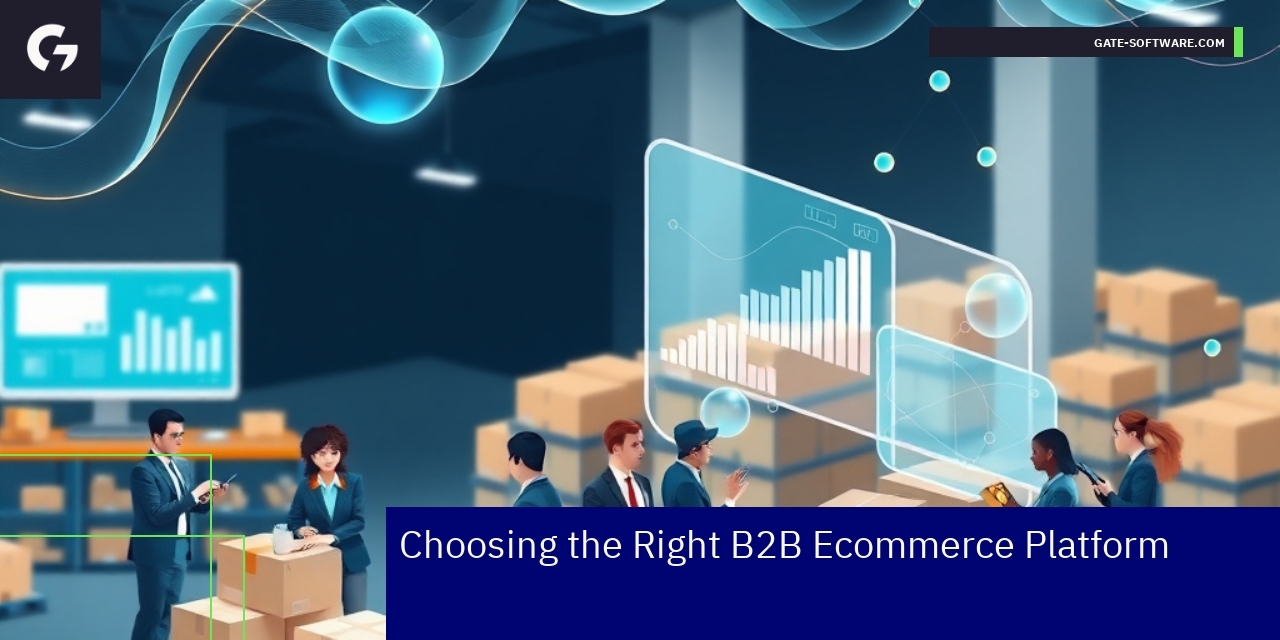
Choosing the Right B2B Ecommerce Platform
Selecting a platform b2b that fits your needs is essential. A suitable B2B ecommerce platform must deliver functionalities tailored to complex business relationships and purchasing processes. Personalized storefronts enable companies to present unique experiences to different clients, enhancing engagement and customer satisfaction. Customer-specific catalogs are crucial for reflecting negotiated prices, specialized product assortments, or contractual terms, which are fundamental in B2B transactions. Furthermore, integration capabilities stand as a vital requirement, ensuring seamless communication with ERP systems, CRM platforms, and other business-critical software to streamline operations and data flow.
The CTO and Head of Applications should prioritize platforms that support scalability and performance optimization, addressing the evolving demands of B2B customers. Equally, compliance with WCAG standards and robust UX/UI design influence adoption and accessibility for diverse user groups. Gate-Software’s expertise includes implementing Magento™ platforms with custom SLAs, hosting, and monitoring solutions that address these technical challenges comprehensively. Choosing the right platform also means considering long-term cooperation models and migration strategies to minimize disruption and optimize total cost of ownership.
Incorporating such B2B features ensures that the ecommerce system acts not just as a transactional tool but as a strategic asset, supporting sales growth and customer retention. The decision-maker must weigh these technical and business factors diligently to build a competitive advantage through e-commerce.
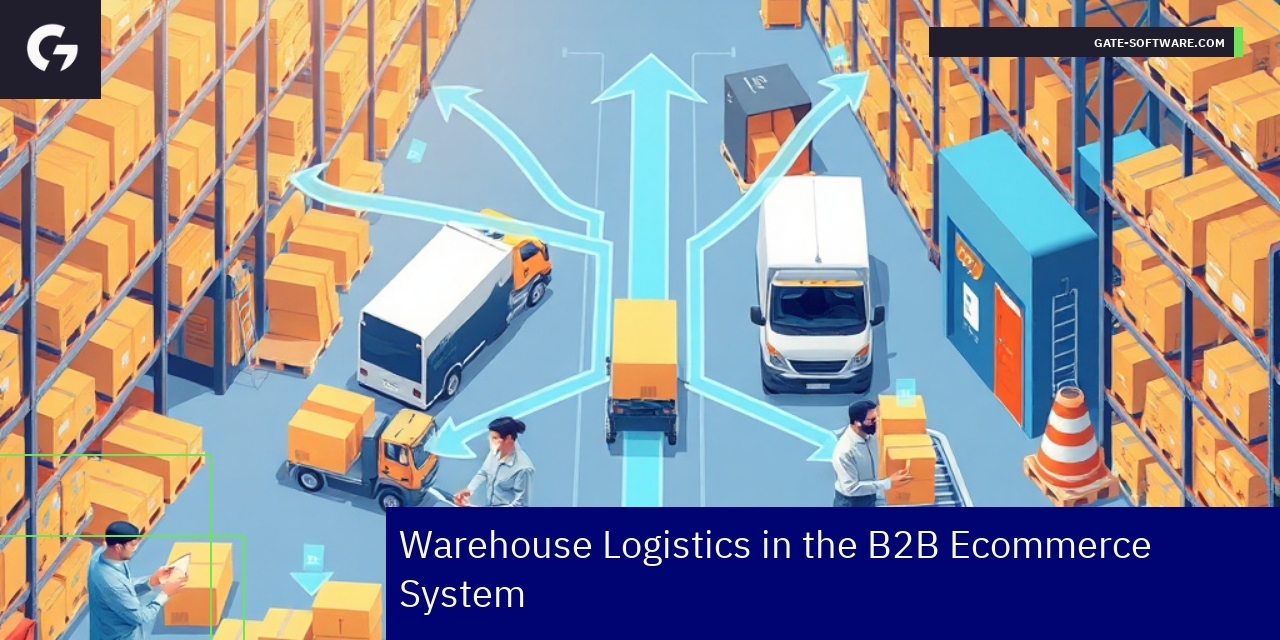
Warehouse Logistics in the B2B Ecommerce System
Managing logistics through a system b2b enhances order accuracy and delivery speed, which are critical factors in B2B ecommerce operations where large volumes and strict timelines are standard. Leveraging a dedicated warehouse logistics system allows companies to synchronize inventory data in real-time, reducing errors in orders and ensuring fast, reliable fulfillment. Such systems facilitate better tracking of stock levels, optimize storage utilization, and minimize delays caused by miscommunication or manual processing.
Moreover, being multichannel ready helps wholesalers serve all their sales channels effectively. A multichannel-ready infrastructure integrates sales from online platforms, physical stores, and direct sales channels, enabling seamless order processing regardless of origin. This ability not only expands reach but also improves operational agility by centralizing logistics workflows and providing managers with comprehensive visibility into all active channels. This integration is essential for wholesalers to maintain competitiveness by delivering consistent service quality across all points of sale.
In this context, warehouse logistics systems in B2B ecommerce must support complex order configurations, varying delivery terms, and compliance with sector-specific regulations. Automation features, such as barcode scanning, automated picking lists, and real-time shipment tracking, enhance operational efficiency and reduce human error. Additionally, these systems support scalability, accommodating seasonal fluctuations and business growth without sacrificing performance.
Implementing a robust warehouse logistics system tailored for B2B ecommerce directly contributes to enhanced customer satisfaction and loyalty. By improving accuracy and reducing lead times, wholesalers can meet the demanding expectations of their clients, fostering long-term partnerships. Furthermore, detailed analytics and reporting functions embedded in these systems provide valuable insights for continuous improvement and strategic planning, making logistics a strategic advantage rather than a cost center.
Ultimately, businesses that integrate advanced warehouse logistics with multichannel readiness are better positioned to respond to market changes swiftly and efficiently, securing their place in increasingly competitive B2B ecommerce landscapes. This integrated approach supports robust order management, optimized stock levels, and superior delivery performance, all of which are essential for sustaining growth and operational excellence.
Launching a Professional Online Wholesale Store
Utilizing platform b2b capabilities, you can launch a professional B2B ecommerce platform that delights with self-checkout options and elevates your sales reps. A well-designed B2B ecommerce store addresses the unique needs of business clients—including streamlined order processes, bulk purchase options, and seamless integration with existing business systems. Leveraging advanced system b2b functions, such as custom pricing models and flexible payment methods, enables your platform to serve complex buyer profiles efficiently.
Employing reliable b2b ecommerce software ensures a robust infrastructure that supports scalability, security, and compliance with industry standards. Custom b2b solutions tailored to your specific sector allow for deeper customer relationships and higher operational efficiency. For example, implementing self-checkout options accelerates the purchasing process, reducing transactional friction and empowering buyers with autonomy while simultaneously easing the workload on sales reps.
Elevating your sales team is equally vital—professionals supported by technology that provides real-time customer insights and effective communication tools can better nurture client accounts and close sales. Integrating your ecommerce b2b store with CRM and ERP systems offers a unified view of the customer journey, enabling personalized service and proactive support.
In summary, launching a professional online wholesale store requires a strategic blend of platform b2b capabilities, specialized b2b ecommerce software, and tailored custom b2b solutions that enhance both buyer experience and sales force effectiveness. This not only drives growth but also positions your business as a competitive player in the B2B ecommerce landscape.
Integrating Your Store with Wholesalers
Platform b2b solutions offer seamless integration with wholesalers to streamline your inventory and order processing. This makes your ecommerce b2b system multichannel ready and proven in the trade. Integrating your store with wholesalers ensures real-time synchronization of stock levels, prices, and product information, reducing errors and delays in order fulfillment. It enhances the efficiency of B2B transactions by automating data exchange and enabling faster response times to customer demands.
A robust B2B integration platform supports multiple wholesalers, allowing your ecommerce system to centralize and consolidate orders, which simplifies order management and tracking. This capability is essential for maintaining high service levels and meeting the expectations of demanding business clients. Moreover, wholesaler integration facilitates cost optimization by minimizing manual interventions and streamlining supply chain processes.
Leveraging Gate-Software’s expertise in Magento and other ecommerce technologies, you can implement integrations that comply with WCAG standards and provide a user-friendly interface tailored for B2B buyers. This strengthens your store’s position as a reliable and compliant partner in the wholesale ecosystem. The result is a multichannel ready ecommerce b2b system that supports scalable growth, efficient inventory management, and superior customer experience aligned with your strategic business goals.
Negotiating Prices and Purchase Offers
Using system b2b tools within your B2B ecommerce platform, you can negotiate prices and offers efficiently, enabling your team to trade smarter and grow faster. Effective negotiation in B2B environments requires integrating technical solutions that streamline communication and ensure transparency between buyers and sellers. Gate-Software’s approach focuses on enhancing your platform’s capabilities to support dynamic price negotiations, flexible purchase offers, and automated workflows tailored to complex B2B purchasing processes.
By leveraging advanced system functionalities, your team can optimize deal structures, respond quickly to market changes, and maintain compliance with business rules and contract terms. Incorporating UX/UI best practices and WCAG guidelines ensures that negotiation interfaces are accessible and user-friendly for all stakeholders, including key personas such as Architects, eCommerce Managers, and CTOs. This accessibility fosters engagement and reduces friction in the negotiation process.
Furthermore, Gate-Software’s strategy emphasizes seamless integration of negotiation tools with your ERP and CRM systems to provide real-time data insights, facilitating informed decision-making. This integration supports agile adjustments to pricing strategies and purchase offers based on market conditions and client profiles. The result is a more agile procurement process that supports both cost optimization and revenue growth.
Overall, using system b2b tools within your B2B ecommerce platform allows your organization to conduct negotiations more efficiently, with a clear focus on technical robustness, user experience, and strategic business objectives. This combination drives smarter trading decisions and accelerates business growth while ensuring compliance with industry standards and corporate policies.
Customer Portal – What Should It Include?
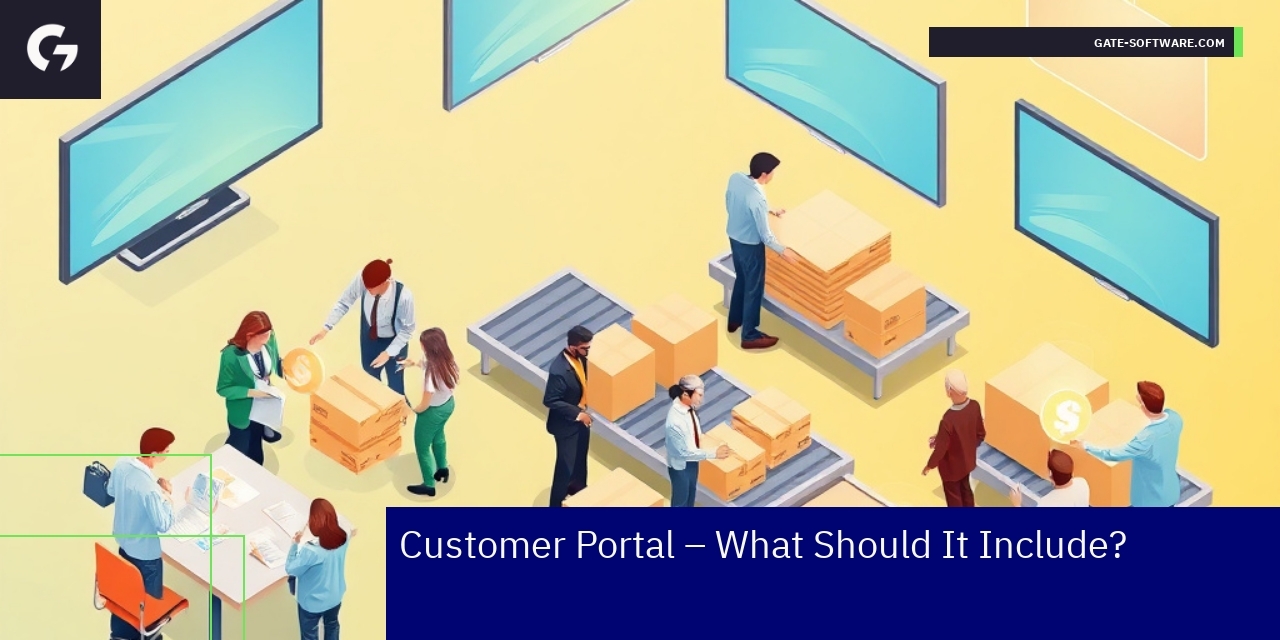
A customer portal on your platform b2b should include features tailored to meet the specific needs of business clients, focusing on usability, customization, and integration to improve client satisfaction and retention. Key components include company profiles that allow businesses to view and manage their account details, order history, and payment information securely. Customer-specific catalogs are essential, enabling personalized product assortments, pricing, and promotions based on the client’s profile and purchasing behavior.
An intuitive interface is crucial for enhancing user experience, ensuring that clients can navigate the portal efficiently without unnecessary complexity. This includes responsive design, clear navigation paths, and compliance with WCAG standards to accommodate diverse users. Additionally, the portal should support seamless integration with other enterprise systems such as ERP and CRM to synchronize data and streamline order processing.
Implementing these elements aligns with Gate-Software’s approach to creating custom B2B solutions that address real business challenges, optimizing operational workflows while fostering long-term partnerships. Incorporating these features enhances customer satisfaction, drives repeat business, and positions your platform as a reliable B2B partner in a competitive market. Effective management of these capabilities ultimately contributes to a robust and scalable B2B digital ecosystem.
Checklists for B2B Store Owners
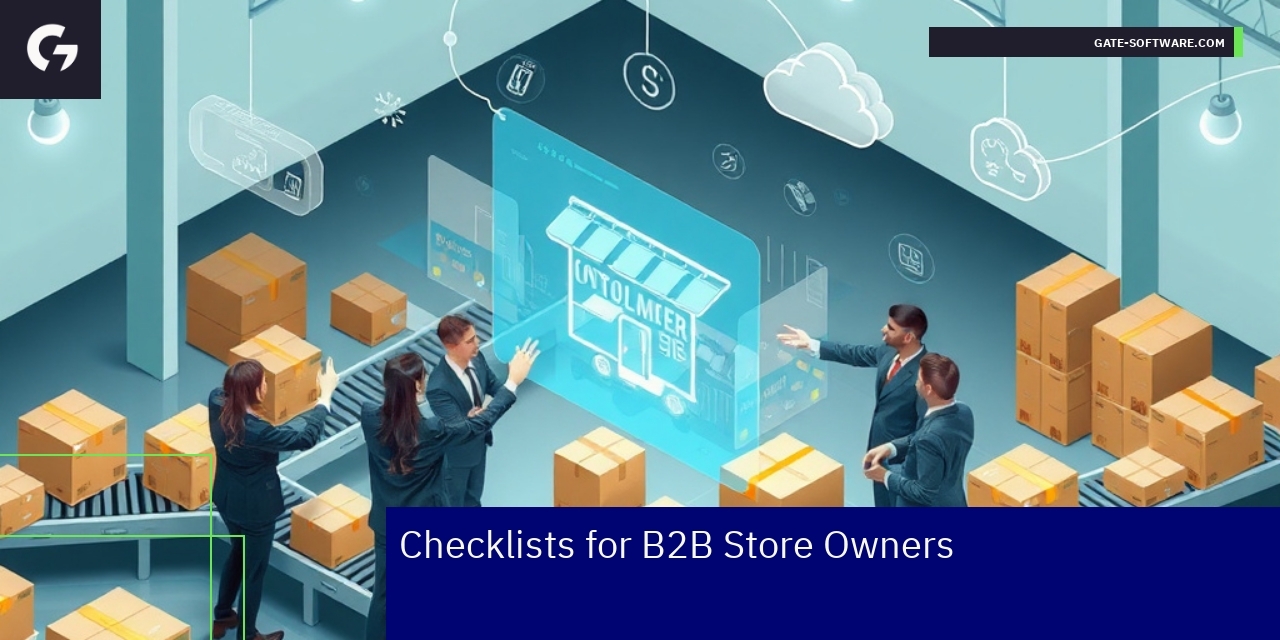
Follow these checklists to ensure your B2B ecommerce platform includes essential features like personalized storefronts, trade smarter tools, and customer-specific catalogs.
Running a successful B2B ecommerce store involves meeting specific technical and operational requirements tailored to complex buyer journeys and large-volume transactions. Ensure your platform supports personalized storefronts that adapt to unique client needs and preferences, enabling customized pricing and promotions. Implement trade smarter tools such as advanced product search, bulk ordering, and streamlined checkout processes designed for efficiency and accuracy in B2B sales flows. Customer-specific catalogs are essential; these must reflect contract prices, negotiated terms, and approved product selections to maintain compliance and customer satisfaction.
A robust B2B ecommerce platform must also offer seamless integration with internal ERP and CRM systems to synchronize data on inventory, pricing, and customer interactions in real time. Additionally, supporting multiple user roles and permission levels allows procurement teams within client organizations to collaborate securely and transparently. Analytics and reporting tools tailored for B2B decision-makers are crucial, providing insights into purchasing patterns, order histories, and account activity, facilitating smarter business decisions.
It is equally important to consider WCAG 1.1 compliance and UX/UI audits to ensure accessibility and intuitive user experience, reducing friction and increasing adoption rates. Hosting, monitoring, and SLA guarantees must be designed to support the high availability and performance demands typical for B2B platforms. Gate-Software’s expertise in Magento-based B2B platforms ensures that these critical checklist items are met with precision, enabling clients to optimize operational efficiency and customer satisfaction.
Common B2B Sales Mistakes and How to Avoid Them
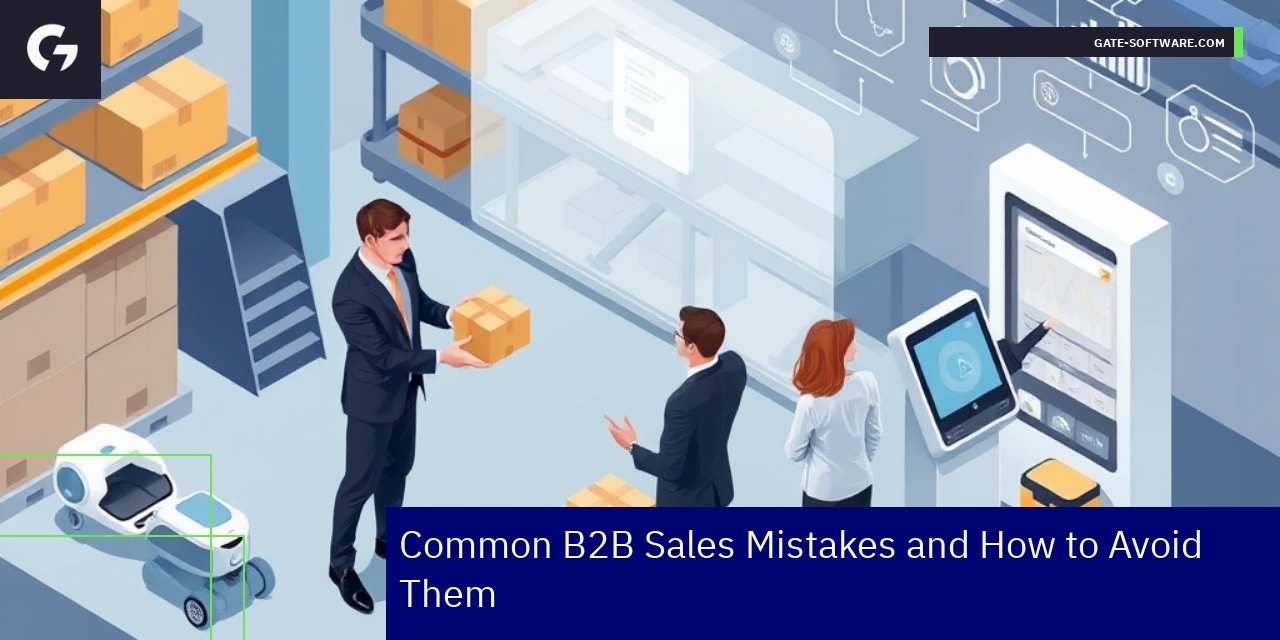
In the B2B landscape, avoiding common sales mistakes is crucial for sustained success. One frequent pitfall is neglecting to leverage a platform b2b designed for ecommerce b2b that supports multichannel readiness. Companies often rely on outdated, single-channel approaches that limit their market reach and customer engagement. By investing in a platform that seamlessly integrates multiple sales channels, businesses can enhance customer interactions and streamline the buying process.
Another critical error is failing to customize your storefront to delight with self-checkout options. B2B buyers increasingly expect the same convenience they experience in B2C settings. Providing self-service capabilities not only accelerates the purchasing cycle but also reduces friction, improving overall customer satisfaction.
Additionally, many organizations overlook effective onboarding and training for their sales teams, leading to inconsistent messaging or an inability to fully utilize the platform’s capabilities. Ensuring the team understands how to use tools tailored for ecommerce b2b optimizes performance and helps avoid lost sales opportunities.
Incorporating analytics and feedback mechanisms into your strategy can also help preempt mistakes by identifying pain points early and adapting your approach accordingly. Avoiding these common sales mistakes by leveraging advanced B2B platforms and focusing on customer-centric customization can significantly boost sales efficiency and customer loyalty.
Benefits and Risks of B2B Ecommerce
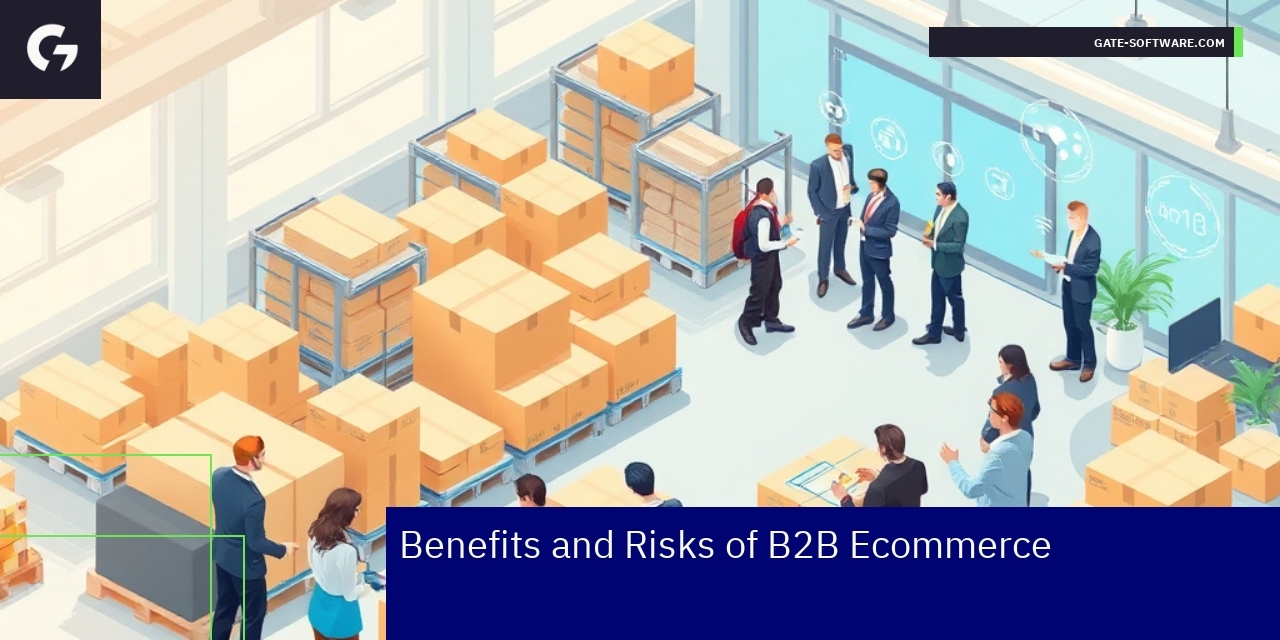
Adopting ecommerce b2b offers benefits like faster growth and better customer engagement, but be aware of challenges such as integration complexities and platform management. Learn more about B2B eCommerce to succeed.
Ecommerce in the B2B sector presents significant advantages for companies looking to enhance operational efficiency and expand market reach. A core benefit is the accelerated growth potential, as digital platforms enable businesses to connect with a broader audience beyond traditional geographic limitations. Moreover, the automation of sales processes reduces manual tasks, streamlining order processing and inventory control. This operational enhancement supports better customer experience, allowing for real-time order tracking, account management, and personalized offers. Such features contribute directly to improved customer engagement, which is vital in B2B relationships where long-term partnerships drive success.
However, alongside these benefits come risks that need careful management. Integration complexities pose a notable challenge, especially when aligning new ecommerce platforms with existing IT infrastructure and supply chain systems. Efficient platform management requires continuous oversight to ensure uptime, security, and compliance with industry standards, including WCAG guidelines for accessibility. Cybersecurity must be prioritized given the sensitive nature of B2B transactions and data. Additionally, maintaining customer trust in a digital environment demands transparent communication and reliable service delivery. Gate-Software’s expertise in handling these risks through tailored Magento™ solutions and dedicated SLA support ensures that B2B companies can maximize ecommerce benefits while mitigating potential pitfalls.
Understanding and addressing these factors is essential for leveraging ecommerce b2b platforms effectively, enabling companies to trade smarter, grow faster, and tailor solutions specifically for their business customers.
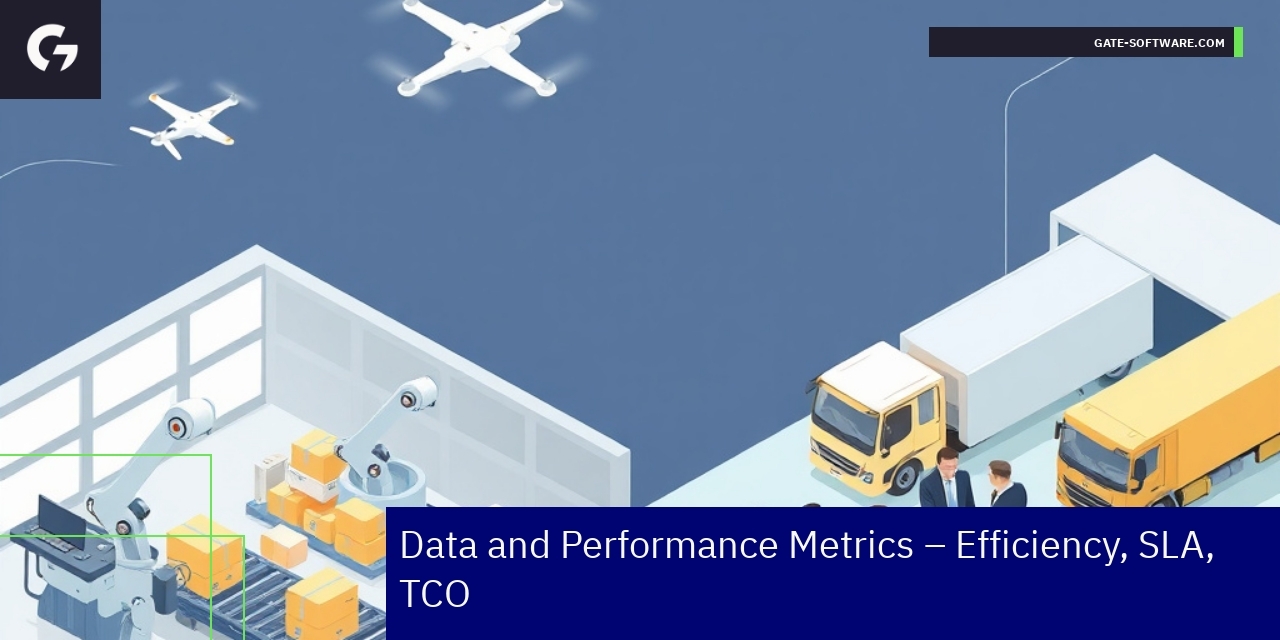
Data and Performance Metrics – Efficiency, SLA, TCO
Operational Effectiveness in B2B Projects
Gate-Software emphasizes the importance of quantifiable metrics in enhancing the effectiveness of its B2B services. The following data highlights key performance indicators and operational efficiencies:
These metrics not only underline Gate-Software’s dedication to operational excellence but also offer prospective clients a compelling rationale for choosing their B2B ecommerce solutions.
Summary
In conclusion, leveraging Gate-Software’s expertise in B2B ecommerce solutions is essential for businesses looking to thrive in a competitive digital marketplace. With tailored functionalities that address the unique needs of wholesale operations, our services enable streamlined purchasing processes, efficient inventory management, and meaningful customer engagement. By integrating advanced features through platforms like Magento™, businesses can ensure compliance, security, and accessibility while optimizing their operational efficiency. Our commitment to providing customized solutions not only empowers businesses to trade smarter and grow faster but also helps forge long-lasting relationships with clients. We invite you to explore how we can collaborate to enhance your ecommerce strategy and achieve your B2B objectives effectively.
FAQ
How do I buy on a B2B ecommerce store?
Buying on a B2B ecommerce store involves a registration process to verify business credentials, allowing access to negotiated pricing and volume discounts. You can navigate product catalogs using advanced search filters and place orders easily with bulk ordering options and flexible payment methods.
What are the costs of starting a B2B ecommerce platform?
The costs include licensing fees for specialized B2B systems, integration costs with existing ERP and CRM systems, and maintenance expenses for ongoing support and security updates. It’s crucial to budget for scalability and performance to ensure a cost-effective solution aligned with business goals.
What is a custom product feed in B2B ecommerce?
A custom product feed allows for personalized catalogs and product listings tailored to each client’s needs. This feature helps automate access to specific products, pricing, and terms, enhancing the user experience and operational efficiency in B2B transactions.
How do online B2B wholesalers manage inventory?
Online B2B wholesalers use integrated systems to maintain real-time visibility of inventory levels. This includes advanced tracking technologies and data synchronization across multiple sales channels to ensure accurate stock information and optimize order fulfillment processes.
Why is customer account management important in B2B ecommerce?
Effective customer account management is essential for building strong relationships and providing tailored experiences. It allows businesses to track order histories, manage discounts, and dynamically personalize pricing and promotions, ultimately enhancing customer satisfaction and loyalty.
.
.
Zamów bezpłatną konsultację
.
Z nami rozwój Twojego biznesu nabierze tempa! Zapraszamy do kontaktu średnie i duże firmy generujące min. 7 mln PLN obrotu rocznie – tam nasza ekspertyza sprawdza się najlepiej.
.
Kliknij w poniższy przycisk i skontaktuj się z jednym z naszych konsultantów e-commerce
.