Introduction
In the B2B e-commerce domain, the functionality of a store plays a critical role in facilitating complex and high-value transactions typical for business clients. Unlike B2C environments, B2B stores must accommodate multiple user roles within a single company, offer personalized pricing and tailored product catalogs, and support bulk ordering processes. Robust user account management systems enable precise control over permissions and workflows, ensuring operational efficiency for buyers.
Flexible payment options such as credit terms, invoicing, and purchase orders are essential to meet the varied financial processes of corporate customers. Advanced search and filtering capabilities help users navigate extensive inventories with ease, quickly locating products that meet their specific technical or industry requirements.
A well-integrated quote management system supports pricing negotiations, an intrinsic part of B2B purchasing. Real-time order tracking and comprehensive order management provide transparency and enhance client trust. Integration with ERP and CRM systems ensures seamless data synchronization, enabling efficient operational flows and accurate inventory management.
Finally, mobile optimization and dedicated customer support channels address the increasing demand for agile, responsive service, empowering business customers to make decisions and place orders anytime, anywhere. Meeting these key functions lays a solid foundation for building a scalable and competitive B2B e-commerce platform aligned with Gate-Software’s strategic approach to digital commerce and client-centric solutions.
TABLE OF CONTENTS
- B2B E-commerce — Key Functions a B2B Store Must Have
- Implementing a B2B Store – Is It Right for You?
- Cost of Setting Up a B2B Store – What Does Wholesale Distribution and Sales Really Cost Online?
- Targeting Wholesale Offers
- Multiple Accounts Under One Client
- Option for Separate Wholesaler Support
- Smooth Wholesale Operations
- B2B Store – Benefits of Ownership
- Data and Performance Metrics – Efficiency, SLA, TCO
- Summary
- FAQ
Implementing a B2B Store – Is It Right for You?
Looking to Launch a B2B Store? Check Automico B2B!
Launching a system b2b can significantly enhance your business operations by streamlining ecommerce b2b processes. Platforms b2b like Automico B2B offer specialized functionalities tailored to the needs of wholesale clients, including support for multiple accounts under one client and individual product feed management. This setup allows for seamless price and purchase offer negotiations, ensuring that your business can cater to different client requirements efficiently. Moreover, features like separate payment and delivery profiles for wholesale clients and the option for separate wholesaler support create a more customized shopping experience. Integrating your store with product sets such as KERASILK Rebuild Set with Cosmetic Bag or GOLDWELL Bond Pro Holiday Set with Cosmetic Bag adds value for your customers, making your platform b2b a go-to for specialized offers. Discounts and customer advisor tools further enhance client relationships by providing tailored support and pricing strategies.
Differences Between B2C and B2B Stores
Understanding the differences between ecommerce b2b and B2C models is crucial for implementing a successful system b2b. While B2C focuses on simplified, consumer-oriented experiences, platforms b2b require advanced features such as managing multiple accounts under one client and facilitating complex price and purchase offer negotiations. B2B stores often deal with larger order volumes and require more tailored services like separate payment and delivery profiles for wholesale clients. This makes the role of a customer advisor and structured discounts even more important to maintain long-term partnerships. In terms of product offerings, including items like KERASILK Volume Set with Cosmetic Bag alongside tailored wholesaler support options, illustrates how B2B platforms cater specifically to business customers’ needs, unlike typical B2C ecommerce platforms.
B2B Store Specifics – Start in a Few Steps
Starting a platform b2b can be simplified through a few strategic steps centered around your business’s unique requirements. First, establish the core functionalities such as supporting multiple accounts under one client to manage your wholesale relationships effectively. Next, implement individual product feed capabilities and options for separate payment and delivery profiles for wholesale clients to ensure smooth transaction processes. Discounts and customer advisor functionalities are critical in supporting personalized client interactions and fostering trust. Additionally, integrating exclusive product bundles like KERASILK Rebuild Set with Cosmetic Bag or GOLDWELL Bond Pro Holiday Set with Cosmetic Bag provides your ecommerce b2b customers with a differentiated experience. Offerings structured this way not only drive sales but also reinforce your ability to negotiate price and purchase offers effectively. By focusing on these essentials, your system b2b will cater precisely to wholesale customers while positioning your business for sustainable growth.
Digitalizing Sales Processes with the Latest E-commerce Trends

Cost of Setting Up a B2B Store – What Does Wholesale Distribution and Sales Really Cost Online?
Starting a B2B Store – Easier Than You Think!
Setting up a system b2b necessitates a clear understanding of the unique demands of wholesale operations. The cost of setting up a B2B store encompasses not only the technical architecture but also the integration of logistics services, custom order attributes, and toolboxes that support smooth wholesale operations. Platforms b2b must offer flexibility to present separate offers for retail and wholesale customers, allowing for differentiated pricing and personalized discounts. A well-implemented ecommerce b2b platform streamlines ordering processes by supporting customer advisors who can manage complex B2B negotiations directly through the platform b2b, thus reducing overhead costs and enhancing customer relations. While initial costs might seem significant, the benefits of a B2B store – benefits of ownership include enhanced sales efficiency, better customer insights, and scalability that aligns with business growth.
Integrating the Online Store with Wholesalers
Integration with wholesalers is a critical component in the cost structure of setting up a system b2b. Effective platforms b2b offer APIs and connectors that enable real-time data exchange, inventory synchronization, and order tracking, which are crucial to maintaining accuracy and efficiency in the supply chain. Smooth wholesale operations require logistics services that can handle bulk shipments, returns, and special handling requests. The ecommerce b2b infrastructure must also support detailed custom order attributes to accommodate specific client needs and contract terms. By leveraging these functionalities, businesses can maintain separate offers for retail and wholesale customers without operational overlap, ensuring tailored experiences. The cost implications here extend beyond technology, encompassing training for customer advisors who assist wholesale clients and managing dynamic discount strategies based on volume or contract terms.
Digitalizing Sales Processes with the Latest E-commerce Trends
Digital transformation within ecommerce b2b is accelerating the capabilities of system b2b to offer more personalized, data-driven services. Modern platform b2b solutions incorporate machine learning to optimize pricing and discounts, automate repetitive tasks, and predict customer demand trends. This not only reduces the operational costs of manual order processing but also scales efficiently with expanding product catalogs and customer bases. Smooth wholesale operations are further supported by integrated toolboxes that provide analytics, communication channels, and order management dashboards tailored to B2B workflows. Providing separate offers for retail and wholesale customers remains a core advantage of these systems, combined with the ability to handle custom order attributes that reflect unique contract stipulations or compliance requirements. The cost of setting up a B2B store thus includes investment in these advanced digital tools, which in the medium to long term drive significant savings and competitive advantage.
Targeting Wholesale Offers
Separate Offers for Retail and Wholesale Customers
In B2B environments, implementing separate payment and delivery profiles for wholesale clients is essential to ensure efficient and smooth wholesale operations. This distinction allows businesses to tailor logistics services and payment methods specifically suited to wholesale needs, ensuring accuracy and reliability. By integrating a system b2b or platform b2b designed for these purposes, wholesalers can benefit from streamlined processes that address their unique operational requirements. Additionally, the option for separate wholesaler support enhances client satisfaction by providing dedicated assistance tailored to larger, more complex transactions typical in ecommerce b2b contexts. This separation also aids in cost management, as the cost of setting up a B2B store – what does wholesale distribution and sales really cost online? – depends significantly on how well these differentiated systems are implemented and optimized within the platforms b2b.
Discounts and Customer Advisors
Effective management of discounts and dedicated customer advisors are key features in platforms b2b that support ecommerce b2b. The presence of specialized advisors enables personalized relationship management, facilitating negotiations, and customized pricing – critical benefits of owning a B2B store. Such tailored interactions contribute to sustaining long-term partnerships and fostering trust, which are cornerstones of successful wholesale distribution. Moreover, these platforms offer flexibility in discount structures and promotional strategies that align with the business goals of wholesale clients. Incorporating these features within a system b2b ensures operational smoothness, reducing friction points in sales processes while enhancing the overall customer experience. When combined with advanced logistics services, these capabilities form the backbone of a robust B2B commerce ecosystem designed for wholesale efficiency and growth.
Multiple Accounts Under One Client
Individual Product Feed
Managing multiple accounts under one client in a system b2b environment requires careful handling of the individual product feed. This approach allows businesses to tailor product offerings specific to each account’s needs while maintaining centralized control. Platforms b2b, especially in ecommerce b2b contexts, benefit from integrating individual product feed capabilities that support varying product assortments, pricing, and availability. This customization facilitates smooth wholesale operations by ensuring that each account receives relevant products aligned with their purchase history and preferences. Moreover, leveraging such granular control helps optimize stock management and order fulfillment, key factors in minimizing the cost of setting up a B2B store – what does wholesale distribution and sales really cost online? Ensuring the individual product feed is adaptive and flexible within the platform b2b framework enhances user experience and operational efficiency, critical to supporting diverse client profiles.
Custom Order Attributes
Custom order attributes play a pivotal role in managing multiple accounts under a single client, particularly on system b2b platforms. These attributes enable businesses to specify detailed order parameters, such as separate payment and delivery profiles for wholesale clients, which are essential for handling complex B2B transactions. The option for separate wholesaler support is facilitated through these tailored order settings, allowing seamless differentiation and management of client needs. In ecommerce b2b settings, incorporating custom order attributes ensures orders reflect specific client agreements or compliance requirements, thus reducing processing errors and enhancing satisfaction. This capability supports smooth wholesale operations by providing precise control over order details and streamlining backend workflows. Consequently, such flexibility in platforms b2b directly impacts the overall cost of setting up a B2B store – what does wholesale distribution and sales really cost online?, by reducing manual interventions and increasing automation.
Option for Separate Wholesaler Support
Toolboxes
In the context of platforms b2b, providing an option for separate wholesaler support is a critical feature for ensuring smooth wholesale operations. A system b2b designed with this capability enables businesses to cater distinctively to the needs of wholesale customers compared to retail ones. Toolboxes tailored for B2B platforms include functionalities like separate offers for retail and wholesale customers, ensuring that pricing structures, discounts, and customer advisor support are optimized for each segment. This separation improves the customer experience, facilitating streamlined account management and personalized service. Moreover, the integration of logistics services into these platforms b2b supports efficient order handling and delivery tailored specifically for wholesale volumes, further supporting business growth.
Cost of Setting Up a B2B Store – What Does Wholesale Distribution and Sales Really Cost Online?
When evaluating the cost of setting up a platform b2b, companies must consider several factors that impact overall investment and operational efficiency. Key considerations include the development and maintenance of a system b2b capable of managing separate offers for retail and wholesale customers, which requires sophisticated architecture and UX/UI adaptations. Implementing a B2B store – benefits of ownership, such as increased control over pricing, inventory, and logistics services, can lead to significant long-term savings and revenue growth. Discounts and customer advisor functionalities, essential in ecommerce b2b, entail costs tied to software customization and ongoing support. Ultimately, investing in such robust platforms b2b ensures smooth wholesale operations, reduces manual intervention, and accelerates order processing, thereby justifying the upfront expenditures.
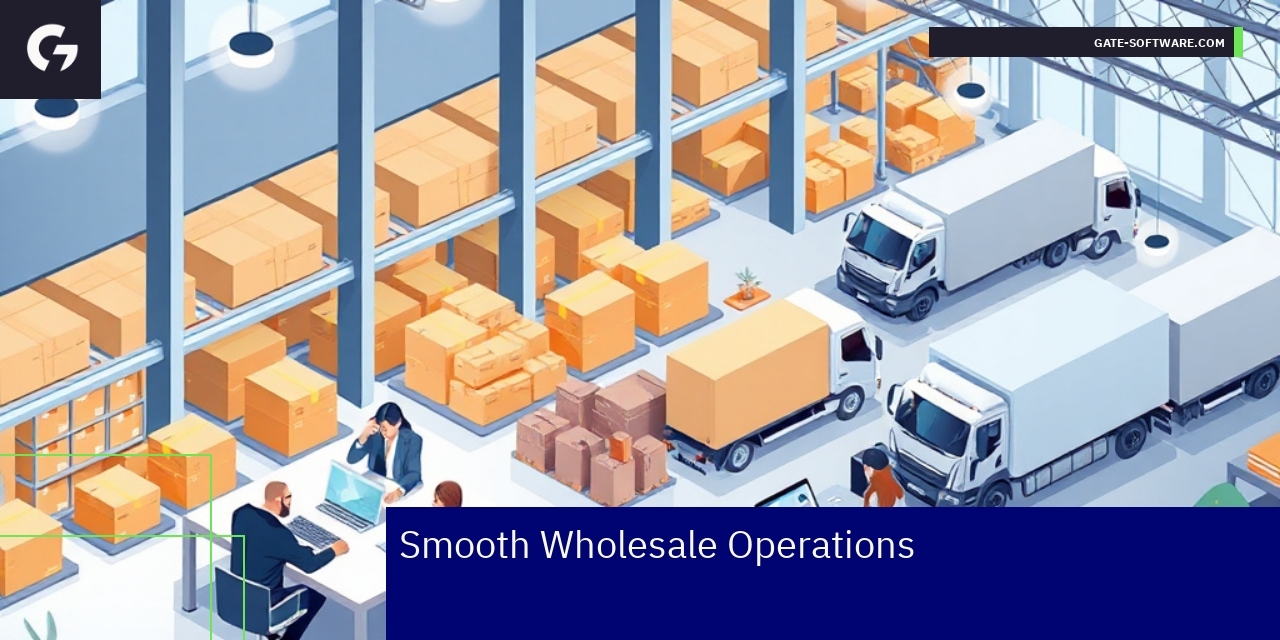
Smooth Wholesale Operations
In today’s competitive landscape, businesses are increasingly recognizing the importance of optimizing their wholesale operations to cater to a diverse range of clients. For decision-makers in the B2B sector, such as CTOs, Heads of Applications, and eCommerce Managers, understanding how to leverage technology effectively can be the key differentiator in driving sales, efficiency, and customer satisfaction. One thread that runs through successful B2B operations is the integration of robust system b2b solutions that streamline processes from inventory management to customer engagement.
At the heart of modern wholesale businesses are ecommerce b2b platforms that facilitate seamless transactions between companies. These platforms b2b provide the necessary framework for businesses to automate their ordering systems, manage catalogs, and process payments efficiently. By integrating advanced ecommerce b2b solutions, companies can save time and resources, allowing sales teams to focus on building relationships rather than administrative tasks. Such platforms also offer analytics functionality, giving business leaders valuable insights to refine their sales strategies.
Logistics services play a crucial role in the success of any B2B operation. Inefficient logistics can disrupt supply chains and lead to significant losses, yet many companies still struggle with synchronization between their sales and logistics systems. To address these challenges, dedicated toolboxes are emerging that equip businesses with the resources needed to effectively manage inventory levels, track shipments in real-time, and ensure timely fulfillment of orders. By employing sophisticated logistics services tied to their platform b2b, companies can optimize their delivery processes, enhancing the overall customer experience.
Moreover, the evolution of B2B operations has ushered in an era where personalization is paramount. Customers expect tailored experiences that meet their unique needs. Implementing a system b2b that allows for personalized customer interactions can significantly elevate client relationships and foster loyalty. From automated communications based on customer behavior to tailored product recommendations, leveraging technology ensures that the wholesale process is not just efficient but also engaging.
Partnerships within the B2B ecosystem are equally vital. Engaging with external providers of logistics services, software solutions, and even complementary products helps businesses to create a holistic approach to their operations. These partnerships enrich the platform b2b ecosystem, allowing companies to benefit from best-of-breed solutions that enhance overall performance. B2B companies can tap into industry-specific tools and platforms that have been built for their unique challenges, ensuring that they remain competitive and responsive in their markets.
Security remains a top concern for decision-makers in the B2B space. With increasing digital transactions and customer data handling, companies must focus on robust cybersecurity measures as part of their system b2b infrastructure. Implementing comprehensive security protocols not only protects sensitive information but also builds trust with partners and clients, incentivizing them to engage more fully with your business operations.
Ultimately, the road to smooth wholesale operations is paved with a thoughtful integration of technology that addresses the core tenets of business efficiency, customer engagement, and secure transactions. By investing in ecommerce b2b platforms that provide advanced functionalities and aligning with logistics services that can scale as your business grows, companies place themselves in a solid position to navigate the complexities of modern B2B commerce.
In conclusion, businesses looking to refine their wholesale operations must prioritize a comprehensive approach that combines system b2b effectiveness with strategic partnerships and state-of-the-art toolboxes. The fusion of these elements will not only enhance operational efficiency but also drive sustained growth and customer satisfaction in an increasingly competitive marketplace. Whether you’re at the helm of a large enterprise or managing a mid-sized company, adopting these strategies can create significant advantages in your B2B endeavors.
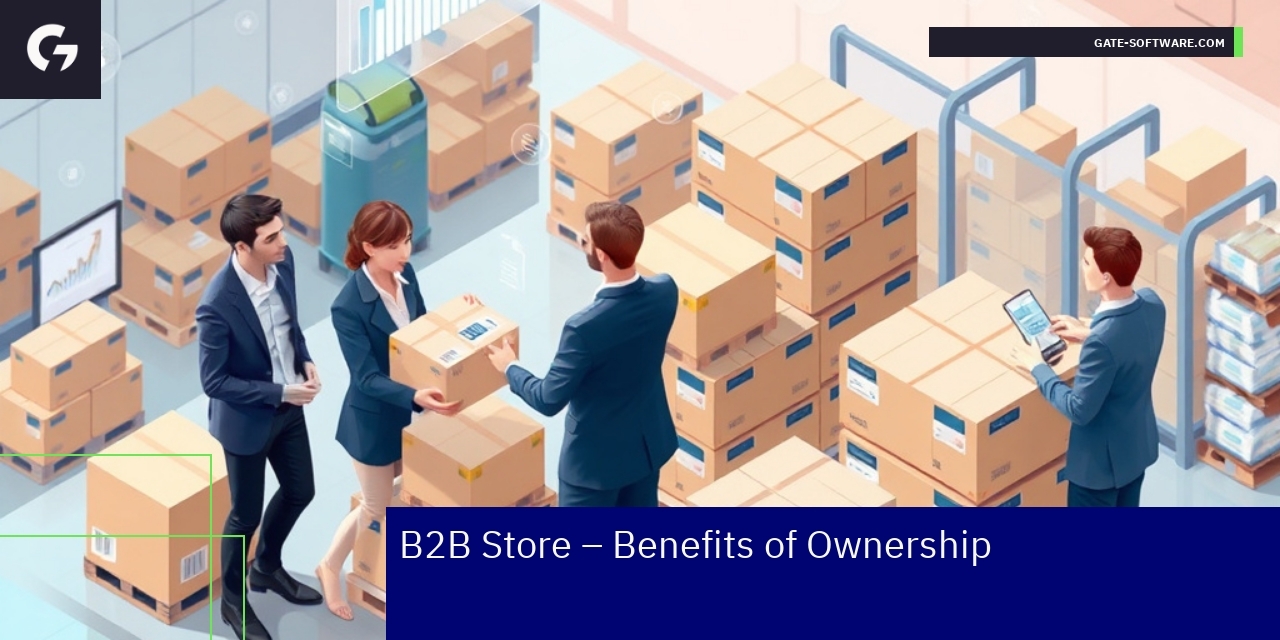
B2B Store – Benefits of Ownership
Owning a dedicated B2B store provides significant strategic advantages in managing a system b2b tailored for wholesale needs. Unlike platforms designed solely for retail, a platform b2b focused on B2B commerce supports the creation of separate offers for retail and wholesale customers, enabling companies to customize pricing, product assortments, and discounts. This segmentation enhances customer satisfaction and loyalty by addressing the distinct expectations of each group effectively.
Implementing an ecommerce b2b solution allows businesses to streamline their wholesale operations through automation and integrated customer management features. These platforms b2b typically include functionalities such as discounts and customer advisor tools that facilitate personalized service, building stronger relationships with key clients. Such capabilities are critical to maintaining a competitive edge in complex wholesale distribution channels.
From a cost perspective, understanding the cost of setting up a B2B store – what does wholesale distribution and sales really cost online? – is crucial. Initial investments cover platform customization, integration with existing ERP systems, and setting up a smooth wholesale operations workflow. However, these costs are often offset by gains in efficiency, reduced manual errors, and faster order processing times.
In summary, a well-designed system b2b not only supports business growth through tailored ecommerce b2b features but also ensures operational excellence with scalable, robust solutions tailored for the specific demands of wholesale sales. This ownership directly translates into increased control, better customer insights, and enhanced ability to adapt to market changes in a timely manner.
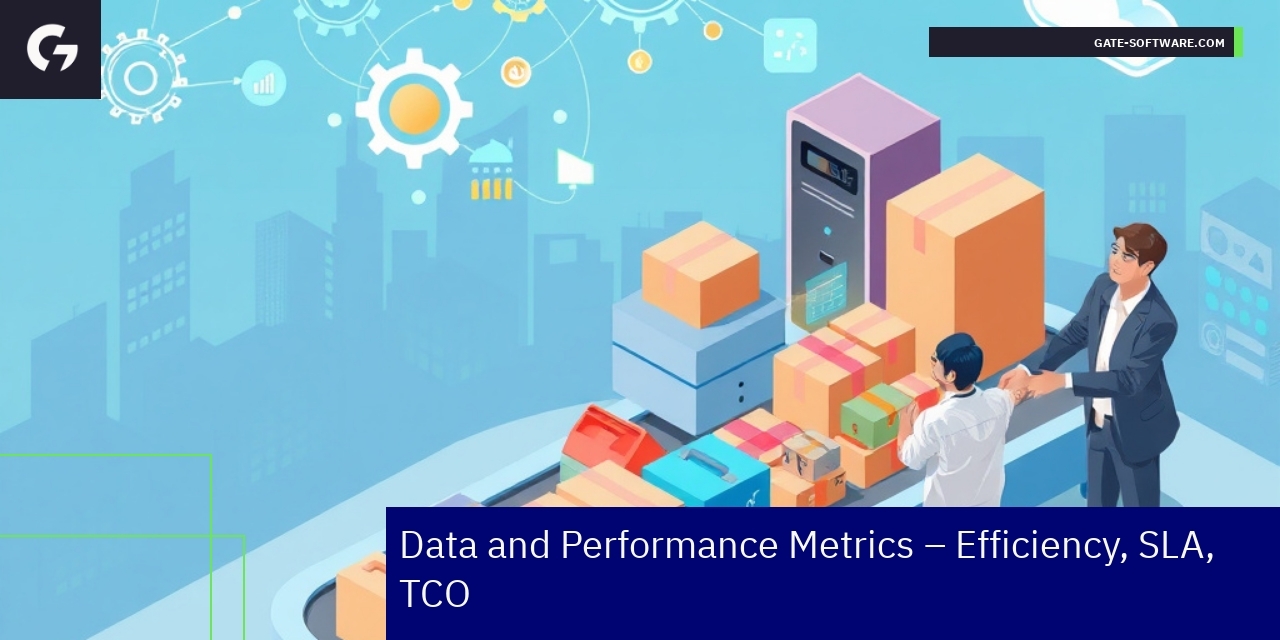
Data and Performance Metrics – Efficiency, SLA, TCO
Operational Effectiveness in B2B Projects
In the evolving landscape of B2B e-commerce, it is crucial for businesses to leverage measurable data to assess their operational efficiency and drive decision-making. At Gate-Software, the metrics that reflect our commitment to optimization and client satisfaction are as follows:
1. Average Project Turnaround Time: Gate-Software maintains a commendable 85% of projects delivered within a timeframe of 4-6 weeks, showcasing our ability to meet client expectations promptly.
2. Project Completion Rate: 92% of our B2B projects are completed on time, reflecting our operational discipline and effective project management strategies.
3. Average Total Cost of Ownership (TCO) Reduction: Clients experience an average TCO reduction of 20% within the first year of utilizing our Magento™ solution, demonstrating significant cost savings while increasing functionality.
4. Service Level Agreement (SLA) Uptime: Gate-Software guarantees a robust uptime SLA of 99.9%, ensuring that our clients’ platforms are consistently operational and minimizing disruptions in their business processes.
5. Client Relationship Duration: The average duration of our client relationships stands at 4.5 years, indicative of our commitment to long-term partnerships and consistent delivery of value.
6. Number of Successful Implementations: We have successfully completed over 300 B2B platform implementations, positioning us as a leader in the sector and showcasing our expertise.
7. Customer Satisfaction Rate: Our customer satisfaction surveys indicate a 90% satisfaction rate among B2B clients, underscoring the effectiveness of our solutions and support in enhancing their operations.
By focusing on these key metrics, Gate-Software underscores our dedication to delivering exceptional service and tangible results, positioning us as the partner of choice for businesses looking to refine their B2B e-commerce strategies.
Summary
In the evolving landscape of B2B e-commerce, establishing a dedicated B2B store is not just a trend, but a strategic move that can significantly enhance your business operations. Gate-Software offers tailored solutions through platforms like Automico B2B, specifically designed to meet the unique needs of wholesale clients. By prioritizing functionalities such as support for multiple accounts, personalized pricing, and seamless integration with logistics and ERP systems, your business can streamline complex transactions while enhancing customer satisfaction. The distinct advantages of owning a dedicated B2B store include increased control over pricing structures, improved operational efficiency, and the ability to foster long-lasting partnerships through tailored customer experiences. As you consider the cost implications associated with setting up a B2B store, remember that these investments not only yield immediate efficiencies but also pave the way for sustainable growth in a competitive market. Embrace digital transformation and invest in a B2B solution that positions you to thrive in today’s fast-paced e-commerce environment, enhancing your ability to meet the demands of your wholesale clients effectively. Connect with us to explore how Gate-Software can assist you in your B2B journey.
Summary

FAQ
What is the importance of user account management in B2B e-commerce?
User account management is crucial in B2B e-commerce as it facilitates the accommodation of multiple user roles within a single company, allows for personalized pricing and tailored product catalogs, and supports bulk ordering processes to ensure operational efficiency for buyers.
How do flexible payment options benefit B2B customers?
Flexible payment options such as credit terms, invoicing, and purchase orders are essential for B2B customers as they align with varied financial processes, enabling smooth transactions and enhanced cash flow management for corporate clients.
Why is real-time order tracking important in B2B transactions?
Real-time order tracking is important in B2B transactions as it provides transparency to clients about their orders, enhancing trust and improving the overall customer experience by keeping clients informed about their purchases.
What features differentiate B2B stores from B2C stores?
B2B stores differ from B2C stores primarily in their need to support multiple accounts under one client, manage complex price negotiations, offer tailored products, and facilitate larger order volumes, all of which require advanced functionalities not typically needed in B2C environments.
How can businesses optimize their B2B operations?
Businesses can optimize their B2B operations by implementing integrated e-commerce platforms that streamline processes, enhance logistics management, personalize customer interactions, and establish strategic partnerships that provide comprehensive solutions tailored to the unique needs of wholesale clients.
.
.
Zamów bezpłatną konsultację
.
Z nami rozwój Twojego biznesu nabierze tempa! Zapraszamy do kontaktu średnie i duże firmy generujące min. 7 mln PLN obrotu rocznie – tam nasza ekspertyza sprawdza się najlepiej.
.
Kliknij w poniższy przycisk i skontaktuj się z jednym z naszych konsultantów e-commerce
.