Introduction
Setting up an effective B2B store requires more than just a functional e-commerce platform; it demands a tailored approach that aligns with complex business processes, decision-maker needs, and an optimized buyer journey. At Gate-Software, we recognize that B2B sales necessitate advanced add-ons that enhance the Magento™ platform to meet enterprise-grade requirements. Key focal points include integrating sophisticated user management with roles such as Architect, eCommerce Manager, and CIO/CTO, ensuring compliance with WCAG 1.1 standards for accessibility, and delivering a seamless UX/UI experience geared toward professional buyers.
B2B environments typically involve multi-tier pricing, custom catalogs, and intricate approval workflows—features that can be effectively managed through specialized Magento extensions and add-ons. These tools not only facilitate streamlined order processing and contract management but also support responsive, data-driven marketing strategies vital for sustained growth. Leveraging Gate-Software’s expertise in Utrzymanie i Rozwój (Maintenance and Development) ensures your B2B store operates with high availability, scalability, and performance optimization aligned with your business goals.
In this section, we will explore how to strategically select and implement add-ons for your store that empower your sales teams, improve operational efficiency, and ultimately drive B2B revenue growth while maintaining a user-centric and compliant storefront.
TABLE OF CONTENTS
- Add-Ons for Your Store: B2B Sales – How to Set Up an Effective B2B Store
- B2B Definitions and Basics
- Launching Your B2B Store – Is It for You?
- Setting Up a B2B Store – Easier Than You Think!
- B2B Digital Marketing – Choosing the Right Strategy
- Successful B2B Store Examples and Case Studies
- B2B vs B2C – What to Choose?
- Checklists and Steps to Launch a B2B Store
- Common Mistakes When Starting a B2B Store
- B2B Store FAQs
- Alternatives to Traditional B2B Models
- Benefits and Risks of B2B E-commerce
- Data and Performance Metrics – Efficiency, SLA, TCO
- Summary
- FAQ
B2B Definitions and Basics
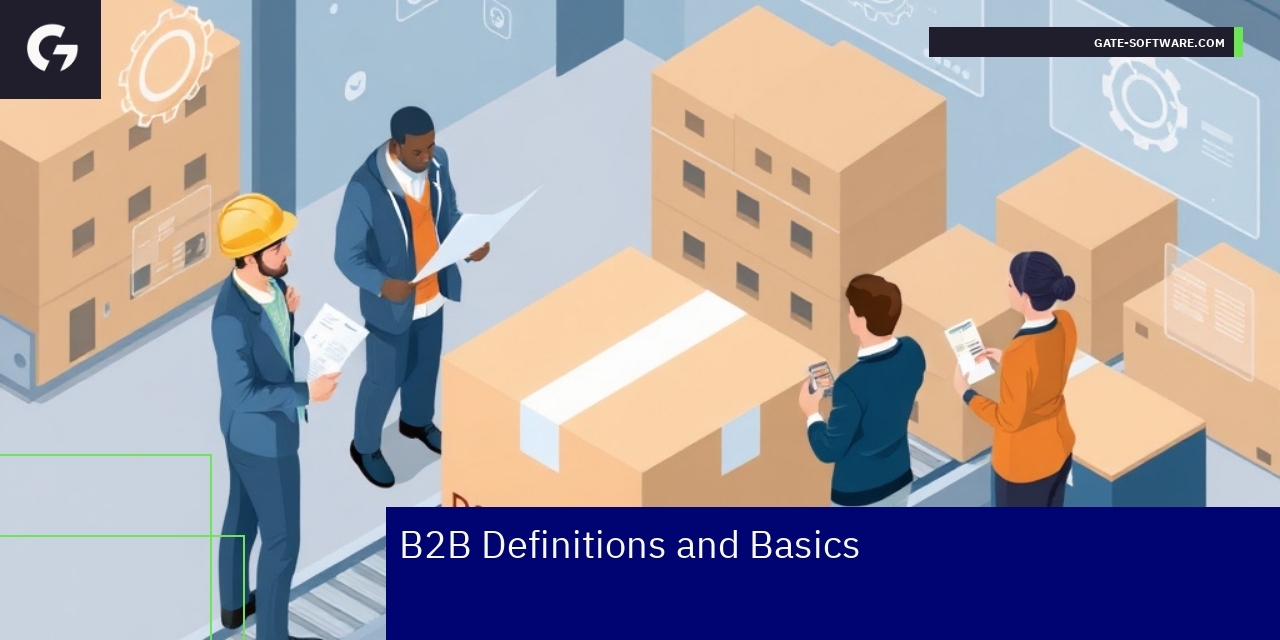
In the realm of B2B, or business-to-business, we refer to transactions and relationships conducted between companies rather than between a company and individual consumers. The B2B definition encompasses various interactions such as supplying products, delivering services, or forming strategic partnerships exclusively within the business ecosystem. This focus demands a deep understanding of the specific needs and operational dynamics typical to other businesses rather than end consumers.
Fundamental to B2B are its basic concepts, which differ significantly from B2C frameworks. The target audience in B2B consists of professionals and key decision-makers such as architects, eCommerce Managers, and CTOs, who approach purchasing with a strategic, data-driven mindset. The sales cycles tend to be lengthier and more complex, involving cross-department evaluation and multiple stakeholders, necessitating a consultative sales approach grounded in building trust and sustaining long-term relationships.
Key differences between B2B and other commercial models lie in customer engagement and transaction scale. B2B transactions typically feature higher volume purchases and tailored pricing strategies that reflect the negotiated scope of services or products. Sales and marketing efforts prioritize account-based strategies, emphasizing personalized communication and detailed product/service demonstrations aligned with specific business challenges. Furthermore, decision-making in B2B is generally more structured, relying on ROI analyses and compliance with organizational standards.
For professionals managing B2B operations, understanding the B2B definition, basic concepts, and key differences is essential to design effective strategies that meet client expectations, improve UX/UI on platforms like Magento, maintain compliance with standards such as WCAG 1.1, and leverage digital channels for sustained growth. This nuanced approach fosters partnerships that not only meet present needs but also support scalable, long-term business objectives within the B2B ecosystem.
B2B Definitions and Basics
Launching Your B2B Store – Is It for You?
Differences Between B2C and B2B Stores
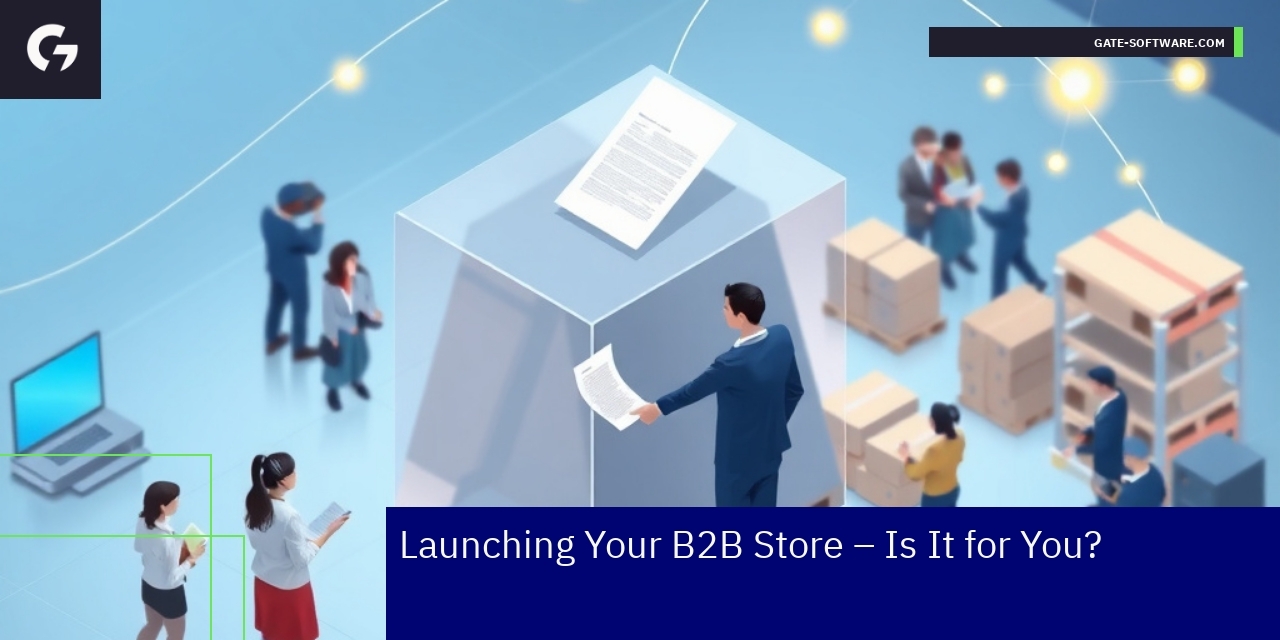
Understanding the fundamental differences between B2C and B2B stores is crucial when deciding to launch a system b2b platform. The ecommerce b2b environment focuses on complex, bulk purchasing processes that require tailored negotiation and extended sales cycles, which differ significantly from the often simpler B2C transactions. Platforms b2b must support these nuanced processes, offering functionalities like customer-specific pricing, contract management, and multi-user accounts. System b2b solutions emphasize relationship-driven commerce, where trust and long-term engagements are key. In contrast, B2C platforms prioritize high-volume consumer sales with a focus on quick checkout and user-friendly interfaces. Selecting a platform b2b that caters specifically to your industry’s requirements ensures better alignment with buyers’ expectations and operational workflows, thereby increasing efficiency and customer satisfaction in your ecommerce b2b strategy.
B2B Store Features – Start in a Few Steps
Starting your B2B store involves integrating features designed exclusively for wholesale ecommerce demands. An effective system b2b includes capabilities such as bulk ordering, tiered pricing models, and purchase order processing to streamline operations. Platforms b2b should also incorporate flexible payment terms and credit management to accommodate the financial aspects unique to B2B transactions. Moreover, ecommerce b2b solutions need to offer robust user role management, enabling various stakeholders within a client organization to interact with the platform according to their responsibilities. Implementing a platform b2b with comprehensive analytics and reporting tools further facilitates informed decision-making and optimized inventory control. By focusing on these functionalities from the start, businesses can build a scalable and responsive system b2b that meets the complex needs of wholesale clients while fostering growth in ecommerce b2b.
B2B Store Costs – What Does Wholesale Ecommerce Really Cost?
Launching a system b2b entails a strategic investment in technology and service infrastructure, and understanding the cost structure is vital. Platforms b2b often require customized development to support features unique to ecommerce b2b, such as integration with ERP systems, advanced security protocols, and compliance with industry-specific regulations. Besides development, operational costs include hosting, maintenance, monitoring, and ongoing UX/UI audits to ensure accessibility and user satisfaction. Choosing a platform b2b with SLA-backed support and scalable hosting solutions can optimize expenses while ensuring reliability. Additionally, costs related to marketing, customer acquisition, and staff training play a crucial role in the overall investment needed for a successful B2B store. Effectively balancing these elements helps build a sustainable system b2b offering competitive wholesale ecommerce capabilities tailored to your business needs.
Integrating Your Store with Wholesalers
Setting Up a B2B Store – Easier Than You Think!
LinkedIn B2B – Building Communication and Marketing
Building an effective communication and marketing strategy on LinkedIn for platforms b2b requires a clear understanding of your target personas, such as the eCommerce Manager and CTO. LinkedIn serves as a vital channel for engaging decision-makers through tailored content_phrases that highlight your platform b2b capabilities in facilitating seamless ecommerce b2b transactions. Leveraging LinkedIn’s tools to share insightful articles, case studies, and updates about your system b2b enables you to position your brand as a trusted B2B partner. The strategy should prioritize consistent messaging reflecting your Gate-Software values and emphasize the benefits of your ecommerce b2b solutions. This approach nurtures trust and builds lasting professional relationships that drive platform b2b adoption.
Omnibus Directive in B2B – What to Know
Understanding the implications of the Omnibus Directive in B2B contexts is crucial for any system b2b operation. The directive introduces new compliance requirements that platforms b2b must address to ensure legal alignment and foster transparent ecommerce b2b transactions. A robust system b2b integrates these regulatory changes into its workflows, offering automated processes for contract management and customer data handling. For eCommerce b2b businesses, compliance ensures smoother interactions with clients and partners, reducing risks and enhancing operational reliability. Staying informed about legislative updates and adapting your platform b2b accordingly not only safeguards your business but also strengthens your market position.
Integrating Your Store with Wholesalers
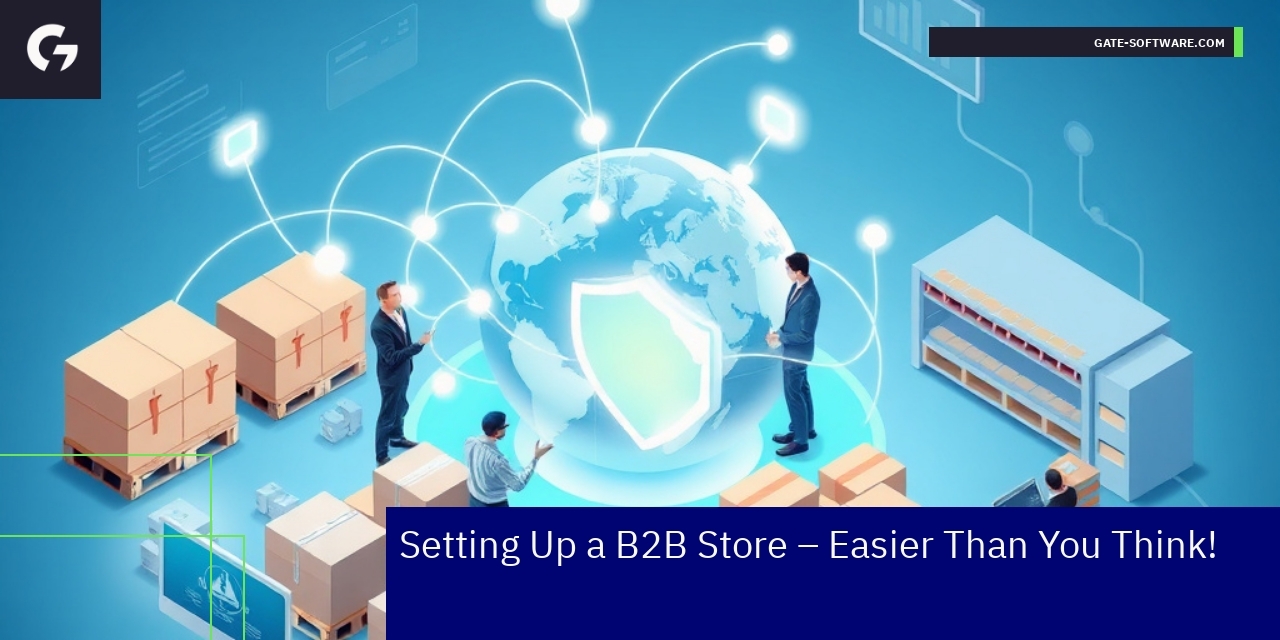
Seamless integration with wholesalers is a critical feature for any ecommerce b2b platform. A well-designed system b2b enables real-time data exchange, inventory synchronization, and order processing automation, which are essential for maintaining efficient supply chains. The platform b2b should support standard APIs and data formats to facilitate easy connection with diverse wholesale partners. Additionally, such integrations empower B2B stores to deliver accurate product availability and pricing to end customers, enhancing user experience and operational transparency. Leveraging Gate-Software’s expertise in implementing and maintaining integration-ready ecommerce b2b solutions can greatly reduce the complexity and cost of such projects while increasing business scalability.
Benefits and Risks of B2B E-commerce
B2B Digital Marketing – Choosing the Right Strategy
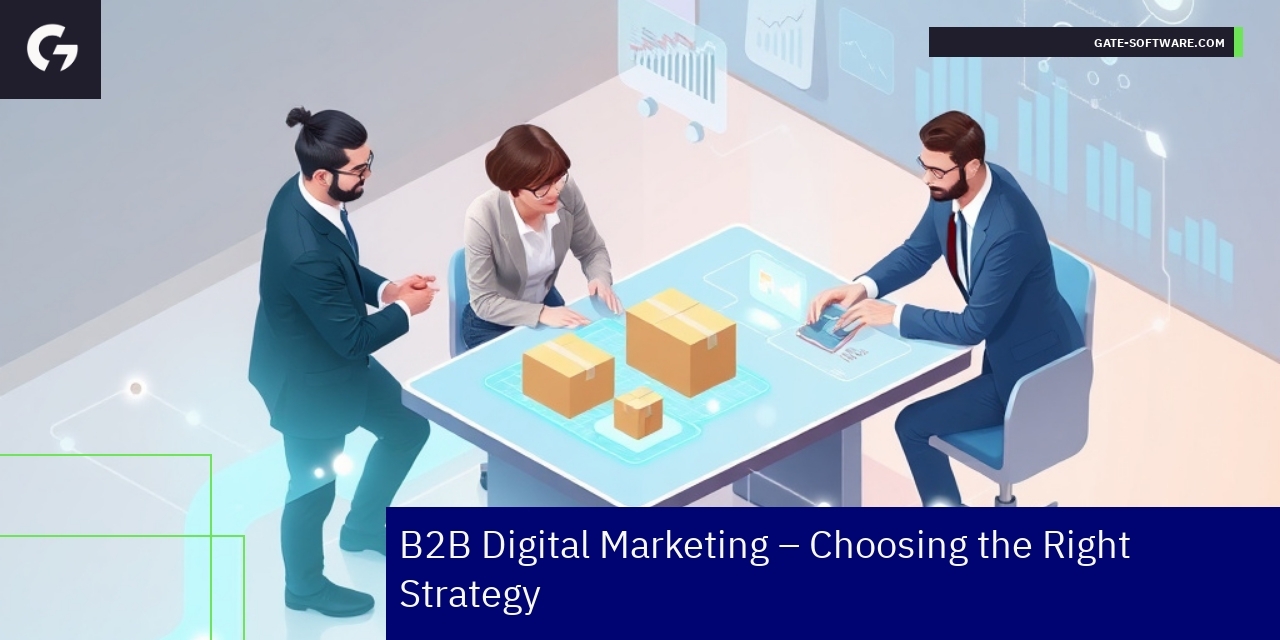
In the dynamic realm of B2B digital marketing, selecting the appropriate strategy is pivotal for successful engagement and conversion. A well-implemented platform b2b serves as the backbone, enabling seamless interactions and transactions tailored to complex business needs. Leveraging a robust system b2b ensures that integration with existing IT infrastructure and scalability requirements are met, providing both flexibility and security.
Content_phrases play a crucial role in this landscape, where delivering precise, value-driven messaging resonates with decision-makers such as CTOs, Heads of Applications, and eCommerce Managers. Content strategy must address specific pain points, illustrate clear ROI, and support long-term relationship building. B2B buyers require comprehensive information presented clearly, making the content_phrases tailored for this audience essential.
Effective B2B digital marketing hinges on harmonizing the platform b2b capabilities with targeted content strategies that align with business objectives. An integrated system b2b facilitates automation, data-driven insights, and personalized outreach, driving efficiency in marketing operations. Prioritizing these elements empowers organizations to navigate the complexities of B2B markets confidently and foster sustainable growth.
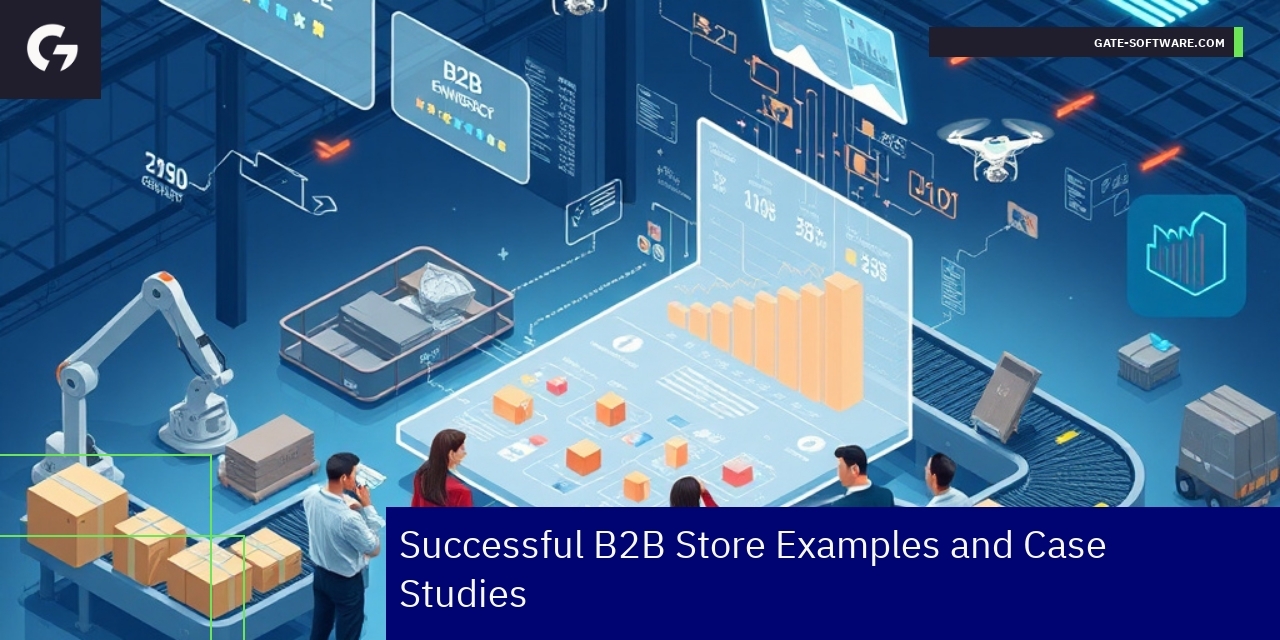
Successful B2B Store Examples and Case Studies
In the B2B e-commerce sector, successful stores demonstrate a precise alignment between advanced technological implementation and deep understanding of complex business needs. A key success factor lies in addressing the unique challenges typical to B2B transactions, such as multi-level pricing, extensive product catalogs, intricate order processes, and specific compliance requirements.
Case studies reveal that B2B platforms benefit significantly from tailored UX/UI designs that accommodate the typical personas involved—such as Architekt, eCommerce Manager, CDO, CTO/CIO, and Head of Applications—ensuring that usability enhances operational workflows. These designs also integrate WCAG 1.1 standards to secure accessibility, which is crucial for wider adoption and legal compliance.
Analyses of projects within the Gate-Software framework highlight migration strategies from legacy systems to Magento-based solutions as pivotal for business continuity and scalability. Effective hosting, monitoring, and SLA adherence have been shown to reduce downtime, optimize performance, and control operational costs. Success examples frequently illustrate how dedicated support models and proactive maintenance create stable platforms that underpin client business growth in B2B markets.
Moreover, integrating strategic content aligned with brand voice and communication plans strengthens market position. Case studies consistently show that combining technical precision with focused marketing strategies yields measurable engagement and conversion improvements within target B2B segments.
In summary, the success of B2B stores is rooted in holistic solutions combining technology, user-centric design, ongoing operational excellence, and strategic communication, each validated through thorough analyses and documented case studies.
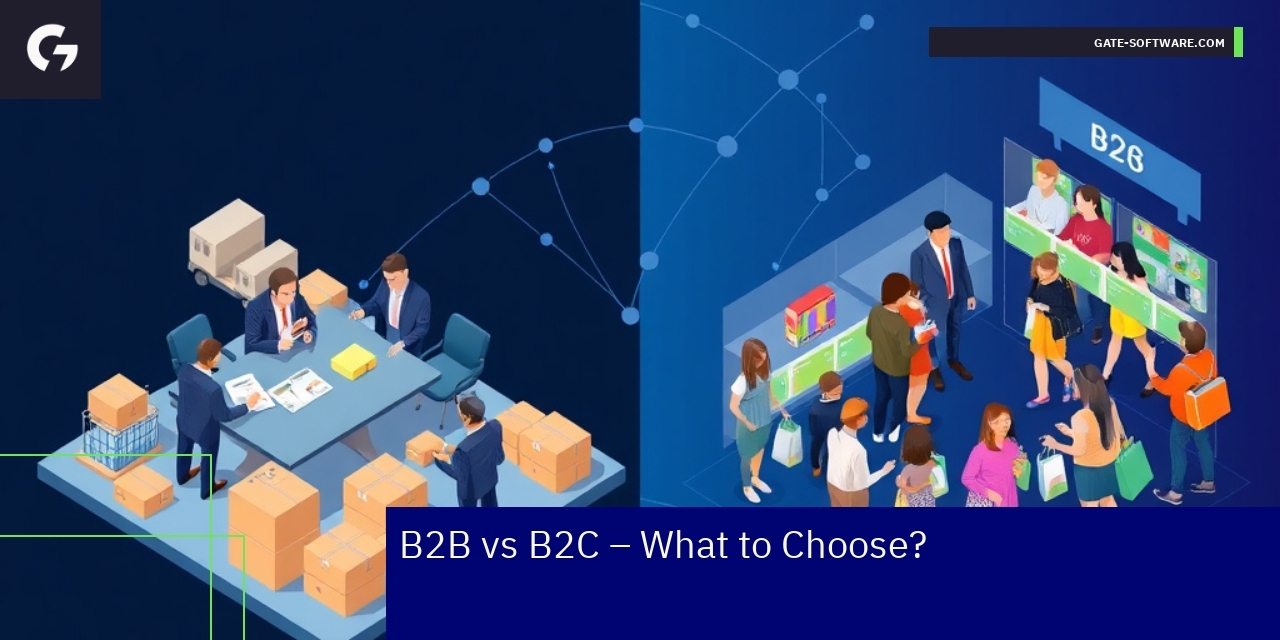
B2B vs B2C – What to Choose?
Choosing between B2B and B2C models requires a thorough comparison of their core differences, as well as an understanding of the respective pros and cons that impact business strategy and operations. In B2B, the focus is on building and sustaining relationships with other businesses, where transactions usually involve higher order values and longer sales cycles. This approach demands a more consultative sales process, deeper product knowledge, and often necessitates multiple decision-makers’ engagement.
The differences become evident when contrasting with B2C, which typically targets individual consumers, emphasizes higher sales volume, and benefits from faster transaction processes. Marketing strategies in B2B lean heavily on providing detailed, technical content and nurturing leads over time, whereas B2C strategies often evoke emotional responses and leverage brand loyalty.
Examining the pros and cons, B2B offers advantages such as more stable client relationships and predictable revenue streams but faces challenges like complex negotiations and dependency on fewer clients. Conversely, B2C allows for rapid customer acquisition and market scalability but must manage fierce competition and lower profit margins per transaction.
For decision-makers such as CTOs and Heads of Applications, assessing these comparison points ensures alignment with company goals and market demands, guiding the selection of a model that can best leverage Gate-Software’s expertise in platforms like Magento for optimized business performance in the B2B context.
B2B vs B2C – What to Choose?
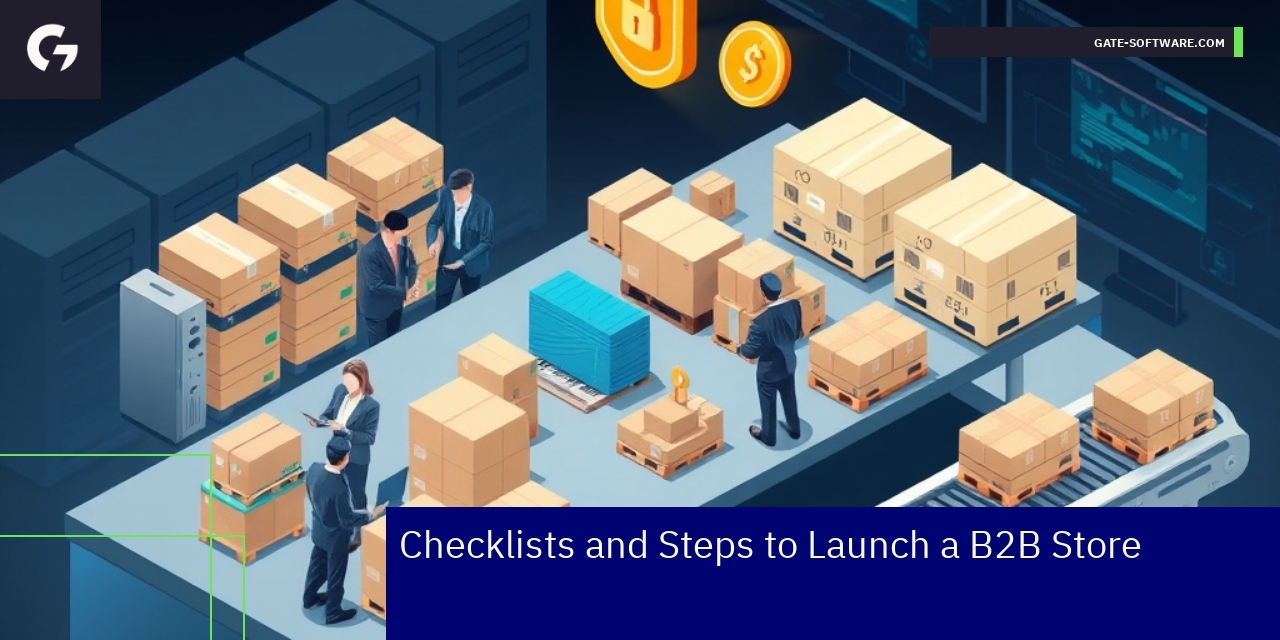
Checklists and Steps to Launch a B2B Store
Launching a B2B store requires a structured approach to meet the complex needs of business clients while ensuring a seamless and efficient purchasing process. The launch steps begin with defining clear requirements that align with both business objectives and customer expectations. A comprehensive checklist should cover technical infrastructure, platform capabilities, UX/UI considerations, and compliance aspects such as WCAG standards.
Key launch steps involve selecting the right e-commerce platform that supports B2B functionalities like custom pricing, bulk ordering, and integration with ERP systems. Equally important is setting up user roles and permissions tailored to different decision-makers such as Architects, eCommerce Managers, and CTOs to ensure smooth workflows and data security. Throughout the checklist, ensure the platform supports advanced search and filtering capabilities to suit demanding procurement processes.
Requirements also include developing detailed UX/UI designs focusing on the usability and accessibility for professional users, as per the latest WCAG 1.1 guidelines. Additionally, content strategy must incorporate relevant product information, clear communication channels, and efficient order management tools. Marketing and communication plans should target the appropriate personas and emphasize trust, reliability, and service excellence.
Finally, thorough testing, monitoring, and optimization processes must be established post-launch. This checklist-driven, step-by-step approach will help deliver a B2B store that meets technical standards and business goals, streamlining procurement and fostering long-term partnerships.
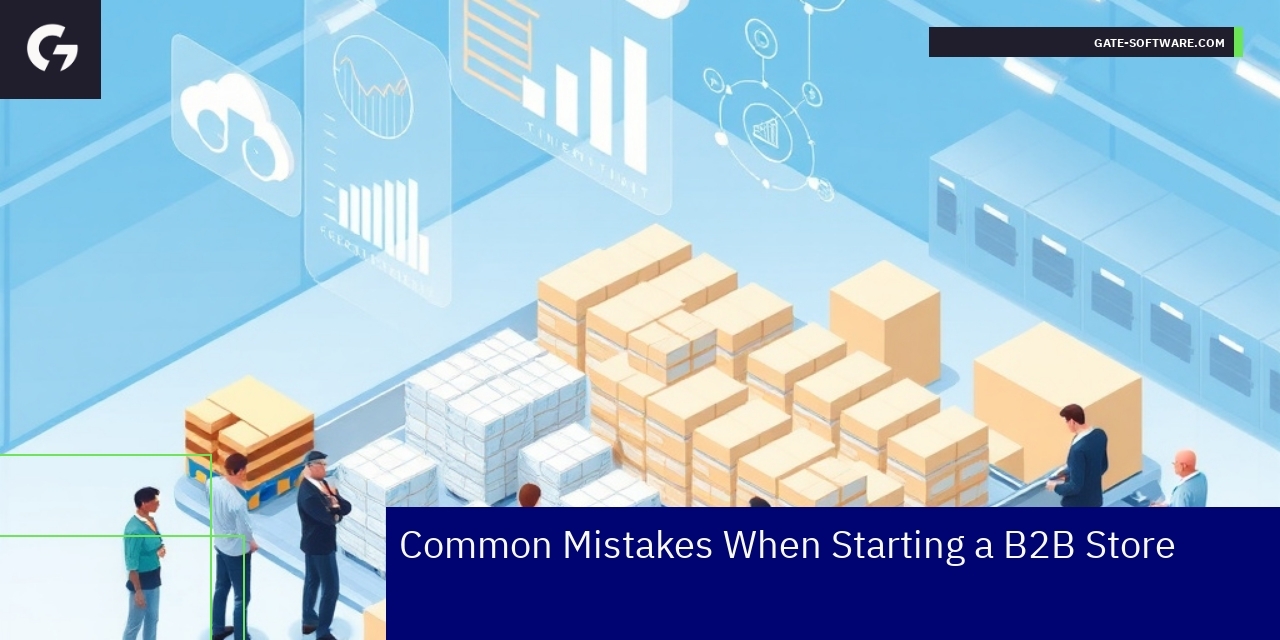
Common Mistakes When Starting a B2B Store
Starting a B2B store involves complex challenges, and avoiding common mistakes is crucial for long-term success. One frequent mistake is underestimating the unique requirements of B2B customers compared to B2C. This includes overlooking the importance of tailored pricing models, bulk order capabilities, and flexible payment terms. Neglecting these aspects can create significant traps that hinder customer satisfaction and repeat business.
Another common pitfall is poor integration with existing enterprise systems such as ERP or CRM platforms. Without seamless integration, data silos form, leading to inefficiencies and errors in order processing. Understanding what to avoid here means prioritizing robust API connectivity and choosing a platform like Magento™ known for its compatibility and scalability in B2B environments.
Additionally, many new B2B stores fail to invest adequately in UX/UI tailored to business users. Unlike retail customers, B2B personas such as Architects, eCommerce Managers, or CTOs expect a streamlined experience that supports complex decision-making processes. Ignoring WCAG standards or not conducting thorough UX audits are typical traps that reduce accessibility and user adoption.
In marketing and sales, a frequent mistake is using generic strategies that don’t address the specific needs and workflows of business clients. Effective communication must be precise, with content supporting buyer personas and addressing their technical and strategic concerns. Using Gate-Software’s content strategy and clear brand voice guidelines helps avoid these content-related traps.
Finally, insufficient attention to SLA, hosting, and monitoring leads to performance issues and downtime—critical mistakes when serving enterprise clients who demand reliability. Employing Gate-Software’s expertise in these areas ensures optimized infrastructure, meeting strict B2B service levels without compromise.
By understanding these traps and knowing precisely what to avoid, businesses can build B2B stores that not only meet but exceed the expectations of today’s sophisticated buyers. Integrating technical and business insights remains key to sustainable growth and competitive advantage.
B2B Store FAQs
In B2B e-commerce, frequently asked questions often revolve around complex integration needs, scalability, and compliance requirements unique to business clients. Answers to these inquiries commonly address how robust the platform is in supporting seamless ERP and CRM integrations, ensuring data synchronization and operational continuity. Additionally, businesses seek clarity on customizable workflows that fit their purchasing processes and authorization hierarchies.
A critical aspect covered in answers involves platform performance and uptime guarantees, aligning with stringent SLA commitments crucial for minimizing downtime that can impact multiple stakeholders. Security standards and compliance with regulations, including GDPR and WCAG 1.1 accessibility standards, are also frequent topics, ensuring inclusivity and legal adherence.
Another set of frequent questions query the nature of support services, including migration assistance from legacy systems like older Magento versions to newer, scalable cloud environments. Answers highlight experienced, partnership-based support models tailored for enterprise clients, focusing on reducing migration risks and optimizing long-term operational costs.
By encapsulating these frequently asked questions and answers, businesses can gain a clearer understanding of the technological and business value Gate-Software delivers, supporting eCommerce Managers, CTOs, and Head of Applications in making informed decisions that align with their strategic objectives and operational realities in the B2B domain.
Alternatives to Traditional B2B Models
In the evolving landscape of B2B commerce, alternatives to traditional B2B models are gaining traction as companies seek more efficient, flexible, and innovative ways to connect and transact. These new models leverage advanced technologies and strategic innovations to address key challenges faced by decision-makers such as CTOs, Head of Applications, and eCommerce Managers.
One significant alternative is the shift toward platform-based ecosystems that enable greater integration and collaboration between multiple stakeholders. Unlike conventional linear B2B models, these ecosystems foster real-time data sharing, improved supply chain visibility, and streamlined communication, thus facilitating faster and more informed decision-making. This approach aligns with Gate-Software’s emphasis on scalable, modular solutions that prioritize seamless system interoperability and cost optimization.
Another innovation involves adopting customer-centric approaches enabled by enhanced UX/UI design and adherence to WCAG standards. Focusing on personalized experiences and accessibility not only improves user satisfaction but also drives loyalty among business clients. Incorporating persona-driven strategies—targeting architects, CDOs, or CIO/CTOs—ensures that solutions meet the specific operational needs of various stakeholders, reinforcing the partnership-based tone required for successful B2B engagements.
Moreover, leveraging cloud-native platforms and SaaS offerings allows businesses to reduce upfront infrastructure costs while increasing agility. Innovations like AI-powered analytics and automation optimize workflows and predict market demand, helping companies respond dynamically to market shifts and maintain competitive advantage.
In summary, alternatives to traditional B2B models are characterized by a blend of technological innovation and user-focused strategies. These new models emphasize collaboration, flexibility, and strategic integration, empowering decision-makers to navigate complexity with confidence. Gate-Software’s solutions reflect these trends by offering robust, adaptable platforms designed to support sustainable growth and enhanced business outcomes through innovative practices and alternatives that respect established business processes. The integration of alternatives, new models, and innovations is essential to driving success in today’s B2B market.
Benefits and Risks of B2B E-commerce
B2B e-commerce presents a range of benefits and risks that decision-makers must carefully consider through a thorough risk analysis. On the benefits side, B2B e-commerce significantly enhances operational efficiency by automating procurement and sales processes, enabling businesses to streamline workflows and reduce manual errors. This automation not only increases productivity but also supports cost optimization, an essential element in today’s competitive markets. Furthermore, e-commerce platforms broaden market reach, allowing businesses to extend beyond geographical boundaries to access new clients and sectors, which is invaluable for sustained growth.
Another key benefit is the improved customer experience enabled by features such as live support, easy access to detailed product information, and seamless transaction processes. These enhancements foster stronger customer relationships and can drive loyalty and repeat business. Additionally, B2B e-commerce facilitates access to rich analytics, offering insights into buyer behaviors and trends. This data-driven approach supports strategic marketing and sales efforts, aligning closely with Gate-Software solutions that emphasize integrating analytics within Magento-based platforms.
However, the shift to digital commerce involves risks that must be managed prudently. Security remains a paramount concern, as breaches or data leaks could jeopardize sensitive business information and erode trust. The complexity of compliance with diverse regulations across different regions adds a layer of operational challenge, requiring robust governance frameworks. The heavy dependence on technology also means that any system downtime, cyberattacks, or technical failures can interrupt business continuity, impacting revenue and reputation.
Additionally, the intensified competition in online spaces poses risks of pricing pressure, which may affect margins, calling for strategic pricing and value differentiation. Finally, B2B e-commerce can hinder the development of deep personal relationships, traditionally a cornerstone in B2B dealings, potentially affecting long-term partnership building. Thus, a comprehensive risk analysis is essential to balance these benefits and risks and to ensure that B2B e-commerce strategies deliver sustainable value aligned with Gate-Software’s expertise in technical and business challenges.
Data and Performance Metrics – Efficiency, SLA, TCO
Operational Effectiveness in B2B Projects
At Gate-Software, we pride ourselves on delivering measurable results that enhance our B2B service offerings. Our commitment to operational efficiency is reflected in key performance metrics that underpin our processes and customer satisfaction. For instance, our average project takeover time stands at just 30 days, ensuring a swift transition for clients moving to our solutions. We deliver an impressive 95% of our projects on time, demonstrating our reliability and commitment to adhering to timelines.
Moreover, our clients experience an average Total Cost of Ownership (TCO) reduction of 20% within the first year of implementing our services, thanks to optimized processes and cost-effective solutions catered specifically for B2B environments. With over 150 successful Magento™ implementations, we have established a robust track record in supporting diverse B2B requirements.
In terms of service reliability, our uptime SLA is maintained at an industry-leading 99.9%, allowing clients to operate their businesses without the disruption of downtime. The average client relationship duration with Gate-Software lasts approximately 3 years, reflecting our long-term commitment to nurturing successful partnerships.
These figures highlight our dedication to providing not only advanced technological solutions but also the essential operational metrics that drive success in B2B commerce.
Summary
In the competitive landscape of B2B e-commerce, establishing a successful store is more than a mere technical challenge; it demands a nuanced understanding of business processes and the unique requirements of professional buyers. At Gate-Software, we specialize in providing tailored solutions that enhance the Magento™ platform, empowering businesses to optimize their purchasing workflows, streamline order processing, and improve customer experiences. Our focus on user-centric design adheres to crucial standards like WCAG 1.1, ensuring accessibility for all users. Moreover, our expertise in developing robust integrations with existing systems allows for seamless data synchronization and responsive marketing strategies, which are essential for sustained growth in a B2B environment. By choosing Gate-Software, you equip your business with the knowledge and support needed to navigate the complexities of B2B sales effectively. We invite you to reach out for collaboration opportunities that can elevate your B2B operations and drive long-term success.
FAQ
What are the key differences between B2B and B2C e-commerce?
B2B e-commerce focuses on transactions between businesses, characterized by longer sales cycles, complex negotiations, and higher order values. In contrast, B2C emphasizes high-volume sales to individual consumers with quicker transaction processes and emotional marketing strategies.
How can I integrate my B2B store with wholesalers effectively?
To effectively integrate your B2B store with wholesalers, utilize platforms that support standard APIs and data formats, ensuring real-time data synchronization, inventory updates, and automated order processing to enhance operational efficiency.
Why is compliance with WCAG 1.1 standards important for a B2B store?
Compliance with WCAG 1.1 standards is crucial for ensuring accessibility for all users, including those with disabilities. This not only fosters inclusivity but also helps in meeting legal requirements, thus enhancing the user experience on your B2B platform.
What are the main features needed for a successful B2B store?
Essential features for a successful B2B store include bulk ordering, tiered pricing models, flexible payment terms, user role management for various stakeholders, and comprehensive analytics for informed decision-making.
How does Gate-Software’s expertise support B2B e-commerce growth?
Gate-Software’s expertise in maintenance and development ensures that B2B stores are optimized for high availability, scalability, and performance. This includes customizing Magento™ to meet enterprise-grade requirements, facilitating streamlined operations and driving revenue growth.
.
.
Zamów bezpłatną konsultację
.
Z nami rozwój Twojego biznesu nabierze tempa! Zapraszamy do kontaktu średnie i duże firmy generujące min. 7 mln PLN obrotu rocznie – tam nasza ekspertyza sprawdza się najlepiej.
.
Kliknij w poniższy przycisk i skontaktuj się z jednym z naszych konsultantów e-commerce
.