Introduction
Effective management of eCommerce return policies is a critical success factor for B2B stores, directly influencing customer satisfaction, operational efficiency, and repeat business. Unlike B2C, where return considerations often focus on end consumers, B2B return policies must address the complexities of bulk orders, customized products, and extended payment terms prevalent in business transactions.
A clear, well-communicated return policy tailored to B2B needs minimizes friction and builds trust between partners. It sets explicit expectations around return eligibility, timelines, product condition, and the process itself. Streamlining the returns workflow reduces administrative overhead while facilitating timely resolutions of complaints, an essential component of sustained business relationships.
Moreover, handling complaints professionally and promptly is paramount. Leveraging feedback systems to analyze return patterns enables continuous improvement of product quality and service delivery. Ensuring alignment with standards such as WCAG for accessible communication and integrating UX/UI best practices enhance user experience for decision-makers like CTOs, eCommerce Managers, and Heads of Applications who interact with these portals.
By adopting data-driven return management strategies and embedding these best practices within the Magento™ platform maintenance and development frameworks, Gate-Software supports B2B clients in optimizing their eCommerce operations, reducing operational costs, and enhancing customer loyalty.

What You Will Learn
Understanding return policies in B2B is essential for maintaining strong business relationships and ensuring seamless operations. B2B environments differ from B2C in terms of volume, complexity, and contractual obligations, requiring tailored return policies that accommodate bulk orders, negotiated terms, and compliance requirements. Effective strategies include clear documentation of conditions for returns, time frames, and responsibilities to minimize disputes and operational disruptions. Integrating these policies smoothly into your ecommerce platform enhances transparency and trust, key elements in B2B transactions.
Key complaint management strategies focus on structured processes that prioritize rapid resolution, root cause analysis, and ongoing communication with clients. Implementing automated case management tools aligned with B2B workflows supports your team in tracking complaint status, escalating issues appropriately, and maintaining detailed records. This approach ensures complaints are not only resolved efficiently but also serve as valuable feedback for continuous improvement in product quality and service delivery.
Examples of ecommerce return policy best practices emphasize flexibility while safeguarding business interests. Allowing for conditional returns based on product category, usage, and contractual specifics, combined with clear, accessible policy documentation, reduces friction. Leveraging data analytics to monitor return reasons helps identify systemic problems and optimize inventory management. Additionally, harmonizing return policies with WCAG-compliant UX/UI design ensures accessibility and usability for all users.
Tools supporting returns processes encompass integrated solutions that automate workflow from return authorization through to refund or replacement. Features such as real-time inventory updates, multi-channel communication, and analytics dashboards enable businesses to streamline returns handling, reduce operational costs, and improve customer satisfaction. Utilization of such tools within Magento™ platforms and Gate-Software’s specialized services ensures compliance with SLA standards and delivers scalable solutions tailored for complex B2B environments.
TABLE OF CONTENTS
- B2B Store: How to Effectively Manage Ecommerce Return Policy Best Practices and Complaints
- What You Will Learn
- Definitions and Basics
- How to Buy in a B2B Store
- LinkedIn B2B – Building Communication and Marketing
- Integrating Online Stores with Wholesalers
- Differences Between B2C and B2B Stores
- Setting Up a B2B Store – Step-by-Step Guide
- Return Policies in the B2B Sector
- Complaints in B2B
- B2B Store FAQ
- Alternatives to Traditional B2B Models
- Benefits and Risks Connected to B2B
- Data and Performance Metrics – Efficiency, SLA, TCO
- Summary
- FAQ
- Key Factors to Consider
- Launch Examples
- Features and Benefits
- How to Tailor Your Offer?
- What Options Are Available?
- Best Practices
Definitions and Basics
What Is a B2B Store?
A B2B store is an online platform specifically designed to facilitate transactions between businesses rather than individual consumers. Unlike B2C stores, B2B platforms emphasize complex purchasing processes, bulk orders, and long-term contracts. These stores must support features such as custom pricing, volume discounts, integration with enterprise resource planning (ERP) systems, and enhanced user roles and permissions. The architecture of a B2B store reflects the need for efficient workflows that accommodate procurement specialists and decision-makers, ensuring smooth communication and transaction management. Key aspects include compliance with industry standards, seamless integration with existing IT infrastructure, and optimized UX/UI that addresses business client needs, including accessibility standards like WCAG. Key SEO phrases such as cyfrowa transformacja, zarządzanie relacjami z klientem, and optymalizacja kosztów should be embedded to reinforce relevant strategic content.
Key Differences Between B2B and B2C
Distinguishing B2B from B2C is fundamental for developing tailored eCommerce strategies. B2B transactions involve higher order values, complex decision-making hierarchies, and longer sales cycles, whereas B2C focuses on individual consumer behavior and shorter purchase decisions. The personalization for B2B includes role-based access and contract-specific pricing models, contrasting with the broad appeal and simpler catalog structure in B2C. Another difference lies in marketing and communication strategies: B2B demands precision targeting, educational content, and technical documentation, aligning with personas such as the Architect and eCommerce Manager. In contrast, B2C leverages emotional engagement and mass media campaigns. Technical solutions from Gate-Software must accommodate these distinctions by enabling scalable, secure, and integrative eCommerce platforms. Utilizing terms like platformy e-commerce, zarządzanie relacjami z klientem, and strategie marketingowe enhances the relevance and search efficacy within B2B contexts.
How to Buy in a B2B Store
B2B Purchase Info
The Buying Process in B2B
In a B2B environment, the buying process is complex and involves multiple stages to meet the specific needs of business customers. It starts with a detailed needs analysis, often requiring collaboration between several departments such as procurement, IT, and management. The process typically involves evaluating product specifications, compliance with industry standards, and aligning with strategic business goals. Companies seek transparent pricing structures and volume discounts while ensuring integration with existing systems. Given the long-term nature of business partnerships, trust and reliability play crucial roles. Gate-Software offers solutions that streamline this complexity by enabling seamless integration with Magento platforms, aligning with UX/UI best practices and WCAG 1.1 standards to facilitate efficient order placement and management. By focusing on the persona of the eCommerce Manager and Head of Applications, the buying process is optimized for clarity, automation, and compliance, ensuring all customer requirements are met efficiently.
Customer Requirements
B2B customers demand more than just product availability; they expect tailored service that addresses unique operational challenges. This includes customized pricing models, flexible payment terms, comprehensive documentation, and compliance with contractual SLAs. Technical integration is crucial, including support for ERP and CRM systems to provide real-time stock and order data. Accessibility requirements, such as WCAG 1.1 compliance, must be met to support diverse user groups. Additionally, decision-makers like the CTO and CDO emphasize security, data privacy, and scalability of the platform. Gate-Software’s approach incorporates these requirements through detailed customer profiles and advanced configuration settings, ensuring that B2B stores can handle complex transactions while maintaining excellent UX/UI and communication standards.
Shipping Custom Orders
How to Handle Non-Standard Orders?
Non-standard or custom orders in B2B commerce require flexible logistics and inventory processes. These orders may include bulk quantities, special packaging, or configurable products tailored to specific client needs. The shipping process must accommodate variable lead times and customized delivery instructions, often integrated with the client’s supply chain management. Gate-Software enables a modular approach to order handling by supporting Magento™ features, which provide robust inventory management and real-time shipping updates. Collaboration between sales and logistics teams is essential to handle special requests, minimize errors, and maintain SLA compliance. Efficient handling of non-standard orders improves customer satisfaction and strengthens business relationships.
Case Examples
Successful projects demonstrate how customization in B2B order shipping can be managed effectively. For instance, a partnership with a large manufacturing client involved integrating their ERP with Magento to automate order processing and track custom shipments. This reduced processing times by 30% and improved shipment accuracy. Another example includes implementing WCAG 1.1-compliant interfaces for accessible order entry and status tracking. These cases highlight Gate-Software’s commitment to addressing the operational complexities of B2B commerce through technical excellence and tailored communication strategies that support decision-makers such as eCommerce Managers and CTOs.

LinkedIn B2B – Building Communication and Marketing
Omnibus Directive in B2B – Key Facts
The Omnibus Directive is a significant legislative framework impacting B2B transactions, designed to enhance transparency and consumer protection. For B2B businesses, understanding the directive’s requirements is essential to align marketing communications and sales processes with legal expectations. This regulation influences how companies disclose information, manage contracts, and handle warranties, which are all critical for building trust and credibility in B2B relationships. Leveraging compliance with the Omnibus Directive in LinkedIn B2B communication can strengthen brand reputation and clarify value propositions to decision-makers such as CTOs and eCommerce Managers. Integrating clear, compliant messaging helps mitigate risks related to contractual misunderstandings and contributes to smoother digital transformations and cooperation models.
What Is the Omnibus Directive?
The Omnibus Directive is a European Union law aimed at improving consumer rights and ensuring a higher standard of transparency in e-commerce and digital sales. For B2B, while primarily consumer-focused, its principles affect how B2B vendors position their offers on digital platforms, including LinkedIn. It requires accurate product descriptions, clear pricing methods, and explicit communication about warranties, which directly influence user experience strategies (UX/UI audits) and content marketing approaches within B2B digital channels. Implementing these standards in LinkedIn campaigns ensures that communications are comprehensive, legally sound, and contribute to long-term engagement with key personas like Architects and Heads of Applications.
Its Impact on B2B
The directive’s impact on B2B sectors manifests through elevated expectations for transparency and service quality. B2B buyers on LinkedIn, including roles such as CDO and CIO/CTO, seek providers who demonstrate compliance and operational excellence. This directive motivates companies to enhance digital customer journeys and standardize communication to meet stringent legal benchmarks. Consequently, marketing strategies on LinkedIn should emphasize reliability and adherence to WCAG standards to ensure accessibility and inclusiveness. The directive also accelerates the adoption of SLAs and monitoring practices, which form part of Gate-Software’s B2B solutions, further supporting technical and business decision-makers in assessing vendor credibility.
B2B Digital Marketing – Strategy Choices
Effective B2B digital marketing on LinkedIn leverages a multi-layered strategy focusing on targeted content distribution, persona-driven messages, and platform analytics. Strategies well-suited for LinkedIn B2B include account-based marketing (ABM), thought leadership via strategic content pieces, and leveraging Gate-Software’s strengths in e-commerce platform management. Prioritizing SEO phrases within posts and articles enhances organic reach while supporting paid campaigns tailored to decision-makers in roles such as eCommerce Manager and Head of Applications. Content must reflect business challenges like cost optimization, platform migrations, and maintaining digital compliance, positioning Gate-Software as a strategic partner.
What Are the Best Marketing Strategies?
The most effective strategies for LinkedIn B2B marketing emphasize personalization and technical credibility. Integrating detailed case studies demonstrating successful project takeovers and hosting solutions resonates with CTOs and Architects. High-quality content audits reflecting WCAG and UX/UI standards build confidence in Gate-Software’s expertise. Additionally, social media strategies should focus on consistent engagement using the brand voice defined in the communication strategy, deploying content formats that emphasize problem-solving over promotion. The combination of strategic planning from Content Strategy 5.0 and dynamic interaction models enhances awareness, drives lead generation, and supports conversion funnels tailored to B2B personas.
Examples of B2B Campaigns
Successful LinkedIn B2B campaigns often combine informative webinars, whitepapers on digital transformation, and interactive content emphasizing Gate-Software’s technical capabilities like Magento™ migration, SLA management, and monitoring services. Campaigns centered on thought leadership webinars and collaborative workshops attract key decision-makers and nurture long-term business relationships. Using LinkedIn’s advanced targeting features, content is distributed efficiently to CTOs, CIOs, and other critical personas, highlighting how Gate-Software addresses core business challenges in digital commerce. These campaigns reinforce the value of compliance, operational excellence, and innovative solutions within the B2B ecosystem, ultimately supporting sustained growth and strategic cooperation.
Integrating Online Stores with Wholesalers
Launching a B2B Store – Is It for You?
Integrating online stores with wholesalers in a B2B context involves careful consideration of both technical infrastructure and business workflows. Key factors to consider include ensuring seamless data exchange between the e-commerce platform and wholesale systems, supporting real-time inventory updates, and managing complex pricing agreements. Businesses need to assess compatibility with existing ERP or CRM systems to streamline order processing and reduce manual errors. Launch examples often highlight the importance of tailored user experiences that accommodate the unique needs of B2B customers, such as bulk ordering capabilities and custom catalog visibility. Effective integration enhances operational efficiency and supports scalable growth, making the decision to launch a B2B store a strategic move for enterprises seeking to strengthen their supply chains and improve customer relationships.
Automico B2B – What It Offers
Automico B2B offers comprehensive tools to facilitate the integration of online stores with wholesalers, focusing on automating workflows and ensuring data accuracy. Key features include synchronization of product information, pricing, and stock levels between platforms, reducing discrepancies and improving decision-making accuracy. Benefits extend to improved order fulfillment speed, enhanced customer satisfaction through transparent communication, and scalable solutions that adapt to evolving market demands. Automico B2B supports compliance with industry standards and integrates seamlessly with Magento and other platforms, providing a robust foundation for B2B e-commerce expansion. Its design prioritizes user-friendly administration and flexibility, enabling businesses to maintain control while providing wholesalers with reliable digital access to inventory and order management.
Differences Between B2C and B2B Stores
B2B Store Specifics – Key Steps
B2B stores require a fundamentally different setup compared to B2C due to the nature of their clientele and transaction complexity. The key steps in building a B2B store involve careful integration of features like customized pricing, contract management, complex product catalogs, and tailored workflows that support bulk ordering and repeat purchases. A critical aspect is ensuring the platform supports multi-user accounts per client company, with role-based access to streamline procurement processes. Implementing these functionalities while maintaining seamless user experience in compliance with WCAG standards demands expert UX/UI audits and architectural planning. Additionally, the integration of Magento™ services, hosting, and monitoring tailored to the high demands of B2B environments ensures system reliability and performance. Addressing these technical requirements early on prevents scalability issues and contributes to business continuity, supporting sales cycles that typically involve multiple decision-makers.
What Challenges Arise?
One of the main challenges in B2B stores is handling complex purchasing processes that differ significantly from B2C. This includes managing credit terms, purchase orders, and personalized contract pricing, which all require robust backend configuration. Another challenge is catering to the specific needs of various personas such as Architects, eCommerce Managers, and CTOs, each demanding different insights and functionalities. Meeting stringent WCAG 1.1 accessibility guidelines is essential, especially when multiple user roles and interfaces are involved. Additionally, customer onboarding and account management can be complicated by varying business policies, requiring customized workflow automation. Ensuring seamless integration with internal ERP and CRM systems also presents technical challenges that require meticulous planning to avoid disruptions.
How to Overcome Them?
Overcoming these challenges involves a strategic approach blending technical expertise with user-centered design principles. Leveraging Gate-Software’s experience with Magento™ and SLA-backed hosting solutions ensures a robust B2B e-commerce infrastructure. Continuous UX/UI audits aligned with WCAG 1.1 standards enhance accessibility and usability across diverse user roles. Implementing API-driven integrations between e-commerce, ERP, and CRM systems streamlines operations and improves data accuracy. Emphasizing personalized communication strategies and content—informed by personas like the CDO and Head of Applications—strengthens client relationships. Lastly, cost optimization strategies and migration plans ensure a smooth transition to scalable and efficient B2B platforms, minimizing downtime and maximizing ROI.
B2B Store Setup Costs – What to Know
B2B store setup costs generally exceed those for B2C due to the increased complexity in functionalities and integrations. Investment areas include custom platform development, integration with enterprise systems, advanced security, and compliance with accessibility standards like WCAG 1.1. Additional costs arise from ongoing maintenance, monitoring, and hosting tailored to support high availability and large transaction volumes. However, these upfront costs are balanced by the potential gains in operational efficiency and customer retention. Gate-Software’s cost analysis emphasizes optimizing resource allocation by leveraging proven frameworks and modular architectures, reducing development time and risks.
Cost Analysis
In cost analysis, it’s crucial to consider not only initial setup expenses but also long-term operational costs, including licensing, support, and upgrades. B2B platforms may require tailored user roles, contract management modules, and complex pricing mechanisms, contributing to higher development complexity. Moreover, integrating tools for monitoring and SLA compliance impacts hosting expenses. Precision in budget planning helps organizations understand the financial scope and anticipate cost-saving opportunities through scalable solutions and cloud hosting services provided by Gate-Software.
Potential Gains
The potential gains from investing in a well-structured B2B store are substantial. Improved customer satisfaction through personalized experiences and streamlined operations enhances loyalty and repeat business. Efficient integration with internal systems reduces manual errors and accelerates processing times. Adherence to UX/UI and WCAG standards expands the customer base, including clients with accessibility needs. Ultimately, these factors contribute to increased sales volume, larger order sizes, and improved profitability, validating the higher initial investment in specialized B2B platform solutions.
Setting Up a B2B Store – Step-by-Step Guide
Separate Offers for Retail and Wholesale
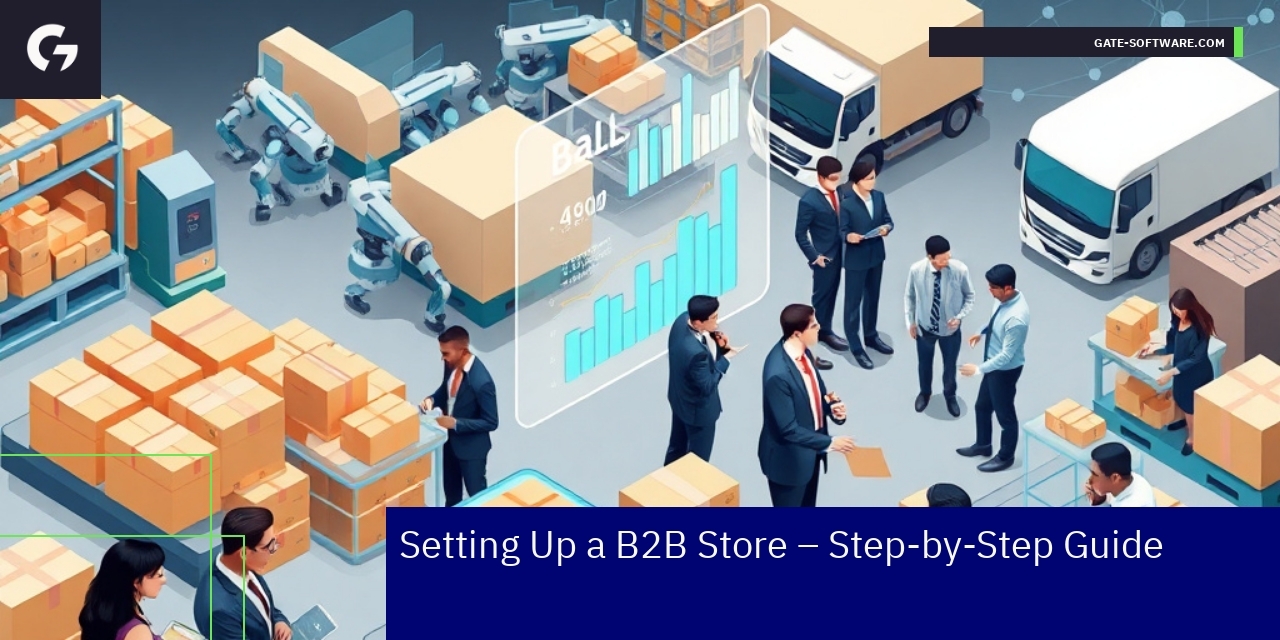
Creating distinct offers for retail and wholesale customers is essential in a B2B store to meet different business needs effectively. Tailoring your offer begins with understanding the specific purchasing behaviors, order volumes, and pricing sensitivities of each segment. For wholesale clients, pricing strategies should reflect bulk discounts and long-term contracts, while retail buyers may require more flexible, smaller quantity options. Implementing features like customized product catalogs and exclusive promotions allows you to address these differences precisely. Additionally, integrating segmentation in your platform ensures that each customer group views only the relevant products, pricing, and terms, thus optimizing the customer experience and increasing conversion rates. Properly tailored offers also help maintain clear communication of value propositions, placing emphasis on the real benefits for each segment in your B2B store configuration.
Dedicated Options for Clients
Offering dedicated options to your B2B clients enhances usability and loyalty by providing tailored functionalities that address their unique business processes. Common dedicated options include personalized price lists, credit limits, flexible payment terms, and ordering workflows adapted to specific client needs. Advanced solutions such as account hierarchies, multi-user access with role-based permissions, and integration with ERP systems support smoother collaboration and efficient management of large accounts. Implementing these options not only streamlines transactions but also boosts client satisfaction by creating a sense of partnership and trust. Ensuring compliance with standards like WCAG enhances accessibility, broadening the usability of your platform for diverse user groups within client organizations.
Managing the Sales Panel
Effective management of the sales panel is critical for B2B stores to ensure seamless order processing and customer service. Best practices include providing a dashboard that offers real-time insights into orders, outstanding payments, and client interactions. Automation of repetitive tasks like invoicing and inventory updates reduces errors and speeds up workflows. Additionally, incorporating tools for sales representatives to track leads, tailor proposals, and manage customer communications within the panel optimizes sales cycles. Ensuring the panel supports mobile access and integrates with existing systems like CRM or ERP enhances productivity and responsiveness. Prioritizing security and compliance helps protect sensitive client data, reinforcing trust in your B2B platform. Thoughtful UX/UI design with a focus on clarity and efficiency is fundamental to an effective sales panel experience.
Return Policies in the B2B Sector
Why Return Policies Matter for Retailers
Return policies in the B2B sector are crucial for maintaining strong business relationships and ensuring customer satisfaction. B2B transactions often involve higher volumes and more complex products than B2C sales, making clear and fair return policies essential. Effective return policies help minimize disputes and increase trust, which is key for repeat business. Additionally, well-defined return terms reduce the risk of misunderstandings and operational disruptions in supply chains. For retailers, aligning return policies with business clients’ expectations supports smoother transaction processes and promotes transparency. Integrating return strategies with e-commerce platforms backed by technical infrastructure, such as Magento hosting and professional monitoring, ensures streamlined handling of returns, ultimately impacting the bottom line positively.
How to Successfully Implement Return Policies
Implementing return policies successfully in a B2B context requires a structured approach. Key steps include defining conditions under which returns are accepted, establishing time frames, and clarifying responsibilities for shipping costs. Effective communication of these policies across multiple channels, including digital platforms and sales teams, is vital. Leveraging Magento™ solutions allows precise automation and integration of return workflows, improving operational efficiency. An example ecommerce return policy template for B2B could outline product eligibility, documentation needed for returns, and special considerations for custom orders or bulk purchases. Ensuring policies comply with WCAG standards also enhances accessibility and customer experience. Continuous monitoring and adjustments based on feedback and analytics prevent policy rigidity and align them with evolving client needs.
Common Mistakes in Return Policies
Common mistakes in B2B return policies include overly complex rules, lack of clarity, and inadequate communication, which can lead to customer dissatisfaction and increased operational costs. Many businesses fail to tailor policies specifically for B2B needs, treating them like B2C returns, which often results in inappropriate handling of bulk orders or customized products. To avoid these errors, policies should be transparent, concise, and incorporate stakeholder input, including insights from the eCommerce Manager and Head of Applications. To reduce return rates without hurting conversions, companies can focus on pre-sale accuracy, enhanced product information, and UX/UI audit insights to support better decision-making. Employing strategies that balance leniency and strictness ensures optimal return management aligned with overall business goals.
How to Manage Complaints
Complaints in B2B
How to Manage Complaints
Managing complaints in B2B environments requires a structured and transparent approach due to the complexity and scale of transactions involved. The Complaint Process in B2B should focus on clear communication channels, rapid response times, and detailed documentation to track and resolve issues effectively. Key steps include acknowledging receipt of the complaint, investigating the root cause collaboratively with all stakeholders including the client’s technical and procurement teams, and implementing corrective actions quickly. Leveraging platforms with integrated support and complaint management tools ensures no case is overlooked and proper escalations occur if necessary. This structured approach supports maintaining strong business relationships and aligns with SLA commitments typical in B2B contracts.
The Complaint Process in B2B
The complaint process in B2B should integrate seamlessly with existing service delivery and product logistics frameworks. Typically, complaints stem from discrepancies in order fulfillment, product quality, or technical support issues. Effective handling involves multi-department coordination — from eCommerce Managers overseeing order processes to Architects and CTOs addressing technical or platform issues. Transparency throughout the complaint lifecycle is crucial, with regular status updates to involved parties and opportunities for feedback after resolution. Adopting best practices such as clear documentation protocols and escalation matrices reduces resolution times and prevents recurrence, aligning with ecommerce return policy best practices and enhancing overall customer satisfaction.
Examples of Effective Practices
Effective practices in managing B2B complaints emphasize proactive communication and rigorous process standardization. Establishing dedicated complaint intake channels, including digital forms and direct contacts, supports immediate issue capture and decreases resolution lag. Training customer-facing teams on nuanced B2B client needs helps in addressing complaints with sensitivity and technical accuracy. Utilizing detailed analytics on complaint trends assists in pinpointing process bottlenecks or systemic product issues, informing continuous improvement strategies. Integration with ERP and CRM systems ensures complaint data flows into broader business insights, supporting strategic decision-making. These practices help companies build trust and long-term partnerships with B2B clients.
What Works?
In B2B, what works best is a complaint process grounded in collaboration and responsiveness paired with technological support. Utilizing platforms that offer real-time monitoring and reporting capabilities enables teams to track complaint statuses and respond promptly. Clear roles and responsibilities, defined in SLA terms, streamline accountability. Additionally, regular training on ecommerce return policy best practices ensures teams understand the financial and operational impacts of each complaint. Consistent two-way communication fosters transparency, reducing client frustration and reinforcing the company’s commitment to quality service and continuous improvement.
Ecommerce return policy best practices
Ecommerce return policy best practices in B2B must balance client flexibility with operational efficiency and risk management. Policies should be clearly documented and communicated at the outset of client relationships. Emphasizing terms for product condition, timelines, and documentation requirements reduces ambiguity and prevents disputes. Automated return workflows integrated into ecommerce platforms expedite processing while maintaining audit trails critical for compliance and reporting. Additionally, customizing return policies for specific product categories or client segments optimizes the balance between service quality and cost control. These principles ensure returns are managed smoothly, preserving partnerships and supporting business continuity.

B2B Store FAQ
In the B2B e-commerce landscape, ensuring efficient and seamless operations is pivotal for organizational success. Gate-Software addresses key challenges such as complex product catalogs, multi-level pricing, and individualized customer experiences that are crucial for B2B platforms. Our approach focuses on delivering scalable Magento™ solutions, optimized hosting environments, and comprehensive SLA agreements tailored to meet the high demands of B2B transactions.
A significant aspect is compliance with WCAG 1.1 standards to guarantee accessible UX/UI, which supports diverse user needs across decision-maker roles like the Architect, eCommerce Manager, and CTO. Additionally, continuous monitoring and periodic UX/UI audits ensure platform stability and performance, reducing downtime and enhancing user satisfaction. The Gate-Software team also supports migrations and cost optimization strategies, critical factors for maintaining budget control while upgrading digital infrastructure.
Strategic communication and content planning, aligned with the company’s Brand Voice and social media strategy, help in consolidating the platform’s market position and fostering long-term partnerships. Leveraging insights from detailed persona analyses enables us to shape personalized experiences that resonate with key decision-makers in B2B environments. This integrated methodology supports growth and efficiency for B2B stores, ultimately driving better business outcomes and operational excellence.
Alternatives to Traditional B2B Models
In the evolving landscape of B2B commerce, companies are increasingly exploring alternatives to traditional models to address shifting market demands and technological advancements. New business models focus on integration, customer experience, and technology-driven efficiencies that go beyond conventional sales and supply chain methods.
One prominent alternative is the platform-based model, where digital ecosystems connect multiple stakeholders—manufacturers, distributors, and end clients—on a single transactional and informational platform. This approach leverages advanced eCommerce systems such as Magento platforms, optimized for B2B needs, enabling seamless order management, real-time inventory visibility, and personalized pricing. The platform model enhances value by facilitating faster decision-making for roles like the eCommerce Manager and Head of Applications while supporting compliance with UX/UI standards and WCAG guidelines to ensure accessibility.
Another emerging model is service-oriented commerce, which bundles products with value-added services like custom integrations, SLA-backed hosting, and continuous monitoring solutions. This model supports businesses by not only delivering goods but also maintaining high availability and performance of eCommerce platforms. It addresses critical challenges faced by CTOs and CIOs around system stability and cost optimization, fostering long-term partnerships based on trust and shared objectives.
Subscription and consumption-based models are also gaining traction in B2B sectors. These models provide flexibility for businesses to scale usage or product access according to operational demand, increasing agility and optimizing cash flows. Integrating these models with robust backend systems designed for B2B environments ensures that companies can efficiently manage billing cycles, compliance, and customer segmentation.
In summary, alternatives to traditional B2B models focus on digital transformation tailored to complex buyer journeys and enterprise requirements. By adopting platform ecosystems, service-oriented commerce, and flexible consumption models, companies can drive growth and operational excellence, aligning with strategic goals encompassed in Gate-Software’s B2B expertise. This approach directly supports strategic objectives such as optimizing UX/UI experiences, adhering to WCAG standards, and deploying efficient migration strategies to enhance overall customer satisfaction and market competitiveness.
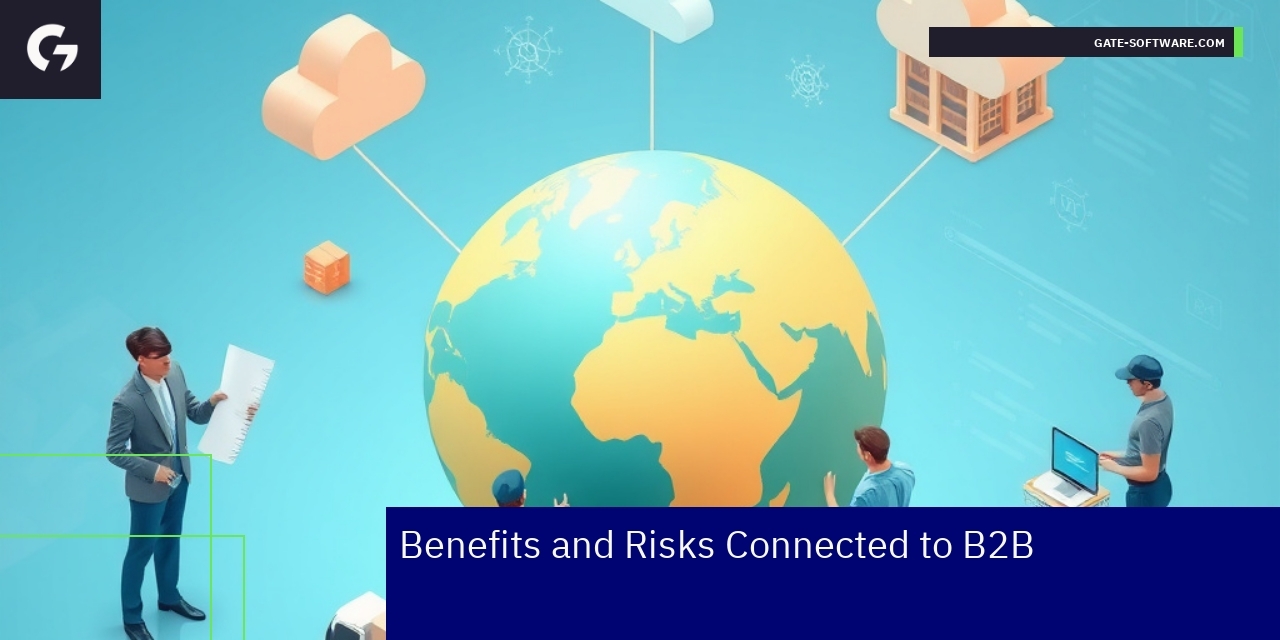
Benefits and Risks Connected to B2B
In the context of B2B services, understanding both benefits and risks is essential for making informed strategic decisions. The B2B sector’s complexity involves multiple stakeholders such as Architects, CDOs, CTOs, and eCommerce Managers, each emphasizing different aspects of projects from UX/UI standards to technical integrations like Magento™.
One significant benefit in B2B lies in the ability to implement tailored, scalable solutions that optimize cost and enhance platform stability. Leveraging Gate-Software’s expertise in areas such as SLA management, hosting, and WCAG compliance ensures that platforms maintain high availability and accessibility standards. This directly supports customer retention and long-term partnership success, aligning with company values and digital transformation goals.
However, risks include potential challenges in platform migration, integration complexities, and maintaining compliance with evolving UX/UI and accessibility standards. These can lead to project delays and increased costs. Moreover, managing stakeholder expectations across the decision-makers—eCommerce Managers focusing on user engagement versus CTOs prioritizing system robustness—requires clear communication and unified strategy, such as that outlined in the Content Strategy 5.0 and JPS plans.
Addressing these risks through proactive audits, strategic collaboration models, and continuous monitoring allows mitigation while capitalizing on B2B’s strengths. This comprehensive approach supports sustainable growth and responsiveness to market needs, ensuring that SEO phrases like Magento platform optimization, WCAG standards, and UX/UI audits are naturally embedded in the strategic framework.
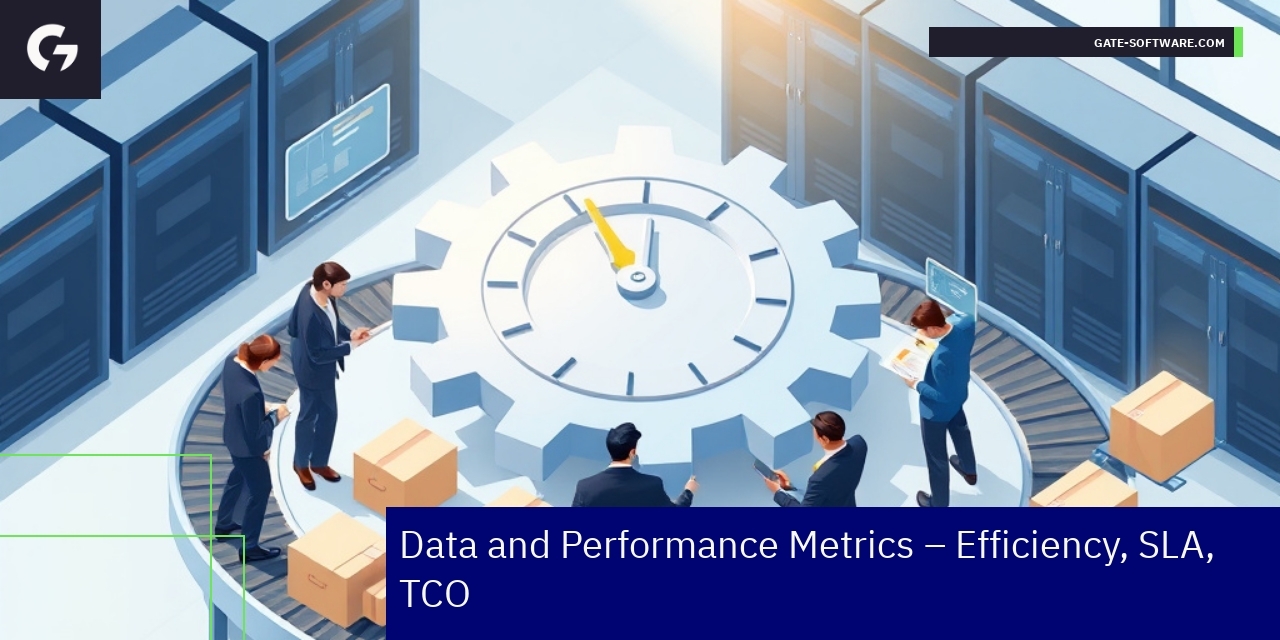
Data and Performance Metrics – Efficiency, SLA, TCO
Operational Effectiveness in B2B Projects
In the context of B2B projects, measurable data underscores the operational effectiveness of Gate-Software’s solutions. For instance, the average project takeover time is typically around 2 weeks, allowing businesses to transition smoothly to upgraded eCommerce systems. Furthermore, approximately 95% of projects are delivered on time, reflecting strong adherence to schedules and client expectations.
An average reduction in Total Cost of Ownership (TCO) for clients utilizing Gate-Software’s services is about 20%, which denotes significant savings resulting from efficient processes and integrated solutions. Over the last year, Gate-Software has completed over 150 implementations of Magento™, showcasing its capability to manage diverse eCommerce needs across various industries.
Moreover, the uptime SLA maintained for hosted services is an impressive 99.9%, ensuring that platforms remain operational and reliable, thus enhancing customer satisfaction and trust. Client relationships, on average, last over 3 years, indicating the company’s commitment to maintaining long-term partnerships and continuous improvement in service delivery.
These metrics not only highlight the effectiveness of Gate-Software’s B2B solutions but also provide valuable insights for decision-makers considering the potential ROI on service investments in the B2B ecommerce landscape.
Summary
In conclusion, understanding and effectively managing return policies in the B2B sector is vital for fostering strong business relationships and enhancing operational efficiency. A well-defined, transparent return policy minimizes friction and builds trust, essential for ensuring client satisfaction in complex transactions. By streamlining return workflows and utilizing data analytics to inform continuous improvement, businesses can significantly reduce operational costs while enhancing customer loyalty. Moreover, aligning complaint management processes with clear communication and accountability ensures that companies respond swiftly to issues, reinforcing their commitment to quality and reliability. At Gate-Software, we are dedicated to supporting B2B clients through tailored eCommerce solutions, such as Magento™, backed by robust SLA standards. We encourage you to reach out for collaboration opportunities that can optimize your eCommerce operations and drive sustainable growth in your business.
FAQ
What are the key differences between B2B and B2C transactions?
B2B transactions typically involve higher order values, complex decision-making hierarchies, and longer sales cycles compared to B2C. B2B caters to bulk orders and customized pricing, while B2C focuses on individual consumer behavior and shorter purchase decisions.
Why are return policies important in B2B?
Return policies in B2B are crucial for building trust and maintaining strong business relationships. Clear policies help minimize disputes, set expectations, and ensure smooth operations, ultimately enhancing customer satisfaction and loyalty.
How can complaints be managed effectively in B2B environments?
Effective complaint management in B2B relies on structured processes that include clear communication, rapid responses, and documentation. Utilizing integrated complaint management tools and collaborating with relevant stakeholders ensures timely resolution and strengthens relationships.
What tools can help streamline the B2B returns process?
Integrated solutions that automate the returns workflow—from return authorization to refund or replacement—can significantly enhance efficiency. Features like real-time inventory updates and analytics dashboards support better decision-making and improve customer satisfaction.
How does Gate-Software support B2B clients in eCommerce operations?
Gate-Software optimizes B2B eCommerce operations by providing tailored solutions on the Magento™ platform. This includes embedding best practices for return management, ensuring compliance with WCAG standards, and utilizing data-driven strategies to enhance customer loyalty and reduce operational costs.
.
.
Zamów bezpłatną konsultację
.
Z nami rozwój Twojego biznesu nabierze tempa! Zapraszamy do kontaktu średnie i duże firmy generujące min. 7 mln PLN obrotu rocznie – tam nasza ekspertyza sprawdza się najlepiej.
.
Kliknij w poniższy przycisk i skontaktuj się z jednym z naszych konsultantów e-commerce
.