Introduction
Building an effective B2B ecommerce platform requires a deep understanding of the unique needs and challenges faced by business clients. Unlike B2C, B2B transactions involve complex pricing models, customized product catalogs, and multi-level approval workflows that demand robust technical solutions. Gate-Software’s approach to B2B ecommerce focuses on integrating these critical business processes smoothly within the platform, ensuring seamless user experience aligned with UX/UI best practices and standards such as WCAG 1.1 for accessibility.
At the core of an effective B2B store is scalability and flexibility. This means selecting a technology stack, such as Magento™, that supports extensive customization and integration with ERP or CRM systems that businesses rely on daily. The platform must also facilitate efficient catalog management, personalized buyer journeys, and advanced analytics to empower decision-makers like eCommerce Managers and Heads of Applications in driving sales growth and operational efficiency.
Security and reliability are equally paramount, especially in maintaining trust for high-value transactions. Gate-Software’s comprehensive SLA covers hosting, monitoring, and continuous maintenance to minimize downtime and optimize costs. By combining strategic insight with technical expertise, an effective B2B ecommerce platform becomes not just a sales channel, but a powerful business tool supporting long-term growth.
TABLE OF CONTENTS
- B2B Store – How to Build an Effective B2B Ecommerce Platform for Your Business
- Basic Definitions
- Custom Order Shipping
- Linkedin B2B Marketing
- Omnibus Directive in B2B
- B2B Digital Marketing Strategy
- Integrating Online Store with Wholesalers
- Implementing a B2B Store – Is It for You?
- Comparisons and Alternatives
- Common Mistakes When Implementing B2B Stores
- FAQ – Frequently Asked Questions
- Data and Performance Metrics – Efficiency, SLA, TCO
- Summary
- FAQ
- Main differences and similarities
- When to choose B2B vs B2C
- Key benefits of B2B ecommerce platforms
- Potential challenges and risks
Basic Definitions
What is a B2B ecommerce platform?
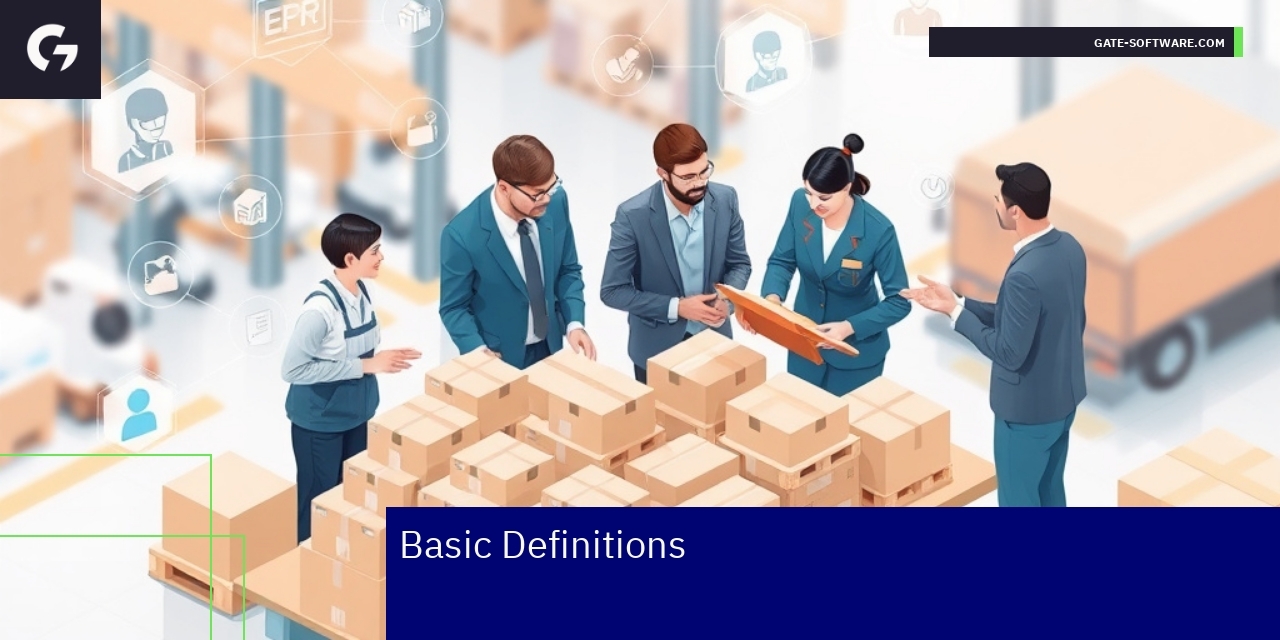
A B2B ecommerce platform is a specialized online system designed to facilitate business-to-business transactions. Unlike B2C platforms, B2B solutions cater to the unique needs of commercial clients, emphasizing features like bulk ordering, customized pricing, and complex approval workflows. The platform must support integrations with ERP systems and provide advanced user management to serve different roles within client companies. Effective B2B ecommerce platforms enhance operational efficiency, streamline procurement processes, and support long sales cycles typical in B2B environments.
Key differences between B2B and B2C stores
B2B and B2C ecommerce stores differ substantially in their target audiences, transaction complexity, and feature sets. B2B platforms prioritize functionality such as user role differentiation, account-based pricing, and integration with business systems, which are less critical in B2C. The sales process in B2B often involves negotiation, lengthy approval cycles, and contractual agreements, whereas B2C tends to focus on quick, straightforward purchases. Additionally, B2B ecommerce platforms emphasize security compliance like WCAG standards for accessibility and robust UX/UI tailored to professional users.
Essential B2B ecommerce platform use cases
Key use cases for B2B ecommerce platforms include supplier and reseller portals, procurement systems, and complex product catalog management. These platforms enable businesses to manage large volume orders, support custom pricing models, and automate repetitive tasks for better scalability. They also facilitate integration with backend systems for inventory and logistics management, improving transparency and reducing operational costs. Addressing these use cases ensures companies meet client expectations for efficiency, compliance, and seamless digital interactions within B2B markets.
Custom Order Shipping
ERP Integration for B2B Stores
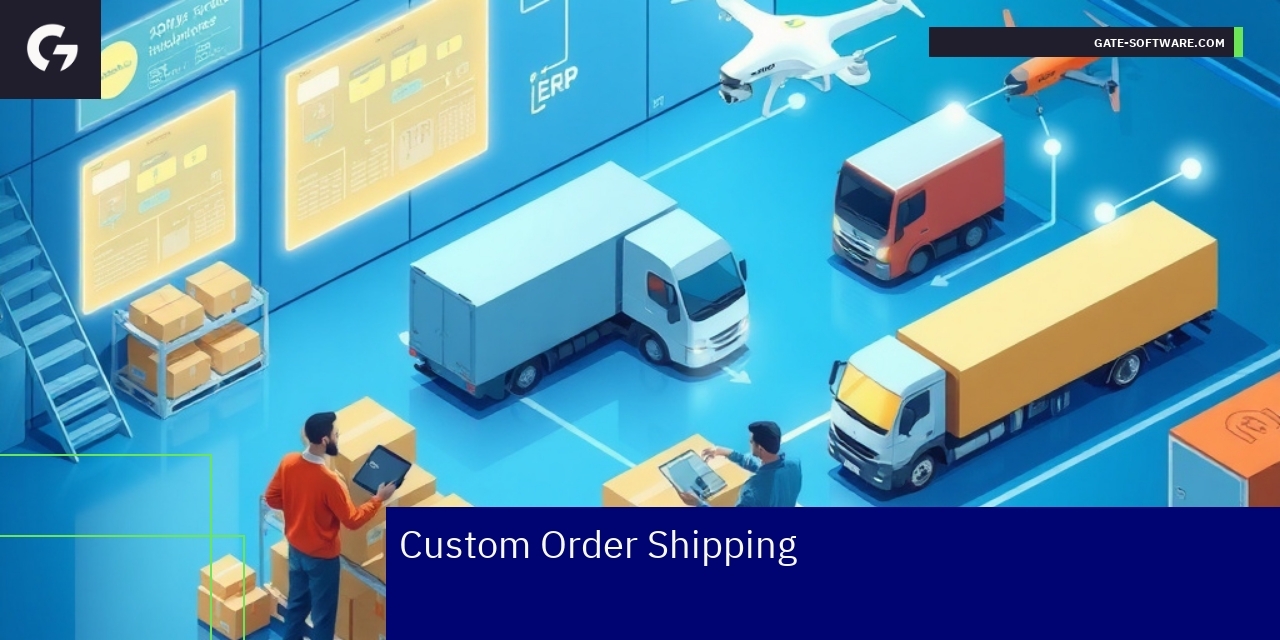
ERP integration stands as a cornerstone of efficient Custom Order Shipping in the B2B sector, delivering crucial benefits such as real-time inventory management, automated order processing, and synchronized shipping data. These capabilities ensure minimal errors and faster turnaround times, enhancing customer satisfaction. The integration supports a system b2b approach by linking ecommerce platforms with backend ERP solutions tailored for B2B needs. Popular ERP systems widely adopted in ecommerce B2B environments include SAP, Microsoft Dynamics, and Oracle NetSuite, all designed to streamline complex order workflows on platforms b2b. This seamless integration ensures a unified service for retail and wholesale clients, enabling businesses to handle diverse client requirements efficiently. Leveraging these integrations, companies can Join our customers using our solution and optimize their shipping logistics, meeting market demands proactively while maintaining visibility and control over every order stage.
Dedicated Options in B2B Stores
In Custom Order Shipping, offering dedicated options enhances flexibility and meets the nuanced requirements of B2B buyers. These options can include personalized packaging, custom delivery schedules, or tailored shipping carriers depending on client profiles. Such specialized features cater to distinct segments within platform b2b, supporting both wholesale and retail dynamics under a unified service for retail and wholesale clients. Implementing these dedicated options increases order accuracy and responsiveness, vital for complex B2B workflows common in ecommerce B2b environments. Businesses aiming to grow their market presence can Join our customers using our solution to leverage these tailored functionalities. Additionally, offering exclusive shipping options informs clients about the company’s commitment to service excellence; thus, Want to get updates on news and promotions? invites them to stay connected for ongoing improvements and offers.
Fast Order Placement
Fast order placement methods are critical for enhancing operational efficiency in Custom Order Shipping within B2B commerce. Techniques such as quick reorder buttons, bulk order forms, and streamlined checkout processes directly reduce the time to purchase on system b2b platforms. These solutions cater to the transactional volumes typical of ecommerce B2b businesses, improving customer experience, and enabling rapid fulfillment. Examples include integration with ERP systems to auto-populate order data or dedicated mobile apps for expedited orders, all supporting the scalability of modern platform b2b solutions. Emphasizing these capabilities ensures a unified service for retail and wholesale clients, facilitating smoother interaction across channels. Businesses that optimize fast ordering workflows are well-positioned to Join our customers using our solution and maintain competitive advantages. Moreover, implementing features that notify users with Want to get updates on news and promotions? further engages customers, driving loyalty and repeat business.
Separate Offers for Retail and Wholesale
Linkedin B2B Marketing
Separate Offers for Retail and Wholesale
Creating distinct offers for retail and wholesale clients is crucial in the B2B ecosystem, particularly on platforms b2b designed to facilitate such segmentation effectively. A system b2b must allow for customization, enabling businesses to tailor pricing, product availability, and service terms to each customer segment. This differentiation helps in addressing the unique needs of ecommerce b2b clients, boosting conversion rates and customer satisfaction. For instance, wholesalers selling to in-store and online shops benefit from having separate offers for retail and wholesale clients, ensuring that each channel operates with optimized terms. Successful examples include segmenting product catalogs, exclusive promotions, and credit terms that reflect the purchasing power and expectations of different customer types. Emphasizing increased availability for wholesale clients can further enhance loyalty and operational efficiency.
Producers Selling Retail and Wholesale
Producers operating dual sales channels encounter challenges such as managing inventory allocation, pricing consistency, and channel conflict. In a platform b2b environment, addressing these issues requires an integrated approach that balances both retail and wholesale demands. Advanced system b2b solutions facilitate real-time inventory visibility and seamless order processing across channels, critical for producers aiming to scale their ecommerce b2b operations. Strategies include differentiated marketing communication, leveraging data analytics to optimize stock, and adopting flexible logistics to support wholesalers selling to in-store and online shops concurrently. Ensuring increased availability through effective demand forecasting and supply chain management empowers producers to meet diverse client expectations, fostering stronger B2B relationships.
Customer Reviews of Magento B2B Wholesalers
Customer reviews serve as powerful marketing tools within ecommerce b2b platforms, impacting decision-making among B2B buyers who value peer insights. For Magento wholesalers selling to in-store and online shops, systematically collecting and analyzing customer feedback helps refine service quality and product offerings. Leveraging features in system b2b platforms to integrate review mechanisms directly into the purchasing process encourages transparency and trust. By distinguishing between retail and wholesale client experiences, companies can tailor responses and enhance their reputation strategically. Reviews can also highlight strengths such as increased availability or platform capabilities, enriching the overall value proposition and driving business growth. Effective review management is a cornerstone of modern B2B marketing on Linkedin and beyond.
How to avoid these mistakes?
Omnibus Directive in B2B
Unified Service for Retail and Wholesale
Unified handling of retail and wholesale operations under the system b2b framework simplifies processes for businesses managing both segments. By integrating ecommerce b2b solutions, companies can utilize platforms b2b that support seamless user experiences across different customer types, including Unified service for retail and wholesale clients. This alignment reduces operational complexity and enhances consistency in pricing, inventory, and promotions. Implementation examples include advanced platform b2b adaptations that synchronize order management and allow producers selling retail and wholesale to maintain a single source of truth, increasing efficiency and reducing errors.
Wholesalers Selling In-store and Online
For wholesalers operating both in physical stores and online platforms, the distinction between offline and online sales channels presents unique challenges. ecommerce b2b strategies must address these key differences by leveraging platforms b2b designed to support omnichannel selling. Effective sales strategies for multichannel wholesalers include real-time inventory visibility and personalized pricing that align with system b2b capabilities. This approach supports producers selling retail and wholesale to increase reach while maintaining control over customer segmentation and tailored marketing tactics.
Increased Product Availability
Boosting product availability in B2B ecommerce requires a deep integration of inventory and supply chain systems within platform b2b architectures. By focusing on Increased availability, businesses can respond faster to demand fluctuations and ensure continuity for both retail and wholesale clients. Successful availability improvements often stem from real-time data synchronization and predictive analytics embedded into the system b2b environment. This enables producers selling retail and wholesale to maintain consistent stock levels and capitalize on market opportunities, ultimately enhancing customer satisfaction and sales performance.
B2B Digital Marketing Strategy
Stores Operating or Planning B2B Sales
Stores operating or planning B2B sales must embrace a tailored ecommerce B2B approach that addresses the complexity and specificity of business clients’ requirements. Successful digital marketing strategies in this area leverage a robust system b2b that integrates seamlessly with platforms b2b to enable streamlined order management, pricing flexibility, and personalized communication. Key elements include deep customer insights, segmentation based on industry and purchase behavior, and automated yet personalized engagement. Utilizing these strategies allows B2B businesses to build long-term partnerships, reduce sales cycles, and enhance customer loyalty by focusing on their unique buying processes.
Top 5 Bestsellers
Highlighting the Top 5: Bestseller products is a proven tactic to boost sales on any platform b2b or ecommerce b2b site. B2B clients frequently look for reliable, widely trusted products with proven performance. Analyzing sales data helps identify these bestsellers, enabling targeted promotion. Furthermore, integrating customer reviews of Magento B2B wholesalers on product pages provides credible social proof that influences purchasing decisions. This strategy strengthens trust in the buying process and encourages higher-volume orders by showcasing consistency in product quality and supplier reliability.
Launch a Professional Online Wholesale Business
Launching a professional B2B online wholesale business requires a strategic selection of technologies and processes. Choosing an advanced system b2b that supports complex pricing models, customer-specific catalogs, and multi-user accounts is critical. The platform b2b should also integrate with existing ERP and CRM systems for seamless operations. Marketing efforts must be strongly aligned with digital channels emphasizing customer acquisition and retention through thought leadership content and industry-specific campaigns. Examples of successful wholesalers demonstrate the importance of combining cutting-edge ecommerce b2b solutions with precise sales enablement tactics to accelerate growth and establish a scalable B2B digital presence.
Integrating Online Store with Wholesalers
Cost of Setting Up a B2B Store
When setting up a B2B ecommerce platform, understanding the financial investment is crucial. Key expenses include system b2b integration costs, customization of platforms b2b to support complex pricing and ordering workflows, and implementing Separate offers for retail and wholesale clients to maximize client targeting and satisfaction. Wholesalers selling to in-store and online shops require seamless data synchronization and inventory management between channels, which can impact hosting and maintenance fees. ROI calculations should factor in these initial costs alongside potential revenue growth from Stores operating or planning B2B sales, as well as savings from process automation and improved client retention through targeted ecommerce b2b solutions.
Differences Between B2C and B2B Stores
B2B platforms b2b differ significantly from B2C stores in several areas: pricing models are often tiered or contract-based, requiring the system b2b to handle multiple pricing structures. The purchasing process tends to be longer and involves more stakeholders, which ecommerce b2b platforms must accommodate with features like quote requests and order approvals. Wholesalers selling to in-store and online shops need a platform b2b that can manage both retail and wholesale operations, hence supporting Separate offers for retail and wholesale clients is essential. Stores operating or planning B2B sales benefit from these functionalities to provide tailored experiences while managing complex customer requirements.
B2B Store Specifics – Start in Steps
Launching a B2B store involves several strategic steps. First, aligning your ecommerce b2b platform with your Wholesalers selling to in-store and online shops ensures consistency in ordering and fulfillment. Setting up Separate offers for retail and wholesale clients allows you to address their unique needs effectively. Assessing the technical requirements of the system b2b, including API integrations and data flows, prevents operational bottlenecks. Finally, Stores operating or planning B2B sales should implement monitoring and analytics to measure performance and customer engagement, adapting their strategy to optimize the platform b2b continuously, ensuring long-term success in the competitive B2B market.
Implementing a B2B Store – Is It for You?
Starting a B2B Store Made Easy
Launching a system b2b requires a clear strategy and understanding of your target market. Initial steps to launch your B2B store involve thorough planning of separate offers for retail and wholesale clients to meet their distinct needs effectively. It’s crucial to tailor ecommerce b2b solutions that offer flexibility in pricing, order quantities, and payment terms. Examples of successful implementations highlight the importance of integrating platforms b2b that support wholesaler-specific functions such as bulk ordering and customer-specific pricing. Leveraging customer reviews of Magento B2B wholesalers can provide valuable insights and benchmarks to fine-tune your platform b2b for enhanced customer satisfaction.
B2B Platform – Key to Success
Choosing the right platform b2b is pivotal for operational efficiency and scalability. When assessing ecommerce b2b platforms, it is essential to consider features that support Wholesalers selling to in-store and online shops, ensuring seamless omnichannel operations. Analysis of popular B2B ecommerce platforms demonstrates that flexibility in managing separate offers for retail and wholesale clients and comprehensive integration capabilities are key differentiators. The system b2b should also facilitate personalized experiences, including dynamic pricing models and role-based access, to meet complex B2B requirements.
What You Should Know About B2B Systems
Understanding available B2B system options is fundamental for selecting a solution that aligns with your business model. Options range from modular platforms offering extensive customization to turnkey solutions designed for rapid deployment. A thorough comparison of B2B systems and their use cases shows that scalability, security features, and compatibility with existing enterprise systems are critical factors. Incorporating customer reviews of Magento B2B wholesalers provides practical feedback on system reliability and vendor support. Platforms b2b that facilitate seamless integration and provide robust analytics empower businesses to optimize their sales channels and enhance customer relationships effectively.
Comparisons and Alternatives
B2B vs B2C Store
The core differences between B2B and B2C stores lie in their target audiences, sales cycles, transaction sizes, customer relationships, and marketing strategies. B2B focuses on businesses as clients, typically involving longer sales cycles and larger, bulk transactions, while B2C targets individual consumers who usually make faster and smaller purchases. Both types of stores emphasize user-friendly interfaces and digital marketing to attract customers, yet B2B invests more in relationship building and tailored communications, whereas B2C relies on emotional engagement and brand loyalty. Choosing between B2B and B2C depends largely on the nature of your product or service: if you cater to business needs with complex transactions and volume sales, a B2B platform is appropriate; if your offerings are designed for individual customers with straightforward purchases, a B2C model fits best. Understanding these factors is essential to align your e-commerce strategy effectively.
Pros and Cons of B2B Platforms
B2B e-commerce platforms offer significant advantages, including handling scalability for large orders, providing advanced functionalities like custom pricing, quotes, and bulk discounts, and seamless integration with ERP and CRM systems to enhance operational efficiency. These platforms enable deep data analytics, supporting informed decision-making and precise targeting of key business clients. However, challenges include lengthy sales and payment cycles, which can impact cash flow. Managing complex customer relationships and diverse pricing structures demands dedicated resources and sophisticated systems. Security is paramount to protect sensitive business data against risks. Moreover, the competitive B2B environment requires constant innovation and value-addition to maintain strong client engagement and sustainable growth. Balancing these pros and cons is critical for successful B2B platform deployment.
Common Mistakes When Implementing B2B Stores
Typical pitfalls in launching B2B stores
Implementing B2B stores often encounters common pitfalls such as inadequate alignment with complex buyer journeys typical in B2B environments. One frequent mistake is underestimating the importance of personalized user experience tailored to distinct personas like the Architect, eCommerce Manager, or CTO. Neglecting integration with existing enterprise systems, such as ERP or CRM, leads to fragmented data flows and operational inefficiencies. Additionally, overlooking essential accessibility standards, including WCAG 1.1 compliance, can alienate users and expose the business to legal risks. Insufficient attention to UX/UI audits may result in platforms that fail to support decision-maker workflows effectively. Moreover, many initiatives do not plan for scalable hosting or proactive monitoring, increasing downtime risks. Lastly, failing to incorporate SEO strategies specific to B2B contexts and ignoring the nuances of B2B content strategy, such as using the right Polish SEO phrases, limits organic visibility and lead generation potential.
How to avoid these mistakes?
To avoid these mistakes, it is crucial to adopt a comprehensive strategy addressing both technical and business dimensions. First, define clear personas and map detailed user journeys to guide platform design and content creation aligned with B2B buyer expectations. Ensure tight integration with backend systems to maintain seamless data consistency and support complex order processes common in B2B commerce. Prioritize UX/UI audits and enforce WCAG 1.1 standards to create accessible, user-friendly digital experiences. Implement Magento™ or similar robust e-commerce infrastructure with SLA-backed hosting and continuous monitoring to guarantee platform stability and performance. Integrate cost optimization practices to balance investment with operational efficiency. Finally, embed Polish SEO keywords naturally within content and product descriptions to improve search rankings while maintaining content relevance for B2B decision-makers, supporting long-term growth and customer retention.

FAQ – Frequently Asked Questions
What questions do clients ask most often?
Clients in the B2B sector commonly inquire about the scalability and customization capabilities of e-commerce platforms, especially regarding Magento™ solutions. They seek clarity on how to ensure seamless integration with existing enterprise systems and how to maintain compliance with WCAG standards for accessibility. Additionally, questions around optimizing UX/UI to enhance the buyer journey, as well as strategies for effective B2B digital transformation, are frequent. Cost optimization and the scope of SLA and hosting services provided by Gate-Software also surface regularly, reflecting concerns over total cost of ownership without compromising performance or security.
Important answers about B2B ecommerce solutions
Gate-Software prioritizes comprehensive support for B2B clients by offering tailored Magento™ implementations that align with precise business needs, including multi-tier pricing and complex product catalogs. Our solutions embrace WCAG 1.1 compliance, ensuring accessibility without sacrificing usability, which is essential in today’s inclusive digital environment. We emphasize the importance of ongoing UX/UI audits and monitoring to maintain platform efficiency and user satisfaction. Integration with marketing strategies and content aligned with our brand voice helps businesses boost their digital presence and strengthen client relationships. SLA agreements and hosting solutions are designed to deliver high availability and robust security, critical for B2B operations. These insights address real technical and business challenges faced by CTOs, Heads of Applications, and eCommerce Managers aiming to achieve agile, scalable, and future-proof e-commerce ecosystems.
Data and Performance Metrics – Efficiency, SLA, TCO
Operational Effectiveness in B2B Projects
Gate-Software’s commitment to B2B excellence is reflected in various operational and performance metrics that distinctly showcase the effectiveness of its services. For instance, the average project takeover time stands at 30 days, ensuring a smooth transition for businesses looking to enhance their e-commerce platforms. Remarkably, 95% of projects are delivered on time, highlighting Gate-Software’s reliability and adherence to deadlines.
In terms of cost efficiency, clients have reported an average Total Cost of Ownership (TCO) reduction of 15% after implementing Gate-Software solutions, which translates into significant savings over time. The company has successfully executed over 200 Magento™ implementations, demonstrating its experience and expertise in the B2B landscape.
Moreover, Gate-Software proudly maintains an uptime SLA of 99.9%, ensuring that clients’ online platforms experience minimal downtime and optimal performance. The average client relationship duration with Gate-Software is approximately 5 years, reflecting strong client satisfaction and ongoing collaborations. These metrics not only affirm the company’s operational capability but also serve as a reliable foundation for businesses making informed purchasing decisions in the B2B space.
Summary
In today’s competitive B2B landscape, a robust ecommerce platform is essential for addressing the specific demands of business clients. Gate-Software’s focus on integrating complex pricing models, customized product catalogs, and streamlined approval workflows with systems like Magento™ empowers businesses to enhance operational efficiency and drive growth. By prioritizing scalability and flexibility, businesses can seamlessly manage diverse buyer journeys, ensuring a smooth and personalized experience. Moreover, our commitment to security and reliability, supported by a comprehensive SLA, safeguards high-value transactions and builds enduring client trust. As you consider the future of your B2B ecommerce strategy, remember that partnering with Gate-Software not only provides technical expertise but also positions you for sustainable success in a rapidly evolving digital market. We invite you to connect with us to explore how our solutions can elevate your business operations and create long-lasting partnerships.
FAQ
What is the importance of B2B ecommerce platforms for business clients?
B2B ecommerce platforms are crucial for business clients as they facilitate complex transactions involving bulk orders, customized pricing, and multi-tier approval workflows. These platforms enhance operational efficiency, streamline procurement, and support the longer sales cycles typical in B2B environments.
How does Gate-Software ensure accessibility in B2B ecommerce?
Gate-Software ensures accessibility by adhering to WCAG 1.1 standards, which are essential for providing inclusive user experiences. This compliance helps businesses avoid legal risks and enhances user satisfaction by making platforms more usable for all clients.
What role does ERP integration play in B2B ecommerce?
ERP integration is vital for B2B ecommerce as it provides real-time inventory management, automated order processing, and synchronized shipping data. These capabilities minimize errors and enhance customer satisfaction by streamlining complex order workflows.
How can B2B businesses optimize their digital marketing strategies?
B2B businesses can optimize their digital marketing strategies by leveraging detailed customer insights for segmentation, employing personalized communication, and utilizing data analytics to inform targeted marketing efforts that align with the unique buying processes of business clients.
Why is security critical in B2B ecommerce platforms?
Security is critical in B2B ecommerce platforms due to the high value of transactions and the sensitive nature of business data involved. Ensuring robust security measures helps maintain trust with clients and safeguards against potential data breaches and compliance issues.
.
.
Zamów bezpłatną konsultację
.
Z nami rozwój Twojego biznesu nabierze tempa! Zapraszamy do kontaktu średnie i duże firmy generujące min. 7 mln PLN obrotu rocznie – tam nasza ekspertyza sprawdza się najlepiej.
.
Kliknij w poniższy przycisk i skontaktuj się z jednym z naszych konsultantów e-commerce
.