Introduction
A B2B online store is a specialized e-commerce platform designed to facilitate transactions between businesses rather than individual consumers. It serves as a digital marketplace where businesses can present their products or services tailored specifically to the needs of other companies. This platform is essential for B2B companies to optimize their sales processes by enabling easy product browsing, bulk ordering, and streamlined purchasing workflows.
Definition of a B2B Online Store
A B2B online store caters exclusively to business customers who purchase goods or services typically in larger volumes and under different terms than retail buyers. These platforms are equipped with features such as customized pricing, account management, order approvals, and complex catalog structures to handle diverse client requirements. This allows businesses to maintain operational efficiency and support complex procurement processes inherent to B2B interactions.
Why B2B Companies Need an Ecommerce Platform
B2B companies require ecommerce platforms to expand their market reach and enhance operational efficiencies. Such platforms enable 24/7 availability which is crucial for global and multi-region business operations. They automate key processes including order management, invoicing, and fulfillment, reducing manual overhead and errors. E-commerce software supports personalized experiences, offering tailored pricing, product recommendations, and negotiated terms that reflect the unique relationships between businesses. Furthermore, analytics derived from transactions empower B2B companies to make data-driven decisions, optimize inventory, and anticipate customer needs more effectively.
Key Differences Between B2B and B2C
There are fundamental distinctions between B2B and B2C e-commerce that influence platform design and strategy. Whereas B2C targets individual consumers with typically straightforward purchasing paths and fixed pricing, B2B platforms serve professional clients engaged in procurement requiring negotiated pricing, larger quantities, and longer sales cycles involving multiple stakeholders. Customer relationships in B2B are often long-term and strategic, necessitating advanced account management and communication channels. These differences necessitate a tailored approach in UX/UI, functionality, and backend integration to address business customers’ complex requirements effectively.
By integrating a well-architected B2B ecommerce software solution, companies can create a digital environment that supports robust, scalable business transactions while enhancing customer satisfaction and operational excellence.
TABLE OF CONTENTS
-
-
- B2B Online Store – B2B Ecommerce Software
- Implementing a B2B Store – Is It Right for You?
- Want to Start a B2B Store? Check Automico B2B!
- B2C vs B2B Stores: What’s the Difference?
- B2B Store Specifics – Start in a Few Steps
- B2B Store Setup Costs – What Does Online Wholesale Really Cost?
- Starting a B2B Store – Easier Than You Think!
- How to Buy
- Discounts and Customer Support
- Price and Purchase Offer Negotiations
- FAQ – Frequently Asked Questions
- Data and Performance Metrics – Efficiency, SLA, TCO
- Summary
- FAQ
-
Implementing a B2B Store – Is It Right for You?
Features of a B2B ecommerce platform
A B2B ecommerce platform is designed to meet the distinct needs of business customers, providing features such as customizable pricing, contract management, and bulk ordering capabilities. These platforms support complex product catalogs with multiple variants, allow for integration with ERP and CRM systems, and handle user roles and permissions for different stakeholders within an organization. Seamless integration with payment gateways and shipping logistics ensures streamlined operations. Leveraging a B2B platform facilitates automation of repeated business processes and supports scalable growth tailored to B2B relationships.
Key benefits of B2B ecommerce platforms
The advantages of implementing a B2B ecommerce platform include increased efficiency in order processing, improved customer experience through personalized offers, and enhanced data visibility for better decision making. Businesses benefit from reduced manual intervention, faster turnaround times, and the capability to manage dynamic pricing models and discounts effectively. Furthermore, B2B ecommerce platforms enable companies to extend their market reach while maintaining strong customer relationships through dedicated portals and support mechanisms aligned with business clients’ expectations.
Challenges and pitfalls in implementation
Implementing a B2B store comes with challenges such as integrating with legacy systems, addressing diverse customer requirements, and ensuring data security and compliance. Complexity in catalog and pricing management can lead to implementation delays if not properly scoped. Poor user experience design may hinder adoption by business users. Additionally, insufficient support for negotiation workflows and contract terms can impact sales effectiveness. A clear understanding of technical and operational demands is critical to mitigate these pitfalls successfully.
How to Buy in a B2B Store
Buying in a B2B ecommerce platform typically involves multiple steps including product selection from vast catalogs, quote requests, and approval processes customized according to the buyer’s role and organization. Effective purchasing requires clarity on negotiation terms, discount eligibility, and delivery schedules. Buyers benefit from platforms that offer transparency around order history, status tracking, and documentation. Providing intuitive interfaces and comprehensive product information helps reduce procurement cycle times and supports strategic purchasing decisions.
Discounts and Customer Support
Negotiating discounts in B2B requires careful consideration of volume commitments, contract terms, and ongoing relationship value. Successful discount strategies depend on flexible pricing models embedded in the ecommerce platform with capabilities for tiered pricing and conditional offers. Customer support plays a pivotal role in navigating these negotiations and resolving issues promptly. Proactive support enhances trust and satisfaction, potentially increasing customer retention and long-term partnership success.
Price and Purchase Offer Negotiations
Effective negotiation techniques in B2B ecommerce solutions include using data-driven insights to tailor offers, leveraging automated workflows to expedite approvals, and maintaining transparent communication channels between buyers and sellers. Platforms should support iteration of purchase offers and contract modifications in real time. Examples of successful negotiations showcase how technology-enabled processes help align pricing with buyer expectations while safeguarding seller margins, creating win-win outcomes through collaborative approaches.
Key features of this B2B ecommerce platform
Want to Start a B2B Store? Check Automico B2B!
Why Automico B2B is a top option
Automico B2B is designed to meet the complex requirements of B2B ecommerce, supporting robust catalog management and intricate pricing structures essential for business clients. It enables seamless integration with existing business systems and excels in handling customer-specific pricing, order volumes, and transaction terms. This platform stands out for its scalability and flexibility, empowering companies to customize workflows and accelerate digital transformation, aligning perfectly with Gate-Software’s strategic approach to B2B commerce. Its compliance with WCAG standards ensures accessibility, while the user experience is optimized for efficiency in high-volume purchasing environments.
Key features of this B2B ecommerce platform
Among Automico B2B’s standout features are multi-layer product segmentation, comprehensive customer segmentation, and personalized pricing models, which address the needs of diverse buyer personas such as eCommerce Managers and CTOs. The platform supports custom product feeds and configurable order attributes, vital for streamlining complex procurement processes. Advanced analytics and reporting tools provide decision-makers with actionable insights, while its integration capabilities simplify orchestration across marketing, sales, and IT functions. Automated workflows reduce manual errors and improve SLA adherence, beneficial in maintaining seamless operations in B2B contexts.
Custom Product Feed
-
- How to create a custom product feed
Custom product feeds in Automico B2B are created by mapping product data attributes to required fields tailored to client needs, allowing for dynamic updates and synchronization with external systems. Utilizing Gate-Software’s expertise, businesses can implement feeds that optimize product discoverability and relevance for target segments. These feeds support formats compatible with industry standards and enable the integration of extended product information to support decision-making in B2B transactions.
-
- Examples of product feeds in practice
In practice, custom feeds have been deployed for clients requiring precise SKU-level information, batch numbers, or tiered pricing displays. For example, a manufacturing supplier configured feeds to update inventory status and technical specifications, ensuring buyers receive real-time, accurate data facilitating quicker purchase decisions. Such implementations demonstrate how tailored product feeds support enhanced customer experience and operational efficiency in B2B stores.
Custom Order Attributes
-
- Which order attributes matter in B2B?
Critical B2B order attributes include purchase order references, delivery instructions aligned with logistics workflows, and billing details adhering to enterprise financial processes. These attributes ensure an order’s accuracy and compliance with internal procurement policies. Additionally, attributes related to contractual terms or volume discounts often play a decisive role.
-
- How to tailor attributes to customer needs
Automico B2B allows precise customization of order attributes to reflect customer-specific workflows and validation rules. Working closely with client teams, Gate-Software advises on tailoring these attributes to automate manual processes, improve order accuracy, and enhance the overall purchasing experience. This customization minimizes errors and expedites fulfillment, crucial for maintaining business relationships.
How to Make a Purchase?
- Step-by-step guide to buying in a B2B online store
The purchase process in Automico B2B starts with account creation where buyers are verified and segmented. Users then browse the tailored catalog or search via custom feeds, adding products to their carts. Next, they complete order details including custom order attributes to satisfy client-specific requirements. The checkout process supports multiple payment options and purchase orders, with final review steps to confirm accuracy. An automated notification system keeps stakeholders informed from order submission through fulfillment. This structured approach reflects best practices to optimize procurement cycles in B2B environments.
Effective strategies for negotiating in B2B ecommerce
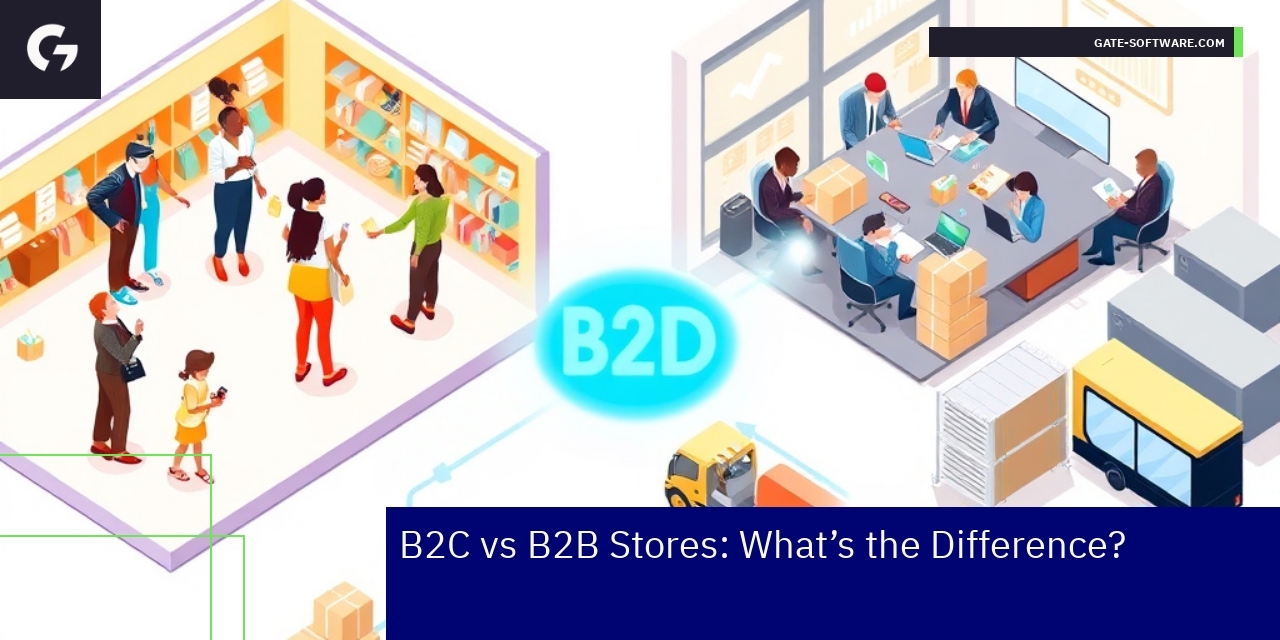
B2C vs B2B Stores: What’s the Difference?
Key differences in sales models
B2C and B2B stores operate under fundamentally different sales models that reflect their distinct target audiences. B2C stores typically focus on individual consumers who make purchasing decisions based on personal preferences, emotions, and impulse triggers. Transactions tend to be relatively simple and fast, with lower order values but higher sales volumes. In contrast, B2B sales models revolve around building long-term relationships between businesses. Sales processes are complex, often involving multiple decision-makers, negotiations, and longer sales cycles. Orders tend to be larger and more strategic, reflecting broader business needs rather than individual preferences. This dynamic means B2B ecommerce platforms must support robust order management, pricing flexibility, and custom contract terms to meet the demands of business clients.
Marketing strategy implications of these differences
Marketing strategies in B2B must address the rational and informational nature of business purchasing decisions. Unlike B2C, which often relies on emotional appeal and brand loyalty, B2B marketing focuses on delivering value through education, solutions, and building trust. Content strategy includes case studies, whitepapers, detailed product specifications, and ROI justification. Targeting is more precise, aimed at key personas such as CTOs, Head of Applications, and eCommerce Managers who influence purchasing. Marketing tactics also prioritize direct relationship building and account-based marketing, frequently leveraging professional networks and industry events. The complexity and specificity of the B2B ecosystem, including the need to comply with standards such as WCAG for accessibility, demand tailored and nuanced approaches.
Wholesalers Serving Offline and Online Stores
Wholesalers play a pivotal role in the B2B market by bridging manufacturers and both offline and online retailers. Their significance lies in enabling efficient distribution and inventory management at scale, ensuring that retailers can fulfill their customer demands promptly. In the B2B ecommerce context, wholesalers require sophisticated software solutions capable of managing bulk orders, tiered pricing, and complex logistics workflows. These platforms must integrate seamlessly with offline channels and back-office systems like ERP. By serving as intermediaries, wholesalers also help mitigate risks in supply chains and stabilize pricing structures, crucial in B2B markets with fluctuating demand. This integration supports wholesalers in meeting the evolving expectations of modern buyers who increasingly prefer omnichannel purchasing experiences.
How wholesalers impact the B2B market
Wholesalers influence the B2B market by providing breadth and depth in product availability, offering varied assortments that might otherwise be inaccessible to individual retailers or smaller businesses. Their capacity to deliver large quantities at competitive prices makes them indispensable partners in supply chains. Moreover, wholesalers help standardize commercial terms and logistics processes, allowing B2B customers to access products quickly and with predictable costs. Their operational efficiencies and the use of dedicated ecommerce platforms tailored for B2B enhance transaction transparency and speed. This impact extends to enabling digital transformation within B2B enterprises, as wholesalers facilitate integration with online platforms, streamline order processing, and support analytics for better demand forecasting.
Examples of B2B ecommerce software vendors for wholesalers
Leading B2B ecommerce software vendors cater specifically to the nuanced requirements of wholesalers. Platforms such as Magento Commerce (Magento™), Oracle NetSuite, and Shopify Plus offer solutions for complex pricing models, customer segmentation, and multi-channel order management. These platforms provide features like custom catalogs, contract pricing, and advanced reporting that are essential for wholesalers managing both offline and online clients. Additionally, compliance with standards like WCAG 1.1 ensures accessibility and smooth user experience (UX/UI) across devices, which is critical for inclusive B2B commerce. Gate-Software’s tailored services around Magento implementations, hosting, and monitoring further enhance these platforms’ capabilities, enabling wholesalers to achieve operational efficiency and scale digitally.
Separate Offers for Retail and Wholesale Clients
Differentiating offers for retail and wholesale customers is crucial for addressing their unique buying behaviors and expectations. Retail clients typically look for competitive prices, promotions, and user-friendly shopping experiences with personalized recommendations. Wholesale clients, however, require bulk pricing, volume discounts, extended payment terms, and tailored product assortments. Crafting separate offers involves managing distinct catalogs, pricing rules, and access controls within the ecommerce platform. This segmentation enhances business relationships by respecting each segment’s buying patterns while optimizing revenue streams. For example, wholesalers might have exclusive SKUs or packaged deals not available to retail customers. Effective use of personas, such as eCommerce Manager or CDO perspectives, helps ensure offers are aligned strategically with business goals.
Creating tailored offers for distinct customer segments
Tailored offers are built on comprehensive customer insights, leveraging data analytics to understand purchasing history, preferences, and decision-making processes. Implementing customer segmentation allows B2B businesses to create personalized communication and proposals that resonate with different roles within client companies, whether it’s an Architect evaluating technical specs or a CTO overseeing IT infrastructure investments. Offering configuration tools and self-service portals enables clients to customize orders according to their specific needs, fostering efficiency and satisfaction. Moreover, integrating marketing automation supports targeted campaigns that highlight relevant product lines or services. Tailored offers contribute not only to stronger client loyalty but also to streamlined operations, as they reduce friction in complex B2B purchasing scenarios.
Stores Selling or Planning B2B Sales
Many ecommerce stores are evolving to incorporate or expand their B2B sales channels, recognizing the growing importance of business customers. Successful B2B platforms emphasize user experience optimized for business buyers, including features such as bulk ordering, reordering options, credit management, and advanced shipping methods. These platforms often integrate marketing and sales automation tools to support account management and nurture long-term client relationships. Examples include companies adopting Magento™ for its extensibility and compliance capabilities or leveraging Gate-Software’s expertise in SaaS hosting and UX/UI audits to ensure WCAG standards. Strategic approaches for stores planning B2B expansion focus on developing multi-channel sales models and ensuring seamless integration of retail and wholesale operations to maximize market reach and operational agility.
Examples and strategies of B2B ecommerce platforms in use
Leading B2B ecommerce platforms successfully illustrate best practices by combining robust backend functionalities with intuitive front-end experiences. Platforms like Magento Commerce, Adobe Commerce, and specialized B2B marketplaces integrate custom workflows for quotes, approvals, and contract negotiations. Strategies include implementing API-driven architectures to connect with ERP and CRM systems, facilitating real-time inventory and order tracking. Emphasis on accessibility standards and UX/UI improvements ensures compliance and usability, critical for decision-makers who demand efficiency and reliability. Gate-Software’s approach to migrations, SLA agreements, and continuous monitoring ensures platform stability and cost optimization, supporting clients’ long-term growth. Such comprehensive solutions enable businesses to address complex B2B requirements while maintaining competitive agility.
B2B Store Specifics – Start in a Few Steps
Key steps to launching a B2B online store
Launching a B2B online store involves a careful blend of technical setup, market understanding, and strategic alignment with business goals. Key steps include defining your target personas such as Architect, eCommerce Manager, and CTO, and tailoring the user experience to their operational needs. Prioritize seamless integration with existing systems, including wholesalers and ERP platforms, to enable efficient order management and inventory control. Implement secure, scalable infrastructure adhering to standards like WCAG 1.1 to ensure accessibility and compliance. Incorporate multi-account capabilities that allow clients to manage several accounts efficiently under one umbrella. Finally, embed analytics and reporting tools to track usage patterns and optimize the platform continuously.
Multiple Accounts per Client
Managing multiple accounts efficiently is fundamental in B2B ecommerce as businesses often operate through various divisions or subsidiaries requiring distinct purchasing profiles and workflows. A robust multi-account management system enables these clients to have centralized oversight while maintaining operational autonomy at the account level. This structure supports tailored pricing, credit limits, and order approvals, enhancing client satisfaction and streamlining sales processes. Benefits of multi-account management in B2B ecommerce include increased operational flexibility, improved data accuracy, and better compliance with internal procurement policies, which overall contribute to stronger business relationships and repeat sales.
B2B Digital Marketing – Choosing the Right Strategy
B2B digital marketing demands precision and targeted communication to key stakeholders like CDOs and eCommerce managers. Effective strategies focus on content marketing, SEO, and LinkedIn campaigns which resonate well with professional audiences. Leveraging analytics-driven insights allows personalization of messaging and the optimization of lead generation efforts. The most effective marketing channels for B2B integrate educational content, case studies, and technical resources that establish authority and trust. Consistent brand voice and clear communication tailored to the decision-makers’ perspectives drive engagement and facilitate longer sales cycles typical of B2B environments.
Online Store Integration with Wholesalers
Incorporating robust integration methods between ecommerce platforms and wholesalers is crucial for operational efficiency and real-time inventory accuracy. Common methods include API-based integrations, EDI solutions, and middleware platforms that facilitate data exchange such as product catalog updates, pricing changes, and order statuses. Successful integration examples showcase seamless automation of order fulfillment, reducing manual entry errors and accelerating turnaround times. This operational synergy supports scalability, optimizes logistics chains, and enhances customer satisfaction through timely and accurate order processing.
Common questions about B2B online stores
B2B Store Setup Costs – What Does Online Wholesale Really Cost?
Join Our Customers Using Our Solution
Launching a B2B ecommerce platform involves a range of key cost components, each essential for building a successful online wholesale environment. Typical expenses include platform licensing, customization, integration with ERP and CRM systems, and development of tailored UX/UI to meet specific B2B requirements such as streamlined procurement and complex product catalogs. Gate-Software’s experience shows that aligning the platform with WCAG 1.1 standards ensures accessibility, which is critical for compliance and broad user acceptance. Case studies demonstrate that by focusing on these elements, clients achieve fast returns on investment, driven by enhanced client retention and simplified ordering processes. This combination of strategic implementation and adherence to business personas such as eCommerce Manager and Architect supports scalable growth and operational efficiency for the B2B segment.
Customer Support Center
Ongoing technical and business support is a vital part of B2B ecommerce success. Gate-Software’s Customer Support Center offers comprehensive services including platform monitoring, issue resolution, and guidance for updates or expansions. Services are tailored to the needs of CTOs and Heads of Applications who require reliable SLA-backed support that minimizes downtime and ensures continuous optimization of hosting environments. The support team also helps with UX/UI audits and compliance checks with WCAG 1.1 standards, ensuring both performance and accessibility remain high priorities. Such proactive support reduces operational risks and enables seamless integration of evolving business strategies, aligning with the company’s overall B2B ecommerce roadmap and digital transformation goals.
Starting a B2B Store – Easier Than You Think!
Wholesalers Serving Offline and Online Stores
Successfully managing wholesalers who serve both offline and online stores requires a strategic approach that addresses the distinct operational and technical needs of each channel. It is crucial to establish clear communication protocols and integrate efficient inventory management systems that sync in real-time, avoiding stockouts or overselling. Utilizing Magento™ solutions and custom API integrations can streamline order processing and ensure seamless multi-channel coordination. Additionally, adhering to WCAG 1.1 standards in all customer-facing platforms improves accessibility, broadening your market reach. Leveraging Gate-Software’s expertise in B2B e-commerce ensures wholesalers can maintain consistent service quality, whether supplying offline retailers or fulfilling online orders. Key practices include aligning invoicing and payment systems with B2B standards, optimizing UX/UI tailored for wholesale client personas such as Architekt or eCommerce Manager, and employing monitoring tools to maintain peak system performance across all sales channels.
Separate Offers for Retail and Wholesale
Crafting distinct offers for retail and wholesale customers is fundamental to maximizing conversions and customer satisfaction. Wholesale clients often require volume-based pricing, flexible payment terms, and personalized product catalogs, while retail customers prioritize ease of use and product variety. Implementing Magento™ capabilities allows differentiation of user experiences and pricing rules within a single platform effectively. The segmentation of offers should consider the unique requirements of decision-makers like the CTO/CTO or Head of Applications, ensuring technical compatibility and operational efficiency. Marketing and content strategies must also reflect these differences, using targeted messaging that resonates with each group’s buying motivations. Incorporating SEO phrases such as promotional campaigns and sprzedaż hurtowa helps naturally position offers for better visibility. Gate-Software’s approach emphasizes robust SLA agreements and ongoing UX/UI audits to keep both retail and wholesale offers competitive and compliant with the latest eCommerce trends and regulations.

How to Buy
Best buying practices in B2B ecommerce
Successful buying in B2B ecommerce requires a strategic approach focused on efficiency, transparency, and building long-term partnerships. Prioritize detailed vendor evaluation processes to ensure suppliers meet quality, delivery, and compliance standards. Utilize e-procurement platforms to automate workflows and maintain centralized purchasing records, which aids in forecasting and budget control. Effective collaboration across departments—particularly IT, finance, and procurement—ensures alignment with organizational goals and reduces the risk of siloed decision-making. Emphasize thorough needs assessment and specification documentation to avoid misunderstandings and ensure that purchased products or services precisely meet enterprise requirements. This approach supports optimized ROI and operational continuity in complex B2B ecosystems.
Discounts and Customer Support
Maximizing benefits from B2B discounts involves proactive negotiation and understanding volume-based pricing structures. Many suppliers provide tiered discounts based on order size or frequency, so assess your purchasing patterns to leverage these offers effectively. Establishing a consistent purchasing volume often unlocks preferential pricing and incentives. Concurrently, robust customer support is crucial for troubleshooting, ensuring vendor responsiveness, and maintaining supply chain resilience. Evaluate the SLA terms related to customer service thoroughly and prefer suppliers offering dedicated account management or support teams. Engaging constructively with vendors also encourages continuous improvements, which can translate into better pricing and service quality over time.
Price and Purchase Offer Negotiations
Negotiating in B2B settings demands preparation and insight into vendor cost structures and market dynamics. Begin by gathering comprehensive market intelligence and benchmarking prices to support your negotiation position. Transparency about your order scope and commitment levels helps vendors align offers accordingly. Avoid common pitfalls such as rushing negotiations or undervaluing relationship dynamics, as sustainable partnerships often yield better financial and strategic outcomes. Explore alternative product or service bundles offered by vendors to achieve cost efficiencies or added value. Most importantly, nurture open communication focused on mutual benefit rather than confrontation, as this fosters trust and flexibility in future dealings.
Custom Product Feed
Personalized product feeds deliver significant advantages in B2B purchasing by ensuring relevance and timeliness of information. Tailored feeds align product offerings with your company’s unique needs and preferences, reducing time spent filtering irrelevant options and lowering the risk of erroneous purchases. Integration of the product feed with your existing ERP or inventory systems facilitates automated updates and seamless order processing, which enhances operational agility. Regular synchronization guarantees that pricing, availability, and product data remain current and accurate. Leveraging such feeds supports not only procurement efficiency but also analytics and decision-making, ensuring procurement strategies stay aligned with business priorities and market changes.
Discounts and Customer Support
Key aspects of working with a dedicated customer support manager
In B2B environments, working with a dedicated customer support manager is crucial for seamless communication and efficient issue resolution. This role serves as a primary point of contact, ensuring personalized service tailored to complex business needs. A dedicated manager understands the unique requirements related to B2B transactions, such as volume discounts, contractual terms, and customized order processing. They coordinate closely with technical teams to address platform-specific challenges and provide ongoing guidance aligned with WCAG compliance and UX/UI standards. This partnership fosters a strategic collaboration that supports long-term customer satisfaction and operational continuity.
Custom Order Attributes
B2B clients often require specific custom order attributes to streamline procurement and inventory systems integration. Critical order attributes include detailed product specifications, pricing tiers based on negotiated discounts, delivery schedules, and compliance certifications. Adding these attributes enables precise order validation and processing workflows, reducing errors and delays. Moreover, aligning custom order attributes with Magento™ capabilities facilitates automation and reporting, which optimizes supply chain and financial operations. Such precision supports key personas like the Head of Applications and eCommerce Manager in managing scalable digital commerce aligned with corporate strategies and SLA commitments.
How to Make a Purchase?
Making a purchase in a B2B context involves well-defined steps to ensure transaction accuracy and compliance. Initially, B2B buyers engage through dedicated channels mediated by account managers or customer support managers who clarify terms and conditions, including applicable discounts and service levels. The next phase involves selecting products with custom order attributes tailored to business requirements, followed by order review and approval workflows. Integration with ERP and payment systems ensures that invoicing and fulfillment processes meet enterprise standards. This structured approach reduces procurement risk and aligns with Gate-Software’s focus on robust platform management, ensuring transparent communication and efficient order lifecycle management.
Price and Purchase Offer Negotiations
Effective strategies for negotiating in B2B ecommerce
In B2B ecommerce, effective negotiation strategies hinge on understanding the unique needs of corporate clients and building long-term relationships. Key tactics include leveraging data-driven insights to tailor offers and price points that reflect volume discounts, contract terms, and purchasing cycles. Transparency in pricing and clear communication enhance trust, which is critical when negotiating with large clients who often have stringent procurement policies. Implementing flexible pricing models that accommodate seasonal demand or multi-tier discounting can also streamline negotiations. Additionally, integrating automated negotiation tools within ecommerce platforms can accelerate deal closures while maintaining personalized offers suitable for diverse B2B segments.
Separate Offers for Retail and Wholesale Clients
Tailoring offers to different customer segments is essential in B2B commerce, particularly when distinguishing between retail and wholesale clients. Wholesale customers typically expect volume-based discounts, contract terms, and customizable pricing that reflect their bulk purchasing behavior. Retail clients might seek straightforward pricing and purchase flexibility without long-term commitments. Providing separate offers helps optimize profitability and client satisfaction by addressing the distinct purchasing drivers of each segment. This approach also supports efficient inventory and order management, ensuring that customers receive pricing and services aligned with their buying patterns and expectations.
Stores Selling or Planning B2B Sales
Success factors for B2B ecommerce platforms include robust integration capabilities with ERP and CRM systems to handle complex pricing, order workflows, and customer hierarchies. Platforms must offer personalized catalogs and purchase approvals to meet diverse organizational policies. Speed and reliability in transaction processing contribute significantly to customer retention, as do transparent price and discount management. Additionally, B2B sellers benefit from comprehensive analytics and reporting tools to monitor sales performance and negotiate better deals. A seamless user experience that supports bulk ordering and quick reordering is crucial for attracting and maintaining wholesale clients.
How B2B Wholesalers on Magento Are Rated by Clients
Customer opinions on B2B wholesalers and platforms like Magento emphasize the importance of responsive service, transparent pricing, and platform reliability. Wholesalers rated highly typically excel in providing accurate product information, flexible pricing terms, and efficient order fulfillment. Clients appreciate platforms that support negotiation processes, personalized offers, and detailed transaction histories. The ability to handle complex pricing agreements and support multiple user roles within buying organizations enhances client satisfaction. Positive ratings often correlate with effective communication channels and proactive issue resolution, building strong partnerships that foster ongoing collaboration and trust in the B2B ecommerce environment.
FAQ – Frequently Asked Questions
Common questions about B2B online stores
B2B e-commerce platforms are designed to address the distinct needs of business clients, emphasizing scalability, customization, and integration with existing enterprise systems. Common inquiries focus on how to manage complex product catalogs, implement flexible pricing tiers, and handle volume-based discounts. Decision-makers often ask about seamless integration with ERP and CRM systems to ensure unified data flow and efficient order processing. Questions about user roles and permissions within the platform also arise, reflecting the need to tailor access levels for various company stakeholders. Addressing WCAG 1.1 standards and UX/UI audits is crucial to guarantee accessibility and a smooth user experience for B2B customers, ensuring compliance and satisfaction. Gate-Software’s expertise in Magento platform maintenance and migration is frequently referenced in queries regarding platform stability, upgrade paths, and cost optimization.
Answers about implementation and platform features
Implementation of B2B e-commerce solutions requires a thorough understanding of the client’s operational workflows and technical environment. Answers commonly cover the customization capabilities of Magento™, including the support for multi-store configurations and advanced catalog segmentation. Integration of SLA-based hosting and monitoring ensures high availability and performance, meeting the uptime demands of business operations. Gate-Software addresses essential concerns about data security, scalability, and backup strategies, aligning with the expectations of CTOs and Head of Applications. Marketing automation and personalized content delivery are often discussed features, supporting enhanced customer engagement through precise targeting. Additionally, migration strategies to newer Magento versions are tailored to minimize downtime and safeguard data integrity, a critical aspect for continuity in B2B commerce. This comprehensive approach combines technical proficiency and strategic insight, underpinning successful e-commerce transformations.
Summary
B2B ecommerce platforms demand robust customization, integration with enterprise systems, and adherence to accessibility standards like WCAG 1.1. Successful implementation involves addressing user role complexity, platform scalability, and consistent uptime via SLA hosting and monitoring. Gate-Software’s Magento-focused solutions provide tailored migration paths, cost optimization, and secure, flexible architectures suited for B2B operations. The future of B2B e-commerce lies in enhancing personalized experiences, leveraging marketing automation, and ensuring compliance with evolving digital standards, enabling businesses to maintain competitive advantage and operational excellence.
Data and Performance Metrics – Efficiency, SLA, TCO
Operational Effectiveness in B2B Projects
In the realm of B2B commerce, understanding the operational effectiveness through measurable metrics is critical for making informed decisions. Gate-Software excels in delivering substantial results that underscore efficiency and cost-effectiveness in the projects we manage. Take a closer look at some key statistics:
1. Project Takeover Time: Gate-Software has successfully reduced the average project takeover time to just 14 days, ensuring a swift transition and minimizing disruptions for our clients.
2. On-Time Delivery Rate: A remarkable 92% of our B2B projects are delivered on time, reflecting our commitment to meeting deadlines and consistently exceeding client expectations.
3. Total Cost of Ownership (TCO) Reduction: Through optimized processes and strategic planning, we help companies realize an average TCO reduction of 30% over a three-year period across various implementations, significantly enhancing ROI.
4. Implementations Completed: Since our inception, we have completed over 150+ B2B implementations, showcasing our extensive experience and the trust that businesses place in our solutions.
5. Uptime SLA: We maintain a stellar uptime SLA of 99.9% across our hosting services, ensuring that businesses experience minimal downtime and continuous access to their platforms.
6. Average Client Relationship Duration: The average duration of client relationships at Gate-Software extends beyond 5 years, highlighting our focus on long-term partnerships that foster growth and mutual success.
7. Customer Satisfaction Rate: Client satisfaction surveys indicate a 95% satisfaction rate, emphasizing our dedication to providing exceptional support and effective solutions that resonate with diverse decision-maker personas.
These metrics not only validate Gate-Software’s operational efficiencies and commitment to quality but also provide a solid foundation for prospective clients to analyze the value we contribute to their B2B operations.
Summary
In today’s competitive landscape, leveraging a tailored B2B ecommerce platform is more crucial than ever for business growth and efficiency. Gate-Software’s expertise with solutions like Magento™ offers businesses the tools they need to optimize purchasing workflows, enhance customer relationships, and streamline operations. The focus on accessibility standards, such as WCAG 1.1, ensures that your platform remains compliant and user-friendly for diverse client segments. Moreover, with robust integration capabilities and advanced analytics, businesses can make data-driven decisions that lead to improved inventory management and personalized customer experiences. By investing in a customized B2B ecommerce solution through Gate-Software, you not only enhance your operational capabilities but also position your company for sustainable success in the evolving digital marketplace. We invite you to explore the potential of a B2B store tailored to your unique requirements and connect with us for further collaboration.
Summary
FAQ
What is a B2B online store?
A B2B online store is a specialized e-commerce platform designed for transactions between businesses, allowing them to showcase products or services tailored specifically to the needs of other companies. This platform facilitates bulk ordering, easier product browsing, and streamlined purchasing workflows, essential for optimizing sales processes.
Why do B2B companies need an e-commerce platform?
B2B companies require e-commerce platforms to expand their market reach, enhance operational efficiencies, and automate key processes such as order management and invoicing. These platforms enable 24/7 availability, personalized experiences, and access to analytics for data-driven decision-making, which collectively improve customer satisfaction and optimize inventory management.
How does a B2B store differ from a B2C store?
B2B and B2C stores differ fundamentally in their sales models. B2B stores cater to professional clients involved in complex procurement processes, using negotiated pricing, larger quantities, and longer sales cycles. In contrast, B2C stores target individual consumers with straightforward purchasing paths and fixed pricing, emphasizing speed and volume of sales rather than relationship management.
What are the key features of a B2B e-commerce platform?
Key features of a B2B e-commerce platform include customizable pricing, account management, bulk ordering capabilities, order approvals, and complex catalog structures. These platforms support integration with ERP and CRM systems, handle user roles for different stakeholders, and facilitate automation of repetitive business processes to enable efficient operation.
How can I negotiate discounts in a B2B context?
Negotiating discounts in a B2B context involves understanding volume commitments, leveraging flexible pricing models, and maintaining strong vendor relationships. Effective negotiation requires clear communication of purchasing patterns and actively engaging with suppliers to explore volume-based pricing options, ultimately fostering trust and enhancing the potential for better deals.
.
.
Zamów bezpłatną konsultację
.
Z nami rozwój Twojego biznesu nabierze tempa! Zapraszamy do kontaktu średnie i duże firmy generujące min. 7 mln PLN obrotu rocznie – tam nasza ekspertyza sprawdza się najlepiej.
.
Kliknij w poniższy przycisk i skontaktuj się z jednym z naszych konsultantów e-commerce
.