Introduction
Securing your Magento 2 store is a critical priority for any eCommerce business, particularly in B2B and enterprise contexts where data integrity and customer trust are paramount. Magento’s robust platform provides many built-in security features but requires continual vigilance and strategic implementation to safeguard against emerging threats.
Effective Magento security involves a comprehensive approach including secure hosting, timely patching, access control, monitoring, and adherence to compliance standards such as WCAG for accessibility. Gate-Software’s UiR (Utrzymanie i Rozwój) services focus on maintaining and developing Magento environments by integrating security best practices throughout the store lifecycle. This approach helps mitigate risks that could impact both the technical environment and business continuity.
This guide outlines six essential steps that CTOs, CDOs, eCommerce Managers, and Heads of Applications should prioritize to ensure their Magento 2 stores remain secure, resilient, and compliant. Implementing these measures strengthens your platform’s defenses against cyber-attacks, data breaches, and operational disruptions, supporting sustained growth and customer confidence.

What You Will Learn
In the context of Magento-based platforms, securing your eCommerce environment is critical to maintaining business continuity and customer trust. You will learn to identify common security vulnerabilities in Magento, such as risks from outdated components, misconfigured access controls, and exposure to injection attacks. Understanding these threats is fundamental to building a resilient Magento environment.
Best practices for Magento security form the core of strategic protection measures. This includes deploying regular updates, ensuring secure authentication and authorization protocols, and enforcing compliance with standards like WCAG and UX/UI audits to maintain both security and accessibility. Additionally, adopting comprehensive monitoring aligned with SLA agreements enhances proactive threat detection.
Responding to incidents effectively requires a well-defined plan that integrates real-time monitoring tools, incident escalation procedures, and communication protocols tailored for eCommerce ecosystems. You will explore methods to streamline this response, minimizing downtime and data loss while preserving user experience.
Additionally, you will gain insight into advanced tools and technologies supporting Magento security, ranging from automated patch management to integrated malware detection systems. Leveraging these capabilities helps optimize costs and ensure consistent performance under the Gate-Software strategy.
This learning journey equips you with actionable knowledge to safeguard your Magento platform against evolving digital threats, ensuring reliable service delivery and protecting vital business assets.
TABLE OF CONTENTS
- Is Your Magento 2 Store Secure?
- Magento Security Guide: 6 Steps to Securing Your Store
- What You Will Learn
- Definitions and Magento 2 Security Basics
- Technical Threats – Software Vulnerabilities and System Attacks
- Social Engineering Threats – Staff Training and Store Security
- OWASP Top 10: The Most Common E-Threats
- How to Secure Your Online Store? Magento Security Best Practices
- Core of Magento Security: Updates
- Checking and Updating Magento Extensions
- Removing Unnecessary Server Software
- Using WAF and Reverse Proxy
- Log Analysis and Data Integrity Systems
- Incident Response Plan
- Magento 2 Security Case Studies
- Security Checklists and Steps
- Magento Security Alternatives and Benefits
- Magento Security Risks and Mistakes
- Data and Performance Metrics – Efficiency, SLA, TCO
- Summary
- FAQ
Definitions and Magento 2 Security Basics
Security in e-commerce is a critical facet that encompasses protecting online platforms, customer data, and transaction integrity from unauthorized access and cyber threats. It involves a comprehensive range of practices, technical measures, and strategies designed to safeguard the digital environment where commerce activities occur. In the context of Magento 2, security takes on specialized significance due to the platform’s complexity and its role as a major e-commerce solution supporting numerous businesses.
Key concepts in Magento 2 security include access control, data encryption, secure authentication mechanisms, and ongoing system monitoring. Access control ensures that only authorized users can perform specific actions, which is vital for maintaining the integrity of both administrative and user-facing functions. Magento 2 integrates robust authentication protocols and supports multi-factor authentication, enhancing layers of defense against unauthorized logins. Data encryption, especially of sensitive data such as payment details and personal customer information, prevents interception and misuse during transmission and storage.
Additionally, Magento 2’s security framework involves regular updates and patches to fix vulnerabilities, adherence to compliance standards including PCI DSS, and implementation of firewalls and intrusion detection systems. Monitoring tools embedded or compatible with Magento allow for real-time tracking of potentially malicious activities, enabling swift incident response. The secure configuration of hosting environments, especially in line with Gate-Software’s SLA and monitoring policies, further reinforces the platform’s resilience.
For eCommerce Managers, CTOs, and Architects focusing on UiR (User Interface and Reliability), understanding these security principles is essential for implementing a solution that not only meets functional requirements but also maintains trust and compliance. Gate-Software’s strategic approach integrates these security basics within broader UX/UI and WCAG 1.1 standards, ensuring that the platform remains secure while delivering optimal user experience. This balance between security and usability is fundamental in managing Magento 2 installations tailored for B2B and e-commerce ecosystems.
Technical Threats – Software Vulnerabilities and System Attacks
Data Protection Amid Software Vulnerabilities
In the realm of UiR services, data protection remains paramount, especially against the backdrop of pervasive software vulnerabilities. These vulnerabilities can be exploited by malicious actors to gain unauthorized access, compromising sensitive information and the integrity of e-commerce systems. Ensuring robust data protection requires continuous vulnerability assessments and implementing stringent security protocols aligned with store security standards. Encryption, regular security audits, and secure coding practices must be integral parts of the development lifecycle. By addressing software flaws proactively, organizations can mitigate risks and uphold the confidentiality and availability of business-critical data. This approach not only preserves trust with customers but also ensures compliance with regulatory frameworks governing e-commerce operations.
Preventing Attacks Through Updates 🧩 🔍 🛡️
Attack prevention is most effective when organizations adopt a proactive stance on software maintenance and patch management. Timely updates and patches close security gaps that expose systems to threats such as injection attacks, privilege escalation, and denial-of-service attempts. Within UiR-focused environments, aligning system updates with vendor recommendations and internal security policies enhances store security significantly. Automated update mechanisms, combined with rigorous testing in staging environments, help prevent disruptions and unplanned outages. Moreover, integrating attack prevention strategies within the DevOps pipeline ensures that security is a continuous and evolving process, not a one-time effort. This methodology reduces the attack surface, limiting opportunities for cyber threats to exploit vulnerabilities.
Store Security and System Attacks
Store security in the context of system attacks demands a layered defense approach, combining network safeguards, endpoint security, and real-time monitoring. For e-commerce platforms managed under UiR services, defending against increasingly sophisticated system attacks like ransomware, phishing, or zero-day exploits is crucial to maintaining operational continuity. Multi-factor authentication, role-based access control, and anomaly detection systems empower administrators to detect and respond rapidly to security incidents. Additionally, comprehensive logging and alerting enable forensic analysis and quick remediation. Embedding store security into the organizational culture and technology stack supports not only immediate attack prevention but also strategic resilience, ensuring long-term protection of digital assets and customer trust.
Social Engineering Threats – Staff Training and Store Security
Safe E-commerce Through Team Education 🧠 UWAGI:
Educating staff on safe e-commerce practices is crucial for effective store security. Staff members are often the first line of defense against social engineering attacks that aim to manipulate individuals into revealing sensitive information or allowing unauthorized access to systems. Comprehensive training programs focused on cybersecurity awareness, recognizing phishing attempts, and understanding common attack vectors enhance an organization’s resilience. Emphasizing data protection responsibilities ensures that employees handle customer and corporate data cautiously. Regularly updated training sessions that incorporate real-world scenarios help maintain vigilance, contributing directly to attack prevention by minimizing human error and fostering a security-conscious culture.
Enforcing Strong Passwords to Protect Data
Implementing strict password policies is a fundamental aspect of data protection in any e-commerce environment. Strong passwords, combined with multi-factor authentication, significantly reduce the risk of unauthorized access, a common target in social engineering attempts. Enforcing regular password changes, using complex character combinations, and employing password management tools help maintain high standards of store security. From the perspective of attack prevention, these measures create additional barriers that complicate threat actors’ efforts to penetrate systems. Staff training must include clear guidelines about password security to ensure consistent compliance and to reinforce the importance of protecting sensitive business and customer data.
Preventing Social Engineering Attacks
Preventing social engineering attacks requires a multifaceted approach integrating technology, processes, and people. Staff training plays a pivotal role by equipping employees with knowledge to identify and respond to manipulation tactics used by attackers. Implementing protocols such as verification steps for sensitive information requests, limiting data access based on roles, and monitoring unusual behaviors contribute to robust store security. Data protection frameworks must be aligned with these efforts to safeguard critical information assets effectively. Consistent attack prevention tactics, including simulated phishing campaigns and security audits, help identify vulnerabilities and improve organizational defenses, creating a proactive security posture against evolving social engineering threats.
OWASP Top 10: The Most Common E-Threats
Store Security in the OWASP Context
The OWASP Top 10 is a critical reference for understanding the most prevalent security vulnerabilities that threaten online stores. For eCommerce platforms especially, prioritizing store security is fundamental to protecting both business assets and customer data. OWASP’s list highlights risks such as injection flaws, broken authentication, and insecure direct object references, which can severely jeopardize the integrity of store operations. Implementing rigorous authentication protocols and validating user inputs are among the key strategies to enhance store security. These practices help businesses meet compliance requirements while safeguarding the trust customers place in their digital storefronts. Within the context of UiR, addressing these threats is essential to ensure continuous operation and resilience against increasingly sophisticated cyber-attacks, thus maintaining business continuity and reputation.
Data Protection Against Frequent Threats
Data protection is paramount in mitigating frequent e-commerce threats listed in the OWASP Top 10. Customer personal information, payment data, and transaction histories are frequent targets for attackers exploiting vulnerabilities like sensitive data exposure or security misconfigurations. Effective data protection requires encryption, secure storage measures, and comprehensive monitoring to detect unusual activities early. Implementing strong access controls accompanied by real-time threat detection mechanisms reduces the risk of compromised data. From a UiR perspective, ensuring end-to-end data protection not only fulfills regulatory obligations but also supports strategic objectives by maintaining consumer confidence. By focusing on robust data protection, eCommerce entities diminish their attack surface and can respond rapidly to potential breaches, preserving revenue streams and brand integrity.
OWASP-Based Attack Prevention
Attack prevention guided by the OWASP Top 10 involves a proactive security framework tailored for eCommerce systems. Key tactics include continuous vulnerability assessments, patch management, and the adoption of secure coding standards. By embedding these practices into development and operations, businesses can prevent common attack vectors such as cross-site scripting (XSS), security misconfigurations, and insufficient logging and monitoring. Store security is elevated through the integration of automated tools that track and neutralize threats before they impact users. Moreover, educating teams about common OWASP risks fosters a security-conscious culture, which is crucial in the ongoing battle against cyber threats. For UiR-focused projects, aligning with OWASP principles amplifies attack prevention effectiveness, ensuring that both legacy and modern platforms withstand evolving cyber risk landscapes.
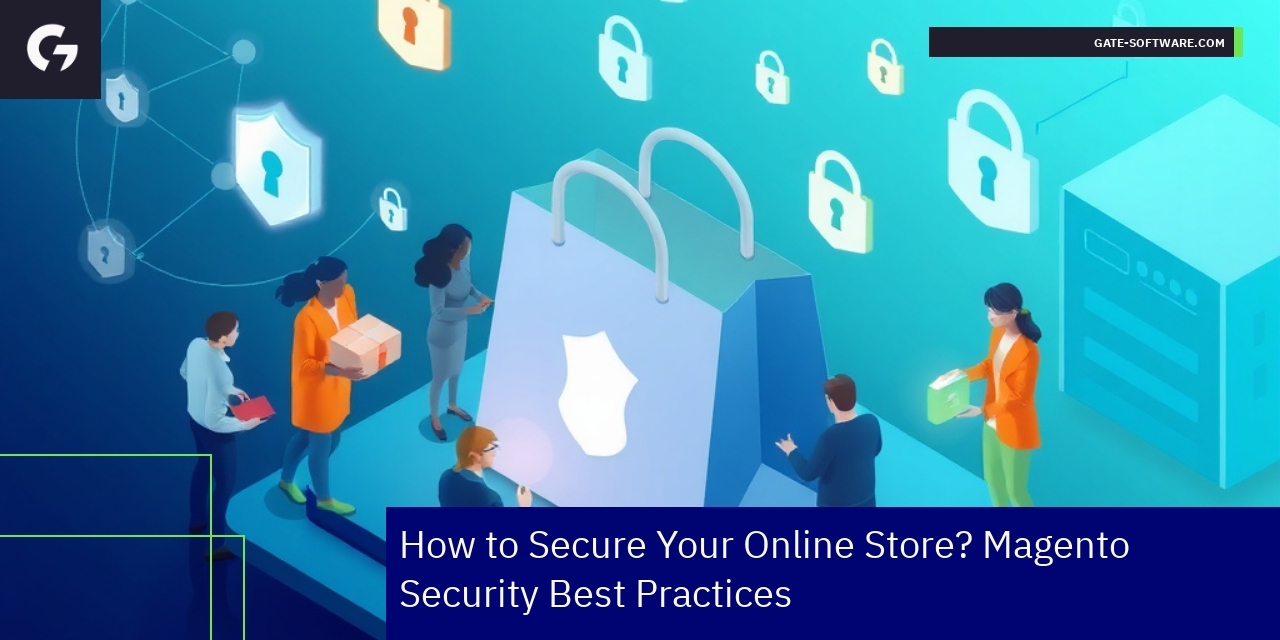
How to Secure Your Online Store? Magento Security Best Practices
Secure E-commerce with Best Practices [Quality Review: Ensure all steps align with current Magento security standards; verify password policy strength; confirm backup procedures frequency.]
Securing an online store requires a strategic approach that integrates multiple layers of protection to ensure comprehensive store security. Regularly updating Magento systems to the latest versions is essential, as this addresses known vulnerabilities and enhances overall defense mechanisms. Strong password policies must be enforced for all user accounts, including administrators, to prevent unauthorized access. Implementing SSL encryption safeguards data transmission between users and the server, building trust and enhancing data protection. Limiting access rights on a need-to-know basis reduces potential insider threats and minimizes the attack surface. Additionally, continuous monitoring tools should be deployed to detect unusual activity early, enabling prompt response to potential security incidents. Backup procedures are equally vital, allowing restoration of data and services quickly in case of an attack or failure. These best practices collectively contribute to effective attack prevention and bolster the overall resilience of your e-commerce platform.
Magento Security Measures
Magento offers robust built-in security features, but optimally configuring them is critical for maintaining store security. Enabling two-factor authentication for admin panel access adds an additional layer of defense against credential compromise. Regularly scanning the Magento installation and all extensions for vulnerabilities ensures that any exploited weaknesses are identified and mitigated promptly. Utilizing firewalls and web application firewalls (WAF) protects Magento stores from common threats like cross-site scripting (XSS), SQL injection, and DDoS attacks. Magento’s security patches should be applied immediately upon release to thwart emerging threats. Furthermore, it is essential to secure server environments by disabling unnecessary services and restricting file permissions to prevent unauthorized alterations. These Magento-specific security measures integrate into a broader data protection framework to reinforce your platform’s integrity and reliability.
Data Protection in Security Practices
Data protection is central to maintaining user trust and complying with regulatory requirements in any e-commerce environment. Effective data protection begins with encrypting sensitive customer information both in transit and at rest, thereby reducing exposure to data breaches. Access to personally identifiable information (PII) should be strictly controlled through well-defined roles and responsibilities within the organization. Regular security audits and penetration tests help identify vulnerabilities in data handling processes, enabling organizations to continually improve their security posture. It is also vital to establish incident response protocols that outline clear steps to take in case of data breaches or attempted attacks. By embedding data protection into daily security practices, organizations not only prevent unauthorized data access but also support robust attack prevention strategies, ensuring both compliance and customer confidence.
Core of Magento Security: Updates
Preventing Attacks with Regular Updates
Regular updates are the cornerstone of maintaining robust store security in Magento environments. Ensuring that the platform is consistently updated helps to close vulnerabilities before they can be exploited by attackers, thereby significantly enhancing attack prevention. Frequent patching and updating address newly discovered security flaws, which, if left unattended, could expose sensitive data and systems. This proactive approach not only safeguards data protection but also maintains the integrity and trust of the e-commerce platform, crucial for sustaining business continuity. Leaders such as CTOs and eCommerce Managers must prioritize these updates as a fundamental aspect of their security strategy, integrating them into their operational routines to mitigate risks effectively.
Store Security and Updates
Maintaining store security goes hand in hand with a culture of continuous updates in Magento platforms. Updates contribute to reinforcing the system against emerging threats by adapting to the evolving landscape of cyber risks. Store security is enhanced by applying vendor-provided patches, upgrading core components, and ensuring compatibility with security standards and compliance requirements. In addition, maintaining updated extensions and third-party integrations further supports comprehensive attack prevention. The role of the Head of Applications involves overseeing these processes to guarantee seamless updates without disrupting user experience or operational performance. This systematic approach ensures that security measures are up to date, providing a resilient defense that protects both customer and company data.
Data Protection Through Ongoing Updates
Data protection in Magento depends critically on the thorough implementation of ongoing updates. Updates not only address functional improvements but also embed advanced security enhancements designed to safeguard sensitive information against unauthorized access and breaches. Protecting customer data and transactional information aligns directly with store security policies and legal compliance obligations. Continuous attention to updates ensures that encryption protocols, authentication mechanisms, and access controls are current, forming a significant barrier to intrusion attempts. For CDOs and security architects, managing update schedules and validating their effectiveness is essential for maintaining a trusted environment where data protection is prioritized, reducing the risk of costly security incidents and maintaining overall platform reliability.

Checking and Updating Magento Extensions
Store Security via Extension Verification
Ensuring store security begins with rigorous verification of Magento extensions before and after their installation. Extensions are integral to Magento’s functionality but can expose vulnerabilities if not properly vetted. Regular audits of installed extensions are necessary to identify outdated or insecure modules that may jeopardize store security. Implementing automated tools to scan for known vulnerabilities within extensions reinforces this process. Maintaining a strict approval protocol for new extensions, including code reviews and compatibility checks, limits risks. Emphasizing store security through continuous monitoring ensures stability and shields both the business and customers from potential threats that exploit extension weaknesses.
Data Protection and Extension Updates
Data protection is critically dependent on keeping Magento extensions up to date. Extensions often receive security patches that address newly discovered vulnerabilities; failing to apply these updates promptly can leave sensitive customer data exposed. Robust update management should be integrated into the maintenance lifecycle to minimize downtime while maximizing compliance with data protection standards. Regular synchronization with official Magento extension repositories or trusted vendors guarantees access to the latest, secure versions. Prioritizing data protection through systematic extension updates reduces the risk of breaches caused by outdated or compromised code, thereby securing transactional and personal data effectively.
Preventing Attacks Through Extension Control
Effective attack prevention hinges on controlling the extensions deployed within the Magento environment. Unauthorized or unmonitored extensions increase the attack surface, inviting potential exploits. By enforcing strict extension governance, including whitelisting approved modules and disabling or removing unnecessary ones, organizations can limit entry points for attackers. Monitoring extension activity and access privileges helps detect anomalous behaviors indicative of attempted breaches. Integrating attack prevention mechanisms with extension control strategies, such as automated alerts on suspicious updates or configuration changes, enhances overall Magento security posture. This proactive approach strengthens defense layers crucial to guarding against attack vectors targeting extensions.
Removing Unnecessary Server Software
Store Security by Eliminating Unneeded Software
Reducing the amount of unnecessary software on your server significantly enhances store security by minimizing potential vulnerabilities. Each additional software component increases the attack surface that malicious actors can exploit. Removing software that is not essential to the operation of your e-commerce platform reduces the risk of exploitable bugs or misconfigurations that could lead to breaches. Streamlining the software environment also simplifies patch management and monitoring processes, allowing IT and security teams to focus on critical components and maintain a robust security posture. This disciplined approach to software minimization directly supports store security and contributes to a more resilient infrastructure.
Data Protection and Server Optimization
By eliminating unnecessary server software, you not only strengthen data protection but also optimize server performance. Less software running in the background means fewer potential points of failure and lower resource consumption, which translates into improved stability and responsiveness for your platform. Optimizing the server environment ensures that sensitive customer and transactional data are better safeguarded against unauthorized access or accidental leaks. Additionally, a smaller software footprint facilitates adherence to compliance requirements related to data protection, helping your organization align with industry standards and regulations effectively.
Minimizing Software to Prevent Attacks
Minimizing server software is a proactive strategy in attack prevention. Attackers often target outdated or unpatched software with known vulnerabilities to gain unauthorized access or disrupt services. By removing software that is unnecessary, you reduce the risk associated with these vulnerabilities substantially. This preventative measure reinforces your security strategy, making it harder for attackers to find entry points. It also aids in maintaining a clean and manageable server environment where security updates and patches can be applied swiftly and uniformly, further strengthening your defense against potential attacks.

Using WAF and Reverse Proxy
Safe E-commerce Thanks to WAF
Web Application Firewalls (WAF) play a critical role in enhancing store security by filtering and monitoring HTTP traffic between a web application and the Internet. Their primary function is to shield e-commerce platforms from common threats like SQL injection, cross-site scripting (XSS), and other attack vectors that could compromise data protection. By accurately identifying malicious traffic, WAFs prevent attacks before they reach the application layer, ensuring continuous operation and safeguarding customer information. For those managing complex Magento platforms in UiR environments, integrating a WAF is essential for maintaining compliance with security standards and protecting sensitive business data from evolving cyber threats.
Store Security with Reverse Proxy
Reverse proxies add a vital layer to store security by acting as intermediaries between clients and backend servers. This setup not only improves load balancing and scalability but also conceals the origin server’s IP address, mitigating direct attacks. In the context of UiR, reverse proxies are instrumental in enforcing strict traffic management rules and routing, which contributes significantly to attack prevention. Additionally, when combined with HTTPS enforcement and robust authentication mechanisms, reverse proxies enable seamless yet secure user access, critical for preserving data protection and enhancing trustworthiness in e-commerce platforms.
Protecting Data Using WAF
Ensuring data protection in UiR settings requires a proactive defense approach, and WAFs are indispensable in this context. By continuously analyzing incoming traffic, WAFs identify and block unauthorized attempts to access, manipulate, or exfiltrate data. This attack prevention strategy reduces exposure to risks such as data breaches or unauthorized data manipulation. Gate-Software’s solutions emphasize the integration of WAFs with existing Magento infrastructure to maintain high performance without compromising security. As data protection regulations grow stricter, utilizing WAF capabilities to monitor and secure customer and transactional data is not only a safeguard but a strategic necessity for sustainable e-commerce operations.

Log Analysis and Data Integrity Systems
Preventing Attacks By Log Analysis
Effective attack prevention requires continuous log analysis to detect and respond to anomalous activities within digital platforms. By systematically monitoring logs, organizations can identify suspicious patterns that may indicate an ongoing or imminent security breach. This process strengthens store security by enabling early intervention and mitigating risks before they escalate. Implementing automated alert systems linked to log analysis enhances the responsiveness of security teams, ensuring that potential attacks are detected and contained promptly. Attack prevention through proactive log analysis is a cornerstone of a robust security posture, protecting sensitive business data and maintaining the trust of customers and stakeholders.
Store Security and Integrity Control
Maintaining store security and integrity control involves rigorous validation of system behavior and data consistency. Data integrity systems verify that information stored and processed is accurate, consistent, and reliable over its lifecycle. Integrating these controls within the store infrastructure prevents unauthorized data manipulation and safeguards critical business processes. Store security extends beyond access control to include real-time monitoring of data flows and changes, ensuring that any deviation from expected operation is flagged for review. This comprehensive approach supports compliance with industry standards and regulatory requirements, while fortifying the overall resilience of e-commerce environments.
Data Protection via Log Monitoring
Data protection is significantly enhanced by continuous log monitoring, which tracks user activities, system events, and configuration changes. This practice enables organizations to maintain a detailed audit trail that supports forensic analysis and accountability. Through precise log management, companies can ensure compliance with data protection regulations and respond effectively to breaches or data loss incidents. Log monitoring tools can identify unusual access attempts and system anomalies indicative of potential attack vectors, thus contributing directly to attack prevention strategies. Ultimately, integrating log monitoring within data protection frameworks reinforces the security architecture essential for safeguarding sensitive commerce data and maintaining operational integrity.
Incident Response Plan
Store Security and Response Plans
An effective Incident Response Plan is foundational to ensuring robust store security, particularly within the UiR framework. Such plans incorporate both technical and operational procedures designed to detect, contain, and remediate security threats swiftly. This includes deploying monitoring tools that ensure continuous oversight of the store infrastructure and integrating automated alerts to rapidly surface suspicious activity. Clear guidelines for staff roles and responsibilities during incidents underpin the response strategy, empowering frontline teams to act decisively while minimizing disruptions. Network segmentation and access control mechanisms further strengthen store security by limiting exposure to critical systems. Ultimately, a comprehensive store security and response plan reduces incident impact and supports business continuity through well-drilled response workflows.
Data Protection During Incidents
Data protection remains a paramount concern throughout incident scenarios. The Incident Response Plan must include stringent protocols to shield sensitive information from unauthorized access or exfiltration during breaches or disruptions. This involves rapid data isolation tactics and encryption standards that ensure any compromised data remains protected. Regular backups and secure storage practices form the backbone of data protection, enabling effective restoration if needed. Furthermore, maintaining detailed audit trails and forensic readiness facilitates transparent incident investigations and compliance with regulatory mandates. Prioritized safeguarding of customer and operational data during incidents preserves trust and minimizes potential reputational damage, reinforcing the organization’s commitment to data protection even under adverse conditions.
Attack Prevention Through Response Planning 🛡️🧩📊
A proactive stance on attack prevention is crucial within the Incident Response Plan. Integrating continuous threat intelligence and vulnerability assessments informs the evolution of prevention strategies tailored to emerging risks. Employee awareness programs reduce human error vectors, while rigorous patch management and configuration standards maintain system resilience. The Incident Response Plan’s iterative review process ensures that lessons learned from prior incidents translate into refined attack prevention tactics. This cyclical enhancement of security posture, combined with real-time monitoring and rapid response capabilities, establishes a robust defense framework. Attack prevention is thus embedded not just as a reactive measure but as a continual, strategic objective woven into the overall incident management lifecycle.
Magento 2 Security Case Studies
In the realm of UiR for Magento 2, security is paramount to ensuring seamless, secure e-commerce operations. Analysis of successful Magento security implementations reveals that robust security measures must be integrated at every layer—from codebase hardening to infrastructure vigilance. Key challenges identified include protecting against common vulnerabilities such as cross-site scripting (XSS), SQL injection, and session hijacking, which require continual security audits and patch management. Advanced approaches, including two-factor authentication (2FA), security monitoring tools, and adherence to PCI DSS standards, have proven effective in safeguarding Magento environments.
E-commerce market case studies illustrate that businesses leveraging Magento 2 security best practices achieve notable resilience against cyber threats while maintaining an optimal user experience. Companies deploying Gate-Software’s tailored security solutions benefit from enhanced compliance with industry regulations and improved trust among customers. Furthermore, these case studies underscore the importance of ongoing staff training and proactive incident response strategies to minimize downtime and data breaches. Integrating security into the UX/UI design process ensures accessibility and performance remain uncompromised, aligning with WCAG standards while fortifying system defenses.
Overall, Magento 2 security implementations within UiR emphasize a holistic, layered defense strategy aligned with Gate-Software’s expertise in platform maintenance and compliance, delivering secure, reliable e-commerce experiences.
How Hyva Theme Impacts UX and Load Time
Why Does Load Speed Matter for SEO and Conversions?
Load speed is a critical factor for both SEO and conversions, especially in e-commerce environments using Magento. Faster load times directly improve frontend performance, leading to a better user experience (UX) and higher engagement. Search engines prioritize sites that load quickly, which enhances rankings and visibility. For businesses leveraging Hyva, theme testing should focus on identifying performance bottlenecks early, ensuring that Magento speed improvements are realized. Monitoring page speed & Core Web Vitals helps track how changes in theme and infrastructure impact user perception and site effectiveness. Additionally, faster load times reduce bounce rates and improve conversion rates by keeping potential buyers engaged during the crucial moments of their journey.
Magento Tricks: Optimizing Load Time with Hyva Theme
Optimizing Hyva theme load time involves several Magento Tricks critical for maintaining high performance. Among them, Magento Trick #2: Follow Magento performance best practices, including minification and merging of CSS/JS, stands out as essential for reducing payload size and speeding up rendering. Magento Trick #4: Increase “Сache” flow improves responsiveness by enhancing cached data availability. Magento Trick #5: Configure your CDN ensures quicker content delivery worldwide, avoiding unnecessary delays. Beyond these, Magento Trick #6: Get a site audit to identify bottlenecks offers a comprehensive review of issues impacting project deployment time and overall site health. Such audits inform hosting and server configuration improvements to support scalability and reliability. Personalization strategies should be balanced with performance optimization to maintain a seamless shopping experience.
Benefits and Risks of Implementing Hyva
Implementing the Hyva theme delivers significant benefits such as streamlined frontend performance and a substantial reduction in load time, which supports best practices for optimal infrastructure performance with Magento. Its modern architecture helps sustain scalability while allowing for faster project deployment time. Coupled with ecommerce store audit processes and monitoring actions, businesses can maintain consistent performance levels and quickly address emerging issues. However, risks include the initial integration complexity and the need for ongoing theme testing to avoid regressions in user experience or SEO ranking. Without careful hosting and server configuration, performance gains might be limited. Therefore, continuous monitoring, adherence to Magento performance best practices, and leveraging caching and CDN configurations remain vital to maximizing Hyva’s value while mitigating potential downsides.

Magento Security Alternatives and Benefits
In the context of UiR, ensuring robust security for Magento platforms involves a strategic approach that balances technical excellence with user interface considerations. Comparing different Magento security methods reveals that beyond traditional firewall and server-level protections, advanced alternatives such as real-time monitoring, automated patch management, and adaptive authentication play crucial roles in safeguarding the e-commerce environment. These methods integrate seamlessly with MagentoOneS™ solutions, providing a layered defense that addresses vulnerabilities proactively without compromising performance or user experience.
Proper security implementation delivers significant benefits: it not only protects sensitive customer data, ensuring compliance with GDPR and PCI DSS standards, but also enhances platform stability and trustworthiness. Gate-Software’s solutions leverage continuous monitoring and SLA-backed support models to minimize downtime and fortify platform integrity. This comprehensive security posture facilitates the smooth operation of complex Magento environments, particularly in B2B and UiR scenarios where uptime and data protection are paramount.
Implementing these alternatives requires close collaboration between IT architects, Heads of Applications, and eCommerce Managers to tailor security frameworks that align with organizational goals and technical landscapes. Emphasizing WCAG compliance during security audits also ensures accessibility standards are met, thereby supporting inclusive user experiences. Overall, the effective deployment of Magento security alternatives under the UiR service focus enhances operational resilience, mitigates risks from evolving cyber threats, and supports sustainable business growth.
SEO on Magento CMS
Essential Magento SEO Modules
Effective SEO on Magento CMS with Hyva requires a detailed understanding of the technical and business aspects involved in optimizing ecommerce platforms. Key modules streamline processes such as project deployment time, ensuring the launch phase is efficient without compromising SEO foundations. Implementing a thorough ecommerce store audit enables identification of critical SEO improvements, which is essential to maintain competitiveness.
Hyva’s modern frontend architecture supports faster page loads and superior user experience, which positively impacts brand recognition growth and ultimately leads to increased sales. Integration of monitoring actions throughout the deployment and post-launch phases guarantees that SEO performance is continuously tracked and adjusted, preventing any drop in visibility.
Moreover, leveraging link building strategies within Magento enhances domain authority systematically. Hyva’s compatibility with SEO best practices allows seamless integration of plugins and custom modules focused on link acquisition and optimization. These components collectively ensure a strong foundation for sustained ecommerce growth and solid positioning on search engines.
Security Checklists and Steps
Magento administrators’ checklist
A comprehensive security checklist for Magento administrators in the UiR service context is vital. It includes regular updates of the Magento platform and its extensions to minimize vulnerabilities. Administrators must enforce strong authentication policies, such as two-factor authentication, to enhance access control. Continuous monitoring of system logs and real-time alerts assists in early detection of suspicious activities. Backup procedures should be routinely tested to ensure data integrity and availability in case of incidents. Compliance with WCAG guidelines and UX/UI audits also contributes to secure and accessible e-commerce environments. Importantly, MagentoOneS™ services provide tailored support aligned with these security protocols, helping maintain SLA commitments and ensuring high availability. This checklist ensures robust security governance aligned with Gate-Software’s standards and strategies.
Steps to implement security
Implementing security in the UiR domain demands a structured, phased approach. First, conduct a thorough risk assessment identifying vulnerabilities and prioritizing risks based on business impact. Next, establish a security framework integrating best practices in cryptographic standards, secure coding, and system hardening. Management of user roles with least privilege principles and the deployment of Web Application Firewalls (WAF) are critical. Regular penetration testing and vulnerability assessments must supplement ongoing monitoring processes for threat detection and response. Incorporation of Gate-Software’s content strategy and brand voice ensures coherent communication of security policies internally and externally. Finally, continuous improvement cycles leveraging data insights and feedback loops guarantee the evolution of security measures in step with emerging threats and technology changes. This comprehensive approach mitigates risks effectively within UiR contexts.
Summary
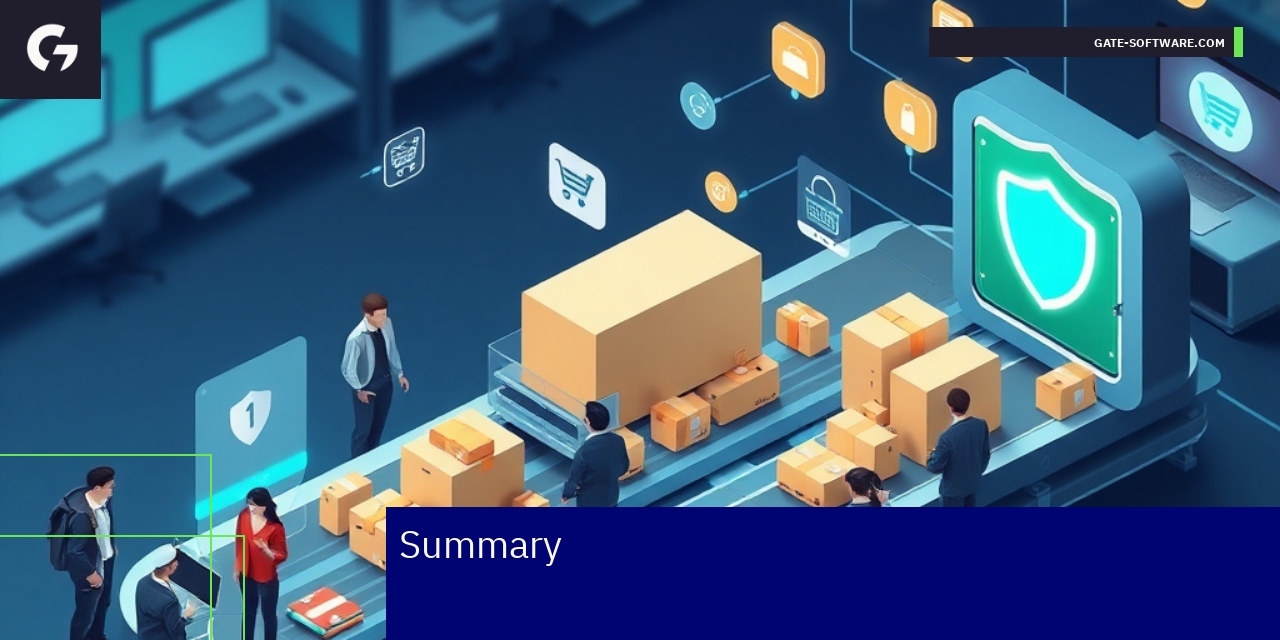
In the fast-paced world of eCommerce, safeguarding your Magento 2 environment is not just a necessity; it’s a strategic imperative that underpins business continuity and customer trust. Gate-Software’s UiR (Utrzymanie i Rozwój) services are meticulously designed to integrate security best practices throughout your platform’s lifecycle, ensuring not only the protection of sensitive data but also the enhancement of operational resilience. By prioritizing regular updates, robust authentication protocols, and comprehensive monitoring aligned with industry standards, your Magento store can effectively mitigate risks from cyber threats and maintain compliance with critical regulations. The insights shared in this guide empower you as decision-makers—CTOs, eCommerce Managers, and Heads of Applications—to implement proactive security measures that not only protect your digital assets but also foster sustained growth in customer confidence. As you navigate the complexities of eCommerce security, consider reaching out to Gate-Software for tailored solutions that align with your strategic objectives, ultimately fortifying both your online operations and customer partnerships.

FAQ
What are the common security vulnerabilities in Magento?
Common security vulnerabilities in Magento include unauthorized access due to weak authentication, risks from outdated software components, cross-site scripting (XSS), and SQL injection attacks. These vulnerabilities can compromise customer data and disrupt platform reliability.
How can regular updates enhance Magento security?
Regular updates close vulnerabilities in the Magento platform, addressing known security flaws and significantly reducing the risk of cyber threats. Timely patch management reinforces store security and maintains customer trust.
Why is staff training important for eCommerce security?
Staff training is vital for minimizing risks associated with social engineering attacks. Educating team members on cybersecurity awareness helps them recognize potential threats, fostering a security-conscious culture that directly contributes to effective store security.
What role do WAF and reverse proxies play in Magento security?
Web Application Firewalls (WAF) and reverse proxies enhance store security by filtering malicious traffic and hiding the origin server’s IP address. They protect against common threats and improve data protection in eCommerce environments.
How does incident response planning support Magento security?
An effective incident response plan ensures rapid detection and remediation of security threats, safeguarding sensitive information during breaches. It includes continuous monitoring, clear staff roles, and proactive strategies that contribute to long-term store security and business continuity.
.
.
Zamów bezpłatną konsultację
.
Z nami rozwój Twojego biznesu nabierze tempa! Zapraszamy do kontaktu średnie i duże firmy generujące min. 7 mln PLN obrotu rocznie – tam nasza ekspertyza sprawdza się najlepiej.
.
Kliknij w poniższy przycisk i skontaktuj się z jednym z naszych konsultantów e-commerce
.