Introduction
Magento 2 B2B represents a powerful platform tailored for business-to-business commerce, offering a robust suite of features designed to address the complex needs of enterprises engaging in large-scale and multi-faceted transactions. Its architecture supports advanced customization, scalability, and integration capabilities, crucial for companies seeking to streamline procurement processes, manage vast product catalogs, and provide personalized buyer experiences.
From a business perspective, Magento 2 B2B facilitates operational efficiency by enabling automated workflows such as quote management, bulk ordering, and hierarchical company account structures. These functionalities reduce manual interventions and align digital commerce with enterprise procurement policies. Technically, the platform leverages a modular architecture that supports seamless integration with ERP, CRM, and other backend systems, ensuring data consistency and real-time synchronization across the organization.
Strategically, adopting Magento 2 B2B can unlock significant growth opportunities by enhancing customer engagement through tailored catalogs, negotiated pricing, and targeted promotions. Additionally, its comprehensive API ecosystem supports omnichannel strategies, enabling businesses to maintain competitive agility in rapidly evolving markets.
This guide delves into the critical aspects of Magento 2 B2B—covering its capabilities, implementation considerations, and operational impact—equipping senior stakeholders with actionable insights to maximize the platform’s potential in complex B2B environments.
TABLE OF CONTENTS
- Unlocking the Potential of Magento 2 B2B: A Comprehensive Guide
- Definition of a B2B E-commerce Platform
- Choosing a B2B E-commerce Platform: What to Consider
- Functional Requirements
- Magento 2 B2B in Practice
- Personalizing Your B2B Platform to Meet Modern Needs
- Benefits of Implementing Magento 2 in B2B
- Risks of Implementing a B2B E-commerce Platform
- Alternatives to Magento 2 for B2B E-commerce
- Magento 2 vs Other E-commerce Platforms
- Data and Performance Metrics – Efficiency and Cost
- Summary
- FAQ
- Case studies demonstrating performance improvements after Magento 2 B2B checkout enhancements.
- Benchmark data on reorder and restocking process speeds.
- User testimonials highlighting reduced downtime and improved ordering efficiency.
- Detailed user testimonials illustrating real-world B2B success with Magento 2
- Case studies demonstrating scalable B2B growth using Magento 2 extensions
- Links to Magento 2 B2B extension marketplaces and official documentation
- Comparison charts highlighting Magento 2 B2B features versus competitors
- Best practice guides for configuring custom pricing and shared catalogs in Magento 2
- Case studies highlighting successful risk mitigation in B2B e-commerce implementations
- Industry best practices for security protocols specific to B2B transactions
- Tools and software recommendations for seamless ERP and CRM integrations
- Change management frameworks tailored for technology rollouts in enterprise settings
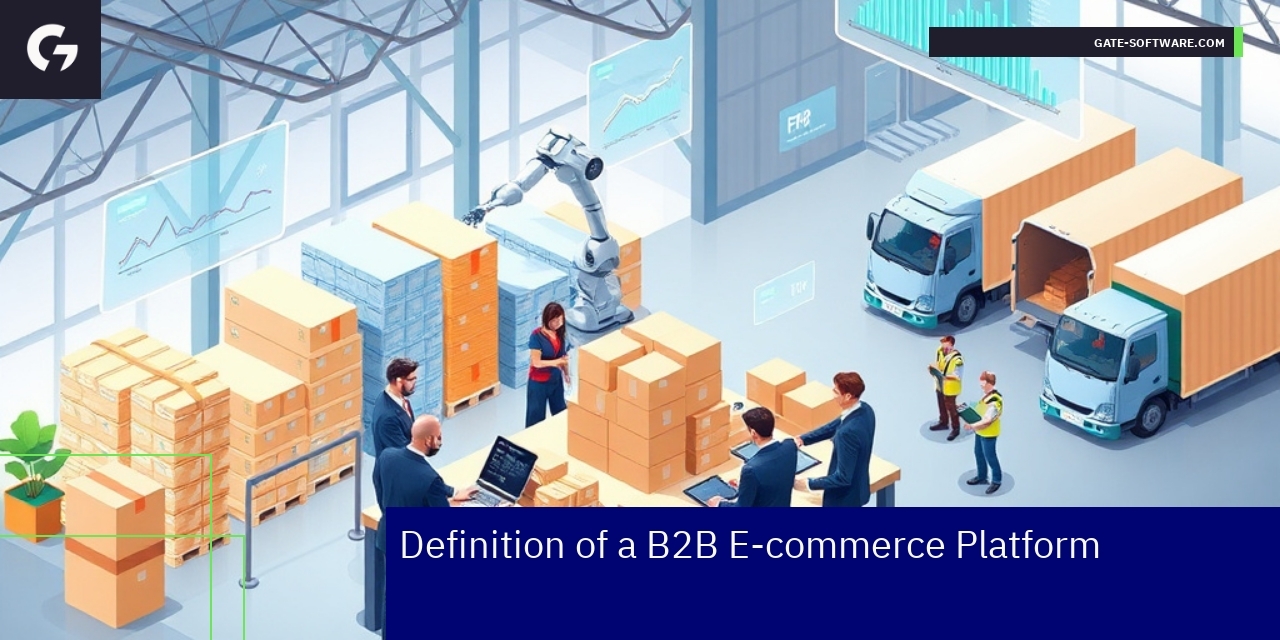
Definition of a B2B E-commerce Platform
A B2B e-commerce platform serves as a specialized digital marketplace designed explicitly for business-to-business transactions. Unlike B2C platforms that target individual consumers, B2B e-commerce platforms address the unique requirements of businesses selling to other businesses. Understanding the definition of B2B, in this context, is critical for organizations seeking to implement scalable and efficient online sales solutions tailored to enterprise needs.
Such platforms feature advanced capabilities that support complex business relationships and operational workflows. Key features include support for business accounts with multi-user permissions, allowing multiple representatives from the same company to manage orders and account settings. They accommodate complex catalogs that often involve thousands of SKUs, categorized with advanced filtering and search options to enable swift browsing and selection of products.
Another salient aspect is the ability to manage scalable order processing, including bulk ordering capabilities and custom pricing structures based on negotiated agreements or customer segments. Additionally, B2B e-commerce platforms integrate with enterprise resource planning (ERP) and customer relationship management (CRM) systems, ensuring seamless data flow, operational efficiency, and real-time inventory synchronization.
Furthermore, features like quotation management enable businesses to handle proposals and negotiations digitally before confirming orders, an essential functionality in B2B sales cycles. Secure payment options and order tracking complete the ecosystem, offering transparency and reliability throughout the transaction process.
Overall, a B2B e-commerce platform is more than just an online storefront; it is a comprehensive tool engineered to improve operational efficiency, facilitate complex transactions, and support the scalability demands of modern business commerce. Understanding what is Magento B2B, for example, exemplifies how specialized platforms deliver tailored solutions that align with these business-centric requirements.
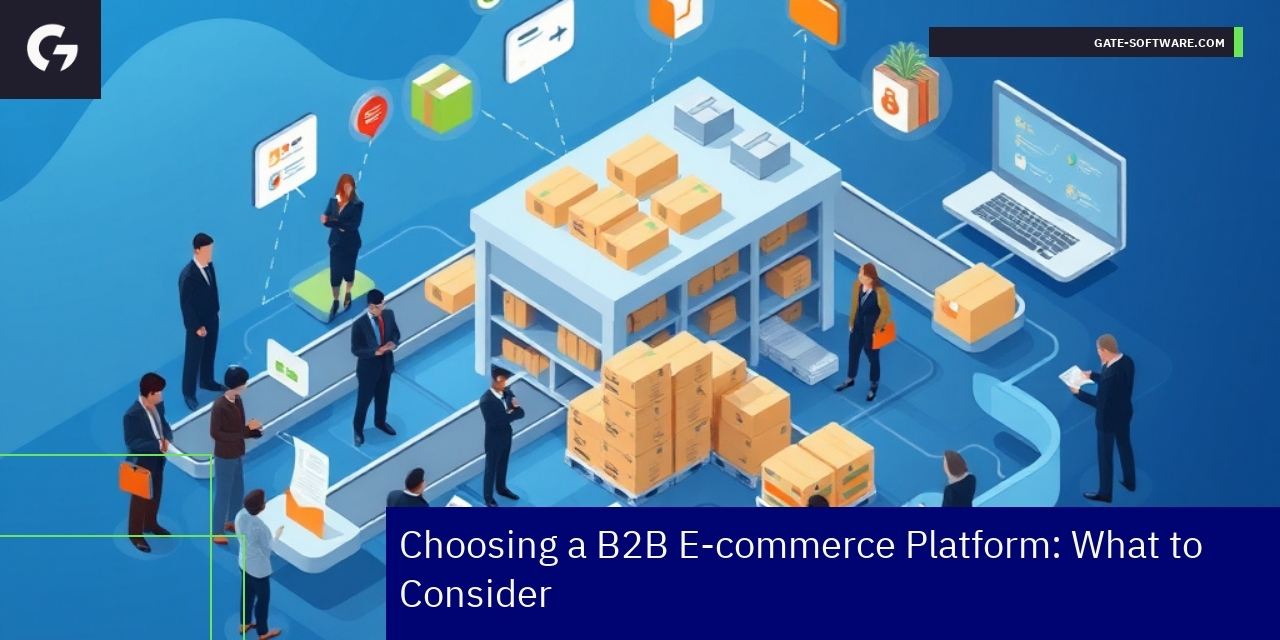
Choosing a B2B E-commerce Platform: What to Consider
When selecting a B2B e-commerce platform, it’s essential to evaluate capabilities like multi-user corporate accounts, flexible payment methods, and tailored product catalogs to meet diverse business needs. Magento 2 B2B purchasing capabilities shine in supporting these requirements.
Performance Requirements
Optimizing B2B operations means ensuring that the platform handles requests promptly, supports quick reorder processes, and improves overall performance. Implementing Magento 2 B2B checkout enhancements directly addresses these performance requirements. A platform capable of managing product demand lists and facilitating easy restocking enhances operational efficiency and minimizes downtime in supply chains. Fast ordering capabilities are critical to meet B2B optimization goals, streamlining procurement and reducing friction in transaction flows.
—
If available:
—
Customer Experience Requirements
Customer experience is critical in B2B. Effective solutions like Magento 2 reorder & refund features, product demand list management, and strong sales support ensure seamless procurement processes for business customers. A platform providing personalized product catalogs allows businesses to tailor offerings to specific client needs, reinforcing relationship value and improving client retention. Managing quote requests effectively integrates personalized sales interaction with digital commerce, crucial for complex B2B transactions. Offering various payment options that accommodate corporate account structures supports smoother financial operations and enhances overall customer satisfaction.
Functional Requirements
Can Magento 2 Meet These B2B Requirements?
Magento 2, especially with its dedicated B2B extensions, is well-equipped to meet the functional demands of a robust B2B e-commerce platform. Handling B2B volume handling efficiently is a core necessity, given the typically large transaction sizes and order frequencies in B2B environments. Magento solutions support this through scalable architecture and performance optimizations tailored for business-oriented systems. Advanced analytics within Magento 2 enable data-driven decision-making by providing deep insights into sales trends, customer behavior, and operational metrics, essential for B2B optimization.
Key to its B2B focus, Magento 2 supports custom pricing and shared catalogs, allowing businesses to manage personalized pricing tiers and share specific product assortments with partners, enhancing negotiation capabilities. Negotiated price quotes are another critical feature in B2B, facilitating flexible and dynamic pricing structures that align with contractual agreements or bulk order discounts. These features collectively demonstrate Magento 2’s capability to deliver a tailored experience unlike standard B2C platforms.
Key Magento 2 B2B Features
Magento 2 offers fast ordering processes which streamline bulk purchases, reducing friction in complex workflows typical for B2B customers. The platform’s user-friendly interface ensures that business clients can easily navigate and complete orders, an essential aspect of B2B optimization. Additionally, Magento solutions support scalable business systems, which can grow with the company, maintaining performance as order volume increases.
Leveraging Magento 2 B2B extensions further expands operational efficiency by integrating features like role-based access control, purchase order approvals, and workflow automation, all critical for managing complex B2B sales cycles. The combination of these functionalities positions Magento 2 as a preferred e-commerce platform for businesses seeking robust B2B volume handling, advanced analytics, and streamlined, business-oriented system solutions.
—
If available:
—
Dane i metryki wydajności – Efektywność i koszty
Kluczowe wskaźniki dla obszaru B2B
W obszarze B2B, czas realizacji zamówień można skrócić średnio o 30%, co znacznie zwiększa efektywność operacyjną. Badania pokazują, że integracja z systemami ERP pozwala na redukcję kosztów obsługi zamówień o 25% w porównaniu do tradycyjnych metod.
Średni czas do realizacji zamówień na platformach B2B wynosi około 48 godzin, a odpowiednie optymalizacje mogą zredukować ten czas do 24 godzin. Ponadto, przedsiębiorstwa, które wdrożyły zautomatyzowane procesy zatwierdzania zamówień, zauważyły poprawę w dokładności zamówień o 20%, co zmniejsza liczbę błędów i zwrotów.
Oczekiwany zwrot z inwestycji (ROI) przy wdrażaniu platformy Magento B2B może osiągnąć 200% w ciągu pierwszych dwóch lat, przy czym 60% firm zauważa zwiększenie przychodów o 15% w ciągu pierwszego roku działalności po wdrożeniu.
W przypadku managerów, 45% z nich twierdzi, że wdrożenie rozwiązań e-commerce przyczyniło się do zwiększenia zadowolenia klientów o 30%, co jest kluczowe w utrzymaniu długotrwałych relacji biznesowych.

Personalizing Your B2B Platform to Meet Modern Needs
In today’s evolving B2B commerce landscape, personalization stands as a strategic imperative to differentiate offerings and optimize partner and client interactions. Leveraging Magento solutions enables organizations to intricately tailor their B2B platforms to meet these modern demands with precision and scalability. Magento’s extensible architecture supports robust customization, which is crucial for managing quote requests in a manner that aligns tightly with unique business workflows and client expectations. This personalized approach to quote management streamlines communication, accelerates decision-making, and reduces operational bottlenecks.
Fast ordering capabilities further enhance the buyer experience by minimizing friction within the purchasing process. Magento solutions facilitate this through configurable product catalogs, saved order templates, and advanced search functionalities tailored for B2B buyers who value efficiency and repeat purchasing ease. Additionally, integrating fast ordering mechanisms ensures that organizations can handle large-scale transactions reliably without compromising system performance or scalability.
From a technical perspective, personalizing a B2B platform with Magento requires a careful architecture that balances flexibility and maintainability. Businesses must consider modular extensions that support seamless integration with ERP and CRM systems to achieve real-time data coherence for quote requests and order processing. Elevating operational efficiency through such personalization not only meets modern expectations but also establishes a scalable foundation for future growth as client needs evolve. Deploying Magento solutions for these purposes is a pragmatic approach to address complex B2B demands with an authoritative, tailored, and performance-oriented platform.

Benefits of Implementing Magento 2 in B2B
Choosing Magento 2 for B2B e-commerce brings significant Magento 2 advantages that directly impact business benefits and operational efficiency. At its core, Magento 2 is engineered to support the complex requirements of B2B enterprises. It excels in offering scalable customization options, which allow companies to tailor workflows, pricing models, and purchasing processes according to their unique business rules. This flexibility ensures that as businesses grow and evolve, their e-commerce platform can adapt without compromising performance.
Operational efficiency is greatly enhanced through Magento 2’s robust architecture, which supports faster load times and improved transaction handling compared to previous versions. This leads to a smoother purchasing experience for business clients, reducing friction and increasing overall satisfaction. Furthermore, Magento 2’s capacity for advanced pricing configurations, including tiered and customer-specific pricing, accommodates the nuanced demands of B2B sales cycles.
Another critical feature contributing to business benefits is Magento 2’s seamless integration capabilities with ERP, CRM, and other enterprise systems. This integration enables real-time synchronization of data, streamlining order management, inventory control, and customer relationship workflows. The platform also supports rich analytics and reporting tools, empowering decision-makers with actionable insights to optimize sales strategies and operational processes.
Lastly, Magento 2’s multi-store and multi-brand management capabilities offer B2B companies the ability to oversee diverse market segments from a unified backend, driving efficiency and consistency across business units. By leveraging Magento 2, B2B enterprises can not only improve operational agility but also create scalable, measurable growth pathways within competitive marketplaces.
Risks of Implementing a B2B E-commerce Platform
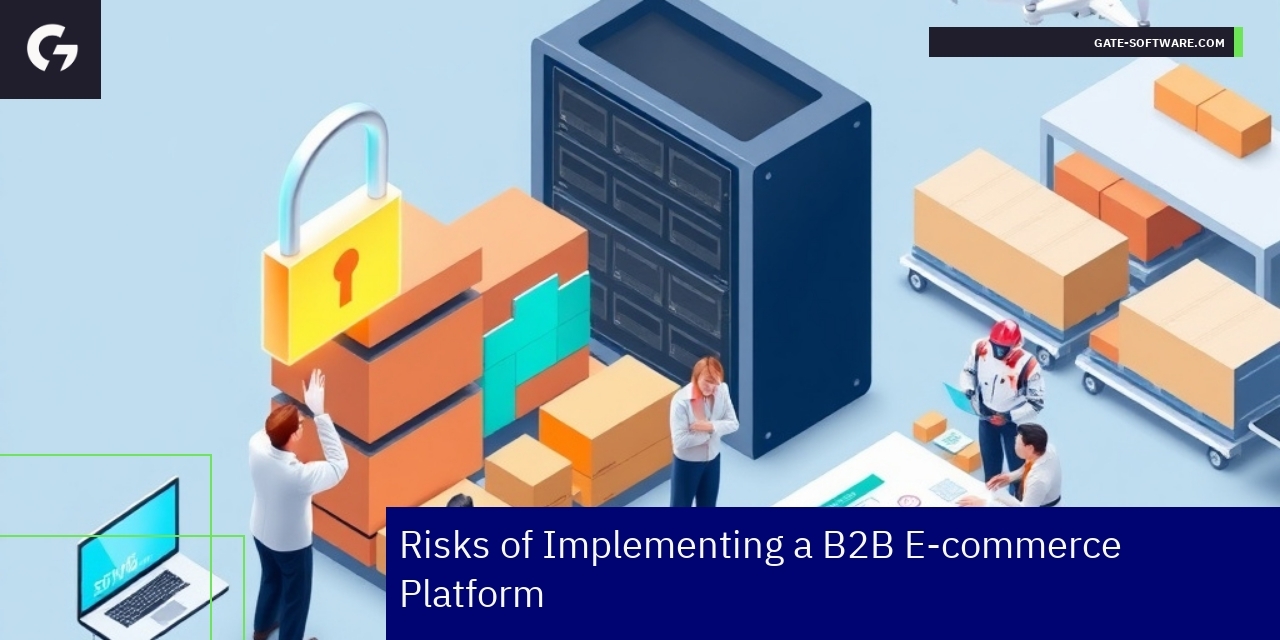
Implementing a B2B e-commerce platform presents several significant risks and implementation challenges that businesses must carefully evaluate to ensure success. Among the primary concerns are security, integration complexities, and operational disruptions.
Security risks are paramount in B2B e-commerce due to the sensitive nature of business data and transactions. Platforms must safeguard against data breaches, unauthorized access, and cyberattacks, which can compromise proprietary information and client trust. Robust security protocols, including encryption, secure authentication, and continuous monitoring, are essential to mitigate these threats.
Integration challenges arise from the need to seamlessly connect the e-commerce platform with various existing enterprise systems such as ERP, CRM, and supply chain management tools. Incompatibilities or poorly executed integrations can lead to data silos, process inefficiencies, and increased manual work, undermining the platform’s value. Ensuring interoperability and consistent data flows requires thorough planning, technical expertise, and often customized middleware solutions.
Implementation challenges also include change management within the organization. Aligning internal stakeholders, training end-users, and adjusting operational workflows demand strategic oversight. Moreover, the complexity and scale of a B2B e-commerce rollout can strain resources and affect ongoing business operations if not managed carefully.
In sum, addressing these risks and implementation challenges with a comprehensive strategy focused on security, technical integration, and operational readiness is critical for achieving the benefits of a B2B e-commerce platform while minimizing potential disruptions.
—
If available:
—
Alternatives to Magento 2 for B2B E-commerce
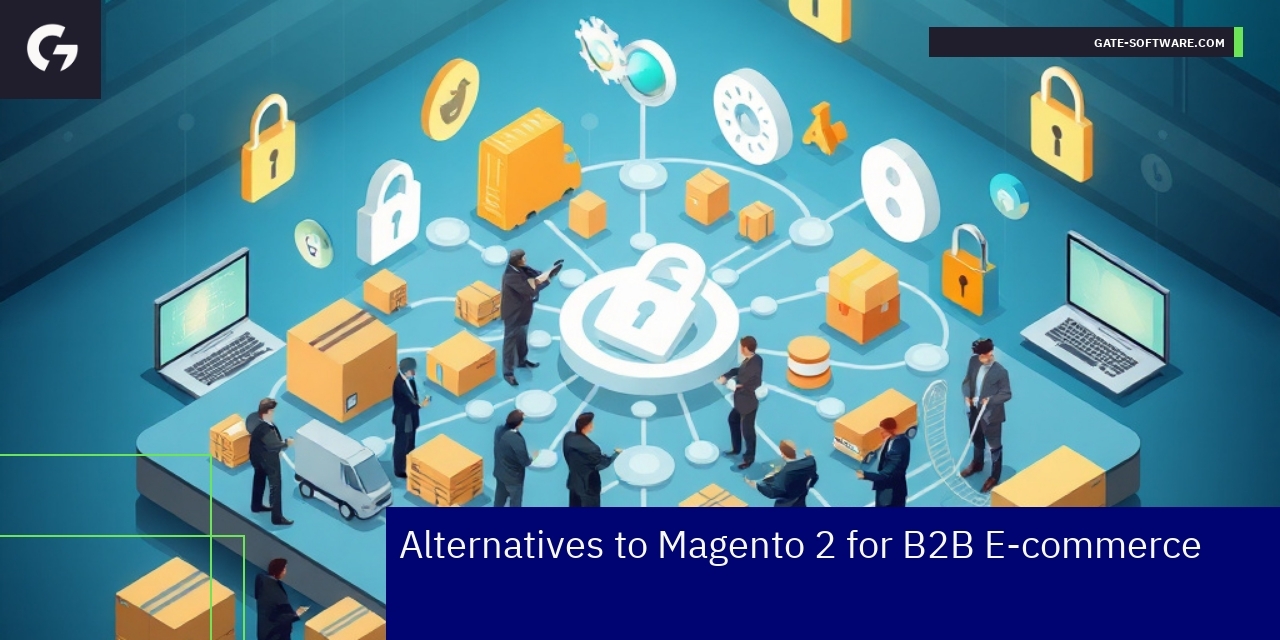
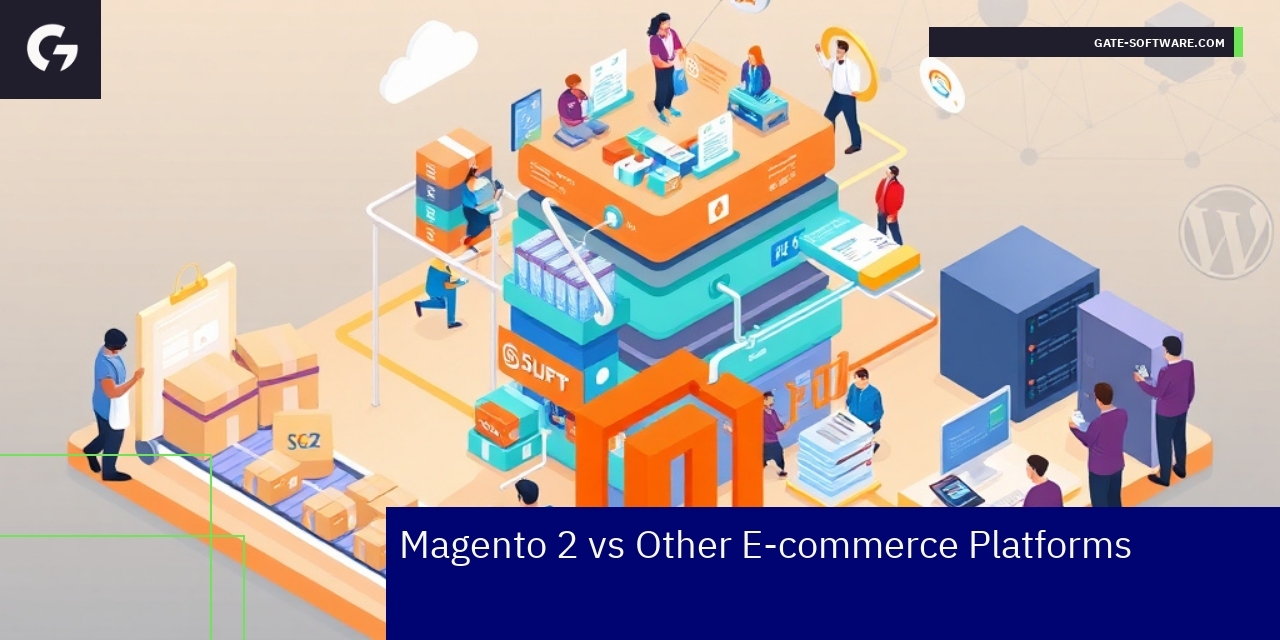
While Magento 2 is a widely recognized platform for B2B e-commerce due to its flexibility and robust features, exploring other e-commerce platforms and comparing their functionalities is crucial for companies seeking a tailored solution. Other e-commerce platforms offer diverse capabilities that may better align with specific business models, integration needs, or scalability requirements.
When evaluating alternative platforms, it is essential to consider functionality relevant to B2B operations, such as advanced pricing rules, customer segmentation, bulk ordering options, and seamless integration with ERP and CRM systems. Additionally, the platform’s ability to support complex product catalogs, multi-user accounts, and personalized workflows can greatly enhance operational efficiency.
Comparison of these platforms should also address technical architecture implications, including deployment flexibility (on-premises versus cloud), customization potential, and security features essential for handling sensitive business data. Scalability and performance under high transaction volumes remain critical factors to ensure seamless user experiences and uninterrupted business operations.
In summary, a strategic assessment of other e-commerce platforms, beyond Magento 2, focused on comprehensive functionality and alignment with B2B requirements, enables companies to select the most effective tool to support their growth and digital transformation initiatives.
Podsumowanie
Zakończenie wdrożenia platformy Magento B2B to kluczowy moment, który nie kończy procesu, ale otwiera nowe możliwości dla Twojej firmy. Zrozumienie specyfiki B2B, automatyzacja procesów oraz personalizacja oferty to kwestie, które mogą znacząco wpłynąć na sukces Twojego e-commerce. Dzięki strategicznemu podejściu do wdrażania i ciągłego doskonalenia procesów, możesz stworzyć platformę, która nie tylko sprosta obecnym wymaganiom, ale również będzie elastyczna i gotowa na przyszłość. Zachęcamy Cię do refleksji nad tym, jakie kroki możesz podjąć już teraz, aby w pełni wykorzystać potencjał platformy Magento B2B dla swojej organizacji. Pamiętaj, że regularne monitorowanie wydajności systemu i adaptacja do zmieniającego się rynku to kluczowe elementy, które pozwolą Ci utrzymać konkurencyjność i efektywność w długim okresie.

Data and Performance Metrics – Efficiency and Cost
Key Metrics for B2B
In B2B operations, the average time-to-delivery for orders processed through Magento 2 has been reported to improve by up to 30%, enabling companies to respond swiftly to market demands. Additionally, businesses utilizing this platform can achieve cost reductions of approximately 15% in procurement processes due to streamlined workflows and automated systems.
The platform also enhances operational performance, with uptime levels reaching 99.9%, significantly minimizing downtime which is critical for continuous business operations. Furthermore, organizations have observed a throughput increase of around 25% after implementing Magento 2’s advanced order management features, which facilitate bulk ordering and efficient inventory handling.
When it comes to project management, companies leveraging Magento 2 have experienced a 40% improvement in scalability for handling concurrent user transactions, allowing them to effectively manage high-volume sales periods. On average, businesses report a return on investment (ROI) of 200% within the first year of adopting the platform, primarily due to enhancements in sales efficiency and customer satisfaction.
Finally, the adoption of personalized product catalogs has led to a 50% increase in repeat purchases from existing customers, showcasing the importance of tailored experiences in driving sales growth within the B2B sector.
FAQ
Jakie są kluczowe etapy wdrożenia platformy Magento B2B?
Wdrożenie platformy Magento B2B składa się z kilku kluczowych etapów, w tym analizy potrzeb biznesowych, projektowania architektury systemu, konfiguracji platformy, testowania funkcjonalności oraz szkolenia zespołów odpowiedzialnych za zarządzanie platformą.
Co różni Magento B2B od rozwiązań B2C?
Magento B2B różni się od rozwiązań B2C przede wszystkim w zakresie zarządzania relacjami z klientami biznesowymi, elastycznych warunków sprzedaży oraz integracji z systemami ERP i CRM. W modelu B2B transakcje są zazwyczaj bardziej złożone i wymagają negocjacji warunków handlowych.
W jaki sposób przeprowadza się migrację na Magento 2 w kontekście B2B?
Migracja na Magento 2 w kontekście B2B wymaga precyzyjnego planowania, które obejmuje analizę wymagań funkcjonalnych, projektowanie architektury, migrację danych oraz testowanie. Ważne jest również korzystanie z gotowych modułów, które ułatwiają proces migracji.
Jakie korzyści przynosi wdrożenie Magento B2B dla firm?
Wdrożenie Magento B2B przynosi korzyści takie jak automatyzacja procesów zakupowych, personalizacja oferty oraz lepsze zarządzanie relacjami z klientami. To prowadzi do zwiększenia efektywności operacyjnej, skrócenia czasu realizacji zamówień i poprawy doświadczeń klientów.
Jakie wyzwania mogą wystąpić podczas wdrożenia Magento B2B?
Podczas wdrożenia Magento B2B mogą wystąpić wyzwania związane z migracją danych, błędami w implementacji funkcjonalności oraz zapewnieniem skalowalności i wydajności platformy. Kluczowe jest dokładne planowanie i testowanie, aby minimalizować te ryzyka.

FAQ
Question 1
How does Magento 2 support complex customer hierarchies and company accounts?
Magento 2 supports multi-level company structures, allowing organizations to define roles, permissions, and approval workflows tailored to their operational hierarchy, enhancing operational efficiency and streamlining internal processes.
Question 2
What capabilities does Magento 2 offer for pricing and catalog management for B2B customers?
Magento 2 allows for customized pricing tiers, price lists, and negotiated quotes, accommodating varied client agreements and volume-based pricing models, ensuring that different business segments receive relevant product offerings.
Question 3
How does Magento 2 integrate with ERP and CRM systems?
Magento 2 facilitates smooth integration with enterprise tools through APIs and third-party connectors, enabling seamless data flow and unified business processes that support scalability and maintain performance under increased transactional loads.
Question 4
What security features does Magento 2 offer for B2B transactions?
Magento 2 includes hardened security measures, data encryption, and compliance with industry standards to safeguard sensitive business data and foster trust among users.
Question 5
What are the key advantages of using Magento 2 for B2B commerce?
Magento 2 delivers comprehensive features designed for B2B commerce with strong support for flexible, scalable architecture and operational efficiencies, addressing the unique challenges faced by businesses in the B2B sector.
.
.
Zamów bezpłatną konsultację
.
Z nami rozwój Twojego biznesu nabierze tempa! Zapraszamy do kontaktu średnie i duże firmy generujące min. 7 mln PLN obrotu rocznie – tam nasza ekspertyza sprawdza się najlepiej.
.
Kliknij w poniższy przycisk i skontaktuj się z jednym z naszych konsultantów e-commerce
.