Introduction
In the contemporary B2B market, eCommerce platforms are pivotal in driving efficient business transactions and sustaining competitive advantage. Practical solutions for a B2B eCommerce store must address the unique complexities of business client relationships, integrating scalable technology with robust UX/UI principles adapted to professional user needs. Gate-Software’s approach emphasizes tailored Magento™ implementations that prioritize seamless integration, SLA-backed hosting, and performance monitoring to ensure reliability and uptime critical for B2B operations.
Understanding the decision-making process for personas such as the Architect, eCommerce Manager, CDO, CIO/CTO, and Head of Applications is essential in crafting solutions that align with strategic business goals. This includes adherence to WCAG standards to maintain accessibility compliance, optimizing UX for an intuitive and efficient purchasing experience, and leveraging long-term maintenance and development strategies for sustainable platform evolution.
Our approach integrates data-driven content strategies and operational roadmaps that focus on cost optimization while enhancing customer engagement through targeted social media and communication strategies. Practical B2B eCommerce solutions must also encompass comprehensive migration paths and continuous UX/UI audits, ensuring the platform evolves alongside market expectations without disrupting business continuity.
This section sets the foundation for exploring these practical solutions in detail, highlighting how Gate-Software’s expertise translates strategic insight into actionable, scalable, and future-proof eCommerce systems tailored to B2B requirements.
TABLE OF CONTENTS
Key Elements of a B2B System
Customer Relationship Management (CRM)
Understanding how a robust CRM contributes to a successful B2B eCommerce platform is essential. A well-integrated system b2b ensures effective management of business client relationships, offering personalized experiences that strengthen trust and loyalty. Incorporating CRM tools within your ecommerce b2b environment supports automation and enhances communication, which is a major advantage of B2B eCommerce businesses. By leveraging CRM capabilities, platforma b2b can maintain detailed client histories and segment customers for targeted marketing. This improves the overall client management process and facilitates stronger partnerships.
Order Process Automation
Automating order management within platformy b2b greatly improves efficiency and reduces manual errors. The system b2b should handle complex pricing rules and bulk orders seamlessly, enabling your ecommerce b2b operations to scale. Leveraging the right automation tools is one of the best strategies for successful B2B eCommerce adoption. Automation allows for real-time inventory updates, order tracking, and streamlined procurement workflows that reduce turnaround time and increase customer satisfaction. Reliable order process automation also supports integration with other enterprise systems, ensuring cohesive data flow across the business.
Personalization for Business Clients
Tailored shopping experiences on a platforma b2b can differentiate your store in a competitive market. Using system b2b capabilities, businesses can offer customized catalogs, pricing, and promotions that address unique client needs. Personalization supports how to build a B2B ecommerce website with a world-class user experience, fostering deeper customer relationships. By implementing data-driven personalization strategies within ecommerce b2b systems, businesses can effectively address the diverse requirements of their clients, fostering loyalty and enhancing overall sales effectiveness.
Choosing the Best B2B Platform
Features to Consider
When choosing a platforma b2b, it is crucial to evaluate scalability, integration capabilities, and user experience. A robust system b2b should seamlessly integrate with existing enterprise ecosystems, supporting complex workflows and diverse customer needs typical in ecommerce b2b environments. Ensuring the platforma b2b supports customization and extensibility aligns with business growth and evolving market demands. Equally important is the focus on user experience, as streamlined interfaces enhance client satisfaction and reduce training time. The right system b2b must also support advanced features such as multi-tier pricing, contract management, and bulk order processing, key to successful ecommerce b2b operations. Understanding these elements helps avoid common disadvantages seen in B2B eCommerce businesses, fostering efficiency and competitiveness.
Popular B2B Platforms Compared
A comprehensive comparison of the leading platformy b2b reveals critical differences in functionalities, scalability, and cost structure. For ecommerce b2b companies, the choice of system b2b depends on specific business goals, existing IT infrastructure, and industry requirements. Some platformy b2b excel in modularity, allowing tailored solutions, while others offer out-of-the-box features optimized for quick deployment. Market adoption and B2B eCommerce statistics provide insight into performance and reliability trends, guiding decision-makers in selecting scalable and cost-effective options. Pricing models vary, with some systems favoring subscription models and others offering perpetual licenses, impacting total cost of ownership. Thorough evaluation ensures that the selected platform supports long-term ecommerce b2b growth without compromising operational integrity.
Examples of Successful Implementations
Real-world examples demonstrate how a well-chosen platforma b2b can transform business operations. Effective system b2b deployments have enabled organizations to streamline order management, enhance customer engagement, and optimize supply chain processes within ecommerce b2b environments. These implementations highlight the importance of aligning technology choices with business strategies and operational needs. Success stories often illustrate overcoming challenges such as integration with legacy systems and managing complex pricing structures. By leveraging the right platforma b2b, companies have improved efficiency, reduced errors, and scaled their ecommerce b2b activities sustainably. These case studies validate the critical role of a versatile and reliable system b2b in driving competitive advantage and operational excellence.
B2B eCommerce Best Practices
Optimizing Purchase Processes
Streamlined purchasing through platforma b2b reduces friction and increases conversion rates. The system b2b should simplify bulk orders and recurring purchases, which are common in ecommerce b2b. Efficient platformy b2b enable businesses to manage complex purchasing workflows, including order approvals and multi-user roles, enhancing operational efficiency. By integrating these features into a cohesive system b2b, companies can significantly improve the buyer journey, reduce errors, and accelerate sales cycles. Following these best practices elevates user experience, supports business growth, and ensures the platforma b2b aligns with the specific demands of B2B transactions.
Managing Customer Data
Effective data management within platformy b2b secures sensitive business client information and leverages insights to improve service. The system b2b must comply with regulations such as GDPR, ensuring data integrity and confidentiality, which is critical in maintaining trust in ecommerce b2b environments. A well-designed platforma b2b centralizes customer data, allowing for detailed profiling and segmentation that enhances personalized communication and tailored offerings. Additionally, maintaining updated and clean data in the system b2b supports better decision-making and minimizes the risk of errors, making customer management more efficient and reliable.
Using Analytics in B2B eCommerce
Implementing analytics tools on your platforma b2b helps identify trends and optimize marketing strategies. The system b2b collects and analyzes data points such as purchasing behavior, product demand, and customer engagement to support informed decisions. Leveraging these insights enables companies to anticipate market needs, allocate resources more effectively, and refine sales strategies within ecommerce b2b sectors. Analytics also facilitate performance tracking of campaigns and operations, allowing ongoing optimization of the platforma b2b to drive growth and strengthen competitive positioning.
System Integration in B2B Stores
Benefits of ERP Integration
Connecting your platforma b2b with ERP systems streamlines inventory, finance, and order management. The system b2b gains efficiency and accuracy, addressing common B2B eCommerce challenges and solutions effectively. With a tightly integrated ERP, businesses achieve real-time data synchronization across departments, enabling faster response times to market changes and improved forecasting accuracy. This integration simplifies complex workflows, reduces manual errors, and ensures compliance with industry-specific regulations, all critical in managing scalable ecommerce b2b operations. Ultimately, this enhanced transparency and control support better strategic decisions and optimize operational costs on your platforma b2b.
Payment Platform Integration
Integrating payment gateways into platformy b2b simplifies transactions and supports diverse payment methods. The system b2b thus improves cash flow management and customer satisfaction, critical in ecommerce b2b business models. A robust payment integration enables secure processing of bulk transactions often characteristic of B2B sales, accommodating various invoicing and credit terms. By automating payment reconciliations and ensuring smoother transaction flows, businesses reduce delays and errors in financial settlements, fostering trust and stronger client relationships. This seamless integration also enhances adaptability to regional payment preferences, critical for global platformy b2b.
Managing Sales Channels
A unified approach to channel management through platforma b2b ensures consistent pricing and inventory across markets. The system b2b facilitates multichannel selling, which is vital for scaling ecommerce b2b operations. By consolidating sales data from various channels, businesses gain comprehensive insights into customer behavior and inventory movements, enabling proactive stock management and strategic pricing decisions. This integration reduces the risk of overselling or pricing discrepancies and supports efficient order fulfillment workflows. Through a centralized system b2b, companies can expand their market reach while maintaining operational control and service quality on their platforma b2b.
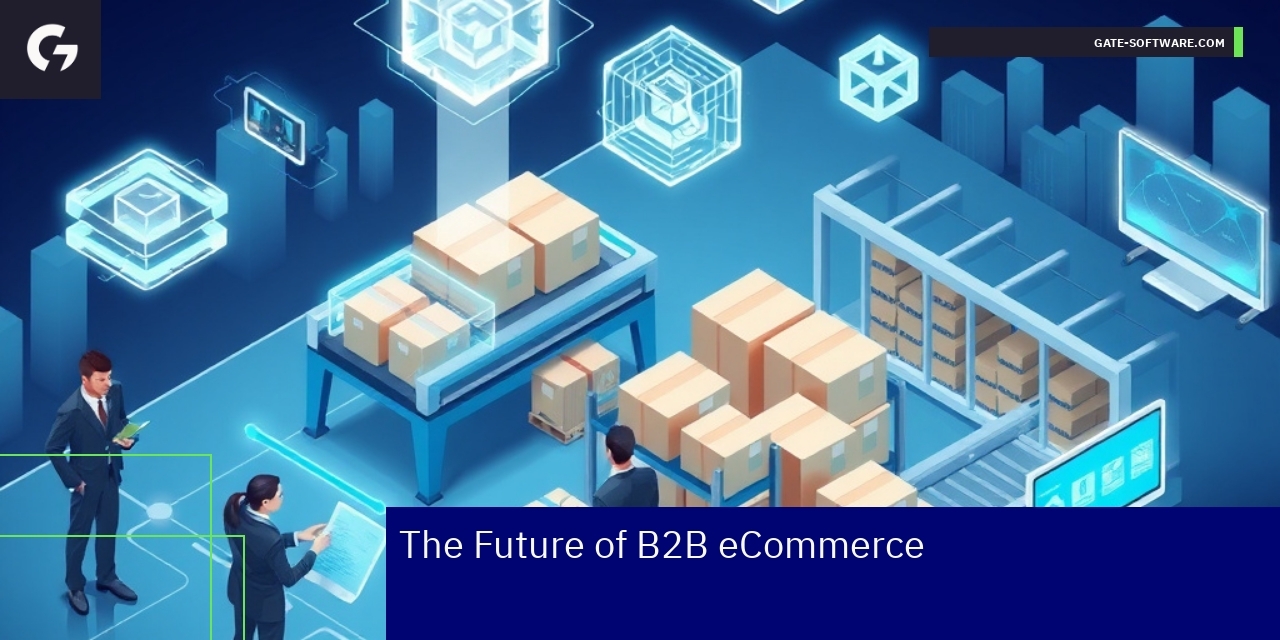
The Future of B2B eCommerce
Trends in B2B Platform Development
Emerging trends in platforma b2b focus on AI-driven personalization, mobile-first design, and integration capabilities. The system b2b continuously evolves to meet new ecommerce b2b demands, driving innovation in the sector. Businesses are investing in platformy b2b that provide seamless integration with existing enterprise systems like ERP and CRM, ensuring cohesive workflows. Emphasis on user experience through advanced search functions and tailored product recommendations is also shaping the development priorities of system b2b, enabling companies to differentiate themselves in a competitive ecommerce b2b landscape.
New Technologies in B2B eCommerce
Tip: Blockchain, AR/VR, and IoT are not just buzzwords but transformative technologies for B2B eCommerce platforms. Blockchain ensures transparency and security, which are vital for trust in business transactions. Similarly, IoT enhances supply chain visibility, and AR/VR technologies elevate customer experience by enabling interactive product presentations. Embracing these technologies turns eCommerce platforms into strategic business assets rather than mere transactional tools.
Advancements like blockchain, AR/VR, and IoT are transforming platformy b2b, enhancing transparency and user engagement. The system b2b adapts these technologies to overcome B2B eCommerce business disadvantages and unlock new opportunities. For instance, blockchain ensures secure, traceable transactions critical for trust in B2B dealings, while IoT devices enable real-time supply chain monitoring and smarter inventory management. Augmented reality (AR) and virtual reality (VR) further improve interactive product presentations, facilitating better decision-making. These technological integrations elevate ecommerce b2b platforms beyond transactional tools into strategic business assets.
Challenges and Opportunities
While system b2b implementations face challenges such as complexity and integration issues, they offer immense opportunities for businesses to optimize processes. Upgrading legacy systems and ensuring interoperability demand significant technical expertise and resources, sometimes causing delays and cost overruns. Cybersecurity also remains a key concern, given the scale and sensitivity of B2B transactions. Nevertheless, overcoming these challenges enables companies to leverage platforma b2b capabilities fully, streamlining procurement, enhancing customer relationships, and gaining agility. Staying informed about B2B eCommerce challenges and solutions ensures long-term success in ecommerce b2b sectors.
Data and Performance Metrics – Efficiency, SLA, TCO
Operational Effectiveness in B2B Projects
In the evolving landscape of B2B eCommerce, measurable data plays a crucial role in assessing the effectiveness of service delivery. At Gate-Software, our B2B projects showcase significant operational metrics that illustrate our commitment to excellence.
1. The average project takeover time for transitioning existing systems to our Magento™ platform is approximately 14 days, enabling businesses to swiftly enhance their eCommerce capabilities.
2. We proudly maintain a 95% on-time project delivery rate, ensuring that our clients can depend on us to meet critical timelines, which is essential for maintaining operational workflows and market readiness.
3. Our clients experience an average 30% reduction in Total Cost of Ownership (TCO) through our optimized eCommerce solutions, demonstrating our focus on cost-efficient project management and technology integration.
4. Gate-Software has successfully completed over 250 B2B implementations, further establishing our expertise and reliability in delivering tailored solutions for various industries.
5. We adhere to a stringent 99.9% uptime SLA, offering our clients peace of mind that their eCommerce platforms will be available when business operations demand it, supporting uninterrupted service to their customers.
6. The average duration of client relationships with us spans 5 years, highlighting our dedication to fostering long-term partnerships built on trust and continuous improvement.
7. Our comprehensive UX/UI audits have led to an average increase of 25% in user engagement rates, showcasing the effectiveness of our user-oriented design approach, which is crucial for acquiring and retaining B2B clients.
These metrics not only reinforce Gate-Software’s dedication to operational excellence but also provide a data-driven foundation for B2B decision-makers considering our services.
Summary
In today’s competitive B2B landscape, finding the right eCommerce solutions is crucial for driving efficiency and sustaining growth. Gate-Software’s focused approach to implementing tailored Magento™ solutions ensures that businesses can integrate critical functionalities like CRM, order process automation, and effective customer data management seamlessly. These features enhance operational efficiency, improve customer engagement, and foster stronger client relationships, all while maintaining compliance with vital standards such as WCAG. By leveraging analytics and personalization, your B2B platform can adapt and evolve, meeting the dynamic needs of the market. Gate-Software stands ready to guide you in navigating these complexities with proficiency and strategic insight. Consider reaching out to explore how we can help you achieve a future-proof, scalable eCommerce system that aligns with your business objectives.
FAQ
How does Customer Relationship Management (CRM) enhance B2B eCommerce platforms?
CRM systems play a crucial role in B2B eCommerce by enabling effective management of client relationships, supporting automation, and enhancing communication. A well-integrated CRM helps in maintaining detailed client histories and allows for targeted marketing, ultimately improving customer satisfaction and loyalty.
What are the benefits of Order Process Automation in B2B operations?
Order Process Automation streamlines the purchasing workflow by minimizing delays and errors. It enables real-time inventory updates and smooth order tracking, leading to improved operational efficiency and customer satisfaction. By integrating with ERP systems and payment platforms, businesses can create a cohesive automated workflow.
Why is personalization important for business clients in a B2B context?
Personalization in B2B eCommerce enhances client engagement by offering tailored experiences such as customized pricing and promotions. This approach fosters stronger relationships and loyalty, as businesses can effectively meet the specific needs of their clients using data-driven strategies.
What key features should be considered when choosing a B2B platform?
When selecting a B2B platform, it is essential to evaluate features such as CRM and ERP integration, scalability, user experience, and data security. The platform should support complex workflows, advanced analytics, and customization to address the unique requirements of B2B transactions.
How do emerging technologies like AI and blockchain affect B2B eCommerce?
Emerging technologies such as AI and blockchain are transforming B2B eCommerce by enhancing personalization, automating processes, and ensuring secure transactions. AI-driven insights enable better decision-making, while blockchain provides transparency and trust in business dealings, paving the way for innovative solutions in the sector.
.
.
Zamów bezpłatną konsultację
.
Z nami rozwój Twojego biznesu nabierze tempa! Zapraszamy do kontaktu średnie i duże firmy generujące min. 7 mln PLN obrotu rocznie – tam nasza ekspertyza sprawdza się najlepiej.
.
Kliknij w poniższy przycisk i skontaktuj się z jednym z naszych konsultantów e-commerce
.