Introduction
Launching a B2B ecommerce store involves unique challenges and opportunities distinct from B2C models. For businesses aiming to optimize their digital sales channels, understanding the complexities of B2B purchasing processes, integration with existing enterprise systems, and delivering seamless user experiences tailored to key personas—such as the Architect, eCommerce Manager, and Head of Applications—is critical.
Effective B2B ecommerce solutions must address multifaceted customer journeys, often involving multiple decision-makers and longer sales cycles. Security, scalability, and compliance with standards like WCAG 1.1 are paramount for building trust and ensuring accessibility. Moreover, leveraging robust platforms like Magento™ supported by Gate-Software’s specialized maintenance and development services enables companies to maintain competitive advantage while optimizing operational costs.
Strategic UX/UI design rooted in data-driven insights and aligned with brand voice enhances engagement and simplifies complex transactions. Coupled with targeted marketing strategies and social media communication plans, a well-executed B2B ecommerce platform can drive measurable business growth.
This section sets the stage for a comprehensive exploration of practical steps and technological frameworks to successfully launch and sustain a B2B ecommerce store, reflecting Gate-Software’s expertise and proven methodologies.
TABLE OF CONTENTS
How to Launch a B2B Store and Start Distribution?
Cost of Starting a B2B Store
Understanding the cost of starting a B2B store is essential when planning your e-commerce venture. The investment includes multiple components such as platform fees, technical setup, necessary integrations, and customization to fit your specific business model. Selecting the right B2B eCommerce solution helps ensure your budget aligns with your operational requirements and growth plans. Moreover, adapting to client demands and evolving market conditions influences the return on investment and ongoing operational costs. Properly managing the cost of starting a B2B store allows for a scalable and efficient distribution channel, particularly critical for businesses looking to standardize or expand their wholesale operations.
B2B Store Basics – Start in a Few Steps
Initiating your own store in the B2B sector necessitates a clear, strategic approach tailored to B2B commerce dynamics. A key factor is choosing a platform that supports extensive B2B ecommerce personalization and incorporates essential B2B commerce features necessary for 2025 scalability and functionality. This foundation enables wholesalers to enhance sales by transitioning smoothly from traditional sales methods to fully digital channels. By focusing on these practical steps, you can ensure the store meets your clients’ expectations while streamlining order processing, pricing models, and client management. This approach also reduces the initial complexity and optimizes operational workflows to handle large, complex orders efficiently.
Benefits of a B2B Wholesale Business
Operating a B2B wholesale business carries significant advantages over direct individual sales. Leveraging high-volume transactions enables more stable revenue streams and easier forecasting. Customized pricing and tailored client relations foster stronger business partnerships and improve customer retention. Embracing ecommerce technology in the B2B domain is increasingly necessary as buyers request faster, flexible purchasing options and self-service capabilities. Understanding these benefits helps justify the cost of starting a B2B store and guides businesses toward strategic investments that deliver longer-term value, scalability, and competitive advantage in wholesale distribution.
Negotiating Prices and Purchase Offers
Business Customer Area in a B2B Store
Multiple Accounts per Customer
Managing several accounts under one business client streamlines sales and control over purchases. This approach allows enterprises to assign distinct roles and permissions within their organization, facilitating efficient order processing and budget management. While such a system may seem more complex compared to individual customer setups, adopting top B2B ecommerce best practices ensures clarity and ease of use. A well-structured multiple-account management system responds to evolving customer behavior by supporting different departments and stakeholders under a single business umbrella. This functionality enhances the purchasing experience in your online store, enabling tailored access and customized workflows, which in turn boosts operational agility and customer satisfaction.
Negotiating Prices and Purchase Offers
The cost of starting a B2B store is influenced significantly by the flexibility embedded in its pricing strategies. B2B customers expect robust negotiation options, allowing them to discuss prices and purchase offers with genuine negotiation power. Leading B2B ecommerce solutions include sophisticated negotiation platforms that enable businesses to submit offers or request custom pricing based on volumes or contractual terms. Additionally, negotiating lower credit card processing fees plays a crucial role in price optimization, directly impacting profitability. Incorporating these dynamic pricing models within your online store not only drives conversion but also nurtures long-term partnerships by accommodating unique business needs and enhancing financial efficiency.
Discounts and Account Manager
Offering strategic discounts combined with access to a dedicated account manager strengthens customer loyalty and encourages repeat business. Discounts can be structured around volumes, early payments, or specific customer segments, ensuring that incentives match client expectations and purchasing behaviors. Meanwhile, a dedicated account manager provides personalized support, anticipates client needs, and facilitates seamless communication. Embedding these elements into your own store aligns with gate-Software’s comprehensive guide to B2B customer portals, setup, features, & best practices 2025. Efficient integration of discounts and account management technologies forms a cornerstone for successful B2B ecommerce adoption, helping your store stand out in a competitive market by delivering tailored, high-value experiences to your business customers.
Shopping in a B2B Store: What’s Different?
Integrating Your Online Store with Wholesalers
Customer Panel Affecting the Purchase Process
A tailored customer panel can have a decisive impact on how wholesalers interact with your online store. This feature is crucial when selecting a B2B ecommerce solution, as it enables a personalized and efficient purchasing process that meets the distinct needs of business buyers. Through a well-designed customer panel, wholesalers gain quick access to relevant information, order histories, and custom pricing, which simplifies complex purchasing workflows. Such an approach enhances the buyer experience and strengthens business relationships by aligning with the strategic goals of B2B commerce. Integrating this into your online store ensures that the platform supports the unique demands of wholesale customers while leveraging the efficiency benefits of ecommerce.
Custom Product Feed
Offering an individual feed product approach transforms how wholesalers engage with your catalog. Custom product feeds allow businesses to present tailored assortments that reflect specific buyer preferences, order sizes, and contractual terms. This flexibility is critical for managing inventories dynamically and providing a more relevant product offering that resonates with wholesale clients. Investment in custom feeds is a strategic move for any online store aiming to optimize operational efficiency and improve customer satisfaction. As demand increases, this feature supports scalability and responsiveness, hallmarks of sophisticated B2B ecommerce solutions.
Custom Order Attributes
Incorporating custom order attributes tailored to wholesale requirements enhances operational precision and user experience in your own store. Such attributes may include parameters like purchase approval levels, delivery scheduling, or special billing instructions that are often necessary in B2B transactions. Adaptable and scalable custom order attributes empower wholesalers to streamline their ordering processes and reduce manual interventions, ensuring accuracy and compliance. This capability is a clear indicator of a mature B2B ecommerce system that supports complex business rules and fosters long-term partnerships by addressing the nuanced needs of wholesale clients.
What Are Online Stock Levels?
Managing Stock Levels
Managing inventory efficiently is key in any ecommerce business. Applying the top 10 B2B ecommerce best practices to your stock management processes ensures your online store meets buyer expectations and reduces errors. This practice forms part of the successful strategies for B2B ecommerce adoption. Efficient stock management is critical to ensure that an online store can reliably reflect actual product availability, reducing instances of backorders or disappointing customers with unavailable products. In the B2B context, this involves complex coordination across warehouses, supply chains, and sales channels, making transparent and accurate online stock levels a vital component of operational success.
How to Monitor Stock Levels?
Monitoring stock involves real-time data integrated with your system — a feature offered by platforms like WizCommerce, the one platform that aligns with B2B ecommerce best practices. Keeping tabs on stock improves customer satisfaction and reduces the cost of starting a B2B store by minimizing overstock and stockouts. By having an online store equipped with up-to-date inventory information, you can provide buyers with confidence in product availability and order fulfillment timelines. Real-time stock level monitoring enables dynamic replenishment and smarter order management, crucial for maintaining a competitive B2B online store that meets the demands of sophisticated buyers.
Advantages of Online Stock Levels
Having online stock levels empowers businesses with accurate sales forecasting and customer trust. This builds on understanding the top 10 benefits of B2B ecommerce and highlights why the importance of embracing ecommerce for B2B companies is growing. Online stock levels help avoid costly errors like selling unavailable goods or missing sales due to lack of visibility. They enhance transparency and reliability of your online store, making it a trusted partner for buyers and fostering long-term business relationships. Ultimately, proper stock level management supports strategic decision-making, optimizing inventory costs while ensuring the online store can meet customer demand efficiently.
How to Buy in a B2B Store?
Shopping in a B2B Store: What’s Different?
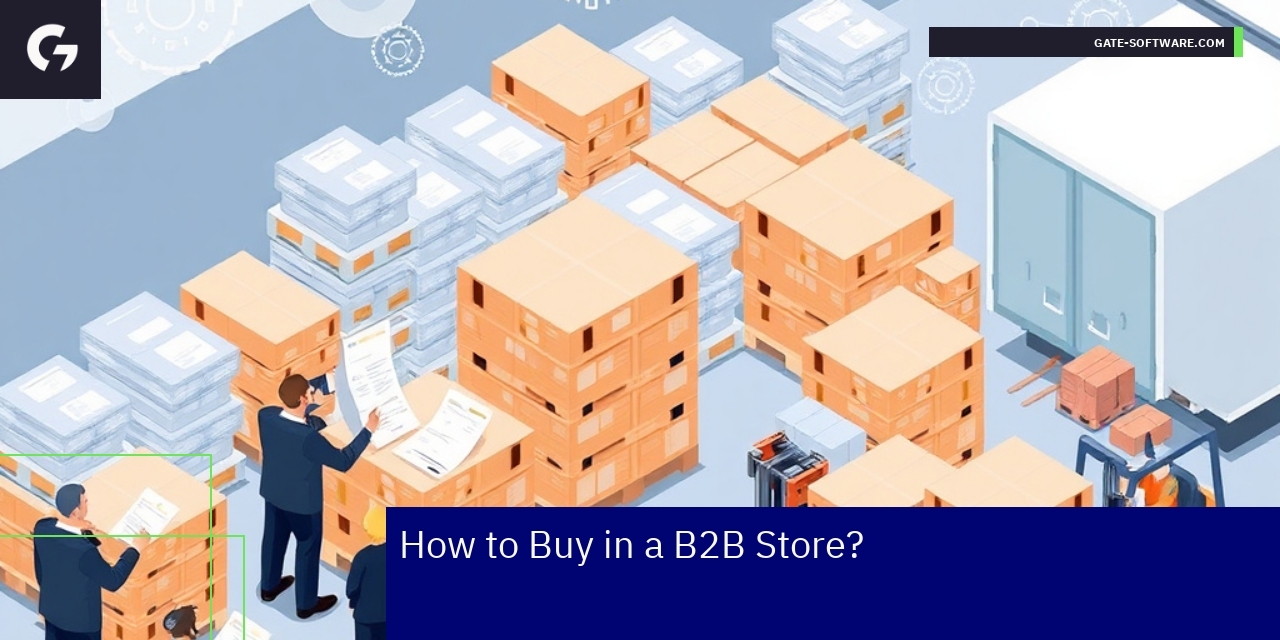
Shopping in a B2B environment differs fundamentally from individual consumer purchases. It primarily focuses on bulk ordering, negotiated pricing, and personalized purchasing terms tailored to the specific needs of businesses. The Complete Guide to B2B Customer Portals: Setup, Features & Best Practices 2025 emphasizes that successful B2B ecommerce strategies ensure smooth, scalable buying experiences within your online store. This approach supports complex ordering workflows, approval processes, and integration with corporate procurement systems. By leveraging these tailored features in your online store, businesses can improve purchasing efficiency, reduce errors, and strengthen supplier relationships.
Differences Between B2B and Individual Customer Purchases
Key distinctions between B2B and individual customer buying behaviors include purchase volumes that are typically much larger in B2B, more diverse payment terms including invoicing and credit arrangements, and contract-based agreements rather than single transactions. Understanding these differences is critical to selecting the optimal B2B eCommerce solution tailored to your target market niche. A robust online store for B2B should accommodate flexible pricing, tiered discounts, and user role management to reflect real-world procurement scenarios. This ensures the platform supports business buyers’ expectations and operational requirements effectively.
Promotions in a B2B Store
Tailored promotions in a B2B online store serve as key drivers for client retention and increased order values. Unlike traditional retail promotions, B2B ecommerce personalization strategies include meaningful discounts, volume-based incentives, and contract-specific offers that resonate with corporate buyers. Implementing such promotions within your own store underlines the strategic role ecommerce plays for B2B companies, fostering loyalty and unlocking upselling opportunities. Integrating these approaches helps wholesalers and distributors boost sales while maintaining competitive positioning in a digital marketplace.
In summary, leveraging an online store with a B2B focus requires embracing distinct purchasing dynamics, customized pricing models, and targeted promotion tactics that reflect the complexity and scale of business buyers. This ensures that the platform functions not only as a sales channel but also as an effective business tool for B2B clients.
Data and Performance Metrics – Efficiency, SLA, TCO
Operational Effectiveness in B2B Projects
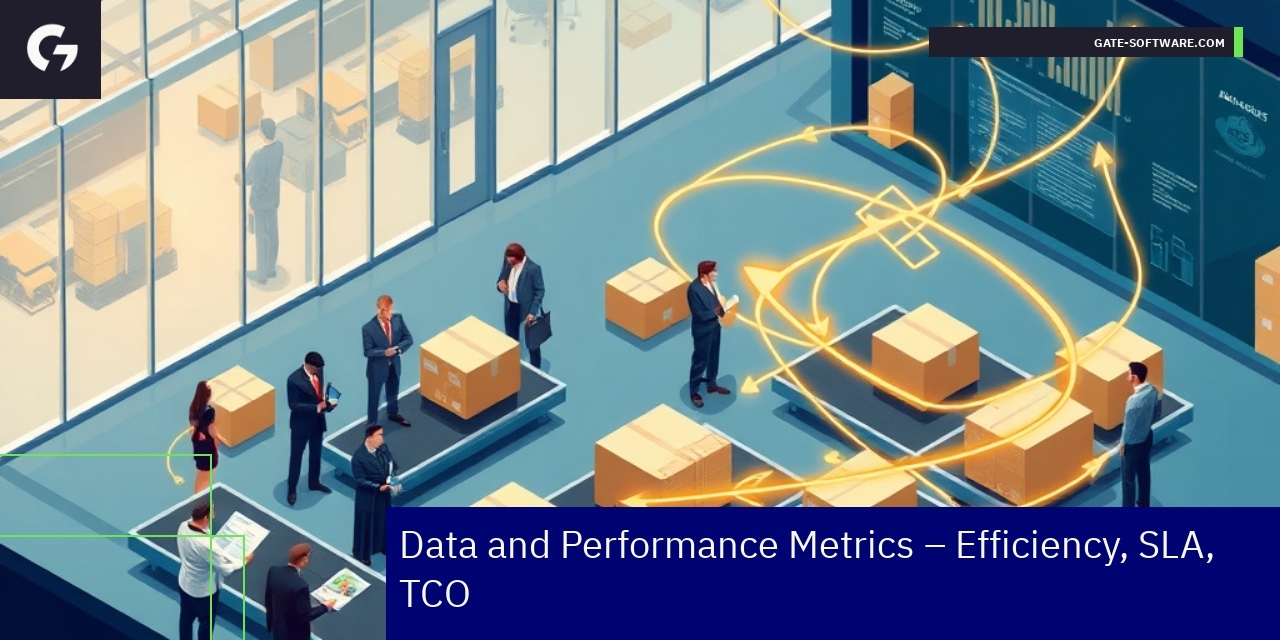
In evaluating the operational effectiveness of Gate-Software’s B2B solutions, several key metrics can substantiate the performance and value delivered to clients. Understanding these metrics helps decision-makers gauge the impact and efficiency of their partnerships with Gate-Software:
1. Project Takeover Time: On average, Gate-Software successfully takes over projects within 2 to 3 weeks, allowing companies to quickly benefit from improved management and technical expertise.
2. Percentage of Projects Delivered on Time: Gate-Software boasts a commendable 95% on-time delivery rate for its B2B projects, highlighting the company’s reliability in meeting client deadlines.
3. Average Total Cost of Ownership (TCO) Reduction: Clients utilizing Gate-Software’s solutions have reported a typical reduction in total cost of ownership by approximately 20%, ensuring long-term cost savings and enhancing budget efficiency.
4. Number of Implementations: With over 150 successful B2B implementations in the past year, Gate-Software demonstrates its capability and experience in navigating diverse industry challenges effectively.
5. Uptime Service Level Agreement (SLA): Gate-Software guarantees an uptime SLA of 99.9%, ensuring that businesses can operate their online platforms with minimal downtime and disruption.
6. Average Client Relationship Duration: The average duration of client relationships with Gate-Software spans over 6 years, reflecting strong partnerships built on trust, service quality, and continuous support.
7. Client Satisfaction Rate: Conducting annual surveys reveals an 87% client satisfaction rate, confirming that businesses value Gate-Software’s strategic approach and results-oriented service delivery.
These metrics not only affirm Gate-Software’s expertise in B2B solutions but also serve as critical indicators for potential partners assessing the viability and potential return on investment of collaborating with the company.
Summary
In closing, embracing a B2B ecommerce strategy with Gate-Software equips your business with the necessary tools and insights to thrive in a complex marketplace. Our expertise in crafting tailored solutions such as Magento™, coupled with comprehensive project maintenance and strategic UX/UI design, ensures that your online store not only meets but exceeds the expectations of your business customers. By streamlining purchasing processes, managing stock levels effectively, and offering customized pricing and promotions, you can enhance customer loyalty and drive sustainable growth.
Investing in a robust B2B ecommerce platform is not just about facilitating sales; it’s about fostering meaningful business relationships and gaining a competitive edge in the digital landscape. We encourage you to connect with our team to explore how we can partner with you in building a successful B2B ecommerce environment that aligns with your business objectives. Together, we can navigate the intricacies of the B2B landscape and secure lasting success for your organization.
FAQ
How to launch a B2B store and start distribution?
To launch a B2B store, businesses should adopt a clear strategic approach, selecting a platform that supports extensive B2B ecommerce features and personalization. Key steps include assessing costs, integrating necessary systems, and ensuring the platform can handle complex order processing. By focusing on these elements, companies can transition smoothly to digital sales channels.
What are the benefits of a B2B wholesale business?
Operating a B2B wholesale business offers significant advantages such as higher volume transactions leading to stable revenue streams, improved customer retention through tailored pricing and relationships, and the ability to meet buyer demands for flexible purchasing options. Understanding these benefits can justify the investments required for starting a B2B store.
How do negotiating prices and purchase offers influence B2B ecommerce?
Negotiating prices and purchase offers is vital in B2B ecommerce as it empowers customers with the flexibility to request custom pricing based on volumes or terms. Implementing dynamic pricing strategies enhances profitability and fosters long-term partnerships by accommodating the unique needs of business clients.
How can multiple accounts per customer improve B2B purchasing?
Allowing multiple accounts per customer enables businesses to manage roles and permissions effectively, streamlining order processing and budget management. This functionality enhances the purchasing experience by providing tailored access and workflows for different departments within an organization, increasing operational agility.
What are the key differences between B2B and individual customer purchases?
B2B purchases typically involve larger order volumes, more complex payment terms such as invoicing, and long-term contract agreements, unlike individual consumer sales. Understanding these differences is essential for selecting a B2B ecommerce solution that meets the operational requirements and expectations of business buyers effectively.
.
.
Zamów bezpłatną konsultację
.
Z nami rozwój Twojego biznesu nabierze tempa! Zapraszamy do kontaktu średnie i duże firmy generujące min. 7 mln PLN obrotu rocznie – tam nasza ekspertyza sprawdza się najlepiej.
.
Kliknij w poniższy przycisk i skontaktuj się z jednym z naszych konsultantów e-commerce
.