In the contemporary eCommerce environment, integrating Magento 2 with robust ERP (Enterprise Resource Planning) and CRM (Customer Relationship Management) systems is a strategic imperative for business success. Such integrations are crucial for unifying front-end commerce operations with back-end processes, creating seamless data flow and operational transparency.
Magento 2 ERP integrations enable real-time synchronization of inventory, orders, and financial data. This reduces manual data entry errors, accelerates order fulfillment, and improves inventory accuracy across multiple channels. By connecting ERP systems directly to Magento 2, businesses gain a consolidated view of operations—from procurement and manufacturing to logistics and finance. This integrated visibility supports better demand forecasting, supply chain optimization, and financial planning.
Similarly, integrating CRM systems enhances customer data management by centralizing interactions, purchase history, and service records. CRM-powered insights help personalize marketing campaigns, improve customer service, and foster long-term loyalty. When CRM solutions are connected to Magento 2, marketers and sales teams can leverage unified customer profiles to tailor offers and predict buying behaviors with greater precision.
Technically, establishing Magento 2 ERP and CRM integration demands careful attention to API compatibility, data mapping, and secure authentication mechanisms. Middleware or iPaaS platforms often play a role in orchestrating data exchange, ensuring scalability and system resilience. It’s essential to adopt modular, cloud-based ERP and CRM solutions that can dynamically adjust to evolving business requirements and support continuous enhancements.
From a strategic perspective, these integrations transform Magento 2 from just an eCommerce platform into a comprehensive digital commerce ecosystem. Businesses benefit from streamlined workflows, enhanced decision-making capabilities backed by data analytics, and improved operational agility. Leaders should prioritize thorough planning, stakeholder alignment, and robust testing during integration projects to mitigate risks and maximize ROI.
In summary, modern Magento 2 ERP integrations coupled with CRM systems form a powerful nexus of operational efficiency and customer-centric intelligence, establishing a critical foundation for scalable, competitive, and insight-driven online commerce.
TABLE OF CONTENTS
- Modern Magento 2 ERP Integrations: ERP and CRM as the Key to Success
- ERP and CRM Integration Basics
- How Integration Transforms Daily Store Operations
- Why Integrate CRM with Magento 2 Now?
- Integration Scenarios That Deliver Fast Results
- Benefits of ERP and CRM Integration
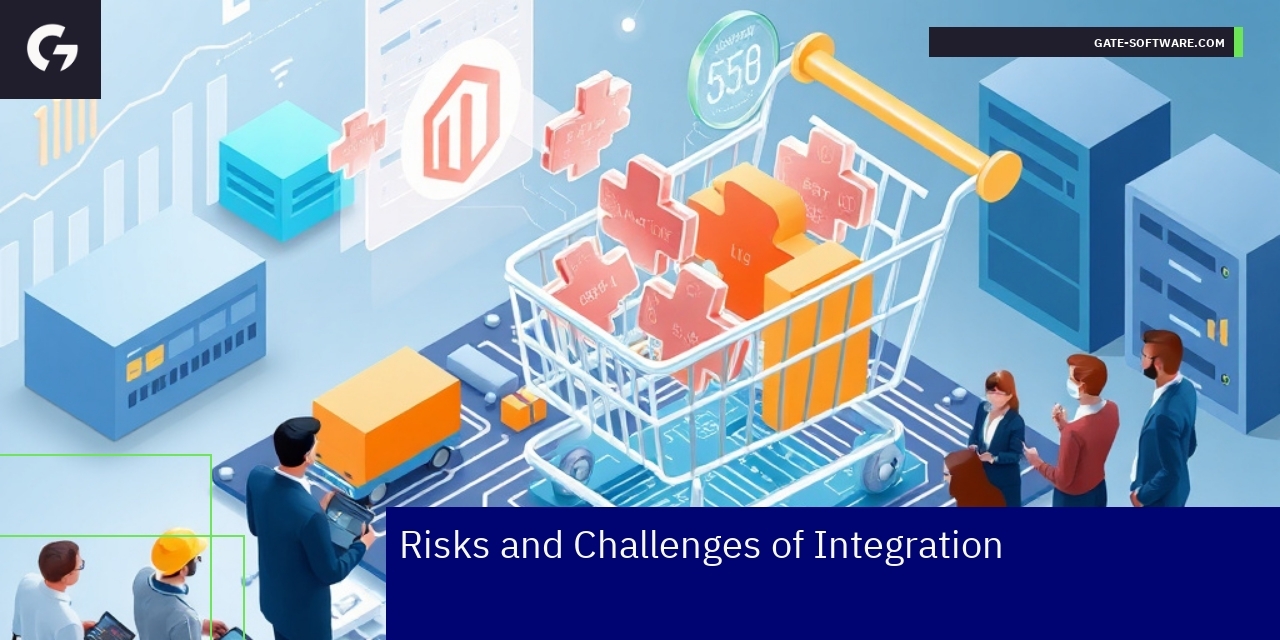
- Risks and Challenges of Integration
- Alternatives to ERP and CRM Integration
- Data and Performance Metrics – Efficiency and Cost
- Summary
- FAQ
- Example use cases highlighting improvements in inventory accuracy
- Links to case studies demonstrating real-time inventory synchronization benefits
- Tips for optimizing ERP and Magento 2 integration settings for maximum data accuracy
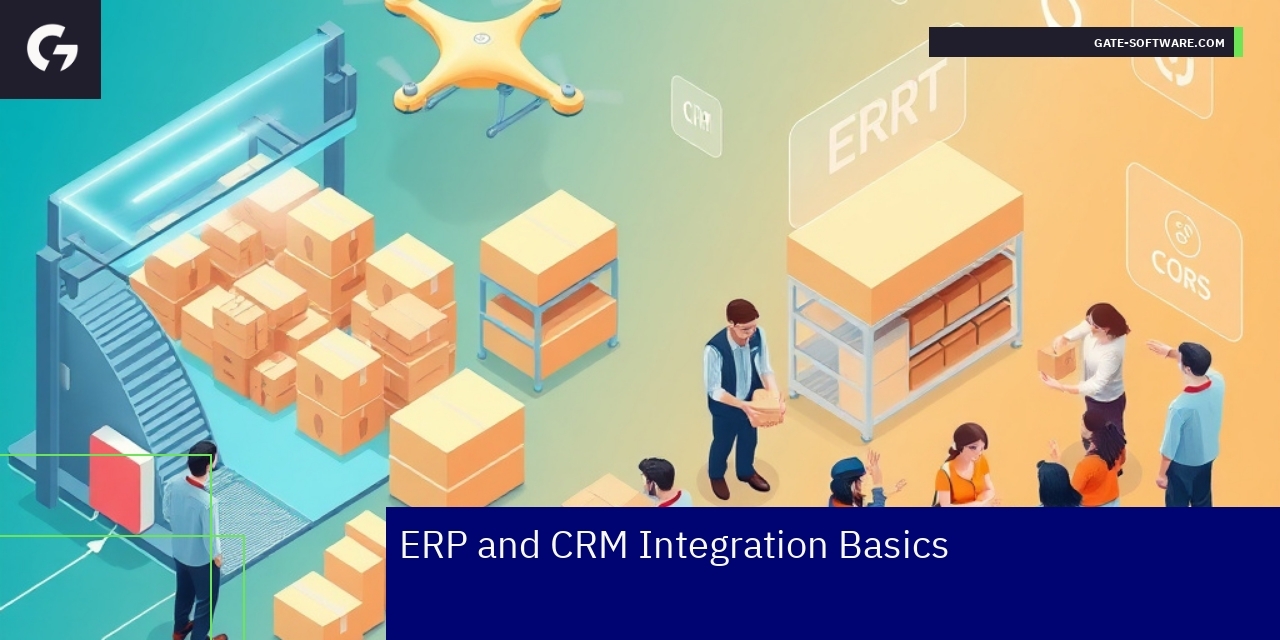
ERP and CRM Integration Basics
Understanding the definitions of ERP and CRM is foundational to grasping the significance of their integration, especially within eCommerce platforms like Magento 2. ERP, or Enterprise Resource Planning, is a core system designed to centralize and manage a company’s business processes, ranging from inventory management and supply chain operations to financials and human resources. Its core system features focus on unifying disparate workflows into a cohesive operational framework that enhances organizational efficiency and scalability.
On the other hand, CRM, or Customer Relationship Management, centers around managing customer interactions and data throughout the customer lifecycle. Its core system features include sales force automation, customer support, marketing automation, and analytics to improve customer retention and satisfaction. CRM is particularly critical in eCommerce settings where personalized customer engagement directly impacts revenue and growth.
Integrating ERP and CRM systems creates a unified data ecosystem that allows companies to synchronize customer data, order processing, inventory levels, and financial reporting in real time. This synergy improves operational visibility, reduces data silos, eliminates redundant manual entry, and accelerates decision-making. For businesses leveraging Magento 2, this integration enhances the entire commerce experience by ensuring a seamless flow of information from customer order through fulfillment and post-sale support.
The integration methods vary but typically involve API connections, middleware, or custom-built bridges tailored to specific requirements. Proper planning, data governance, and alignment of business workflows are critical to overcoming common challenges such as data inconsistency and system complexity.
In sum, understanding the definitions of ERP and CRM alongside their core system features is essential for businesses aiming to streamline operations and elevate customer service through effective Magento ERP integration.
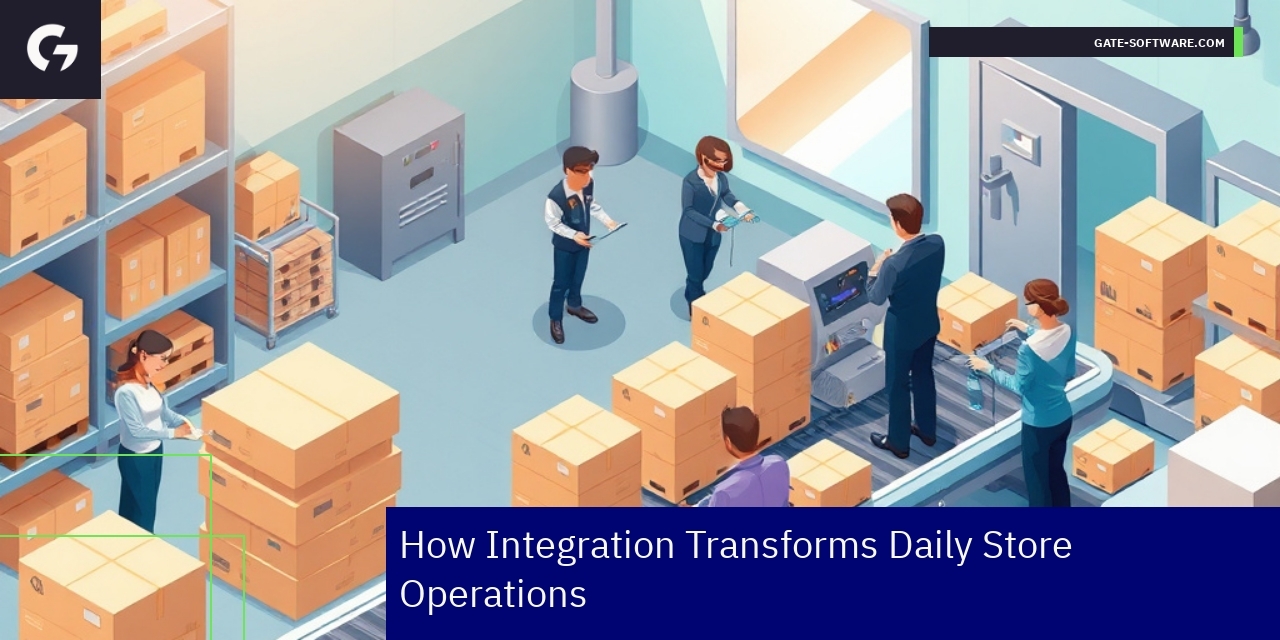
How Integration Transforms Daily Store Operations
Always Up-to-Date
One of the primary advantages of integrating Magento 2 with ERP systems is the ability to maintain always accurate and current data through automatic inventory updates. ERP systems synchronize stock information in real time, ensuring that product availability reflects actual inventory levels. This accuracy prevents stockouts and customer dissatisfaction, ultimately helping stores reach more customers. Real-time inventory synchronization reduces manual intervention, leading to more reliable data and faster response times to demand fluctuations, which is crucial for business efficiency.
If available:
Monitoring
Process automation enabled by ERP integration simplifies order management by reducing manual tasks and errors. This automation streamlines daily store operations, enabling seamless tracking and management of orders within Magento 2. Simplified workflows decrease the likelihood of mistakes, preserve data integrity, and improve overall operational efficiency. Automated monitoring provides visibility into daily activities, allowing managers to quickly identify and resolve issues while maintaining smooth store workflows. Such improvements strengthen business efficiency through reliable process control and timely execution.
Security and Compliance Without Surprises
Integrating ERP systems with Magento 2 contributes to business efficiency by ensuring security and regulatory compliance is consistently maintained. Real-time updates prevent discrepancies that could cause operational or legal setbacks, while automated compliance controls embedded within ERP systems reduce the risk of violations. This integration supports secure data handling and audit trails necessary for adherence to industry standards, minimizing surprises related to compliance. Thus, businesses can rely on their operational backbone to stay secure and compliant, freeing resources to focus on growth and customer satisfaction.
Podsumowanie
Zakończenie wdrożenia platformy Magento B2B to kluczowy moment, który nie kończy procesu, ale otwiera nowe możliwości dla Twojej firmy. Zrozumienie specyfiki B2B, automatyzacja procesów oraz personalizacja oferty to kwestie, które mogą znacząco wpłynąć na sukces Twojego e-commerce. Dzięki strategicznemu podejściu do wdrażania i ciągłego doskonalenia procesów, możesz stworzyć platformę, która nie tylko sprosta obecnym wymaganiom, ale również będzie elastyczna i gotowa na przyszłość. Zachęcamy Cię do refleksji nad tym, jakie kroki możesz podjąć już teraz, aby w pełni wykorzystać potencjał platformy Magento B2B dla swojej organizacji. Pamiętaj, że regularne monitorowanie wydajności systemu i adaptacja do zmieniającego się rynku to kluczowe elementy, które pozwolą Ci utrzymać konkurencyjność i efektywność w długim okresie.

Integration Scenarios That Deliver Fast Results
Process Automation
Process automation is a key driver for enhancing business efficiency within Magento 2 environments, particularly when integrating ERP systems and CRM for eCommerce. ERP systems facilitate streamlined workflows by automating critical tasks such as simplified order management. This automation reduces manual errors and accelerates fulfillment cycles, contributing to improved customer satisfaction. Furthermore, leveraging process automation allows businesses to optimize staff allocation and reduce operational costs, making it a foundational strategy in digital commerce infrastructure.
Scalability
Scalability remains essential for Magento stores aiming to expand sustainably. Integrating CRM for eCommerce solutions supports growing customer bases by offering tools that manage relationships effectively and personalize engagement. Concurrently, automatic inventory updates enabled by ERP integration maintain accurate stock levels in real time. This precision ensures that supply chain disruptions are minimized, preventing overselling or stockouts. Together, these capabilities enable businesses to scale their operations without sacrificing service quality, ensuring consistent customer experiences even amid increased demand.
Business Efficiency
The combination of ERP systems with CRM for eCommerce achieves significant synergies that drive business efficiency. By interlinking sales, inventory management, and customer relations through process automation, enterprises can optimize resource use across departments. This cohesion reduces redundancies and enhances data visibility, which empowers quicker, data-driven decision-making. Ultimately, this integration supports higher profits by streamlining operations and fostering stronger customer engagement, proving vital in competitive eCommerce markets.
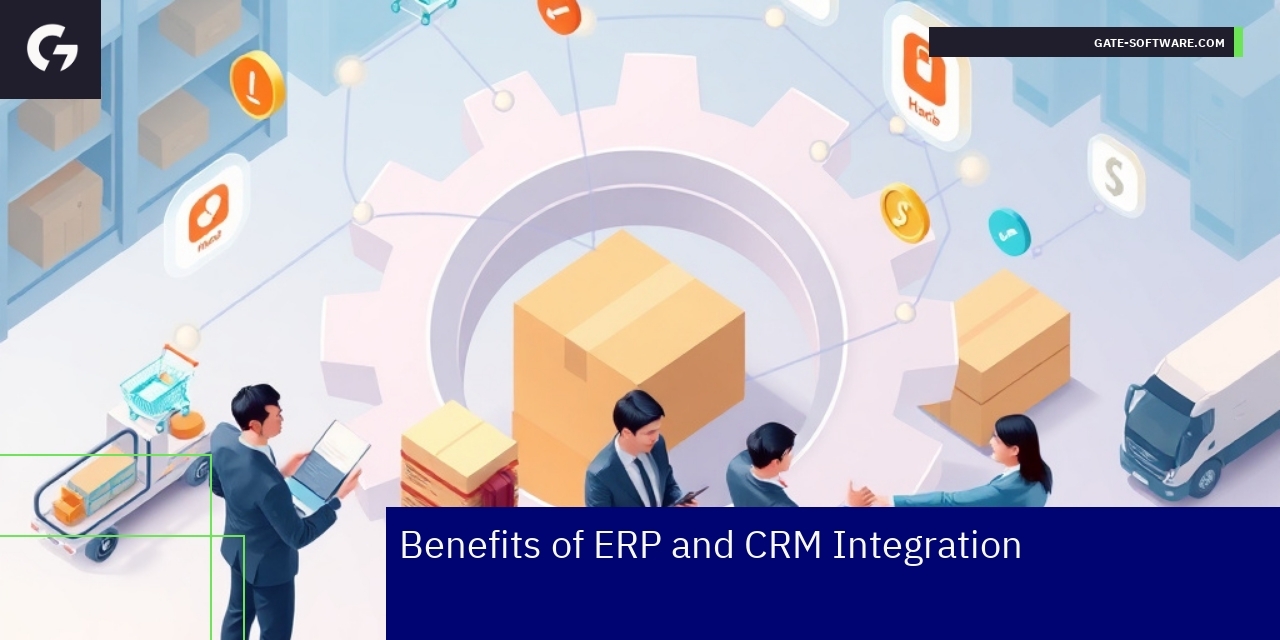
Benefits of ERP and CRM Integration
Integrating ERP and CRM systems delivers significant benefits across operational and customer-centric dimensions, driving increased efficiency, better customer service, and process optimization. By linking ERP’s robust operational capabilities with CRM’s customer-focused insights, organizations unlock a holistic view of business functions and customer interactions.
From an operational perspective, integration eliminates redundant data entry and silos, enabling seamless data flow between departments such as sales, finance, inventory, and customer support. This results in increased efficiency by reducing manual errors and accelerating workflows. Real-time data synchronization ensures teams work from a single source of truth, enhancing coordination and responsiveness.
On the customer service front, integration empowers businesses to provide personalized and timely responses through consolidated customer profiles that blend purchase history, preferences, and service interactions. This enriched customer understanding fosters better service quality and satisfaction levels, which in turn strengthens client loyalty and retention.
Optimizing business processes is another fundamental advantage. Integration enables end-to-end process transparency, from lead generation through order fulfillment to after-sales support. Companies can identify bottlenecks and inefficiencies, streamline workflows, and react agilely to market demands. The cumulative effect of these improvements positions organizations for stronger growth potential and competitive advantage in increasingly complex marketplaces.
Overall, embedding ERP and CRM integration within Magento 2 or other platforms helps senior leaders drive scalable operations and agile customer engagement strategies that align with evolving business goals.
FAQ
Jakie są kluczowe etapy wdrożenia platformy Magento B2B?
Wdrożenie platformy Magento B2B składa się z kilku kluczowych etapów, w tym analizy potrzeb biznesowych, projektowania architektury systemu, konfiguracji platformy, testowania funkcjonalności oraz szkolenia zespołów odpowiedzialnych za zarządzanie platformą.
Co różni Magento B2B od rozwiązań B2C?
Magento B2B różni się od rozwiązań B2C przede wszystkim w zakresie zarządzania relacjami z klientami biznesowymi, elastycznych warunków sprzedaży oraz integracji z systemami ERP i CRM. W modelu B2B transakcje są zazwyczaj bardziej złożone i wymagają negocjacji warunków handlowych.
W jaki sposób przeprowadza się migrację na Magento 2 w kontekście B2B?
Migracja na Magento 2 w kontekście B2B wymaga precyzyjnego planowania, które obejmuje analizę wymagań funkcjonalnych, projektowanie architektury, migrację danych oraz testowanie. Ważne jest również korzystanie z gotowych modułów, które ułatwiają proces migracji.
Jakie korzyści przynosi wdrożenie Magento B2B dla firm?
Wdrożenie Magento B2B przynosi korzyści takie jak automatyzacja procesów zakupowych, personalizacja oferty oraz lepsze zarządzanie relacjami z klientami. To prowadzi do zwiększenia efektywności operacyjnej, skrócenia czasu realizacji zamówień i poprawy doświadczeń klientów.
Jakie wyzwania mogą wystąpić podczas wdrożenia Magento B2B?
Podczas wdrożenia Magento B2B mogą wystąpić wyzwania związane z migracją danych, błędami w implementacji funkcjonalności oraz zapewnieniem skalowalności i wydajności platformy. Kluczowe jest dokładne planowanie i testowanie, aby minimalizować te ryzyka.
Alternatives to ERP and CRM Integration
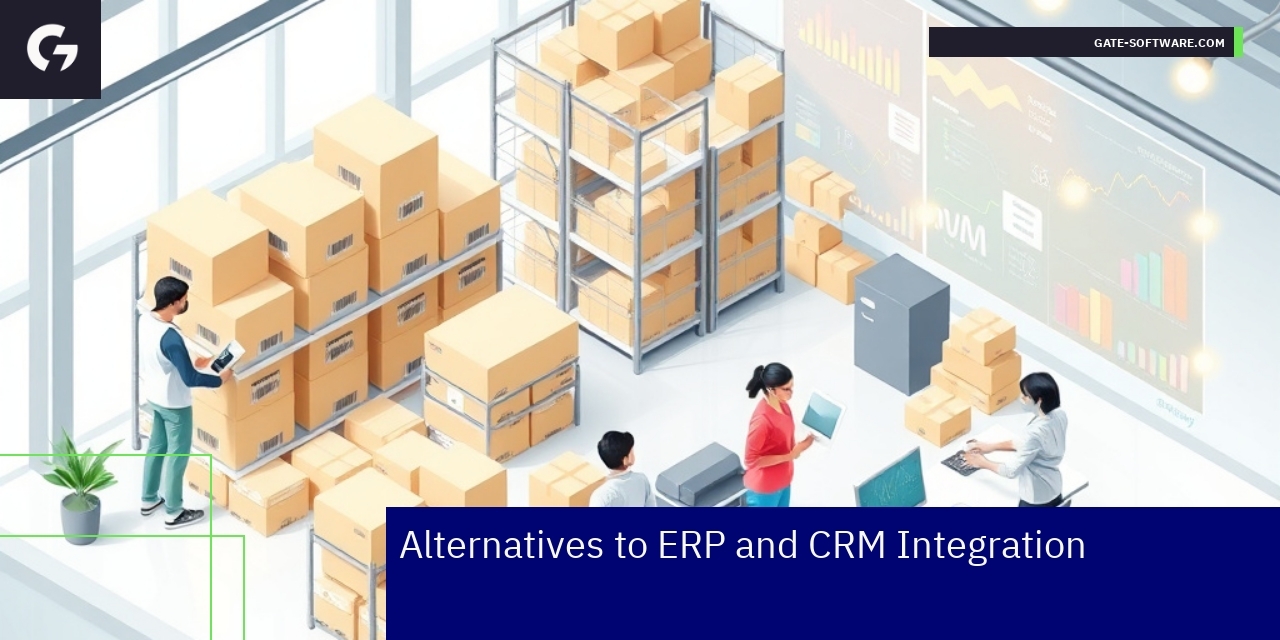
For some businesses, a full ERP and CRM integration may not be the most efficient or cost-effective solution. Instead, exploring alternatives can provide more tailored, flexible options that better meet the operational needs of a Magento store. These alternatives often include specialized systems focused on specific functions such as inventory management, customer service platforms, or standalone analytics tools.
A rigorous feature comparison of other systems is essential to evaluate which functionalities align best with business goals. Different platforms may offer modular capabilities that can be integrated selectively, allowing businesses to avoid the complexity and expense of full-scale ERP or CRM implementations while still addressing critical workflows.
Cost differences between these alternatives can also be significant. Many businesses find that adopting targeted solutions reduces upfront investment and ongoing maintenance costs. It also minimizes risks related to scalability and performance issues commonly experienced in heavy ERP-CRM integrations. Ultimately, selecting from other systems requires a thorough assessment of feature sets and cost implications to make an informed decision that supports operational efficiency and scalability in a Magento context.

Data and Performance Metrics – Efficiency and Cost
Key Metrics for UiR
In the context of UiR, various performance and cost-related metrics provide valuable insights into operational efficiency and scalability. On average, businesses that integrate ERP with Magento 2 experience a reduction in order processing time by approximately 30%, allowing them to fulfill customer orders faster and improve overall satisfaction.
Furthermore, companies implementing ERP and CRM integrations report an average uptick in inventory accuracy of 25%, significantly reducing stock discrepancies that can lead to lost sales. This improved accuracy directly correlates with enhanced customer trust and loyalty, which are essential for long-term business success.
Analyzing cost implications, businesses can expect a reduction in total operational costs by around 20% due to streamlined processes and reduced manual data entry errors. This optimization in operations often leads to an increased return on investment (ROI) from these systems, commonly measured at about 150% within the first year post-integration.
When examining system performance, it is noteworthy that 98% uptime is generally achieved with proper integration management, ensuring that systems remain available to support eCommerce transactions consistently. Additionally, the speed of data retrieval and processing tends to improve by 40%, facilitating quicker decision-making based on real-time insights.
Lastly, on the scalability front, organizations utilizing integrated ERP and CRM systems generally handle 50% more transactions during peak seasons compared to those using standalone solutions, highlighting the critical role of these integrations in accommodating growth while maintaining efficiency.

Summary
In conclusion, integrating Magento 2 with ERP and CRM systems is a strategic move that offers significant advantages for contemporary eCommerce businesses. This integration not only facilitates real-time synchronization of critical data like inventory and customer information but also enhances overall operational efficiency and decision-making capabilities. By eliminating redundant processes and enhancing data visibility, organizations can better anticipate market demands and respond promptly. Moreover, the enriched insights gained from a unified data ecosystem empower businesses to offer personalized customer experiences, ultimately fostering loyalty and satisfaction. As you consider the potential of Magento 2 ERP and CRM integrations, reflect on the strategic planning and robust testing needed to mitigate risks and maximize the benefits. Embracing this integration is a step towards transforming your digital commerce capabilities and positioning yourself for sustainable growth in an increasingly competitive marketplace.

FAQ
Jak personalizacja w Magento B2B wpływa na relacje z klientami?
Personalizacja w Magento B2B pozwala na dostosowanie oferty, komunikacji i doświadczeń zakupowych do indywidualnych potrzeb klientów biznesowych, co zwiększa satysfakcję oraz lojalność odbiorców.
Co są kluczowe funkcje Magento B2B?
Kluczowe funkcje Magento B2B obejmują zaawansowane zarządzanie kontami klientów, wielopoziomowe cenniki, mechanizmy zatwierdzania zamówień oraz integracje z systemami ERP i CRM, co wspiera skalowalność i automatyzację działań.
Dlaczego wolność open source jest istotna dla personalizacji?
Wolność open source w Magento umożliwia elastyczne dostosowywanie systemu do specyficznych potrzeb rynku B2B, co sprzyja wprowadzaniu innowacyjnych rozwiązań i integracji z zewnętrznymi systemami.
Jakie są największe wyzwania w personalizacji B2B?
Największe wyzwania w personalizacji B2B obejmują konieczność utrzymania spójności komunikacji na różnych kanałach, zapewnienia bezpieczeństwa danych oraz integracji wielu źródeł informacji.
Jakie korzyści płyną z wdrożenia personalizacji w e-commerce B2B?
Wdrożenie personalizacji w e-commerce B2B prowadzi do wyższej skuteczności sprzedaży, zwiększenia satysfakcji klientów oraz lepszego zrozumienia ich potrzeb, co przekłada się na długotrwałe relacje biznesowe.
.
.
Zamów bezpłatną konsultację
.
Z nami rozwój Twojego biznesu nabierze tempa! Zapraszamy do kontaktu średnie i duże firmy generujące min. 7 mln PLN obrotu rocznie – tam nasza ekspertyza sprawdza się najlepiej.
.
Kliknij w poniższy przycisk i skontaktuj się z jednym z naszych konsultantów e-commerce
.