In the B2B landscape, integrating Magento with an ERP system offers transformative benefits that address complex business challenges while enhancing operational efficiency and strategic agility. Magento ERP integration ensures seamless data flow between front-end commerce activities and back-end business processes, creating a unified system that supports large-scale B2B operations.
One of the primary benefits is the real-time synchronization of inventory, orders, and customer data. This eliminates manual data entry, reduces errors, and accelerates the order-to-cash cycle, which is crucial for businesses managing extensive product catalogs and multiple customers with diverse purchasing behaviors. For CTOs and technical leaders, this integrated architecture also means improved system reliability and scalability—supporting growth without sacrificing performance.
From a business operations perspective, ERP integration with Magento streamlines procurement, billing, and shipment tracking. It provides enhanced visibility across the supply chain, enabling data-driven decision-making and reducing operational bottlenecks. Senior stakeholders such as Digital Directors benefit from access to consolidated analytics that reveal insights into customer demand patterns, inventory turnover, and sales trends, empowering strategic refinement of sales and inventory management.
On the strategic front, Magento ERP system integration enables personalized B2B customer experiences by leveraging ERP customer data to customize pricing, discounts, and contract terms directly on the Magento platform. This capability drives stronger customer relationships and competitive differentiation. Furthermore, the integration supports compliance and audit requirements by maintaining accurate transactional records across systems.
Technically, the integration requires robust middleware or APIs to ensure secure, reliable, and scalable data exchange. Organizations must focus on data mapping, error handling, and synchronization frequency to maintain consistency. This demands an experienced development team and a clear understanding of both Magento’s extensible architecture and the chosen ERP system capabilities.
In summary, Magento ERP system integration for B2B businesses delivers significant value by enhancing operational efficiency, improving data accuracy, and enabling strategic customer engagement—all of which are critical for scaling complex B2B eCommerce operations in a competitive marketplace.

Introduction
In the B2B context, introductions serve as a crucial mechanism for establishing connections between professionals or organizations with the intent of fostering business relationships, exploring collaboration opportunities, and forming strategic partnerships. These introductions play a foundational role in creating trust, understanding mutual value propositions, and aligning business objectives.
Typically, B2B introductions manifest through various channels:
- Personal Introductions occur during networking events, industry conferences, or through referrals. They rely heavily on trust and shared industry insight to make connections meaningful and relevant.
- Email Introductions are a prevalent practice in B2B communications, enabling the formal presentation of parties with key context, driving clarity and professionalism in establishing new connections.
- Social Media Platforms, particularly LinkedIn, have become essential for B2B introductions, allowing professionals to showcase credentials, leverage mutual connections, and engage in timely dialogue.
- Formal Meetings, whether virtual or in-person, facilitate deeper discussions to explore synergies, understand business needs holistically, and lay groundwork for scalable partnerships.
- Magento ERP System Integration for B2B – Benefits and Opportunities
- Introduction
- What is Magento ERP Integration?
- Benefits of Magento ERP System Integration
- Key B2B Features on Magento
- How Magento ERP Integration Works (Step-By-Step)
- Why Invest in Magento ERP Integration?
- When to Implement ERP Integration
- Common Challenges in Magento ERP Integration & How to Solve Them
- Mistakes to Avoid in ERP Integration
- Case Studies: Successful Implementations
- Data and Performance Metrics – Efficiency and Cost
- Summary
- FAQ
- Case studies demonstrating improved order processing times after ERP integration
- Performance metrics comparing pre- and post-integration operational efficiency
- User testimonials highlighting automation benefits in B2B contexts
- Include visualization aids such as flowcharts or diagrams illustrating the data synchronization process.
- Provide examples of commonly used APIs and middleware tools for Magento ERP integration.
- Offer a checklist for key steps in data mapping to guide users through preparation.
- Case studies of companies before and after ERP integration
- Industry benchmarks on readiness indicators
- Tools or checklists to assess integration readiness
- Case studies demonstrating successful data synchronization implementations
- Common tools and middleware options for Magento ERP synchronization
- Tips for testing synchronization before full deployment
- FAQs about handling synchronization errors and retries
The operational efficiency of introductions strengthens scalability by streamlining communication and alignment processes between entities. From a technical architecture standpoint, integrating CRM and communication tools can automate and optimize introduction workflows, ensuring timely and personalized engagement with prospective partners or clients. Strategically, effective B2B introductions address real-world challenges such as market entry barriers, client acquisition costs, and collaborative innovation by enabling seamless access to new networks.
In essence, B2B introductions are not merely transactional exchanges but are strategic enablers of operational growth, fostering sustainable and performance-driven business ecosystems.
TABLE OF CONTENTS
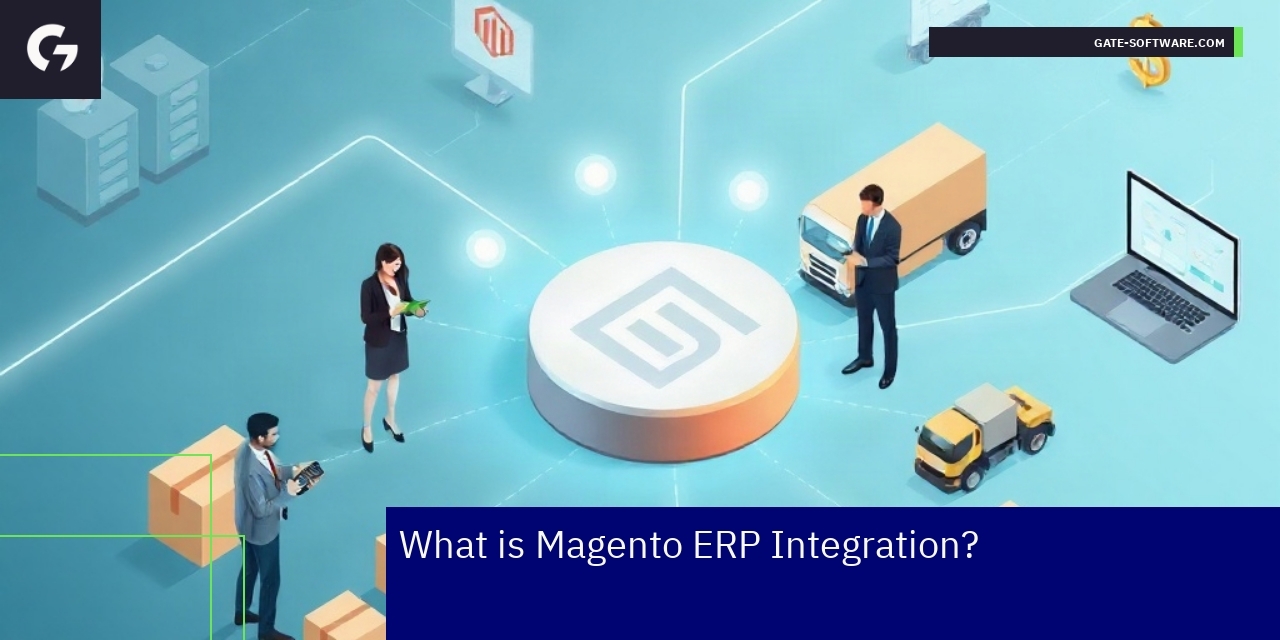
What is Magento ERP Integration?
What is ERP and How Does It Work?
ERP, or Enterprise Resource Planning, is a comprehensive software system designed to manage and integrate a company’s core business processes such as accounting, procurement, supply chain, and compliance. In the context of B2B eCommerce, ERP systems play a pivotal role by consolidating fragmented functions into a unified platform, which ensures enhanced operational efficiency and better decision-making capabilities. These systems provide real-time data visibility across departments, enabling businesses to handle complex transactions, large order volumes, and customer requirements with precision and agility. By centralizing business data, ERPs help ensure accuracy in inventory, order processing, and financial management—critical components for maintaining seamless operations in a competitive B2B market.
Core Components of Magento ERP Integration
Magento ERP integration consists of several essential components that drive operational automation and data synchronization between Magento’s eCommerce platform and the ERP system. Central to this integration is data synchronization, which ensures continuous alignment of product details, customer information, and inventory status across both systems. Order management is another critical element, enabling smooth transfer of order information to streamline fulfillment and tracking processes. Inventory management connects the real-time stock data of the ERP with Magento to avoid stockouts or overselling. Additionally, customer management harmonizes customer records and interaction histories to improve service quality and personalized engagement. Financial data integration supports invoicing, payments, and accounting workflows by transferring relevant data seamlessly between systems, increasing financial accuracy and reducing manual entry errors.
How ERP Integration Differs from Other System Integrations
ERP integration differs significantly from other specialized system integrations such as Product Information Management (PIM) or Order Management Systems (OMS). PIM integrations focus specifically on centralizing and maintaining accurate product data and digital assets across multiple sales channels, without encompassing broader business functions. OMS integration, on the other hand, targets the order lifecycle, managing processes from order capture through to fulfillment and shipping. In contrast, ERP integration offers a comprehensive approach that spans finance, compliance, logistics, human resources, supply chain, and more, providing a holistic backbone for enterprise operations. While OMS and PIM complement specific aspects of eCommerce, ERP integration uniquely supports organizational scalability and operational cohesion by unifying diverse business processes through Magento.
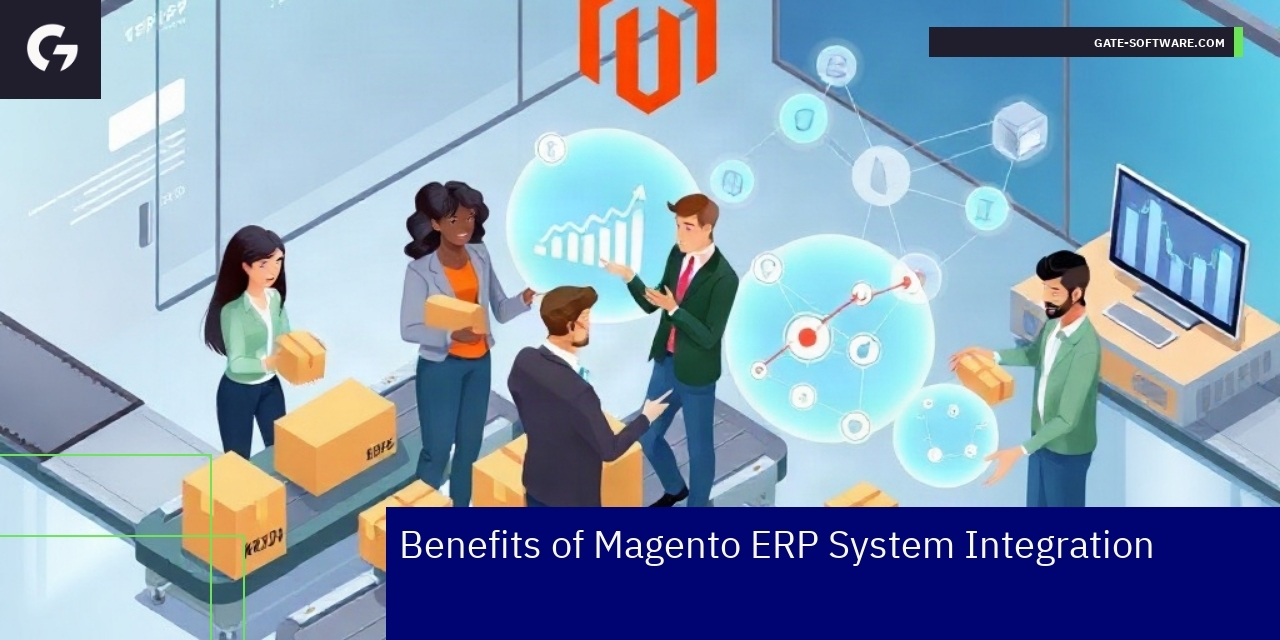
Benefits of Magento ERP System Integration
Performance and Automation
Magento ERP integration significantly enhances operational performance by automating key business processes. Automation reduces the need for manual data entry, minimizing human error and accelerating transaction cycles. This integration enables faster order processing, real-time inventory updates, and seamless synchronization of financial data, which collectively improve the speed and accuracy of business operations. For B2B organizations, where large volumes of complex transactions are typical, this leads to streamlined workflows and improved operational efficiency. The automation also supports better demand forecasting and procurement strategies by providing timely data insights, ultimately boosting productivity and reducing operational costs.
—
If available:
Data Management Flexibility
One of the critical advantages of integrating Magento with an ERP system is the flexibility it offers in managing and evolving data processes. Such integration allows businesses to tailor data workflows according to changing market dynamics and customer demands without extensive IT overhead. The system can adapt to new product lines, different pricing strategies, and complex multi-channel sales scenarios with ease. Moreover, the flexible data architecture supports seamless expansion, enabling businesses to incorporate additional modules or third-party tools as needed. This adaptability is essential for B2B companies aiming to remain agile and responsive in a competitive marketplace, ensuring sustained scalability and innovation.
Enhancing Customer Satisfaction
ERP integration with Magento has a direct positive impact on customer experience and loyalty in B2B contexts. By ensuring real-time accuracy of order status, inventory availability, and delivery timelines, businesses can provide transparent and reliable service to their customers. Faster order fulfillment through automated processes reduces lead times and errors, enhancing customer trust. Additionally, integrated systems support personalized customer interactions by leveraging centralized data on customer preferences and history. This enables tailored pricing, promotions, and responsive service levels that increase overall customer satisfaction and retention. In B2B, where long-term relationships are critical, such improvements can translate into stronger partnerships and higher lifetime value.
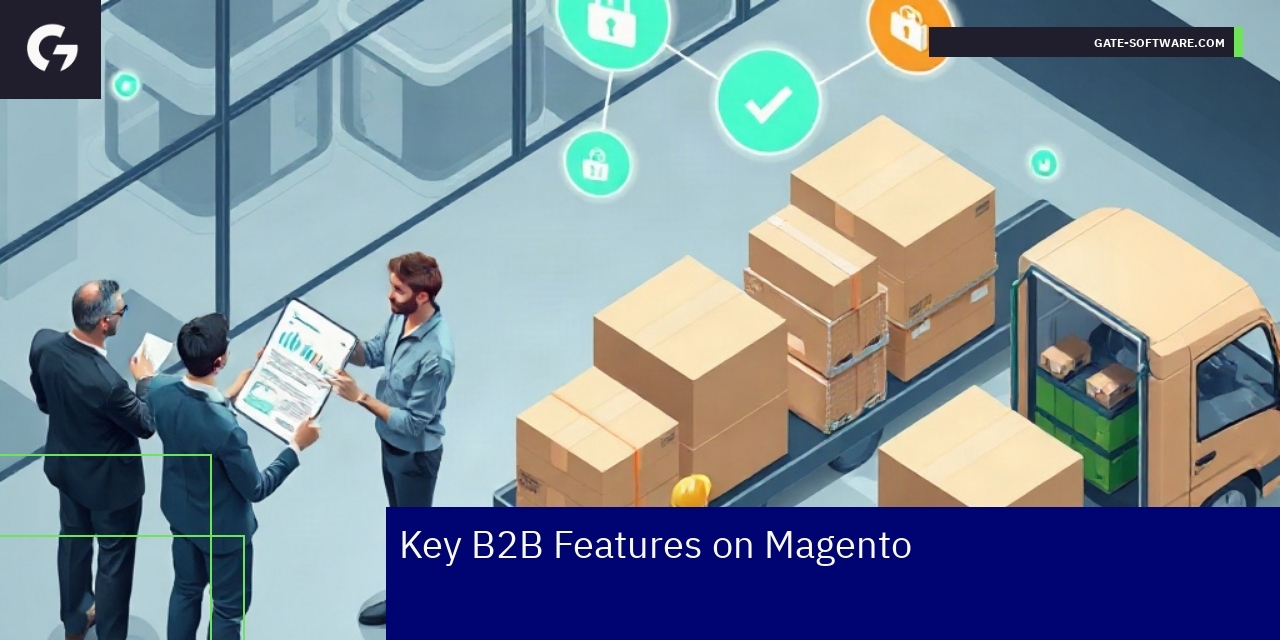
Key B2B Features on Magento
Automated Sales Processes
Magento’s B2B platform includes robust automation features designed to streamline sales workflows and order management. This automation reduces manual tasks for sales teams, enabling faster order processing and minimizing errors. Features such as automated quote management, reordering capabilities, and sales approval workflows enhance operational efficiency. The platform supports bulk ordering and custom price lists, which help handle complex B2B transactions smoothly. By integrating automated notifications and status updates, Magento ensures all stakeholders remain informed throughout the sales cycle, thereby improving collaboration and customer satisfaction.
Personalized Customer Offers
Magento facilitates highly personalized customer experiences tailored to meet the specific needs of B2B clients. The platform allows segmentation of customers based on various criteria, enabling businesses to create targeted promotions and customized pricing. It supports flexible catalog management where different product assortments and prices can be set for individual customers or groups. Personalized offers are pivotal in strengthening client relationships and driving repeat sales. With capabilities for contract pricing and negotiated terms directly integrated into the platform, Magento enables businesses to deliver value-driven service that aligns closely with customer expectations.
Payment Systems Integration
A key feature of Magento’s B2B platform is its capability to integrate with various payment systems to accommodate the complex payment requirements of business customers. It supports multiple payment methods including purchase orders, credit limits, and invoicing options tailored for corporate clients. Seamless integration with popular payment gateways ensures secure and efficient transaction processing. Magento also facilitates compliance with financial regulations and supports workflows for payment approvals and credit management. These integrations help optimize cash flow management and reduce payment-related operational risks, contributing to a streamlined and scalable B2B commerce environment.
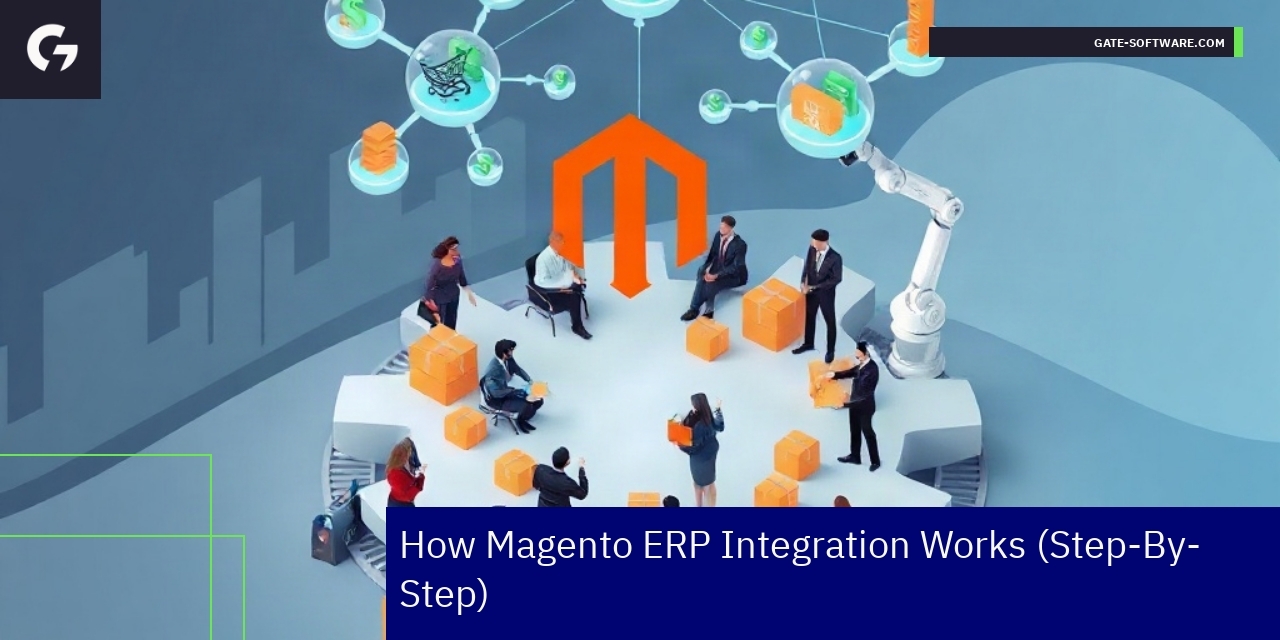
How Magento ERP Integration Works (Step-By-Step)
Integration Process Steps
Integrating Magento with an ERP system revolves around precise data synchronization and automation to ensure seamless operation across platforms. Initially, it involves mapping the data models between Magento and the ERP, aligning product catalogs, inventory levels, customer information, and order details for consistency. Once data mapping is established, the integration uses APIs or middleware to automate data exchange, reducing manual entry and errors. Real-time or scheduled synchronization ensures up-to-date information flow that supports efficient order processing, inventory management, and financial tracking. Throughout this process, robust error handling and logging mechanisms are crucial to identify and resolve inconsistencies promptly. This structured approach forms the foundation for smooth Magento ERP integration, minimizing operational disruptions and enhancing data accuracy.
If available:
Choosing the Right ERP Provider
Selecting the appropriate ERP provider for Magento integration requires assessing multiple factors to align with business goals and technical requirements. Critical considerations include the ERP system’s compatibility with Magento’s architecture and its ability to support native APIs or integration middleware. Scalability and flexibility are paramount to accommodate future business growth and evolving workflows. Evaluate the vendor’s track record in supporting B2B e-commerce platforms, including proven cases of Magento ERP integrations. Consider the depth of customization options, user interface intuitiveness, and the availability of technical support and updates. Furthermore, the ERP provider’s approach to data security, compliance with industry standards, and integration with other business systems ensures a sustainable, secure, and efficient ecosystem.
Maintenance and Updates
Ongoing maintenance and updates are essential to preserving the integrity and performance of Magento ERP integrations. This involves regularly monitoring data synchronization processes to detect and fix any anomalies or failures. Scheduled software updates—including patches for Magento, the ERP system, and integration middleware—offer improvements and address vulnerabilities, thus securing the ecosystem against emerging threats. Maintaining detailed documentation and version control for integration components helps in troubleshooting and implementing enhancements. Planning for incremental upgrades aligned with business growth ensures the system scales effectively without disruption. Additionally, fostering continuous collaboration between the eCommerce, IT, and ERP teams supports proactive management and swift adaptation to new operational requirements or technological advancements.
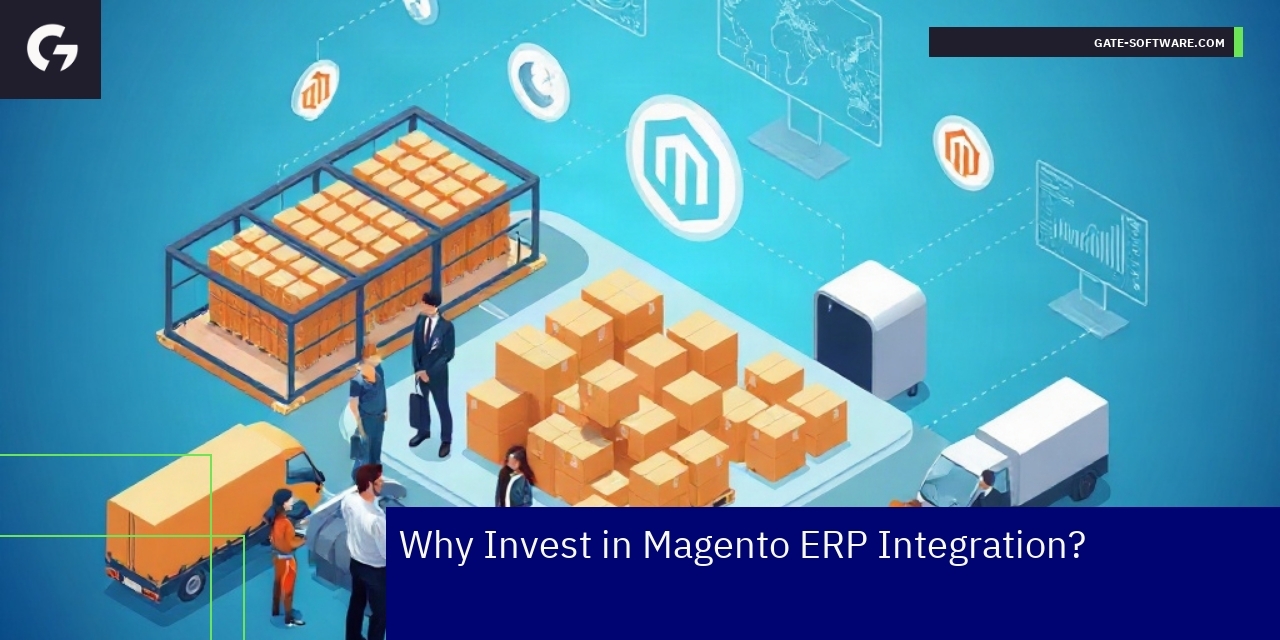
Why Invest in Magento ERP Integration?
ROI from ERP Integration
Investing in Magento ERP integration yields significant return on investment by enhancing operational efficiencies and reducing manual labor costs. The automation of data flow between Magento and ERP systems streamlines order processing, inventory management, and financial reconciliation, which accelerates revenue recognition and lowers the total cost of operations. Real-time synchronization of inventory and order data minimizes errors and prevents stockouts or overstocking, directly improving cash flow and profitability. Moreover, unified data reduces the need for extensive manual reporting, cutting administrative overhead and allowing staff to focus on strategic tasks. Over time, these efficiencies compound, translating into measurable financial benefits that justify the upfront integration investment.
Long-Term Enterprise Benefits
Adopting Magento ERP integration establishes a foundation for sustained enterprise growth by improving scalability and operational resilience. As B2B companies expand, seamless communication between ecommerce and backend systems supports increasing order volumes without compromising accuracy or speed. This scalability underpins long-term digital transformation efforts, enabling businesses to adapt to evolving market demands and customer expectations. Additionally, integrated reporting and analytics provide comprehensive insights into sales trends, inventory turnover, and customer behavior, facilitating informed decision-making and strategic planning. Beyond operational improvements, Magento ERP integration fosters consistent customer experiences and strengthens supplier collaboration, which are vital for maintaining competitive advantage in dynamic B2B markets.
Strategic Importance of Integration
Magento ERP integration is a critical enabler of business growth strategies and competitive differentiation in the B2B sector. By breaking down silos between ecommerce platforms and enterprise resource planning systems, organizations gain agility in responding to market changes and customer requirements. The integrated infrastructure supports personalized B2B sales processes, complex pricing models, and multi-channel distribution strategies. It also ensures compliance with industry regulations and standards through accurate data governance across all systems. Strategically, this integration empowers businesses to optimize inventory levels, reduce lead times, and enhance supply chain visibility, positioning them to capitalize on emerging opportunities and mitigate risks. Ultimately, Magento ERP integration is a cornerstone for digital maturity and long-term market leadership.
When to Implement ERP Integration
Signs a Company is Ready for Integration
Identifying the optimal timing for ERP integration is crucial for achieving seamless operational efficiency and scalability. Companies are typically ready for ERP integration when they experience fragmented data systems hindering decision-making, repeated manual processes increasing operational costs, or when planning to scale operations that demand synchronized workflows. Other indicators include rapid business growth, increased complexity in supply chain management, or compliance requirements that necessitate unified data reporting. Recognizing these signs early ensures that the ERP integration aligns with business objectives and supports real-time data accessibility across departments.
If available:
Planning Tips
Effective planning is fundamental to reducing risks and maximizing the benefits of ERP integration. Start with a thorough assessment of current workflows, technology stack, and pain points to identify integration touchpoints. Define clear project goals with measurable KPIs and involve cross-functional teams including IT, operations, and finance for a holistic approach. Prioritize data migration and integrity strategies to prevent disruptions. Additionally, allocating resources for comprehensive training and change management eases adoption by end-users. Establishing ongoing communication channels and escalation procedures ensures timely resolution of issues throughout the implementation phase.
Implementation Timeline
Setting realistic schedules is essential to achieving a successful ERP integration. A typical timeline begins with a discovery phase for requirements gathering followed by a design and configuration phase tailored to business processes. The testing phase should include unit, system, and user acceptance testing to validate integration points. Depending on the company’s size and complexity, implementation can span from a few months to over a year. Incorporating buffer periods for unexpected delays and iterative feedback loops helps maintain momentum while ensuring quality. Aligning project milestones with organizational readiness, including workforce preparedness, guarantees optimal deployment and operational continuity.
Common Challenges in Magento ERP Integration & How to Solve Them
Data Synchronization Issues
Data synchronization between Magento and ERP systems often encounters challenges such as inconsistent data formats, latency in updates, and data loss during transfer. These issues can disrupt business operations, causing inaccuracies in inventory levels, order processing, and customer information. To address this, it is essential to establish clear data mapping rules that define how data fields correspond across platforms. Implementing middleware solutions that support real-time or scheduled batch synchronization can help maintain data integrity. Additionally, setting up automated alerts for synchronization failures ensures rapid response to problems, minimizing downtime. Optimizing the synchronization logic to handle data dependencies and prioritizing critical data sets enhances operational reliability. This approach is crucial in B2B environments where data accuracy directly impacts supply chain and client service effectiveness.
If available:
—
Team Training
Successful Magento ERP integration demands that teams understand both systems’ workflows and the new integrated processes. Without adequate training, staff may struggle with system navigation, data entry standards, and issue resolution, leading to inefficiencies and errors. Investing in extensive training programs tailored to various user roles—including IT specialists, sales personnel, and warehouse staff—ensures comprehensive competency. Training should cover both technical aspects of the integration and operational changes resulting from it. Supplementing instructor-led sessions with detailed documentation and interactive tutorials supports long-term knowledge retention. Continuous learning opportunities and hands-on practice environments allow teams to adapt confidently to the integrated system. In the B2B context, well-trained teams can leverage Magento ERP integration to streamline order management and improve customer satisfaction.
Implementation Costs
ERP integration with Magento involves considerable expenses that can strain budgets if not carefully managed. Costs include software licensing, customization, data migration, infrastructure upgrades, and external consulting or development resources. To control expenditure, organizations should begin with a detailed cost-benefit analysis that aligns integration objectives with business goals. Phased implementation can spread costs over time and allow for incremental learning and adjustment. Choosing scalable, modular solutions prevents over-investment in unnecessary features. Leveraging existing infrastructure where possible reduces capital expenses. Proactive project management and clear vendor contracts help avoid budget overruns. For B2B companies, managing implementation costs effectively ensures that the integration delivers value without compromising financial stability or operational scalability.
Mistakes to Avoid in ERP Integration
Lack of a Clear Plan
A successful Magento ERP integration hinges on a well-defined action plan and timetable. Without a detailed roadmap, projects are prone to scope creep, missed deadlines, and resource misallocation. A clear plan aligns stakeholders on objectives, milestones, and responsibilities, facilitating effective coordination between business units and technical teams. It also enables proactive risk management by identifying potential bottlenecks early. Importantly, the timetable must be realistic and flexible to accommodate unforeseen challenges, ensuring continuous momentum throughout the integration lifecycle.
Underestimating Time and Budget
One of the critical errors in ERP integration projects is underestimating the required time and budget. Such miscalculations can lead to rushed implementations, compromised quality, and ultimately higher costs due to rework and troubleshooting. Accurate estimation must consider all phases—from initial requirements gathering, system configuration, and data migration to rigorous testing and user training. Furthermore, contingency reserves should be included to address unexpected complexities, especially when integrating with Magento’s eCommerce platform, which often involves intricate workflows and data flows between systems.
Ignoring User Needs
Neglecting the needs of end-users during ERP integration can severely jeopardize project success. User adoption is pivotal; if the solution does not align with their workflows or address their pain points, resistance and inefficiencies ensue. Engaging users early and throughout the process ensures that the ERP system complements their daily tasks, enabling smoother transitions and maximizing productivity gains. Tailoring training programs and support based on user feedback further enhances acceptance and operational efficiency post-integration.

Case Studies: Successful Implementations
Case Study 1
A detailed review of a real-world Magento ERP integration in a B2B context reveals critical factors that contributed to its success. The integration streamlined order management, inventory synchronization, and real-time data exchange between the Magento e-commerce platform and the ERP system. This alignment improved operational efficiency by reducing manual data entry and errors, enabled quicker response times to customer orders, and enhanced supply chain visibility. The technical architecture leveraged APIs and middleware to facilitate seamless communication, ensuring scalability and performance under increasing transaction volumes. The project emphasized flexible customization to meet unique business rules without compromising system integrity.
Case Study 2
Another example of ERP integration in a B2B firm demonstrated significant positive outcomes by connecting sales, procurement, and financial processes. The ERP system’s integration eliminated data silos, enabling unified reporting and strategic decision-making. Automation of routine workflows reduced operational overhead and accelerated process cycles, improving overall responsiveness. The implementation incorporated robust data validation and security measures to maintain data accuracy and compliance. This integration also supported modular expansion, allowing the firm to scale its operations and onboard new business units without disrupting existing workflows, highlighting the importance of scalable design in ERP projects.
Lessons Learned
Key takeaways from these practical experiences include the necessity of aligning ERP integration tightly with core business workflows to maximize operational impact. Robust architectural planning that prioritizes scalability, system interoperability, and data integrity is crucial. Both case studies underscore the value of phased rollouts and continuous stakeholder engagement to manage change effectively. Furthermore, flexibility in customization permits adaptation to evolving business needs while preserving system stability. These lessons demonstrate that successful ERP integrations in B2B settings not only enhance process efficiency but also lay a foundation for sustainable growth and digital transformation.

Data and Performance Metrics – Efficiency and Cost
Key Metrics for B2B
In the realm of B2B operations, organizations leveraging Magento ERP integration can observe substantial metrics that illuminate efficiency and financial performance. For instance, companies typically experience a 30% reduction in order processing time, greatly accelerating their time-to-delivery for customers. Additionally, the integration can result in a 25% improvement in inventory turnover rates, indicating a stronger alignment between supply chain operations and sales demand.
Operational scalability is also evident, as businesses utilizing such integrations often manage up to 40% more orders simultaneously without a corresponding increase in workforce or operational costs, demonstrating enhanced throughput capabilities. Furthermore, organizations report a 20% decrease in operational costs associated with manual data entry and error correction, translating to significant savings in labor and resources.
On the financial front, companies see an uptick in profitability, with an average 15% improvement in gross margins due to better inventory management and reduced stockouts. Furthermore, with the integration facilitating real-time data visibility, organizations can achieve a 35% reduction in stock carrying costs, thus optimizing their working capital. Lastly, enhanced customer satisfaction is reflected in an increase of 20% in repeat order rates, underscoring the strategic importance of integrating ERP systems with eCommerce platforms like Magento for long-term success in the B2B landscape.

Summary
In the competitive B2B landscape, integrating Magento with an ERP system stands out as a strategic move to enhance operational efficiency and drive growth. This integration facilitates real-time synchronization of critical data—such as inventory, orders, and customer information—eliminating manual entry and minimizing errors. As a decision-maker, you can rest assured that this streamlined system not only accelerates the order-to-cash cycle but also empowers your team with reliable data for informed decision-making.
The practical benefits of this integration extend beyond operational metrics. By automating procurement, billing, and shipment tracking processes, you enhance visibility across your supply chain, fostering a culture of data-driven decisions. Furthermore, the ability to deliver personalized customer experiences strengthens relationships and positions your business competitively within the market.
Investing in Magento ERP integration is a forward-thinking choice that equips your organization with the agility required to adapt to market dynamics. This lays the groundwork for sustained growth, operational resilience, and strategic advantage in the evolving B2B landscape. As you reflect on your next steps, consider how this integration can be a pivotal component of your operational strategy, aligning your business objectives with the capabilities of modern technology.

FAQ
What is Magento ERP Integration?
Magento ERP integration is the process of connecting the Magento eCommerce platform with an Enterprise Resource Planning (ERP) system to ensure seamless data flow between front-end commerce activities and back-end business processes, enhancing operational efficiency.
Why should a B2B company invest in Magento ERP Integration?
Investing in Magento ERP integration delivers significant value by improving operational efficiencies, reducing manual errors, and enabling strategic customer engagement, ultimately supporting scalability in complex B2B eCommerce operations.
How does Magento ERP Integration enhance customer satisfaction?
Magento ERP integration enhances customer satisfaction by ensuring real-time accuracy of order status, inventory availability, and delivery timelines, thereby providing reliable service and facilitating personalized customer interactions based on centralized data.
What common challenges might arise during Magento ERP Integration?
Common challenges during Magento ERP integration include data synchronization issues, team training requirements, and managing implementation costs, all of which can disrupt business operations if not addressed properly.
How long does it typically take to integrate Magento with an ERP system?
The timeline for Magento ERP integration can range from several weeks to several months, depending on factors such as project scope, system complexity, and the degree of customization required, along with the associated phases of testing and user training.
.
.
Zamów bezpłatną konsultację
.
Z nami rozwój Twojego biznesu nabierze tempa! Zapraszamy do kontaktu średnie i duże firmy generujące min. 7 mln PLN obrotu rocznie – tam nasza ekspertyza sprawdza się najlepiej.
.
Kliknij w poniższy przycisk i skontaktuj się z jednym z naszych konsultantów e-commerce
.