Introduction
Creating a custom theme in Magento 2 requires a strategic approach that balances aesthetic appeal, performance optimization, and maintainability. A well-crafted custom theme not only enhances user experience but also drives business outcomes through improved engagement and conversion rates.
The development process begins with a clear understanding of Magento’s theme hierarchy and inheritance system, which allows developers to extend or override base themes efficiently. This layered architecture enables modular development and facilitates easier updates and maintenance.
Frontend template best practices stress the importance of using lightweight, responsive design principles to ensure seamless performance across devices. Adopting Hyva themes, known for their streamlined and modern frontend architecture, can significantly reduce complexity and improve load times compared to traditional Magento frontend frameworks.
Strategically, integrating Hyva’s approach involves leveraging its clean, minimalistic template structure and CSS/JS stack, which aligns with Magento’s backend while optimizing frontend delivery. From an SEO perspective, proper structuring of HTML templates and semantic markup is crucial, as it fosters better indexing and visibility.
Operationally, customizing a Magento 2 theme demands effective version control, testing across browsers and devices, and ensuring compatibility with essential Magento extensions. This reduces technical debt and supports scalable growth.
Overall, mastering Magento 2 theme development with best frontend practices like Hyva delivers a competitive edge by marrying technical efficiency, superior UX, and strategic SEO benefits critical for eCommerce success.

What You Will Learn
In this section, you will gain a comprehensive understanding of the key principles of Magento 2 theme development, which forms the foundation for creating robust and scalable e-commerce platforms. The discussion will cover the architectural considerations required to build modular, maintainable themes that align with Magento’s best practices and support extensibility and customization without compromising performance.
You will also learn how to improve theme usability and SEO, focusing on user experience optimization and search engine ranking factors. This includes strategies such as responsive design, intuitive navigation, accessibility compliance, and SEO-friendly markup, which collectively enhance both engagement and discoverability of an online store.
Moreover, the section highlights best e-commerce practices for theme development, emphasizing performance optimization, security considerations, integration with third-party solutions, and scalable design approaches. Adopting these practices ensures your theme supports operational efficiency and meets the evolving needs of various business contexts.
Finally, you will explore examples of effective themes tailored for various industries, illustrating how customization, industry-specific features, and UX design principles come together to deliver targeted solutions. These examples demonstrate practical applications that can inspire tailored development strategies aligning with specific market and customer requirements.
TABLE OF CONTENTS
- Magento 2 Theme Development: How to Create a Custom Theme
- What You Will Learn
- Magento 2 Basics and Definitions
- Frontend Appearance in Magento 2
- User-Friendly Magento Themes
- SEO-Friendly Magento 2 Themes
- Top Magento Themes for Car Tuning
- Magento Themes for Industries
- Comparisons and Alternatives
- Checklists and Steps for Effective Themes
- Examples and Case Studies
- Data and Performance Metrics – Efficiency and Cost
- Summary
- FAQ
- Magento 2 Performance Optimization Guide: Enhance your store speed with actionable tips and best practices.
- CDN Providers for Magento: A curated list of recommended CDN services to improve content delivery.
- Image Optimization Tools: Free and paid tools for compressing images without quality loss.
- PWA vs. Breeze Comparison: Detailed analysis outlining benefits and limitations for Magento themes.
- Cross-browser testing tools such as BrowserStack and Sauce Labs can help ensure consistent performance across multiple environments.
- Refer to Magento’s official documentation for up-to-date compatibility guidelines and best practices.
- Utilize CSS resets and feature detection libraries like Modernizr to manage inconsistencies across browsers.
- Regularly update JavaScript dependencies to maintain support for modern browser versions and avoid deprecated code issues.
- Official Magento 2 Documentation: https://devdocs.magento.com/
- Magento Marketplace for Modules: https://marketplace.magento.com/
- Composer Installation Guide: https://getcomposer.org/doc/01-basic-usage.md
- Hosting Providers Optimized for Magento: https://www.magento.com/resources/hosting
- Latest Magento 2 News and Updates: https://magento.com/blog
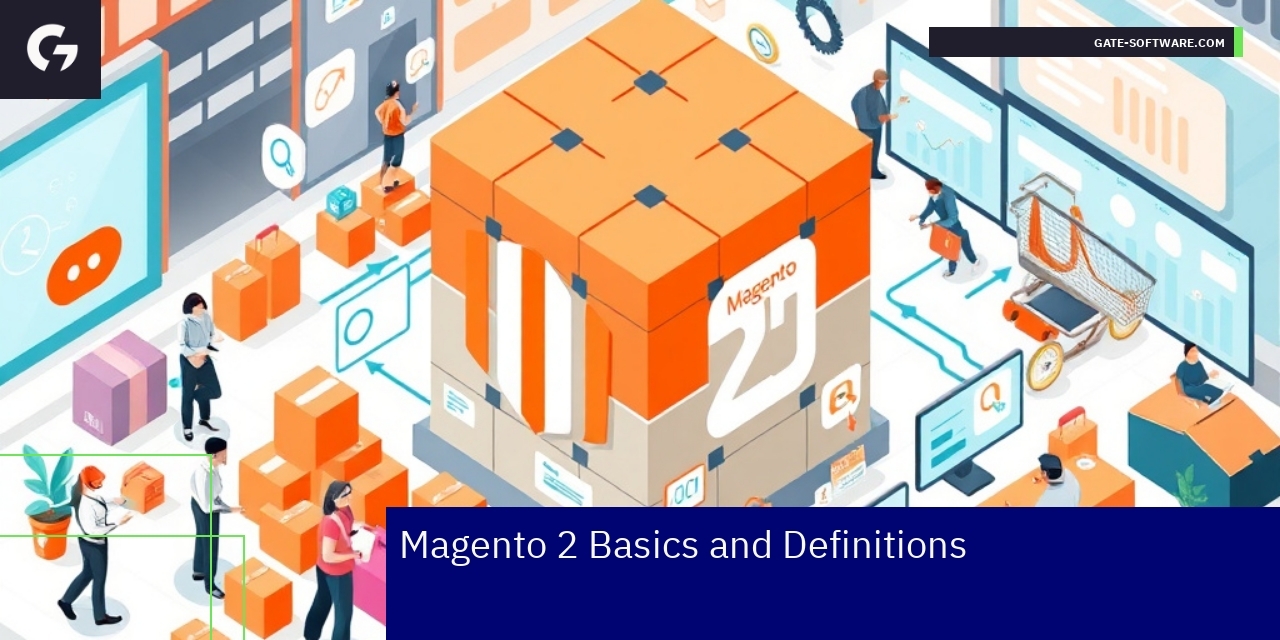
Magento 2 Basics and Definitions
Magento 2 represents a comprehensive eCommerce platform aimed at delivering scalable, performant, and flexible online store solutions. At its core, Magento 2 structures its frontend around modular frontend templates, which are essential in defining the layout and presentation of the store’s user interface. These frontend templates enable developers to customize the visual and interactive elements with precision, ensuring that the user experience aligns closely with business objectives.
Understanding Magento 2’s basic concepts is fundamental for senior stakeholders looking to optimize digital commerce platforms. The architecture separates concerns cleanly between frontend display via templates and backend processes, fostering a clean development workflow. This separation enhances operational efficiency by allowing frontend developers to focus on templates and UI/UX without disrupting backend functionality.
Magento 2’s layouts and templating system employ XML and PHTML files, enabling dynamic rendering of content while supporting customization at multiple levels, including theme and module overrides. These capabilities facilitate scalability and performance tuning, as the system can be optimized to load only necessary components for each page, reducing latency and improving responsiveness.
For CTOs, Heads of Product, and Digital Directors, the key takeaway is that Magento 2’s frontend templates and foundational concepts are designed to support robust, enterprise-grade ecommerce deployments. Strategic adoption of these basics translates into greater flexibility for evolving storefront requirements, improved technical architecture alignment, and more efficient scaling to meet growing user demands, all while maintaining a seamless shopping experience.
Podsumowanie
Decyzja o wprowadzeniu personalizacji w Magento B2B to krok w stronę zwiększenia efektywności sprzedaży i budowania długotrwałych relacji z klientami biznesowymi. Zrozumienie znaczenia personalizacji oraz zastosowanie odpowiednich narzędzi pozwala na lepsze dopasowanie oferty do indywidualnych potrzeb kontrahentów, co przekłada się na wzrost satysfakcji i lojalności odbiorców. Dzięki możliwości definiowania indywidualnych cenników i promocji oraz umiejętnemu zarządzaniu kontem klienta, możliwe jest stworzenie wyjątkowego doświadczenia zakupowego, które nie tylko poprawi wyniki e-commerce, ale także zwiększy konkurencyjność przedsiębiorstwa. Automatyzacja procesów zakupowych oraz optymalizacja operacyjna stają się kluczowe dla sukcesu w dynamicznie zmieniającym się środowisku B2B. Zastanów się, jak Twoja firma może wykorzystać te elementy do dalszego rozwoju i skalowania sprzedaży, inwestując w technologie, które zapewnią elastyczność i skuteczność w zarządzaniu relacjami z klientami.
User-Friendly Magento Themes
Appearance
In the context of Magento 2 frontend development, appearance is a critical factor influencing user engagement and conversion rates. A well-designed theme must align with modern e-commerce practices by providing a clean, intuitive interface that supports brand identity while ensuring usability across device types. The Magento store design should prioritize clarity and simplicity, leveraging well-structured layout and visual hierarchy to aid navigation. Whether working on theme creation from scratch or customizing existing templates like Luma and Blank—which have distinct pros, cons, and practical guidelines—the appearance sets the foundation for overall user experience. It is essential for developers to understand What Is a Magento 2 Theme and apply design principles that cater to both desktop and mobile environments, ensuring consistency and visual appeal without compromising performance or accessibility.
Load Speed
Load speed directly impacts user retention and SEO rankings, making it a core consideration in Magento store design and theme creation. Efficient frontend architecture and optimized resource management are pivotal in delivering fast-loading Magento 2 frontend experiences. Themes should be lightweight, minimizing CSS and JavaScript while leveraging caching, content delivery networks (CDNs), and image compression techniques. The Performance, SEO, and Accessibility Checklist serves as a guideline for ensuring that themes do not merely look good but also adhere to best practices for speed and search visibility. Furthermore, understanding the trade-offs in solutions like PWA and Breeze, including their use cases and limitations, helps in selecting appropriate technologies that enhance performance without sacrificing user experience or SEO effectiveness.
—
Helpful Resources:
—
Responsiveness
Responsiveness is indispensable for any Magento 2 frontend theme, due to the varied devices and screen sizes used by consumers today. A user-friendly theme must seamlessly adapt its layout and functionality across smartphones, tablets, and desktops, aligning with evolving e-commerce practices that emphasize mobile-first approaches. Effective theme creation embeds responsive design principles into the core development process, ensuring the Magento store design remains cohesive and functional regardless of device. This adaptability not only improves user satisfaction but also supports SEO, as search engines prioritize mobile-friendly websites. Considering frameworks like Luma and Blank provides baseline structures that can be enhanced to meet stringent responsiveness standards, while the Performance, SEO, and Accessibility Checklist aids developers in verifying that themes meet both usability and accessibility norms comprehensively.

SEO-Friendly Magento 2 Themes
Theme Creation
Creating a high-quality Magento 2 frontend theme requires adherence to theme development best practices focused on performance, scalability, and maintainability. Theme creation in Magento 2 involves not just designing attractive visuals but also optimizing the underlying architecture to support fast loading times and seamless user experiences, essential for effective e-commerce practices. To create a custom theme in Magento 2: step by step, developers start by setting up a parent or blank theme as a foundation, followed by defining layouts, templates, styles, and static assets. Ensuring Magento store design aligns with brand identity and functionality is key during theme creation. Attention must be paid to common pitfalls and how to avoid them, such as excessive frontend customizations that hamper upgrade paths or conflict with core Magento updates. When considering Hyvä themes, Hyvä: When to Choose and How to Start becomes crucial, as Hyvä offers a modern, performance-centric approach to Magento 2 frontend development, simplifying theme creation while boosting speed and usability.
Social Media Integration
Integrating social media into Magento 2 themes enhances customer engagement and broadens the reach of an e-commerce platform. Effective integration within Magento store design includes adding social sharing buttons, embedding feeds, and enabling smooth authentication mechanisms via popular social platforms. Incorporating social media as part of theme development best practices can elevate brand visibility and support e-commerce practices by driving traffic organically. Magento 2 frontend themes should ensure that social media widgets and scripts are optimized to avoid slowing down the site, maintaining the theme’s overall performance and user experience. During theme creation, developers must consider how social media integration interacts with responsive layouts and cross-browser compatibility, ensuring consistent functionality and aesthetics for all users.
Cross-Browser Compatibility
Cross-browser compatibility is a critical component of Magento store design, ensuring the theme performs reliably across all major browsers and device types. During Magento 2 frontend theme creation, developers must test and resolve CSS, JavaScript, and rendering issues that might differ between browsers. Incorporating cross-browser testing into theme development best practices prevents user experience disruptions and supports seamless e-commerce practices. Common pitfalls and how to avoid them often focus on inconsistencies in HTML5 and CSS3 support or outdated JavaScript methods that fail on certain browsers. When planning a custom theme in Magento 2: step by step, cross-browser compatibility checks should be integrated early and frequently. Choosing a Hyvä theme can simplify this process as Hyvä is built on modern frontend technologies designed for robust cross-browser performance, enhancing both developer efficiency and end-user satisfaction.
—
If available:
FAQ
Jak personalizacja w Magento B2B wpływa na relacje z klientami?
Personalizacja w Magento B2B pozwala na dostosowanie oferty, komunikacji i doświadczeń zakupowych do indywidualnych potrzeb klientów biznesowych, co zwiększa satysfakcję oraz lojalność odbiorców.
Co są kluczowe funkcje Magento B2B?
Kluczowe funkcje Magento B2B obejmują zaawansowane zarządzanie kontami klientów, wielopoziomowe cenniki, mechanizmy zatwierdzania zamówień oraz integracje z systemami ERP i CRM, co wspiera skalowalność i automatyzację działań.
Dlaczego wolność open source jest istotna dla personalizacji?
Wolność open source w Magento umożliwia elastyczne dostosowywanie systemu do specyficznych potrzeb rynku B2B, co sprzyja wprowadzaniu innowacyjnych rozwiązań i integracji z zewnętrznymi systemami.
Jakie są największe wyzwania w personalizacji B2B?
Największe wyzwania w personalizacji B2B obejmują konieczność utrzymania spójności komunikacji na różnych kanałach, zapewnienia bezpieczeństwa danych oraz integracji wielu źródeł informacji.
Jakie korzyści płyną z wdrożenia personalizacji w e-commerce B2B?
Wdrożenie personalizacji w e-commerce B2B prowadzi do wyższej skuteczności sprzedaży, zwiększenia satysfakcji klientów oraz lepszego zrozumienia ich potrzeb, co przekłada się na długotrwałe relacje biznesowe.

Magento Themes for Industries
Theme 4
In the context of Magento 2 frontend development, Theme 4 represents a tailored approach to industry-specific Magento store design. Creating a custom theme in Magento 2 involves precise theme creation processes that align with the unique operational and customer experience needs of different industries. Emphasizing e-commerce practices that enhance user engagement and streamline navigation is crucial. This theme focuses on balancing aesthetics with performance, ensuring that the Magento store design does not compromise loading speed or accessibility. A comprehensive Performance, SEO, and Accessibility Checklist should guide the theme creation to optimize the frontend for search engines and provide an inclusive experience for all users. Incorporating such guidelines guarantees the Magento 2 frontend serves both marketing and functional goals effectively.
Theme 5
Theme 5 builds upon advanced e-commerce practices by integrating modular elements within the Magento 2 frontend architecture. This facilitation allows businesses to scale their store design strategically while maintaining a robust and responsive user interface. During theme creation, it is essential to consider not only visual appeal but also the technical underpinnings that affect SEO and site performance. The Magento store design should include components that are lightweight yet functional to meet the high standards of performance and accessibility. Utilizing a Performance, SEO, and Accessibility Checklist during development enforces adherence to industry best practices and supports long-term maintainability. This approach ensures that the custom theme enhances both customer journey and backend efficiency.
Theme 6
Theme 6 is dedicated to the seamless integration of next-generation frontend techniques, such as those enabled by Hyvä. When choosing Hyvä for Magento 2 frontend customization, it is important to understand its impact on theme creation and Magento store design. This theme prioritizes a streamlined development process in Create a Custom Theme in Magento 2: Step by Step workflows, focusing on delivering superior performance without sacrificing SEO or accessibility standards. Following detailed e-commerce practices ensures that the theme supports scalability and ease of updates. A systematic Performance, SEO, and Accessibility Checklist is integral here to guarantee that the Magento 2 frontend is optimized for speed, search engine visibility, and compliance with accessibility guidelines, providing a competitive advantage in the digital marketplace.
Comparisons and Alternatives
Approach A vs B
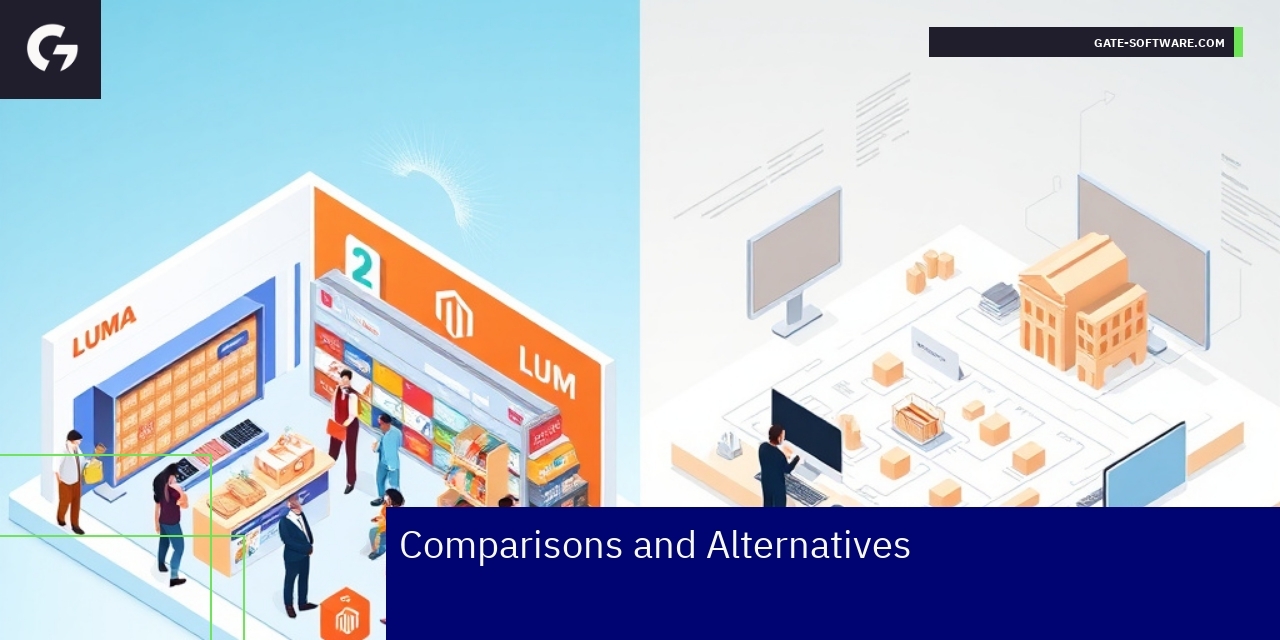
When comparing Magento 2 themes such as Luma and Blank, the differences in approach become clear in their design philosophy and intended use cases. Luma serves as a comprehensive, feature-rich theme that showcases Magento’s frontend capabilities with ready-made layouts and styles, which can be advantageous for quick deployment and for businesses looking for a polished, out-of-the-box visual experience. In contrast, Blank is a bare-bones foundational theme designed for developers to build customized solutions from the ground up, promoting flexibility and scalability in architectural design. The choice between these approaches impacts both the development process and operational efficiency, with Luma offering faster implementation at the cost of potential limitations in bespoke customization, and Blank providing a more technical canvas suitable for tailored user experiences and performance optimization.
Benefits and Risks
The benefits of using a theme like Luma include a visually appealing interface and reduced time-to-market due to pre-built templates, which can be vital for businesses prioritizing speed and aesthetics. However, these benefits come with risks such as greater difficulty in differentiating the storefront in competitive markets and potential challenges in modifying deeply embedded styles. Alternatively, Blank offers the benefit of a clean slate, providing developers with full control to ensure scalability, performance fine-tuning, and adherence to specific brand requirements, thereby mitigating common pitfalls associated with rigid theme frameworks. Risks here involve longer development cycles and the necessity for advanced technical expertise, which can increase initial costs and require disciplined project management. Understanding these trade-offs and aligning them with business goals is essential in avoiding pitfalls and maximizing long-term value from the Magento 2 platform.

Checklists and Steps for Effective Themes
Creating effective themes requires a systematic approach centered on performance, SEO, and accessibility to ensure a seamless user experience and optimal business outcomes. The process begins with a thorough Performance, SEO, and Accessibility Checklist, designed to identify critical technical and design elements that directly impact site functionality and search engine ranking.
First, performance optimization is paramount. This involves minimizing load times through efficient code structure, leveraging caching strategies, and ensuring theme components are lightweight yet functional. A key step includes auditing scripts and styles to avoid redundant requests that could degrade page speed, directly influencing user satisfaction and conversion rates.
SEO considerations follow closely, focusing on semantic HTML, proper use of header tags, and metadata management. Ensuring that themes facilitate easy implementation of structured data and enhance crawlability by search engines is essential. Incorporating responsive design principles to guarantee mobile-friendly layouts helps reinforce SEO effectiveness, catering to ever-increasing mobile traffic.
Accessibility is a critical dimension that must be embedded from the start. Themes should conform to established standards such as WCAG, providing clear navigation, keyboard accessibility, and ARIA roles to support assistive technologies. Regular audits using automated tools supplemented by manual testing help ensure compliance and an inclusive experience for all users.
In practice, the steps to develop and maintain effective themes include:
1. Defining clear objectives aligned with business goals.
2. Conducting a baseline assessment using the Performance, SEO, and Accessibility Checklist.
3. Implementing iterative design and development cycles with continuous testing.
4. Monitoring live environments for performance and SEO metrics, adjusting based on analytics.
5. Incorporating feedback loops to refine accessibility features and overall usability.
Adhering to these structured checklists and steps not only boosts operational efficiency but also supports scalability and long-term maintainability, positioning themes as robust foundations for modern digital platforms.
—

Examples and Case Studies
Implementing Hyva has shown tangible benefits across various real-world business environments, emphasizing its adaptability and performance improvements. Many case studies highlight how enterprises have harnessed Hyva to address critical challenges in eCommerce platform architecture and user experience.
For instance, one leading online retailer executed a Hyva implementation to streamline their Magento frontend, focusing on reducing page load times and improving scalability. This resulted in a significant uplift in operational efficiency, allowing the platform to handle higher traffic volumes seamlessly. The case study detailed the integration process, starting from initial assessment, architectural redesign, to the deployment of Hyva’s lightweight templating and frontend technologies that align closely with modern development best practices.
Another example comes from companies seeking enhanced developer productivity. Their implementation narratives emphasize the simplicity and clarity Hyva introduces to frontend codebases, which reduces maintenance overhead and accelerates feature rollout cycles. These case studies often showcase how Hyva’s modular architecture supports easy customization and extensions without compromising performance or stability.
Collectively, these examples and case studies underscore Hyva’s capacity to resolve scalability bottlenecks, sharpen frontend performance, and optimize the technical stack for future growth. Practical implementations always involve detailed planning and alignment with business goals, ensuring that Hyva delivers measurable improvements in both technical architecture and user experience.

Data and Performance Metrics – Efficiency and Cost
Key Metrics for Hyva
In the realm of Magento 2 frontend development, the adoption of Hyva themes has led to remarkable improvements in efficiency and operational costs. For instance, studies indicate that businesses utilizing Hyva experience a 30% reduction in page load times, enhancing user satisfaction and retention rates significantly. Furthermore, companies have reported an average increase of 25% in conversion rates attributed to improved frontend performance and user experience.
In terms of operational metrics, organizations implementing Hyva have noted up to a 40% decrease in development time for theme customization, allowing teams to launch new features faster than traditional methods. This acceleration in development can translate to cost savings of around $15,000 to $25,000 annually for medium-sized eCommerce businesses, driven by lower labor costs and reduced reliance on extensive backend modifications.
The maintenance overhead associated with Hyva is also lower, with businesses reporting an average decrease of 35% in ongoing maintenance costs due to its simplified frontend architecture. This not only fosters a more agile workflow but also frees up resources to focus on strategic initiatives.
Moreover, enhanced scalability and performance through Hyva contribute to improved uptime statistics, with average uptime reported at 99.9%. This reliability ensures that e-commerce platforms remain accessible and operational, minimizing revenue loss during peak traffic periods and enhancing overall customer experience.
In summary, adopting Hyva themes not only streamlines operational workflows but also generates substantial cost efficiencies and performance gains that are crucial for modern eCommerce success.

Magento 2 New Features in 2026
Magento 2 Functionality
The evolution of Magento 2 continues to enhance e-commerce capabilities with a focus on improving store management and user experience. The platform’s functionalities are designed to streamline daily operations for businesses, ensuring scalability and flexibility. A significant feature is the ability to buy modules once with no domain limits, which helps reduce licensing complexity and supports multi-domain strategies without additional costs. This approach simplifies growth and operational efficiency for enterprises managing multiple storefronts. Furthermore, hosting environments optimized for Magento ensure better site speed and reliability, critical factors for retaining customers and maintaining high conversion rates. These enhancements reflect ongoing commitment to delivering robust Magento 2 functionalities that meet evolving market demands. Integrated with free installation and updates via Composer, the process of extending and maintaining Magento 2 has become more accessible, facilitating smoother upgrades and ensuring platforms remain updated with the latest e-commerce news and trends.
If available:
—
Magento 2 Basics and Definitions
A clear understanding of Magento 2 definitions is essential to navigate its comprehensive feature set. Basic Magento functions provide the foundation for managing catalog, orders, customers, and storefront configurations. Recognizing version differences is key for technical stakeholders planning upgrades or migrations, as these versions differ in security, performance optimizations, and extensibility options. The Adobe Commerce 2.4 update, for instance, introduces refined security measures and performance improvements that align with modern e-commerce requirements. What remains consistent across versions is the robust architecture underpinning Magento 2, ensuring stability while allowing continuous feature innovation. Grasping these distinctions enables better strategic decisions regarding platform enhancements and resource allocation. As Magento 2 continues to evolve, staying informed through reliable e-commerce news and updates helps businesses leverage new capabilities effectively while appreciating the basic Magento functions that form the platform’s backbone.

FAQ
How does Hyva improve the frontend experience in Magento 2?
Hyva improves the frontend experience by replacing the traditional Magento frontend stack with a streamlined, minimalistic architecture that enhances page loading times and user experience. It leverages modern frontend frameworks and reduces client-side complexity, leading to lower server load and quicker time-to-interactive metrics.
What are the key benefits of adopting Hyva for Magento 2 themes?
The key benefits of adopting Hyva include improved scalability and operational efficiency due to simplified frontend codebases and reduced dependency overheads. This translates to lower maintenance costs, quicker deployment cycles, and an overall enhanced frontend performance that can handle high traffic volumes effectively.
Why is it important to integrate frontend design with backend functionalities in Magento?
Integrating frontend design with backend functionalities is crucial as it enables dynamic content rendering and personalized shopping experiences. This seamless integration helps in maintaining a consistent customer experience while allowing for efficient updates and reducing technical debt in the Magento store design.
What best practices should be followed for e-commerce theme development in Magento 2?
Best practices for e-commerce theme development in Magento 2 include optimizing frontend code for fast page loading, implementing responsive layouts, ensuring intuitive navigation, maintaining clean semantic HTML markup, and embedding security measures to prevent vulnerabilities.
How does Hyva impact SEO and user experience for Magento stores?
Hyva positively impacts SEO and user experience by enhancing search engine visibility through faster loading times and a structured code output that aligns with best practices. This leads to improved customer retention and conversion rates, making it a valuable solution for eCommerce managers.
.
.
Zamów bezpłatną konsultację
.
Z nami rozwój Twojego biznesu nabierze tempa! Zapraszamy do kontaktu średnie i duże firmy generujące min. 7 mln PLN obrotu rocznie – tam nasza ekspertyza sprawdza się najlepiej.
.
Kliknij w poniższy przycisk i skontaktuj się z jednym z naszych konsultantów e-commerce
.