In the competitive landscape of eCommerce, Magento 2 templates and themes play a crucial role in delivering a personalized shopping experience that drives higher sales. Personalization within Magento 2’s front-end architecture involves tailoring the visual and functional aspects of online stores to meet individual customer preferences, behavior, and needs. Leveraging Hyva themes, known for their lightweight, fast-loading, and developer-friendly design, businesses can create highly customizable and responsive storefronts that enhance user engagement.
From a strategic perspective, personalization in Magento 2 themes enables segmentation of audiences by dynamically adjusting content, product recommendations, and promotional messages based on real-time data. This directly addresses the operational challenge of retaining visitor attention and converting visitors into customers by offering relevant, contextual shopping journeys. The modular nature of Magento 2 templates, combined with the flexibility of Hyva, allows technical teams to implement personalized elements with reduced complexity and improved maintainability compared to traditional frontend stacks.
Technically, Hyva themes reduce frontend performance bottlenecks by minimizing dependencies and utilizing modern technologies like Alpine.js and Tailwind CSS. Faster page load times contribute not only to better user experience but also to higher SEO rankings, further amplifying organic reach. The ability to easily customize templates without relying on heavy JavaScript frameworks means quicker iteration cycles and lower maintenance overhead, essential for agile digital operations in fast-paced markets.
Moreover, integrating personalization at the theme level supports advanced marketing strategies such as targeted upselling, cross-selling, and dynamic pricing models. It provides a scalable framework to experiment with A/B testing and conversion optimization tactics, feeding insights back into business intelligence systems. For senior stakeholders like CTOs and eCommerce managers, investing in Magento 2 templates with robust personalization capabilities is strategically sound as it aligns technology choices with business growth imperatives, customer retention, and long-term digital maturity.
In essence, Magento 2 templates and themes leveraging personalization via Hyva represent a technically efficient and strategically powerful approach to boosting sales. By focusing on enhanced user experience, performance optimization, and business-driven customization, enterprises can achieve measurable improvements in revenue and customer loyalty.

Introduction
Magento 2 template personalization refers to the customization and tailoring of the Magento 2 storefront templates to meet specific business requirements, user preferences, and branding guidelines. It involves modifying the visual and functional aspects of the Magento 2 platform’s frontend templates, allowing merchants to deliver unique and engaging shopping experiences. This customization can include altering layout structures, design elements, user interface components, and integrating dynamic content that aligns with the customer’s journey and expectations.
The importance of personalization in e-commerce cannot be overstated. In a highly competitive digital marketplace, offering personalized experiences helps businesses differentiate themselves, increase customer engagement, and boost conversion rates. Personalization fosters a deeper connection with shoppers by presenting relevant products, offers, and content that match individual preferences and behaviors. For Magento 2 merchants, leveraging template personalization is critical to optimizing user experience, improving operational efficiency, and ensuring scalability across diverse customer segments and sales channels. By investing in tailored templates, organizations can enhance brand consistency, streamline front-end management, and support evolving business objectives through flexible and performance-optimized designs.
TABLE OF CONTENTS
- Magento 2 Templates And Themes: Personalization as Key to Higher Sales
- Introduction
- What is Magento 2 template personalization?
- Why personalization matters for e-commerce success
- Key benefits of Magento 2 template personalization
- Examples of effective template personalization
- Universal Tiles theme
- Tools & Equipment theme
- Fashion Store theme
- Multifunctional and efficient theme
- Jewel Store template
- Medical website
- Clean eCommerce Cosmetics Store theme
- Extreme and Outdoor Sports theme
- Toy store template
- Wholesale theme
- Cosmetics Store theme
- Tools store
- Custom header links
- AI Email Template Generator
- Magento 2 themes comparison
- Common customization mistakes
- Conclusion
- Data and Performance Metrics – Efficiency and Cost
- Summary
- FAQ
- Examples of successful Magento 2 template personalization use cases and case studies
- Links to official Magento 2 documentation on template customization and personalization
- Best practices and tools for implementing user segmentation and dynamic content delivery
- Tutorials or guides on integrating customer data for improved personalization
- Information on A/B testing methodologies specifically adapted for Magento 2 environments
- Case studies demonstrating increased conversion rates through Magento 2 personalization.
- Examples of successful customer segmentation strategies in Magento 2.
- Best practices for implementing SEO enhancements via personalized templates.
- Analytics tools compatible with Magento 2 for personalization tracking.
- Custom Magento 2 Theme Design:
- Prebuilt Magento Themes:
- Magento Theme Migration & Rebranding:

What is Magento 2 template personalization?
Magento 2 template personalization is the process of tailoring the design and functionality of an online store built on the Magento 2 platform to better align with specific business needs and individual customer preferences. This form of personalization goes beyond basic template selection, allowing businesses to adapt layout, content, and interactive elements dynamically to create a unique shopping experience.
Core concepts of Magento personalization include user segmentation, where customers are grouped based on behavior, demographics, or purchase history, enabling targeted modifications in the template. Dynamic content delivery is also fundamental, showing relevant content personalized to each user’s profile and interaction history. Incorporating responsive design ensures that templates provide an optimal experience across various devices such as desktops, tablets, and smartphones. Additionally, integration with customer data plays a crucial role in enabling precision personalization, utilizing insights from user actions and preferences. Techniques like A/B testing help in refining templates by comparing variations to enhance engagement and conversion metrics.
The distinction between standard and customized templates is significant. Standard templates bundled with Magento 2 offer a foundational, generic structure and layout sufficient for basic e-commerce operations but lack deep customization. They generally do not reflect unique brand identities or specific customer needs comprehensively. Customized templates, conversely, are tailored to specific brand guidelines, feature unique design elements, enhanced functionality, and integration with specialized services. They support advanced personalization by allowing flexible adaptations in both appearance and user experience, which can drive higher operational efficiency, scalability, and performance in Magento 2 stores.
—
If available:
—

Why personalization matters for e-commerce success
Personalization plays a critical role in elevating the user experience and optimizing the online shopping journey. By leveraging customer data to tailor content, product recommendations, and offers specific to individual preferences, e-commerce platforms can create highly relevant and engaging experiences. This relevance reduces friction in the decision-making process, making navigation and product discovery more intuitive and satisfying. As a result, customers are more likely to stay longer on the site, engage with multiple touchpoints, and perceive the brand as attentive to their unique needs.
From a business perspective, personalization strategies directly impact conversions and sales. When offers and products align closely with user interests and past behaviors, the likelihood of purchase increases significantly. Personalization can extend beyond simple product suggestions to dynamic pricing, targeted promotions, and customized user interfaces that adapt in real-time. Such tailored approaches cater to both new visitors and returning customers, fostering loyalty and encouraging repeat transactions. This direct correlation between personalization and business metrics underscores its importance for e-commerce success.
Moreover, personalization enhances operational efficiency and scalability within e-commerce architectures by enabling data-driven decision-making. Systems designed to capture, analyze, and react to user data in real-time allow businesses to optimize marketing spend and inventory management. Implementing robust personalization frameworks supports performance improvements and creates long-term advantages in competitive markets through better customer retention and higher lifetime value. Ultimately, effective personalization is indispensable for driving sustainable growth in the modern digital commerce landscape.

Key benefits of Magento 2 template personalization
Magento 2 template personalization offers substantial advantages that directly address critical business and technical challenges faced by eCommerce stakeholders. At its core, personalization improves user experience by delivering tailored content, layouts, and product recommendations that align precisely with individual customer preferences and behaviors. This customization elevates engagement levels, making the shopping journey more relevant and intuitive.
A fundamental business benefit is the boost in customer loyalty that comes from effective customization. When users encounter a platform that dynamically adapts to their needs, it fosters stronger emotional connections and repeated interactions. Magento 2’s flexible architecture facilitates this by enabling granular control over templates and customer segmentation, essential for targeting distinct market profiles without sacrificing operational efficiency or scalability.
From a technical standpoint, personalized templates enhance SEO and search visibility by enabling tailored metadata, structured schema, and keyword insertions that resonate with target audiences. Personalized landing pages and content elements improve relevance scores with search engines, contributing to higher organic rankings and better discoverability. The data-driven nature of Magento 2 personalization also supports continuous optimization based on analytics insights, tying customer experience adjustments directly to measurable SEO improvements.
Moreover, Magento 2’s modular framework ensures that template personalization strategies can scale seamlessly with growing catalogs and traffic spikes, preserving platform performance. This scalability and the ability to incrementally implement personalized features without overhauling the entire system represents operational agility that senior digital and engineering leaders prioritize.
In summary, Magento 2 template personalization acts as a strategic lever to boost customer loyalty with effective customization and simultaneously improve SEO and search visibility, delivering both immediate engagement benefits and sustainable growth in digital commerce environments.
—
If available:
—

Examples of effective template personalization
Effective template personalization in Magento involves leveraging case studies and best practices to optimize both customer experience and operational efficiency. Successful implementations focus on tailoring content dynamically based on user behavior, preferences, and segmentation. For instance, one common approach is to customize product listing templates to highlight items likely to interest individual users, thereby increasing engagement and conversion rates.
Case studies reveal that a critical best practice in Magento customization is maintaining a balance between personalization depth and site performance. Overly complex templates can lead to slower load times and higher maintenance costs. Configuring templates to utilize Magento’s built-in features, such as customer segments and dynamic blocks, helps achieve scalable personalization without significant performance trade-offs.
Pitfalls often arise when businesses attempt heavy backend logic within templates themselves, resulting in difficult-to-manage codebases. Separating personalization logic into manageable modules or extensions is recommended to improve maintainability.
Different personalization techniques in practice include content swapping based on geolocation, targeted promotions triggered by browsing history, and customized checkout experiences. These techniques not only enhance user satisfaction but also provide valuable data for iterative improvements. Implementing a well-structured personalization framework within Magento templates aids in delivering relevant content efficiently while supporting scalability for growing eCommerce operations.

Universal Tiles theme
Loading speed
Loading speed is a critical factor influencing user experience in any Magento 2 store. A universal theme like Tiles is designed with performance in mind, ensuring faster page load times which reduce bounce rates and improve customer retention. Optimization techniques relevant to Magento 2 Templates And Themes include minimizing HTTP requests, leveraging caching mechanisms, compressing images and scripts, and employing asynchronous loading of resources. The Tiles theme typically integrates these best practices to maintain optimal speed, ensuring customers have a seamless and responsive visit, which is crucial in today’s competitive eCommerce environment.
User friendliness
The Tiles theme emphasizes UX/UI elements that enhance usability and navigation. It incorporates clear and accessible menus, consistent layout structures, and responsive design tailored for various devices. Good practices include maintaining a clean interface without clutter, using intuitive icons and calls to action, and ensuring quick access to product information. Magento Customization Best Practices and Pitfalls highlight the importance of balancing customization with performance—overloading the theme with unnecessary features can harm UX. The Tiles theme achieves a user-friendly experience by adhering to these principles, making it easier for customers to interact and complete purchases efficiently.
SEO friendliness
SEO friendliness is a vital characteristic of the Tiles theme aimed at improving search engine visibility. Key SEO elements include clean and semantic HTML markup, optimized meta tags, structured data integration, and mobile-friendly design. The theme also supports fast loading times, which is an important ranking factor for search engines. To boost search engine visibility further, it enables easy customization of URLs, supports breadcrumb navigation for better indexing, and ensures that all images and content are optimized with relevant keywords. Together, these features help enhance the Magento store’s SEO performance while maintaining high usability and speed standards.

Tools & Equipment theme
Cross-browser compatibility
Cross-browser compatibility is crucial for tools and equipment stores to ensure consistent accessibility and user experience across multiple web browsers. With the diverse browser ecosystem, including Chrome, Firefox, Safari, Edge, and others, ensuring that your e-commerce site functions seamlessly is a technical imperative. Accessibility also encompasses providing alternatives to Magento 2 for certain legacy systems or specialized setups, facilitating broader reach. To test compatibility effectively, developers use a combination of automated testing tools and manual checks to verify functionality, responsiveness, and visual consistency. This strategic approach minimizes customer friction and reduces potential abandonment caused by browser-specific issues, directly impacting conversion rates and operational efficiency.
Social media integration
Integrating social media channels into your Magento-powered e-commerce platform enhances engagement and extends your market reach. Social media integration allows for seamless content sharing, customer interaction, and targeted marketing campaigns. Key benefits include increased brand visibility, real-time customer feedback, and driving traffic from platforms like Facebook, Instagram, and Twitter directly to your product pages. Successful Magento third-party integrations leverage APIs and extension modules that synchronize product catalogs, automate posts, and enable social login features. These integrations support scalability by automating marketing processes and improve performance through unified customer data management, driving strategic growth for tools and equipment stores.
Free installation and updates via Composer
Using Composer for installation and updates streamlines managing your Magento environment, especially for complex themes like Hyva used in tools and equipment stores. Composer automates dependency management, ensuring that updates and installations do not disrupt existing configurations or customizations. This approach facilitates smooth Magento theme migration and rebranding efforts by handling version compatibility and package integrity automatically. Leveraging Composer reduces operational overhead and risks associated with manual updates, allowing teams to focus on architecture improvements and feature delivery. Regular updates via Composer also enhance scalability and security, supporting long-term performance stability of your e-commerce platform.

Fashion Store theme
Responsiveness
Responsiveness is a critical factor in Magento 2 Templates And Themes, especially for fashion stores which attract users across a diverse range of devices and screen sizes. A responsive design ensures that the website layout automatically adjusts to provide an optimal viewing experience whether accessed on desktops, tablets, or smartphones. This adaptability not only enhances user experience but also improves engagement and conversion rates by allowing customers to browse effortlessly. Examples of successful responsive design projects often showcase fluid grids, flexible images, and media queries that together create seamless interfaces. For Magento-based fashion stores, prioritizing responsiveness means faster, more intuitive navigation and a consistent brand experience, crucial for retaining shoppers in a highly competitive market.
Loading speed
Loading speed is paramount for fashion eCommerce platforms, directly impacting user satisfaction, bounce rates, and search engine rankings. Techniques to optimize speed include minimizing HTTP requests, leveraging browser caching, optimizing images without sacrificing quality, and utilizing content delivery networks (CDNs) to reduce latency. Additionally, Magento 2 allows backend optimizations like enabling full-page caching and efficient database indexing. Performance testing tools such as Google PageSpeed Insights, GTmetrix, and WebPageTest provide actionable insights by evaluating load times and identifying bottlenecks. By systematically optimizing these elements, fashion stores can ensure their theme loads quickly, supporting a smooth shopping experience that keeps pace with customer expectations.
Affiliate program
Implementing an affiliate program within a fashion store built on Magento can significantly expand market reach by leveraging influencer collaborations and partner networks. This involves setting up tracking mechanisms for affiliate referrals, managing commission structures, and integrating with Magento Email Templates to automate communication and reporting. The benefits of influencer collaborations within this framework include increased brand visibility and authentic customer engagement, helping to drive both traffic and sales. Effectively executed affiliate programs not only encourage ongoing partnerships but also create scalable growth channels that complement core marketing strategies, enhancing operational efficiency and maximizing ROI in the competitive fashion retail landscape.

Multifunctional and efficient theme
User friendliness
User friendliness is a critical factor in the success of any ecommerce platform, and this theme excels by integrating key UX features designed to enhance the shopper’s experience. Intuitive navigation structures, clear visual hierarchies, and responsive design elements create a seamless interface that adapts across devices, ensuring accessibility and convenience for users. Improving site navigation involves implementing straightforward menu systems, predictive search functionalities, and consistent layout patterns that reduce cognitive load and guide customers effortlessly through the shopping journey. By focusing on these aspects, the theme not only increases conversion rates but also builds user trust and satisfaction through efficient and pleasant interactions.
Technical support
Strong technical support is an essential pillar underpinning a multifunctional theme’s reliability and long-term performance. Various types of support are commonly available, including real-time chat assistance, ticket-based issue resolution, and comprehensive documentation with tutorials. The availability of proactive monitoring and updates ensures the platform stays secure and runs smoothly. The advantages of robust technical assistance lie in minimizing downtime, accelerating problem resolution, and facilitating confident use of advanced features by store owners. This allows business stakeholders to concentrate on growth initiatives without being hindered by technical challenges.
Optimized hosting
Selecting the right hosting environment is fundamental for operational efficiency and security in ecommerce. The theme’s performance depends heavily on hosting that offers scalability, fast server response times, and compatibility with modern web architectures. Important considerations include support for SSL encryption, regular backups, high uptime guarantees, and compliance with security standards. Ensuring code and server security involves deploying firewalls, intrusion detection systems, and routine security audits. By combining optimized hosting with stringent security protocols, the theme ensures stable service delivery and protection against cyber threats, safeguarding both business data and customer information.

Jewel Store template
SEO friendliness
Optimizing your Jewel Store template for SEO is critical to ensuring high visibility in search engine results, especially in the competitive luxury retail segment. This involves carefully structuring metadata, leveraging keyword-rich content, and enhancing site speed. Emphasizing Magento Customization Best Practices can yield a significant advantage, such as properly implementing canonical URLs, schema markup, and optimizing image attributes without compromising design integrity. Avoid pitfalls like overusing layered navigation filters that may generate duplicate content or misconfigured robots.txt files that block important sections. Strategic internal linking that corresponds to product categories improves crawlability and enhances user navigation, directly impacting rankings.
Responsiveness
Responsiveness plays a pivotal role in user experience for jewelry e-commerce sites. A mobile-optimized design ensures customers can easily browse and purchase on any device, which is essential given increased mobile traffic. Responsive design should be tested extensively using tools like Google’s Mobile-Friendly Test and BrowserStack to verify consistency across platforms. Slow or poorly designed responsive sites may cause higher bounce rates and lost sales opportunities. Incorporating adaptive images, fluid grids, and touch-friendly navigation supports seamless interaction, maintaining user engagement and boosting conversion rates.
Statistics
Leveraging analytics is indispensable for driving sales on a Jewel Store template. Tools like Google Analytics and Magento’s built-in reporting enable monitoring of user behavior, sales trends, and conversion efficiencies. Analyzing page performance, bounce rates, and checkout abandonment points highlights areas for optimization. Advanced segmentation helps personalize marketing efforts and allocate budget effectively. Regularly reviewing statistics facilitates data-driven decisions that scale business operations, enhance customer satisfaction, and increase ROI in the luxury retail sector.

Medical website
Social media integration
Effective social media integration is pivotal for medical websites aiming to build and sustain patient trust. Leveraging social channels allows healthcare facilities to communicate transparently, share timely information, and engage directly with their communities. This strategic use of social media can enhance credibility, foster patient loyalty, and improve overall satisfaction. Successful example cases demonstrate how dynamic engagement through platforms such as Facebook, Twitter, and LinkedIn support patient education, promote preventive care, and provide real-time updates, thereby building a reliable bridge between healthcare providers and patients.
Technical support
Technical support for medical websites encompasses various assistance types tailored to healthcare needs, including troubleshooting, user support, updates management, and emergency handling. Reliable technical support ensures minimal downtime, swift resolution of technical issues, and compliance with healthcare regulations. The benefits include enhanced operational efficiency, improved patient experience, and continuous availability of critical healthcare services. Robust support frameworks are integral to maintaining the trustworthiness and functionality of a medical website in a sector where uptime and data accuracy are paramount.
Code and server security
Ensuring data protection through stringent code and server security measures is essential for medical websites due to the sensitivity of patient information. Best practices in the medical industry include implementing encryption protocols, access controls, regular vulnerability assessments, and compliance with healthcare standards such as HIPAA or GDPR. Securing the backend infrastructure prevents unauthorized access, data breaches, and cyber threats, thereby safeguarding patient confidentiality and maintaining regulatory compliance. These security measures form the foundation of a trustworthy and resilient medical web platform.

Clean eCommerce Cosmetics Store theme
Loading speed
In designing a clean eCommerce cosmetics store theme tailored for eco-friendly brands, loading speed is a critical performance metric that directly affects user experience and conversion rates. Techniques for speeding up page load times include optimizing image assets by using compressed, web-friendly formats such as WebP or AVIF, and implementing lazy loading to defer offscreen image loading until necessary. Leveraging browser caching to store static resources locally reduces repeated data transfers. Minimizing the number of HTTP requests by bundling CSS and JavaScript files as well as using asynchronous loading for non-critical scripts ensures smoother interaction. Content Delivery Networks (CDNs) also help distribute content efficiently across geographic locations, reducing latency. Testing tools such as Google PageSpeed Insights, Lighthouse, and WebPageTest provide comprehensive diagnostics and actionable insights into specific performance bottlenecks. These tests evaluate critical factors including Time to First Byte (TTFB), First Contentful Paint (FCP), and Largest Contentful Paint (LCP), allowing teams to prioritize adjustments that improve overall site responsiveness and SEO rankings.
User friendliness
User friendliness in a clean eCommerce cosmetics store theme is essential to foster customer engagement and drive sales, particularly for eco-conscious shoppers who value ease of use and clear environmental messaging. Essential UX components include intuitive and accessible navigation menus that categorize products clearly while reducing clutter. Implementing filters and sorting options tailored to cosmetics attributes — such as organic certification, ingredients, and skin type compatibility — enhances product discovery. Clear calls-to-action (CTAs), optimized for mobile experience, enable smooth checkout processes. Visual hierarchy supports quick scanning through strategic use of whitespace, typography, and contrasting colors that align with the brand’s eco-friendly identity. Enhancing navigation further involves incorporating breadcrumb trails, sticky headers for persistent menu access, and predictive search capabilities that suggest relevant products as users type. These measures collectively reduce friction, encourage longer site visits, and improve conversion metrics by aligning with user expectations and behavioral patterns.
Affiliate program
Implementing an affiliate program within a clean eCommerce cosmetics store theme offers scalable growth opportunities by leveraging third-party partnerships. To effectively deploy affiliate marketing, the platform should integrate a robust tracking system that assigns unique affiliate IDs or links to partners, allowing precise attribution of sales and commissions. The affiliate dashboard must provide transparent reporting tools showing performance metrics, payout statuses, and popular campaigns, fostering trust and engagement. Collaborating with influencers for growth requires identifying individuals whose values and audience demographics align with the eco-friendly cosmetics niche. Offering customized discount codes and exclusive affiliate promotions enhances motivation. Moreover, providing high-quality creative assets and educational resources equips affiliates with the information they need to authentically promote products. These strategies amplify brand reach, improve SEO through diverse content channels, and ultimately drive revenue growth while maintaining alignment with eco-conscious brand values.
Extreme and Outdoor Sports theme
Responsiveness
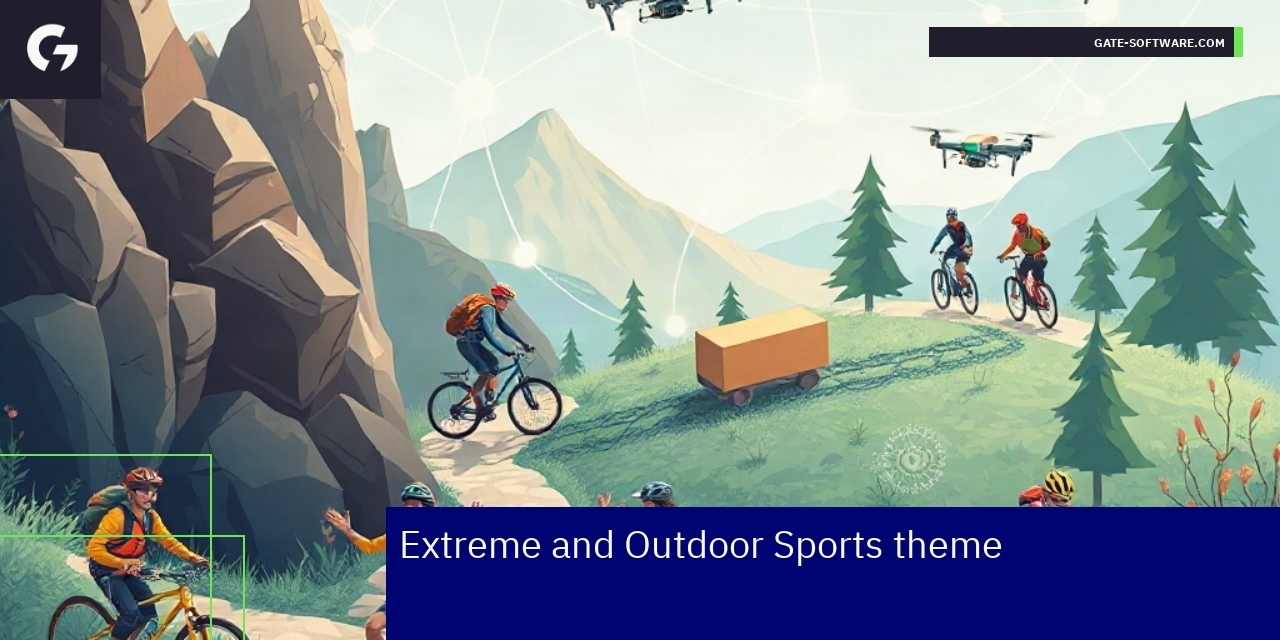
In the realm of sports stores, particularly those catering to extreme and outdoor sports enthusiasts, responsiveness is a critical factor that directly impacts user experience. A responsive design ensures that the digital storefront adapts seamlessly across a wide range of devices — desktops, tablets, and mobile phones — delivering consistent functionality and aesthetics. This adaptability leads to faster load times, easier navigation, and an intuitive shopping experience, all of which are essential for retaining users and reducing bounce rates. Testing responsiveness typically involves a suite of methods including emulation across different screen sizes, browser testing, and real device testing. These methods verify that UI elements retain their integrity, interactive features behave as expected, and content readability is maintained under varying conditions.
Social media integration
Effective social media integration is a key driver for increasing customer engagement in the sphere of extreme and outdoor sports retail. Integrating social networks allows sport stores to tap directly into communities of enthusiasts who share interests and activities, facilitating peer-to-peer recommendations and social proofs. Features such as direct product sharing, embedded social feeds, and login via social accounts simplify user interactions and broaden brand visibility. Moreover, leveraging social platforms enables sports stores to run campaigns targeted at niche audiences, resulting in higher engagement rates. Examples of successful campaigns include those that promote user-generated content tied to specific sports events or challenges, fostering a sense of community while boosting organic reach.
Free installation and updates via Composer
Utilizing Composer for free installation and updates offers a streamlined and efficient mechanism to maintain a Hyva-based platform. Composer manages dependencies and ensures that components are current without disrupting the system’s stability. This approach minimizes downtime and reduces manual intervention, which is crucial for sports stores needing continual availability to meet customer demand. Best practices when updating via Composer include running updates in staging environments first, reviewing change logs for compatibility, and ensuring backup procedures are in place. This safeguards operational continuity and allows rapid integration of new features or security patches, preserving the platform’s performance and reliability.
Toy store template
User friendliness
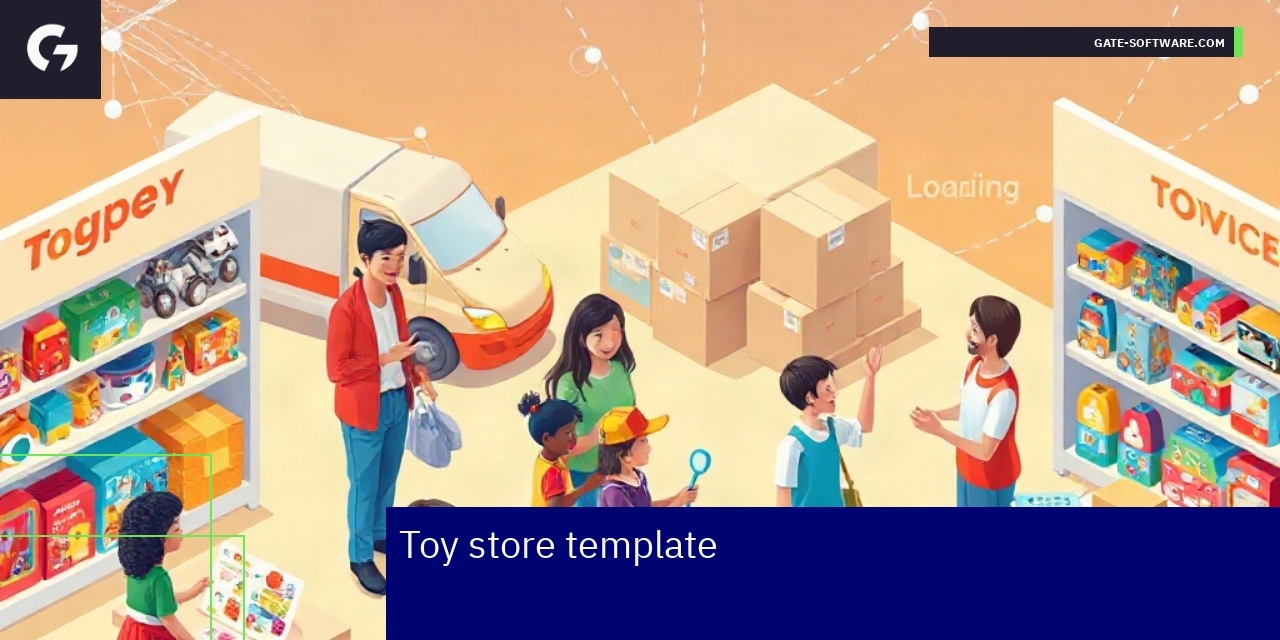
User friendliness is crucial for a toy store template, as it directly affects the shopping experience for both kids and parents. Key UX elements include intuitive design, clear visual hierarchy, and age-appropriate aesthetics that engage young shoppers while remaining accessible for adults. Simplifying the checkout process and ensuring that product categories are easy to differentiate helps improve navigation. Integrating features like prominent search bars, filters tailored to toy types or age groups, and breadcrumb trails can further enhance the ease of finding products. Streamlined navigation reduces friction and encourages longer browsing sessions, which can increase conversions.
Loading speed
Loading speed is a fundamental performance factor that impacts user satisfaction and retention in an online toy store. Speed optimization tips include minimizing image file sizes without compromising quality—critical when showcasing colorful, detailed toys—using asynchronous loading for non-essential scripts, and leveraging caching strategies to reduce server response time. Utilizing Content Delivery Networks (CDNs) to deliver content quickly across various geographic locations also enhances load times. Employing testing tools such as Google PageSpeed Insights, Lighthouse, or GTmetrix allows ongoing monitoring of site performance and identification of bottlenecks. Fast loading contributes to a smooth, enjoyable shopping experience, especially important for younger users with shorter attention spans.
Statistics
Leveraging data analytics is vital to continuously improve sales in a toy store setting. Tracking user behavior such as product views, time spent per page, and cart abandonment rates can reveal pain points and opportunities in the shopping journey. Sales data segmented by product categories, seasonality, and customer demographics help tailor marketing efforts and inventory management. Recommended analytical tools include Google Analytics for comprehensive website traffic insights and heatmapping tools like Hotjar to visualize user interaction patterns. Implementing real-time dashboards enables the marketing and product teams to respond swiftly to trends, optimize campaigns, and enhance overall operational efficiency. Data-driven decision-making ensures scalability and sustained growth in a competitive market.

Wholesale theme
Cross-browser compatibility
Cross-browser compatibility is crucial for wholesalers who rely on seamless digital interactions across various platforms. Ensuring accessibility means designing and developing interfaces that perform consistently across all major browsers, including Chrome, Firefox, Safari, and Edge. This compatibility minimizes user experience disruptions and helps maintain customer engagement regardless of the chosen browsing environment. Successful practice cases demonstrate how companies have implemented adaptive layouts, standardized web technologies, and tested rigorously to detect and resolve browser-specific issues early in the development cycle. This results in reliable, user-friendly wholesaler platforms that can reach a broader audience without compromising functionality or performance.
Technical support
Robust technical support structures are essential for wholesale businesses utilizing platforms like Hyva. Types of available support typically include real-time assistance, scheduled maintenance, bug fixes, and custom integrations. Such support ensures minimal downtime and quick resolution of issues which directly impacts operational continuity. The benefits of solid assistance include improved system stability, enhanced user experience, and confidence in platform reliability. A responsive support team helps wholesalers navigate complex technical challenges, implement best practices, and adapt swiftly to evolving market demands and technological changes, thereby safeguarding business efficiency and customer satisfaction.
Code and server security
Protecting sensitive data is paramount in wholesale eCommerce, where transactional and personal information must be shielded from unauthorized access. Code and server security involve applying industry best practices like secure coding standards, regular vulnerability assessments, encryption protocols, and rigorous access controls. These measures prevent data breaches, ensure compliance with regulatory standards, and protect the integrity of the wholesaler’s IT infrastructure. Implementing firewalls, intrusion detection systems, and secure APIs further strengthens defenses. Adhering to these security principles builds trust with business partners and customers, reduces risk exposure, and supports the long-term viability of wholesale digital operations.

Cosmetics Store theme
SEO friendliness
Optimizing for SEO in a cosmetics store theme requires a strategic approach focusing on both technical and content elements to enhance visibility and ranking on search engines. Key techniques include optimizing meta tags, implementing structured data markup to highlight products and reviews, and ensuring mobile-friendly design. Effective keyword integration throughout product descriptions and blog content enhances relevancy. Examples of successful implementations often involve hierarchical URL structures, fast-loading pages, and ensuring crawlability of important content by search engines.
Loading speed
Improving loading speed in a cosmetics store theme involves optimizing images by compressing them without sacrificing quality, utilizing lazy loading techniques, and minimizing CSS and JavaScript files to reduce payloads. Employing content delivery networks (CDNs) and server-side caching also plays a critical role in delivering faster page responses. Testing tools such as Google PageSpeed Insights, GTmetrix, and Lighthouse are essential for identifying bottlenecks and validating speed improvement efforts, enabling continuous optimization aligned with performance goals.
Affiliate program
Implementing affiliate marketing programs within a cosmetics store theme requires careful planning around tracking mechanisms, commission structures, and integration with the eCommerce platform. Establishing clear guidelines and providing affiliates with marketing resources helps maintain brand consistency. Collaborating with influencers leverages their reach and trustworthiness to drive authentic engagement. Effective partnerships often include performance monitoring dashboards and regular communication to optimize campaign results and ensure alignment with broader marketing strategies.

Tools store
Responsiveness
In the context of a tools store, robust responsiveness is critical as it directly influences the user experience. Responsiveness ensures that customers can quickly navigate, search for, and interact with product listings, regardless of the device they are using. Maintaining high responsiveness reduces latency and loading times, which in turn minimizes user frustration and cart abandonment rates. Responsiveness testing is an essential step to guarantee performance across various devices, including desktops, tablets, and smartphones. This involves continuous monitoring and optimization to adapt to different screen sizes and network conditions, ensuring seamless operation and consistent user satisfaction.
Technical support
Technical support for a tools store plays a pivotal role in maintaining operational efficiency and customer trust. Available support options often include live chat, email, phone support, and comprehensive documentation. Good technical support enables quick resolution of issues related to order processing, product information, and website functionality, minimizing downtime and enhancing reliability. The benefits of good support extend beyond troubleshooting; it fosters customer loyalty, aids in managing technical challenges proactively, and supports scalability as the store grows and incorporates new technologies or features.
Free installation and updates via Composer
Using Composer for installing and updating a tools store platform streamlines development and maintenance processes. Composer automates dependency management, ensuring that all required packages are installed and updated correctly without manual intervention. This free installation and update mechanism allows technical teams to deploy improvements and security patches efficiently, reducing operational risks. Useful hints for updating include regularly backing up the system, testing updates in a staging environment before deployment, and monitoring dependencies for compatibility issues to maintain smooth and secure store operations.

Custom header links
User friendliness
Custom header links significantly enhance user friendliness by focusing on key UX factors that streamline navigation. By personalizing header elements, users encounter a simplified pathway to access critical sections of a site, reducing cognitive load and improving overall satisfaction. Navigation improvements include intuitive grouping of links, consistent placement, and responsive design to accommodate different devices. These adjustments not only facilitate faster user decisions but also reduce bounce rates by encouraging deeper site exploration. Customizable header links thus contribute to a seamless browsing experience, aligning with best practices in usability and engagement.
Social media integration
Integrating custom header links with social media channels boosts customer engagement by providing direct access points to share, follow, or interact with brand content. This integration fosters stronger community building and amplifies marketing efforts through organic social reach. Successful examples show that clear, prominently placed social media icons and links in headers can increase referral traffic and improve brand visibility. When combined with tailored messaging and real-time updates, these links become powerful tools to retain customers and attract new audiences, ensuring sustained interaction across platforms.
Statistics
Using analytics to increase sales via custom header links involves monitoring user interactions to refine link placement and content relevance. By leveraging data such as click-through rates, time-on-page, and referral sources, businesses can optimize header structures to guide users toward conversion points effectively. Recommended analytics tools include Google Analytics for comprehensive traffic analysis, Hotjar for heatmaps and behavioral insights, and Mixpanel for advanced user segmentation. These tools collectively enable a data-driven approach to evolving header link strategies that directly impact sales performance and ROI.
AI Email Template Generator
Loading speed
Optimizing the loading speed of an AI Email Template Generator is crucial for operational efficiency and user satisfaction. Speed enhancement tips typically include minimizing server response times by leveraging optimized backend architectures, employing content delivery networks (CDNs), and efficiently managing resource loading to reduce latency. Utilizing asynchronous loading techniques helps prevent UI blocking, ensuring smooth and fast interactions. Testing tools like Google PageSpeed Insights, Lighthouse, and WebPageTest can identify bottlenecks, provide actionable metrics, and ensure the system meets established performance benchmarks critical for sustaining high volume email template processing without delays.
User friendliness
User friendliness in an AI Email Template Generator revolves around intuitive design and seamless navigation. Important UX aspects involve clarity in workflow, minimizing the number of steps required to create, edit, and deploy email templates. Incorporating drag-and-drop capabilities and real-time preview options enhance usability, allowing users to tailor templates with precision. Navigation improvements focus on streamlined menus, contextual help, and robust search functions to facilitate quick access to features. Ensuring responsiveness and accessibility aligns with diverse user needs, driving adoption and reducing training overhead for teams managing complex email communications workflows.
Affiliate program
Setting up affiliate programs within the context of an AI Email Template Generator involves designing mechanisms that encourage partners to promote template solutions effectively. It requires integrating tracking systems to monitor referrals, automate rewards, and provide transparent performance metrics. Influencer collaboration benefits stem from leveraging their networks to expand reach and credibility, enhancing program scalability. Well-structured affiliate programs can incentivize brand advocates, increase market penetration, and drive sustained growth by aligning with organizational objectives around personalized communication and customer engagement.
Magento 2 themes comparison
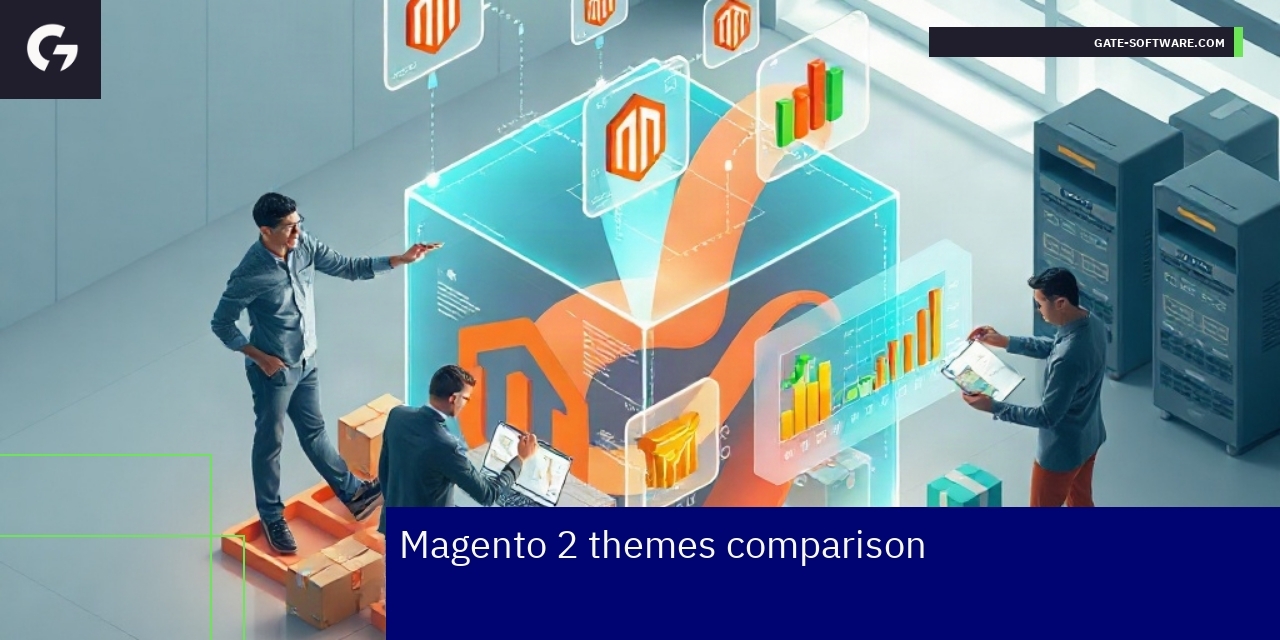
When evaluating Magento 2 themes, it is essential to analyze various options critically, focusing on their technical attributes, scalability, and how they align with business objectives. A thorough analysis includes looking at performance metrics, responsiveness, ease of customization, compatibility with third-party extensions, and support for SEO best practices.
Pros and Cons of Various Magento 2 Themes
Custom themes offer unparalleled flexibility tailored precisely to a brand’s identity and user experience requirements. They allow for unique architectural decisions that can optimize front-end performance and improve operational efficiency. However, custom development demands significant investment in time and resources and necessitates skilled development teams to ensure maintainability and scalability.
These are cost-effective and quick to deploy, often coming with a range of preset styles and modules that cater to common eCommerce needs. Their constraints lie in limited customization options and potential bloat from general-purpose features not required by the specific business case, which can impact performance and user experience.
Transitioning themes is a strategic operation that addresses evolving branding or technology requirements. It requires a thorough mapping of existing UX, data structures, and integrations to minimize downtime and avoid data inconsistencies. Migration gives an opportunity to refine visual merchandising and operational processes but imposes risks tied to compatibility and potential regression in site speed or SEO rankings if not executed meticulously.
In conclusion, selecting the right Magento 2 theme—whether custom-built or prebuilt—and managing migrations require a strategic balance between technical architecture, business goals, and resources. Incorporating considerations around Custom Magento 2 Theme Design and Magento Theme Migration & Rebranding ensures a scalable and performant eCommerce platform suited for long-term growth.

Common customization mistakes
In the realm of Magento customization, several common mistakes can undermine the effectiveness and maintainability of the platform. Avoiding these pitfalls is essential for ensuring long-term operational efficiency, scalability, and performance.
One frequent mistake is neglecting best practices around Magento’s modular architecture. Customizations that directly modify core files or bypass Magento’s extension mechanisms can create upgrade and compatibility issues. Instead, developers should leverage Magento’s plugin and preference systems to extend functionality without compromising the core codebase.
Another common error involves overcomplicating customizations by introducing excessive or unnecessary code. This can lead to performance degradation and harder debugging processes. It is advisable to keep the code lean, well-documented, and aligned with Magento’s coding standards.
Insufficient testing across different environments also poses risks. Customizations ought to be thoroughly tested in staging environments that mirror production configurations to identify conflicts or performance bottlenecks early.
Additionally, overlooking the impact of third-party extensions on customizations can result in conflicts. A comprehensive review and compatibility checks before integration are necessary to maintain a stable environment.
From an operational perspective, poor version control and documentation practices hinder scalability and team collaboration. Maintaining clear version histories and detailed documentation supports seamless knowledge transfer and rapid incident resolution.
The Magento Customization Best Practices and Pitfalls overview underscores the importance of adhering to Magento’s framework and design patterns, ensuring that customizations are sustainable, scalable, and performant.
By understanding these common errors and emphasizing best practices, organizations can avoid typical pitfalls in Magento customization, safeguarding their eCommerce platforms against future technical debt and performance issues.
—
Tip: Always use Magento’s official developer documentation as your primary resource when planning and implementing customizations to ensure adherence to best practices.
Best Practice: Implement continuous integration and automated testing to catch issues early in the customization lifecycle.
Check: Regularly audit customizations after each Magento upgrade to verify compatibility and performance stability.
—

Conclusion
Magento 2 template personalization is a critical factor for enhancing user experience and driving better engagement on your e-commerce platform. Tailoring templates allows for a more relevant presentation of products and content to different customer segments, improving conversion rates and customer satisfaction. From a technical perspective, Magento 2 offers flexible architecture enabling seamless customization while maintaining performance and scalability. Effective template personalization requires a strategic approach that aligns with business goals, ensuring modifications are manageable and optimized for future updates.
Implementing personalized templates can also improve operational efficiency by reducing the need for extensive manual adjustments and enabling dynamic content delivery based on user behavior and preferences. For senior stakeholders, recognizing the impact of personalized templates on both user experience and backend operations is essential for long-term success.
Encouraging you to implement these changes in your e-commerce store means prioritizing an iterative approach—starting with key template areas that drive the most value and scaling personalization as insights and capabilities evolve. Doing so will not only differentiate your store in a competitive market but also position your infrastructure for sustainable growth.

Data and Performance Metrics – Efficiency and Cost
Key Metrics for Hyva
Incorporating Hyva themes into eCommerce platforms can lead to significant efficiency gains, with page load times improving by up to 50%, enhancing user experience and potentially increasing conversion rates. The average time-to-delivery for updates and changes to the site has reduced by approximately 30%, allowing businesses to respond more swiftly to market demands.
Cost analysis shows that stores utilizing Hyva themes can achieve a reduction in total cost of ownership (TCO) by around 25% through decreased reliance on third-party extensions and streamlined theme management. Furthermore, businesses report an increase in site uptime to nearly 99.9%, contributing to higher reliability and customer trust.
Performance metrics indicate that eCommerce sites using Hyva experience a 40% improvement in scalability, accommodating increased traffic without degradation in site speed. Additionally, user engagement metrics reveal that personalized content delivery powered by Hyva leads to a 20% increase in average session duration, suggesting a more enjoyable and interactive shopping experience.
Furthermore, businesses have noted a remarkable increase in mobile responsiveness, with mobile users reporting a 35% faster checkout process, resulting in higher customer satisfaction and retention rates. The combination of these metrics demonstrates the strategic value of adopting Hyva themes in online retail environments, supporting both operational efficiency and enhanced customer engagement.

Summary
In conclusion, investing in Magento 2 template personalization through solutions like Hyva equips businesses with the tools necessary to enhance user experience and drive significant engagement. By tailoring templates to meet the unique preferences and behaviors of customers, organizations can improve conversion rates, increase customer satisfaction, and foster loyalty. The flexibility of Magento 2’s architecture allows for seamless customization while maintaining high performance and scalability, ensuring that businesses can adapt to evolving market demands. As you consider the implementation of personalized templates, start with impactful areas that deliver the most value and iteratively expand your approach as you gather insights. Taking these strategic steps will not only distinguish your e-commerce platform in a competitive landscape but also lay the groundwork for sustainable, long-term growth.

FAQ
What is Magento 2 template personalization?
Magento 2 template personalization involves customizing the default front-end templates to modify the appearance, layout, and functionality of an online store. This allows brands to create unique user experiences that align closely with their business goals and customer expectations.
How does template personalization impact performance?
Properly executed template personalization should maintain or enhance site performance. However, overly complex customizations or inefficient coding can increase load times, affecting user experience and SEO rankings.
Can template personalization be done without affecting Magento updates?
Yes, by using Magento’s recommended practices such as creating child themes and utilizing layout XML files, customizations can be made in a way that remains compatible with future Magento updates.
Is it possible to personalize templates based on user behavior?
Yes, templates can adapt content dynamically based on user behavior through integration with Magento’s customer segmentation and personalization modules, allowing shoppers to see personalized product suggestions and layouts.
What are the scalability considerations when personalizing Magento 2 templates?
Templates should be designed to handle growth in traffic and catalog size. Clean coding and leveraging Magento’s caching mechanisms and CDN integrations are key to sustaining performance as the store scales.
.
.
Zamów bezpłatną konsultację
.
Z nami rozwój Twojego biznesu nabierze tempa! Zapraszamy do kontaktu średnie i duże firmy generujące min. 7 mln PLN obrotu rocznie – tam nasza ekspertyza sprawdza się najlepiej.
.
Kliknij w poniższy przycisk i skontaktuj się z jednym z naszych konsultantów e-commerce
.