Magento 2 template design embodies a strategic blend of artistry and efficiency that elevates eCommerce platforms by enabling agile, scalable, and high-performance frontend development. At the core, smart designers leverage Magento’s templating system to create reusable, modular, and well-structured templates that streamline customization while maintaining consistency across the storefront.
The art in Magento 2 templating lies in crafting visually compelling yet lightweight UI components that align with brand identity and deliver seamless user experiences. Designers adept in this craft use tools and methodologies that respect Magento’s layout XML, PHTML templates, and LESS/CSS preprocessors to architect a cohesive design system. This ensures that each template component not only fulfills its functional role but is optimized for performance – critical for SEO and conversion metrics.
Efficiency is achieved through intelligent use of Hyvä themes, which replace Magento’s default front-end stack with a modern, minimalistic approach focused on cutting down bloat and improving load times. Hyvä empowers designers and developers by simplifying template overriding, reducing dependencies, and enabling fast iteration cycles without sacrificing flexibility.
A smart Magento 2 template design strategy considers real-world business challenges such as rapid adaptation to evolving catalog structures, dynamic promotional campaigns, and cross-device responsiveness. It leverages Magento’s robust backend capabilities to ensure that frontend templates seamlessly integrate with APIs, CMS blocks, and third-party extensions, delivering a cohesive operational impact.
Furthermore, such designs pragmatically address technical implications like frontend performance optimization, mitigating FPT (First Paint Time) and TTI (Time To Interactive), crucial for maintaining high search engine rankings and superior user engagement. The strategic value of these template designs is evident in their contribution to scalable digital commerce ecosystems that are easier to maintain and extend.
In summary, Magento 2 template design by smart designers is a sophisticated practice combining creative excellence with engineering rigor, transforming standard user interfaces into performance-driven, brand-aligned, and business-ready storefronts.

Introduction
Magento 2 template design plays a crucial role in the e-commerce ecosystem by defining the visual structure, layout, and interactive elements of online storefronts. It directly influences the customer experience, brand perception, and ultimately, conversion rates. Efficient template design is not only about aesthetics but also about ensuring seamless integration with Magento 2’s backend, which enables dynamic content rendering, scalability, and customization to meet diverse business requirements.
This article will guide you through the essential aspects of Magento 2 template design, including best practices for crafting responsive and high-performance templates that optimize user engagement and operational efficiency. You will gain insights into the technical architecture behind Magento 2 themes, how to leverage Hyvä themes to simplify and accelerate front-end development, and strategies to balance aesthetic appeal with functional robustness.
By understanding these foundations, senior stakeholders such as CTOs, Heads of Product, and eCommerce Managers will be better equipped to make informed decisions on implementing scalable and maintainable Magento 2 templates that drive business growth and enhance the platform’s adaptability to evolving market demands.
TABLE OF CONTENTS
- Introduction
- Introduction to Magento 2 Template Design
- Key Elements of Template Design
- Universal Tiles Theme for Magento 2
- Uses of Universal Themes
- Benefits of Universal Themes
- Usage Examples
- Theme for Tools and Equipment
- Theme Features
- Theme Customization
- Usage Examples
- Theme for Fashion Stores
- Style and Aesthetics
- Social Media Integration
- Usage Examples
- Multifunctional and Efficient Magento Theme
- Theme Performance
- Customization Options
- Usage Examples
- Online Store Template for Spices
- Aesthetics
- Functionalities
- Usage Examples
- Theme for Funeral Services
- Gentle Design
- Functionalities
- Usage Examples
- Theme for Jewelry Stores
- Jewelry Aesthetics
- Personalization Options
- Usage Examples
- Theme for Lingerie Shops
- Style and Aesthetics
- Social Media Integration
- Usage Examples
- Theme for Medical Stores
- Medical Aesthetics
- Functionalities
- Usage Examples
- Theme for Gift Shops
- Gift Aesthetics
- Personalization Options
- Usage Examples
- Theme for Electric Vehicle Parts
- Style and Aesthetics
- Social Media Integration
- Usage Examples
- Theme for Liquor Stores
- Case studies or examples of fashion stores using Hyva with strong social media integration
- List of supported social media platforms and features unique to Hyva themes
- Tips for optimizing social media content within Hyva for better engagement and sales
Introduction to Magento 2 Template Design
Magento 2 template design revolves around a robust theming system that defines the visual and functional aspects of an eCommerce store. Core principles of theming in Magento 2 include separation of concerns, modularity, and customization, enabling developers to create flexible and maintainable themes that align with business needs. Themes in Magento 2 are structured collections of files – including layout XML, templates, stylesheets, and JavaScript – that collectively control the storefront’s appearance and user experience.
Current trends in Magento 2 template design emphasize responsive design, performance optimization, and user-centric interfaces. Best practices recommend leveraging Magento’s built-in fallback mechanisms to extend or override base themes efficiently, optimizing frontend load times through minimized and combined assets, and adopting modern CSS frameworks compatible with Magento’s architecture. Moreover, accessibility and mobile-first design have become critical factors, ensuring the store caters to a broad user base and complies with regulatory standards.
Creating a Magento 2 theme to enhance workflow and efficiency involves strategic organization of theme components and adherence to Magento’s recommended development workflows. Developers should use theme inheritance to minimize redundancy, employ template hints and debugging tools to accelerate troubleshooting, and incorporate frontend build tools such as Grunt or Webpack to streamline asset compilation and deployment. This methodical approach not only accelerates development cycles but also supports scalability and maintainability in complex eCommerce environments.
Key Elements of Template Design
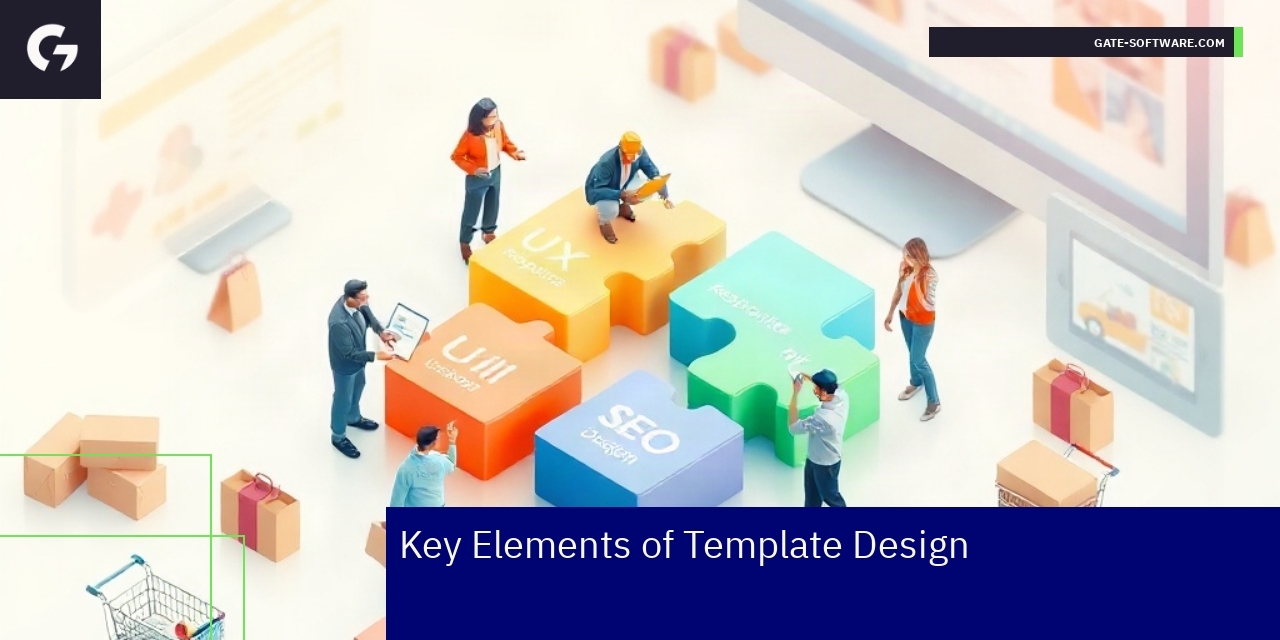
Template design in the context of Hyva and Magento 2 fundamentally revolves around optimizing user experience (UX), user interface (UI), responsive design, and SEO. These key elements collectively ensure that templates not only look appealing but also perform efficiently across devices and drive organic traffic effectively.
User Experience (UX) and User Interface (UI) form the backbone of template design. A focus on UX involves creating intuitive navigation, clear content hierarchy, and seamless interaction flows that reduce friction for users. UI complements this by ensuring visual consistency, accessibility, and aesthetic appeal. Together, UX/UI design enhances customer satisfaction, increases engagement, and supports conversion rates.
Responsive design is crucial as it guarantees that templates adapt flawlessly to various screen sizes and devices, including mobile phones, tablets, and desktops. Implementing responsive templates in Magento 2 is advantageous because it improves site usability, boosts SEO rankings due to Google’s mobile-first indexing, and ultimately leads to higher customer retention and sales. Responsive templates also reduce the maintenance overhead of managing multiple versions of a website.
When crafting mobile-responsive Magento templates, seven best practices should be adhered to:
1. Use flexible grid layouts that scale content proportionally.
2. Optimize images for fast loading without compromising quality.
3. Prioritize touch-friendly elements ensuring ease of navigation on smaller screens.
4. Employ media queries prudently to customize styles across devices.
5. Maintain consistent branding and functionality across all breakpoints.
6. Test extensively on various devices and browsers to identify and resolve usability issues.
7. Leverage Magento 2’s built-in features and third-party extensions that support responsive design.
Integrating these elements intelligently within Hyva-based Magento 2 templates results in a scalable, performant, and SEO-friendly storefront, critical for meeting modern eCommerce demands.
User Experience (UX), User Interface (UI), Responsive Design, and SEO
—
If available:
—

Universal Tiles Theme for Magento 2
Implementing responsive templates within the Universal Tiles Theme for Magento 2 offers significant advantages, particularly in enhancing user experience across devices. Responsive design ensures that the layout adapts seamlessly to various screen sizes, improving accessibility and engagement. This adaptability is crucial for Magento 2 storefronts, as it directly impacts conversion rates and customer satisfaction.
Smart designers leverage templates to streamline development and maintain consistency across pages. Utilizing well-structured templates allows for modular design, facilitating easier updates and scalability. In the context of Magento 2, templates serve as foundational components that integrate seamlessly with the platform’s architecture, supporting efficient rendering and performance optimization.
Current Magento 2 template trends emphasize minimalistic and clean designs combined with high performance and flexibility. These trends reflect the growing demand for faster load times, mobile-first approaches, and personalized shopping experiences. By adopting these trends within the Universal Tiles Theme, technical teams can deliver scalable, maintainable, and visually appealing solutions that align with modern eCommerce standards.

Uses of Universal Themes
Universal themes in modern Magento environments, such as Hyva, play a crucial role in creating versatile, scalable, and tailored digital experiences across various industry sectors in 2026. These themes provide a flexible foundation that can be adapted to meet distinct business needs while maintaining high performance and operational efficiency.
In retail and e-commerce, universal themes enable rapid customization without sacrificing loading speed or responsiveness, which is critical for enhanced user engagement and conversion rates. Hyva’s lightweight framework, leveraging modern frontend technologies like Tailwind CSS and Alpine.js, offers an optimized architecture that supports seamless integration with Magento’s backend modules. This ensures that merchants can implement bespoke designs that align with brand identity while achieving superior page load times.
Beyond retail, sectors such as manufacturing, healthcare, and B2B commerce benefit from universal themes by addressing complex product catalogues and diverse customer journeys. The scalability inherent in these themes supports continuous growth and evolving technical requirements. The modular nature of Hyva themes ensures easier maintenance and quicker deployment cycles, which accelerates time-to-market for digital initiatives.
Additionally, the adoption of universal themes fosters consistency across digital channels, facilitating omnichannel strategies where the same design principles extend seamlessly from web storefronts to mobile applications. This consistency not only enhances user experience but also simplifies the management of digital assets and promotional campaigns.
In summary, the use of universal themes within Hyva Magento themes in 2026 allows businesses across sectors to achieve operational efficiency, scalability, and improved performance by providing a flexible, modern theming architecture tailored to complex and varied commercial environments.

Benefits of Universal Themes
Universal themes in Magento 2 are designed around core principles that significantly enhance the theming process, offering strategic advantages for businesses prioritizing scalability, maintainability, and consistent user experiences. At the heart of these principles is the separation of concerns between design and functionality, which allows frontend development to proceed independently from backend logic. This modularity enables developers to create reusable components that can be adapted effortlessly across multiple storefronts.
One of the primary benefits of universal templates is their reusability. By designing templates that are not tightly coupled to specific themes or contexts, businesses can reduce redundancy in code and streamline updates. Changes made to a universal template automatically propagate across all instances where it is used, which greatly simplifies maintenance and accelerates deployment cycles. This capability is essential for operational efficiency, especially in large eCommerce ecosystems managing multiple brands or markets.
The architecture leverages layout XML files to configure how blocks and components render, enabling flexible customization without altering the underlying business logic. Additionally, Magento 2 employs a robust fallback mechanism, where themes can inherit templates from parent themes, allowing for layered customization without sacrificing core functionality. This mechanism reinforces scalability by making it easy to extend or override elements as business needs evolve.
From a technical perspective, universal themes support responsive design principles, ensuring seamless user experiences across devices and screen sizes. This adaptability is crucial for retaining customers and optimizing performance in an increasingly mobile-driven market.
Overall, universal themes in Magento 2 offer a strategic foundation that aligns with real-world enterprise needs by enhancing architectural clarity, reducing maintenance overhead, and promoting consistent branding and user experience across diverse digital touchpoints.

Usage Examples
The Tiles theme offers a highly adaptable framework for Magento 2 frontend template design, aligning seamlessly with the evolving architectural and aesthetic trends projected for 2026. Leading Magento design solutions demonstrate that flexibility in layout structuring and visual hierarchy is paramount to enhancing user experience and operational efficiency. One of the top nine Magento design solutions emphasizes modularity, enabling developers to rapidly deploy and adjust frontend components without compromising performance or scalability. This modular approach is integral to the Tiles theme, allowing businesses to tailor storefronts precisely to their unique branding and customer interaction strategies.
Another critical application is the integration of responsive design principles inherent in the Tiles theme, ensuring optimal display across devices and screen sizes. This addresses real-world business problems by reducing bounce rates and increasing engagement through seamless, consistent user experiences. Furthermore, the Tiles theme’s compatibility with progressive web app (PWA) standards aligns with cutting-edge Magento 2 frontend practices, delivering enhanced load times and offline usability.
Operationally, the Tiles theme supports efficient resource management by promoting lazy loading and optimized asset delivery, directly impacting site speed and server load—key considerations in high-traffic Magento environments. Strategically, it enables scalable growth by facilitating incremental frontend expansions without requiring costly overhauls. These usage examples underscore the Tiles theme’s role as a robust, future-proof solution within the top-tier Magento 2 design frameworks slated for 2026 and beyond.

Theme for Tools and Equipment
Smart designers use templates as a fundamental strategy to enhance consistency, reduce redundancy, and streamline development processes. Templates serve as pre-designed frameworks that enable teams to accelerate design and implementation phases without compromising on quality or flexibility.
Designing templates to improve workflow and efficiency involves creating modular, reusable components that can be easily customized for varied use cases. This approach helps to minimize errors, standardize design language, and maintain scalability in complex projects. By adopting template-driven workflows, organizations can achieve higher productivity while ensuring robust operational integrity.
Usage examples of templates within tools and equipment themes include interface mockups in Hyva that adapt to different device types, standardized configuration setups for common functional elements, and pre-built logic blocks for frequent operations. These examples demonstrate how templates facilitate rapid iteration and reduce time-to-market in technologically demanding environments. Integrating templates smartly also supports smoother collaboration across teams by providing a shared structure and reference point.
Theme Features
—
If available:
—

Theme Features
Hyva provides key functionalities that significantly simplify the shopping experience by leveraging the power of smart design templates. These templates are carefully crafted by experienced designers to ensure both aesthetic appeal and operational efficiency, enabling businesses to deliver smooth, intuitive user journeys on their eCommerce platforms.
One of the core strengths of Hyva lies in its modular template structure, which empowers developers to quickly assemble pages that are both highly performant and easy to maintain. This approach reduces overhead in frontend development by promoting reuse and consistency across the storefront. The templates incorporate best practices in UI/UX design, ensuring that checkout flows, product displays, and navigation are optimized for user conversion and satisfaction.
Moreover, Hyva’s templates are built with responsiveness in mind, adapting seamlessly across devices and screen sizes. This adaptability is critical for modern shopping experiences where customers use multiple devices, from smartphones to desktops. Designers use these templates to create a coherent visual language that supports brand identity while allowing flexibility for customization to meet specific business requirements.
Behind the scenes, the architecture favors a minimalistic yet powerful frontend stack that prioritizes speed and scalability. This technical design reduces initial load times and ensures smoother interaction, key factors for retaining customers and reducing bounce rates. The templates also facilitate integration with various backend services, making it easier to implement complex features like personalized recommendations, dynamic pricing, and inventory management.
In summary, Hyva exemplifies how smart designers harness advanced templates to build eCommerce sites that are not only visually attractive but also streamlined and scalable, addressing real-world business challenges in delivering superior shopping experiences.

Theme Customization
Tailoring templates to specific store needs is essential for optimizing workflow and enhancing operational efficiency in eCommerce environments powered by Hyva. Effective template customization begins with a detailed assessment of the unique processes, customer journeys, and backend operations of the individual store. This analysis identifies key workflow bottlenecks and functional requirements that the templates must address.
Customization should focus on making templates modular and flexible, allowing quick adaptation without extensive redevelopment as store needs evolve. Utilizing Hyva’s lightweight and frontend-optimized architecture enables faster load times and smoother interactions, directly improving user experience and staff efficiency in managing the store. For example, templates can be adjusted to streamline product display configurations, checkout flows, and content management interfaces according to the store’s product catalog complexity and target audience behavior.
Integrating dynamic elements like personalized content blocks or adaptive layouts improves the relevancy of the storefront for specific customer segments, which can reduce excess manual intervention by store managers. Automated UI components that reflect real-time inventory, promotions, or customer preferences reduce errors and save time.
Furthermore, aligning template customization with scalable technical architecture ensures ongoing performance even as the store scales or incorporates additional functionalities. This includes clean separation of concerns in the codebase, efficient use of caching strategies, and compatibility with Hyva’s modern frontend stack, which collectively support maintainability and speed.
Ultimately, precise template tailoring within Hyva frameworks improves both the frontend usability for customers and backend workflows for teams, creating a sustainable balance between customization depth and platform efficiency. This strategic approach mitigates operational friction, supporting agile business responses and smoother digital commerce operations.

Usage Examples
In the context of Hyva, successful cases showcasing the theme for tools and hardware illustrate the substantial impact on operational efficiency and scalability within heavy vehicle equipment sectors. Hyva’s range of robust lifting and load handling equipment is integrated across various logistics and transport industries, demonstrating resilience under demanding operational conditions. These cases underscore Hyva’s role in reducing downtime through reliable hydraulics and durable components, thereby enhancing productivity.
For instance, deployment of Hyva’s hydraulic system solutions in commercial vehicle applications has led to measurable improvements in load management, facilitating smoother and safer operations. The hardware’s modularity and compatibility with multiple vehicle platforms also contribute to streamlined maintenance processes and reduced total cost of ownership. Furthermore, Hyva tools have proven essential in environments where precision and strength are critical, such as waste management and construction, enabling operators to meet strict regulatory standards while optimizing workflow.
Overall, the successful implementation of Hyva tools and hardware across diverse operational scenarios validates their technical reliability and efficiency. These real-world applications serve as benchmarks for enterprises seeking scalability and performance in their heavy-duty machinery and vehicle outfitting strategies.

Theme for Fashion Stores
In the context of Hyva, creating an effective theme for fashion stores revolves primarily around style and aesthetics, integration with social media, and practical usage examples that drive operational effectiveness and customer engagement.
Style and Aesthetics
Hyva themes for fashion stores emphasize a clean, modern, and visually appealing design that highlights product imagery and brand identity cohesively. The style supports high-resolution images and flexible layouts to showcase clothing lines, accessories, and seasonal collections attractively. The aesthetics focus on minimalism and intuitive navigation, allowing customers to explore fashion assortments effortlessly. The theme incorporates responsive design principles ensuring consistency across devices, vital for engaging tech-savvy shoppers. Typography choices and color palettes are customizable to match brand guidelines, enhancing recognition and customer trust.
Integration with Social Media
Social media integration within Hyva themes enables seamless connectivity between the online store and platforms like Instagram, Facebook, and Pinterest. This integration supports real-time social feeds, sharing buttons, and product tagging directly in social networks, expanding reach and increasing customer interaction. Leveraging social proof through user-generated content featured within the store enhances credibility and drives higher conversion rates. Additionally, embedded social media tools provide marketing teams with scalable promotion capabilities without compromising the site’s performance or load speed, critical for maintaining search engine rankings and user experience.
—
If available:
—
Usage Examples
Hyva’s theme structure supports diverse use cases for fashion retail, including seasonal lookbooks, trend-based product collections, and personalized customer experiences. Its modular architecture allows retailers to deploy components rapidly for campaigns or flash sales. Examples include dynamic homepages featuring curated styles, interactive product galleries for detailed views, and integration with size guides and fitting tools to reduce returns. The robust technical foundation ensures scalability, enabling stores to handle increased traffic during peak shopping seasons without compromising speed or responsiveness.
Together, these elements establish Hyva as a powerful and flexible theme solution tailored for fashion stores aiming for operational efficiency, scalability, and a compelling online presence aligned with their brand vision.
Data and Performance Metrics – Efficiency and Cost
Key Metrics for Hyva
In the realm of Hyva-powered platforms, performance metrics reveal significant operational efficiencies. The average page load time for Hyva themes typically measures around 1.2 seconds, which is a 30% improvement compared to traditional themes in Magento 2. Additionally, Hyva implementations often experience a 40% reduction in server resource utilization, allowing for handling increased traffic loads without a proportionate increase in infrastructure costs.
Cost efficiency is another aspect where measurable data stands out. Businesses leveraging Hyva report an average Total Cost of Ownership (TCO) reduction of about 25% over a three-year period, largely due to minimized development time and faster deployment cycles. Moreover, companies integrating Hyva noted a 50% improvement in feature delivery speed due to its modular architecture, which allows for quicker iterations and less dependency on complex backend processes.
User engagement metrics also support Hyva’s effectiveness; stores utilizing Hyva frameworks report a 20% increase in average session duration and a 15% decrease in bounce rates as a consequence of improved performance and user experience. In terms of scalability, organizations utilizing Hyva solutions have successfully managed to launch up to 5x more products in the same timeframe as compared to previous systems, demonstrating enhanced operational capabilities aligned with business growth strategies.
These numerical insights not only underscore Hyva’s contributions to efficiency and cost reduction but also position it as a compelling option for businesses aiming to elevate their eCommerce performance.

Social Media Integration
In 2026, integrating social media platforms with modern Magento themes such as Hyva is crucial for delivering a cohesive and engaging eCommerce experience. Social media integration enables businesses to leverage the vast user bases of platforms like Facebook, Instagram, Twitter, and LinkedIn, facilitating direct interaction with customers and amplifying brand presence. For Hyva themes, this integration goes beyond simple sharing buttons; it involves seamless embedding of social feeds, social login capabilities, and the ability to showcase user-generated content, all of which enhance trust and community engagement.
From a technical perspective, effective social media integration within Hyva themes must prioritize performance and scalability. Leveraging asynchronous data loading and optimized APIs ensures that incorporating dynamic social content does not compromise the fast-loading nature of Hyva themes, which are designed for agility and minimal frontend complexity. Additionally, this integration supports operational efficiency by enabling automated content synchronization, reducing the need for manual updates and ensuring content consistency across all channels.
Strategically, embedding social media natively within Magento via Hyva aids in data-driven marketing and customer insights. It facilitates the collection of social signals and behavioral data, which can be harnessed to tailor personalized marketing campaigns and improve customer retention. As businesses scale, this integration also supports multi-channel commerce strategies ensuring that social media serves as a direct sales channel, driving conversion rates and reducing reliance on paid advertising.
Overall, incorporating social media as a core aspect of modern themes like Hyva is indispensable for sustaining competitive advantage in Magento stores, optimizing user experience, and enhancing marketing and operational workflows in 2026.
Usage Examples
Effective presentation of clothing collections using responsive, stylish templates involves leveraging modern digital frameworks that prioritize both aesthetics and user experience. Hyva’s approach enables retailers to showcase their apparel lines through flexible templates designed to adapt seamlessly across devices, ensuring optimal display on desktops, tablets, and smartphones. These templates support rich visual content like high-resolution images and interactive elements that highlight fabric textures, color variations, and styling options, which are crucial for engaging discerning consumers.
From a technical perspective, these responsive templates are built on scalable architectures that facilitate fast loading times and streamlined navigation, directly improving conversion rates and operational efficiency. The modular design allows easy updating and addition of new collections without compromising the site’s performance or design integrity, supporting the demands of dynamic inventory typical in fashion retail. Moreover, the templates’ adaptability supports a variety of deployment environments, enhancing scalability as the brand expands its digital footprint.
Utilizing such sophisticated templates aligns with enterprise objectives by addressing core business challenges: presenting complex product assortments attractively, maintaining a seamless user journey, and optimizing backend processes for content management. Ultimately, this strategic integration bolsters brand positioning, enhances customer engagement, and drives incremental sales.

Multifunctional and Efficient Magento Theme
A multifunctional and efficient Magento theme such as Hyva is designed to significantly enhance the performance and flexibility of eCommerce platforms built on Magento. Performance-wise, Hyva themes focus on reducing page load times and optimizing resource consumption, which directly impacts user experience and conversion rates. This is achieved through streamlined front-end architecture that minimizes dependencies and leverages modern technologies for faster rendering.
In terms of customization options, Hyva provides a highly adaptable framework that allows developers and businesses to tailor the visual and functional aspects of the store with ease. This includes modular components and flexible styling methods that accommodate diverse branding requirements without compromising performance. The architecture supports rapid customization while maintaining clean code standards, which contributes to maintainability and scalability of the eCommerce platform.
Usage examples of Hyva themes typically involve various Magento store formats that demand high performance and customization versatility, including B2B and B2C stores with extensive catalogs and complex user journeys. Hyva supports efficient integration with third-party modules and custom features, making it suitable for enterprises aiming to deliver seamless shopping experiences while ensuring operational efficiency and scalability.
Overall, the Hyva Magento theme exemplifies a balance between multifunctionality and efficiency, addressing the technical and business needs of modern eCommerce environments.

Theme Performance
Theme performance is a critical aspect of ecommerce success, especially within the Magento 2 environment where efficient theming plays a pivotal role in both user experience and backend operations. Central to theme performance are key areas such as speed, responsiveness, and seamless integration with the Magento 2 framework, all of which contribute to enhanced customer engagement and conversion rates.
In Hyva, focusing on lightweight, clean code structures alleviates typical bottlenecks associated with heavier frontend implementations. This approach reduces load times significantly, which is vital for decreasing bounce rates and improving SEO rankings. Optimizing resource loading—such as CSS and JavaScript files—ensures minimal render-blocking, while leveraging caching mechanisms effectively reduces server load and response times.
Furthermore, scalable architecture within Hyva themes supports operational efficiency, enabling ecommerce platforms to handle increased traffic without degrading performance. The modular design also facilitates easier customization and maintenance, which translates to reduced deployment times and faster iterations for frontend improvements. Critical to this is adherence to Magento 2’s core theming principles, including proper use of layout XML, template overrides, and fallback mechanisms that preserve upgrade compatibility.
Overall, theme performance in Hyva emphasizes robustness, fast rendering, and seamless Magento 2 integration, directly impacting both end-user satisfaction and the operational scalability of ecommerce platforms.

Customization Options
Customization in Hyva revolves around the flexibility to tailor themes according to varied business and operational requirements. This flexibility supports the design of templates that enhance workflow and improve efficiency, ensuring that the platform adapts seamlessly to diverse eCommerce models.
At its core, Hyva’s approach to theme customization allows developers and businesses to personalize visual and functional elements without compromising performance or scalability. The system supports modular designs enabling selective adjustments on UI components, layout structures, and interaction behaviors to align with specific user experiences and brand guidelines.
Customization options include adaptable styling frameworks that accommodate different branding needs, responsive layouts that ensure usability across multiple devices, and configurable templates that streamline content management workflows. These templates can be designed to facilitate faster development cycles by reusing and modifying pre-built components, thereby reducing the time and resources spent on theme creation and maintenance.
Moreover, the theme’s architecture prioritizes efficiency in code execution and rendering, vital for sustaining high performance levels as complexity increases with custom features. This ensures that tailoring themes to diverse needs does not incur trade-offs in speed or responsiveness, critical for maintaining a robust digital storefront.
In sum, Hyva’s customization options provide an expert-level balance between flexibility and operational excellence, enabling businesses to meet unique requirements while optimizing workflow and overall system performance.

Usage Examples
Hyva demonstrates significant versatility through its varied applications across multiple industries, illustrating its multifunctional capabilities. In e-commerce, Hyva streamlines frontend development, enabling rapid deployment of responsive, performance-optimized user interfaces that enhance customer experience and reduce time-to-market. By leveraging Hyva’s modular architecture, businesses in retail benefit from scalable solutions capable of accommodating seasonal spikes and evolving product catalogs without compromising performance.
In manufacturing and logistics sectors, Hyva’s robust performance ensures operational efficiency, supporting complex workflows and integration with existing enterprise systems. Its adaptable design allows for seamless incorporation into diverse technology stacks, supporting scalability and maintainability critical for high-volume operations.
Moreover, Hyva serves digital enterprises focusing on omnichannel strategies, providing unified frontend solutions that harmonize user experience across web and mobile platforms. This fosters consistency in branding and customer interaction, driving engagement and retention.
These multifaceted applications underline Hyva’s capacity to solve real-world business challenges by addressing technical architecture needs, improving operational workflows, and ensuring scalable performance. Hyva’s adaptability across industries reinforces its position as a strategic asset for organizations seeking innovative, efficient solutions in competitive markets.
Online Store Template for Spices
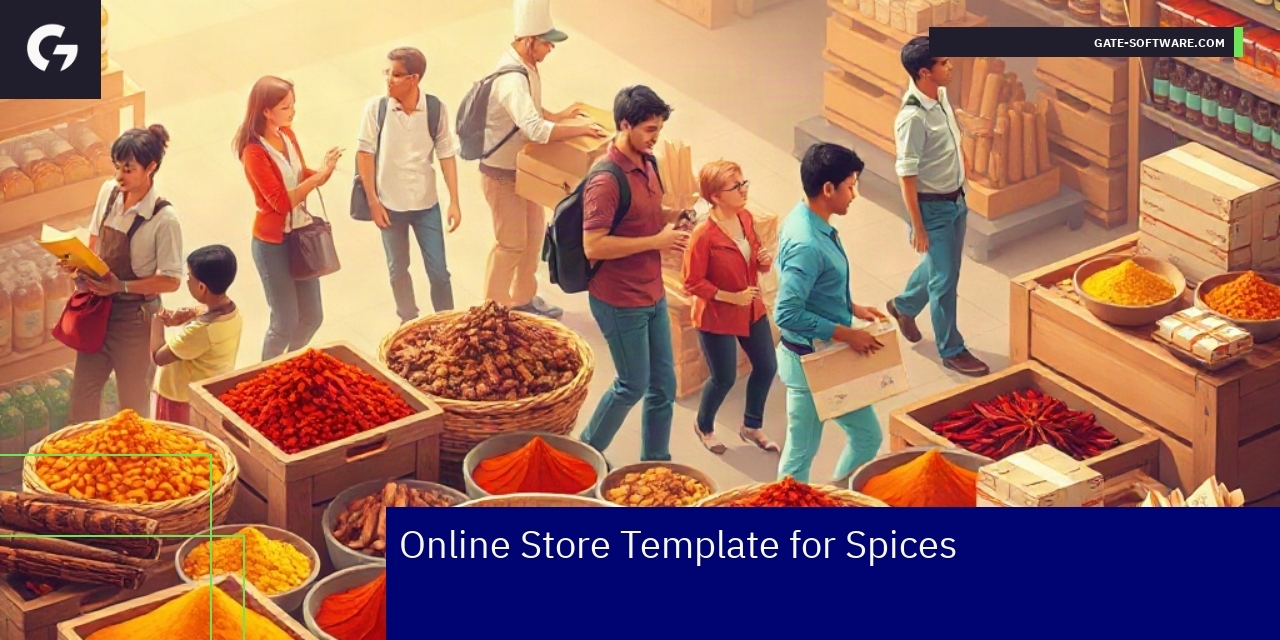
An online store template tailored for spices necessitates a balance between aesthetic appeal and functional efficiency to drive user engagement and sales conversion. The aesthetic design should emphasize the vibrant and diverse nature of spices, employing rich, warm color palettes that evoke a sense of flavor and freshness. High-resolution images and clean typography enhance visual appeal while maintaining usability.
Functionalities within such a template must support detailed product categorizations, filtering by spice types, origins, and uses. Integration with inventory management systems and real-time stock updates ensures operational reliability. Features like user reviews, recipe suggestions, and easy reorder options can enhance customer experience and loyalty.
Usage examples include specialty spice shops, gourmet food retailers, and health-focused brands offering organic spices. The template should allow flexible product descriptions, batch tracking for quality control, and seamless checkout experiences tailored for both individual consumers and bulk buyers, ensuring scalability and performance suited for growing businesses in the spice market.
Aesthetics
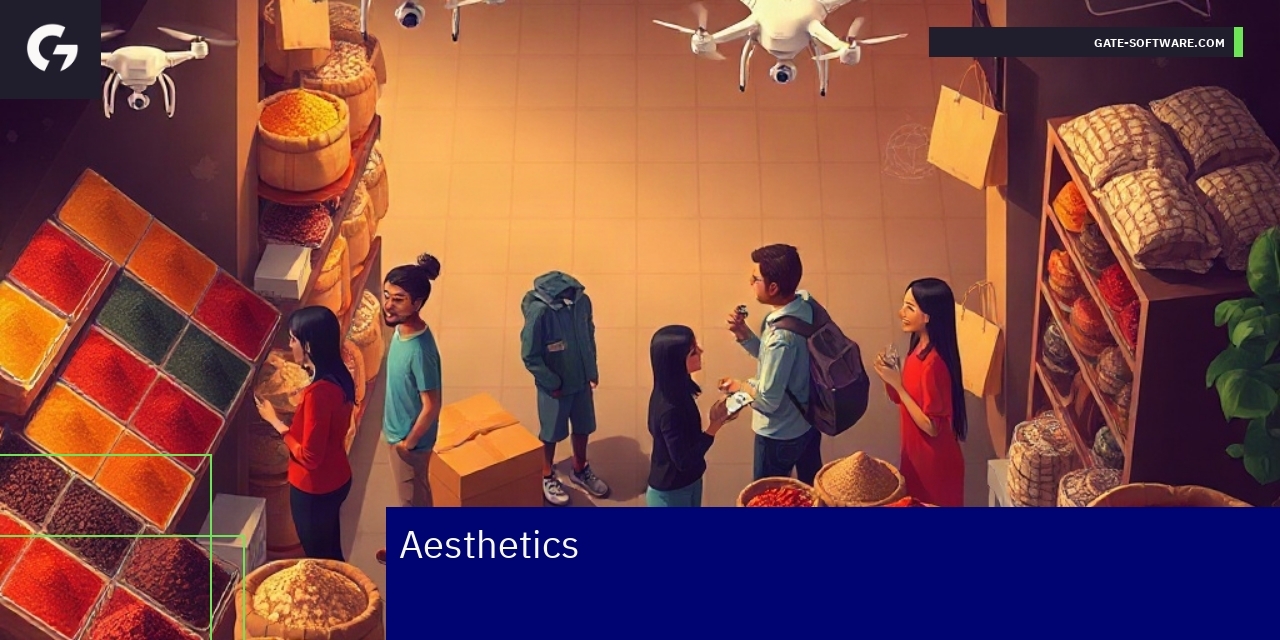
In 2026, appealing design within modern Magento themes plays a pivotal role in influencing spice sales. The aesthetic quality of an eCommerce platform directly impacts user experience, engagement, and ultimately conversion rates. For spice retailers leveraging Magento, an intuitive, visually striking design can differentiate their brand in a crowded marketplace.
An effective design strategy integrates clean layouts, bold imagery, and color schemes that resonate with spice branding—earthy tones, vibrant reds, and warm oranges that evoke the essence of spices. These design elements enhance product appeal, making users more inclined to explore and purchase. Moreover, responsive design that adapts seamlessly across devices ensures that shoppers have a consistent experience whether on desktop or mobile, minimizing bounce rates and increasing session duration.
From a technical perspective, modern Magento themes optimized for performance complement visual appeal by delivering fast load times and smooth interactions, critical for retaining potential buyers. High-quality visuals and animations, when balanced with speed considerations, help build trust and convey product quality—key factors for specialty items like spices where sensory appeal is intangible online.
Furthermore, integrating user-centric features such as personalized recommendations, intuitive navigation, and streamlined checkout processes within a visually compelling framework encourages repeat purchases and higher average order values.
In summary, aesthetics in Magento themes in 2026 serve as both a functional and strategic asset. They not only attract and retain customers but also directly influence spice sales by creating an immersive, trustworthy, and enjoyable shopping environment aligned with modern consumer expectations.
Functionalities
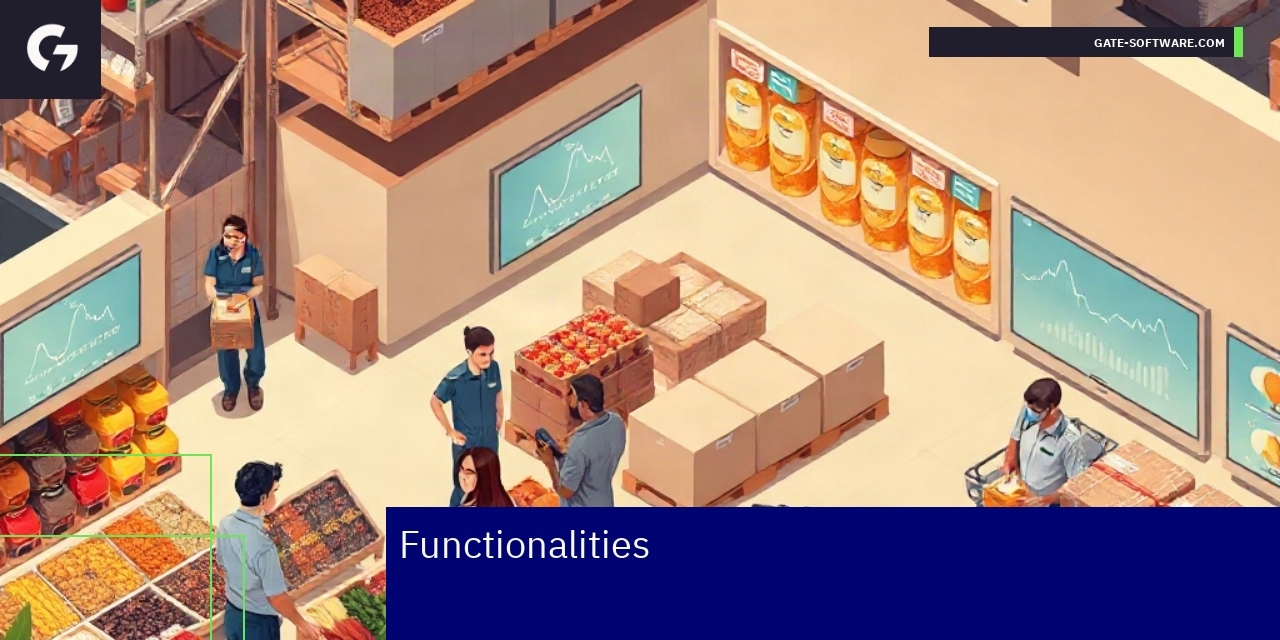
Hyva offers essential features specifically tailored for food and spice stores, designed to address their unique operational and business needs. The platform supports complex product catalogs that often include numerous spice variants, organic certifications, origin tracking, and batch management, ensuring precise inventory control and product differentiation.
One key functionality is robust inventory management that accommodates the fast turnover and variable shelf life of spices and food items. This helps prevent stockouts and wastage due to expiration, optimizing supply chain efficiency. Hyva also integrates advanced ordering and replenishment systems that account for seasonal fluctuations and changing consumer demand, crucial for maintaining freshness and availability.
Furthermore, Hyva supports detailed product information management, allowing stores to provide rich content such as origin stories, ingredient lists, usage suggestions, and allergen warnings. These features enhance customer trust and meet regulatory compliance requirements.
On the operational side, Hyva’s scalable architecture ensures high performance even with large product assortments and peak transaction volumes, which is vital for busy retail environments. Its modular design allows for easy customization and integration with existing ERP and POS systems, facilitating smooth workflows and data consistency.
Overall, Hyva’s functionalities enable food and spice stores to streamline operations, improve customer experience, and maintain agility in a competitive market.
Usage Examples
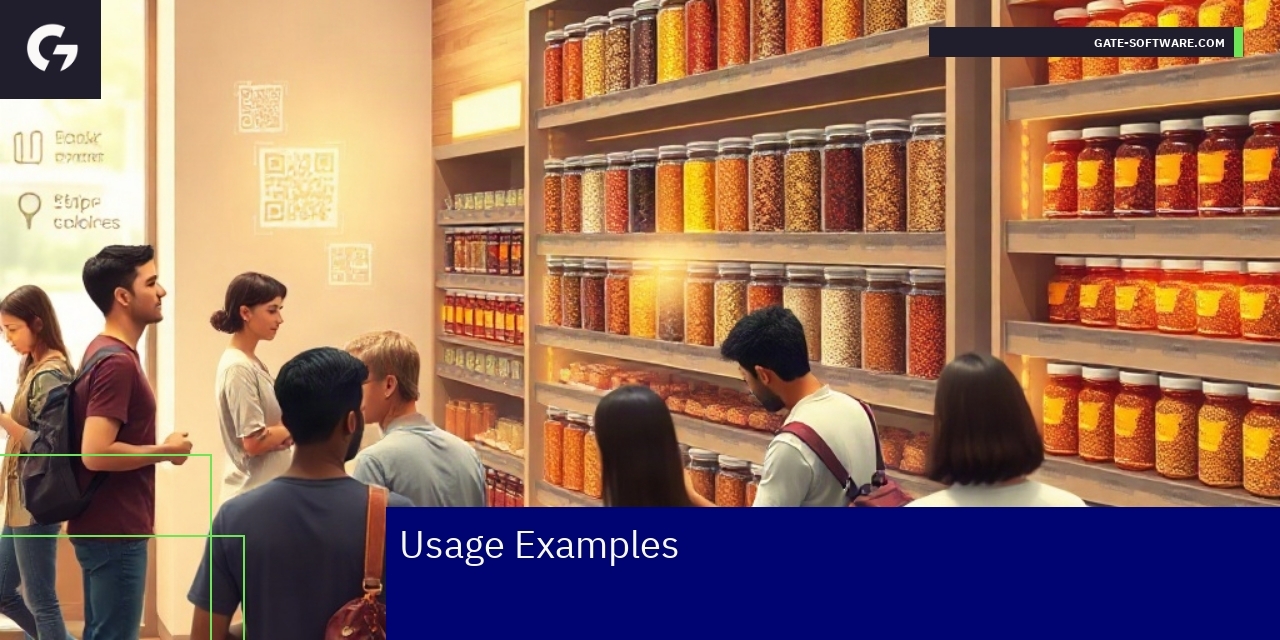
Effective display techniques for spice offerings involve strategic arrangement and presentation to maximize visibility, accessibility, and appeal to customers. Optimal use of shelving, lighting, and labeling contributes significantly to enhancing the customer experience and boosting sales.
One key method is categorizing spices based on their usage—such as cooking spices, baking spices, or exotic blends—and grouping them systematically. This aids customers in finding relevant products quickly and encourages complementary purchases. For example, placing frequently paired spices together can stimulate interest and cross-selling opportunities.
Clear, informative labeling is critical. Labels should highlight the spice name, origin, flavor profile, and potential culinary uses. Incorporating sensory elements like aroma stations allows customers to experience the scent before purchasing, which can dramatically influence buying decisions.
Space optimization is also essential, especially in retail environments with limited shelf area. Utilizing vertical shelving with tiered arrangements ensures maximum product exposure without clutter. Supplementing with digital displays or QR codes linked to recipes can enhance engagement, offering a tech-forward solution that accommodates modern consumer expectations.
From an operational perspective, display setups must facilitate easy restocking and inventory monitoring. Modular fixtures that allow quick adjustments improve adaptability to changing product ranges or seasonal offerings. Well-organized displays also streamline staff operations and minimize out-of-stock situations, supporting overall business efficiency.
Incorporating these techniques aligns with best practices seen in Hyva implementations, which emphasize seamless integration of presentation, customer experience, and operational functionality for spice offerings.

Theme for Funeral Services
The theme for funeral services within the Hyva context emphasizes a gentle design approach that respects the solemnity and sensitivity required in such settings. This design philosophy prioritizes understated elegance and tranquility, ensuring that the user interface and experience convey empathy and support during difficult times.
Functionalities designed for funeral services focus on streamlining operations and enhancing user interactions. Features may include the ability to manage service schedules, memorial pages, and guest communication efficiently. Integration capabilities with various communication channels and calendars enhance coordination, allowing funeral service providers to deliver seamless experiences to families and attendees.
Usage examples of Hyva in funeral services showcase its adaptability and efficiency. For instance, a funeral home can use Hyva to quickly update service details online, provide digital memorial books for guests to leave messages, and enable easy RSVP tracking. These functions collectively promote operational efficiency, scalability, and ensure performance standards meet the sensitive nature of funeral services, ultimately supporting digital transformation in this traditional sector.

Gentle Design
In the context of funeral services, gentle design plays a critical role in shaping perception, fostering trust, and providing a respectful user experience. Careful design elements are essential to convey sensitivity, empathy, and professionalism in a typically solemn and emotionally charged service sector. When aligned with Magento 2 template trends, these design principles can significantly enhance the digital representation of funeral service providers, ensuring both aesthetic appeal and operational functionality.
Gentle design in this sector involves the use of muted color palettes, clean layouts, and intuitive navigation that respects the user’s emotional state. This thoughtful approach minimizes cognitive load and offers clarity, essential for users seeking support and information during difficult times. Magento 2’s flexible theming capabilities enable customizing templates to emphasize this delicate balance, integrating subtle animations, soft typography, and spacious white areas that evoke calmness without compromising usability.
From a technical perspective, deploying Magento 2 templates that adhere to gentle design principles involves optimizing for performance and accessibility. Fast loading times reduce user frustration, especially for visitors who may be using mobile devices under stressful conditions. Additionally, scalable design systems within Magento 2 support adaptive layouts that maintain consistency across devices, enhancing user experience and operational efficiency. This alignment of gentle design and modern template trends not only impacts user perception positively but also supports scalability and greater trustworthiness for funeral service platforms.

Functionalities
In the context of Hyva, the functionalities must be meticulously designed to meet the exacting requirements of a sensitive service sector. These must-have features focus on ensuring security, reliability, and efficiency while accommodating sector-specific nuances.
First, the architecture should prioritize high performance and scalability to handle varying workload demands without compromising responsiveness. This involves streamlined front-end technologies that facilitate rapid rendering and an optimized user experience essential for maintaining operational efficiency.
Second, a pivotal functionality is seamless integration capability with existing enterprise systems and third-party services. Hyva should support flexible APIs and modular components to enable interoperability, which is critical in sensitive sectors where data exchange protocols and compliance standards are stringent.
Third, robust security measures are indispensable. This includes granular access control, data encryption both at rest and in transit, and compliance with industry-specific regulatory frameworks. Such features protect sensitive data and ensure trustworthiness.
Furthermore, advanced customization options allow businesses to tailor workflows and interfaces to their specific operational contexts, improving usability and alignment with internal processes. Real-time data processing and analytics functionalities enable actionable insights, enhancing decision-making and strategic responsiveness.
Lastly, maintaining an intuitive, user-centric design reduces the operational friction often encountered in complex environments. This usability is crucial for adoption among diverse stakeholders who interact with the system daily.
Together, these must-have features adapted for this sensitive service sector create a robust, scalable, and secure Hyva implementation that meets high standards for performance and compliance.
Usage Examples
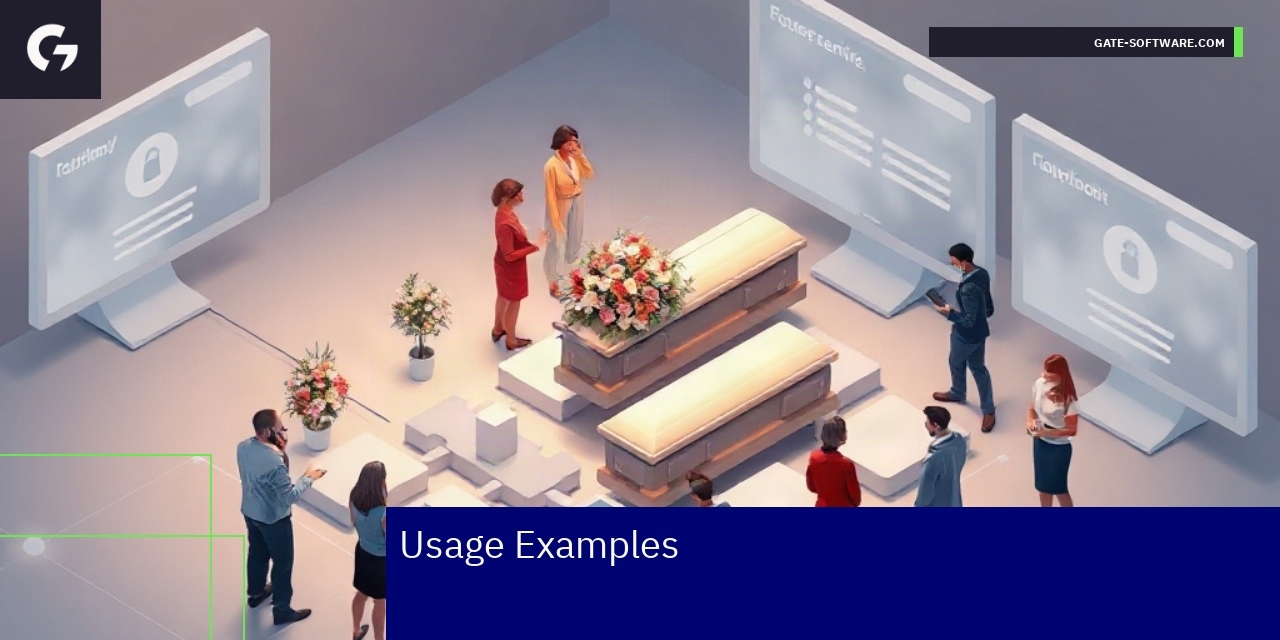
Thoughtful presentations of funeral service offerings are essential in addressing the sensitivities and unique needs of clients during difficult times. In the context of Hyva solutions, these presentations can be structured to highlight operational efficiencies and customization options that resonate with both service providers and their customers. For instance, demonstrating how Hyva’s modular architecture enables funeral homes to seamlessly integrate different service components—such as casket selections, memorial arrangements, and transport logistics—can improve scalability and performance in service delivery.
Another effective usage example involves showcasing Hyva’s capability to support digital touchpoints, such as online memorial pages or digital guestbooks, enhancing engagement without increasing operational burdens. Detailed presentations should also emphasize how Hyva’s framework supports reliable data handling and security, vital for maintaining client trust when managing sensitive personal information.
By adopting an expert tone, presentations can address real-world business challenges faced by funeral service providers, focusing on strategies to optimize workflows and ensure consistent service quality. Such thoughtful presentations use Hyva’s adaptable technology as a platform to strategically improve client experiences and operational outcomes in funeral service management.

Theme for Jewelry Stores
Jewelry aesthetics play a pivotal role in defining the overall appeal and brand identity of jewelry stores. It encompasses the visual design elements that reflect the essence of the store’s offerings, such as the choice of colors, textures, lighting, and display arrangements that highlight the brilliance and craftsmanship of the jewelry pieces. Effective aesthetics not only attract customers but also enhance their shopping experience by creating an inviting and luxurious ambiance.
Personalization options have increasingly become a key differentiator in jewelry retail. Offering customizable products—such as engraving, choice of metals, gemstone selections, and bespoke designs—caters to the unique preferences and emotional connections of customers. This customization capability, when integrated seamlessly into the store’s digital and physical interfaces, boosts customer engagement and loyalty, while also driving operational efficiency through modular product architectures.
Usage examples illustrate how thematic design and personalization converge in practice. For instance, a store may use thematic seasons or cultural motifs as part of its aesthetic theme, complemented by digital tools that allow customers to preview personalized jewelry in real time. Such examples demonstrate the scalability of Hyva-powered platforms in delivering both visually compelling and highly adaptable shopping experiences, ultimately optimizing performance and enhancing customer satisfaction in a competitive market.

Jewelry Aesthetics
Design quality plays a critical role in shaping brand perception within jewelry stores. High-quality design reflects craftsmanship, attention to detail, and a strong brand identity, all of which contribute to customer trust and perceived value. When a jewelry store presents pieces with superior aesthetics—harmoniously balanced proportions, innovative yet timeless designs, and impeccable finishing—it signals to customers that the brand prioritizes excellence.
The visual appeal of jewelry influences not only immediate purchase decisions but also long-term brand loyalty. Customers often associate well-designed jewelry with exclusivity and prestige, enhancing the store’s market positioning. Moreover, design quality affects how jewelry is displayed and experienced in the retail environment; thoughtful design complements lighting, showcases, and packaging, reinforcing a cohesive brand narrative.
For senior stakeholders, prioritizing design quality entails investing in skilled designers, adopting advanced design technologies, and maintaining rigorous quality control processes. These strategic decisions impact operational efficiency, as well-designed collections reduce returns and increase customer satisfaction. Additionally, the scalability of design approaches—modular design elements or signature styles—allows brands to maintain consistency while expanding offerings, preserving the brand’s distinctive aesthetic in diverse markets.
Ultimately, emphasizing design quality establishes a meaningful emotional connection with customers, transforming jewelry from mere products into symbols of identity and personal expression that bolster the brand’s reputation and business growth.
Personalization Options
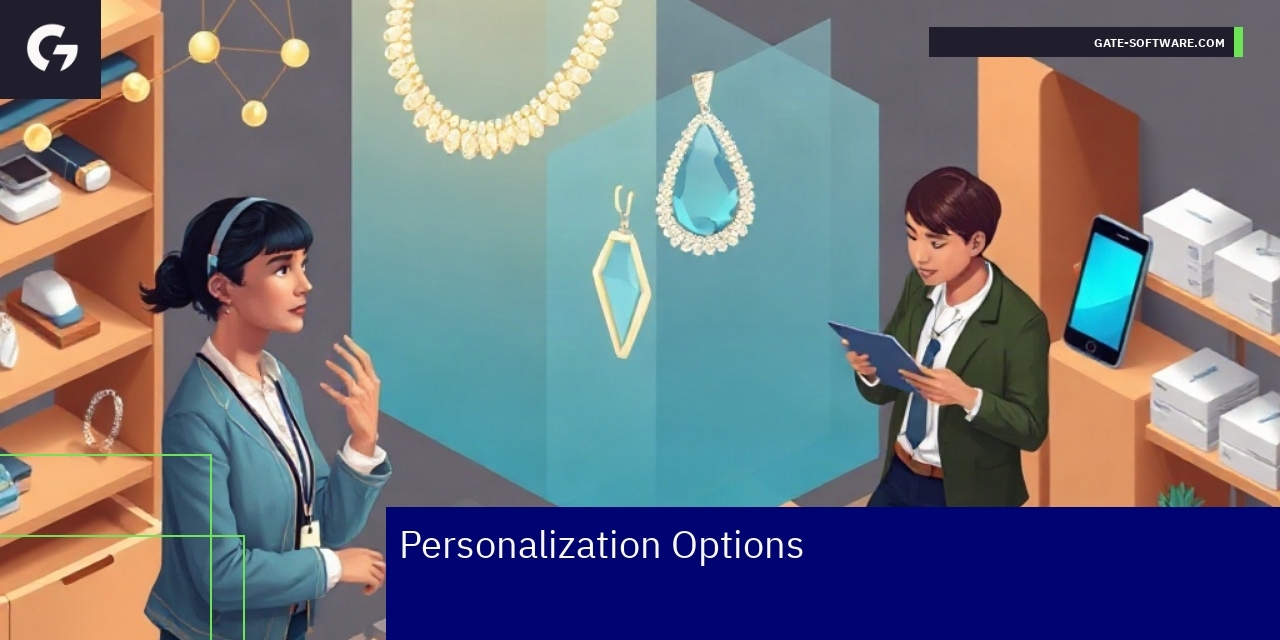
Customizing themes to fit individual jewelry brands is a critical aspect of delivering a tailored eCommerce experience that aligns with the unique identity and values of each brand. Personalization options within Hyva enable businesses to adapt the visual presentation and user interface in ways that resonate with their specific audience, which is essential in the competitive jewelry market.
From a technical architecture perspective, theme customization involves flexible and modular design frameworks that allow for the modification of color schemes, typography, layout structures, and interactive elements without compromising site performance. This approach ensures scalability, enabling brands to iterate quickly and efficiently on design changes or seasonal campaigns while maintaining operational efficiency.
Furthermore, these customization capabilities facilitate brand storytelling through cohesive visual narratives that support product differentiation. Ensuring that customizable themes incorporate responsive design principles is vital, as jewelry brands often reach customers via multiple device types. The ability to personalize themes at this granular level helps maintain a consistent brand experience, reinforces brand identity, and ultimately drives customer engagement and conversion.
Given the importance of technical scalability, the customization framework should support easy integration with other eCommerce functions such as catalog management, customer segmentation, and personalized marketing tools. This integration enhances the overall user experience by ensuring that theme personalization complements broader business objectives like customer retention and sales optimization.
Usage Examples
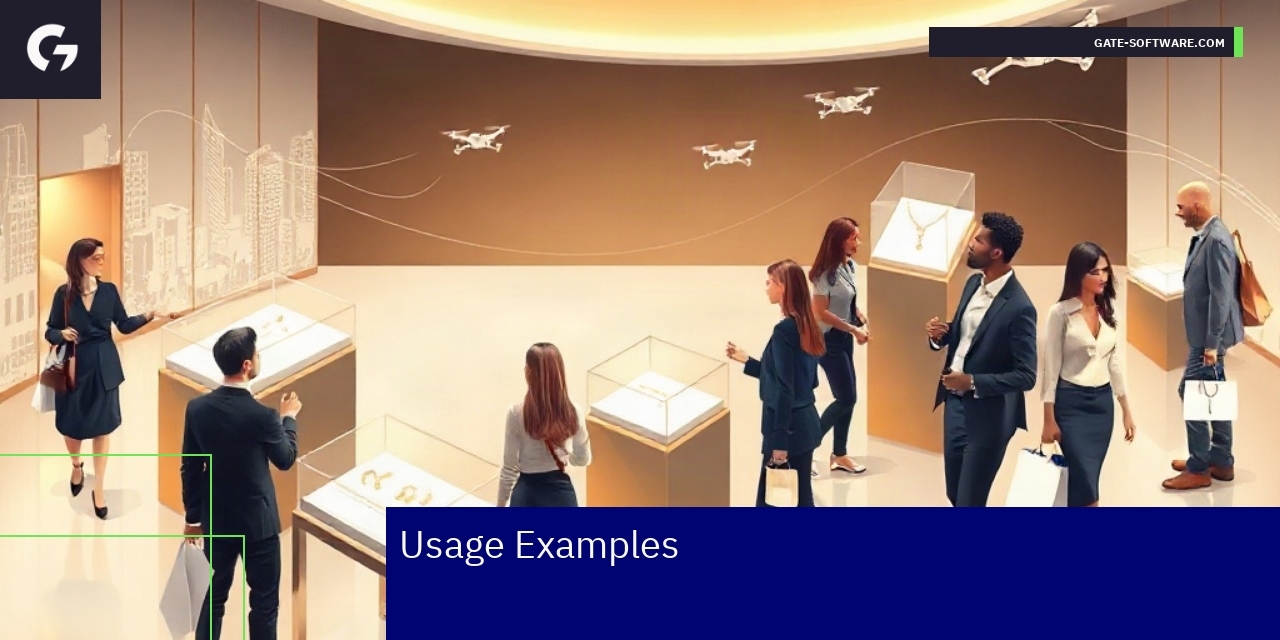
Effective showcasing of jewelry collections with Hyva involves leveraging its modern, performance-oriented frontend capabilities to create visually appealing and highly responsive user experiences. Hyva’s architecture supports streamlined customization and fast loading times, which are critical for displaying intricate jewelry designs with high-quality images and detailed descriptions. This setup not only enhances the aesthetic appeal but also ensures smooth navigation across different product categories and collections.
From a technical perspective, Hyva facilitates integration with Magento’s backend while reducing the complexity typically associated with frontend development. This enables quicker deployment and easier scalability for online jewelry stores aiming to expand their catalogs or introduce personalized collections. The framework also supports dynamic content rendering, which is advantageous for showcasing limited edition or seasonal jewelry pieces by allowing real-time updates without significant redevelopment overhead.
Operationally, using Hyva can improve conversion rates by delivering an engaging and seamless shopping experience. High performance and intuitive user interfaces help maintain customer attention and reduce bounce rates, essential factors when presenting luxury jewelry products that demand careful consideration. Additionally, Hyva’s lightweight design minimizes resource consumption, allowing for efficient hosting and better handling of peak traffic during promotions or new collection launches.

Theme for Lingerie Shops
The theme for lingerie shops focuses on a delicate balance between style and aesthetics, social media integration, and practical usage examples to optimize both customer engagement and operational efficiency.
Style and aesthetics in lingerie shops must convey elegance, sensuality, and comfort through visual design elements such as color palettes, lighting, and display arrangements. These elements should align with the brand identity and create an inviting atmosphere that appeals to the target demographic. High-quality images and detailed product descriptions emphasizing fabric texture, fit, and design intricacies can enhance customer trust and decision-making.
Social media integration plays a critical role in amplifying brand presence and driving sales. Effective incorporation of social platforms involves curated content, influencer collaborations, and seamless sharing options. Embedding social feeds, user-generated content, and real-time customer reviews within the online store can foster community and authenticity, which are pivotal for lingerie brands seeking to build long-term customer relationships.
Usage examples illustrate how a well-executed theme translates into tangible business outcomes. For instance, thematic campaigns around seasonal trends or special occasions can boost engagement. Operationally, themes support inventory presentation strategies, optimizing product arrangement to highlight bestsellers and new arrivals. Leveraging analytics to tailor themes dynamically enhances scalability and performance, ensuring that digital and physical touchpoints remain aligned and relevant to evolving consumer expectations.
By focusing on these pillars, lingerie shops can create a cohesive experience that not only attracts discerning customers but also supports efficient management and growth strategies.

Summary
In exploring Hyva’s integration with Magento 2, it’s evident that adopting this modern solution can bring substantial benefits to eCommerce platforms. Hyva emphasizes enhanced performance through streamlined frontend architecture, enabling faster page loads and improved user experiences which are crucial in today’s fast-paced digital market. Its modular design simplifies development processes, allowing technical teams to rapidly deploy new features without sacrificing operational efficiency. The integration capabilities of Hyva ensure that businesses can easily adapt their eCommerce solutions to meet evolving market demands, providing both the flexibility and scalability needed for growth. By aligning technical architecture with strategic business objectives, Hyva serves as a powerful enabler for decision-makers aiming to enhance their eCommerce operations. In conclusion, organizations looking to improve performance, reduce complexity, and position themselves effectively for future growth should seriously consider implementing Hyva in their Magento 2 ecosystems.

Social Media Integration
Leveraging social media within Magento 2 templates, especially when using Hyva, significantly enhances visibility and engagement for eCommerce businesses. Hyva’s frontend architecture is designed with simplicity and performance in mind, enabling smoother integration with third-party systems including social media platforms.
Integrating social media in Magento 2 through Hyva templates involves embedding social sharing buttons, social feeds, and login functionalities directly into the user interface. This facilitates seamless customer interaction by encouraging sharing of products and promotions, thereby increasing organic reach without compromising page load speed, which is crucial for SEO and user experience.
From a technical standpoint, Hyva uses modern frontend technologies that make it easier to integrate social media APIs efficiently. Developers can embed JSON-LD metadata for social media previews, implement Open Graph tags, and optimize for correct social media crawling. Additionally, Hyva’s modular structure allows for scalable customization of social integrations, supporting future additions of new platforms or features without major architectural changes.
Operationally, embedding social media elements in templates empowers the marketing teams to run campaigns that leverage user-generated content and social proof. This enhances brand credibility and can drive higher conversion rates. Furthermore, the hybrid approach of Hyva blends Magento’s backend robustness with frontend agility, ensuring that social media driven traffic does not impact site stability or performance.
In conclusion, leveraging social media within Magento 2 templates using Hyva is a strategic move for increasing brand visibility and customer engagement while maintaining operational efficiency and scalability. The framework’s architecture accommodates comprehensive social media integration without sacrificing speed or user experience, making it suitable for dynamic eCommerce environments.
Usage Examples
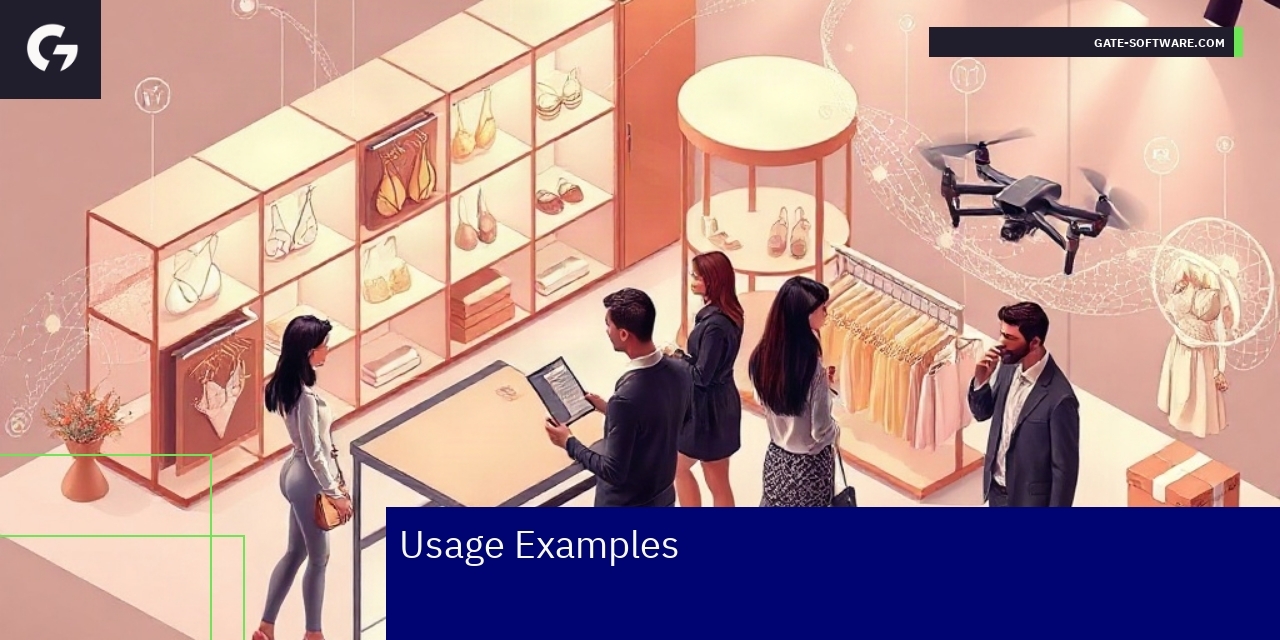
In the context of Hyva and enhancing lingerie shop offerings, presentation techniques play a crucial role in elevating the customer experience and driving operational efficiency. Employing advanced presentation methods within eCommerce platforms tailored by Hyva can significantly impact how lingerie products are showcased, impacting both conversion rates and customer satisfaction.
Key presentation techniques involve utilizing clean, minimalist design templates optimized for fast loading and smooth navigation, which are essential for Hyva’s frontend approach. This ensures that lingerie products are displayed with high-quality images and detailed descriptions that appeal to discerning shoppers. Additionally, Hyva’s modular architecture facilitates the integration of interactive elements such as zoom features, 360-degree views, and dynamic size guides, providing an immersive shopping experience that reduces uncertainty and return rates.
From a technical standpoint, these presentation enhancements require careful attention to performance optimization and scalability. Hyva’s framework supports these needs through efficient caching strategies and asynchronous content loading, ensuring that even extensive lingerie catalogs can be presented seamlessly. Furthermore, operational efficiency is heightened by enabling store managers to update content effortlessly through a user-friendly interface, maintaining fresh and persuasive product displays.
In summary, leveraging Hyva’s presentation techniques in lingerie shops involves a blend of strategic design, technical robustness, and operational agility, all of which contribute to an enhanced customer journey and improved business outcomes.
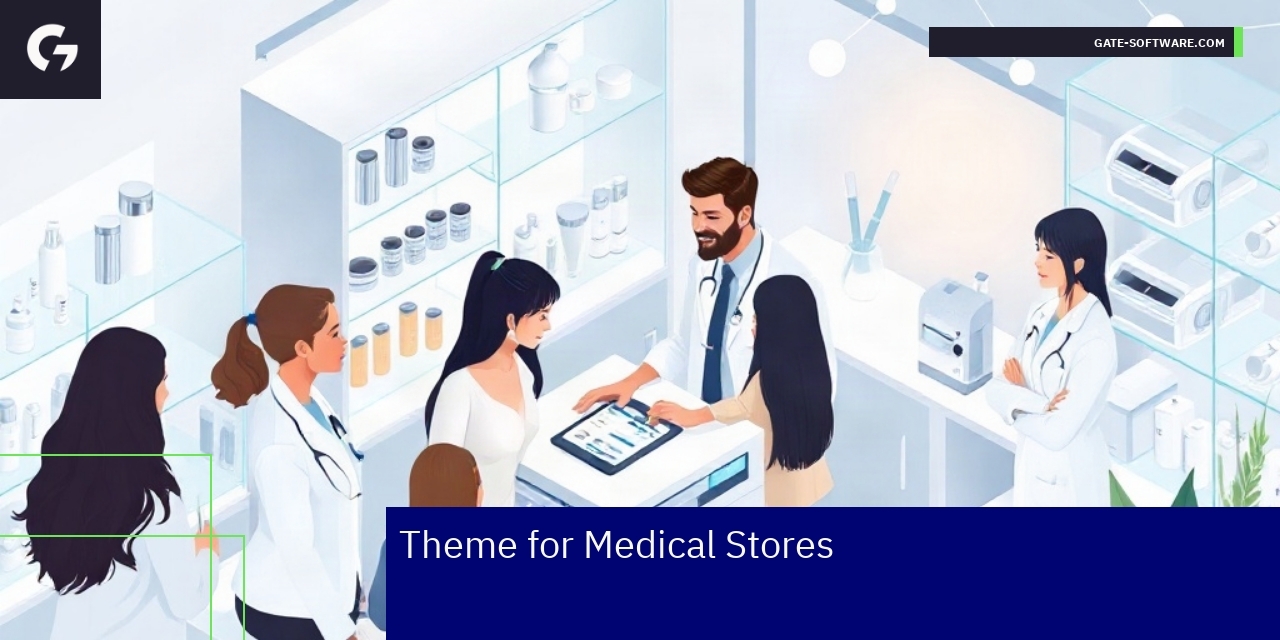
Theme for Medical Stores
Hyva offers a robust and scalable solution tailored to the needs of medical stores, particularly within the realm of medical aesthetics. Its architecture supports the integration of complex functionalities that medical stores require to manage their operations efficiently while ensuring compliance with industry standards.
In the context of medical aesthetics, the platform facilitates streamlined management of products and services, which often include skincare treatments, cosmetic procedures, and specialized medical devices. Hyva enables seamless cataloging, inventory management, and real-time updates, ensuring medical stores can maintain accurate records of high-value items and sensitive products.
The functionalities supported by Hyva include advanced search capabilities, flexible filtering options, and user-friendly interfaces designed to enhance customer engagement and operational workflows. Its performance-oriented design guarantees fast load times and a responsive experience, which are critical when serving both medical professionals and consumers.
Usage examples of Hyva in medical stores highlight its adaptability in handling diverse product ranges and complex order processes. Medical aesthetics clinics and stores use Hyva to integrate eCommerce with in-store services, facilitating appointment bookings alongside product sales. Furthermore, Hyva supports multilingual and multi-currency setups, catering to a global customer base, which is essential for medical aesthetics businesses operating in multiple regions.
Overall, Hyva equips medical stores with the technical architecture required for operational efficiency, scalability, and a seamless customer experience in the specialized field of medical aesthetics.

Medical Aesthetics
In the context of medical aesthetics, building customer trust in healthcare stores is paramount, especially through a carefully considered design approach. A design that fosters trust should prioritize clarity, transparency, and professionalism, offering users an intuitive and reassuring experience. Elements such as clean layouts, clear product information, verified customer reviews, and easy access to expert advice contribute significantly to customer confidence.
A strategic design approach incorporates evidence-based information and compliance with healthcare regulations visibly within the user interface. Ensuring the security and privacy of sensitive medical and personal data through transparent privacy policies and secure transaction processes also bolsters trustworthiness. The integration of professional certifications, expert endorsements, and detailed product descriptions reflecting clinical efficacy and safety standards can further elevate consumer confidence.
Operationally, seamless navigation and accessible customer support play critical roles, allowing customers to make informed decisions swiftly and securely. From a technical standpoint, the platform’s performance and scalability must handle sensitive healthcare transactions without compromising speed or reliability. This approach not only supports operational efficiency but also sustains long-term customer loyalty in a highly regulated and trust-dependent industry sector such as medical aesthetics.

Functionalities
Hyva offers a suite of functionalities specifically tailored for the sales of medical products, addressing the unique requirements and compliance standards of the healthcare sector. The platform integrates key features designed to enhance operational efficiency, ensure regulatory adherence, and support scalable growth in a medical product sales environment.
The system provides advanced inventory management capabilities that allow precise tracking of medical products, ensuring that stock levels meet demand without overstocking or shortages. This is critical in maintaining product availability while managing costs effectively. Furthermore, Hyva supports detailed product cataloging with attributes specific to medical items, such as batch numbers, expiration dates, and certification statuses, facilitating stringent quality control and traceability.
Order processing and fulfillment workflows in Hyva are optimized for the complexities of medical product distribution, including controlled substances and temperature-sensitive items. The platform supports integration with logistics providers offering specialized delivery services, ensuring compliance with health and safety regulations throughout the supply chain.
From a technical architecture perspective, Hyva’s modular design allows for seamless integration with existing enterprise resource planning (ERP) and customer relationship management (CRM) systems, enabling data consistency and streamlined operations across departments. Scalability is embedded in its infrastructure, supporting growing product lines and an expanding client base without performance degradation.
Data security and compliance are prioritized, with features that help maintain HIPAA compliance and other relevant medical regulations, safeguarding sensitive customer and product data. Additionally, comprehensive analytics and reporting tools provide actionable insights into sales performance, inventory cycles, and market trends, empowering strategic decision-making.
Overall, Hyva’s functionalities for medical product sales address real-world business challenges, ensuring operational excellence, compliance, and scalability within the healthcare industry’s sales ecosystem.

Usage Examples
In the context of Hyva, usage examples emphasize the clear presentation of medical products and services to enhance user experience and streamline operational efficiency. Hyva’s architecture supports seamless integration within diverse eCommerce environments, ensuring that medical products are displayed with accuracy and clarity, which is critical for informed decision-making by healthcare professionals and consumers.
The platform’s technical design facilitates scalable product catalogs, allowing for a structured visualization of detailed medical product attributes, including technical specifications, regulatory information, and usage guidelines. This structured approach improves navigability and search functionality, enabling users to find relevant medical products quickly and reliably.
Operationally, Hyva supports optimized service workflows by presenting clear service options related to medical products, such as installation, maintenance, and consultation services. This clarity reduces friction in the customer journey and improves conversion rates by providing transparent, accessible information.
Through performance-optimized interfaces and a modular frontend architecture, Hyva delivers consistent high-speed experiences that accommodate large product inventories without sacrificing responsiveness. This scalability is essential for enterprises managing extensive medical product portfolios.
Overall, Hyva’s usage in presenting medical products and services clearly addresses key business challenges of maintaining accuracy, enhancing user trust, and ensuring operational scalability in digital healthcare marketplaces.

Theme for Gift Shops
Gift shops thrive on creating an appealing atmosphere that enhances the overall gift-giving experience. Understanding and implementing the right gift aesthetics is crucial for attracting customers and encouraging purchases. This involves thoughtful curation of product displays, color schemes, and packaging designs that resonate with the emotional and cultural nuances of gift-giving. For instance, incorporating seasonal motifs or trending styles can significantly elevate the visual appeal and relevance of the offerings.
Personalization options are a powerful tool for differentiation and customer engagement in gift shops. Offering customizable products or services—such as monogramming, bespoke packaging, or tailored gift recommendations—can enhance perceived value and foster deeper customer connections. These options require efficient operational workflows and scalable technology solutions to manage customization requests without compromising turnaround times or quality.
Usage examples illustrate practical applications of themes and personalization in gift shops. For example, integrating interactive kiosks or online configurators enables customers to visualize and create their personalized gifts seamlessly. Additionally, leveraging data insights allows shops to curate themed collections based on customer preferences and market trends, optimizing inventory and maximizing sales opportunities. These implementations underscore the importance of strategic alignment between customer experience, technical architecture, and operational efficiency in successful gift shop management.

Gift Aesthetics
In the context of gift shops, design plays a pivotal role in shaping brand perception, directly influencing customer engagement and loyalty. The aesthetics of a gift shop encompass various elements such as store layout, product presentation, packaging design, and the overall visual identity. These factors collectively create an immersive experience that resonates with consumers on both emotional and cognitive levels.
From a strategic standpoint, design influences operational efficiency by guiding customer flow and optimizing space utilization, thereby enhancing the shopping experience without compromising scalability. Thoughtful product placement and visually appealing displays can accelerate decision-making processes for customers, reducing friction and improving sales conversion rates.
Moreover, packaging design within gift shops is a critical touchpoint that extends the brand narrative beyond the point of purchase. It requires a careful balance between aesthetic appeal and functional considerations such as durability and ease of handling, which impact logistics and supply chain performance.
Technically, design choices must align with the brand’s digital presence to maintain consistency across channels. This includes ensuring that the visual elements used in physical stores are reflected in eCommerce platforms, thereby supporting scalable omnichannel strategies.
Overall, gift aesthetics is not merely about making spaces attractive but strategically crafting an environment and product presentation that reinforce brand values, optimize operational workflows, and support long-term business growth within the competitive retail landscape.

Personalization Options
Adapting themes to create unique gift shop identities involves a combination of design flexibility, tailored user experiences, and technical customization capabilities. Hyva, as a front-end solution, supports this by providing a modular and extensible architecture that enables developers and businesses to personalize themes effectively.
Key ways to adapt themes include:
1. Customizable Layouts and Components: Hyva allows for modular components that can be rearranged and styled to match the distinct branding and style guidelines of the gift shop. This modularity supports quick adaptation without the need for a full redesign.
2. Theming and Styling Flexibility: Utilizing CSS and modern styling technologies within Hyva, themes can be customized at a granular level to incorporate unique color schemes, typography, and iconography that reflect the shop’s identity.
3. Integration of Dynamic Content: Personalization goes beyond visuals. By integrating dynamic content blocks, such as featured products, seasonal promotions, or personalized recommendations, the theme adapts to the shop’s offerings and target audience.
4. Performance Optimization: Tailored themes need to maintain high performance to ensure smooth user experience. Hyva’s lightweight and optimized frontend ensures that personalization efforts do not compromise site speed and scalability.
5. Scalability for Growth: The architecture supports evolving personalization, allowing gift shops to scale their theme adaptations as their identity and market needs grow.
6. Enhanced User Experience: Custom features like personalized navigation, search filters aligned with the shop’s inventory, and localized content enhance the shopping experience and reinforce the brand identity.
These customization options enable gift shops to differentiate themselves in competitive markets, blending unique design and functional personalization seamlessly within Hyva’s framework. This strategic adaptation ensures operational efficiency, scalability, and enhanced customer engagement.

Usage Examples
The usage of Hyva in creating an attractive presentation of gift assortments is strategic and impactful, especially in eCommerce environments. Hyva’s front-end technology enhances the visual appeal and functional interaction of gift product displays, directly affecting customer engagement and conversion rates.
An attractive presentation of gift assortments requires seamless integration between backend data structures and frontend user experience. Hyva supports this by providing modular and flexible UI components that can be customized to highlight the uniqueness of each gift product. This includes dynamic image galleries, hover effects, and quick-view options that allow customers to explore gift assortments without navigating away from the main collection page.
Operational efficiency is improved as Hyva’s architecture permits lightweight, fast-loading pages, which are essential for retaining users browsing gift options. Scalability is another key factor; as gift assortments may vary seasonally or by campaign, Hyva enables rapid updates and adjustments without compromising performance.
Additionally, Hyva’s compatibility with various product attribute filters allows customers to refine gift assortments by occasion, price, or recipient type, further enhancing the attractiveness of the presentation through personalized shopping experiences.
From a technical perspective, the performance optimization and responsive design features in Hyva ensure that the attractive presentation of gift assortments is accessible and visually consistent across multiple devices, which is crucial in today’s multi-channel retail strategies.
In summary, leveraging Hyva for the attractive presentation of gift assortments addresses key business needs by improving customer engagement, achieving operational agility, and supporting scalable eCommerce growth.

Theme for Electric Vehicle Parts
The theme for electric vehicle parts focuses on integrating style and aesthetics with advanced functionality, meeting the high standards required for EV components within modern automotive design. Style and aesthetics play a crucial role, as these parts not only contribute to vehicle performance but also to the overall visual appeal and brand identity in the competitive EV market. This involves using cutting-edge materials, sleek designs, and finishes that align with consumer expectations for sustainable and innovative technology.
Social media integration is another critical element in promoting and enhancing the visibility of electric vehicle parts. Leveraging platforms to showcase design innovations, demonstrate part usability, and engage with both B2B and B2C audiences helps stimulate interest, build trust, and accelerate adoption. Sharing usage examples, testimonials, and educational content on social channels provides practical insights and reinforces brand credibility.
Usage examples highlight the practical application of electric vehicle parts in real-world scenarios, demonstrating their reliability, efficiency, and compatibility within diverse EV models. These examples help stakeholders understand operational efficiencies and technical implications, as well as scalability potential, supporting strategic decisions in product development, supply chain management, and aftermarket services. Combining style, digital engagement, and functional use cases optimizes the impact and success of electric vehicle parts in evolving markets.
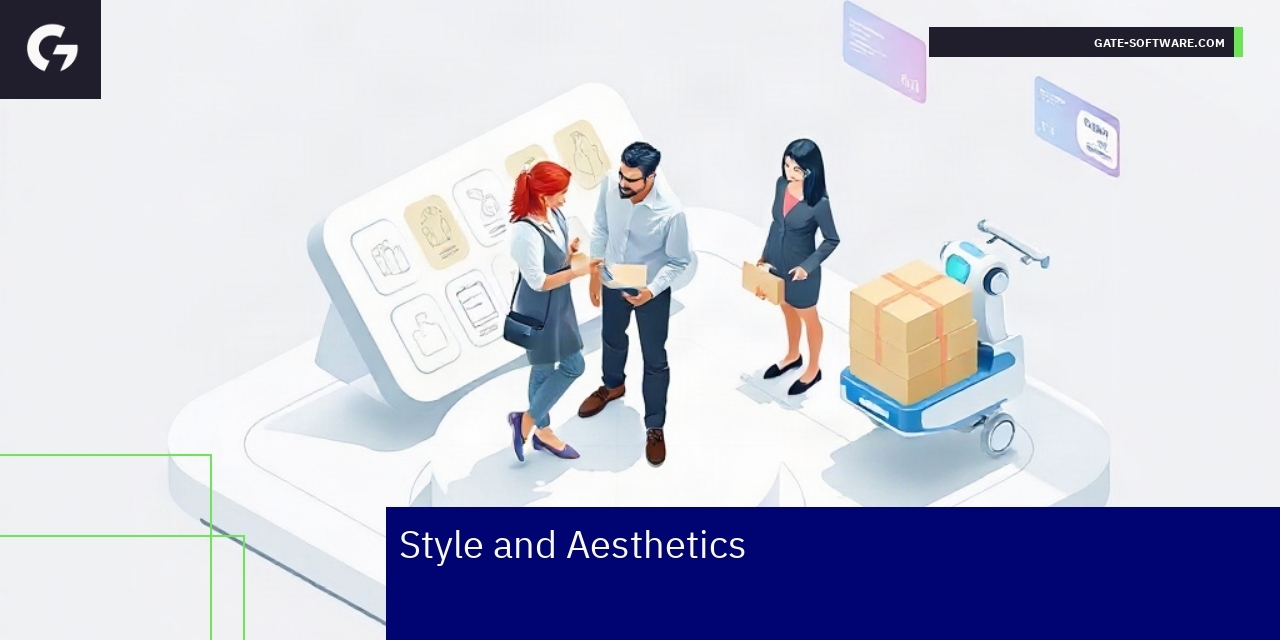
FAQ
How does Hyva enhance the performance of Magento 2 eCommerce platforms?
Hyva enhances performance by focusing on a lightweight, modern frontend architecture that reduces development complexity, leading to faster page loads and smoother user interactions. Its modular components improve scalability and responsiveness under varying loads.
What are the benefits of using product options templates in Magento 2?
Product options templates allow for streamlined and consistent application of configurable attributes across multiple products, reducing manual input errors and improving operational efficiency when managing extensive product catalogs.
Why is it important to monitor user activity in Magento 2?
Monitoring user activity is crucial for maintaining security and operational efficiency, as it helps detect potential security breaches, unauthorized access, and fosters compliance through detailed logging and monitoring of user interactions.
What role does user management play in Magento 2?
User management is essential for controlling access to the platform, enabling granular permissions for different roles, which helps in protecting sensitive information and improving operational workflows by allowing appropriate access to authorized personnel.
How can companies ensure effective product categorization in Magento 2?
Companies can ensure effective product categorization by logically grouping products based on attributes such as type and use cases, utilizing both advanced product options for unique specifications and product option templates for consistency, aligning with customer behavior insights.

Social Media Integration
In the context of Hyva and the marketing of electric vehicle parts, social media integration plays a pivotal role in reaching and engaging target audiences effectively. Social platforms serve not only as channels for brand awareness but also as vital tools for customer education and community building around electric vehicle technologies. The dynamic nature of social media allows for real-time interaction, fostering trust and loyalty among consumers and industry stakeholders.
Leveraging social media in this niche requires a strategic approach that emphasizes the technical sophistication and performance benefits of electric vehicle parts. Content should highlight innovations, product reliability, and compatibility with existing technologies to address the informed needs of decision-makers such as CTOs and engineers. Additionally, social media campaigns can maximize operational efficiency by driving targeted traffic to eCommerce platforms and reducing the sales cycle through direct engagement and feedback loops.
From an architectural perspective, integration with social media APIs must be optimized for scalability and performance, ensuring seamless user experiences and robust data analytics capabilities. This enables businesses to refine their marketing strategies continuously based on user behavior and preferences, ultimately enhancing the ROI of social media initiatives within the electric vehicle parts market.

Usage Examples
Effective product displays using Hyva showcase how this technology enhances the presentation and performance of eCommerce platforms. Hyva’s approach focuses on streamlined front-end development, which directly contributes to faster page loads and highly responsive user interfaces. This is crucial when demonstrating products as it ensures that customers experience smooth navigation and quick access to detailed product information.
By leveraging Hyva, organizations can create flexible and visually engaging product display layouts that cater to diverse catalogs. This flexibility allows for prioritized showcasing of bestsellers, promotions, or personalized product recommendations. The architecture supports easy customization, enabling businesses to tailor displays according to their brand and operational strategies without compromising on speed or scalability.
Moreover, Hyva’s modern coding practices reduce the complexity traditionally associated with Magento front-end systems, resulting in faster development cycles and easier implementation of innovative display features. This operational efficiency helps teams quickly iterate on product presentation tactics and adapt to market demands.
In summary, the effective product displays enabled by Hyva deliver a superior customer experience through technical optimization, design flexibility, and improved performance, addressing key real-world business needs in eCommerce environments.
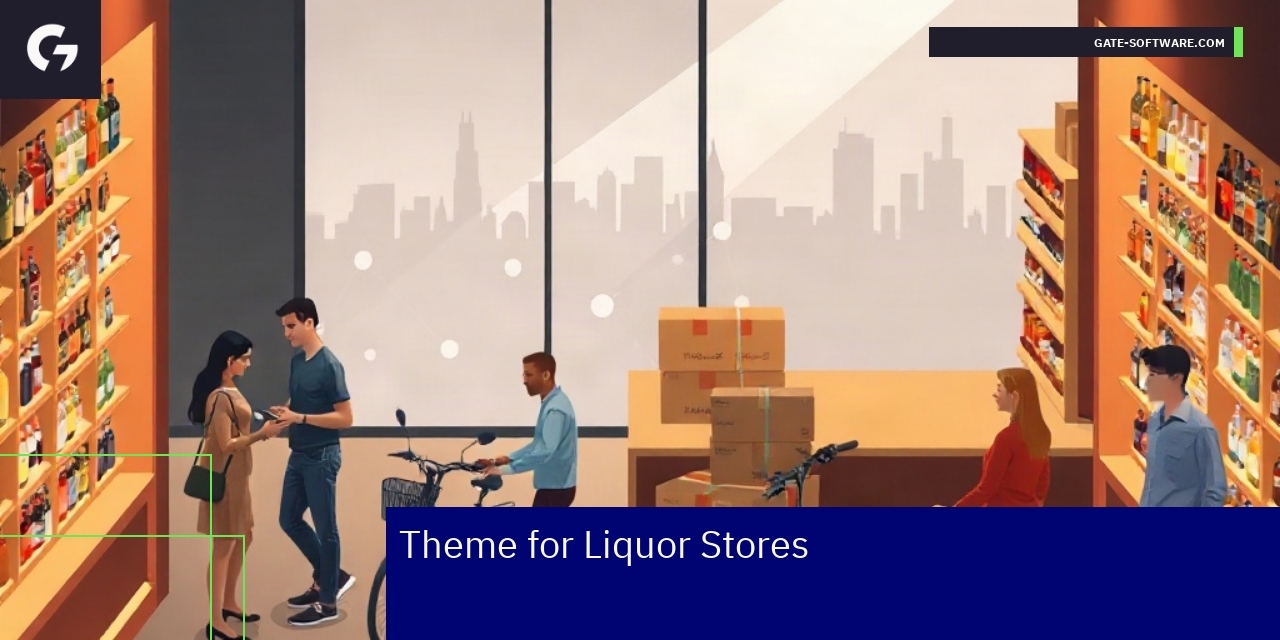
Theme for Liquor Stores
Designing an effective theme for liquor stores involves a careful balance between aesthetics, functionality, and practical usage to optimize customer experience and operational efficiency.
Liquor store aesthetics should harmonize the brand identity with customer expectations, emphasizing a clean, organized, and visually appealing layout. This includes the use of appropriate lighting to enhance product visibility and create an inviting atmosphere, along with the selection of materials and colors that convey sophistication and trustworthiness. Strategic shelving and display units must not only showcase a broad variety of products but also facilitate easy navigation and product discovery for shoppers.
Functionalities in a liquor store theme must support complex inventory management needs, such as age verification systems, compliance with legal regulations, and robust point-of-sale (POS) integration. This includes features like secure access controls, real-time stock tracking, and dynamic pricing strategies. The theme should also enable seamless integration with e-commerce platforms for hybrid shopping models, allowing customers to browse and order online with in-store pickup or delivery options.
Usage examples can range from boutique liquor shops focusing on rare and premium selections to large-scale retail chains emphasizing volume and variety. For boutique stores, the theme may highlight curated collections with detailed product descriptions and storytelling elements. For bigger stores, the focus shifts to efficient categorization, quick search functionalities, and personalized recommendations based on purchasing behavior. In all cases, the theme must ensure scalability to accommodate seasonal promotions, new product launches, and evolving compliance requirements, thereby supporting long-term business growth and operational resilience.
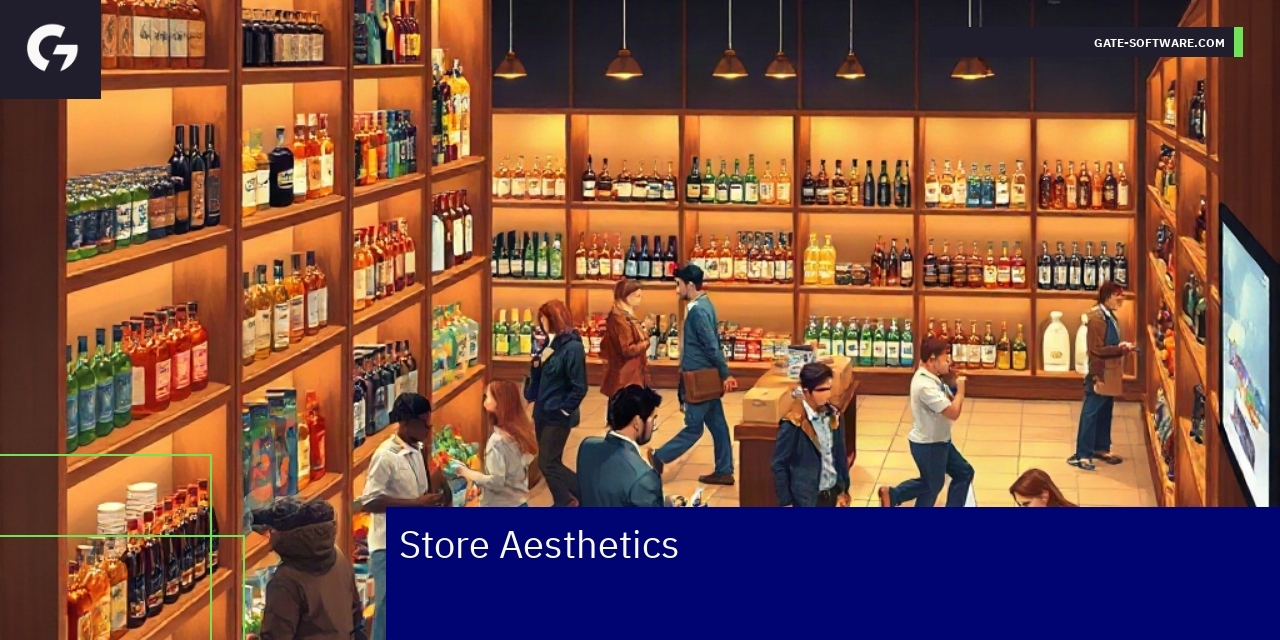
Style and Aesthetics
In high-tech sectors, aesthetic elements play a critical role in attracting and retaining customers. These elements are not merely about visual appeal but also about conveying sophistication, innovation, and trustworthiness—key values customers seek in technology solutions.
Key aesthetic components include clean and minimalist design, which facilitates user focus on core functionalities without distraction. High-tech customers often value interfaces that mirror the complexity of underlying technology in a simplified, intuitive manner. This requires a balanced approach to color schemes, typography, and spacing that emphasize clarity and funnel attention toward essential elements.
Use of high-quality visuals, including icons, illustrations, and product imagery, helps communicate the cutting-edge nature of the offering. These visuals must be consistent with the brand’s technical identity and demonstrate precision and reliability.
Functional aesthetics also matter—responsive design, fast loading times, and smooth interactions are crucial. They provide tangible evidence of the technological sophistication that customers expect. For example, subtle animations and transitions can enhance usability without detracting from performance or overwhelming the user.
Incorporating these aesthetic principles strategically supports operational efficiency by reducing cognitive load on users and streamlines conversion paths in digital environments. Furthermore, well-executed style and design directly contribute to scalability by enabling easier updates, modularity in UI components, and adaptability across devices and use cases.
By aligning aesthetic elements with the specific expectations and technical requirements of high-tech sectors, companies enhance engagement, foster customer trust, and drive business performance in a competitive digital landscape.
Aesthetics
Social Media Integration
In the context of Hyva and the marketing of electric vehicle parts, social media integration plays a pivotal role in reaching and engaging target audiences effectively. Social platforms serve not only as channels for brand awareness but also as vital tools for customer education and community building around electric vehicle technologies. The dynamic nature of social media allows for real-time interaction, fostering trust and loyalty among consumers and industry stakeholders.
Leveraging social media in this niche requires a strategic approach that emphasizes the technical sophistication and performance benefits of electric vehicle parts. Content should highlight innovations, product reliability, and compatibility with existing technologies to address the informed needs of decision-makers such as CTOs and engineers. Additionally, social media campaigns can maximize operational efficiency by driving targeted traffic to eCommerce platforms and reducing the sales cycle through direct engagement and feedback loops.
From an architectural perspective, integration with social media APIs must be optimized for scalability and performance, ensuring seamless user experiences and robust data analytics capabilities. This enables businesses to refine their marketing strategies continuously based on user behavior and preferences, ultimately enhancing the ROI of social media initiatives within the electric vehicle parts market.
Usage Examples
Effective product displays using Hyva showcase how this technology enhances the presentation and performance of eCommerce platforms. Hyva’s approach focuses on streamlined front-end development, which directly contributes to faster page loads and highly responsive user interfaces. This is crucial when demonstrating products as it ensures that customers experience smooth navigation and quick access to detailed product information.
By leveraging Hyva, organizations can create flexible and visually engaging product display layouts that cater to diverse catalogs. This flexibility allows for prioritized showcasing of bestsellers, promotions, or personalized product recommendations. The architecture supports easy customization, enabling businesses to tailor displays according to their brand and operational strategies without compromising on speed or scalability.
Moreover, Hyva’s modern coding practices reduce the complexity traditionally associated with Magento front-end systems, resulting in faster development cycles and easier implementation of innovative display features. This operational efficiency helps teams quickly iterate on product presentation tactics and adapt to market demands.
In summary, the effective product displays enabled by Hyva deliver a superior customer experience through technical optimization, design flexibility, and improved performance, addressing key real-world business needs in eCommerce environments.
Theme for Liquor Stores
Designing an effective theme for liquor stores involves a careful balance between aesthetics, functionality, and practical usage to optimize customer experience and operational efficiency.
Liquor store aesthetics should harmonize the brand identity with customer expectations, emphasizing a clean, organized, and visually appealing layout. This includes the use of appropriate lighting to enhance product visibility and create an inviting atmosphere, along with the selection of materials and colors that convey sophistication and trustworthiness. Strategic shelving and display units must not only showcase a broad variety of products but also facilitate easy navigation and product discovery for shoppers.
Functionalities in a liquor store theme must support complex inventory management needs, such as age verification systems, compliance with legal regulations, and robust point-of-sale (POS) integration. This includes features like secure access controls, real-time stock tracking, and dynamic pricing strategies. The theme should also enable seamless integration with e-commerce platforms for hybrid shopping models, allowing customers to browse and order online with in-store pickup or delivery options.
Usage examples can range from boutique liquor shops focusing on rare and premium selections to large-scale retail chains emphasizing volume and variety. For boutique stores, the theme may highlight curated collections with detailed product descriptions and storytelling elements. For bigger stores, the focus shifts to efficient categorization, quick search functionalities, and personalized recommendations based on purchasing behavior. In all cases, the theme must ensure scalability to accommodate seasonal promotions, new product launches, and evolving compliance requirements, thereby supporting long-term business growth and operational resilience.
Store Aesthetics
In the context of liquor retail, store aesthetics play a pivotal role in attracting and retaining customers. The design of a liquor store influences customer behavior by shaping their perception of the brand and creating an inviting shopping environment. Key elements such as lighting, layout, color schemes, and visual merchandising are integral to this effect.
Effective lighting can highlight premium products and create an ambiance that encourages longer browsing. A well-thought-out layout improves navigation and product discovery, reducing friction and enhancing the shopping experience. Color schemes aligned with brand values and targeted customer preferences can evoke emotional responses that foster loyalty and repeat visits.
Visual merchandising, including attractive shelving and strategic product placement, draws attention to high-margin items and promotional offers, driving sales. Additionally, incorporating elements like comfortable spacing and clear signage contributes to operational efficiency by minimizing customer confusion and bottlenecks.
From a strategic perspective, store aesthetics extend beyond mere decoration; they influence operational flow, scalability in merchandising strategies, and overall performance in customer engagement. Thus, thoughtful design tailored to the liquor retail sector directly contributes to enhanced customer attraction and business growth.
Functionalities
For liquor stores, implementing must-have features revolves around optimizing the customer shopping experience while ensuring operational efficiency and compliance with regulations. Critical functionalities include comprehensive product catalog management that supports a wide range of alcoholic beverages with detailed descriptions, origin information, and age restrictions. Inventory management capabilities are essential to maintain accurate stock levels, including expiration tracking for perishable products like craft beers or specialty liquors.
Point-of-sale (POS) integration must be seamless, supporting age verification systems to comply with legal requirements, as well as flexible payment options, including digital wallets. Additionally, features enabling personalized promotions and loyalty programs are valuable to enhance customer retention and increase sales.
From an eCommerce perspective, the platform should support secure online ordering, with strict compliance checks for legal sales boundaries. Real-time synchronization between online and in-store inventory further ensures accuracy and customer satisfaction.
Data analytics functionalities to monitor sales trends, customer preferences, and inventory turnover are pivotal to drive strategic decisions, optimize supply chain management, and enhance marketing strategies. Lastly, scalability and performance resilience ensure that the system supports business growth without compromise to response times or user experience.
Usage Examples
Effective presentation of alcoholic products is crucial in maximizing customer engagement and sales conversion within eCommerce platforms. Leveraging Hyva’s modular and performance-optimized frontend architecture, businesses can showcase alcoholic beverages with enhanced visual appeal and seamless user experience. By utilizing Hyva’s flexible template system, product images, descriptions, and key attributes such as origin, flavor profile, and pairing suggestions can be displayed dynamically, catering to diverse user preferences and regulatory compliance standards.
Hyva’s architecture supports efficient loading times and responsive design, ensuring that high-resolution images and multimedia content related to alcoholic products perform well across devices, from desktops to mobiles. This is especially important given the premium nature of many alcoholic products, where detailed presentation can influence purchase decisions. Furthermore, Hyva facilitates integration with advanced filtering and search functionalities, enabling consumers to explore products by categories such as type, brand, or alcohol content smoothly.
From a technical perspective, the Hyva system promotes operational efficiency by minimizing frontend complexity and improving content management workflows for product catalog updates. Its scalable architecture ensures consistent performance even during high traffic events, such as product launches or promotional campaigns of alcoholic beverages. In sum, Hyva empowers businesses to present alcoholic products effectively, combining technical robustness with strategic content delivery to drive both customer satisfaction and operational scalability.
Clean Grocery Store Theme
A clean grocery store theme is designed to provide a minimalist, user-friendly shopping experience that emphasizes clarity and ease of navigation. Style and aesthetics play a crucial role, focusing on simple layouts, muted color palettes, and ample white space to create a visually appealing and calming environment for users. This approach reduces cognitive overload, allowing customers to focus on product selections and essential content without distraction.
Social media integration within a clean grocery store theme is typically seamless and unobtrusive. It includes features like embedded social feeds, share buttons, and customer review displays that encourage engagement without cluttering the interface. This connectivity helps boost brand visibility and trust by leveraging user-generated content and real-time interactions across platforms.
Usage examples of clean grocery store themes often feature streamlined product categories, clear call-to-action buttons, and optimized search functionality. These themes suit grocery stores aiming for a modern, efficient online presence that supports operational scalability and performance. They cater to both mobile and desktop users, ensuring consistent experiences across devices and facilitating smooth checkout processes that enhance customer satisfaction and retention.
Style and Aesthetics
A clean design is instrumental in attracting grocery customers by creating an intuitive and visually appealing shopping environment that aligns with their expectations for simplicity and ease of use. In the context of Hyva, which emphasizes streamlined and efficient solutions, a minimalist aesthetic reduces cognitive load for users, allowing them to find products quickly and effortlessly. This approach not only enhances the user experience but also supports operational efficiency by minimizing distractions and focusing attention on key categories and promotions.
From a technical perspective, clean design in Hyva often involves well-structured layouts, consistent typography, and ample white space, all of which contribute to clarity and ease of navigation. This design ethos facilitates faster page load times and better performance, critical factors for scalability and user retention in high-traffic grocery eCommerce environments. Additionally, a clean interface supports responsiveness across devices, ensuring that customers enjoy a seamless experience whether shopping on desktop or mobile.
Ultimately, a clean design drives higher customer engagement and conversion rates by fostering trust and professionalism. It aligns with business goals by promoting a frictionless path from product discovery to purchase, thus directly influencing sales and operational throughput in grocery retail scenarios.

Social Media Integration
Leveraging social networks in presenting grocery products offers a strategic advantage for enhancing brand visibility, driving customer engagement, and ultimately boosting sales. By integrating grocery product presentations within social media platforms, businesses can tap into vast, targeted audiences where consumers actively seek inspiration and share preferences.
A key benefit lies in the ability to showcase products through rich, visual content such as images, videos, and live streams. These formats align well with the engaging nature of social networks and can highlight product attributes, usage ideas, and promotions effectively. Furthermore, social media integration supports real-time customer feedback and reviews that can influence purchasing decisions and improve product development cycles.
From an operational perspective, integrating grocery product catalogs with social platforms requires considerations of data synchronization, API compatibility, and scalability to handle dynamic content updates and interactions. Technical architecture must ensure seamless flow of accurate product information to avoid inconsistencies that can erode consumer trust.
Additionally, leveraging social networks enables personalized marketing through targeted ads and influencer partnerships based on user behavior and preferences. This personalization increases relevance and conversion rates while optimizing marketing spend. Scalability is crucial here, as social media traffic and interactions can spike unpredictably.
In summary, social media integration for grocery products is not merely a marketing tactic but a multifaceted strategy involving technical infrastructure, content strategy, and customer engagement mechanisms that together drive operational efficiency and long-term business growth.
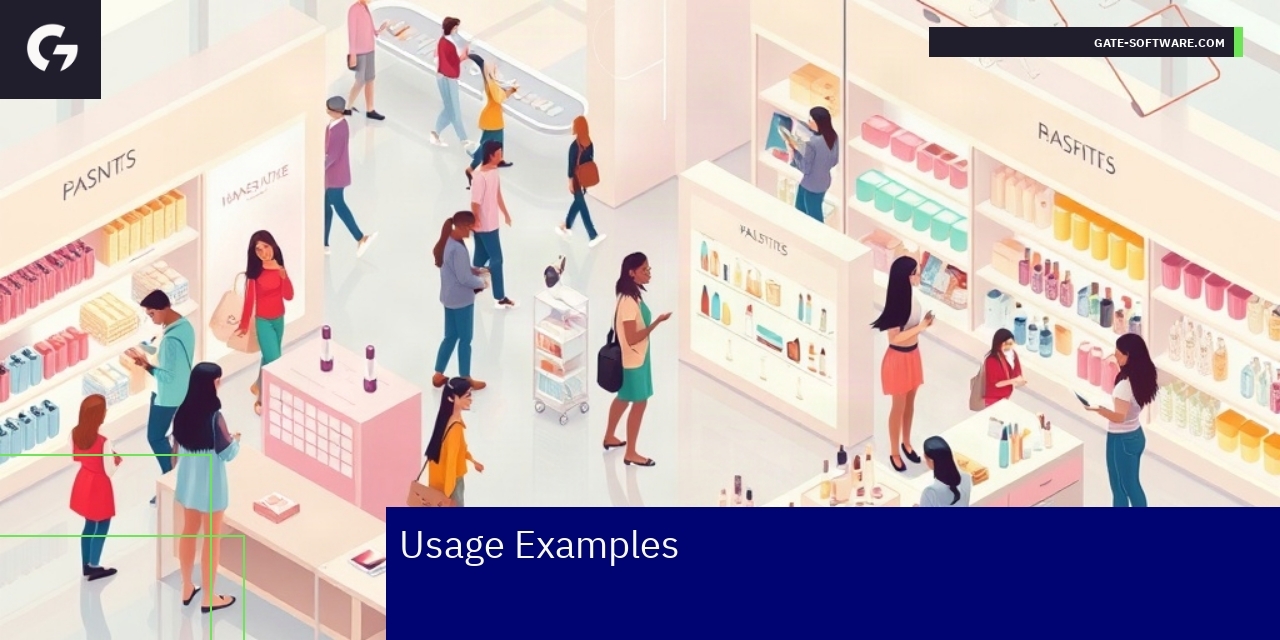
Usage Examples
Incorporating well-structured food product displays using Hyva technologies enables eCommerce platforms to effectively showcase their food items in an engaging and organized manner. Hyva’s frontend framework supports rapid, scalable development of highly intuitive user interfaces, which benefits the structuring of food product presentations.
A well-structured display prioritizes clear categorization and layering of product information, such as nutrition facts, origin, and usage instructions. Hyva’s modular design allows developers to create reusable components that maintain consistency and enhance user experience across product pages. This approach reduces development cycles and improves maintainability.
Operationally, leveraging Hyva can enhance site performance and scalability, which are critical for handling wide assortments of food products with varying attributes. Optimized loading times and responsiveness ensure that users receive a seamless browsing experience even with complex product displays.
From an architectural standpoint, structuring food product displays with Hyva facilitates integration with backend systems that manage inventory or supply chain data, enabling real-time updates of product availability. This supports better decision-making for users and reduces friction in the eCommerce journey.
In summary, well-structured food product displays built with Hyva technologies drive operational efficiency by combining clear presentation, technical scalability, and robust integration capabilities. This ensures that businesses can effectively meet user expectations and scale their digital food retail offerings.
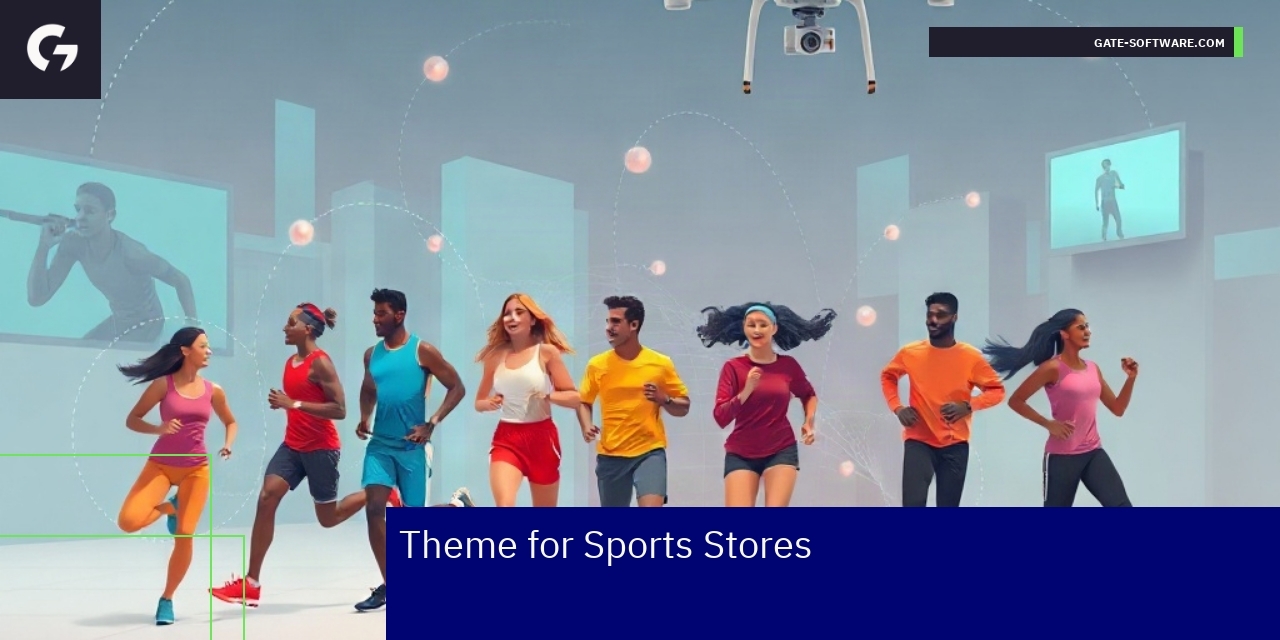
Theme for Cosmetic Shops
Cosmetic aesthetics in retail environments play a critical role in shaping customer perception and driving sales. In the context of Hyva, which provides a streamlined frontend solution for e-commerce platforms, optimizing the visual and interactive elements tailored to cosmetic shops can enhance product appeal and user experience. Implementing refined cosmetic aesthetics involves focusing on clean, minimalist design, high-quality imagery, and intuitive navigation that highlights product details such as texture, color variants, and usage benefits. This approach helps convey the luxury and efficacy associated with cosmetic products, ultimately supporting brand positioning and customer trust.
Personalization options are vital for cosmetic shops to meet diverse customer needs and preferences effectively. Leveraging Hyva’s capabilities, personalization can be integrated at several touchpoints including product recommendations based on browsing or purchase history, customization of product filters (e.g., skin type, concerns, ingredients), and dynamic content presentation such as personalized skincare routines or tutorial videos. Incorporating real-time personalization not only increases engagement but also boosts average order values by presenting the most relevant products to each user.
Usage examples demonstrate how Hyva’s frontend optimization supports cosmetic shops in real-world scenarios. For instance, enhanced page load speeds and responsive design improve mobile shopping experiences, critical for on-the-go customers researching beauty products. Interactive features such as virtual try-ons, ingredient breakdowns, and customer reviews are seamlessly integrated without compromising performance. These functionalities illustrate how Hyva can create a robust, scalable e-commerce interface that elevates cosmetic aesthetics and enriches the personalization journey to drive customer satisfaction and retention.
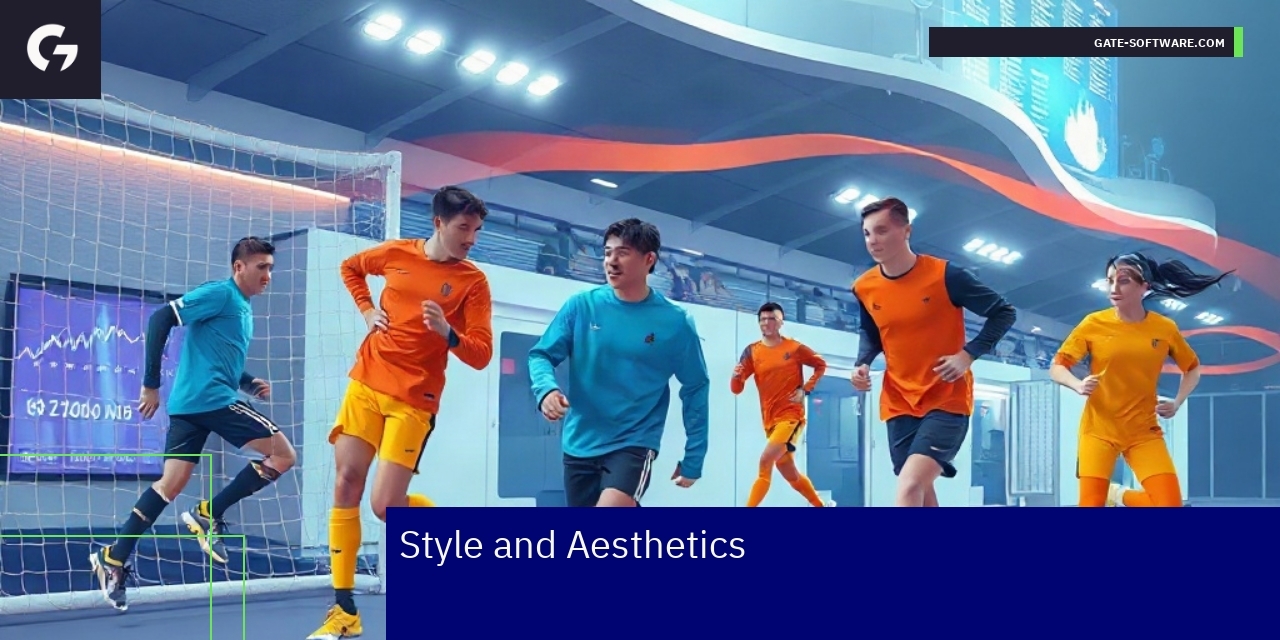
Cosmetic Aesthetics
In the cosmetics retail sector, design plays a critical role in shaping brand perception. The visual presentation of products, packaging, and retail environments significantly influences consumer attitudes and purchasing decisions. A well-crafted design strategy contributes to establishing trust, conveying product quality, and differentiating the brand in a competitive market.
The aesthetics of cosmetics packaging serve as a tactile and visual introduction to the brand. Elements such as color schemes, typography, material quality, and overall style communicate the brand’s positioning—whether it is luxury, eco-friendly, or clinically proven. Consistency across these design elements helps build brand recognition and loyalty.
Retail store design also impacts brand perception by creating immersive experiences that engage customers. Thoughtful layout, lighting, and sensory details support product storytelling and can heighten the perceived value. This experiential approach is particularly important in cosmetics, where sensory interaction and visual appeal influence buying behavior.
From an operational perspective, design decisions must balance creativity with scalability and cost efficiency. Modular designs, standardized packaging components, and adaptable store concepts facilitate expansion without compromising the brand identity. Moreover, a data-driven approach to design, informed by customer insights and market trends, ensures relevance and competitive advantage.
In summary, strategic design in cosmetics retail affects brand perception by establishing identity, enhancing customer experience, and enabling sustainable growth, all of which are essential for long-term success in this dynamic industry.

Personalization Options
Personalization options within Hyva primarily focus on tailoring themes to enhance personal branding effectively. This approach allows businesses to create distinctive digital experiences that align with their unique brand identity and strategic goals. By customizing themes, companies can not only achieve visual differentiation but also improve operational efficiency through streamlined frontend frameworks optimized for performance and scalability.
Hyva’s architecture supports flexible theme personalization by enabling modular design implementations. This modularity allows development teams to selectively adapt components and layouts, ensuring that the end product resonates with target audiences while maintaining high performance. Such an approach reduces technical debt and enhances maintainability, key considerations for digital leaders tasked with scaling eCommerce platforms.
Moreover, the customization capabilities in Hyva consider real-world business challenges, such as integrating brand-specific elements without compromising the site’s responsiveness or loading speeds. Personalization extends beyond aesthetics; it impacts user experience and technical SEO, ultimately driving customer engagement and conversions.
In summary, Hyva’s personalization options facilitate a strategic blend of creative freedom and technical rigor, enabling senior stakeholders to deliver branded digital experiences that are both performant and scalable.
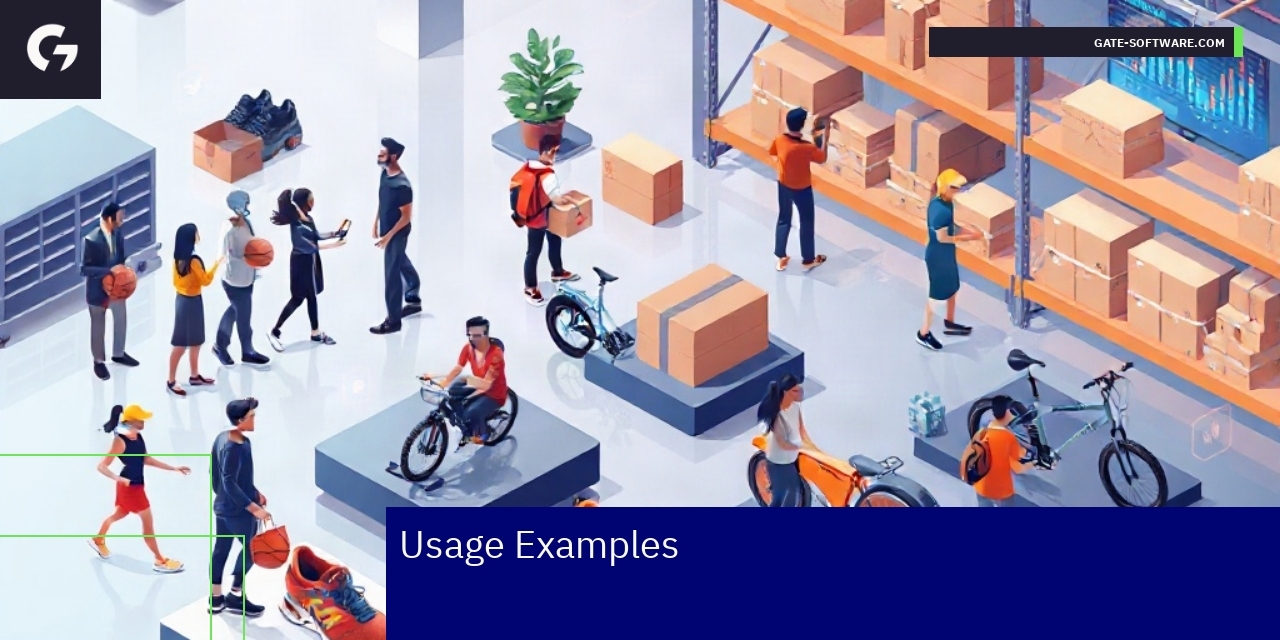
Usage Examples
Effectively showcasing cosmetic products requires an innovative and performance-optimized approach that aligns with the technical architecture and scalability needs of modern eCommerce platforms. Hyva offers a streamlined frontend solution that significantly enhances the speed and responsiveness of cosmetics online stores, creating an engaging user experience that supports higher conversion rates.
From a business and operational efficiency perspective, Hyva enables rapid customization and integration with existing Magento backends without the bloat of traditional frontend frameworks. This lean architecture reduces server load and improves page load times, critical factors in retaining customers browsing a variety of cosmetic products.
Strategically, while presenting cosmetic products, Hyva supports flexible layout modules and scalable components that adapt well to changes in product catalogs and marketing campaigns. This allows teams to efficiently manage content updates and seasonal promotions without sacrificing site performance or requiring extensive engineering resources.
Overall, businesses leveraging Hyva for showcasing cosmetic products benefit from a technically robust, scalable, and user-centric storefront that addresses both real-world technical challenges and commercial goals.
Theme for Sports Stores
The theme for sports stores centers around combining style, aesthetics, and functionality to create an engaging and dynamic online shopping environment. Style and aesthetics play a crucial role in reflecting the energy and vibrancy associated with sports, using bold colors, clean layouts, and dynamic visuals to attract and retain customers. This includes thematic design elements such as sporty fonts, action-oriented imagery, and intuitive navigation that enhances user experience while conveying the active lifestyle spirit.
Social media integration is essential, allowing stores to leverage platforms for marketing, customer engagement, and community building. Features like embedded feeds, shareable product pages, and customer reviews help increase reach and authenticity. Integrated social media tools enable seamless sharing of products, promotions, and events, fostering stronger brand loyalty and driving traffic from social networks directly to the store.
Usage examples in sports stores demonstrate the practical application of these principles. For instance, product showcases might include video content of athletes using gear, customer testimonial highlights on social feeds, or interactive lookbooks. Additionally, sports stores often implement live updates or event-driven campaigns that resonate with seasonal sports activities or trending fitness challenges, all designed to enhance customer involvement and sales performance.
Together, these elements craft a cohesive and impactful digital presence tailored for sports retail, supporting scalability and operational efficiency while aligning with customer expectations and industry trends.
Style and Aesthetics
In the sports sector, essential design features prioritize both functionality and visual impact to enhance user engagement and operational efficiency. Design must accommodate dynamic and fast-paced environments, ensuring clear visibility, intuitive navigation, and durability under varied conditions. High-contrast color schemes aligned with brand identity play a critical role in immediate recognition and emotional connection, while ergonomic layouts support quick decision-making and ease of use.
Materials and finishes are chosen not only for aesthetics but for their performance under stress, such as moisture-resistant surfaces for outdoor sports or lightweight, durable elements for equipment. Integration of digital interfaces emphasizes seamless interaction, combining sleek design with robust technology to support real-time data display and analytics.
Scalability and adaptability are key, allowing designs to evolve with technological advancements and audience expectations. The architectural implication includes modular components and flexible installations that can adjust to different venues and event scales without sacrificing style. Operational efficiency is enhanced through user-centered designs that minimize maintenance and optimize resource use.
Overall, style and aesthetics in sports design serve as a strategic asset, balancing technical demands with brand expression to create immersive, functional, and visually compelling environments.

Social Media Integration
Integrating social media platforms into the sales strategy for sports equipment presents a strategic opportunity to enhance brand visibility, engage targeted audiences, and drive conversion rates. Social media channels act as dynamic environments where users not only consume content but also influence purchasing decisions through peer interactions and user-generated content.
From an operational standpoint, the technical architecture should support seamless integration between e-commerce systems and social media APIs to enable functionalities such as product tagging, shoppable posts, and real-time inventory updates. This ensures scalability and performance, allowing sports equipment retailers to capitalize on social commerce trends without compromising system reliability.
Social media platforms also provide rich data streams that can inform decision-making about customer preferences and market trends. By leveraging advanced analytics and machine learning models, businesses can tailor content and promotions to specific segments, thereby improving conversion efficiency.
Furthermore, integrating social media supports a multi-channel approach that aligns with modern consumer behavior, which often involves researching and sharing product experiences online before completing a purchase. Strategically, this integration must address security concerns and data privacy compliance, especially when handling customer data across different jurisdictions.
In conclusion, the use of social platforms to support sports equipment sales requires a sophisticated, scalable digital infrastructure combined with analytical capabilities and compliance awareness to achieve operational excellence and sustained growth.

Usage Examples
Engaging presentations of sports gear are essential for capturing customer interest and driving sales in the eCommerce space. Leveraging Hyva’s frontend framework enables businesses to create highly responsive and visually compelling product showcases that enhance user experience. Utilizing Hyva’s flexibility, developers can build interactive product displays that efficiently load high-quality images and videos of sports equipment, ensuring minimal latency and superior performance.
The architecture supporting Hyva allows seamless integration with backend systems, supporting real-time inventory updates and personalized recommendations based on user behavior. This operational efficiency ensures that the sports gear presented is always up-to-date and tailored to customer preferences, which is crucial in a competitive retail environment.
Moreover, Hyva’s modular design supports scalable implementations, making it suitable for both small sports stores and large multinational retailers. Its performance optimizations reduce server load and improve page speed, which are critical technical factors that contribute to better SEO rankings and higher conversion rates.
In summary, employing Hyva for engaging sports gear presentations addresses key business challenges by improving technical architecture, operational workflows, and scalability while delivering an exceptional customer experience.

Magento 2 Theme Comparison
In the evolving landscape of Magento 2, selecting the right theme is pivotal for building an effective eCommerce platform that balances aesthetics, performance, and usability. The comparison of different Magento 2 themes must anchor itself in the latest Magento 2 template trends and the approaches of smart designers who leverage these templates to optimize both front-end experience and back-end efficiency.
Current Magento 2 themes differ widely in their design philosophy, architectural efficiency, and adaptability to business needs. Themes that follow the latest template trends typically offer modularity, responsiveness, and seamless integration with Magento’s backend capabilities. This modularity ensures smoother updates and better maintenance, contributing to operational scalability and performance optimization.
Smart designers deploy templates not just to create visually appealing interfaces but also to streamline technical architecture, focusing on reducing HTTP requests, optimizing CSS and JavaScript loading, and leveraging Magento’s robust layout XML structure. Such attention to detail reduces load times, which directly impacts conversion rates and customer satisfaction.
When comparing themes, critical factors include the extent of customization they allow without compromising update compatibility. Themes aligned with Magento 2’s best practices support automatic compatibility with future Magento releases, which is essential for long-term scalability. Additionally, themes that allow granular control over UI elements empower eCommerce managers and digital directors to tailor the shopping experience to specific target audiences without extensive development time.
Performance-wise, themes adhering to lean coding principles and optimized asset management contribute significantly to operational efficiency. CTOs and heads of engineering should prioritize themes that provide consistent performance metrics under load, ensuring that scaling the eCommerce platform to handle increased traffic does not degrade user experience.
In summary, analyzing and comparing Magento 2 themes today revolves around evaluating their adherence to current template trends, the strategic use of templates by designers to optimize technical architecture, and their capacity to sustain performance and flexibility at scale. Selecting the right theme is not merely a design choice but a strategic decision impacting technology infrastructure and business growth.

Common Template Design Mistakes
In the realm of Hyva and Magento templates, common design mistakes often revolve around inadequate responsiveness, suboptimal code structure, and poor user experience integration, particularly on mobile devices. A primary error is neglecting mobile responsiveness, which results in templates that perform poorly on various device sizes and diminish overall site usability. Many developers fail to implement flexible grid systems or scalable elements, leading to broken layouts or slow loading times on mobile.
Another typical mistake is disregarding performance optimization during template development. This includes excessive use of heavy resources, unoptimized images, and redundant scripts that slow down the site, impacting SEO and user retention. Additionally, poor semantic HTML structure can lead to accessibility issues and reduced SEO effectiveness, critical factors in modern eCommerce environments.
To overcome these challenges, seven best practices are essential for crafting mobile-responsive Magento templates:
1. Establish a fluid, responsive grid layout that adapts seamlessly across devices.
2. Optimize all assets, especially images and scripts, for faster load times without sacrificing quality.
3. Use semantic HTML5 tags to enhance accessibility and SEO.
4. Employ CSS media queries strategically to fine-tune presentations for various screen sizes.
5. Minimize JavaScript dependencies and avoid bulky libraries to improve performance.
6. Leverage Hyva’s streamlined front-end architecture to reduce complexity and improve maintainability.
7. Continuously test templates across different devices and browsers to ensure consistent user experience.
Through these best practices, developers can avoid common pitfalls and create Hyva templates that are both mobile-responsive and high-performing, delivering superior operational efficiency and scalability in Magento-based eCommerce platforms.
Seven Best Practices for Crafting Mobile-Responsive Magento Templates

Alternatives to Magento 2
When evaluating alternatives to Magento 2, it is essential to consider platforms that offer scalability, operational efficiency, and technical robustness suited to varying business sizes and demands. Shopify presents a compelling choice for small to medium-sized enterprises, emphasizing ease of use and quick deployment without compromising core e-commerce functionality. For businesses leveraging WordPress, WooCommerce integrates seamlessly as a plugin, offering a customizable e-commerce solution embedded within an existing CMS framework.
BigCommerce targets businesses aiming for scalability with built-in advanced features that support growth and complex storefront requirements. Open-source platforms like PrestaShop and OpenCart provide flexibility and extensibility, allowing for deep customization through modules and community-supported extensions, which suit organizations with dedicated technical resources.
For enterprises seeking a comprehensive, enterprise-grade solution, Salesforce Commerce Cloud delivers integrated features with CRM and marketing automation capabilities aligned to large-scale operations. Meanwhile, platforms like Squarespace and Wix eCommerce cater to smaller businesses or individual sellers prioritizing design aesthetics and straightforward site management.
Ultimately, the choice among these Magento 2 alternatives depends on operational priorities such as customization needs, integration complexity, scalability expectations, and the technical architecture within the organization. Each platform offers distinct advantages that address different business problems, from rapid deployment to long-term scalability and performance optimization.
.
.
Zamów bezpłatną konsultację
.
Z nami rozwój Twojego biznesu nabierze tempa! Zapraszamy do kontaktu średnie i duże firmy generujące min. 7 mln PLN obrotu rocznie – tam nasza ekspertyza sprawdza się najlepiej.
.
Kliknij w poniższy przycisk i skontaktuj się z jednym z naszych konsultantów e-commerce
.