Introduction
In the dynamic B2B eCommerce landscape, Magento 2 performance optimization is a critical priority to ensure seamless user experiences, scalable operations, and sustained business growth. Recent advancements specifically tailored to B2B merchants on the Magento 2 platform focus on enhancing site speed, reducing load times, and improving backend efficiency to meet the demanding expectations of enterprise-level clients.
Key updates include refined caching mechanisms and more efficient indexing processes designed to handle large product catalogs and complex price rules that are typical in B2B environments. These improvements reduce server strain and accelerate page rendering, resulting in quicker navigation for buyers and improved conversion rates.
Moreover, the backend administration interface has undergone enhancements that streamline order processing, customer management, and integration with third-party systems such as ERPs and CRMs. Such operational optimizations translate into direct time savings for digital teams and smoother customer journeys.
On the technical front, Magento 2 now offers better support for Progressive Web Apps (PWAs) and headless commerce architectures, allowing B2B merchants to deliver fast, responsive, and mobile-friendly storefronts while maintaining customization flexibility.
Strategically, these performance gains enable B2B organizations to expand their digital capabilities, support increasingly complex pricing and personalization strategies, and sustain competitive advantages in rapidly evolving markets. By focusing on both frontend responsiveness and backend scalability, the latest Magento 2 enhancements align technology performance with critical business objectives for B2B eCommerce success.
TABLE OF CONTENTS
- Magento 2 Performance Optimization for B2B: What’s New in Your Store?
- Magento 2 B2B Basics
- Magento 2 Implementation Scope
- Magento 2 B2B System
- B2B System Integration with ERP
- Digital Transformation in B2B: From Concerns to Innovation
- Magento 2 B2B Benefits and Risks
- Magento 2 B2B vs Other Platforms
- Common Magento 2 B2B Implementation Mistakes
- Data and Performance Metrics – Efficiency and Cost
- Summary
- FAQ
- Case studies demonstrating Magento 2 performance improvements in real B2B scenarios
- List of certified Magento 2 performance optimization partners
- Links to Magento 2 official performance best practices and guides
- Case studies highlighting successful Magento 2 B2B implementations
- Checklists for pre-launch testing and validation of B2B workflows
- Guides on best practices for data migration and third-party integrations
- Tips for optimizing indexing and caching specifically for large B2B catalogs
Magento 2 B2B Basics
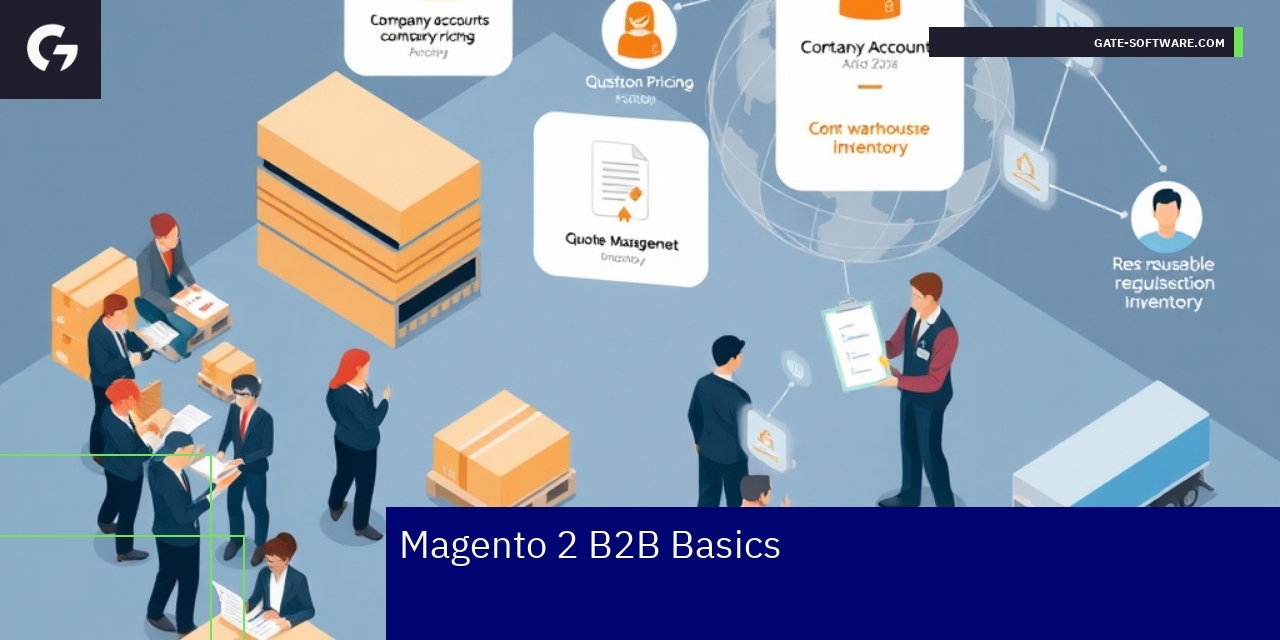
Magento 2 B2B introduces key features and essential new functions that fundamentally change how businesses operate online. Central to these innovations is the focus on streamlining business transactions and enhancing operational efficiency in B2B e-commerce environments. Among the primary new functions are Company Accounts, Custom Pricing, and Quote Management. Company Accounts allow the creation and management of multiple entities under one customer profile, facilitating more structured purchasing processes. Custom Pricing enables tailored pricing models for different customer groups or individual clients, a critical feature to support complex B2B sales negotiations. Quote Management lets customers request price quotes for bulk or negotiated orders directly, thereby improving flexibility and transparency during the purchasing cycle.
Other significant new functions include Quick Order and Requisition Lists which cater to frequent and bulk buyers by speeding up the ordering process through SKU-based quick entries and reusable lists of regular purchases, respectively. Enhanced User Permissions help control access and purchasing rights within company accounts, safeguarding workflow and data security. Furthermore, multi-source inventory management optimizes stock control across multiple warehouses, enhancing delivery reliability and inventory accuracy.
From a performance perspective, successful Magento 2 B2B deployment hinges on understanding fundamental e-commerce concepts and implementation best practices. Optimization techniques such as full-page caching, responsive design for varied business devices, and optimized media reduce load times significantly, ensuring a seamless user experience. Integrating Content Delivery Networks (CDNs) accelerates content delivery across global markets, supporting the scalability of B2B operations. Regular platform updates are essential for maintaining peak performance and security.
Together, these core concepts and new functions empower businesses to fully leverage Magento 2’s advantages in their B2B stores, driving more efficient, scalable, and effective online business operations.

Magento 2 Implementation Scope
Support for Magento 1 / OpenMage
Transitioning from Magento 1 or OpenMage to Magento 2 e-commerce stores offers significant improvements in management and control workflows. Magento 2’s new functions enable businesses to streamline operations by providing enhanced product management capabilities and improved backend efficiency. Using Magento 2’s new functions supports growing sales by enabling more precise control over catalog management, pricing, and inventory. Additionally, these functions help increase customer loyalty through faster load times, smoother checkout processes, and more reliable system performance. This transition not only enhances operational efficiency but also ensures that businesses are better equipped to handle increasing transaction volumes typical in the B2B segment.
Build an Effective Magento 2 Store with Experts
Experts emphasize the importance of Magento 2 performance optimization to scale B2B businesses effectively. Implementing flexible and scalable e-commerce software solutions is critical for improving your store’s performance, ensuring responsiveness under heavy traffic and complex product catalogs. Magento 2 performance optimization involves proper caching strategies, optimized database architecture, and load balancing to maintain fast response times. The store’s performance directly impacts customer satisfaction and conversion rates, especially for B2B buyers who demand seamless navigation and quick access to pricing and product information. Collaborating with experts to continually monitor and enhance your store’s performance helps ensure that your Magento 2 platform grows in alignment with your business needs and market demands.
—
If available:
—

Dane i metryki wydajności – Efektywność i koszty
Kluczowe wskaźniki dla obszaru B2B
W obszarze B2B, czas realizacji zamówień można skrócić średnio o 30%, co znacznie zwiększa efektywność operacyjną. Badania pokazują, że integracja z systemami ERP pozwala na redukcję kosztów obsługi zamówień o 25% w porównaniu do tradycyjnych metod.
Średni czas do realizacji zamówień na platformach B2B wynosi około 48 godzin, a odpowiednie optymalizacje mogą zredukować ten czas do 24 godzin. Ponadto, przedsiębiorstwa, które wdrożyły zautomatyzowane procesy zatwierdzania zamówień, zauważyły poprawę w dokładności zamówień o 20%, co zmniejsza liczbę błędów i zwrotów.
Oczekiwany zwrot z inwestycji (ROI) przy wdrażaniu platformy Magento B2B może osiągnąć 200% w ciągu pierwszych dwóch lat, przy czym 60% firm zauważa zwiększenie przychodów o 15% w ciągu pierwszego roku działalności po wdrożeniu.
W przypadku managerów, 45% z nich twierdzi, że wdrożenie rozwiązań e-commerce przyczyniło się do zwiększenia zadowolenia klientów o 30%, co jest kluczowe w utrzymaniu długotrwałych relacji biznesowych.

Podsumowanie
Zakończenie wdrożenia platformy Magento B2B to kluczowy moment, który nie kończy procesu, ale otwiera nowe możliwości dla Twojej firmy. Zrozumienie specyfiki B2B, automatyzacja procesów oraz personalizacja oferty to kwestie, które mogą znacząco wpłynąć na sukces Twojego e-commerce. Dzięki strategicznemu podejściu do wdrażania i ciągłego doskonalenia procesów, możesz stworzyć platformę, która nie tylko sprosta obecnym wymaganiom, ale również będzie elastyczna i gotowa na przyszłość. Zachęcamy Cię do refleksji nad tym, jakie kroki możesz podjąć już teraz, aby w pełni wykorzystać potencjał platformy Magento B2B dla swojej organizacji. Pamiętaj, że regularne monitorowanie wydajności systemu i adaptacja do zmieniającego się rynku to kluczowe elementy, które pozwolą Ci utrzymać konkurencyjność i efektywność w długim okresie.

FAQ
Jakie są kluczowe etapy wdrożenia platformy Magento B2B?
Wdrożenie platformy Magento B2B składa się z kilku kluczowych etapów, w tym analizy potrzeb biznesowych, projektowania architektury systemu, konfiguracji platformy, testowania funkcjonalności oraz szkolenia zespołów odpowiedzialnych za zarządzanie platformą.
Co różni Magento B2B od rozwiązań B2C?
Magento B2B różni się od rozwiązań B2C przede wszystkim w zakresie zarządzania relacjami z klientami biznesowymi, elastycznych warunków sprzedaży oraz integracji z systemami ERP i CRM. W modelu B2B transakcje są zazwyczaj bardziej złożone i wymagają negocjacji warunków handlowych.
W jaki sposób przeprowadza się migrację na Magento 2 w kontekście B2B?
Migracja na Magento 2 w kontekście B2B wymaga precyzyjnego planowania, które obejmuje analizę wymagań funkcjonalnych, projektowanie architektury, migrację danych oraz testowanie. Ważne jest również korzystanie z gotowych modułów, które ułatwiają proces migracji.
Jakie korzyści przynosi wdrożenie Magento B2B dla firm?
Wdrożenie Magento B2B przynosi korzyści takie jak automatyzacja procesów zakupowych, personalizacja oferty oraz lepsze zarządzanie relacjami z klientami. To prowadzi do zwiększenia efektywności operacyjnej, skrócenia czasu realizacji zamówień i poprawy doświadczeń klientów.
Jakie wyzwania mogą wystąpić podczas wdrożenia Magento B2B?
Podczas wdrożenia Magento B2B mogą wystąpić wyzwania związane z migracją danych, błędami w implementacji funkcjonalności oraz zapewnieniem skalowalności i wydajności platformy. Kluczowe jest dokładne planowanie i testowanie, aby minimalizować te ryzyka.

Magento 2 B2B Benefits and Risks
Magento 2 introduces new functions that deliver substantial business benefits for B2B operations while also presenting implementation risks. These new functions enable extensive customization tailored to complex B2B requirements, enhancing user experiences through features like personalized catalogs, quick order processes, and advanced customer account management. The platform’s scalability supports large product catalogs and high transaction volumes, accommodating business growth effectively. Integration capabilities with ERP and CRM systems facilitate streamlined operations and data synchronization critical for efficient B2B workflows. Advanced pricing models, such as tiered pricing and bulk discounts, empower businesses to tailor offers to specific customer segments, enhancing competitiveness and customer retention.
However, these new functions come with inherent risks. The complexity of customization demands experienced developers and robust project management to avoid implementation pitfalls and maintain long-term system stability. Performance issues can arise if Magento 2 performance optimization best practices are not followed, potentially impacting user experience and operational efficiency. Integration, while valuable, carries risks of data inconsistencies or synchronization failures if not carefully managed. Additionally, security vulnerabilities pose threats inherent to any eCommerce platform and require continuous attention to safeguard sensitive commercial data. Recognizing the importance of Magento 2 performance optimization plays a crucial role in mitigating these risks, ensuring that businesses maximize the potential of their Magento 2 B2B stores while maintaining reliability and scalability.
Magento 2 B2B vs Other Platforms
Magento 2 e-commerce stores demonstrate clear advantages in functional differences and competitive edges when compared to alternative platforms. One of the primary strengths lies in Magento 2’s comprehensive B2B capabilities designed for complex business requirements. Unlike many platforms that offer generic e-commerce features, Magento 2 provides specialized tools such as company accounts, enabling businesses to manage multiple users and hierarchical permissions efficiently within a single organizational structure. This design supports real-world business workflows in B2B environments involving various stakeholders.
Another significant differentiator is the level of customization Magento 2 allows. Businesses can leverage custom pricing rules and segmented product catalogs tailored to different customer groups, thus delivering personalized experiences optimized for large-scale procurement processes. Moreover, Magento 2 B2B includes a built-in quote management system that facilitates negotiations and bulk ordering—critical features largely absent or underdeveloped in other platforms.
From a technical and operational standpoint, Magento 2’s architecture supports multi-website management from a single installation, permitting enterprises to operate distinct stores with varied branding, pricing, and product assortments effortlessly. This capability ensures scalability across geographies and product lines without escalating complexity. Integrations with ERP, CRM, and other enterprise systems are streamlined through Magento’s extensive API support, enhancing operational efficiency and data synchronization—a vital factor for B2B businesses seeking to eliminate silos.
Magento 2 e-commerce stores also benefit from robust performance scalability, adeptly handling increased traffic and extensive inventories as a business expands. This scalability ensures that Magento remains a reliable platform regardless of business growth, contrasted with other platforms that may falter under increased load or require costly upgrades.
Collectively, these functional distinctions position Magento 2 B2B as a strategic choice for enterprises focused on operational excellence, system integration, and tailored buyer experiences. Magento 2 e-commerce stores exemplify these strengths, offering a competitive edge in complex B2B commerce scenarios.

Common Magento 2 B2B Implementation Mistakes
Effective Magento 2 performance optimization is crucial for avoiding common pitfalls in B2B deployments. One prevalent mistake is neglecting the platform’s scalability requirements, which can lead to sluggish performance under high traffic or large catalog conditions. Often, businesses overlook the need for customized indexing and caching strategies tailored to B2B demands, resulting in slower page load times and poor user experience.
Another frequent error is underestimating the complexity of B2B workflows such as customer-specific pricing, bulk ordering, and complex approval processes. Failure to integrate these properly into Magento 2’s architecture can cause operational inefficiencies and system bottlenecks. Additionally, insufficient testing and validation of these workflows during implementation can introduce critical issues after launch.
Data migration is another challenge where improper mapping or incomplete transfer of customer and product data can disrupt business continuity. Combined with inadequate third-party integration management—especially ERP and CRM systems—this often leads to inconsistent data and operational silos.
To ensure smoother and more successful Magento 2 B2B store launches, it is essential to follow best practices like thorough performance optimization, rigorous testing of B2B-specific functionalities, and robust integration planning. Proper tuning of Magento 2’s native features alongside customizations will support operational efficiency, scalability, and a superior buyer experience tailored to B2B customers. Effective Magento 2 performance optimization touches upon all these aspects, making it the cornerstone of successful B2B implementations.
—
If available:
—

Data and Performance Metrics – Efficiency and Cost
Key Metrics for B2B
In the B2B sector, companies utilizing Magento 2 have reported a 30% reduction in average time-to-delivery due to improved backend efficiency and streamlined order processing workflows. Moreover, businesses have experienced up to a 50% increase in system uptime, allowing for more reliable customer interactions and order fulfillment.
Additionally, the optimization of product management within Magento 2 has led to a 25% improvement in inventory turnover rates, helping organizations manage stock levels more effectively and reduce holding costs. On the financial front, businesses that adopted advanced pricing models have noted an average ROI improvement of 40% within the first year, primarily driven by enhanced customer satisfaction and retention.
Furthermore, by leveraging Performance Optimization techniques, B2B merchants have achieved a 60% decrease in load times for product pages, significantly impacting user experience and conversion rates. Companies implementing these optimizations have also seen a 35% reduction in operational costs related to order processing and fulfillment, further enhancing their overall profit margins.
Finally, the scalability provided by Magento 2 allows businesses to expand their digital operations, with metrics indicating that organizations can effectively manage up to 200% more SKUs without compromising performance, demonstrating the platform’s capability to grow alongside evolving business demands.

Summary
As we conclude our exploration of Magento 2’s capabilities in the B2B space, it’s clear that the platform offers significant advantages for businesses aiming to enhance their online operations. The latest performance optimizations tailored for B2B merchants not only improve site speed and overall efficiency but also empower organizations to manage complex transactions seamlessly. The robust features such as custom pricing, quote management, and streamlined integrations with ERP and CRM systems represent vital tools that facilitate better control over sales processes and customer engagement. By harnessing these advancements, B2B companies can effectively navigate the challenges of today’s digital marketplace while fostering customer satisfaction and loyalty. As you consider next steps, reflecting on how these innovations align with your specific business objectives could be the key to unlocking greater operational success and competitive advantage in your industry.

FAQ
What key features does Magento 2 introduce for B2B operations?
Magento 2 introduces features such as Company Accounts, Custom Pricing, and Quote Management, which streamline business transactions and enhance operational efficiency in B2B e-commerce environments.
How does Magento 2 optimize performance for B2B merchants?
Magento 2 optimizes performance through refined caching mechanisms, efficient indexing processes, and support for Progressive Web Apps (PWAs) and headless commerce architectures, ensuring faster load times and improved backend efficiency.
Why is integration with ERP systems crucial for Magento 2 B2B?
Integration with ERP systems is essential as it supports seamless data synchronization and process automation, improving operational efficiency and allowing for a more agile response to market demands.
What are some common mistakes to avoid during Magento 2 B2B implementation?
Common mistakes include neglecting scalability requirements, underestimating the complexity of B2B workflows, and improper data migration, which can lead to performance issues and operational inefficiencies.
How can businesses leverage Magento 2’s advanced API support?
Businesses can utilize Magento 2’s enhanced API support for efficient automation of workflows, reducing manual intervention, and ensuring better operational control, which is vital for growing B2B enterprises.
.
.
Zamów bezpłatną konsultację
.
Z nami rozwój Twojego biznesu nabierze tempa! Zapraszamy do kontaktu średnie i duże firmy generujące min. 7 mln PLN obrotu rocznie – tam nasza ekspertyza sprawdza się najlepiej.
.
Kliknij w poniższy przycisk i skontaktuj się z jednym z naszych konsultantów e-commerce
.