Introduction
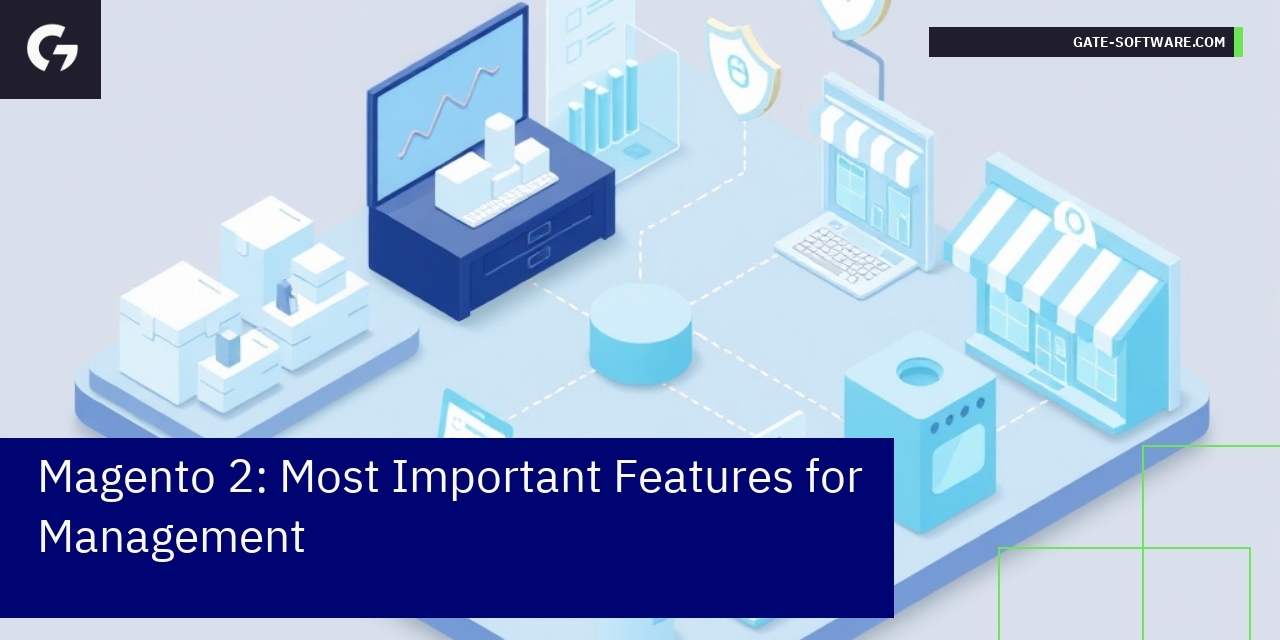
Magento 2 stands out as a robust and flexible e-commerce platform tailored to meet the complex needs of modern online retailers and B2B enterprises. For management professionals—such as CTOs, CDOs, eCommerce Managers, and Heads of Applications—understanding the platform’s key features is essential for optimizing operational efficiency, ensuring scalability, and driving business growth.
One of the core strengths of Magento 2 is its enhanced admin interface, designed to simplify navigation and streamline product and order management. This intuitive backend experience enables faster decision-making and reduces operational overhead. Magento 2’s multi-store management capabilities allow centralized control over multiple sales channels, accommodating different pricing models, inventory levels, and customer segments within one platform—critical for enterprises with diversified product lines and markets.
Robust reporting and analytics tools empower management with actionable insights into sales performance, inventory turnover, and customer behavior. These data-driven capabilities facilitate precise forecasting and inform adaptive marketing strategies. Complementing this are advanced customer management features, offering personalized experiences that increase customer retention and loyalty.
Security remains a fundamental concern; Magento 2 integrates advanced protocols such as two-factor authentication and continual security patches to safeguard business-critical data. Furthermore, flexible customization options enable tailoring workflows to specific operational needs, while extensive integration possibilities with third-party systems—ERP, CRM, payment gateways—ensure seamless interoperability within existing IT landscapes.
In summary, Magento 2’s comprehensive feature set equips management teams with the tools necessary to maintain control, optimize processes, and foster sustainable growth in a competitive e-commerce environment.
TABLE OF CONTENTS
-
-
- Magento 2: Most Important Features for Management
- Magento 2 Basics
- Magento Technical Support
- Migration Errors to Avoid
- Why Regular Updates Matter
- Magento 2 vs Other eCommerce Platforms
- Alternatives to Magento 2
- Benefits and Risks of Using Magento 2
- Data and Performance Metrics – Efficiency, SLA, TCO
- Summary
- FAQ
-
Magento 2 Basics
What is Magento 2?
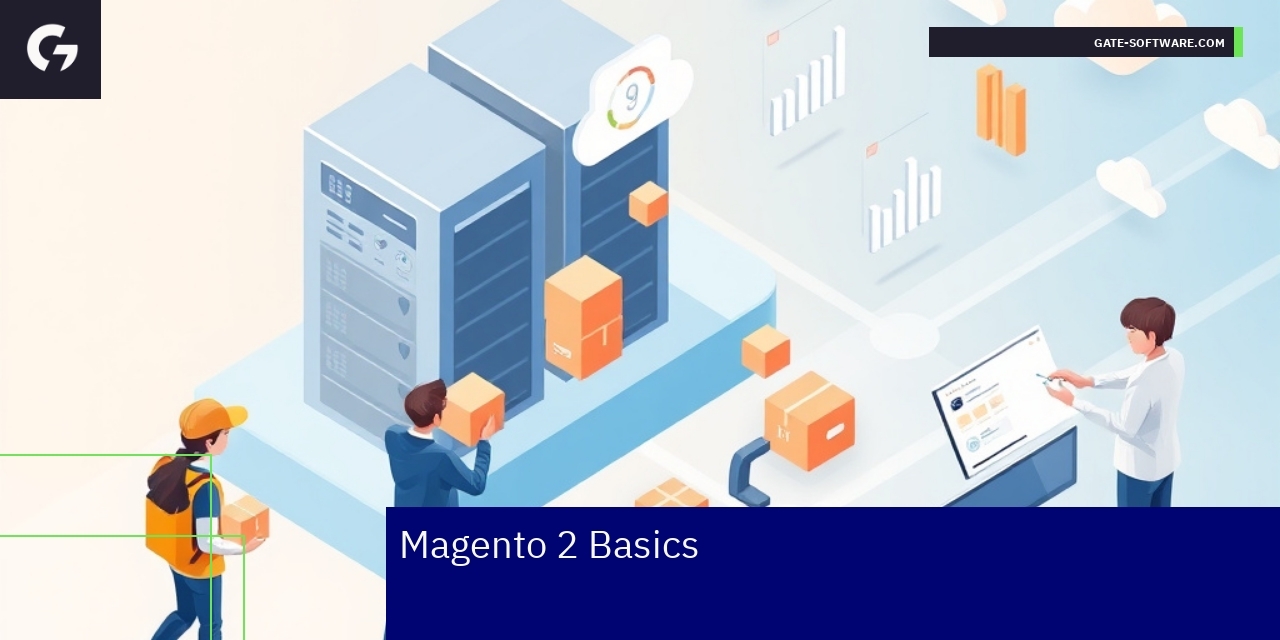
Magento 2 is a powerful e-commerce platform designed for businesses looking to establish or enhance their online stores. It is an open-source system that offers a flexible and scalable architecture, allowing companies to tailor their shops according to specific operational needs and customer expectations. Magento 2 provides a comprehensive toolkit for designing engaging user experiences while supporting complex business models. Its robust framework supports integrations with various payment systems, shipping methods, and advanced marketing tools, enabling efficient management of sophisticated e-commerce environments.
Key Magento Features and Platform Strengths 🛠️ 🚀 📈
Magento 2 stands out due to several core features that enhance both merchant capabilities and customer engagement. These include improved site speed and performance, which are critical factors in reducing bounce rates and increasing conversion. The platform is fully responsive, ensuring seamless shopping across devices, vital for modern e-commerce strategies. Magento’s advanced SEO tools support better search engine indexing and ranking, aligning with the need for effective pozycjonowanie sklepu Magento. Security improvements with regular patches safeguard sensitive data, supporting compliance and customer trust. Additionally, Magento 2 supports extensive customization tailored to business workflows, including modular extensions and integrations. These features combined provide a resilient foundation for digital commerce, delivering a solid ROI and future-proof scalability.
Differences Between Magento 1 and Magento 2
Magento 2 introduces significant advancements over Magento 1, addressing performance, usability, and extensibility gaps. One of the key differences is its enhanced architecture which supports faster page load times and better resource management, essential for high-traffic stores. The updated admin interface simplifies backend management, improving operational efficiency and minimizing training time for teams. Magento 2 also offers superior support for third-party integrations and APIs, facilitating more dynamic business processes and sophisticated marketing actions. Another critical aspect is compliance with modern security standards and readiness for evolving web technologies like Progressive Web Apps (PWA). Migrating to Magento 2 means unlocking features that bolster audyt SEO Magento and enhance pozycjonowanie sklepu Magento, enabling businesses to maintain competitiveness and meet escalating user expectations.
In sum, Magento 2 represents a substantive evolution built to meet complex e-commerce demands, making it a strategic choice for businesses aiming to optimize their digital storefront and operational capabilities.
Magento Technical Support
Magento 2 SEO Support
Effective Magento 2 SEO is essential for optimizing eCommerce platforms to increase visibility and drive traffic. Our technical support focuses on leveraging key Magento features such as meta tag management, sitemaps, and URL rewrites to enhance search engine indexing. We understand the critical impact of Magento 2 SEO on overall store performance, ensuring that SEO best practices align with continuous store maintenance and growth objectives. Additionally, Magento efficiency is increased through tailored configurations and updates that keep the platform compliant with evolving search engine algorithms, thereby supporting sustainable eCommerce success.
Magento Implementations – FAQ
Magento implementations often raise technical and strategic questions that can impact deployment timelines and post-launch stability. Our Magento technical support provides expert responses addressing common Magento implementations FAQ, covering integration challenges, customization, and migration strategies. Emphasizing key Magento features, we help streamline implementations to reduce operational downtime while enhancing Magento efficiency across environments. This FAQ section assists decision-makers in understanding the nuances of eCommerce store maintenance, facilitating better planning for scalable and resilient platform growth under expert guidance.
Store Maintenance and Growth
Continuous store maintenance is vital for sustaining performance and security within Magento eCommerce environments. Our approach to Magento technical support integrates ongoing auditing, patching, and performance monitoring that aligns with strategic growth plans. By focusing on optimizing Magento efficiency and leveraging key Magento features, we ensure a robust infrastructure capable of supporting expanding product catalogs and increasing traffic volumes. Combining proactive maintenance with growth initiatives maximizes eCommerce potential, offering stakeholders confidence in stable operations and scalable solutions for future requirements.

Migration Errors to Avoid
Performance Data and Metrics 📊📈⚠️
A common migration error is neglecting the detailed analysis of performance data and metrics before, during, and after the migration process. Without precise tracking of these metrics, key Magento features may not perform optimally, leading to diminished user experience and potential downtime. Ensuring continuous monitoring of system responsiveness, load times, and transaction throughput allows for immediate identification and resolution of performance bottlenecks. Maintaining a focus on performance data and metrics throughout the migration safeguards Magento efficiency and supports long-term store maintenance objectives.
Key Magento Store Maintenance Aspects
Overlooking critical Magento store maintenance aspects during migration can cause prolonged technical debt and increased operational risks. Issues such as improper data mapping, failure to update extensions, or ignoring backend integration can degrade the overall system stability. Migration plans must integrate comprehensive maintenance checks that align with Magento’s architectural principles and security requirements. Regular audits and adherence to best practices ensure that key Magento features continue to function seamlessly in the new environment, preserving eCommerce business continuity and minimizing post-migration disruptions.
What SLA Is and Why It Matters
Misunderstanding or underestimating the importance of SLA (Service Level Agreement) is a frequent error in migration projects. A well-defined SLA outlines measurable performance standards and responsibilities, which are crucial for managing expectations related to uptime, support response times, and issue resolution. Prioritizing SLA importance fosters accountability between the client and the service provider, ensuring that the migration’s impacts on Magento efficiency and store maintenance are minimized. Moreover, clear SLAs facilitate transparent communication regarding performance data and metrics, enabling ongoing optimization aligned with business priorities.

Why Regular Updates Matter
Migration Errors to Avoid
In the context of store maintenance, avoiding migration errors is critical to preserving the integrity and performance of your Magento-based eCommerce platform. Migration errors often arise from improper handling of data during upgrades or moving between versions, which can lead to downtime, data loss, or broken integrations. Given the complexity of Magento’s architecture and key Magento features, thorough testing and validation are paramount. Notably, extension conflicts and theme incompatibilities during migration can disrupt Magento efficiency and negatively impact user experience. Careful planning around updates ensures that SEO-related elements remain intact, preserving search rankings. This highlights the importance of regular updates to keep the platform aligned with evolving business needs and technological advancements without jeopardizing operational continuity.
Magento Efficiency in Practice [Performance | Security | UX]
Magento efficiency in practice hinges on leveraging the platform’s full capabilities through continuous enhancements. Regular updates are fundamental for this, introducing security patches, performance optimizations, and new functionalities that directly affect eCommerce success. By maintaining the latest Magento version, businesses benefit from improved processing speeds, reduced downtime, and refined UX/UI elements — all vital for sustaining customer engagement and conversion rates. Furthermore, regular updates support more efficient store maintenance by minimizing technical debt and reducing unexpected failures. This sustained efficiency allows teams to capitalize on key Magento features effectively, ensuring that the platform supports strategic goals while mitigating risks associated with outdated software versions.
Magento 2 vs Other eCommerce Platforms 🛠️ ⚙️ 📊
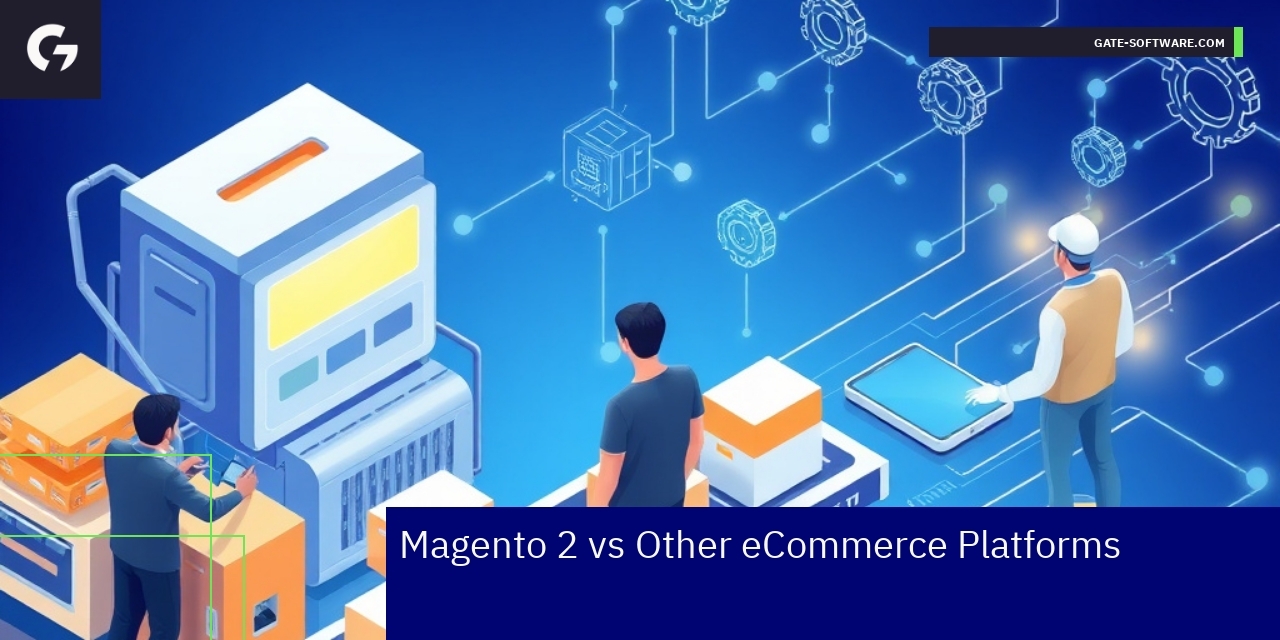
Choosing the right eCommerce platform is critical for enterprises focused on User Interface and Responsiveness (UiR). Magento 2 provides robust capabilities tailored for complex business needs, offering extensive scalability, customization, and deep integration options. Its architecture supports high traffic volumes and flexible workflows, essential for maintaining seamless performance and user experience in demanding environments.
Magento 2’s support for progressive web applications (PWA) and server-side rendering enhances responsiveness, key for meeting UI performance benchmarks and WCAG 2.1 compliance standards. This ensures accessibility and usability across devices, a priority outlined in Gate-Software’s UX/UI standards. Furthermore, Magento 2’s modular design enables efficient version upgrades and integration with critical enterprise systems, aligning with the Head of Applications and Architect personas focused on stability and future-proofing.
From the business perspective, Magento 2 supports advanced B2B and B2C functionalities out of the box, with customization that meets specific client requirements without sacrificing performance. This flexibility aligns well with eCommerce Managers’ goals of improving conversion rates and customer engagement through tailored user journeys (personas, customized content).
In the context of UiR, Magento 2’s infrastructure allows detailed monitoring and optimization, benefiting from Gate-Software’s SLA-backed hosting and continuous technical support. This reduces downtime risk and improves operational reliability. Cost optimization strategies embedded in the platform’s deployment can also reduce total cost of ownership while maintaining high standards of service continuity and scalability.
Overall, Magento 2 stands out in delivering a balance between technical robustness and adaptable business logic critical for enterprises committed to superior user experience and responsiveness, as emphasized in Gate-Software’s strategic approach to eCommerce platforms.
Alternatives to Magento 2
When considering alternatives to Magento 2 within the UiR service context, it is essential to evaluate platforms that align with the technical and business challenges faced by eCommerce Managers, CTOs, and Heads of Applications. Viable alternatives should support seamless integration capabilities, scalability, and adherence to UX/UI standards, including WCAG compliance, which is critical for accessibility and user experience audits.
Other eCommerce Platforms often considered include solutions offering robust B2B functionalities and customizable architectures suitable for enterprises aiming to optimize cost and performance. These platforms should facilitate smooth migrations, continuous monitoring, and SLA guarantees to ensure uptime and reliability.
Pros and Cons of Alternatives lie primarily in their ability to balance advanced feature sets with maintenance and operational ease. On the pro side, some platforms provide modern, modular designs and headless architectures that enhance flexibility. However, cons may include potential higher initial implementation costs, complexity in migrating existing MagentoOneS™ setups, and varying levels of built-in UX/UI and WCAG compliance. Careful assessment is required to match the brand voice strategy and long-term content strategy defined by Gate-Software, ensuring alignment with company values and the expectations of key stakeholders such as the Architect and CDO.
By focusing on these criteria, decision-makers can select an alternative that not only replaces Magento 2 but also supports strategic e-commerce growth with clear plans for social media and content synergy, optimizing overall operational workflows and customer engagement.
Benefits and Risks of Using Magento 2
Advantages of Implementing Magento 2
Magento 2 offers robust scalability and flexibility, making it an ideal platform for businesses aiming to expand their e-commerce capabilities. Its modular architecture supports complex integrations and customizations required by modern B2B and B2C environments. The platform’s compliance with WCAG standards ensures accessibility, enhancing user experience (UX/UI) for diverse customer groups. Additionally, Magento 2 provides advanced performance optimization features, contributing to faster load times and improved conversion rates. These benefits align with strategic goals outlined in Gate-Software’s Content Strategy 5.0, reinforcing MagentoOneS™ hosting and monitoring solutions that guarantee platform stability and security. Leveraging Magento 2 enables organizations to implement tailored marketing plans and communication strategies effectively, supporting business growth and operational excellence.
Potential Risks and How to Avoid Them
Despite its advantages, Magento 2 comes with potential risks, primarily related to platform maintenance and complexity. Inadequate management can lead to security vulnerabilities or degraded system performance. Furthermore, misalignment with business processes may cause suboptimal user journeys or failure to meet accessibility standards such as WCAG 1.1. To mitigate these risks, it is crucial to engage skilled architects and eCommerce Managers who understand the nuances of Magento 2’s infrastructure and the business context. Gate-Software’s comprehensive service model, including UX/UI audits and proactive monitoring under Service Level Agreements (SLA), addresses these challenges effectively. Implementing best practices in content strategy and adhering to brand voice guidelines ensures that technical risks do not compromise the user experience or marketing impact.
Summary
Key Takeaways
Magento 2 provides a powerful e-commerce foundation that supports scalability, customization, and compliance with accessibility standards, key for sustaining competitive advantage and customer satisfaction.
Important Recommendations
Successful Magento 2 deployments require ongoing expert management, including regular UX/UI reviews, security monitoring, and integration aligned with strategic marketing and communication plans.
Next Steps in Managing Your Magento 2 Store
Move forward by adopting Gate-Software’s MagentoOneS™ solutions for hosting, monitoring, and migration support, combined with robust business and technology governance to maximize platform benefits while minimizing risks.

Data and Performance Metrics – Efficiency, SLA, TCO
Operational Effectiveness in UiR Projects
In the competitive landscape of e-commerce, measurable operational data is crucial for assessing the effectiveness of projects within Gate-Software’s UiR service. Here are key metrics that underscore our commitment to efficiency and performance:
1. Project Takeover Time: On average, Gate-Software completes project handovers within 2 weeks, ensuring a seamless transition and immediate operational readiness for clients.
2. On-Time Delivery Rate: Approximately 95% of projects are delivered on time, demonstrating our robust project management practices and adherence to timelines.
3. Average Total Cost of Ownership (TCO) Reduction: Clients experience an average TCO reduction of 30% over three years due to our optimization strategies and efficient service models.
4. Number of Implementations: Gate-Software has successfully executed over 150 Magento implementations, showcasing our extensive experience and expertise in deploying this e-commerce platform.
5. Uptime SLA: We guarantee an uptime SLA of 99.9%, which translates to minimal downtime and optimal accessibility for our clients’ online stores, crucial for e-commerce operations.
6. Average Client Relationship Duration: The duration of client relationships averages around 5 years, reflecting our focus on long-term partnerships and continuous support throughout the client lifecycle.
7. Customer Satisfaction Rate: Feedback indicates a 90% satisfaction rate among clients, highlighting our dedication to maintaining high service standards and achieving positive outcomes for their businesses.
These metrics not only illustrate Gate-Software’s operational efficacy but also provide data-driven assurance to prospective clients seeking reliable e-commerce solutions.
Summary
In conclusion, embracing Magento 2 through Gate-Software’s comprehensive support services empowers your business to thrive in the competitive e-commerce space. The extensive capabilities of Magento 2, combined with our expertise in hosting and continuous technical support, ensure that your platform not only meets the demands of today but also evolves with your needs. By prioritizing elements such as security, performance optimization, and tailored user experiences, you can enhance customer satisfaction and drive conversions effectively. We invite you to explore collaboration opportunities with Gate-Software to leverage the full potential of Magento 2 and establish a sustainable growth trajectory for your online store. Your pathway to success in the ever-changing e-commerce landscape begins with the right strategic partnership—reach out to us today to discuss how we can assist in your journey.

FAQ
What is Magento 2?
Magento 2 is a powerful e-commerce platform designed for businesses looking to establish or enhance their online stores. It offers a flexible and scalable architecture, allowing for tailored management of complex business models, robust integrations, and advanced marketing tools.
Why are regular updates important for Magento 2?
Regular updates are crucial for maintaining security, improving performance, and ensuring compliance with evolving technology standards. They help safeguard sensitive data, introduce new features, and optimize the user experience while minimizing operational downtime.
What are the key differences between Magento 1 and Magento 2?
Magento 2 features a significantly enhanced architecture that supports faster page loads, improved admin interface, and better resource management. It also offers superior integration capabilities and compliance with modern security standards, making it a strategic choice for e-commerce businesses.
How does Magento 2 support SEO?
Magento 2 supports SEO through advanced features such as meta tag management, URL rewrites, and sitemaps. These tools help improve visibility on search engines and align with continuous store maintenance and growth objectives, ultimately driving traffic and enhancing performance.
What are potential risks associated with using Magento 2?
Potential risks include security vulnerabilities due to inadequate management, and performance degradation if not properly maintained. Misalignments with business processes can also lead to suboptimal user experiences. Engaging skilled professionals and adhering to best practices can mitigate these risks effectively.
.
.
Zamów bezpłatną konsultację
.
Z nami rozwój Twojego biznesu nabierze tempa! Zapraszamy do kontaktu średnie i duże firmy generujące min. 7 mln PLN obrotu rocznie – tam nasza ekspertyza sprawdza się najlepiej.
.
Kliknij w poniższy przycisk i skontaktuj się z jednym z naszych konsultantów e-commerce
.