Product catalog management
External system integrations
Integrating external systems into product catalog management significantly enhances operational efficiency and accuracy. By connecting with ERP, CRM, or inventory management systems, businesses can automate the synchronization of product data. This reduces manual entry errors and ensures that product availability, descriptions, and prices remain consistent across platforms. Such integrations support real-time updates, allowing businesses to react swiftly to changes in stock levels or supplier conditions. In a Hyva environment on Magento 2, these integrations facilitate streamlined catalog workflows, improving the scalability of managing extensive and diverse product ranges.
Product editing and removal
Flexible interfaces for product editing and removal are crucial for maintaining an agile and responsive catalog. They allow catalog managers to quickly add new products, update existing listings, or remove outdated or discontinued items without extensive technical overhead. Hyva’s front-end architecture promotes a user-friendly experience with streamlined forms and interfaces that reduce friction. This flexibility supports operational efficiency by minimizing downtime in catalog updates and enabling rapid responses to market changes or inventory fluctuations.
Promotions and promotion rules
Magento 2’s advanced promotional capabilities enable sophisticated strategies directly within the product catalog management system. Businesses can define complex promotion rules based on product attributes, cart conditions, customer segments, and purchase history. This granular control allows for tailored discounts, bundled offers, or time-sensitive sales campaigns that enhance customer engagement and boost revenue. Hyva enhances this by providing a performant and responsive frontend experience, ensuring promotional offers are displayed accurately and attractively, which supports conversion optimization and operational scalability.

Marketing and sales integrations
Marketing tools
Magento 2 offers a wide array of marketing tools designed to enhance campaign effectiveness and streamline execution. These tools include automated email marketing, customer segmentation, and targeted promotions, all enabling marketers to deliver personalized and timely messages. Integration with third-party marketing platforms expands capabilities for social media advertising, search engine marketing, and retargeting campaigns. The flexibility within Magento 2 architecture allows businesses to connect these tools with sales channels, thereby aligning marketing activities directly with sales performance and customer engagement metrics. These integrations collectively contribute to faster, more effective campaigns that accelerate revenue growth.
Campaign performance analysis
Optimizing campaigns based on data is crucial for driving continuous improvement in marketing efforts. Magento 2 integrates analytics and reporting features that enable real-time monitoring of key performance indicators such as conversion rates, customer acquisition costs, and ROI. By leveraging these insights, businesses can refine audience targeting, adjust promotional strategies, and allocate budgets more efficiently. Data-driven decision-making facilitated through these performance analysis tools ensures campaigns remain adaptive to market trends and customer behavior, ultimately leading to increased sales and higher marketing effectiveness.
Business partner collaboration
Successful external integrations with business partners are essential for extending the marketing and sales ecosystem beyond internal capabilities. Magento 2 supports seamless collaboration with third-party vendors including affiliate networks, payment gateways, and logistic providers, which collectively enhance customer experience and operational efficiency. These integrations enable streamlined workflows such as automated order tracking, dynamic pricing adjustments, and cross-channel promotions. By fostering robust partnerships through Magento 2’s integration framework, businesses can build scalable and flexible marketing strategies that respond swiftly to evolving market demands.
FAQ
What is Hyva and how does it enhance Magento 2 theme customization?
Hyva is an innovative frontend solution that simplifies the frontend stack of Magento 2, enhancing performance, scalability, and maintainability. By adopting a lightweight and modern architecture, Hyva reduces rendering times and page load speeds, improving user experience.
Why is UX personalization important in Magento 2?
UX personalization in Magento 2 creates unique and relevant online shopping experiences that effectively engage users, enhance customer loyalty, and drive higher conversion rates. Tailored interactions help reduce bounce rates by aligning content and interfaces with individual preferences.
What are some common personalization methods in Magento 2?
Common personalization methods in Magento 2 include customizing layouts, product recommendations, navigation menus, and promotional content based on user demographics, past shopping behavior, and real-time interactions, ensuring that user experiences are dynamic and relevant.
What are the advantages of using Magento 2 for eCommerce?
Magento 2 offers advantages such as enhanced performance through improved caching, flexibility for extensive theme customization, and SEO-friendly elements that promote better search engine visibility. These features collectively support smoother user interactions and increased conversion potential.
What challenges might businesses face when implementing UX personalization in Magento 2?
Businesses may face challenges like data collection issues due to privacy regulations, over-reliance on limited data points, and the complexity of implementing advanced personalization technologies. These factors can hinder the development of effective and relevant personalization strategies.
ERP Magento 2 Integration Basics
ERP integration aims to synchronize systems to optimize business processes. In the context of Magento 2, ERP technology supports critical functions such as finance, logistics, and sales management, facilitating seamless operations across these domains.
Integrating ERP with Magento 2 enables real-time data exchange between the ecommerce platform and backend systems. This synchronization helps maintain consistent product information, stock levels, order statuses, and customer data across channels. For businesses, this means reduced manual data entry, minimized errors, and enhanced operational efficiency.
From a technical perspective, ERP integration involves configuring APIs or middleware to connect Magento 2 with ERP software. This connection must support secure, scalable data transfer to handle high transactional volumes typical in ecommerce environments. Most modern ERP systems provide modules or extensions aimed at Magento 2 compatibility, streamlining the process.
Operationally, integrated ERP systems provide finance teams with accurate revenue and inventory cost data, improving financial reporting and compliance. Logistics functions gain visibility into stock availability, order fulfillment, and shipment tracking, which enhances customer satisfaction. Sales management benefits from up-to-date customer order information and product availability, enabling better demand forecasting and promotional planning.
Ultimately, ERP technology for Magento 2 is a backbone for businesses seeking to scale their ecommerce operations efficiently while maintaining data integrity and process automation. Proper integration lays a foundation for agility, enabling enterprises to adapt quickly to evolving market demands and operational complexities.
—
Key Benefits of ERP Magento 2 Integration:
- Real-time synchronization across finance, sales, and logistics
- Reduction of manual data entry and errors
- Improved financial reporting and compliance
- Enhanced inventory visibility and order tracking
- Better demand forecasting and promotional planning
- API-based integration for direct system communication
- Middleware solutions that act as data intermediaries
- Pre-built ERP Magento 2 extension modules for fast deployment
- Ensuring data security and scalability
- Choosing ERP systems with Magento 2 compatibility
- Aligning integration strategy with business objectives
- Providing training and support for operational teams
- Case studies demonstrating measurable ROI post ERP and CRM integration
- User testimonials highlighting improvements in daily workflows
- Industry-specific examples showcasing tailored integration benefits
- Links to related best practices and implementation guides
- Examples of popular middleware platforms: MuleSoft, Dell Boomi, and Apache Camel
- API types commonly used in ERP integration: RESTful APIs, SOAP APIs
- Key integration patterns: point-to-point, hub-and-spoke, enterprise service bus (ESB)
- Best practices for integration testing and monitoring
- Case studies highlighting ERP integration challenges and resolutions
- Expert interviews on best practices for ERP risk management
- Checklists for ERP data migration and stakeholder collaboration
- Whitepapers on ERP infrastructure compatibility and scalability considerations
—
Common Integration Methods:
—
Considerations for Successful Integration:
—
How ERP and CRM Integrations Work
ERP and CRM integrations are essential for centralizing customer data and streamlining sales processes within an organization. By linking Enterprise Resource Planning (ERP) systems with Customer Relationship Management (CRM) platforms, businesses can create a unified data environment where customer information and sales activities are synchronized. This integration ensures that all departments—from sales and marketing to finance and operations—have access to accurate and up-to-date information, enabling more informed decision-making.
The collaboration between ERP and CRM systems facilitates effective information exchange, which enhances the management of the business ecosystem. For example, when a sales lead is captured in the CRM, relevant details can automatically update the ERP system to reflect inventory levels, order processing status, and customer credit checks. This seamless flow reduces manual data entry and errors, increasing overall operational efficiency and scalability.
From a technical architecture perspective, ERP and CRM integrations typically rely on APIs, middleware, or integration platforms to enable communication between disparate systems. Ensuring real-time or near-real-time data synchronization is crucial to maintain consistency across platforms. Moreover, scalability considerations include handling large volumes of transactional data and maintaining performance during peak loads. Secure data exchange mechanisms and compliance with data governance policies are also fundamental to protecting sensitive customer information.
In summary, ERP and CRM integrations foster a harmonious business environment by centralizing data, enhancing operational workflows, and enabling strategic insights, all of which contribute to improved organizational performance.

Why Invest in ERP Integrations?
ERP system deployments bring long-term savings and increased operational efficiency. Integrating ERP systems with other business applications allows for streamlined processes, reducing manual effort and minimizing errors caused by duplicate data entry. This integration fosters real-time data accessibility across departments, enabling senior stakeholders to make informed strategic decisions grounded in up-to-date information.
Companies that have implemented ERP integrations show significant revenue growth, driven by improved operational workflows and enhanced cross-functional collaboration. Such integrations create a unified information environment where data flows seamlessly, providing better visibility into business performance and facilitating comprehensive reporting and analytics. This, in turn, supports continuous improvement and agile responses to market demands.
From a technical perspective, ERP integrations support scalable business architectures. As companies expand their operations, integrated ERP systems can adapt and incorporate new functions and processes without causing disruptions. This scalability ensures that operational efficiency gains are sustained over time, while cost savings accumulate through reduced reliance on disparate legacy systems and process automation.
In summary, investing in ERP integrations is a strategic move that delivers tangible long-term benefits: lowered operational costs, enhanced efficiency, real-time insights, scalability, and ultimately, accelerated revenue growth.
Benefits of ERP and CRM Integrations
Integrating ERP (Enterprise Resource Planning) and CRM (Customer Relationship Management) systems delivers substantial advantages for organizations aiming to enhance operational efficiency and customer service quality. One of the primary benefits is the improvement in customer service quality through quick information access. When ERP and CRM systems are integrated, real-time data sharing ensures that customer-facing teams have instant access to up-to-date information on customer orders, invoices, inventory levels, and support history. This seamless flow of information empowers service representatives to respond promptly and accurately to customer inquiries, fostering stronger customer relationships and satisfaction.
Additionally, business process automation is significantly enhanced by such integrations, reducing the need for manual data management. Automated synchronization between ERP and CRM systems eliminates redundant data entry, minimizes errors, and streamlines workflows across departments like sales, finance, and supply chain management. This automation not only improves internal operational efficiency but also enables the organization to scale processes without proportionally increasing administrative overhead.
From a technical architecture perspective, integrating ERP and CRM systems facilitates consolidation of data sources, enabling comprehensive analytics and reporting. This unified data infrastructure supports more informed decision-making by providing holistic insights into customer behaviors, sales trends, and operational performance. Moreover, the integration supports scalability and performance by allowing organizations to handle growing data volumes and complex processes with greater agility.
In summary, the synergy of ERP and CRM integrations promotes enhanced customer service quality through quick information access and automates business processes to reduce manual efforts, ultimately driving operational excellence and improved customer experiences.
—
If available:
—

When to Invest in ERP Integration
Investing in ERP integration becomes crucial when a company is undergoing significant growth that necessitates process optimization. ERP systems help streamline workflows, reduce manual tasks, and improve data consistency, which are essential as business operations scale. When a company experiences an increase in order volume, this often signals that existing systems may no longer efficiently support business demands. Integration of ERP solutions at this stage can automate order processing, inventory management, and customer data handling, thereby preventing bottlenecks and supporting smoother operational flow.
Moreover, ERP integration facilitates better visibility across departments, enabling real-time decision-making and strategic resource allocation. For senior executives such as CTOs and Heads of Product, understanding the technical implications of ERP integration is vital. This includes ensuring the chosen solution can scale with performance requirements and integrate seamlessly with existing IT architecture. Operational efficiency improves when disparate systems communicate reliably, reducing errors and duplication of efforts.
In summary, the decision to invest in ERP integration should be driven by the need to support business growth sustainably, particularly when escalating order volumes strain current systems. Prioritizing integration at this juncture ensures the organization can maintain scalable, efficient processes without compromising on service quality or data accuracy.

Types of Integrations: ERP, PIM, OMS, CRM
In modern digital architectures, integrating core enterprise systems like ERP, PIM, OMS, and CRM is vital for operational efficiency and scalability. Each integration type addresses specific business functions and data flows essential for optimizing end-to-end processes.
PIM (Product Information Management) integrations enable centralized product data management, which is critical for e-commerce operations. By aggregating and harmonizing product details from multiple sources, PIM systems ensure consistent, accurate, and up-to-date product information across all sales channels. This centralization reduces errors, accelerates time to market, and improves customer experience by providing reliable product data in real time.
OMS (Order Management System) integrations support order processing and fulfillment workflows, increasingly important as automation and omnichannel retailing grow in complexity. OMS systems orchestrate inventory, order tracking, and logistics data, enabling seamless order lifecycle management from purchase to delivery. Automated OMS integrations reduce manual interventions, increase order accuracy, and enhance scalability for growing order volumes.
ERP (Enterprise Resource Planning) integrations tie core financial, procurement, inventory, and operational data into a unified system. Integrating ERP with other platforms ensures data consistency, streamlines back-office processes, and provides a single source of truth for financial and resource planning. This leads to improved forecasting, compliance, and resource optimization.
CRM (Customer Relationship Management) integrations focus on centralizing customer data and engagement history to enhance marketing, sales, and support functions. Integrating CRM systems facilitates personalized communication, better customer insights, and improved retention through data-driven strategies.
Together, these integrations form a robust, interconnected ecosystem that drives agility, accuracy, and informed decision-making in enterprise digital environments. Implementing them thoughtfully supports scalable operations and sustainable growth.

Successful Integration Examples
Examples from various industries illustrate how ERP solutions can deliver significant business benefits by streamlining operations, improving data accuracy, and enhancing decision-making processes. Companies in manufacturing, retail, healthcare, and logistics have successfully integrated ERP systems to unify disparate functions such as inventory management, finance, procurement, and customer relationship management. This integration reduces manual efforts, eliminates data silos, and leads to operational efficiency and cost savings.
In the context of Adobe Commerce ERP Integration Explained [+ Use Cases], enterprises leveraging such integrations gain real-time synchronization between their eCommerce platforms and backend ERP systems. This synchronization ensures accurate order processing, inventory updates, and financial reporting, which supports scalable growth and improves customer experience. Case studies from retailers demonstrate that adopting Adobe Commerce ERP integrations facilitates seamless workflows between sales channels and supply chain management, ultimately resulting in quicker order fulfillment and reduced errors.
These integration examples serve as valuable references for organizations planning their own ERP projects by illustrating practical implementation methods and measurable impacts on business performance. They also highlight the strategic importance of choosing robust ERP solutions and ensuring alignment with existing technical architecture and operational goals.
Integration Methods and Tools
Integration methods and tools play a critical role in ensuring seamless connectivity and data flow between various enterprise systems, particularly in the context of ERP integration. Many tools support ERP integration processes, such as APIs and middleware, which act as intermediaries to facilitate communication and data exchange between disparate software systems. These tools enable organizations to streamline operations, reduce manual intervention, and maintain data consistency across platforms.
Choosing the right integration methods is key to project success. The selection depends on multiple factors including the existing IT landscape, scalability requirements, real-time versus batch data processing needs, and the complexity of the systems involved. APIs offer flexible and standardized interfaces that support real-time data exchanges and are highly scalable, making them suitable for dynamic and evolving enterprise environments. Middleware solutions provide robust orchestration capabilities, allowing centralized management of integration flows and error handling, which enhances operational efficiency and system reliability.
Furthermore, adopting a modular integration approach with well-defined interfaces helps reduce technical debt and supports incremental system upgrades without disrupting business operations. This strategic selection not only addresses immediate integration challenges but also aligns with long-term enterprise architecture goals focused on performance, scalability, and maintainability. Overall, the right combination of integration methods and tools is essential to optimizing technical architecture and achieving successful digital transformation outcomes.
Integration Methods and Tools
—
If available:
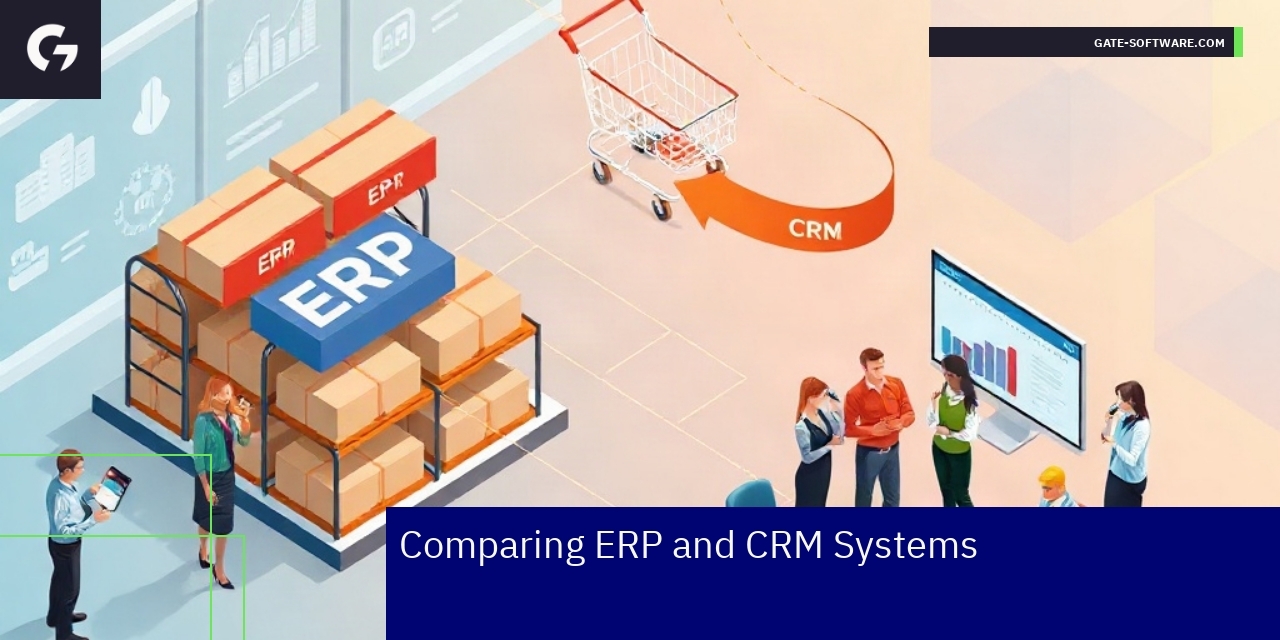
Comparing ERP and CRM Systems
Comparing ERP and CRM systems is crucial for understanding their distinct functionalities and determining their applicability within business operations, especially when integrating with eCommerce platforms like Magento. ERP systems primarily focus on managing internal business processes such as finance, supply chain, inventory, manufacturing, and order processing. They provide a comprehensive backbone that supports overall operational efficiency and scalability. On the other hand, CRM systems concentrate on managing customer interactions, sales pipelines, marketing efforts, and post-sale support, focusing on enhancing customer relationships and driving revenue growth.
The choice between ERP and CRM, or their integration, depends on specific business needs. For companies using Magento, selecting the right ERP software requires a thorough analysis of available market options. Key considerations include the system’s integration capabilities with Magento, such as native APIs or connectors, which ensure seamless data exchange between order management, inventory tracking, and customer data.
Moreover, scalability and customization potential are critical. An ERP solution must be adaptable to business growth and unique workflows to optimize operational performance without forcing rigid processes. User-friendliness ensures smooth adoption by teams, reducing training overhead and operational disruptions. Additionally, assessing the total cost of ownership—licensing, implementation, maintenance, and customization fees—is essential for long-term budgeting.
Support and training services offered by the ERP vendor influence successful deployment and ongoing usage, while robust reporting and analytics provide actionable insights for strategic decisions. Security and compliance standards must also be rigorously evaluated to protect sensitive financial and customer information.
In sum, comparing ERP and CRM systems with a focus on integration capabilities, scalability, customization, and cost helps businesses select the optimal ERP software for Magento integration. This strategic alignment enhances operational efficiency, supports growth, and improves customer experience, delivering measurable business value.
Integration Implementation Checklist
Preparation for implementation requires a thoughtful strategy and plan. A comprehensive approach involves understanding the existing system architecture, defining clear integration objectives, and aligning technical resources accordingly. Key considerations include data mapping between systems, ensuring API compatibility, and setting up secure communication channels. This foundational work is critical to mitigate risks such as data loss or downtime during integration.
Key steps ensure efficient integration deployment, helping to find the Top 5 Magento 2 ERP Integrations to Boost Business Efficiency. These steps encompass detailed compatibility assessments, incremental rollout strategies, and thorough testing protocols—including unit, system, and user acceptance tests. Monitoring performance metrics and establishing rollback procedures are equally important to maintain system integrity. Leveraging the right Magento 2 ERP integrations enhances real-time inventory management, order processing, and financial reconciliation, thereby streamlining operations and supporting scalable growth. The checklist ultimately supports stakeholders in delivering seamless, resilient integrations that optimize operational efficiency and technical performance.

Common ERP Integration Mistakes
ERP integration projects often face significant challenges that can lead to operational inefficiencies and hinder business performance. One of the primary mistakes is inadequate risk analysis before implementation. Skipping or rushing through this critical phase results in unforeseen issues during integration that can disrupt workflows and data consistency. Proper risk analysis ensures that potential pitfalls are identified early, allowing for mitigation strategies that fit the organizational context.
Another common error is underestimating the complexity of integrating ERP systems with existing IT infrastructure. Many organizations fail to account for the technical dependencies and compatibility requirements, leading to costly delays and rework. This can impact scalability and performance, ultimately affecting the return on investment for the ERP implementation.
Data migration and synchronization issues are also prevalent. Poor data quality, inconsistent data standards, or lack of a comprehensive data governance strategy can cause inaccurate reporting and decision-making. Ensuring clean, standardized data and establishing robust synchronization protocols between systems safeguard operational efficiency.
Moreover, lacking clear communication and collaboration among stakeholders—such as IT teams, business units, and external vendors—can result in misaligned expectations and scope creep. A structured project management approach with defined roles and responsibilities helps maintain focus and alignment throughout the integration process.
In summary, avoiding these common ERP integration mistakes through thorough risk analysis and strategic planning is critical to achieving a successful and efficient ERP deployment that supports long-term business goals.
—
If available:
—
Alternatives to ERP and CRM Integration
Various alternative solutions support enterprise data management beyond traditional ERP and CRM integration. These options help organizations optimize data flow, improve operational efficiency, and scale processes effectively, especially when ERP or CRM systems may not fully address unique or evolving business requirements.
One notable alternative is the use of middleware platforms or integration platforms as a service (iPaaS). These solutions facilitate seamless connectivity between disparate applications, enabling real-time data synchronization without deeply embedding systems into one another. Middleware can streamline workflows, reduce data silos, and allow enterprises to leverage best-of-breed software components tailored to specific functions while maintaining cohesive data governance.
Another approach involves adopting specialized data management solutions such as master data management (MDM) systems or customer data platforms (CDPs). These platforms focus on consolidating and cleansing critical data sets from multiple sources, providing a single source of truth that can enhance decision-making and customer relationship insights. By decoupling data integration from heavy ERP/CRM systems, businesses can achieve more flexible, scalable architectures that adapt swiftly to changing market demands.
Additionally, API-centric architectures and event-driven data ecosystems offer high flexibility for integrating enterprise applications. APIs allow modular connectivity that can evolve independently, while event-driven models support near real-time responsiveness, which is essential for modern digital processes.
It is worth considering which options best fit your needs, factoring in your organization’s technical landscape, data complexity, operational priorities, and scalability goals. An informed choice ensures enhanced performance and avoids overcomplicated or rigid system interdependencies that can hinder future innovation.

Potential Risks of Integrations
Integrations are fundamental to enabling seamless workflows and enhancing system capabilities, yet they carry inherent risks that can significantly impact operational efficiency, scalability, and performance. Understanding risks helps avoid common integration pitfalls by proactively identifying potential sources of failure and disruption. One primary risk is data inconsistency, where mismatched or incomplete data between integrated systems can lead to erroneous outputs and decision-making paralysis. Security vulnerabilities also pose a critical threat; an insecure integration point can be exploited to gain unauthorized access or introduce malicious payloads.
Performance degradation is another major risk, especially in tightly coupled integrations where system latency or downtime in one component cascades to others, affecting user experience and business continuity. Complex integrations increase architectural complexity, making maintenance and troubleshooting more challenging and costly. Moreover, reliance on third-party systems introduces risks of service unavailability or changes in APIs without adequate notice, which can break integrations unexpectedly.
Having a contingency plan for integration issues is essential. This includes establishing robust monitoring and alerting mechanisms to detect anomalies early, defining fallback procedures to maintain partial service during failures, and setting clear escalation paths to resolve problems promptly. Regularly testing integration points and updating documentation help mitigate risks by ensuring all stakeholders understand dependencies and recovery processes. Ultimately, a strategic approach to risk management in integrations supports reliable, scalable, and secure system operations aligned with business goals.
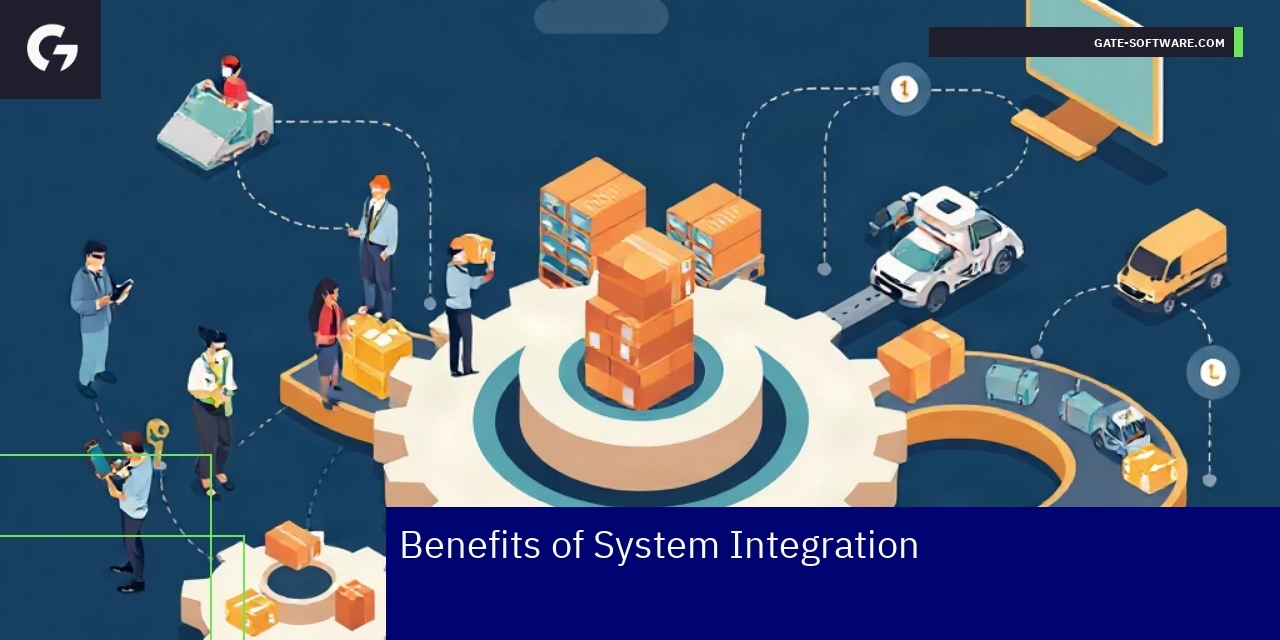
Benefits of System Integration
System integration delivers substantial advantages, fundamentally transforming organizational operations and enhancing overall performance. Key benefits include improved operational efficiency and optimized resource utilization. By connecting disparate systems, workflows become more streamlined, eliminating redundant processes and reducing manual intervention. This integration ensures that data flows seamlessly across platforms, enabling teams to work with consistent and up-to-date information, which is essential for accurate decision-making and responsiveness.
Moreover, system integration significantly boosts customer satisfaction. Enhanced transparency in processes, made possible through integrated systems, allows businesses to respond more quickly and accurately to customer needs. Streamlined communication channels and cohesive data management improve the customer experience, fostering stronger relationships and loyalty. This is particularly crucial in contexts such as connecting CRM systems, where real-time data synthesis translates directly into personalized and efficient client engagement.
From a strategic perspective, integrating systems also supports scalability and flexibility, allowing businesses to adapt to evolving market demands without disrupting operational continuity. It reduces overhead costs through automation and improved resource management, freeing up valuable human capital to focus on core business challenges. Ultimately, choosing robust integration solutions like Firebear to connect your CRM exemplifies leveraging technology to enhance transparency, efficiency, and customer satisfaction across the enterprise.

Data and Performance Metrics – Efficiency and Cost
Key Metrics for UiR
Integrating User Interface and Responsiveness (UiR) strategies can lead to a significant reduction in time-to-delivery, with companies reporting an average decrease of 30% in rollout timelines for new features and updates across platforms. Furthermore, organizations utilizing optimized UiR practices have observed a 25% improvement in user engagement metrics, indicating a direct positive correlation between interface design and user exploration time.
In terms of system performance, businesses have achieved uptime rates exceeding 99.5% after implementing effective UiR techniques, ensuring a highly reliable user experience. Additionally, studies show that applications adopting responsive design principles have experienced a 40% faster loading speed, boosting overall user satisfaction and retention.
Cost optimization metrics reveal that organizations implementing streamlined UiR can reduce operational costs related to customer support by up to 20%, as users find it easier to navigate and utilize the system effectively. Moreover, implementing responsive and adaptive design has led to a 15% increase in conversion rates, directly translating into increased revenues without proportional increases in marketing spending.
Scaling user experiences is also vital; companies report handling a 50% increase in user traffic with no degradation in performance due to well-designed responsive interfaces. This capability positions businesses to thrive as user demands evolve, emphasizing the importance of continuous improvement in UiR measures.

Summary
In today’s fast-paced digital landscape, investing in User Interface and Responsiveness (UiR) is paramount for businesses aiming to not only attract but also retain customers. A well-crafted user interface goes beyond aesthetics; it enhances operational efficiency by simplifying workflows and minimizing cognitive load on users. By leveraging a blend of adaptive design principles and advanced front-end technologies, organizations can create experiences that remain intuitive and performant across diverse devices. This strategic alignment between design and technology supports business goals, fosters user engagement, and ultimately drives higher productivity and satisfaction rates. As you reflect on your organization’s digital strategy, consider focusing on UiR as a critical investment that can lead to substantial operational success and customer loyalty.

FAQ
Question 1
What is the significance of integrating Magento 2 with ERP and CRM systems?
Effective integration of Magento 2 with ERP and CRM systems is crucial for streamlining operations, enhancing customer experiences, and improving data accuracy across platforms, reducing manual intervention and operational friction.
Question 2
How does ERP integration support business processes in Magento 2?
ERP integration automates core functions such as inventory management, order processing, and financial accounting, enabling real-time visibility and control over supply chains and financial health.
Question 3
What are the benefits of integrating ERP and CRM systems?
Integrating ERP and CRM systems improves operational efficiency, enhances customer service by providing complete customer profiles, and enables better forecasting and resource allocation through consolidated data.
Question 4
What operational efficiencies are realized from integrating Magento 2 with ERP and CRM?
Integrated systems reduce redundant data entry, speed up workflows, and improve decision-making by providing unified reporting and analytics that reflect both customer behavior and back-office performance.
Question 5
What key considerations should be taken into account for successful ERP and CRM integration?
Successful integration requires ensuring data security and scalability, choosing compatible ERP systems, aligning integration strategies with business objectives, and providing training and support for operational teams.
.
.
Zamów bezpłatną konsultację
.
Z nami rozwój Twojego biznesu nabierze tempa! Zapraszamy do kontaktu średnie i duże firmy generujące min. 7 mln PLN obrotu rocznie – tam nasza ekspertyza sprawdza się najlepiej.
.
Kliknij w poniższy przycisk i skontaktuj się z jednym z naszych konsultantów e-commerce
.