Introduction
Optimizing a Magento 2 store for B2B requires a strategic approach that addresses the unique complexities of business-to-business transactions. Unlike B2C, B2B sales processes often involve larger volumes, customized pricing, complex order workflows, and multiple stakeholders. Effective Magento 2 B2B optimization focuses on enhancing the platform’s capabilities to support these nuances, ultimately driving sales growth and operational efficiency.
Key aspects of B2B optimization include integrating advanced account management features, customized pricing and catalog visibility, streamlined quote and order processing, and personalization tailored to business clients. Leveraging Magento 2’s modular architecture allows businesses to tailor the user experience and backend workflows to meet specific organizational needs and improve buyer journey efficiency.
Best practices emphasize the importance of data-driven decisions, utilizing analytics to monitor customer behavior and sales performance. Additionally, ensuring high platform performance and seamless integration with ERP and CRM systems can reduce friction and improve operational scalability. Attention to mobile responsiveness and optimized navigation also ensures accessibility for diverse user bases.
In summary, Magento 2 B2B optimization is about aligning digital commerce capabilities with the operational realities and expectations of B2B buyers. Through technical enhancements, process optimization, and customer-focused design, businesses can unlock higher sales volumes, improved customer retention, and stronger competitive positioning in the B2B marketplace.

What You Will Learn
In this section, we will explore the key differences between Magento Open-Source and Magento Commerce, focusing on their implications for B2B environments. Magento Commerce offers advanced features tailored for B2B businesses, such as customizable pricing, extensive customer segmentation, and integrated B2B workflows, which contribute to enhanced operational efficiency. Understanding these distinctions is crucial for selecting the right platform that aligns with your enterprise requirements and scalability considerations.
Boosting B2B efficiency involves optimizing your system architecture to support complex workflows, including bulk ordering, multiple buyer roles, and scalable product catalogs. Implementing automation for repetitive tasks and leveraging integrated tools for inventory and customer management can significantly improve operational throughput. These strategies directly impact the overall productivity and responsiveness of your B2B ecosystem.
Magento 2 performance optimization within a B2B context demands a focus on scalability and speed. Techniques such as caching strategies, database indexing, and asynchronous processing play vital roles in maintaining high transaction rates and minimizing latency. Attention to server configuration and CDN integration also ensures consistent performance amid fluctuating traffic volumes typical of B2B operations.
Adhering to e-commerce best practices enhances platform performance by combining robust technical frameworks with user-centric design. This includes optimizing checkout processes, ensuring mobile responsiveness, and implementing security protocols critical for B2B transactions. Continuous monitoring and performance tuning based on analytics allow for adaptive improvements, sustaining long-term platform reliability and customer satisfaction.
TABLE OF CONTENTS
- Magento 2 B2B Optimization: Key Aspects and Best Practices to Boost Sales in Your B2B Magento 2 Store
- What You Will Learn
- Definitions and Magento 2 B2B Basics
- Magento Open-Source vs Magento Commerce: Key Differences
- B2B E-commerce Differences Between Magento Versions
- Intuitive Self-Service Tools
- Managing Quote Requests
- Smooth Management
- Magento 2 B2B Use Cases
- Alternatives to Magento 2 in B2B
- Magento 2 Benefits and Risks
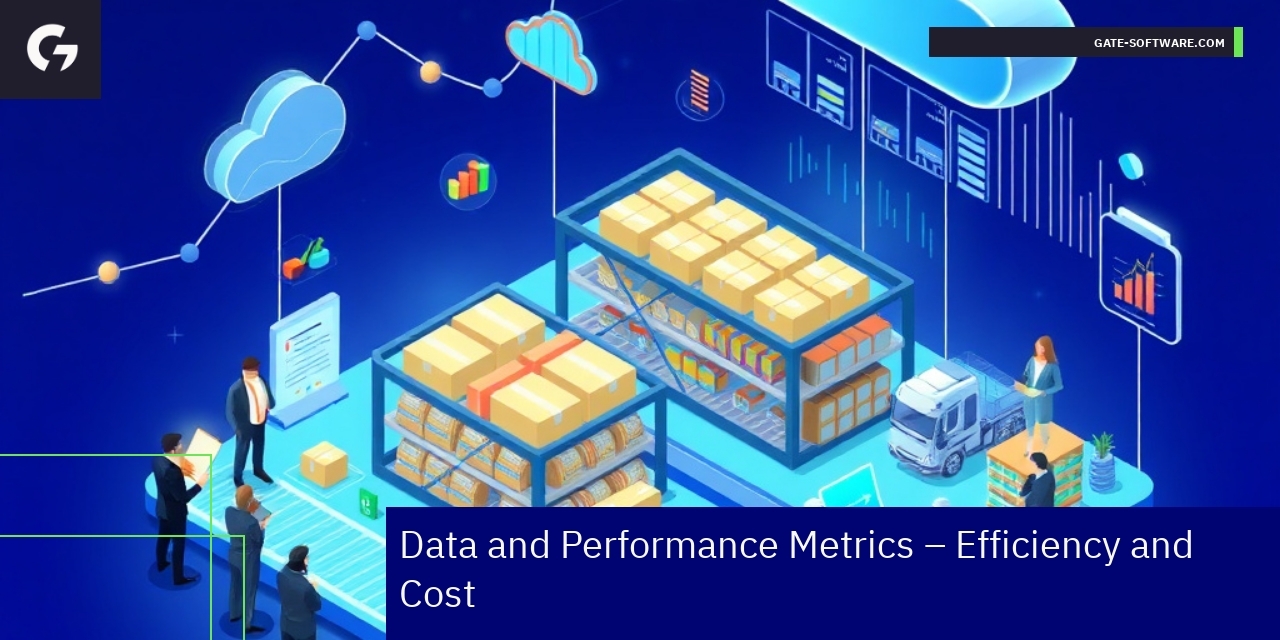
- Data and Performance Metrics – Efficiency and Cost
- Summary
- FAQ
- Custom pricing models for different customer segments
- Streamlined quote management workflows
- Customer-specific product catalogs for personalized experiences
- Reduction of manual operations through built-in automation
- Enhanced scalability for growing B2B businesses
- Complexity of B2B operations and required customization
- Budget for licensing versus development of custom features
- Long-term maintenance and scalability needs
- Integration capabilities with existing ERP or CRM systems
- Examples of role-based access configurations and their impact on workflow efficiency
- Case studies showing improvements in operational control using multi-person account management
- Tutorials or guides on setting up multi-user permissions in Magento 2 B2B
Dane i metryki wydajności – Efektywność i koszty
Kluczowe wskaźniki dla obszaru B2B
W obszarze B2B, czas realizacji zamówień można skrócić średnio o 30%, co znacznie zwiększa efektywność operacyjną. Badania pokazują, że integracja z systemami ERP pozwala na redukcję kosztów obsługi zamówień o 25% w porównaniu do tradycyjnych metod.
Średni czas do realizacji zamówień na platformach B2B wynosi około 48 godzin, a odpowiednie optymalizacje mogą zredukować ten czas do 24 godzin. Ponadto, przedsiębiorstwa, które wdrożyły zautomatyzowane procesy zatwierdzania zamówień, zauważyły poprawę w dokładności zamówień o 20%, co zmniejsza liczbę błędów i zwrotów.
Oczekiwany zwrot z inwestycji (ROI) przy wdrażaniu platformy Magento B2B może osiągnąć 200% w ciągu pierwszych dwóch lat, przy czym 60% firm zauważa zwiększenie przychodów o 15% w ciągu pierwszego roku działalności po wdrożeniu.
W przypadku managerów, 45% z nich twierdzi, że wdrożenie rozwiązań e-commerce przyczyniło się do zwiększenia zadowolenia klientów o 30%, co jest kluczowe w utrzymaniu długotrwałych relacji biznesowych.

Magento Open-Source vs Magento Commerce: Key Differences
Dedicated B2B System
When evaluating Magento Open-Source versus Magento Commerce for B2B operations, one fundamental distinction lies in the availability of a dedicated B2B system in Magento Commerce. This system is explicitly tailored to meet complex B2B e-commerce practices, enabling businesses to streamline sales processes and foster stronger customer loyalty. Unlike the Open-Source edition, Magento Commerce offers advanced features such as custom pricing, quote management, and customer-specific catalogs, all critical for efficient product and pricing management. These capabilities form the backbone of Magento 2 B2B optimization and are essential for scaling a B2B eCommerce business effectively. Choosing the right platform, therefore, influences Magento performance optimization directly by simplifying configuration best practices. Implementing the specialized functionalities of Magento Commerce allows businesses to save time and reduce costs associated with manual processes and third-party integrations, ultimately enhancing operational efficiency and scalability in demanding B2B environments.
—
Key Benefits of Magento Commerce B2B System:
Considerations When Choosing Your Platform:
—
Our E-commerce Highlights
Our e-commerce achievements underscore the importance of platform performance as a critical success factor in B2B operations. Magento Commerce’s infrastructure is designed for optimal performance, providing robust tools that support enhanced sales strategies and business growth. Applying best practices for infrastructure performance optimization with Magento ensures reliable and scalable environments that accommodate high volumes of transactions typical in B2B scenarios. This leads to improved Magento 2 performance optimization, minimizing downtime and latency, which are vital for maintaining customer satisfaction and operational continuity. In contrast, Magento Open-Source requires more intensive customization and third-party reliance to reach comparable performance levels, which may impact agility and long-term maintenance costs. By leveraging the integrated solutions within Magento Commerce, businesses can achieve a higher level of platform stability and responsiveness, ultimately driving better B2B outcomes and supporting sustained growth.
B2B E-commerce Differences Between Magento Versions
Magento 2 B2B System
Magento Open Source and Magento Commerce significantly differ in how they support B2B efficiency. Magento Open Source provides fundamental e-commerce features suitable for smaller businesses, but lacks advanced tools essential for complex B2B operations. In contrast, Magento Commerce B2B is built to address intricate B2B needs, offering capabilities such as sophisticated customer segmentation, complex pricing structures, and the management of multiple buyers under a single corporate account. These features directly influence Magento 2 performance optimization by enabling tailored experiences that align with the specific demands of B2B clients, improving user interactions and operational flow. Selecting the correct version not only impacts Magento 2 performance optimization but also serves as a strategic lever to reduce operational costs and support scalable growth for a B2B eCommerce business using Magento 2.
B2B Integration with ERP
Integration of B2B e-commerce platforms with ERP systems streamlines product and price management, which is critical for operational efficiency. This synergy allows for consolidated control over inventory, order processing, and pricing strategies, directly reducing manual intervention and minimizing errors. Such integration is a cornerstone of Magento 2 performance optimization because it ensures data consistency and accelerates transactional processes, ultimately saving time and cutting costs. Implementing ERP integration within Magento 2 provides a cohesive workflow that supports both back-office operations and front-end sales efforts. This capability is essential in the ultimate Magento 2 performance optimization guide and ensures that B2B enterprises can maintain agility and responsiveness in a competitive market.

Intuitive Self-Service Tools
Multi-Person Company Account Management
Multi-person company account management is a vital feature in B2B platforms that significantly enhances operational control and aligns with business-focused strategies. By allowing multiple users to manage a single company account, organizations can distribute responsibilities such as order placement, approval processes, and account management across different roles within their team. This decentralization improves operational efficiency by enabling faster decision-making and reducing bottlenecks in procurement workflows.
From a technical perspective, this feature supports Magento 2 B2B optimization by facilitating granular permission settings and role-based access control, which boosts security and compliance. It also enhances Magento 2 performance optimization, as the platform efficiently handles concurrent user activities without compromising response times or system stability. Such collaborative account management capabilities enable businesses to scale more effectively by supporting complex organizational structures and diverse stakeholder needs, all while maintaining streamlined control over company purchasing processes and data integrity.
If available:
Custom Product Catalogs
Custom product catalogs are fundamental practices in B2B eCommerce that directly contribute to efficient product and pricing management. These catalogs enable businesses to present tailored product assortments and pricing structures based on customer segments, purchase volume, or contractual terms. This customization not only increases sales opportunities but also strengthens customer loyalty by providing a more relevant and personalized shopping experience.
Implementing custom product catalogs within Magento 2 supports strategies to scale your B2B eCommerce business by optimizing inventory visibility and facilitating intelligent inventory management. The system selectively displays products that are pertinent to each customer or company account, reducing friction during the ordering process and minimizing the risk of order errors. Pricing flexibility, including tiered and customer-specific pricing, is seamlessly integrated, reflecting Magento 2 performance optimization principles to maintain fast, responsive conditions even with complex catalog rules.
Ultimately, custom product catalogs offer operational efficiency and scalability by aligning product offerings and pricing with customer expectations, ensuring that B2B companies can grow sustainably while maximizing platform effectiveness.

Managing Quote Requests
Sales Support
In B2B environments, managing quote requests is vital for efficiency and overall platform performance. Efficient sales support plays a critical role by enhancing sales strategies and facilitating seamless negotiations. The ability to quickly process and respond to quote requests enables faster ordering cycles, reducing bottlenecks in the sales funnel. Integrating proper tools designed for managing quote requests supports not only negotiation but also order management, ensuring that every client interaction is tracked and optimized. This aligns closely with Magento 2 performance optimization: 13 proven solutions for 2025., where performance tuning directly impacts the responsiveness and scalability of the platform, making sales support both a strategic and operational imperative for B2B organizations. By leveraging these strategies, businesses can improve conversion rates and maintain agility in complex sales processes.
Business-Focused System
A business-focused system that aligns with e-commerce practices is essential to increase sales and build client loyalty in B2B markets. Such systems must be specially tailored to handle the complexities inherent in B2B transactions, including customized pricing, volume discounts, and contract-based purchasing. Ensuring Magento 2 performance optimization here is key to success in B2B because it guarantees that the platform can handle large-scale operations without latency or downtime. The system’s architecture should support dynamic quote management workflows, prioritizing speed and accuracy in generating proposals. This directly contributes to stronger customer retention and streamlined operations, reinforcing the sales support infrastructure. By focusing on these elements, organizations can not only increase their sales performance but also build lasting business relationships grounded in reliability and operational excellence.
Smooth Management
Technology Consultations
Technology consultations play a pivotal role in enhancing smooth management within B2B environments by guiding the optimization of system operations. These consultations focus on aligning technological infrastructure and workflows with best practices in Magento 2 performance optimization and configuration. In practice, this means advising on intelligent order and inventory control systems that not only save time but also reduce operational costs. By leveraging expert insights, organizations can streamline their processes, ensuring that their B2B platforms handle increased load effectively and maintain high responsiveness. Such targeted consultations help tailor solutions that address specific business needs, facilitating seamless integration with existing systems and supporting scalability. The ultimate goal is to enable efficient management that drives superior performance and operational excellence, directly impacting overall B2B efficiency.
Migrating from Other Technologies
Migrating from other technologies to a Magento 2 platform requires strategic planning with a clear focus on preserving and enhancing platform performance. Proper migration approaches are essential to avoid disruptions and to improve B2B efficiency and sales strategies. By following best practices on how to optimize your B2B Magento 2 store during migration, businesses can ensure a smooth transition that supports continuity in sales operations and inventory management. Critical considerations include data integrity, system compatibility, and optimizing Magento performance post-migration to handle complex B2B workflows. A well-executed migration reduces downtime, minimizes risk, and positions the organization to capitalize on enhanced functionality and improved user experience. These improvements collectively contribute to sustained B2B growth and operational agility.
Podsumowanie
Zakończenie wdrożenia platformy Magento B2B to kluczowy moment, który nie kończy procesu, ale otwiera nowe możliwości dla Twojej firmy. Zrozumienie specyfiki B2B, automatyzacja procesów oraz personalizacja oferty to kwestie, które mogą znacząco wpłynąć na sukces Twojego e-commerce. Dzięki strategicznemu podejściu do wdrażania i ciągłego doskonalenia procesów, możesz stworzyć platformę, która nie tylko sprosta obecnym wymaganiom, ale również będzie elastyczna i gotowa na przyszłość. Zachęcamy Cię do refleksji nad tym, jakie kroki możesz podjąć już teraz, aby w pełni wykorzystać potencjał platformy Magento B2B dla swojej organizacji. Pamiętaj, że regularne monitorowanie wydajności systemu i adaptacja do zmieniającego się rynku to kluczowe elementy, które pozwolą Ci utrzymać konkurencyjność i efektywność w długim okresie.

Alternatives to Magento 2 in B2B
When evaluating alternatives to Magento 2 in B2B, including other e-commerce platforms, businesses must carefully consider how each option aligns with their specific operational needs, technical architecture, and performance optimization requirements. Magento 2 is known for its flexibility and extensive customization options, but optimizing its performance can be complex and resource-intensive. Therefore, exploring other platforms that may offer optimized solutions out of the box or require less operational overhead is critical for scalability and efficiency.
Shopify Plus presents a compelling option for businesses seeking a fully hosted, scalable solution with robust performance optimization features. It offers fast loading speeds, reliable hosting, and minimal technical management, making it suitable for teams looking to reduce infrastructure complexity while maintaining ecommerce agility. BigCommerce also focuses on scalability and built-in performance enhancements such as high-speed caching and CDN integration, which enable rapid content delivery and seamless browsing experiences—an essential factor for B2B buyers who expect efficient transactional systems.
For organizations embedded in the WordPress ecosystem, WooCommerce offers flexibility and an extensive range of plugins for performance tuning. However, it might require additional setup and technical effort for high scalability compared to dedicated platforms. Enterprise solutions like SAP Commerce Cloud (Hybris), Salesforce Commerce Cloud, and Oracle Commerce Cloud cater to complex B2B demands by embedding advanced performance optimization, customization capabilities, and seamless integration with business systems. These platforms support the architectural intricacies found in large-scale operations but come with higher implementation and maintenance complexity.
In the context of Magento performance optimization considerations, selecting a platform that balances technical sophistication with operational manageability is vital. Each alternative offers a different trade-off between ease of use, customization, and out-of-the-box performance. CTOs and digital leaders must assess not only current performance needs but also scalability potential and the total cost of ownership over time to ensure the chosen platform ultimately supports sustainable business growth in the B2B landscape.

Magento 2 Benefits and Risks
Magento 2 offers significant benefits and inherent risks that directly affect business decisions in B2B settings. Understanding these benefits and risks of using Magento 2 in B2B affect business decisions by enabling stakeholders to implement Magento 2 performance optimization and configuration best practices effectively.
Among the key benefits, Magento 2’s scalability stands out, allowing B2B enterprises to handle increasing transaction volumes and complex catalogs seamlessly. Its advanced customization capabilities enable tailored workflows specific to diverse B2B requirements such as customer segmentation, tiered pricing, and negotiated contracts. Moreover, Magento 2 supports multi-store management within a single installation, streamlining operations across regional or branded business lines. Integration with ERP, CRM, and other enterprise systems further enhances operational efficiency and data consistency, a critical need in complex B2B ecosystems. Additionally, sophisticated inventory management functionalities help maintain accurate stock visibility and order fulfillment accuracy, which directly influence customer satisfaction and operational throughput.
However, these advantages come with risks that must be considered. Magento 2’s technical complexity demands skilled resources for implementation and ongoing management, posing potential challenges in technology adoption and operational continuity. The platform’s resource-intensive nature can lead to higher infrastructure costs and risks of performance degradation unless optimization best practices are expertly applied. Security vulnerabilities also require proactive management through regular patches and secure configuration to safeguard sensitive B2B data. Dependence on third-party extensions to expand functionality can introduce compatibility challenges and operational risk, requiring vigilant governance. Cost implications, both upfront and ongoing, must be balanced against anticipated returns to ensure sustainable deployment.
By thoroughly evaluating these benefits and risks of using Magento 2 in B2B, technology and eCommerce leaders can make informed decisions to leverage Magento 2 performance optimization and configuration best practices effectively, ultimately driving robust and scalable B2B commerce solutions.
FAQ
Jakie są kluczowe etapy wdrożenia platformy Magento B2B?
Wdrożenie platformy Magento B2B składa się z kilku kluczowych etapów, w tym analizy potrzeb biznesowych, projektowania architektury systemu, konfiguracji platformy, testowania funkcjonalności oraz szkolenia zespołów odpowiedzialnych za zarządzanie platformą.
Co różni Magento B2B od rozwiązań B2C?
Magento B2B różni się od rozwiązań B2C przede wszystkim w zakresie zarządzania relacjami z klientami biznesowymi, elastycznych warunków sprzedaży oraz integracji z systemami ERP i CRM. W modelu B2B transakcje są zazwyczaj bardziej złożone i wymagają negocjacji warunków handlowych.
W jaki sposób przeprowadza się migrację na Magento 2 w kontekście B2B?
Migracja na Magento 2 w kontekście B2B wymaga precyzyjnego planowania, które obejmuje analizę wymagań funkcjonalnych, projektowanie architektury, migrację danych oraz testowanie. Ważne jest również korzystanie z gotowych modułów, które ułatwiają proces migracji.
Jakie korzyści przynosi wdrożenie Magento B2B dla firm?
Wdrożenie Magento B2B przynosi korzyści takie jak automatyzacja procesów zakupowych, personalizacja oferty oraz lepsze zarządzanie relacjami z klientami. To prowadzi do zwiększenia efektywności operacyjnej, skrócenia czasu realizacji zamówień i poprawy doświadczeń klientów.
Jakie wyzwania mogą wystąpić podczas wdrożenia Magento B2B?
Podczas wdrożenia Magento B2B mogą wystąpić wyzwania związane z migracją danych, błędami w implementacji funkcjonalności oraz zapewnieniem skalowalności i wydajności platformy. Kluczowe jest dokładne planowanie i testowanie, aby minimalizować te ryzyka.

Summary
In conclusion, optimizing a Magento 2 store for B2B operations is essential for aligning your digital commerce capabilities with the specific needs and complexities of business buyers. By focusing on key elements like advanced account management, customized pricing, and seamless integration with ERP and CRM systems, organizations can not only enhance operational efficiency but also significantly boost sales growth and customer satisfaction. The strategic implementation of best practices, coupled with an understanding of the unique aspects of B2B transactions, allows businesses to achieve higher volumes and retain customers more effectively. By leveraging the robust features of Magento 2 and making data-driven decisions, you position your organization to thrive in the competitive B2B landscape. Reflect on how these insights can inform your next steps in optimizing your B2B eCommerce operations and consider the potential gains in both performance and customer loyalty that await.

FAQ
How can businesses optimize Magento 2 for B2B purposes?
Businesses can optimize Magento 2 for B2B by leveraging its native B2B modules, which handle company accounts, quote requests, and custom price lists. Configuring features to support multi-user accounts within a company, personalized catalogs, and dynamic price rules is essential for streamlining B2B transactions.
What are key considerations for performance optimization in Magento 2?
Performance optimization in Magento 2 requires careful tuning to manage high volumes of traffic and large product catalogs typical in B2B settings. Important practices include integrating caching strategies like Varnish, utilizing efficient indexing and database management, and enabling flat product catalogs to enhance processing speed.
What customizations can enhance the user experience in B2B sales cycles?
Customizations that enhance user experience in B2B sales cycles include automating purchase orders, enabling quick reorder functionalities, and integrating ERP systems for synchronized inventory and customer data. These capabilities reduce manual overhead and improve the accuracy of transactions.
How does Magento 2 ensure security and compliance in B2B transactions?
Magento 2 ensures security and compliance by supporting granular permissions and role-based access control. This allows administrators to enforce strict governance over sensitive pricing and order data within company accounts, which is crucial for maintaining compliance and trust among business clients.
What benefits does Magento Commerce offer for B2B operations?
Magento Commerce offers significant benefits for B2B operations, including custom pricing models, streamlined quote management workflows, and customer-specific product catalogs. These features enhance operational efficiency and scalability, allowing businesses to effectively manage complex B2B transactions.
.
.
Zamów bezpłatną konsultację
.
Z nami rozwój Twojego biznesu nabierze tempa! Zapraszamy do kontaktu średnie i duże firmy generujące min. 7 mln PLN obrotu rocznie – tam nasza ekspertyza sprawdza się najlepiej.
.
Kliknij w poniższy przycisk i skontaktuj się z jednym z naszych konsultantów e-commerce
.