Introduction
In today’s rapidly evolving B2B e-commerce landscape, Magento 2 integrations have become crucial for driving operational efficiency and scaling business processes. Seamlessly connecting Magento 2—an advanced, flexible e-commerce platform—with existing enterprise systems such as ERP, CRM, and PIM allows businesses to streamline workflows, reduce manual intervention, and deliver a superior buyer experience. Integrations enable real-time data synchronization, automated order management, and enhanced visibility across the entire supply chain, addressing key challenges that B2B companies face in terms of complex pricing structures, customer segmentation, and bulk purchasing.
From a strategic standpoint, leveraging Magento 2 B2B integrations empowers companies to unify fragmented systems and data silos into a cohesive technology ecosystem. This unification simplifies data governance and enhances decision-making through consolidated analytics, helping leadership teams optimize product offerings, pricing strategies, and inventory management. Technically, robust API-driven integrations ensure scalability, security, and flexibility, enabling technical teams to respond efficiently to new business requirements without disrupting existing operations.
Operationally, these integrations reduce order processing times, improve accuracy, and provide customers with self-service capabilities tailored to B2B needs, such as personalized catalogs and negotiated pricing. As a result, the overall efficiency gained positively impacts customer satisfaction and long-term client retention. For senior stakeholders like CTOs and Digital Directors, understanding the technical and strategic implications of Magento 2 B2B integrations is vital to harnessing the platform’s full potential and achieving sustainable growth in competitive e-commerce markets.

What You Will Learn
Understanding the importance of Magento 2 B2B integrations is critical for businesses aiming to streamline complex procurement processes, enhance customer experiences, and scale operations efficiently. B2B integrations enable Magento 2 platforms to connect seamlessly with ERP systems, CRMs, payment gateways, and third-party logistics providers. This connectivity ensures real-time data synchronization, reduces manual entry errors, and supports customized workflows tailored to business clients’ specific needs, ultimately driving operational agility and competitive advantage.
The key features of the Magento platform that serve B2B operations include robust product catalog management, flexible pricing and discount structures, and advanced customer segmentation. Magento’s capacity for multi-store and multi-language support empowers companies to manage diverse markets from a single platform, while its API-driven architecture facilitates scalable and secure integrations. These features collectively support the complex buying processes prevalent in B2B environments, such as quote requests, purchase approvals, and bulk ordering.
Benefits of dedicated implementations focus on customizability and alignment with unique business requirements. Unlike out-of-the-box solutions, tailored implementations leverage Magento 2’s extensibility to address specific operational challenges, such as customized sales workflows, integration with niche third-party tools, and enhanced security protocols. This approach supports scalability, maintains system performance under high transaction volumes, and fosters seamless upgrades.
How Magento 2 integrations and automations save time centers on reducing manual intervention through workflows that automate order processing, inventory updates, and customer communications. Automated data exchange with external systems minimizes delays and errors, empowering teams to focus on strategic tasks. Furthermore, automations improve responsiveness to client needs, accelerating the sales cycle and boosting overall operational efficiency.
TABLE OF CONTENTS
- Magento 2 B2B Integrations: The Key to E-commerce Efficiency
- What You Will Learn
- Definitions and Basics of Magento 2 B2B Integrations
- Magento B2B Integrations: Key to Success
- What Does a Dedicated Implementation Mean?
- Benefits of Magento B2B – Why Choose It?
- Comparing Magento B2B Solutions
- Examples of Magento 2 B2B Integrations
- Common Errors in Magento B2B Implementation
- Alternatives to Magento 2 B2B
- Benefits and Risks of Magento B2B Integrations
- Data and Performance Metrics – Efficiency and Cost
- Summary
- FAQ
- Prioritize ERP systems that offer native Magento 2 integration modules for faster deployment.
- Ensure compatibility with your existing backend systems to avoid costly customizations.
- Regularly schedule consultation sessions to align integrations with evolving business needs.
- Data inconsistency between Magento and ERP without proper synchronization.
- Integration downtime impacting order processing.
- Lack of employee training on new integrated workflows.
- Establish clear data mapping rules before integration.
- Implement real-time data syncing where possible.
- Monitor integration performance with specialized tools to promptly address issues.
- Seamless ERP and B2B solution integrations
- Scalability supporting growing transaction volumes and product catalogs
- Automated order processing reducing manual errors
- Real-time data synchronization enhancing operational efficiency
- Comprehensive customer and inventory management tools
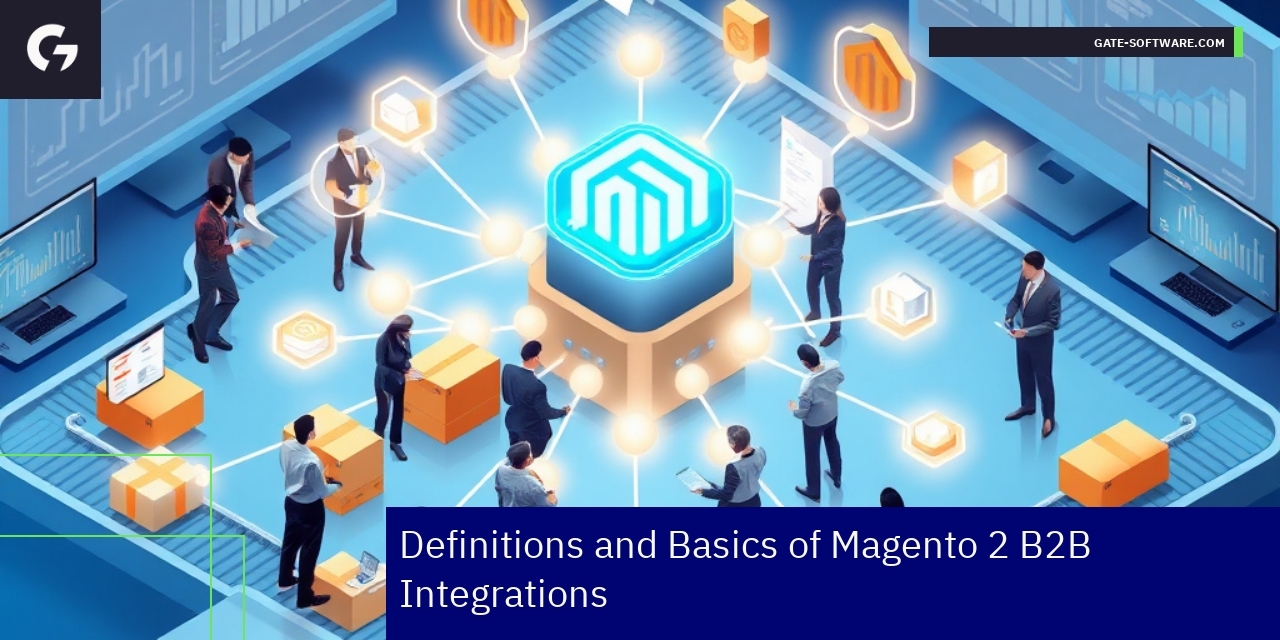
Definitions and Basics of Magento 2 B2B Integrations
Understanding the core elements of Magento 2 B2B integrations is crucial for building scalable and efficient business solutions. Magento 2 B2B integrates deeply with systemy ERP, enabling streamlined management of resources, inventories, and financials across complex business operations. These integrations allow companies to synchronize data seamlessly between their ERP systems and the platforma Magento, ensuring consistency and accuracy in order processing, customer management, and supply chain workflows.
E-commerce integracje within Magento 2 B2B enable connectivity with various external systems, such as payment gateways, logistics partners, and CRM tools, enhancing the overall operational flow. The podstawowe funkcjonalności offered by Magento’s B2B modules include features such as advanced catalog management, tailored pricing structures, negotiation capabilities, purchase order management, and company account roles and permissions. These features collectively provide businesses with highly customizable options suited to the distinct demands of B2B transactions, improving user experience and operational control on Magento 2 B2B stores.
Leveraging rozwiązania B2B through Magento 2 ensures that enterprises can manage their customer hierarchies, personalized quotes, and bulk ordering processes effectively. This integration foundation supports not only current operational requirements but also scalability for future growth, making Magento 2 a robust platform for complex B2B e-commerce environments. Integrating systemy ERP and specialized Magento B2B modules forms the strategic backbone for optimized business performance, automation, and enhanced customer relationship management in the B2B sector.

Magento B2B Integrations: Key to Success
Successful Magento 2 B2B businesses rely on the right Key Integrations for B2B Stores on Magento 2 to streamline their processes. Integrating systemy ERP with rozwiązania B2B on the platforma Magento aids in automating order handling, making Magento store management effortless and efficient.
Tech Consultations on Magento
Expert consultations focus on System Integrations with Magento 2 B2B to maximize Magento’s potential. These discussions cover how systemy ERP and rozwiązania B2B enhance sales process management and save you precious time by optimizing e-commerce integracje. Implementing seamless ERP integration ensures that order data flows smoothly between the back-end ERP systems and the Magento platform, eliminating manual data entry errors and accelerating the sales cycle. This integration supports effortless Magento store management by enabling automatic updates on inventory, pricing, and customer information, which is crucial for maintaining operational efficiency in B2B contexts.
—
Helpful Tips:
Common Challenges:
Best Practices:
—
Migrating from Other Technologies to Magento 2
Migrating from other platforms to Magento 2 involves choosing the Top ERP Options for Magento 2 that fit best. Proper Magento 2 integrations ensure smooth order processing and automatic synchronization of data between systemy ERP and platforma Magento. This synchronization reduces delays in order fulfillment and minimizes human error, thereby enhancing the customer experience. Selecting the right ERP system compatible with Magento 2 supports scalable operations and facilitates automatyzacja obsługi zamówień., which ultimately leads to time-saving benefits for B2B businesses. The migration process also includes evaluating existing business workflows and aligning them with Magento 2’s robust features for sales process management.
What to Know About Magento B2B Platforms
Magento 2 B2B Company Explained provides insight into managing platforma Magento with systemy ERP and rozwiązania B2B integrations. This knowledge is key for scalable e-commerce integracje that support your store’s growth and cooperation with shipping companies. A well-structured Magento B2B platform enables smooth interactions with third-party shipping companies and logistics providers, ensuring reliable and timely delivery of products. Moreover, these integrations promote store scalability and growth by streamlining backend processes and enhancing the overall customer journey in B2B e-commerce. Efficient Magento 2 B2B Integrations thus form the foundation for a successful and sustainable digital business model.

What Does a Dedicated Implementation Mean?
Dedicated implementations go beyond standard Magento 2 integrations and automations by offering tailored e-commerce integracje with systemy ERP. These solutions often include invoicing features and improved customer service to better fit your business needs.
What is Magento System Integration?
To understand what Magento system integration means, it’s vital to answer: What is an ERP? An ERP (Enterprise Resource Planning) system consolidates key business processes, such as inventory management, invoicing, and customer service, into a unified platform. Integrating systemy ERP and rozwiązania B2B with platforma Magento supports wholesalers by streamlining operations, reducing manual intervention, and enabling cohesive data flow across systems. This improves operational efficiency and provides accurate real-time insights into inventory, sales, and financials. While is integration complex? Proper dedicated Magento 2 implementation simplifies even complicated workflows by designing integration points that align precisely with business processes, making the overall system more scalable and reliable.
Benefits of Magento Store Integration
Knowing Why Should You Integrate ERP with Magento 2? reveals numerous benefits such as automation of key business functions, enhanced data accuracy, and improved customer service through seamless invoicing and order management. Integrating invoicing and ERP systems within Magento enables wholesalers to manage complex pricing, discounts, and inventory levels effortlessly. Moreover, can I test integration before buying? is an important consideration—many solutions allow testing the integration to ensure it aligns with your operational requirements before full deployment. A successful Magento 2 implementation not only elevates your platform’s capability but also strengthens your systemy ERP-powered e-commerce integracje, driving efficiency and supporting scalable growth.
Benefits of Magento B2B – Why Choose It?
Magento integrated with systemy ERP enabled rozwiązania B2B delivers substantial benefits driven by seamless e-commerce integracje. The platforma Magento is well-known for its ambitious scalability, which supports ongoing maintenance and development as your B2B business expands. This scalability ensures that the platform can accommodate increasing transaction volumes, product catalogs, and complex workflows without sacrificing performance or operational efficiency.
Main Features of Magento B2B
Magento B2B modules for Magento 2 B2B stores emphasize comprehensive integrations that connect systemy ERP and rozwiązania B2B directly to the platforma Magento. These integrations enable transparent processes throughout your e-commerce ecosystem, streamlining ordering, inventory tracking, and customer management. Features like Magento 2 integrations and automations contribute to automated order processing, reducing manual effort and minimizing errors in transaction workflows. By connecting core business systems, Magento facilitates real-time data flow, enhancing decision-making and operational agility.
—
Key Benefits at a Glance:
—
Magento Implementations – FAQ
Frequently asked questions on Magento implementations revolve around how systemy ERP and rozwiązania B2B improve Magento 2 integrations and automations. The seamless connection supports automated order processing and strengthens customer support mechanisms within the platforma Magento’s e-commerce integracje. This results in more efficient order fulfillment cycles and a better customer experience. Moreover, Magento’s architecture allows for adaptability in maintenance and development, promoting long-term scalability aligned with business growth objectives. This makes Magento a robust choice for B2B enterprises seeking integrated, scalable, and transparent commerce solutions.
Comparing Magento B2B Solutions
In the realm of B2B commerce on the platforma Magento, selecting the right rozwiązania B2B integrated with systemy ERP is critical for operational efficiency and scalability. Magento’s adaptability allows businesses to implement comprehensive e-commerce integracje that bridge front-end sales processes with backend ERP systems, streamlining workflows and data management.
Key feature comparisons among various Magento B2B solutions often focus on ERP compatibility, customization potential, and automation capabilities. Robust systemy ERP integration ensures real-time inventory updates, seamless order processing, and unified customer data management. This synchronization reduces manual input errors and improves order cycle times, which are crucial for meeting B2B customer expectations.
Another dimension in evaluating rozwiązania B2B on Magento is the depth of e-commerce integracje offered, including support for complex pricing rules, customer-specific catalogs, and bulk ordering workflows. Solutions that allow fine-grained control over these features tend to enhance operational agility and customer satisfaction.
Performance and scalability also play significant roles. Platforms must handle large volumes of transactions and extensive product data without degradation. Magento, coupled with mature ERP integrations, supports horizontal scaling and high availability, which are essential for sustaining business growth in a competitive B2B environment.
Ultimately, a detailed feature comparison with focus on systemy ERP and e-commerce integracje highlights the need for a seamless, customizable, and scalable solution within Magento’s ecosystem to address specific business challenges effectively.
Examples of Magento 2 B2B Integrations
Magento 2 has become a cornerstone platforma Magento for many businesses seeking robust rozwiązania B2B solutions. Its flexible architecture allows seamless e-commerce integracje, particularly with complex systemy ERP environments, which are essential for efficient business operations in the B2B sector.
One common implementation scenario involves integrating Magento 2 with ERP systems to automate order processing, inventory management, and customer data synchronization. This integration ensures real-time data flow between the sales platform and the backend, significantly improving operational efficiency and reducing manual errors. The synchronization of customer-specific pricing, credit limits, and purchase approvals in Magento 2 reflects directly from ERP data, enabling businesses to maintain compliance with negotiated contracts and individualized terms.
Case studies reveal that companies leveraging these integracje benefit from enhanced scalability, allowing them to handle increased order volumes without degradation in performance. Additionally, Magento 2’s APIs facilitate customized B2B workflows that can accommodate complex approval chains and multi-level buyer roles, crucial for organizational purchasing.
Another practical example includes tailoring Magento 2 storefronts to mirror the intricate product catalogs and pricing structures maintained in ERP systems. This provides a consistent user experience across channels while centralizing product management.
In summary, Magento 2 B2B integrations exemplify how platforma Magento, combined with systemy ERP, delivers streamlined e-commerce integracje. These implementation scenarios underscore measurable benefits like operational efficiency, real-time data accuracy, and scalable B2B commerce, backed by solid case studies demonstrating successful application in diverse industry contexts.
Common Errors in Magento B2B Implementation
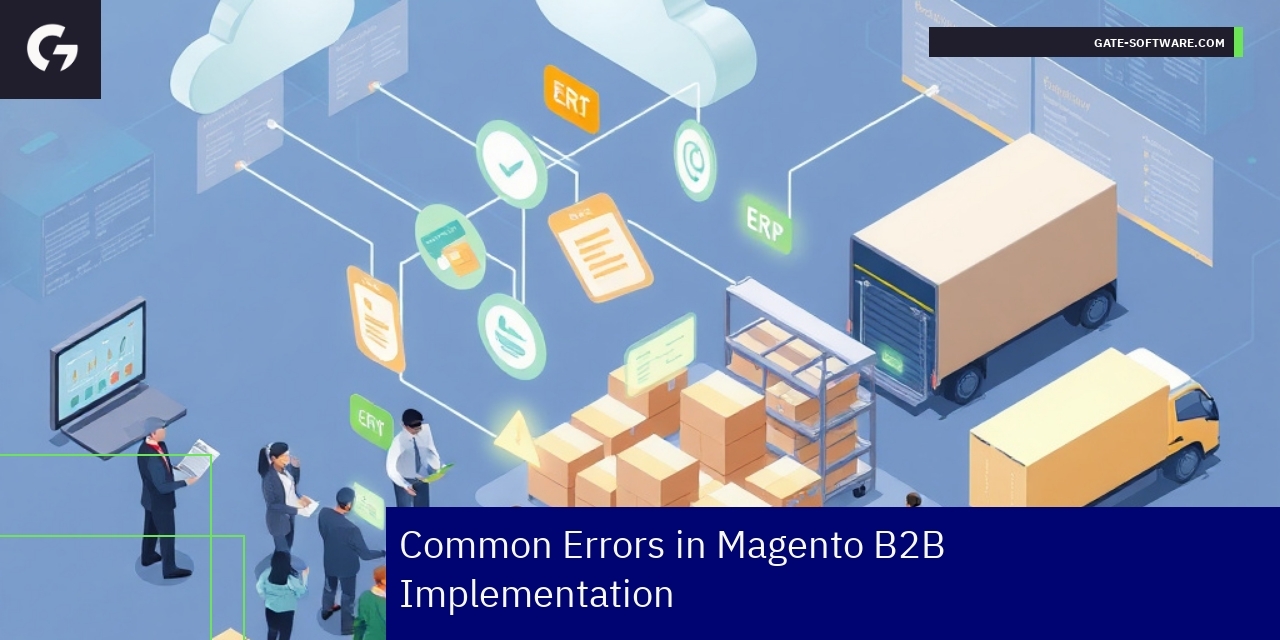
Implementing platforma Magento for B2B e-commerce solutions often involves complex integration with systemy ERP and other rozwiązania B2B, which can lead to common integration errors and implementation pitfalls. One prevalent issue is misalignment between the ERP system data structures and Magento’s B2B modules, causing data inconsistencies and synchronization failures. Without properly configured e-commerce integracje, crucial business information such as product catalogs, pricing, and customer data may not flow seamlessly, adversely affecting operational efficiency and user experience.
Another frequent error lies in underestimating the complexity of customization required for B2B processes. Magento’s default B2B features might not fully accommodate unique procurement workflows, multi-tier pricing, or credit management needs typical in B2B transactions. This can result in implementation pitfalls where extensions or custom code become tightly coupled and hard to maintain or scale.
Performance bottlenecks often occur due to inadequate system architecture planning, especially when integrating several systemy ERP sources through platforma Magento. Failing to optimize data transfer and processing across e-commerce integracje can lead to sluggish response times, harming scalability and overall platform reliability.
To avoid these errors, a strategic approach emphasizing thorough requirement analysis, robust middleware solutions for integration, and careful testing of end-to-end workflows is essential. This ensures that the B2B Magento deployment not only meets current operational demands but also remains flexible for future business growth.
Alternatives to Magento 2 B2B
While platforma Magento 2 B2B remains a robust solution tailored for complex business needs, exploring alternatives is crucial for organizations seeking optimal systemy ERP and rozwiązania B2B integrations that align with their unique operational demands. Various platforms offer differing approaches to e-commerce integracje, impacting scalability, customization, and technical architecture.
Alternatives often bring distinct advantages in ERP system connectivity, providing more streamlined or specialized integrations with existing enterprise software. These integrations play a critical role in ensuring that business workflows—from inventory management to order processing—are efficient and maintain data consistency across systems. When comparing other platforms to platforma Magento, factors such as the depth and automation of systemy ERP integration, flexibility in customizing rozwiązania B2B, and ease of managing multi-vendor ecosystems are paramount.
Additionally, some alternatives emphasize modular architectures, enabling companies to scale functionality without compromising performance. This scalability is essential for digital transformation initiatives where operational efficiency can drive competitive advantage. Ultimately, selecting among these solutions demands a strategic evaluation of how each platform supports complex B2B workflows, integrates seamlessly with existing technologies, and adapts to future business requirements, ensuring long-term value beyond initial deployment.
Benefits and Risks of Magento B2B Integrations
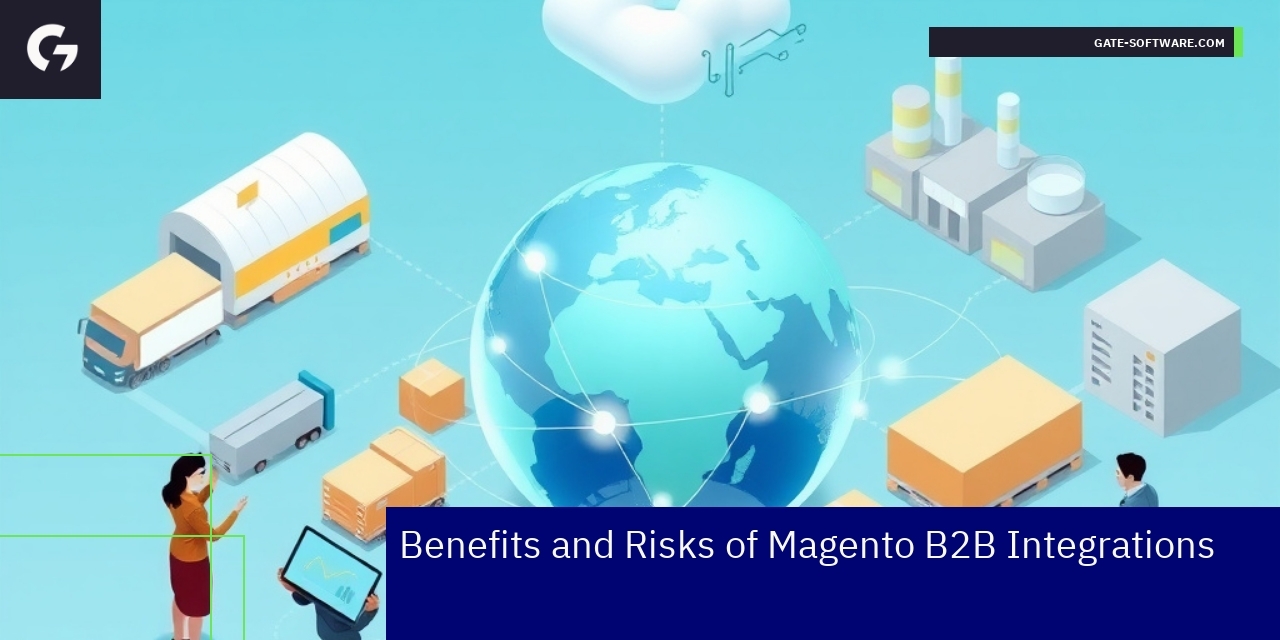
Integrating B2B solutions on platforma Magento, especially through systemy ERP and rozwiązania B2B e-commerce integracje, offers several compelling benefits alongside inherent risks that require careful consideration.
One of the primary benefits of Magento B2B integrations is operational efficiency. Leveraging systemy ERP alongside Magento’s platform enables seamless synchronization of inventory, orders, and customer data. This results in reduced manual data entry, minimized errors, and improved accuracy in order processing cycles, which are critical for complex B2B transactions. Additionally, rozwiązania B2B that incorporate Magento’s e-commerce integracje facilitate enhanced visibility into supply chains and customer behavior patterns, empowering businesses to optimize their sales strategies and inventory management.
From a financial perspective, the integration can lead to notable cost savings and revenue enhancements. Automating critical workflows reduces labor costs and accelerates order-to-cash timelines, contributing to improved cash flow. Enhanced customer experiences through streamlined digital purchasing journeys can also foster client retention and increase average order values. Thus, such e-commerce integracje provide measurable financial benefits to B2B enterprises seeking scalable growth.
Despite these advantages, risks must be addressed through thorough risk analysis. The technical complexity of integrating Magento with diverse systemy ERP platforms can introduce challenges such as data inconsistency, synchronization latency, and potential downtime affecting user experience. Security concerns are paramount, given the sensitive business data exchanged between integrated systems. Robust security protocols and rigorous testing are essential to mitigate these risks. Furthermore, the ongoing maintenance demands and the need for skilled technical resources can impact operational budgets.
In conclusion, while Magento B2B integrations via systemy ERP and rozwiązania B2B e-commerce integracje present significant operational and financial benefits, they necessitate careful risk analysis and strategic planning to ensure scalability, security, and sustained business value.

Data and Performance Metrics – Efficiency and Cost
Key Metrics for B2B
In the B2B landscape, order processing time can see reductions of up to 40% when utilizing Magento 2 integrations, enabling businesses to enhance throughput significantly. Recent studies indicate that companies leveraging Magento’s automated workflows experience a 30% improvement in inventory turnover rates, showcasing the platform’s effectiveness in managing stock levels efficiently.
Operational efficiency is reflected in system uptime, with well-implemented Magento solutions achieving a reliability rate of 99.9%. This high uptime ensures that businesses can process orders continuously without disruptions, contributing to enhanced customer satisfaction. Moreover, businesses report an average decrease of 25% in operational costs associated with order management and fulfillment processes, largely attributed to the streamlined data flows and automated systems provided by Magento 2.
From a performance perspective, the deployment of Magento 2 B2B solutions can lead to a 50% faster order cycle time, allowing enterprises to respond swiftly to customer needs and market demands. Additionally, businesses utilizing adaptive pricing features in Magento 2 have noted an increase of 20% in average order values, as personalized pricing strategies resonate better with B2B clients.
Lastly, the return on investment (ROI) for companies integrating Magento B2B solutions can exceed 200% within the first 12 months post-implementation, marking a compelling case for adopting this technology for enhanced business operations and growth.

Summary
In the competitive landscape of B2B e-commerce, the significance of Magento 2 integrations cannot be overstated. By effectively connecting Magento 2 with key enterprise systems such as ERP, CRM, and PIM, businesses can significantly streamline their operations and enhance their customers’ buying experiences. These integrations facilitate real-time data synchronization, automate complicated workflows, and improve order management processes, which are vital in addressing the intricate challenges faced by B2B companies today.
Moreover, the strategic unification of fragmented systems through Magento 2’s capabilities not only enhances data governance but also empowers leadership teams with actionable insights for better decision-making. This is crucial for optimizing pricing strategies, inventory management, and product offerings. For technical teams, the API-driven architecture offers the scalability and flexibility necessary to adapt to evolving business requirements without interrupting ongoing operations. As a result, B2B companies utilizing Magento 2 integrations experience enhanced operational efficiency, improved customer satisfaction, and stronger client retention, ultimately positioning themselves for sustainable growth in an ever-evolving digital marketplace. As you reflect on the potential of Magento 2 B2B integrations, consider how these capabilities can be harnessed to drive your business forward, ensuring you remain competitive in the dynamic world of e-commerce.

FAQ
What are the key benefits of Magento 2 B2B integrations?
Magento 2 B2B integrations streamline workflows by enabling real-time data synchronization, reducing manual errors, and automating order processing. They enhance operational efficiency and customer satisfaction, ultimately leading to improved client retention.
How do Magento 2 B2B integrations support complex pricing structures?
Integrations with ERP systems enable Magento 2 to manage complex pricing structures, allowing businesses to negotiate pricing, manage discounts, and tailor catalog offerings based on customer segmentation effectively.
Why is a dedicated implementation important for Magento B2B solutions?
A dedicated implementation offers tailored e-commerce integrations that address specific business needs beyond standard features. This customizability ensures greater efficiency and better alignment with unique operational workflows.
How does integrating Magento 2 with ERP systems improve order management?
Integrating Magento 2 with ERP systems automates order handling, ensuring smooth data flow between platforms. This reduces delays and errors in order processing while maintaining up-to-date inventory and customer information.
What challenges can arise from Magento B2B implementation?
Common challenges include data inconsistency due to misalignment between ERP and Magento data structures, underestimating the complexity of B2B processes, and performance bottlenecks from inadequate system architecture planning.
.
.
Zamów bezpłatną konsultację
.
Z nami rozwój Twojego biznesu nabierze tempa! Zapraszamy do kontaktu średnie i duże firmy generujące min. 7 mln PLN obrotu rocznie – tam nasza ekspertyza sprawdza się najlepiej.
.
Kliknij w poniższy przycisk i skontaktuj się z jednym z naszych konsultantów e-commerce
.