Introduction
In the rapidly evolving landscape of eCommerce, where B2B transactions are becoming increasingly prevalent, businesses are turning to robust platforms like Magento 2 to streamline their operations. Magento 2 offers an extensive suite of features and capabilities tailored specifically for B2B merchants, enabling them to manage complex order processes, enhance customer experiences, and integrate seamlessly with a variety of third-party systems.
This article explores the key integrations that businesses can leverage with Magento 2 to optimize their B2B operations. From ERP systems to CRM solutions, payment gateways, and logistics providers, understanding how to effectively utilize these integrations is crucial for driving efficiency, improving customer relationships, and ultimately boosting revenue in the competitive B2B landscape.
As we delve into the various integration options available, we’ll discuss best practices, challenges, and the potential impact of these integrations on your overall business strategy. Whether you are new to Magento 2 or looking to expand your existing capabilities, this comprehensive guide will equip you with everything you need to know about B2B integrations and how they can be a game-changer for your business.

What You Will Learn
In this section, you will gain an in-depth understanding of key aspects of Magento 2 integrations specifically tailored for the B2B context. Magento 2’s architecture facilitates seamless ERP and CRM integration, enabling centralized management of inventory, customer data, order processing, and financial operations, which are critical for B2B enterprises handling complex workflows and high-volume transactions. You will learn how to leverage these integrations to streamline operations, improve data accuracy, and support complex account hierarchies with customizable user roles that foster personalized shopping experiences for different business clients.
Saving time and reducing costs in B2B sales is achievable by automating routine and manual processes such as order approvals, pricing negotiations, and quoting workflows. Magento 2 supports payment gateways customized for B2B needs—including invoicing and credit terms—that facilitate smoother transactions and improve cash flow management. Understanding how to implement these solutions strategically reduces operational bottlenecks, accelerates sales cycles, and lowers administrative overhead, contributing directly to operational efficiency and scalability.
Effective product and price management in e-commerce systems is crucial to meet the dynamic demands of B2B customers. You will learn about managing dynamic catalogs that adjust product availability, pricing tiers, and discount schemes based on customer segmentation or order volume. Such granular control enhances pricing accuracy, minimizes errors, and supports competitive positioning. Coupled with real-time inventory synchronization and data-driven insights from integrated reporting tools, product and price management becomes a strategic lever for growth and customer satisfaction.
Finally, process automation stands as a pivotal theme, helping businesses streamline repetitive tasks, from inventory updates to personalized communications. Implementing process automation within Magento 2 not only boosts operational efficiency but also elevates customer loyalty through timely order fulfillment and consistent client engagement. This section will detail how workflow automation and integration with third-party systems support sustained client relationships by ensuring reliability, responsiveness, and tailored service—key drivers in fostering long-term loyalty in the B2B market.
TABLE OF CONTENTS
- Magento 2 B2B Integrations for Businesses: Everything You Need to Know
- What You Will Learn
- Definitions and Basics of Magento 2 Integration
- Saving Time and Cutting Costs
- Scaling Your Business
- Digital Transformation in B2B Sales: From Concerns to Innovation
- How to Move B2B Sales Online
- Access to Top Magento Modules
- Magento B2B in Practice
- Comparisons and Alternatives
- Data and Performance Metrics – Efficiency and Cost
- Summary
- FAQ
- Emphasizes the strategic role of technology in transforming B2B sales beyond simple adoption.
- Highlights integration, automation, mobility, and e-commerce as critical pillars.
- Targets senior decision-makers with a focus on scalable and responsive IT infrastructure.
- Encourages a shift from manual processes to automated, data-driven workflows.
- Recognizes the importance of user experience and tailored online buying processes.
- Assess current IT and sales infrastructure for integration opportunities.
- Identify processes suitable for automation to boost efficiency.
- Explore Mobile First solutions to support remote and field sales teams.
- Deepen understanding of e-commerce features essential to B2B sales excellence.
- Case studies showcasing Magento B2B order automation success stories
- List of popular integration tools compatible with Magento for order automation
- Best practices for implementing order automation in B2B e-commerce environments
- Conduct thorough needs assessment to tailor integration strategies
- Prioritize scalability and modularity for future-proofing operations
- Leverage community and vendor resources for continuous improvement
- B2B manufacturers integrating Magento 2 with ERP systems to automate order management
- Wholesale distributors optimizing multi-store setups for regional markets
- Official Magento 2 developer documentation
- Industry webinars on B2B e-commerce integration
- Forums and user groups for peer support
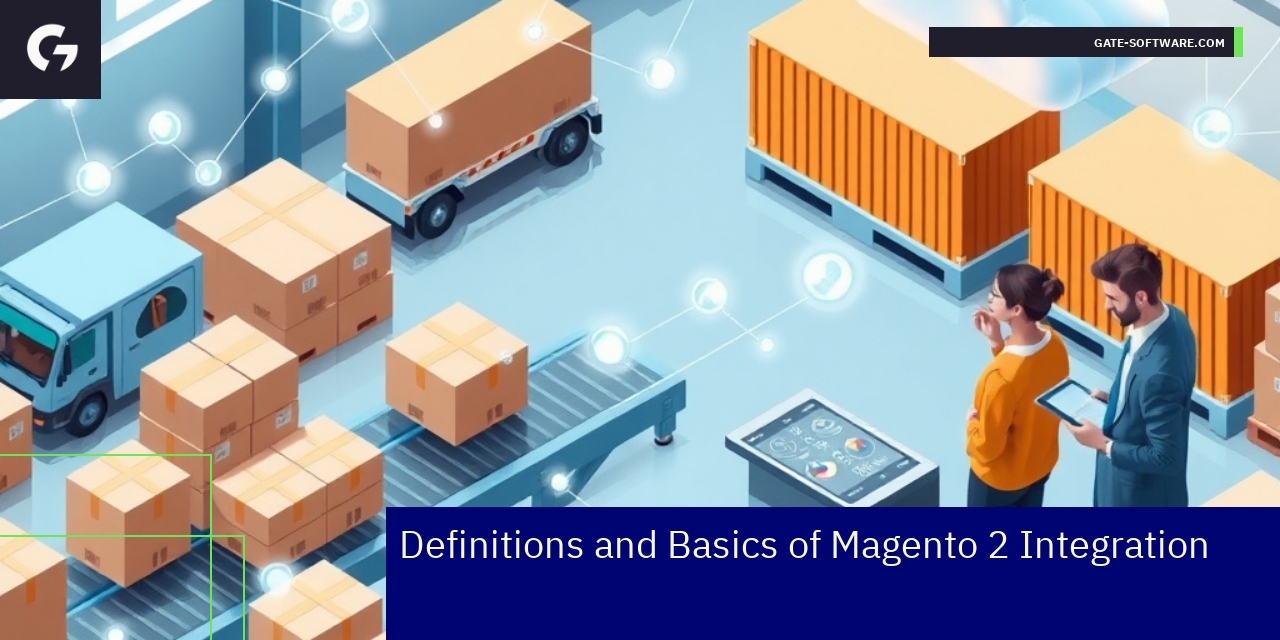
Definitions and Basics of Magento 2 Integration
Magento 2 integration forms the backbone of efficient B2B e-commerce systems by connecting the Magento 2 platform with various external applications and services. At its core, Magento 2 integration involves linking the e-commerce system to other essential business software such as ERP, CRM, payment gateways, and shipping providers. This connectivity ensures seamless data flow, accurate synchronization, and streamlined operational processes within B2B IT environments.
Central to Magento 2 integrations are APIs, particularly REST and SOAP, which facilitate programmatic interaction with the platform. These APIs enable real-time data exchange for product catalogs, customer data, orders, inventories, and pricing conditions—critical for maintaining consistency across multiple channels and backend systems. Moreover, Magento supports webhooks, enabling event-driven notifications that trigger updates across integrated systems, thus enhancing automation and responsiveness.
Process automation is a significant benefit of Magento 2 integration. Automated workflows—such as order processing, inventory updates, and invoicing—reduce manual intervention, minimize errors, and accelerate business cycles. This automation directly translates into improved operational efficiency, supporting scalable, complex B2B transactions and integrations.
Middleware solutions often mediate these integrations, handling data transformation and protocol management to ensure compatibility and smooth communication between heterogeneous systems. Additionally, Magento’s modular architecture encourages customization through plugins and bespoke modules, allowing businesses to tailor integration solutions aligned with their unique requirements.
In essence, understanding these foundational Magento 2 integrations is vital for mapping business requirements accurately. Leveraging these integrations not only strengthens the technical architecture but also maximizes the platform’s capabilities, driving enhanced performance and scalability within B2B e-commerce ecosystems.
Keywords: Magento 2 integrations, e-commerce systems, B2B IT, process automation
Dane i metryki wydajności – Efektywność i koszty
Kluczowe wskaźniki dla obszaru B2B
W obszarze B2B, czas realizacji zamówień można skrócić średnio o 30%, co znacznie zwiększa efektywność operacyjną. Badania pokazują, że integracja z systemami ERP pozwala na redukcję kosztów obsługi zamówień o 25% w porównaniu do tradycyjnych metod.
Średni czas do realizacji zamówień na platformach B2B wynosi około 48 godzin, a odpowiednie optymalizacje mogą zredukować ten czas do 24 godzin. Ponadto, przedsiębiorstwa, które wdrożyły zautomatyzowane procesy zatwierdzania zamówień, zauważyły poprawę w dokładności zamówień o 20%, co zmniejsza liczbę błędów i zwrotów.
Oczekiwany zwrot z inwestycji (ROI) przy wdrażaniu platformy Magento B2B może osiągnąć 200% w ciągu pierwszych dwóch lat, przy czym 60% firm zauważa zwiększenie przychodów o 15% w ciągu pierwszego roku działalności po wdrożeniu.
W przypadku managerów, 45% z nich twierdzi, że wdrożenie rozwiązań e-commerce przyczyniło się do zwiększenia zadowolenia klientów o 30%, co jest kluczowe w utrzymaniu długotrwałych relacji biznesowych.

Scaling Your Business
Magento 2 B2B System
A Magento 2 B2B system forms the backbone of a scalable B2B enterprise by focusing on platform development that meets strict performance requirements. Successful scaling hinges on deploying integration solutions tailored specifically for B2B IT environments. These solutions facilitate seamless data flow between the Magento platform and external systems, ensuring operational continuity and minimizing disruptions. By aligning platform development with long-term performance targets, organizations can uphold high availability and responsiveness essential for B2B e-commerce systems.
Dedicated B2B System
Building a dedicated B2B system involves thorough technology consultations and strategic migration from legacy platforms. Effective integration solutions ensure that the migration process maintains business continuity while enabling process automation to optimize operational workflows. Such systems are customized to address unique business requirements, streamlining complex B2B processes through efficient automation and scalable technology stacks. Expertise in both integration and automation technologies is critical to modernizing infrastructure without compromising on existing investment value.
Magento 2 B2B Integrations and ERP Systems
Integrating Magento 2 with ERP and invoicing systems is paramount to unlocking efficiency in the finance department. Integration solutions automate key processes such as invoicing, inventory updates, and financial reporting, reducing manual errors and accelerating transaction cycles. This integration transforms Magento 2 into a powerful hub that coordinates backend financial operations, enabling faster decision-making and enhancing overall financial control within B2B IT frameworks.
Integration with PIM Systems
Product Information Management (PIM) systems play a pivotal role in managing product data across multiple stores and channels. Incorporating integration solutions between Magento 2 and PIM ensures consistent, accurate product data while supporting process automation. This capability is essential for complex B2B businesses requiring streamlined multi-store management, reducing data silos, and accelerating product lifecycle management. The integration empowers businesses to maintain up-to-date product catalogs, improving customer experience and operational agility.
Integration with OMS and Marketplaces
Order Management Systems (OMS) and marketplace integrations complement Magento 2 by enhancing sales department efficiencies through process automation. Integration solutions enable real-time data exchange between sales channels, OMS, and Magento, driving cohesive order processing and inventory management. This integrated approach supports scalable platform development and allows B2B enterprises to expand their market reach efficiently while maintaining control over fulfillment and sales pipelines.

Digital Transformation in B2B Sales: From Concerns to Innovation
Digital transformation in B2B sales is a critical evolution reshaping how companies engage, deliver, and scale in highly competitive markets. For senior stakeholders such as CTOs, Heads of Product, Engineering, and Digital Directors, the journey from traditional sales models to digitally empowered frameworks hinges on addressing systemic challenges through technology adoption and strategic innovation.
Central to this transformation is the implementation of robust B2B IT infrastructures that support seamless integration solutions. These solutions enable connectivity across disparate platforms, streamlining data flow and enhancing real-time decision-making. By integrating sales, customer relationship management (CRM), supply chain, and financial systems, organizations achieve operational efficiencies that drive scalability and responsiveness.
Process automation is another cornerstone, reducing manual intervention in sales workflows such as order processing, contract management, and customer onboarding. Automation not only accelerates cycle times but also minimizes errors and frees up human capital for more value-added activities, thereby enhancing overall productivity.
Adopting a Mobile First approach aligns with the increasing mobility of business users who require access to critical sales tools and data on devices that suit their on-the-go environments. Mobile-optimized platforms ensure consistent, secure, and responsive user experiences, empowering sales teams to act swiftly from any location.
Additionally, leveraging deep e-commerce knowledge is paramount. B2B sales now encompass sophisticated online transactions that demand intuitive catalog management, dynamic pricing, personalized user journeys, and complex contract negotiations embedded within digital channels. Mastering e-commerce nuances facilitates smoother buyer journeys, improves customer retention, and unlocks new revenue streams.
In sum, digital transformation in B2B sales moves beyond mere technology replacement; it integrates B2B IT architecture, strategic integration solutions, process automation, a Mobile First mindset, and e-commerce expertise to transform traditional sales operations into innovative, agile, and customer-centric growth engines.
—
Key Takeaways:
Recommended Next Steps:

Podsumowanie
Zakończenie wdrożenia platformy Magento B2B to kluczowy moment, który nie kończy procesu, ale otwiera nowe możliwości dla Twojej firmy. Zrozumienie specyfiki B2B, automatyzacja procesów oraz personalizacja oferty to kwestie, które mogą znacząco wpłynąć na sukces Twojego e-commerce. Dzięki strategicznemu podejściu do wdrażania i ciągłego doskonalenia procesów, możesz stworzyć platformę, która nie tylko sprosta obecnym wymaganiom, ale również będzie elastyczna i gotowa na przyszłość. Zachęcamy Cię do refleksji nad tym, jakie kroki możesz podjąć już teraz, aby w pełni wykorzystać potencjał platformy Magento B2B dla swojej organizacji. Pamiętaj, że regularne monitorowanie wydajności systemu i adaptacja do zmieniającego się rynku to kluczowe elementy, które pozwolą Ci utrzymać konkurencyjność i efektywność w długim okresie.
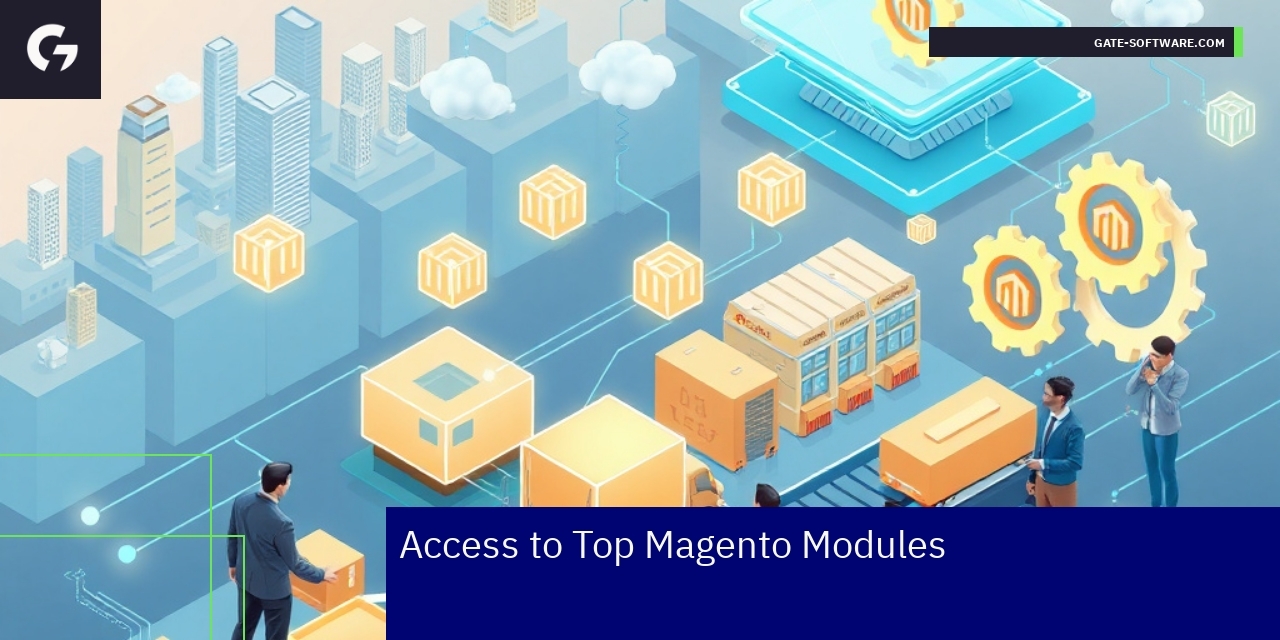
Access to Top Magento Modules
Flexible and Scalable E-Commerce Software
Flexible and scalable e-commerce software is essential for meeting the dynamic performance requirements of B2B IT environments. The best Magento modules provide robust integration solutions that seamlessly connect diverse e-commerce systems, enabling efficient process automation. This flexibility supports ongoing platform development, allowing businesses to adapt quickly to evolving market demands while maintaining high operational efficiency. By leveraging these capabilities, organizations can build e-commerce platforms that scale effortlessly as their transaction volumes and business complexity grow.
Performance Requirements
Meeting stringent performance requirements under strict budget oversight presents a significant challenge in B2B e-commerce. Advanced integration solutions tailored to B2B IT help balance these demands by optimizing process automation across various systems. This ensures that Magento 2 platforms deliver consistent speed and reliability without incurring excessive costs. Streamlining workflows and improving data flow between applications are critical strategies facilitated by these modules, resulting in enhanced platform responsiveness and operational cost control.
Essential Features in B2B E-commerce
Key Magento 2 B2B features include multi-store management, which supports diverse sales channels within a single platform, and marketing department integrations that streamline campaign execution through automation. Integration solutions enable these functions to operate cohesively, enhancing system interoperability and agility. Process automation further reduces manual workload, improving accuracy and speed in order processing and customer engagement. Together, these essential features empower businesses to deliver tailored customer experiences and maintain competitive advantage in complex B2B markets.
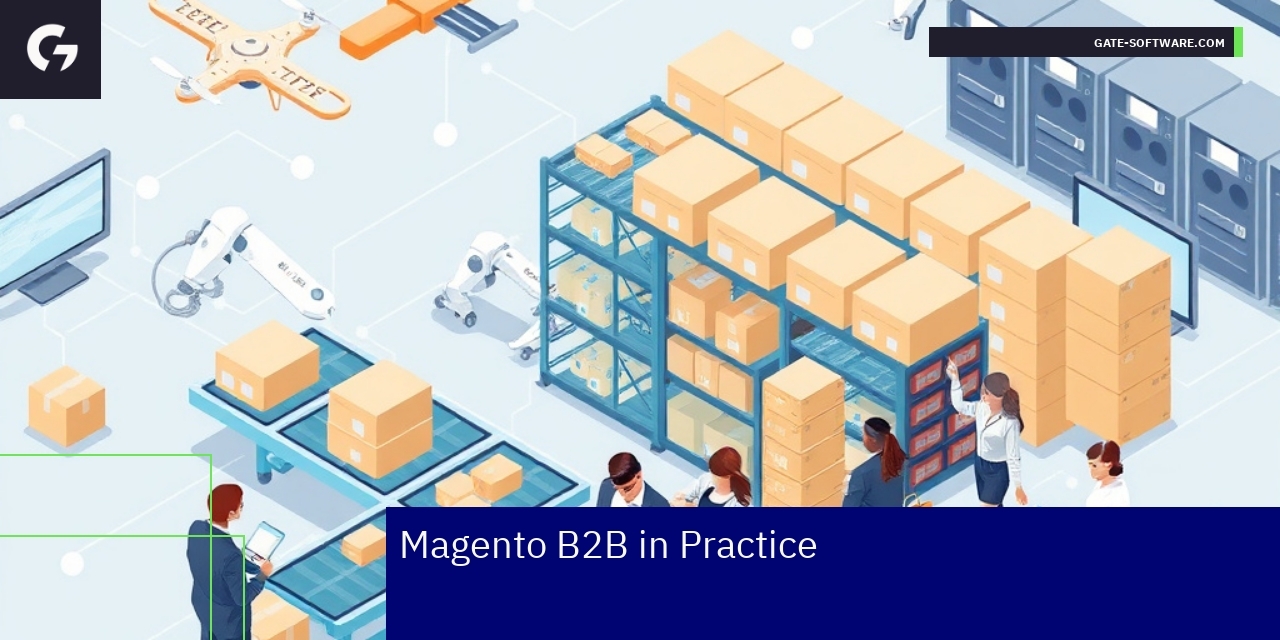
Magento B2B in Practice
Order Automation
In B2B e-commerce environments, particularly those utilizing Magento, order automation plays a crucial role in enhancing operational efficiency and customer service. Integration solutions enable seamless connectivity between e-commerce systems and backend processes such as invoicing and ERP systems. Automating order processing reduces manual intervention in the customer service department, accelerating order fulfillment and minimizing errors. This streamlined approach not only leads to faster transaction cycles but also ensures real-time synchronization of inventory and financial data, which is essential for maintaining accuracy and compliance across B2B IT landscapes. The integration of process automation tools supports scalability by allowing businesses to handle growing order volumes without proportionally increasing labor costs.
—
If available:
—
Scalability and Store Growth
For Magento B2B platforms, scalability is fundamentally tied to the flexibility of the e-commerce software and the robustness of continuous integration solutions. B2B IT frameworks demand platforms that can adapt dynamically to increased traffic, expanded product catalogs, and complex pricing models. Process automation reinforces scalability by optimizing workflows such as order management, customer segmentation, and data synchronization. Leveraging flexible and scalable e-commerce software ensures that Magento-based stores can grow sustainably while maintaining high performance. Integration solutions are pivotal in enabling modular platform development, allowing businesses to incrementally add new functionalities and integrations without disrupting existing operations, thus supporting long-term digital transformation strategies in B2B sectors.
Comparisons and Alternatives
System Differences: A vs B
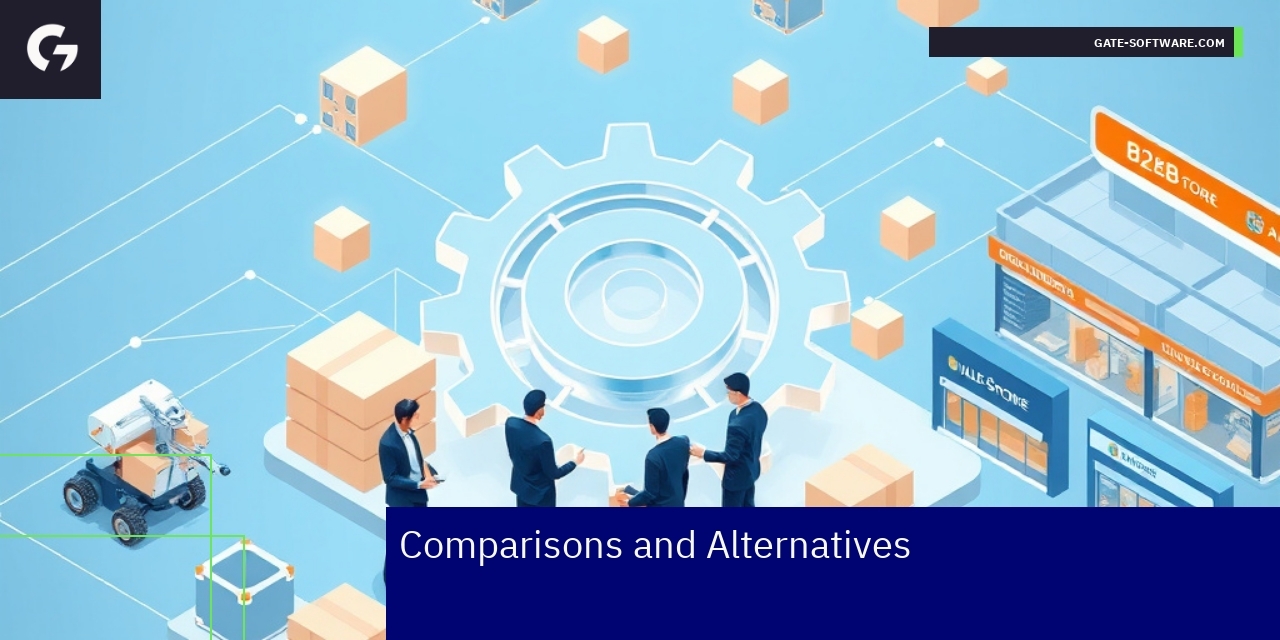
Analyzing differences between B2B e-commerce systems reveals the critical role of integration solutions and process automation in aligning with diverse business needs within varying B2B IT environments. System A and System B typically differ in architectural design, scalability, and flexibility of integration capabilities. System A may emphasize modular integration solutions that allow seamless connection to ERP, CRM, and other business tools, promoting efficient process automation tailored for complex B2B workflows. In contrast, System B might focus on out-of-the-box features with less customization but faster deployment, which can be more suitable for businesses with less complex integration demands. Understanding these distinctions is essential for CTOs and digital directors to choose systems that optimize operational efficiency, accommodate evolving business processes, and support long-term scalability within multi-store management frameworks.
Benefits of Magento 2 Integration
Magento 2 integration offers flexible and scalable e-commerce software solutions that cater specifically to the intricate requirements of B2B markets. Key benefits include robust integration solutions that facilitate seamless connectivity with existing IT infrastructures, enhancing process automation that reduces manual workloads and accelerates order processing. Its modular architecture allows businesses to customize functionalities and expand capabilities without disrupting ongoing operations, enabling high adaptability in dynamic market conditions. Additionally, Magento 2’s support for multi-store management streamlines administration across different regions or business segments, consolidating operations while maintaining localized controls. This flexibility ensures that enterprises can maintain a competitive edge through tailored e-commerce experiences and operational efficiency.
—
Best Practices for Implementation
Case Studies and Use Cases
Additional Resources
—
Challenges and Risks
While Magento Enterprise B2B solutions provide significant advantages, they also present challenges and risks, particularly concerning multi-store management and complex integration solutions. Managing multiple e-commerce stores requires robust synchronization mechanisms to ensure data consistency and accurate inventory tracking across platforms. Integration with disparate systems can introduce risks related to data integrity, latency, and increased maintenance overhead. Furthermore, process automation, if not carefully configured, may lead to workflow bottlenecks or errors impacting customer experience. Addressing these challenges demands a deep understanding of B2B IT ecosystems and the deployment of resilient integration solutions that allow for scalability and flexible adaptability to changing business needs. Proper risk mitigation strategies and ongoing monitoring are vital to sustaining seamless operations in enterprise-grade environments.

FAQ
Jakie są kluczowe etapy wdrożenia platformy Magento B2B?
Wdrożenie platformy Magento B2B składa się z kilku kluczowych etapów, w tym analizy potrzeb biznesowych, projektowania architektury systemu, konfiguracji platformy, testowania funkcjonalności oraz szkolenia zespołów odpowiedzialnych za zarządzanie platformą.
Co różni Magento B2B od rozwiązań B2C?
Magento B2B różni się od rozwiązań B2C przede wszystkim w zakresie zarządzania relacjami z klientami biznesowymi, elastycznych warunków sprzedaży oraz integracji z systemami ERP i CRM. W modelu B2B transakcje są zazwyczaj bardziej złożone i wymagają negocjacji warunków handlowych.
W jaki sposób przeprowadza się migrację na Magento 2 w kontekście B2B?
Migracja na Magento 2 w kontekście B2B wymaga precyzyjnego planowania, które obejmuje analizę wymagań funkcjonalnych, projektowanie architektury, migrację danych oraz testowanie. Ważne jest również korzystanie z gotowych modułów, które ułatwiają proces migracji.
Jakie korzyści przynosi wdrożenie Magento B2B dla firm?
Wdrożenie Magento B2B przynosi korzyści takie jak automatyzacja procesów zakupowych, personalizacja oferty oraz lepsze zarządzanie relacjami z klientami. To prowadzi do zwiększenia efektywności operacyjnej, skrócenia czasu realizacji zamówień i poprawy doświadczeń klientów.
Jakie wyzwania mogą wystąpić podczas wdrożenia Magento B2B?
Podczas wdrożenia Magento B2B mogą wystąpić wyzwania związane z migracją danych, błędami w implementacji funkcjonalności oraz zapewnieniem skalowalności i wydajności platformy. Kluczowe jest dokładne planowanie i testowanie, aby minimalizować te ryzyka.
Summary
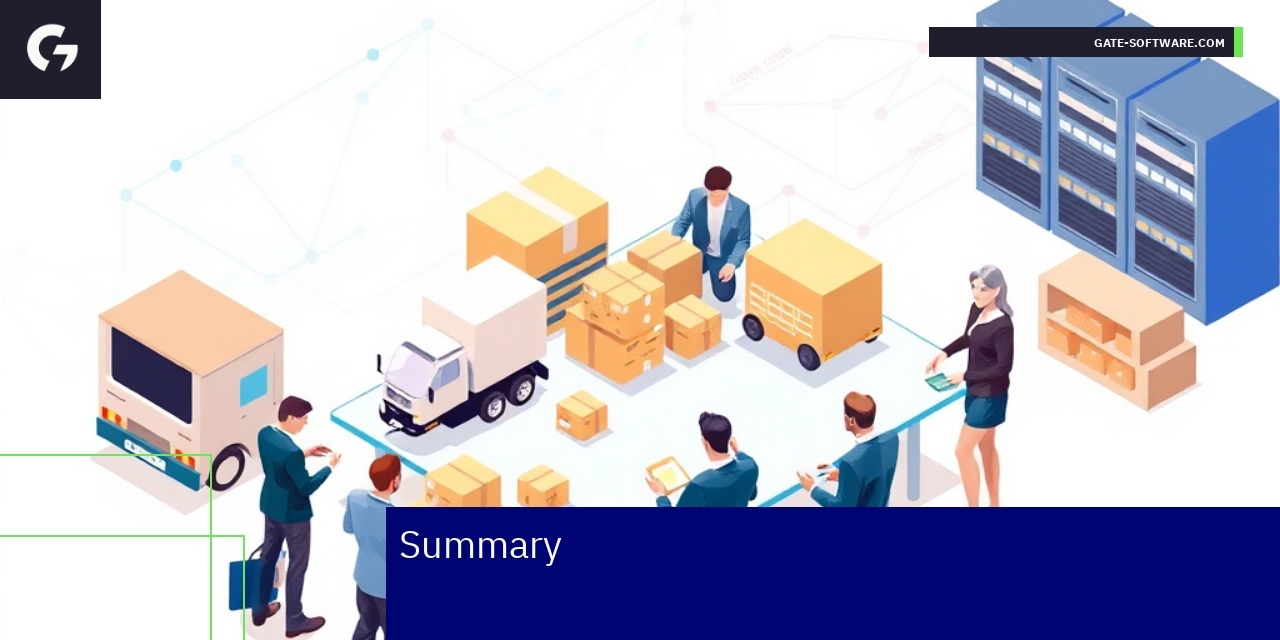
In the fast-paced world of B2B eCommerce, leveraging platforms like Magento 2 can significantly streamline operations and enhance overall efficiency. This article has covered key integrations that are vital for optimizing your B2B processes, such as ERP systems, CRM solutions, payment gateways, and logistics providers. By understanding and implementing these integrations, you can improve customer relationships, automate routine tasks, and enhance the management of products and pricing, all of which contribute to significant time savings and cost reductions. Moreover, as you consider the future of your B2B strategy, focusing on digital transformation, process automation, and a tailored approach to eCommerce is crucial for maintaining a competitive edge. As you move forward, reflect on the insights provided, identify actionable steps to integrate these solutions, and position your business for sustainable growth and success in the evolving B2B landscape.

FAQ
How does Magento 2 facilitate B2B integrations?
Magento 2 facilitates B2B integrations by connecting with various external applications such as ERP, CRM, payment gateways, and logistics providers, ensuring seamless data flow and streamlined operations.
What are the benefits of process automation in B2B e-commerce?
Process automation in B2B e-commerce reduces operational overhead, minimizes errors, and accelerates transaction cycles by automating repetitive tasks such as order processing, invoicing, and inventory updates.
Why is efficient product and price management important in B2B settings?
Efficient product and price management is crucial in B2B settings as it allows for accurate pricing adjustments and product availability based on customer segmentation, enhancing competitiveness and reducing errors.
What role do APIs play in Magento 2 integrations?
APIs, particularly REST and SOAP, are integral to Magento 2 integrations as they enable real-time data exchange for critical business functions, facilitating seamless connectivity between the e-commerce platform and other systems.
How can businesses scale their operations using Magento 2’s B2B features?
Businesses can scale their operations using Magento 2’s B2B features by leveraging its robust integration solutions and process automation capabilities, which support multi-store management and enhance operational efficiency.
.
.
Zamów bezpłatną konsultację
.
Z nami rozwój Twojego biznesu nabierze tempa! Zapraszamy do kontaktu średnie i duże firmy generujące min. 7 mln PLN obrotu rocznie – tam nasza ekspertyza sprawdza się najlepiej.
.
Kliknij w poniższy przycisk i skontaktuj się z jednym z naszych konsultantów e-commerce
.