Magento 2 offers a robust platform tailored to enhance B2B ecommerce efficiency by addressing complex business workflows, improving operational scalability, and enabling seamless digital transformation. For senior stakeholders like CTOs, CDOs, and eCommerce managers, the technical architecture of Magento 2 is pivotal in streamlining B2B processes such as bulk ordering, customer-specific pricing, and quote management. These features reduce manual interventions and empower sales teams with customizable catalogs and pricing rules tailored to distinctive client profiles.
From a business process perspective, Magento 2’s modular architecture supports integration with ERP, CRM, and supply chain systems to ensure real-time data synchronization and seamless order fulfillment. This integration capability helps maintain operational continuity and enhances responsiveness to client demands. The platform’s scalable infrastructure supports high transaction volumes and complex product configurations, essential for growing B2B enterprises.
On the operational front, Magento 2 prioritizes performance optimization and user experience (UX). Fast loading times, intuitive interfaces, and advanced search capabilities increase buyer efficiency and reduce friction during procurement cycles. Additionally, robust analytics and SEO features improve visibility and customer insights, driving more informed and strategic decision-making.
Overall, Magento 2 serves as a strategic enabler for B2B companies, combining technical flexibility with operational depth to meet the evolving demands of digital commerce. Its capacity to handle complex B2B requirements while supporting scalable growth positions it as a critical platform for businesses aiming to enhance efficiency and deliver differentiated customer experiences.

Introduction
In the B2B landscape, businesses operate within complex networks that demand strategic alignment across multiple domains including technology, operations, and market positioning. Understanding the intricacies of B2B engagements involves recognizing the distinct challenges related to scalability, operational efficiency, and performance optimization. Senior stakeholders such as CTOs, Heads of Product, and Digital Directors must navigate these challenges by implementing robust technical architectures that support seamless integration, data security, and agile workflows.
B2B transactions often involve multifaceted procurement cycles, requiring businesses to tailor their offerings to meet stringent compliance and operational standards. This necessitates a deep focus on customizing solutions that enhance interoperability and real-time data exchange between partners. Technical scalability in B2B environments is critical to accommodate growth in transaction volumes and user demand without compromising system responsiveness or reliability.
Operational efficiency in B2B contexts hinges on streamlining processes that span cross-organizational boundaries. Enterprise systems must be designed to support automation and predictive analytics to anticipate market shifts and optimize resource allocation. Performance considerations include not only the speed and availability of digital platforms but also the capacity to handle complex workflows that underpin modern B2B ecosystems.
This introduction sets the foundation for exploring nuanced strategies that address the core operational, technical, and strategic imperatives driving B2B excellence in today’s dynamic markets.
TABLE OF CONTENTS
- Magento 2 B2B Efficiency
- Introduction
- What is Magento 2 in B2B?
- Defining Magento 2
- Why Magento 2 is Ideal for B2B?
- When to Choose Magento 2?
- Key Magento 2 Features for B2B Commerce
- Feature Overview
- Impact on Performance
- Real-World Use Cases
- B2B Customers
- Customer Relationship Management
- System Flexibility
- PIM Integration
- B2B Shopping Lists
- Benefits of Shopping Lists
- Personalized Shopping Experiences
- Customer Convenience
- B2B Quoting
- Negotiated Price Quotes
- Quote Automation
- Quote Evaluation
- Native B2B Features in Magento 2
- Integrated Magento 2 Tools
- Payment Options
- Customer Relationship Management Support
- Pricing and Discounts
- Discount Systems
- Setting Price Lists
- Pricing Effectiveness Analysis
- How to Install a Magento 2 Module via Composer – Step-by-Step Guide
- Pre-Installation Preparation
- Installation Steps
- Module Testing
- B2B on Magento: Credit Limits, Pricing, and Company Accounts – Complete Guide
- Maintaining Financial Liquidity
- Pricing Adjustments
- Company Account Management
- ERP System Integration
- Data Synchronization
- Order Processing Ease
- Superior Customer Service
- Flexibility
- Offer Customization
- Multichannel Sales Support
- Rapid Market Response
- Intuitive Self-Service Tools
- Empowering Customers
- Customer Convenience
- Examples of common data synchronization protocols used in ERP integration.
- Best practices for ensuring data consistency across integrated systems.
- Tools and technologies that facilitate real-time synchronization in B2B ERP environments.
- Case studies demonstrating improvements in customer satisfaction through self-service tools.
- User testimonials highlighting ease of use and efficiency.
- Data on reduction in support tickets post-implementation.
What is Magento 2 in B2B?
Magento 2 in a B2B context is a robust business system engineered to address the unique demands of business-to-business commerce. It offers advanced functionalities tailored to support the complexities and scale inherent in B2B transactions. Key features include the management of complex pricing structures and customer-specific catalogs, which enable businesses to customize product offerings based on individual client agreements and volume discounts. Additionally, Magento 2 facilitates bulk ordering capabilities, streamlining procurement for organizations that require large quantities of products regularly.
Operational efficiency is enhanced through its ability to handle multiple users and roles within a single business account, allowing different stakeholders across departments to collaborate seamlessly while maintaining appropriate access controls. This role-based access management improves oversight and accountability in purchasing workflows.
Magento 2 also optimizes the entire B2B procurement cycle by integrating streamlined purchasing processes that reduce friction and accelerate order fulfillment. Its scalable architecture ensures that as a business grows, Magento 2 can handle increased transaction volumes without compromising performance. Overall, the platform serves as a sophisticated backbone for B2B eCommerce, driving operational excellence, scalability, and tailored customer experiences that are critical for modern business ecosystems.
Defining Magento 2
—
If available:
—

Defining Magento 2
Magento 2 is a robust ecommerce platform that offers a comprehensive suite of features tailored to meet the complex demands of B2B businesses. Its architecture and functionalities are designed to enhance operational efficiency, scalability, and performance in business-to-business environments.
One of the core capabilities of Magento 2 in the B2B context is customer-specific pricing. This feature allows companies to assign custom prices to different customer groups, facilitating flexible pricing strategies aligned with client relationships and purchase histories. Additionally, Magento 2 supports quote management, an essential function for B2B transactions where price negotiation is common. Customers can request quotes that businesses can review, adjust, and convert into orders, streamlining the negotiation and sales process.
Magento 2 also addresses the need for bulk ordering with tools such as quick order forms that enable customers to efficiently place large orders using SKUs or product identifiers. This feature drastically reduces order entry time, a crucial aspect in B2B purchasing workflows. Further enhancing operational control is the ability to create company accounts, where multiple users under a single corporate entity can be managed with distinct roles and permissions ensuring proper access and security.
Advanced product search and filtering capabilities empower B2B buyers to quickly find relevant products amid extensive catalogs, improving user experience and reducing search times. On the integration front, Magento 2 supports seamless connections with ERP, CRM, and other third-party systems to maintain synchronized data flows and automate essential back-end processes.
Payment and shipping flexibility also stands out as Magento 2 allows businesses to configure various payment terms and shipping options to accommodate the unique requirements of B2B clients, such as credit terms and bulk shipments. Finally, Magento 2’s multi-store functionality permits centralized management of multiple storefronts, enabling companies to address different markets, brands, or geographical regions with tailor-made ecommerce experiences.
Together, these features position Magento 2 as a scalable, efficient, and feature-rich platform ideal for enterprises seeking to optimize their B2B ecommerce operations.

Why Magento 2 is Ideal for B2B?
Magento 2 stands out as an optimal platform for B2B companies due to its tailored capabilities that address the complex demands of business-to-business transactions. One of its core advantages is the ability to create customizable catalogs and pricing structures that adapt to the unique requirements of different customer groups. This flexibility allows companies to offer personalized product assortments and negotiated pricing, enhancing client satisfaction and operational efficiency.
The platform’s modular and flexible architecture supports extensive customization and scalability, enabling organizations to add or modify functionalities in response to evolving business needs without disrupting existing operations. This is critical for B2B enterprises that often face intricate workflows and require tailored solutions.
Robust inventory management within Magento 2 aids in managing large volumes of products and stock variations, essential for businesses with complex supply chains. The multi-store functionality permits companies to manage multiple localized stores from a single backend, streamlining operations while maintaining control over regional pricing and inventory.
Magento 2 also improves the purchasing experience through features such as quick reorder, bulk ordering, and credit limit management, facilitating smoother transactions for business customers. Integration capabilities with ERP, CRM, and other enterprise systems ensure seamless data flow and operational coherence across platforms.
Security is another pillar of Magento 2’s suitability for B2B, with comprehensive measures to safeguard sensitive transaction and customer data. Additionally, its mobile responsiveness caters to the increasing use of mobile devices in procurement processes, supporting accessibility and efficiency.
Together, these Magento B2B features are your strategic advantage, delivering a versatile, secure, and scalable eCommerce environment tailored to the demands of B2B companies.
When to Choose Magento 2?
Implementing Magento 2 in a B2B context is a strategic decision influenced by several critical factors that impact operational efficiency, scalability, and technical compatibility. One of the primary decision factors is the complexity of the product catalog and the need for advanced customizations. Magento 2 excels in managing large and intricate product assortments, multiple price lists, and custom pricing models essential for B2B buyers. This platform also supports hierarchical customer roles and permissions, allowing granular control over access and purchasing rights, which is vital in B2B organizations with multiple stakeholders.
Another key consideration is integration capability with existing enterprise systems such as ERP, CRM, and supply chain management tools. Magento 2’s architecture and extensive API set facilitate seamless integrations, enabling real-time data synchronization and minimizing manual workflows. Additionally, its modular design supports the customization of business processes without compromising core functionality, ensuring operational continuity.
Performance and scalability are crucial for growing B2B companies that anticipate increased traffic and transactions. Magento 2 provides robust support for large transaction volumes and can be optimized for high availability and fast load times, reducing friction in the customer journey and supporting uninterrupted business operations.
Finally, the total cost of ownership, including licensing, development, and maintenance, should align with the company’s budget and long-term eCommerce strategy. Organizations should consider Magento 2 when they require a flexible, scalable, and feature-rich platform capable of supporting complex B2B workflows and integration needs.
Key Magento 2 Features for B2B Commerce
Magento 2 includes a robust suite of native B2B features that significantly enhance operational efficiency for business commerce. Central to its capabilities is customer segmentation, allowing companies to tailor pricing, product offerings, and promotions to specific client groups. This customization ensures a personalized buying experience aligned with varied business needs.
The platform’s Quick Order functionality accelerates bulk purchases by enabling users to enter SKUs or product names directly, streamlining order placement. Company Accounts support multiple users under one organizational umbrella, facilitating roles and permissions management for coordinated purchasing processes.
Magento 2 also supports custom catalogs and pricing rules, providing differentiated access to products and prices based on customer profiles. Quote Management enables negotiation by allowing clients to request formal price quotes, improving flexibility in B2B sales discussions. Requisition Lists empower repeat purchases by allowing customers to save products for future orders, reducing friction in recurring transactions.
Purchase Orders with approval workflows support complex procurement procedures common in B2B contexts, improving compliance and control. Finally, deep integration capabilities with ERP and CRM systems ensure seamless data flows and operational coordination, enhancing scalability and performance in enterprise environments.
Together, these native B2B features in Magento 2 deliver a powerful, flexible framework that drives efficiency, scalability, and improved buyer-supplier collaboration in B2B commerce.
Impact on Performance
—
If available:
—

Feature Overview
Magento 2 provides a comprehensive suite of B2B features designed to support store growth through both basic and advanced functionalities. At the foundation, Magento 2 offers robust account management tools that allow businesses to create and manage multiple buyer accounts with unique roles and permissions. This facilitates streamlined procurement processes for large organizations with complex hierarchies.
Additionally, Magento 2 supports advanced quoting and negotiation capabilities, enabling buyers to request quotes and negotiate terms directly through the platform. This feature enhances sales cycles by accommodating the unique purchasing behaviors typical in B2B environments.
Another critical aspect is the custom pricing and catalog management functionality. Magento 2 allows businesses to define personalized price lists, tiered pricing, and volume discounts tailored to specific customer segments. This ensures flexible pricing strategies that can adapt to diverse client needs.
Furthermore, the platform includes efficient order management and payment options. Features such as purchase orders, credit limits, and payment terms empower businesses to handle transactions securely and efficiently, improving operational workflows.
Finally, Magento 2 supports scalability and integrations crucial for growing B2B stores. Its architecture enables seamless integration with ERP, CRM, and other third-party systems, ensuring smooth data flow and operational cohesion across business functions. These functionalities collectively help businesses enhance performance, scalability, and customer satisfaction in B2B commerce.

Impact on Performance
In the B2B context, core features play a pivotal role in enhancing operational efficiency by streamlining processes and reducing resource waste. Central to this improvement is the automation of repetitive tasks, which lowers human error and accelerates workflow throughput. For senior stakeholders such as CTOs and Heads of Engineering, understanding the technical architecture behind these features is critical. Modular design and scalable infrastructure enable systems to handle increasing workloads without degrading performance, ensuring consistent service quality.
Another key aspect is data integration across disparate platforms, which facilitates seamless information flow and real-time decision-making. This interconnectedness reduces bottlenecks and supports agile business operations. Advanced analytics embedded within core features also provide actionable insights, allowing digital directors and product leaders to optimize resource allocation and predict operational challenges.
B2B environments often demand robustness and high availability due to mission-critical applications. Core features designed with failover mechanisms and efficient load balancing contribute notably to performance stability. Such resilience minimizes downtime and supports continuous business operations, directly impacting overall efficiency.
In summary, these core features not only optimize existing workflows but also establish a foundation for scalable growth and improved performance metrics in B2B settings, aligning technical capabilities with strategic business goals.

Real-World Use Cases
The Magento B2B platform offers a robust suite of features designed to address complex commerce challenges faced by business-to-business enterprises. Real-world applications illustrate how these capabilities translate into operational efficiency, scalability, and enhanced user experiences.
One common use case involves managing large, multi-departmental organizations that require customized pricing, approval workflows, and contract management. Magento’s flexible customer segmentation allows businesses to create tailored catalogs and price lists specific to each client, ensuring personalized purchasing experiences. This capability significantly reduces administrative overhead and accelerates sales cycles.
Another practical scenario highlights inventory and order management at scale. Magento B2B supports bulk ordering, requisition lists, and quick ordering processes that cater to the needs of procurement professionals. Integration with ERP systems enables real-time inventory visibility and automated stock replenishment, improving supply chain responsiveness and reducing stockouts.
Magento’s multi-site and multi-language support are crucial for enterprises operating across borders. They facilitate localized content, pricing, and payment methods while maintaining centralized control and consolidated reporting. This ensures consistency and compliance with regional regulations without compromising agility.
Furthermore, Magento’s advanced analytics and reporting tools empower decision-makers with insights into purchasing patterns, customer behavior, and sales performance. These insights enable proactive strategy adjustments to optimize revenue and resource allocation.
Overall, the Magento B2B platform’s complex commerce capabilities are proven through practical implementations that streamline procurement processes, enhance buyer-seller collaboration, and support scalable growth in demanding business environments.

B2B Customers
Effective management of B2B customers in Magento 2 requires a strategic approach that addresses the unique complexities of business-to-business interactions. Magento 2 offers robust features tailored for B2B eCommerce environments, enabling organizations to create scalable and efficient customer management systems.
Central to managing B2B customers is the ability to segment customers based on attributes such as company size, industry, or purchase behavior. Magento 2 facilitates this through its advanced customer groups and custom attributes, allowing businesses to deliver personalized experiences, pricing, and promotions that align with each customer’s specific needs.
Operational efficiency hinges on integrating Magento 2’s customer management with order processing workflows. This includes enabling quick reorder capabilities, complex quote requests, and approval processes that mirror real-world B2B procurement cycles. The platform’s API-driven architecture also ensures seamless integration with ERP and CRM systems, reducing manual data entry and improving data consistency.
Scalability is critical for supporting growing B2B customer bases. Magento 2’s modular architecture and cloud readiness allow organizations to handle increased traffic and transactions without compromising performance. Additionally, its comprehensive reporting and analytics tools empower digital directors and eCommerce managers to make data-driven decisions to optimize customer lifetime value.
From a technical architecture viewpoint, Magento 2 supports secure access controls through role-based permissions, ensuring sensitive business data is protected. This secure management is vital for maintaining trust and compliance in B2B relationships.
In conclusion, managing B2B customers effectively in Magento 2 involves leveraging its native capabilities for segmentation, workflow automation, system integration, scalability, and security. These features collectively enable senior stakeholders to drive operational excellence and sustained business growth.

Customer Relationship Management
Efficiently managing B2B customers requires a strategic approach that aligns customer needs with business capabilities to foster long-term partnerships. Key strategies involve a thorough understanding of the customer lifecycle, leveraging data-driven insights, and implementing scalable processes.
First, segmenting B2B customers based on industry, size, purchasing behavior, and potential lifetime value allows for targeted relationship management tailored to specific needs. This segmentation supports personalized communication and solution offerings, enhancing customer satisfaction and retention.
Second, adopting a centralized Customer Relationship Management (CRM) system is essential. Such systems store comprehensive customer data, track interactions, and provide analytics to inform strategic decisions. Integration with sales, marketing, and support functions ensures a unified customer view that facilitates proactive engagement and faster issue resolution.
Third, maintaining consistent and transparent communication builds trust — critical in B2B relationships. Establishing regular check-ins, providing timely updates about products or services, and soliciting customer feedback help in anticipating client needs and addressing challenges early.
Additionally, investing in relationship development through value-added services, training, and collaborative problem-solving strengthens partnerships. Emphasizing mutual growth encourages loyalty and can lead to advocacy and referrals.
Operational efficiency is enhanced by automating routine tasks such as order processing and reporting, enabling account managers to focus on strategic activities. Scalability comes from using technology platforms that accommodate growing customer bases without compromising service quality.
In conclusion, efficient B2B customer management combines data-driven segmentation, integrated CRM platforms, transparent communication, relationship development, and operational automation to drive sustainable business growth.
System Flexibility
Magento 2 offers substantial flexibility that effectively supports the diverse needs of B2B customers. Its modular architecture allows businesses to customize and extend functionality without compromising core stability. This adaptability facilitates tailored solutions to complex business workflows, enabling seamless integration with existing ERP, CRM, and other enterprise systems critical for B2B operations.
The platform supports varied catalog management, accommodating multiple pricing tiers, bulk ordering, and customer-specific catalogs, which are essential features in B2B commerce. Magento 2 also enables granular control over user roles and permissions, ensuring that different organizational levels can access appropriate data and functionalities, thereby enhancing operational security and efficiency.
Magento’s API-first approach further expands flexibility by supporting headless commerce implementations, allowing businesses to design unique front-end experiences while maintaining a robust back-end. Its scalable infrastructure is designed to grow with the business, handling increasing transaction volumes and product complexity without degradation in performance.
Overall, Magento 2’s system flexibility addresses key B2B challenges, delivering a customizable, scalable, and integrated platform that aligns with the intricate requirements of diverse customer environments.

PIM Integration
Integrating Product Information Management (PIM) systems offers substantial benefits for B2B customers by addressing core challenges related to product data management and operational efficiency. At the foundation, PIM centralizes all product data within a unified platform, enabling consistent, accurate, and up-to-date information across multiple channels. This centralized approach minimizes data silos and redundancies that commonly hinder B2B operations, ensuring every department accesses the same trusted product information.
From a technical perspective, PIM systems enhance data quality through robust validation, categorization, and enrichment workflows. These capabilities ensure that product data meets high standards of accuracy and completeness, which is essential for complex B2B transactions where detailed specifications and compliance data are critical. By automating data synchronization and updates, PIM reduces manual errors and accelerates product launches, thereby shortening time to market and improving adaptability to market changes.
Operational efficiency improves markedly as PIM streamlines workflows and fosters improved collaboration among marketing, sales, and product teams. Each stakeholder can contribute and retrieve product data seamlessly, reducing internal bottlenecks. Additionally, PIM supports multi-channel consistency, guaranteeing that product information remains uniform across e-commerce platforms, digital catalogs, ERP systems, and partner portals—crucial for maintaining brand integrity in B2B ecosystems.
Furthermore, integrating PIM enhances the customer experience by delivering reliable, comprehensive product information that supports informed purchasing decisions. This is particularly important in B2B scenarios where buyers require detailed and precise data to evaluate products effectively. PIM systems also facilitate personalization and customer segmentation, allowing companies to tailor product presentations based on client-specific needs or industry verticals.
On the strategic level, PIM systems aid compliance management by maintaining and updating regulatory and certification information for products, mitigating risk in industries with stringent standards. They also provide analytics and reporting tools that offer actionable insights into product performance and data quality trends, supporting data-driven decision-making.
Overall, PIM integration for B2B customers drives higher operational scalability, better product data governance, and improved service delivery, all of which contribute to stronger competitive positioning and increased revenue potential.

B2B Shopping Lists
Shopping lists in a B2B context serve as a strategic tool to optimize procurement and operational workflows. They streamline the purchasing process by enabling businesses to consolidate required products and services into organized, repeatable lists tailored to their specific needs. This approach reduces time spent on reordering, minimizes errors, and enhances order accuracy, thereby improving both internal efficiency and supplier relationships.
From a technical architecture standpoint, integrating shopping lists within procurement platforms supports scalability by facilitating bulk ordering and automating replenishment triggers. This reduces manual input and speeds up transaction cycles, essential for high-volume B2B environments. Additionally, shopping lists can be dynamically adjusted based on usage patterns and inventory levels, supported by data analytics to forecast demand precisely.
Operationally, shopping lists contribute to performance improvements by enabling transparent tracking and auditability in purchase histories, which is crucial for compliance and budgeting. They also help standardize procurement procedures across departments, fostering consistency and simplifying vendor negotiations.
Incorporating shopping lists effectively requires interoperability with existing ERP and supply chain systems to ensure seamless data flow and real-time updates. By leveraging these lists, organizations can achieve enhanced process optimization, driving cost savings and increased procurement agility in complex B2B marketplaces.

Benefits of Shopping Lists
Implementing shopping lists in a B2B environment significantly boosts operational efficiency by streamlining the procurement workflow. By having a predefined list of required items, organizations reduce the time spent searching through extensive inventories or catalogs, enabling faster order placement. This is particularly critical in high-volume purchasing scenarios where rapid decision-making minimizes downtime and maintains production continuity.
Shopping lists enhance budget management through clear visibility of planned expenditures. Companies can better forecast and control spending by monitoring items on the list, helping to avoid unexpected costs and enabling more precise financial planning. Moreover, they reduce procurement errors by minimizing incorrect orders or redundant purchases, which often occur in complex purchasing environments with multiple stakeholders.
From an inventory standpoint, shopping lists facilitate balanced stock levels by signaling when reordering is necessary, thus preventing stockouts or overstock situations. Such lists improve coordination with suppliers, enabling bulk purchasing and negotiated pricing by providing them with transparent demand patterns.
On the collaborative front, shared shopping lists promote alignment among procurement teams, fostering communication and accountability. This coordination ensures that all stakeholders are aware of current needs and reduces duplication of efforts.
Finally, shopping lists serve as valuable data sources for analyzing purchasing trends, supporting strategic decision-making, and optimizing supply chain operations. They also simplify approval workflows, as predefined lists allow management to quickly validate purchases according to established requirements.
In sum, adopting shopping lists drives efficiency, accuracy, and strategic control in B2B procurement processes.

Personalized Shopping Experiences
Magento 2 offers advanced capabilities for personalizing shopping lists within B2B environments, allowing businesses to tailor experiences to distinct buyer needs and behaviors. This platform supports creating dynamic shopping lists that reflect the specific preferences, order histories, and purchasing patterns of individual business clients. Such personalization helps optimize buyer journeys by reducing friction and streamlining repeat purchases, which are critical in B2B scenarios where order complexity and volume typically exceed B2C transactions.
From a technical architecture perspective, Magento 2’s modular design enables integration with CRM and ERP systems, ensuring that personalized shopping experiences leverage comprehensive client data for accuracy and relevance. Operational efficiency is enhanced by automated list updates and the ability to replicate complex product assortments quickly, minimizing manual input by sales teams and reducing errors.
Scalability and performance considerations are addressed through robust database management and caching strategies that support high volumes of personalized list requests without compromising response times. This ensures a seamless experience for end-users regardless of the size or diversity of the B2B customer base.
In summary, Magento 2’s personalization of shopping lists in B2B contexts improves customer satisfaction and operational workflows by combining data-driven insights with scalable, efficient technology architecture.

Customer Convenience
Modernizing lists to improve B2B customer satisfaction requires a strategic focus on streamlining and enhancing how business clients interact with information and transactional processes. In a B2B environment, customer convenience is pivotal; it encompasses simplifying access to product data, order histories, pricing agreements, and contract details through well-designed, easily navigable lists and interfaces.
A modernized approach involves leveraging technologies such as automated data integration and dynamic list management to provide real-time updates and personalized views tailored to each business customer’s specific needs. This reduces friction by allowing clients to quickly find relevant information, reorder products efficiently, and track their procurement activities without unnecessary complexity.
Operationally, improving list usability translates into enhanced efficiency for procurement teams, as they spend less time navigating cumbersome datasets and more time making informed decisions. The scalability of such solutions also matters—well-architected list systems can accommodate growing product lines and client portfolios without performance degradation.
From a technical perspective, integrating modern databases or vector search capabilities enriches the semantic relevance of listed content, enabling contextual filtering and improved search accuracy. This ensures that B2B customers receive highly relevant data points aligned with their unique purchase patterns and business requirements.
Ultimately, modernizing lists to improve B2B customer satisfaction enhances the entire buyer journey by delivering convenience, reducing operational overhead, and supporting scalable, data-driven customer interactions that foster loyalty and long-term partnerships.

B2B Quoting
The dynamics of B2B quoting in Magento 2 revolve around the necessity for flexible, scalable, and customizable pricing and quoting mechanisms tailored to complex business client relationships. Magento 2 serves as a robust foundation, enabling enterprises to streamline quotes for large orders, negotiated pricing, and custom terms, which are pivotal in B2B transactions.
One key aspect is the ability to offer personalized quotes that reflect unique contract terms, volume discounts, and approval workflows. Magento 2’s architecture supports this through modular extensions and APIs that integrate with existing ERP and CRM systems, ensuring operational efficiency and real-time data synchronization. This connectivity enhances price accuracy and reduces manual errors, critical for maintaining trust and scalability.
Moreover, B2B quoting in Magento 2 demands adaptability in presenting quotes that can be revised, approved, and converted seamlessly into orders, minimizing the sales cycle duration. Scalability is addressed through optimized backend processes that handle high volumes of quote requests and large catalogs without compromising performance.
Security and permission control are also vital, given that quoting involves sensitive pricing information. Magento 2’s role-based access controls ensure that only authorized personnel can generate, modify, or approve quotes, safeguarding business interests.
Overall, the dynamics of B2B quoting in Magento 2 underscore an integrated approach that balances customization, performance, and security to meet the operational complexities of enterprise-level commerce.
Quote Automation
—
If available:
—

Negotiated Price Quotes
Offering negotiable price quotes in B2B transactions provides significant advantages that align with operational efficiency, scalability, and strategic business development. Firstly, negotiable pricing enables customization tailored to the unique requirements and constraints of each client. This flexibility supports building stronger client relationships by fostering transparent communication and collaboration during the negotiation process.
From a competitive standpoint, businesses that offer negotiable price quotes can differentiate themselves in markets where fixed pricing is prevalent. This adaptability allows companies to respond quickly to varying market conditions and client budgets, increasing the chances of closing deals that might otherwise be lost. The ability to negotiate also supports scalability, as pricing can be adjusted based on contract size, duration, or scope, optimizing profit margins without sacrificing client satisfaction.
Furthermore, negotiable pricing encourages long-term partnerships by enabling agreements that reflect mutual value rather than rigid cost constraints. This approach can result in increased sales volume and higher-quality contracts, contributing to sustained revenue growth. Overall, incorporating negotiable price quotes facilitates a dynamic pricing strategy that enhances operational flexibility and aligns with evolving business contexts in the B2B landscape.

Quote Automation
In B2B environments, quote automation significantly enhances quoting efficiency by streamlining and accelerating the traditionally complex and time-consuming process of generating price estimates and proposals. Automation systems integrate with existing CRM, ERP, and product databases to pull real-time data, ensuring accuracy and consistency in quotes. This reduces manual errors and eliminates redundant data entry, freeing up valuable time for sales and operations teams.
From a technical standpoint, quote automation employs rule-based engines and dynamic pricing algorithms that can instantly calculate customized quotes based on client specifications, discount schedules, and contractual terms. These systems improve operational efficiency by standardizing workflows, minimizing bottlenecks, and enabling scalability as transaction volumes grow.
Moreover, automation provides a centralized platform where approvals and revisions can occur with transparent audit trails, reducing delays and fostering better collaboration among sales, finance, and legal departments. This leads to faster turnaround times for clients, increased customer satisfaction, and higher conversion rates.
Overall, quote automation empowers B2B companies to boost quoting throughput, maintain pricing accuracy, and enhance responsiveness—all critical factors for maintaining competitive advantage in complex sales cycles.

Quote Evaluation
In B2B commerce, the importance of monitoring and assessing offers cannot be overstated. It serves as a foundational practice to maintain market competitiveness by ensuring that pricing and product offerings are aligned with or superior to those of competitors. For senior stakeholders such as CTOs and Heads of Product, this process delivers actionable insights into which offers resonate with target clients, thereby enabling more strategic product development and pricing decisions.
From an operational perspective, ongoing evaluation of offers improves customer satisfaction by validating that products and services meet evolving client needs. This feedback loop supports scalability and performance optimization by identifying high-performing offers that warrant further investment, while also flagging those requiring enhancement or discontinuation. Additionally, resource allocation benefits significantly when informed by detailed assessment data, allowing teams to prioritize efforts and budgets efficiently.
Monitoring offers also plays a vital role in sales performance tracking: understanding which proposals convert into successful deals sharpens overall sales strategy and execution. Finally, by identifying emerging market trends early, businesses gain a competitive edge, enabling innovation and adaptation in a fast-changing environment.
In summary, monitoring and assessing offers in B2B commerce is a critical strategic function that enhances decision-making, operational efficiency, and long-term success.

Native B2B Features in Magento 2
Magento 2 integrates a comprehensive set of native B2B features specifically designed to enhance operational efficiency and meet the complex requirements of business-to-business transactions. Central to its B2B capabilities is the support for company accounts, enabling organizations to create hierarchical user roles and permissions. This allows different employees within the same company to access tailored functionalities according to their responsibilities, fostering granular control over ordering and account management.
A significant efficiency driver is the Quick Order feature, which expedites the purchasing process by allowing customers to enter SKUs or product names directly, bypassing traditional browsing. Similarly, requisition lists enable users to save frequently ordered products for swift reordering, reducing repetitive tasks and streamlining procurement cycles.
Pricing flexibility is another cornerstone; Magento 2 supports customer-specific pricing and catalog visibility, facilitating personalized pricing strategies that align with client negotiations and contract stipulations. Tiered pricing by quantity incentivizes larger orders, which is fundamental in B2B contexts where volume discounts matter.
Purchase order management within Magento 2 caters to preferred B2B payment workflows, supporting external invoicing and credit terms. Credit limit management is built in to safeguard financial exposure by restricting purchases beyond approved limits. Moreover, the platform allows assigning sales representatives to customer accounts, which supports high-touch client relationship management essential in B2B sales.
Custom attribute management enables businesses to tailor their product catalogs to unique industry demands or client specifications, improving product data relevance. Finally, the quotes management feature facilitates negotiation processes by allowing customers to request pricing quotes and enabling merchants to respond with customized offers directly within Magento.
Collectively, these native B2B features in Magento 2 improve purchasing efficiency, optimize pricing strategies, bolster client management, and align operational workflows with the complex realities of B2B commerce. This leads to scalable, performant, and business-centric ecommerce architecture.
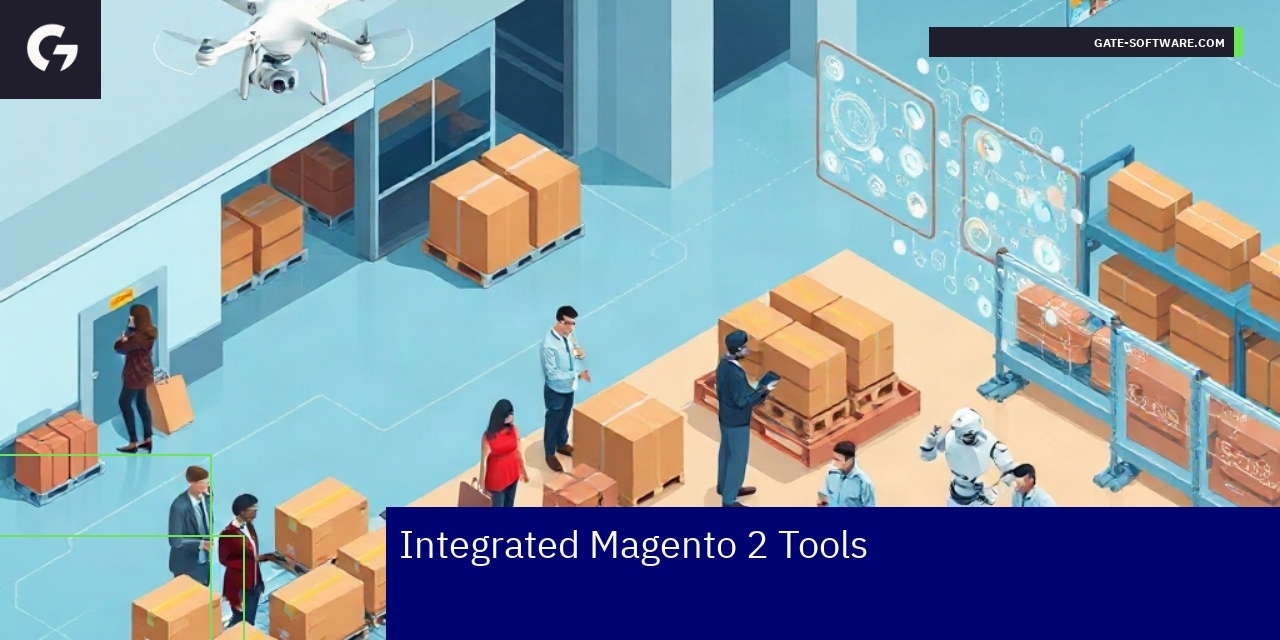
Integrated Magento 2 Tools
Integrated Magento 2 tools significantly enhance commerce efficiency by providing a unified platform that streamlines various business operations critical to B2B environments. These tools facilitate seamless management of product information, inventory, order processing, and customer relationships, enabling businesses to operate with greater agility and responsiveness.
By integrating key functionalities directly into the Magento 2 ecosystem, companies can eliminate redundancies and reduce manual errors that often occur when synchronizing disparate systems. This integration supports real-time data flow between front-end sales channels and back-end systems such as ERP, CRM, and supply chain management, ensuring all stakeholders have accurate and timely information.
Moreover, the automation capabilities embedded in Magento 2 tools allow for optimized workflows, from personalized pricing and bulk order handling to advanced shipping and payment options tailored for B2B customers. This results in reduced operational overhead, improved scalability, and enhanced customer satisfaction.
From a technical architecture perspective, native integration reduces the complexity of maintaining multiple third-party plugins, which can lead to conflicts and performance bottlenecks. Enterprises benefit from a robust, scalable platform that supports customization and extensions without compromising system stability.
In summary, integrated Magento 2 tools deliver a strategic advantage by enhancing operational efficiency, supporting end-to-end process automation, and enabling scalable growth within B2B commerce effectively.

Payment Options
In the B2B sector, payment options must be designed with flexibility and customization to accommodate the diverse needs of business clients. Flexible payment capabilities tailored for B2B clients are crucial for streamlining transactions and supporting operational efficiency across various industries.
B2B payment strategies typically include multiple methods such as electronic funds transfer (EFT), wire transfers, ACH payments, credit terms, and increasingly, integrated digital payment platforms. These methods address the complexity of corporate purchasing, where payment cycles can vary significantly, and approval hierarchies might require tailored solutions.
Furthermore, offering flexible payment terms such as net 30, net 60, or bespoke credit arrangements can enhance supplier-client relationships by aligning payment schedules with client cash flow realities. The capability to support multiple currencies and international payment systems is vital for global operations.
From a technical perspective, integrating these payment capabilities into ERP and accounting systems ensures seamless transactional workflows, enhances data accuracy, and facilitates real-time financial reporting. Scalability is also essential; as businesses grow, their payment processing systems must support increased volume without performance degradation.
Overall, flexible payment capabilities tailored for B2B clients must combine a comprehensive mix of payment methods, adaptable credit terms, multi-currency support, and strong integration with enterprise systems to meet the operational demands and strategic objectives of corporate customers.

Customer Relationship Management Support
Magento 2 provides robust support for managing customer relationships effectively, especially tailored for B2B environments. Its capabilities are designed to enhance operational efficiency, scalability, and performance, addressing real-world business challenges faced by enterprises.
Key features include advanced customer segmentation and personalized experiences. Magento 2 enables businesses to categorize customers based on various attributes, such as purchase history, industry type, or order volume, which helps in tailoring communications and promotions. This segmentation supports targeted marketing and sales strategies, improving conversion rates and customer retention.
The platform also integrates with CRM systems, allowing seamless data synchronization and a unified customer view. This integration facilitates efficient management of customer interactions, enabling sales and support teams to access comprehensive customer information, track engagement history, and respond proactively to customer needs.
Magento 2 supports complex pricing structures and customized catalogs for different customer groups, which is crucial for B2B businesses where pricing varies by client agreements or purchase quantities. This feature enhances customer satisfaction by providing transparency and flexibility in purchasing.
Additionally, Magento 2’s robust reporting and analytics tools offer deep insights into customer behavior and relationship health. These insights enable businesses to identify trends, measure campaign effectiveness, and optimize strategies for long-term customer engagement.
Overall, Magento 2’s customer relationship management support is designed to streamline processes, enhance personalized customer interactions, and scale effectively to meet the demands of B2B companies.

Pricing and Discounts
In the B2B context, managing pricing and discounts requires a strategic approach that aligns with the complexity of business buyer relationships and the operational scale of enterprises. Pricing strategies must address large-volume negotiations, diverse buyer segments, and long-term contractual agreements that include tiered pricing and volume-based discounts. Operationally, pricing models should integrate flexibility to accommodate custom pricing agreements, promotional discounting, and dynamic adjustments based on market conditions or customer value.
Effective B2B pricing management involves rigorous data-driven analysis to identify optimal price points that maximize profitability while maintaining competitive positioning. This includes leveraging insights from historical sales data, customer lifetime value, and competitive benchmarking. Discount strategies should be carefully structured to incentivize desired purchasing behavior without eroding margins, such as standardizing discount tiers based on purchase volume or customer loyalty, ensuring consistent application across sales channels and customer accounts.
Technologically, pricing and discount management systems must be scalable and capable of integrating with enterprise resource planning (ERP) and customer relationship management (CRM) platforms to streamline quote-to-cash processes. Automation capabilities facilitate real-time price optimization and discount approvals, enhancing operational efficiency and reducing risk of errors or unauthorized pricing decisions.
Structurally, organizations should define clear governance frameworks and approval workflows around pricing and discounting policies to ensure alignment across sales, finance, and product teams. Strategic discount management also supports segmentation-based marketing efforts and fosters stronger customer partnerships by delivering tailored value propositions.
In summary, efficient B2B pricing and discount management balances commercial agility with operational discipline, supported by advanced analytics and integrated technology, to drive scalable growth and profitability.

Discount Systems
Discount systems in B2B environments play a strategic role in driving sales efficiency by aligning pricing incentives with business customer behaviors and operational goals. These systems are typically structured to encourage volume purchasing, prompt payments, and long-term partnerships, each contributing to enhanced revenue flow and operational predictability.
Volume discounts, for example, reward larger order quantities with reduced prices, encouraging bulk purchases that streamline inventory management and reduce per-unit transaction costs. Early payment discounts improve cash flow, allowing businesses to optimize working capital and reduce credit risk. Loyalty discounts foster sustained customer relationships, lowering acquisition costs and stabilizing demand over time. Seasonal and promotional discounts can strategically address fluctuations in demand, smoothing sales cycles and maximizing resource utilization.
Contractual discounts, negotiated as part of ongoing agreements, help secure predictable revenue streams while incentivizing exclusivity or long-term collaboration. Effectively implemented discount systems require a deep understanding of customer purchasing patterns and negotiation dynamics within B2B sectors, with careful calibration to balance margin preservation and sales growth.
Moreover, these discount mechanisms must be supported by scalable pricing architectures and seamless integration with order management systems to ensure consistency and operational efficiency. When aligned with broader sales and financial strategies, discount systems become powerful levers that enhance market competitiveness while improving profitability and client satisfaction.

Setting Price Lists
In B2B contexts, setting price lists is a crucial strategic activity that directly impacts customer satisfaction and overall business performance. Pricing strategies must be aligned with customer expectations, value delivery, and competitive positioning to foster long-term partnerships.
Effective price list setting involves understanding the complexities of B2B buyer behavior, which differs significantly from B2C models. B2B customers often require customized pricing reflecting volume discounts, contractual obligations, and service-level agreements. A rigid price list may hinder negotiation flexibility, whereas a transparent and well-structured approach can enhance trust and satisfaction.
Moreover, integrating pricing strategies with customer satisfaction involves careful consideration of perceived value versus cost. Businesses should leverage data analytics to monitor customer responses and market trends continuously. This helps in adjusting prices dynamically to balance profitability and client retention.
Operational efficiency also plays a role; streamlined price lists that are easy to navigate reduce errors and speed up procurement processes. From a technical architecture standpoint, implementing scalable pricing management systems with real-time updates ensures consistency across channels, supporting performance at scale.
In conclusion, setting price lists is not just a financial calculation but a strategic tool that influences customer satisfaction through clarity, adaptability, and alignment with customer value perceptions in the B2B environment.

Pricing Effectiveness Analysis
Pricing effectiveness analysis is a critical process within B2B companies aiming to optimize their pricing strategies through detailed reports and data-driven insights. By leveraging comprehensive reports, businesses can evaluate how their pricing models impact revenue, profitability, customer acquisition, and retention. These reports typically include metrics such as price elasticity, competitive pricing benchmarking, discounting patterns, and customer segmentation profitability.
Using reports to inform pricing strategies allows companies to identify price points that maximize margin without losing competitive edge or market share. It also enables the recognition of underperforming pricing tactics and the reallocation of pricing resources toward more profitable segments or products. In addition, sophisticated analytics in pricing effectiveness analysis can detect correlations between pricing changes and customer behavior, facilitating agile adjustments aligned with market dynamics.
Operational efficiency is greatly improved when pricing decisions are grounded in empirical evidence rather than intuition. For example, integrating automated report generation and real-time data dashboards equips pricing managers with timely insights, enhancing scalability and performance of pricing systems. Moreover, transparent reporting fosters alignment across commercial, product, and financial teams, streamlining decision-making workflows.
From a technical standpoint, the architecture supporting pricing effectiveness analysis should accommodate large volumes of transactional and market data while maintaining low latency for real-time insights. Scalability considerations include flexible data integration layers and robust analytics engines capable of complex scenario modeling. This infrastructure underpins continuous pricing optimization cycles, driving sustained business growth in competitive B2B environments.

How to Install a Magento 2 Module via Composer – Step-by-Step Guide
The freedom to customize the business system Magento 2 is a significant advantage that allows enterprises to tailor their eCommerce platform to specific business needs. Installing a Magento 2 module via Composer is a streamlined and efficient method widely used to manage dependencies and ensure smooth integration with the Magento ecosystem.
To begin, ensure that your Magento 2 installation is properly configured and that you have SSH access to the server. Composer, a dependency manager for PHP, is critical in managing Magento modules, as it handles version control and conflicts automatically.
The step-by-step process typically involves the following:
1. Identify the Module Package: Find the Magento 2 module package you want to install. This package is usually hosted on Packagist or a private repository and has a unique vendor/module-name identifier.
2. Require the Module via Composer: Using SSH, navigate to your Magento root directory and run the command:
“`
composer require vendor/module-name
“`
This command fetches the module and its dependencies.
3. Update the Magento Setup: After installation, run the Magento setup upgrade command to update the database schema and data:
“`
php bin/magento setup:upgrade
“`
This step ensures the module’s configurations are applied correctly.
4. Clear Cache: Clear the Magento cache to activate the module:
“`
php bin/magento cache:clean
“`
5. Verify Installation: Finally, verify that the module is enabled and functioning using:
“`
php bin/magento module:status vendor_module_name
“`
and access its features in the Magento admin panel.
This method leverages Composer’s ability to manage complex dependencies and version control, crucial for maintaining operational efficiency and scalability in a B2B eCommerce environment. Ensuring this process adheres to best practices protects against conflicts and performance bottlenecks, key considerations for CTOs and technical leads managing Magento infrastructure.

Pre-Installation Preparation
Before installing modules in a B2B environment, it is crucial to undertake comprehensive preparation to ensure seamless integration and optimal performance. The initial step entails assessing the existing technical architecture, including hardware capabilities, network infrastructure, and software compatibility. Understanding system requirements and dependencies helps avoid conflicts and downtime during installation.
Conducting a thorough risk assessment is vital to identify potential challenges such as data loss, security vulnerabilities, and operational disruptions. This includes establishing robust backup and recovery procedures to safeguard business continuity. Involving key stakeholders such as CTOs, Heads of Product and Engineering early in the planning phase guarantees architectural alignment and resource availability.
Operational efficiency can be increased by defining clear module functionalities, integration points, and expected outcomes. Preparing detailed documentation of business processes and data flows allows for smoother customization and testing. Ensuring scalability is also a priority; modules should align with current demands and future growth projections, taking into account performance metrics and load handling capacity.
Moreover, compliance with industry standards and corporate policies must be verified upfront. Establishing a sandbox or staging environment replicates production settings for risk-free testing. Parallel training programs for technical staff minimize human error during and after installation.
In summary, a disciplined pre-installation preparation—covering infrastructure validation, risk mitigation, stakeholder engagement, scalability planning, and rigorous testing—lays the foundation for successful module deployment within complex B2B ecosystems.

Installation Steps
Installing a B2B module typically involves a systematic approach to ensure operational efficiency, scalability, and seamless integration within existing technical architecture. The process begins with a thorough assessment of prerequisites such as compatible platform environments, necessary dependencies, and resource availability. Verification of these factors mitigates risks related to incompatibilities that can impact performance or pose security vulnerabilities.
Next, configuration settings must be defined, aligning the module’s functionalities with business processes and technical requirements. This step often includes database connections, API integrations, and access controls tailored to enterprise workflows. Proper configuration enhances modular adaptability, supporting future scalability and high availability.
The installation execution involves deploying the module components — either via automated scripts or manual setup — followed by rigorous testing. Comprehensive testing ensures that core functionalities perform as expected under real-world usage scenarios, identifies potential integration issues, and validates operational parameters like response times and throughput.
Post-installation procedures focus on monitoring and optimization. Continuous monitoring detects anomalies or performance bottlenecks early, allowing proactive adjustments. Documentation and training establish operational knowledge, ensuring that teams can maintain and scale the module efficiently.
By following these structured installation steps, enterprises can achieve a robust deployment that balances immediate business needs with long-term growth and technical sustainability.

Module Testing
Effective practices for testing new modules in B2B involve a structured, multi-phase approach to ensure robustness, scalability, and seamless integration within complex enterprise environments. At the core, module testing must align with the operational and architectural demands typical of B2B systems, where reliability and performance directly impact business continuity and client satisfaction.
Begin with unit testing to validate individual components in isolation. This ensures that each function or class performs as intended before integration. Automated unit tests increase efficiency and reduce human error, enabling frequent validation during development cycles. Next, proceed to integration testing, focusing on interfaces and interactions between modules and existing systems. In B2B contexts, careful attention to API contracts, data consistency, and error handling is crucial given the interconnected nature of enterprise services.
Performance testing is essential to replicate real-world loads and usage patterns typical of B2B transactions, which may involve large data volumes and concurrent operations. Load testing, stress testing, and scalability assessments help identify bottlenecks and ensure the module maintains responsiveness under peak conditions. Security testing is also vital, particularly for modules processing sensitive business data, to prevent vulnerabilities that could compromise client systems or violate compliance requirements.
Furthermore, adopt continuous testing within CI/CD pipelines to catch defects early and update modules seamlessly with minimal disruption. Employ mock services and sandbox environments that mirror production settings to validate module behavior comprehensively.
Ultimately, an effective module testing strategy in B2B blends automated and manual testing techniques, emphasizes integration fidelity, and prioritizes performance and security to deliver modules that support long-term operational efficiency and business growth.

B2B on Magento: Credit Limits, Pricing, and Company Accounts – Complete Guide
Understanding credit limits and their impact on efficiency
In B2B ecommerce on Magento, credit limits play a critical role in balancing financial risk management and operational efficiency. Setting appropriate credit limits for company accounts allows businesses to extend purchasing flexibility while safeguarding cash flow. Effective credit limit management streamlines order approvals and reduces the need for manual intervention, thereby accelerating the sales cycle and improving customer satisfaction.
A well-configured credit limit ensures companies can control outstanding receivables, minimizing overdue payments without impeding buying capacity. This fosters trust and strengthens long-term partnerships, essential in B2B relationships. From a technical perspective, Magento’s flexible framework supports granular credit limit configurations tied to individual company accounts, enabling tailored credit policies based on customer profile and purchase history.
Integrating credit limits with pricing strategies further amplifies operational efficiency. Companies can use tiered credit thresholds to unlock preferential pricing or volume discounts dynamically, incentivizing higher order volumes while maintaining financial prudence. Automation of credit checks within Magento workflows reduces administrative overhead and enhances scalability as the business grows.
Overall, understanding and efficiently managing credit limits in Magento’s B2B context optimizes cash flow management, accelerates order processing, and promotes customer loyalty — all vital factors for sustainable business growth and operational scalability.

Maintaining Financial Liquidity
Managing credit limits is a critical aspect of maintaining financial liquidity in B2B environments. Effective credit limit management ensures that businesses can support their cash flow by controlling the amount of credit extended to customers, thereby mitigating the risk of late payments or defaults that could disrupt operational activities.
To maintain liquidity, companies must implement rigorous credit assessment processes to establish appropriate credit limits based on customers’ financial health and payment histories. This risk-based approach reduces exposure to bad debts and helps optimize working capital. Moreover, continuous monitoring of credit utilization allows businesses to adjust limits proactively in response to changing market conditions or individual customer behaviors.
Integrating credit limit management with cash flow forecasting tools provides a comprehensive view of receivables and anticipated inflows. This integration aids in identifying potential shortfalls early, enabling timely actions such as accelerating collections or negotiating payment terms. Additionally, leveraging automation and real-time data analytics improves accuracy and responsiveness, supporting scalable operations.
From an operational perspective, maintaining financial liquidity through disciplined credit management contributes to improved supplier relationships by ensuring timely payments and stability. It also supports strategic investments and growth initiatives by preserving access to internal cash resources rather than relying heavily on external financing.
In summary, robust management of credit limits plays a foundational role in supporting cash flow and sustaining financial liquidity within B2B contexts, fostering operational efficiency and long-term business resilience.

Pricing Adjustments
In the B2B landscape, flexibility in pricing plays a critical role in shaping and sustaining strong customer relationships. Businesses often operate under complex purchasing requirements and diverse budget constraints, making rigid pricing structures less effective. By adopting flexible pricing models, companies can better accommodate client-specific needs, fostering trust and long-term partnerships.
Flexible pricing enables tailored solutions that consider order volume, contract length, and payment terms, which are pivotal factors for B2B customers managing operational efficiencies and scalability. It allows vendors to respond dynamically to market changes and competitive pressures without compromising profitability. Moreover, transparent communication about pricing adjustments helps maintain clarity and mitigates potential disputes, enhancing overall satisfaction.
Strategically, pricing flexibility can also facilitate smoother negotiations, accelerating deal closures and enabling customers to optimize their procurement strategies. This adaptability supports a collaborative approach, positioning the supplier not merely as a vendor but as a partner invested in mutual success. Ultimately, well-managed pricing adjustments contribute to improved customer retention and deeper engagement, underpinning sustainable business growth.

Company Account Management
Handling company accounts within Magento 2 in a B2B context involves leveraging the platform’s built-in functionalities designed to support complex organizational purchasing processes and multiple user roles within a single company account. Magento 2 facilitates efficient management of company accounts by enabling businesses to establish hierarchical structures, assign roles with distinct permissions, and streamline workflows tailored to B2B operations.
In practice, Magento 2’s company account management allows companies to create multiple users under one umbrella account, granting varied access levels that reflect the organizational duties of each user—such as buyers, managers, and approvers. This hierarchy supports delegated purchasing, where lower-level users can request orders that require approval from higher-level managers, enhancing control and compliance with internal procurement policies.
Additionally, Magento 2 supports customized account pricing, credit limits, and negotiated terms, enabling personalized experiences for each company client. These features are crucial for managing volume discounts, credit approvals, and payment methods aligned with B2B transaction standards. The system also tracks order histories and interactions at the company level, providing valuable insights for account managers to analyze purchasing patterns and optimize client relationships.
From a technical standpoint, the architecture of Magento 2’s company accounts must ensure scalability to accommodate growth in user numbers and transaction volumes without degrading performance. Integration with ERP systems and CRM platforms is common to enhance data consistency and operational efficiency across sales and service teams.
Overall, handling company accounts within Magento 2 in B2B requires a strategic approach that combines technical configuration, workflow design, and ongoing account management practices to deliver seamless, scalable, and secure purchasing experiences tailored to complex business customer needs.
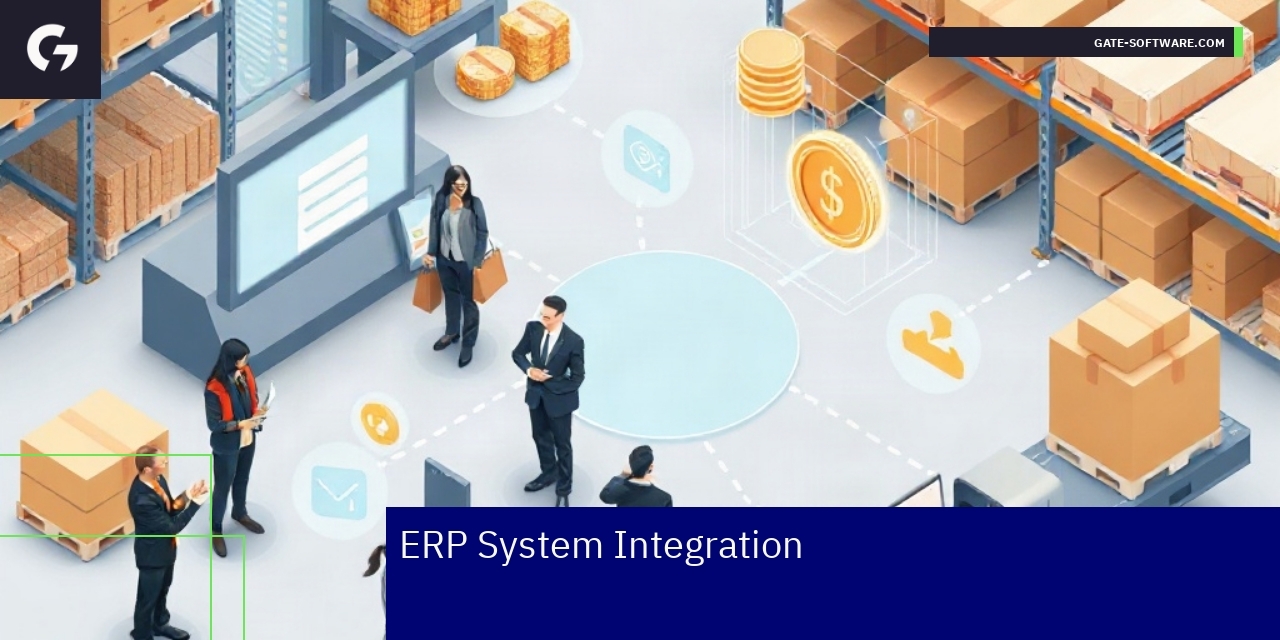
ERP System Integration
ERP system integration significantly boosts operational efficiency in B2B environments by enabling seamless data flow across diverse business functions. By unifying disparate systems—such as finance, supply chain, procurement, and customer relations—ERP integration eliminates data silos, reduces manual data entry errors, and accelerates decision-making processes.
Practically, ERP integration streamlines end-to-end business operations by automating workflows and synchronizing information in real time. This leads to improved accuracy and consistency of data, reducing delays caused by communication gaps between departments. The consolidated data platform enhances visibility for senior stakeholders, empowering them to identify inefficiencies, forecast demand, and allocate resources more effectively.
From a technical perspective, ERP integration demands scalable architecture capable of supporting high data volumes and complex interdependencies. It often involves the use of middleware, APIs, or enterprise service buses that facilitate secure, bidirectional data exchange without compromising system performance. This architectural approach ensures that integrated ERP solutions maintain high availability and responsiveness vital for B2B operations.
Furthermore, integrating ERP systems supports operational scalability by standardizing processes, simplifying compliance management, and enabling quicker adaptation to evolving business requirements. This robustness is crucial for sustaining growth and maintaining competitive advantage in dynamic B2B markets.
In summary, ERP system integration drives efficiency by harmonizing business processes, enhancing data integrity, and providing a scalable platform that supports informed strategic decision-making and operational agility.
Data Synchronization
—
If available:
—

Data Synchronization
Data synchronization is a critical factor in enhancing operational efficiency within B2B environments. By ensuring that data is consistent and up-to-date across all business systems, organizations can significantly reduce errors and discrepancies that typically arise from decentralized or siloed data sources. This accuracy is foundational for making informed decisions and maintaining trust between partners.
Real-time access to synchronized data accelerates responsiveness to market dynamics and client demands, enabling businesses to act swiftly and maintain competitiveness. Synchronized data also streamlines operational workflows by enabling automation and reducing redundant manual data entry, thus cutting operational costs and processing times. Furthermore, it enhances cross-organizational collaboration by providing a unified, reliable source of truth that supports clear communication and coordinated execution across different teams and departments.
Scalability is another key advantage, as synchronized data facilitates the integration of new partners, systems, or business processes without causing disruption or requiring extensive data restructuring. This adaptability ensures business continuity and supports growth initiatives. Additionally, synchronized data directly benefits customer experience by providing accurate and timely information to address inquiries and service needs promptly.
Finally, having reliable, consolidated data sets the stage for advanced analytics, allowing organizations to extract meaningful insights that drive strategic business decisions and improve overall performance. Altogether, these benefits make data synchronization indispensable for operational excellence in B2B contexts.

Order Processing Ease
Improved productivity through automation is a critical factor in enhancing order processing ease in B2B environments. Automation streamlines the entire order management cycle, reducing manual intervention, minimizing errors, and accelerating processing times. By integrating automated systems with existing ERP and CRM platforms, businesses can ensure real-time data synchronization and seamless information flow across departments.
From a technical architecture perspective, scalable automation solutions leverage APIs and cloud-based services to accommodate fluctuating order volumes without compromising performance. This operational efficiency enables organizations to handle larger order volumes with the same or fewer resources, directly impacting cost-effectiveness and customer satisfaction.
Furthermore, automation facilitates proactive exception handling by triggering alerts for discrepancies or delays, thereby reducing downtime and enhancing order accuracy. It also supports advanced analytics for continuous improvement by capturing detailed process data that inform strategic decision-making.
In practice, implementing automation in order processing requires careful consideration of system interoperability, data security, and compliance with industry standards. Successful deployments focus on modular designs to allow incremental adoption and adaptability to evolving business needs.
Overall, improved productivity through automation in order processing not only optimizes existing workflows but also lays a foundation for scalable, future-ready B2B operations.

Superior Customer Service
Integration plays a critical role in elevating service quality within B2B environments. By seamlessly connecting disparate systems—such as customer relationship management (CRM), enterprise resource planning (ERP), and support platforms—organizations can achieve a holistic view of customer interactions. This unified perspective enables faster response times, personalized service, and proactive issue resolution, all essential factors in superior customer service.
From a technical architecture standpoint, integration facilitates real-time data exchange, reducing latency and eliminating data silos. This operational efficiency translates into consistent and accurate information being available to customer-facing teams, enhancing their ability to address complex inquiries and deliver tailored solutions promptly. Moreover, integrated systems support scalability, allowing organizations to manage growing client bases without compromising service standards.
Performance is also impacted positively, as automation driven by integration lowers manual workloads and decreases the risk of human error. Consequently, service delivery becomes more reliable and repeatable. Strategically, integration empowers businesses to monitor key service metrics via consolidated dashboards, enabling continuous improvement driven by data insights.
In summary, integration’s impact on service quality in B2B is multifaceted, improving responsiveness, operational efficiency, scalability, and overall customer satisfaction through a connected and intelligent service ecosystem.

Flexibility
Flexibility in system customization plays a critical role in addressing the complex and evolving demands of B2B environments. In B2B contexts, businesses face diverse operational requirements, varying integration needs, and unique workflows that standard, off-the-shelf solutions often cannot fully accommodate. Flexibility enables these systems to adapt seamlessly to organizational processes, enhancing alignment with business goals and strategic priorities.
From a technical architecture perspective, flexibility involves modular design principles, configurable components, and extensible frameworks that allow organizations to tailor functionalities without extensive redevelopment. This adaptive capacity supports operational efficiency by reducing downtime during changes and simplifying updates or feature additions. Moreover, scalable flexibility ensures that systems can grow with the business, handling increased data loads, expanding user bases, or integrating emerging technologies without performance degradation.
Customization flexibility also impacts scalability and performance by providing businesses the ability to optimize system resources for specific workloads and prioritize critical processes. Furthermore, it facilitates interoperability in complex B2B ecosystems where integration with multiple third-party platforms, legacy systems, or partner networks is essential.
Overall, flexibility in system customization is fundamental to creating resilient, scalable, and efficient B2B solutions that deliver sustained value and empower businesses to maintain competitive advantage in dynamic markets.

Offer Customization
In B2B sales, offer customization plays a crucial role in enhancing sales support by delivering flexibility that aligns with the unique needs of diverse business clients. Flexibility in offer customization allows sales teams to tailor products, services, pricing models, and contract terms to meet specific client requirements rather than relying on rigid, one-size-fits-all solutions. This adaptability not only increases the relevance of the sales proposition but also improves client satisfaction and trust.
From a technical architecture perspective, supporting offer customization requires scalable and configurable systems that can dynamically generate and manage customized proposals. Integration with CRM and sales automation platforms ensures that customer data, preferences, and historical interactions inform the customization process, fostering a more efficient and responsive sales cycle. This adaptability also facilitates quicker adjustments to changing market conditions or client feedback without overhauling core product offerings.
Operationally, flexibility in sales support streamlines collaboration between sales, product, and finance teams, ensuring that customized offers remain profitable while addressing client-specific constraints. It minimizes the need for prolonged negotiation phases by pre-emptively addressing client concerns through tailored solutions. Moreover, customizable offers can scale across different client segments, supporting enterprise-level deployments and smaller accounts alike without compromising performance or operational efficiency.
Ultimately, offer customization anchored in flexibility empowers B2B sales teams to build deeper client relationships, accelerate deal closure, and drive long-term revenue growth through solutions that are responsive, scalable, and highly aligned with client business objectives.

Multichannel Sales Support
In the B2B landscape, multichannel strategies are critical to achieving comprehensive sales support and sustainable growth. These strategies enable businesses to engage with clients across diverse platforms, from traditional direct sales and trade shows to digital touchpoints like social media, email marketing, and online marketplaces. The importance of multichannel strategies in B2B lies in their capacity to widen reach, improve customer experience, and increase sales opportunities.
A key advantage of multichannel approaches is the ability to engage different buyer personas who may prefer distinct communication and purchasing methods. B2B buyers conduct extensive research through multiple sources before making purchasing decisions; hence, being present and consistent across channels ensures a higher chance of capturing their interest. Multichannel sales support also allows businesses to collect and analyze data from various interactions, enabling more tailored marketing efforts and enhanced operational efficiency.
Moreover, maintaining brand consistency across channels reinforces credibility and trust, essential in the B2B context where decisions often involve multiple stakeholders and longer sales cycles. Multichannel strategies promote agility, enabling companies to respond to market shifts and evolving customer preferences rapidly. In terms of technical architecture, implementing an integrated multichannel framework requires scalable platforms capable of synchronizing data, automating workflows, and providing seamless customer experiences.
Overall, embracing multichannel sales support empowers B2B companies to foster stronger client relationships, optimize touchpoints, and stay competitive in a dynamic market environment.

Rapid Market Response
In the B2B sector, adapting quickly to market changes to stay competitive is crucial for sustained growth and operational excellence. Rapid market response involves agile decision-making processes supported by robust data analytics to detect shifts in market demand, technological advancements, and competitor strategies early on. The ability to pivot product offerings, modify supply chain logistics, or reallocate resources swiftly ensures firms maintain a competitive edge.
From a technical standpoint, implementing scalable IT architectures such as cloud-based platforms and modular systems facilitates this agility. These systems enable real-time data integration and seamless communication across departments, which is essential for timely market adaptations. Additionally, operational efficiency is maximized by adopting automated workflows and AI-driven forecasting tools, which reduce response times and improve accuracy in market trend predictions.
Strategically, organizations must foster cross-functional collaboration and maintain flexible contractual agreements with suppliers and partners to accommodate rapid changes. Performance metrics should focus on responsiveness and adaptability, ensuring that teams are aligned with market dynamics. In conclusion, rapid market response in B2B is a multidimensional challenge requiring coordinated efforts across technology, operations, and strategy to ensure scalability, performance, and competitive advantage.

Intuitive Self-Service Tools
Intuitive self-service tools play a critical role in raising customer satisfaction within B2B environments by providing users with seamless, accessible, and efficient ways to resolve their issues independently. These tools reduce dependency on direct customer support, enabling faster response times and increasing operational efficiency. By offering straightforward navigation and user-friendly interfaces, they empower users to find solutions quickly, which enhances their overall experience and satisfaction.
From a technical perspective, designing intuitive self-service tools requires a robust architecture that supports scalability and reliability. Successful implementations often rely on advanced data indexing and retrieval mechanisms that facilitate relevant content delivery through natural language processing or AI-driven suggestions. This ensures that customers access precise answers tailored to their unique contexts, thus reducing frustration caused by irrelevant or complex information.
Operationally, intuitive self-service solutions help businesses manage increased demand without proportional increases in support headcount. This scalability aspect is crucial for maintaining high service levels during peak periods. Additionally, the availability of self-service options contributes to continuous service improvement by accumulating user interactions and feedback that can inform iterative updates.
From a strategic standpoint, integrating self-service tools aligns with digital transformation objectives by enhancing user empowerment and reducing operational costs. The tools’ alignment with customer journey mapping and touchpoint optimization further strengthens their contribution to customer satisfaction.
In summary, intuitive self-service tools raise customer satisfaction by streamlining problem resolution, optimizing technical performance, and supporting scalable, cost-effective operations in B2B contexts.
Empowering Customers
—
If available:
—

Empowering Customers
In the B2B context, empowering customers through self-service capabilities is pivotal for enhancing the buying experience. Self-service tools allow clients to independently access information, manage their accounts, and execute transactions without intermediary intervention, contributing to more efficient processes and faster decision-making. This autonomy aligns with operational efficiency goals by reducing dependency on support teams and lowering transactional friction.
From a technical architecture standpoint, implementing scalable and responsive self-service platforms is essential. These systems must integrate seamlessly with backend databases and CRM solutions to provide real-time, accurate data. Performance considerations include handling concurrent user sessions and ensuring low latency to maintain a smooth user experience. Additionally, flexible APIs and modular components support customization for diverse client needs, which is critical in B2B scenarios characterized by complex product configurations and purchasing workflows.
Operationally, self-service capabilities can drive customer satisfaction by offering transparency and control. Clients benefit from instant access to documentation, order histories, and troubleshooting resources, reducing resolution time and enhancing trust. Moreover, these platforms enable data-driven insights through user behavior analytics, informing continuous improvements.
In summary, self-service capabilities that improve buying experiences are strategic assets that empower B2B customers. They enhance operational efficiency, scalability, and performance while supporting complex purchasing requirements and fostering stronger customer relationships.

Customer Convenience
Technological support in a B2B setting delivers significant benefits that directly enhance customer convenience, positioning businesses to operate more efficiently and responsively. One of the primary advantages is the streamlined communication channels enabled by technology, which allow clients and partners to interact more fluidly with service teams. These improvements reduce delays and misunderstandings, speeding up problem resolution and ensuring a smoother customer journey.
Additionally, automation technologies play a pivotal role in improving operational workflows. They reduce manual interventions in processes such as order management, service requests, and invoicing, which minimizes human error and accelerates turnaround times. This efficiency translates to a more reliable and predictable customer experience, fostering trust in the business relationship.
Furthermore, access to data analytics empowers organizations to anticipate client needs by understanding usage patterns and preferences. This proactive approach allows businesses to tailor their offerings and technical support, contributing to a personalized experience for each customer. Scalability is another critical factor; technological solutions designed for scalable deployment ensure that support services remain consistent and robust as customer demand fluctuates or grows.
Security considerations are equally vital in maintaining customer convenience. Adequate technological support includes integrated security features that safeguard sensitive transactions and communications, thereby protecting client data and adhering to compliance mandates. Secure yet user-friendly systems reduce friction and build customer confidence.
In summary, technological support in B2B contexts not only enhances operational efficiency but also translates into improved service delivery, responsiveness, and security—each a cornerstone of customer convenience and business continuity.

Technological Backing
Magento 2 offers a robust technological foundation that significantly enhances client satisfaction through its intuitive tools tailored for B2B environments. The platform is designed to address complex business requirements by providing scalable and flexible solutions that streamline operational workflows and improve user experience. Its modular architecture allows for easy customization and integration with existing systems, ensuring that businesses can adapt the platform to their unique needs without compromising performance.
Key intuitive tools in Magento 2 include a comprehensive dashboard that delivers real-time analytics and insights, enabling stakeholders to make informed decisions quickly. Its advanced product management capabilities support extensive catalogs with varied pricing structures, supporting complex B2B transactions seamlessly. The platform also emphasizes user-friendly interfaces for both administrators and end-users, which reduces the learning curve and accelerates adoption.
Moreover, Magento 2’s technological stack is optimized for high performance and scalability, which is crucial for B2B companies managing large volumes of transactions and data. Features such as advanced caching techniques, asynchronous processing, and API-first design allow businesses to maintain fast response times and reliable operations under heavy load.
By leveraging Magento 2’s intuitive tools, enterprises can achieve higher operational efficiency, improved client interaction, and ultimately, strengthened client satisfaction—key drivers in sustaining long-term business relationships in the B2B sector.

How to Boost B2B Commerce Efficiency?
Boosting efficiency in B2B commerce requires a strategic approach that blends automation, system integration, and customer-centric practices. Implementing automation tools for repetitive processes such as order processing and invoicing significantly reduces manual errors while freeing up valuable human resources. Coupled with this, optimizing your website’s user interface ensures a seamless, intuitive buying journey, which is critical for improving transaction speeds and customer satisfaction.
Central to operational efficiency is integrating CRM, ERP, and inventory management systems. This integration allows for real-time data exchange, fostering better decision-making and reducing delays caused by data silos. Enhancing communication channels with technologies like chatbots and instant online support further accelerates interactions, refining customer engagement.
Leveraging data analytics to personalize offerings based on customer behavior can drive higher conversion rates and deepen business relationships. Simultaneously, listing products on established B2B marketplaces expands reach and taps into new customer segments efficiently.
Supply chain streamlining through supplier collaboration optimizes inventory and logistics, cutting costs and improving delivery timelines. Equally important is continuous employee training to keep teams proficient in new tools and best practices, ensuring consistent execution.
Focusing on strong, ongoing relationships with customers via regular communication and feedback encourages loyalty, sustaining long-term business growth. These combined strategies address real-world B2B commerce challenges, enhancing operational scalability and performance.
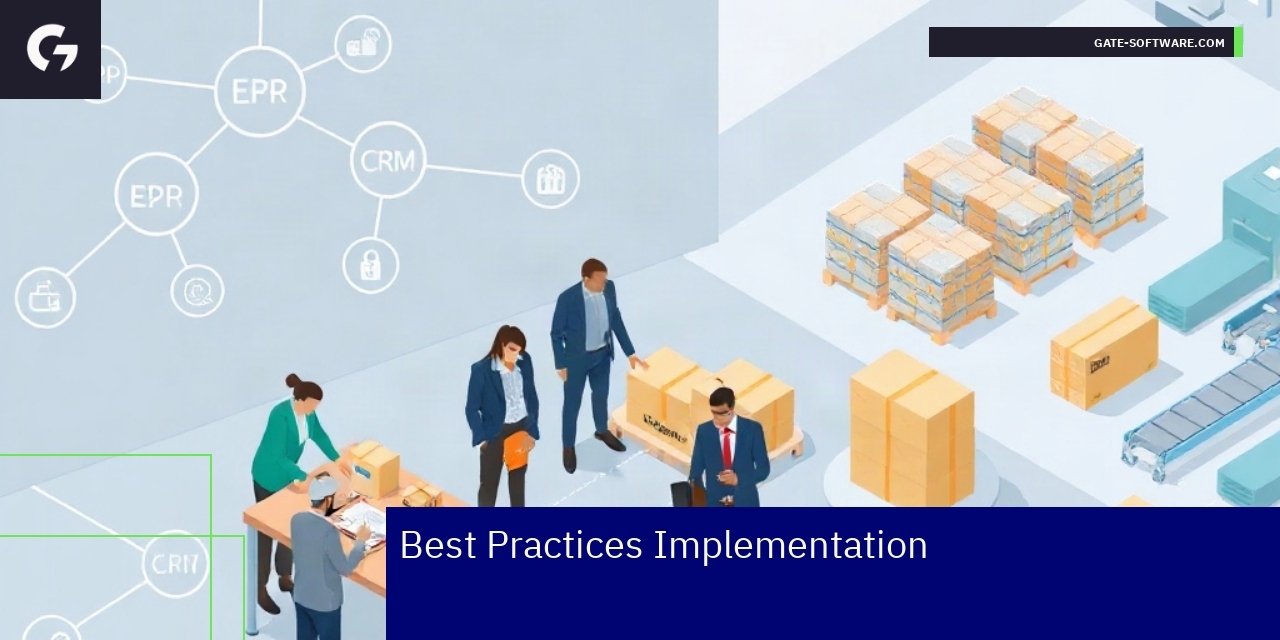
Best Practices Implementation
Implementing Magento B2B best practices for commerce success requires a strategic focus on enhancing operational efficiency, scalability, and seamless integration across business processes. Key practices include optimizing the platform architecture to support complex B2B workflows such as bulk ordering, custom pricing, and multi-user accounts. This ensures the system can scale efficiently with business growth while maintaining performance.
A crucial element is the implementation of robust API integrations, connecting Magento B2B capabilities with ERP, CRM, and supply chain management systems. This integration provides real-time data synchronization, improves order accuracy, and streamlines inventory management, which are vital for B2B commerce complexity.
Customization plays a significant role; tailoring the user experience to match unique business needs, including personalized catalogs and negotiable quotes, enhances customer satisfaction and retention. Furthermore, leveraging data analytics to monitor customer behavior, sales trends, and operational metrics enables informed decision-making and continuous improvement.
Security measures tailored to B2B transactions, such as enhanced authentication protocols and secure payment gateways, safeguard sensitive business data and build trust. Finally, ongoing performance monitoring and iterative optimization of the Magento B2B platform ensure sustained commerce success in dynamic market environments.
These practices collectively contribute to a scalable, efficient, and customer-centric Magento B2B commerce ecosystem, driving measurable business impact.

Employee Training
Employee training plays a crucial role in enhancing operational efficiency within B2B organizations. Effective education equips employees with the necessary skills, knowledge, and competencies to perform their tasks accurately and efficiently, reducing errors and improving productivity. Training programs tailored to specific roles ensure that employees understand industry-specific processes, compliance requirements, and technological tools essential to their daily operations.
Moreover, continuous learning fosters adaptability and innovation, enabling teams to respond swiftly to changing market conditions and emerging business challenges. Structured training initiatives support knowledge transfer, minimize downtime during onboarding, and enhance cross-functional collaboration by standardizing best practices across departments. In a B2B context, where operational complexity and scalability are critical, investing in employee education aligns human capital development with strategic objectives, ultimately driving sustainable performance improvements and operational excellence.

Efficiency Monitoring Techniques
Efficiency monitoring in a B2B context is critical for tracking progress and optimizing performance across complex operational and technical landscapes. Effective techniques combine quantitative metrics with qualitative insights to deliver a comprehensive picture of business efficiency.
First, real-time data tracking is essential. B2B environments often integrate multiple systems and processes, so setting up dashboards that aggregate key performance indicators (KPIs) allows stakeholders like CTOs and Heads of Product to monitor activities continuously. Common KPIs include process cycle times, resource utilization rates, throughput, and error rates. These metrics highlight bottlenecks and inefficiencies that hamper scalability or operational flow.
Second, implementing automated performance monitoring tools can reduce manual overhead and increase accuracy. Systems can trigger alerts based on thresholds, enabling proactive issue resolution before inefficiencies escalate into larger problems impacting business outcomes.
Third, regular performance reviews aligned with strategic objectives ensure the ongoing optimization of workflows. Using data-driven insights, teams can iteratively refine processes, architecture, or resource allocations to improve overall efficiency.
Finally, leveraging advanced analytics and predictive modeling provides forward-looking optimization opportunities. By analyzing historical and current data, organizations can forecast trends, adjust capacity, and preemptively address potential performance degradation.
Overall, a structured approach to efficiency monitoring that integrates real-time tracking, automation, periodic reviews, and predictive analytics delivers measurable improvements in B2B operational performance and strategic goal attainment.

Common Mistakes in Magento 2 B2B Implementations
Implementing Magento 2 for B2B environments involves complex considerations, and avoiding common pitfalls is essential to ensure operational efficiency and scalability. A frequent mistake is underestimating the customization needed for B2B workflows compared to B2C setups. Magento 2 must be tailored to accommodate complex pricing, contract management, custom catalogs, and corporate account hierarchies. Failure to properly configure these features can lead to operational disruptions and poor user experience.
Another significant error is neglecting performance optimization. B2B portals often handle large product catalogs and high transaction volumes, making database indexing, caching, and efficient API integrations critical. Overlooking these can degrade site responsiveness and impact sales.
Furthermore, insufficient attention to role-based access control and security settings risks exposing sensitive corporate data. Magento 2’s B2B module offers granular permissions, which need careful configuration aligned with enterprise compliance requirements.
Integrations also pose challenges. Common mistakes include choosing incompatible third-party tools or not planning for data synchronization across ERP, CRM, and billing systems, resulting in data inconsistencies and manual reconciliation overhead.
Lastly, ignoring user training and change management can undermine adoption. Thorough onboarding and support for sales and procurement teams ensure the new system’s capabilities are fully leveraged.
Addressing these areas proactively helps ensure a successful Magento 2 B2B implementation, driving long-term value and scalable growth.
Error Analysis
—
—

Error Analysis
In the context of B2B operations, error analysis is crucial for maintaining technical architecture integrity, ensuring operational efficiency, and supporting scalability and performance. Common pitfalls in error analysis often stem from inadequate data logging and monitoring, which can obscure the root causes of failures. Additionally, a lack of standardized error classification and inconsistent documentation can lead to misinterpretation of issues among teams, causing delays in resolution and inefficient resource allocation.
To prevent these issues, it is essential to implement comprehensive logging practices that capture detailed contextual information without compromising system performance. Standardizing error codes and classifications across the organization promotes clarity and improves cross-team communication. Integrating automated alerting systems ensures timely detection and response, minimizing downtime and operational impact. Furthermore, fostering a culture of continuous learning through post-mortem analysis and knowledge sharing helps in identifying systemic problems and preventing recurrence.
Strategically, correlating error trends with system performance metrics enables proactive architectural adjustments to handle scaling demands and operational loads. Employing advanced analytical tools that utilize machine learning can enhance the precision of error detection and prediction. These practices collectively strengthen the resilience of B2B systems, preserving business continuity and supporting long-term growth objectives.

Faulty Implementations Examples
In B2B projects, common faulty implementations stem from several critical mistakes that negatively impact project success and long-term client relationships. One prevalent error is poor communication among stakeholders, which leads to misaligned objectives and misunderstood deliverables. This misalignment often causes project delays and increased costs, eroding trust between partners.
Inadequate planning is another frequent pitfall. When teams fail to comprehensively outline project phases, allocate resources appropriately, and define clear timelines, they risk scope creep and overruns that strain budgets and schedules. Additionally, disregarding the nuanced needs of B2B clients results in solutions that do not effectively address business pain points, reducing value and leading to client dissatisfaction.
Underestimating required resources—whether personnel, technology, or budget—further compounds risk by overloading teams and causing burnout, which undermines productivity and quality. Moreover, neglecting change management strategies hampers user adoption and creates resistance, undermining the solution’s integration and ROI.
Finally, overcomplicating systems or solutions in pursuit of technical sophistication often backfires, leading to user frustration and rejection. These implementation failures collectively result in delayed deployments, escalated costs, reduced operational efficiency, and lost opportunities for scalable growth in the B2B context. Addressing these pitfalls with strategic foresight and robust project governance is essential for sustainable success.

Optimization and Fixes
Improving processes based on lessons learned is a critical aspect of B2B operational efficiency and scalability. In complex business-to-business environments, continuous optimization requires a structured approach that integrates feedback loops from previous project phases or operational cycles. By systematically analyzing outcomes against expected results, organizations can identify bottlenecks, root causes of failures, and areas for enhancement.
A key step involves capturing actionable insights from retrospectives and performance data, ensuring that corrective actions are prioritized based on their impact on technical architecture and business objectives. This practice not only addresses immediate issues but also strengthens the foundation for scalable system design and more robust workflows.
Moreover, the implementation of fixes should be aligned with a clear change management process, allowing for controlled adaptation that mitigates risks of disruption. Leveraging automation and monitoring enables ongoing validation of these improvements in production environments.
Ultimately, organizations embracing a culture of learning and optimization position themselves to respond rapidly to evolving market demands, improve interdepartmental collaboration, and enhance the overall digital experience within their B2B ecosystems. This continuous refinement cycle contributes directly to longer-term performance gains and strategic business success.

Magento 2 vs Other B2B eCommerce Solutions
Magento 2 stands out in the B2B eCommerce landscape due to its robust architecture, extensive customization capabilities, and scalability tailored for growing enterprises. Compared to alternative platforms, Magento 2 offers a mature ecosystem with strong support for complex product catalogs, multi-tier pricing, and customer segmentation, which are crucial for B2B operations. Its open-source foundation allows for deep technical customization, enabling businesses to tailor workflows, integrations, and frontend experiences according to unique industry requirements.
From an operational perspective, Magento 2 supports advanced order management, flexible payment options, and integration with ERP and CRM systems, fostering seamless business process automation. Performance-wise, Magento 2 leverages modern framework improvements and supports scalable hosting environments to handle large transaction volumes without compromising responsiveness.
While some alternative B2B eCommerce solutions may offer quicker out-of-the-box deployment or niche features, Magento 2’s strength lies in balancing flexibility and control with enterprise-grade performance. For CTOs and Heads of Product, Magento 2 provides a platform that can evolve alongside business needs, minimizing technical debt and enabling faster adaptation to market changes. This makes it a compelling choice for organizations prioritizing long-term operational efficiency and scalable growth in their B2B eCommerce strategy.

Key Differences
Magento 2 distinguishes itself in the B2B sector through its robust architectural design and advanced feature set tailored for complex business requirements. Its modular architecture enables extensive customization and scalability, essential for growing enterprises managing large product catalogs and multiple storefronts. Unlike many competitors, Magento 2 offers native support for B2B functionalities such as custom pricing, quoting, and bulk ordering, which streamline procurement processes and enhance buyer-seller interactions.
The platform’s API-first approach facilitates seamless integration with ERP, CRM, and other enterprise systems, ensuring data consistency and operational efficiency across different departments. It supports advanced user roles and permissions, empowering businesses to manage multiple buyers with varying access levels within a single account. Performance optimization and scalability are also notable, with Magento 2 leveraging modern technologies like Varnish caching and Elasticsearch, crucial for high-traffic B2B portals.
Moreover, Magento 2 emphasizes flexibility in pricing and promotions, allowing tailored discount structures and contract pricing that meet specific client needs. Its comprehensive analytics and reporting tools provide actionable insights into sales performance and customer behavior, aiding strategic decision-making. This combination of technical robustness, operational efficiency, and specialized B2B features solidifies Magento 2 as a leading choice for enterprises seeking scalable and integrated eCommerce solutions.

Pros and Cons
Magento 2 is a powerful eCommerce platform highly regarded in the B2B domain for its advanced capabilities tailored to complex business requirements. Among its primary advantages is its extensive customizability, allowing businesses to adapt the platform to their unique workflows, pricing models, and customer segmentation needs. This flexibility is crucial for B2B companies that often require personalized pricing, quote management, and bulk ordering functionalities. Furthermore, Magento 2’s inherent scalability supports growing enterprises by accommodating increasing product catalogs and customer bases without significant disruptions.
Security is another key strength of Magento 2, offering robust mechanisms to protect sensitive business and customer data which is vital in B2B transactions that frequently involve confidential contract details and sensitive financial information. Additionally, the platform’s strong integration capabilities enable seamless connections with third-party systems such as ERP, CRM, and payment gateways, enhancing operational efficiency and streamlining complex business processes.
However, Magento 2 also carries notable drawbacks. The platform’s complexity means that setting up and customizing an optimal B2B environment often requires skilled developers and significant time investment. This technical overhead translates into higher costs for licensing, development, and ongoing maintenance, which can be prohibitive for small to midsize enterprises. Performance issues may arise if the platform is not properly optimized, potentially affecting user experience during peak traffic periods. Moreover, the learning curve for both administrators and users can be steep, necessitating dedicated training and ongoing support. Lastly, Magento 2 is resource-intensive, demanding robust hosting infrastructures to ensure consistent performance, which adds to operational expenses.
In summary, Magento 2’s blend of customization, scalability, and security makes it a compelling choice for B2B businesses, but these benefits come with increased complexity, cost, and resource requirements that organizations must plan for strategically.

When to Consider Alternatives?
In the B2B landscape, evaluating when to consider alternatives is crucial for maintaining strategic alignment and operational excellence. Situations warranting a reassessment typically stem from evolving business needs, performance challenges, or shifts in market dynamics.
One primary scenario is when your company’s objectives or operational requirements change. Solutions that once fit perfectly may no longer support new strategies, workflows, or scalability demands. In such cases, exploring alternatives ensures alignment with current business goals and technological architectures.
Performance issues with existing vendors or solutions also signal a need to consider other options. Underperformance can impact efficiency, cost management, and service quality, threatening overall operational resilience. Seeking alternatives may offer enhanced reliability, scalability, or advanced capabilities that better match your performance benchmarks.
Cost efficiency is another critical trigger. Persistent high costs or budgetary pressures necessitate a thorough evaluation of alternative providers or solutions that deliver comparable or superior value with reduced Total Cost of Ownership (TCO). This fiscal scrutiny helps optimize resource allocation and maximize ROI.
Additionally, innovation cycles and regulatory changes can drive the search for new solutions. Emerging technologies or compliance requirements often require upgrades or new partnerships to maintain competitive advantage and regulatory adherence.
Finally, relationship factors with current suppliers, including responsiveness, support quality, and strategic partnership alignment, must be reviewed. Feedback from internal stakeholders can reveal dissatisfaction or unmet needs, further justifying consideration of alternatives.
Proactively identifying these situations enables B2B organizations to make informed decisions, improving scalability, performance, and long-term operational effectiveness.

Common Questions
Magento 2 is a robust eCommerce platform widely used in B2B environments, and it generates numerous questions from technical and business stakeholders. Below we address some of the most common questions to provide clarity and assist in strategic decision-making.
What are the key technical benefits of using Magento 2 for B2B?
Magento 2 supports advanced architecture designed for scalability and performance essential for B2B operations. It enables complex product catalogs, custom pricing, and specific workflows like quote requests and purchase approvals, all while offering modular extensibility for integration with ERP and CRM systems. This technical backbone improves operational efficiency and supports high volumes of transactions.
How does Magento 2 handle scalability and performance for large B2B operations?
Magento 2 utilizes modern technology stacks, including PHP 7+, MySQL 8, and full-page caching, to ensure fast load times and responsiveness. It supports horizontal scaling with cloud deployment options and supports elastic search for efficient catalog search performance. These features help maintain performance during peak loads characteristic of B2B sales cycles.
What are the primary operational challenges when deploying Magento 2 for B2B?
Integration complexity is a major challenge due to the need to connect Magento 2 with multiple enterprise systems such as ERPs and supply chain management tools. Ensuring data consistency and secure communication between systems requires careful planning and architecture. Additionally, configuring complex pricing rules and customer-specific catalogs demands specialized expertise.
How does Magento 2 support B2B customer management?
Magento 2 offers robust customer segmentation, enabling businesses to tailor pricing, promotions, and product availability to different customer groups or individual clients. Features like role-based permissions and quote management workflows allow better control of ordering processes and foster personalized customer relationships, enhancing the overall user experience.
What is involved in maintaining and upgrading a Magento 2 B2B implementation?
Ongoing maintenance requires regular security updates, performance tuning, and monitoring of integrations. Version upgrades can affect custom modules, so thorough testing is essential. Leveraging Magento’s extensive developer community and adhering to best practices in code management and CI/CD pipelines is critical to sustain operational stability.
Understanding these common questions helps CTOs and digital leaders optimize the use of Magento 2 for scalable and efficient B2B commerce, addressing both technical architecture and operational effectiveness comprehensively.

Implementation Challenges
Deploying B2B solutions often involves navigating a complex landscape of technical and organizational hurdles that can impact project success. One critical challenge lies in integrating new systems with existing legacy infrastructure. Many B2B organizations operate with a mix of dated platforms and modern technologies, requiring deployment strategies that ensure compatibility without disrupting ongoing business processes. This integration complexity can lead to extended timelines and unforeseen technical debt if not carefully managed.
Another significant issue during deployment is ensuring scalability and performance under real-world loads. B2B systems frequently support multiple users across different organizations, each with unique demands and data volumes. Performance tuning and load balancing must be rigorously tested in deployment environments to avoid bottlenecks and maintain operational efficiency. This process is critical to uphold the reliability and responsiveness necessary for business operations.
Operational efficiency during deployment also hinges on comprehensive stakeholder alignment. Coordinating among technical teams, business units, and external partners ensures that deployment schedules, data migrations, and training programs are synchronized. Misalignment in these areas can result in delayed rollouts or adoption challenges post-deployment.
Security considerations present another deployment challenge, especially in B2B settings dealing with sensitive data and regulatory compliance. Implementing security protocols that adhere to standards, while not inhibiting usability or performance, requires meticulous planning and validation during deployment.
Additionally, change management and user adoption are crucial for successful deployments. Technical teams must prepare thorough documentation and support frameworks to manage the transition smoothly. Resistance to change or lack of training can undermine the benefits of the new system, making this an essential part of the deployment process.
In summary, B2B deployment challenges encompass integration complexity, scalability demands, operational coordination, security compliance, and change management. Addressing these areas with thoughtful and strategic planning is vital to ensure successful and efficient deployments that meet business objectives.

Technical Support
Getting effective technical support for Magento 2 problems in a B2B environment requires a strategic approach that leverages multiple resources to ensure operational continuity and scalability.
Start with the official Magento Documentation, which offers comprehensive guides on system architecture, customization, and configuration tailored for Magento 2. This is essential for understanding core platform functionalities and troubleshooting common issues without delay.
Engaging with the Magento Community Forums is another critical channel. These forums host a global network of developers and Magento users who discuss complex scenarios, share solutions, and provide insights into optimizing Magento 2 for B2B business processes. Forums often surface practical solutions drawn from real-world deployments, which can directly impact your technical decision-making.
For enterprises using Magento Commerce, accessing Magento’s official support services delivers expert assistance. Their support teams have deep technical expertise in Magento 2’s B2B capabilities, including architectural considerations for scalability, performance tuning, and security compliance.
Additionally, technical questions can be addressed via platforms like Stack Exchange and Stack Overflow, where Magento developers frequently discuss B2B-specific challenges such as advanced catalog management, custom pricing models, and integration with ERP or CRM systems.
Engaging with Magento Marketplace can also be valuable, as it provides certified extensions and modules designed to enhance B2B functionalities. Many vendors offer bundled support options that can accelerate resolution times for technical problems linked to third-party extensions.
When issues require deep architectural insights or custom solutions, hiring Magento-certified developers or specialized consulting agencies with B2B experience can ensure that your technical support strategy covers long-term operational efficiency, maintainability, and performance optimization.
Finally, stay connected with Magento communities on professional networks like LinkedIn to exchange knowledge, hear about emerging best practices, and receive peer recommendations tailored to B2B Magento 2 environments.
A multi-layered approach combining self-help resources, community expertise, proactive vendor support, and professional consulting is the most effective way to address Magento 2 technical challenges in B2B settings.

Data and Performance Metrics – Efficiency and Cost
Key Metrics for B2B
In the B2B landscape, measuring operational efficiency and cost management is crucial for strategic decision-making. The average time-to-delivery for B2B orders across leading eCommerce platforms is noted to be around 3 to 5 days, but organizations leveraging Magento 2 report a reduction to approximately 2 days, enhancing customer satisfaction and retention.
Cost reductions are significant; organizations that implement B2B eCommerce solutions experience an estimated 20% decrease in overall transaction costs due to streamlined procurement processes and bulk purchasing capabilities. Additionally, studies show that companies using automated order management systems can reduce order processing time by up to 50%, allowing teams to handle larger volumes while maintaining accuracy.
Performance indicators such as uptime are critical; Magento 2 environments maintain a 99.9% uptime, ensuring uninterrupted service and reliability for B2B customers. The integration capabilities of Magento 2, allowing for real-time data synchronization with ERP and CRM systems, have been shown to increase data accuracy by about 30%, further driving operational efficiency.
Scalability metrics demonstrate that Magento 2 can support transaction volumes exceeding 500,000 orders per day, making it suitable for large enterprises expanding their B2B operations. Furthermore, businesses using Magento 2 report an average improvement of 25% in customer engagement metrics due to enhanced user experience features tailored for B2B buyers.
Finally, when examining return on investment (ROI), organizations utilizing Magento 2 for B2B eCommerce report an average ROI of 300% within the first year of implementation due to increased sales volumes, reduced operational costs, and enhanced customer loyalty. These metrics collectively illustrate the efficiencies and cost-effectiveness that Magento 2 can provide for B2B enterprises seeking to optimize their eCommerce capabilities.

Summary
As we conclude this exploration of Magento 2’s capabilities within the B2B landscape, it’s clear that this platform stands out as a versatile and powerful solution tailored to the intricate demands of business-to-business commerce. By facilitating complex pricing structures, enabling bulk ordering, and supporting quote management, Magento 2 optimizes the procurement process and enhances operational efficiency. Senior stakeholders can leverage the platform’s modular architecture to seamlessly integrate with existing ERP and CRM systems, fostering real-time data synchronization and driving informed decision-making across the organization.
The focus on user experience, combined with advanced analytics and performance optimization, positions Magento 2 as a strategic enabler for B2B companies aiming for scalable growth. Businesses can further capitalize on its robust features—such as customizable catalogs and customer-specific pricing—to create personalized experiences that foster deeper client relationships. As the B2B landscape continues to evolve, executing a well-thought-out implementation strategy that emphasizes training, change management, and ongoing optimization will be vital to harnessing the full power of Magento 2.
With these insights in mind, decision-makers can confidently consider Magento 2 not just as a platform but as a comprehensive solution that aligns technology with strategic business goals, ensuring operational excellence and sustained success in a competitive marketplace.

FAQ
What features does Magento 2 offer for B2B commerce?
Magento 2 provides advanced functionalities like custom pricing, bulk ordering, quote management, and customer-specific catalogs, all designed to meet the complexities of B2B transactions.
How does Magento 2 support integration with other systems?
Magento 2’s modular architecture allows for seamless integration with ERP, CRM, and supply chain systems, ensuring real-time data synchronization and improving operational efficiency.
Why is scalability important for B2B businesses using Magento 2?
Scalability allows Magento 2 to handle high transaction volumes and complex product configurations, which is essential for growing B2B enterprises as they expand their operations.
How does Magento 2 enhance customer management for B2B companies?
Magento 2 enables advanced customer segmentation, allowing businesses to tailor experiences, pricing, and promotions to meet specific client needs, thereby improving customer satisfaction.
What operational efficiencies can be achieved with Magento 2 in a B2B context?
Magento 2 enhances operational efficiencies through automation, streamlined workflows, and improved communication channels, all of which reduce manual errors and accelerate the procurement process.
.
.
Zamów bezpłatną konsultację
.
Z nami rozwój Twojego biznesu nabierze tempa! Zapraszamy do kontaktu średnie i duże firmy generujące min. 7 mln PLN obrotu rocznie – tam nasza ekspertyza sprawdza się najlepiej.
.
Kliknij w poniższy przycisk i skontaktuj się z jednym z naszych konsultantów e-commerce
.