In the B2B landscape, automating business processes within Magento 2 can significantly enhance operational efficiency, reduce manual errors, and streamline complex workflows. Magento 2, as a flexible eCommerce platform, offers a robust foundation for integrating automation into various stages of B2B commerce, from order management to customer relationship processes.
Automation in Magento 2 can address key business challenges such as managing large product catalogs, multiple buyers, negotiated pricing, and complex approval workflows. By leveraging Magento 2’s API capabilities and automation extensions, businesses can programmatically handle routine tasks like inventory updates, order processing, and invoicing without human intervention. This not only speeds up operations but also maintains data accuracy across systems.
From a technical perspective, Magento 2 automation often involves event-driven triggers and configurable workflows that synchronize data across enterprise resource planning (ERP), customer relationship management (CRM), and supply chain management (SCM) systems. This seamless integration reduces data silos and provides real-time visibility into sales and fulfillment processes. For example, automated rules can route orders for approvals based on predefined criteria, enabling faster decision making while adhering to organizational policies.
Operationally, automating routine interactions such as customer onboarding, contract renewals, and support ticketing frees up staff to focus on strategic tasks and complex problem solving. Automation also supports scalability, allowing businesses to handle peak demand periods or expanded product lines without proportional increases in labor costs. Furthermore, automated reporting and analytics provide actionable insights that help identify bottlenecks and optimize business performance continuously.
Strategically, embracing Magento 2 automation supports digital transformation initiatives by embedding agility into B2B sales channels, thus enhancing customer experience through faster response times and personalized interactions. It ensures consistent application of business rules across channels and reduces time to market for new products or promotions.
In conclusion, implementing Magento 2 automation in B2B environments optimizes business processes by combining technical integration, operational efficiency, and strategic flexibility, paving the way for sustainable growth and competitive advantage.

Introduction
In the B2B context, the introduction section plays a crucial role in framing the communication by clearly articulating the purpose and scope of the content. It typically begins with an overview of the relevant industries involved, highlighting the specialized products or services that link the businesses. This sets a foundation for understanding the operational scale and strategic priorities that drive the interaction between enterprises.
An effective introduction also establishes the value proposition, detailing how the offering addresses specific challenges faced by other businesses, emphasizing operational efficiency, scalability, and performance optimization. For senior stakeholders such as CTOs and Heads of Engineering, this framing is essential to assess technical feasibility and alignment with existing architectures.
Moreover, the introduction often references the nature of collaboration or partnership, underscoring expertise and experience that validate the business relationship. By aligning expectations early, it facilitates a structured discussion of subsequent sections that delve into technical, operational, and strategic considerations critical for informed decision-making in the B2B landscape.
TABLE OF CONTENTS
- Magento 2 Automation in B2B: How to Automate Business Processes for Efficiency
- Introduction
- What is B2B process automation?
- Key differences between sales and marketing automation
- Why is ERP integration crucial in B2B automation?
- Best methods for integrating B2B platforms
- How to start B2B sales automation?
- Key Magento B2B integrations
- What are customer purchase experience requirements?
- How Magento B2B meets user requirements
- How to implement Magento in practice?
- Advantages of a dedicated implementation
- Alternatives to B2B sales automation
- Data and Performance Metrics – Efficiency and Cost
- Summary
- FAQ
- Examples of tools and platforms commonly used in B2B automation (e.g., CRM software, ERP systems)
- Case studies showcasing successful B2B process automation implementations
- Industry-specific automation applications and best practices
- Synchronizes data across business functions
- Improves efficiency and accuracy
- Enables real-time visibility
- Supports resource management and collaboration
- Facilitates scalability for growth
- Manual data entry errors
- Data silos between departments
- Delayed process visibility
- Prioritize tasks with clear rules and minimal exceptions to simplify automation.
- Involve sales teams to identify the most time-consuming manual activities.
- Start small to validate automation benefits before scaling.
- Ensure data quality in source systems like Excel to maximize automation effectiveness.
- Case studies showcasing successful dedicated implementations
- Templates for stakeholder communication plans
- Lists of recommended technology stacks for B2B process automation
- Best practices for phased implementation and pilot testing
- Risk assessment frameworks for legacy system integration
- Training resources tailored for change management in automation projects
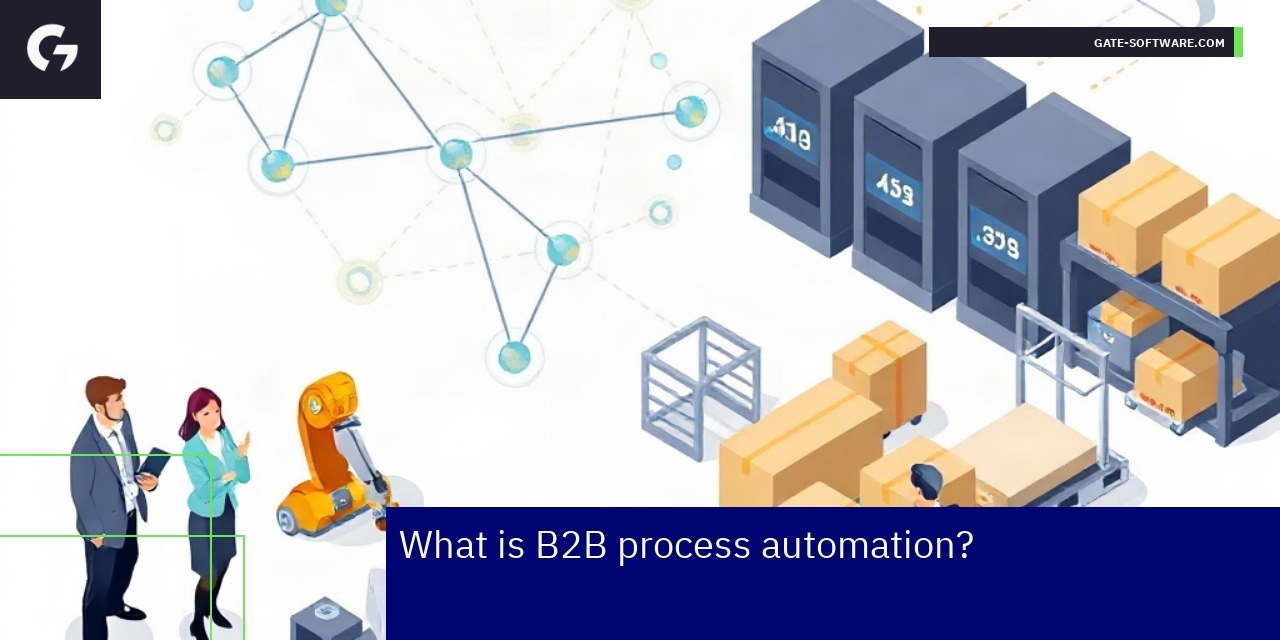
What is B2B process automation?
Defining B2B Automation
Automation in the B2B context refers to the application of technology and software to perform business processes with minimal human intervention, aimed at streamlining operations, reducing errors, and boosting efficiency in business-to-business interactions. Commonly automated processes include lead generation, data management, invoicing, order processing, customer relationship management (CRM), marketing campaigns, reporting, HR functions, and compliance monitoring. Through automation, businesses can significantly reduce manual workload, accelerate cycle times, and enhance process reliability, driving better operational outcomes and fostering stronger B2B relationships.
The benefits of process automation in B2B are multifold. Increased operational efficiency and productivity arise from minimizing repetitive tasks, allowing staff to focus on strategic initiatives. Automation also promotes cost savings by reducing labor intensity and errors, thereby improving accuracy and regulatory compliance. Enhanced scalability enables companies to handle growing transaction volumes without proportional increases in resources. Furthermore, automated insights through data collection and analysis support informed decision-making, while improved collaboration across departments and faster response times elevate overall customer satisfaction.
If available:
—
Role of Technology in Automation
While the specific technologies used in B2B process automation were not retrieved, effective automation generally involves implementing platforms that integrate seamlessly with existing systems, support data management, and facilitate sales and marketing workflows. Selecting the right automation technologies typically depends on aligning business objectives with tool capabilities, scalability, integration potential, and usability.
Current trends in B2B automation often emphasize the incorporation of artificial intelligence, machine learning, and robotic process automation to enhance decision-making, personalize customer engagement, and further streamline complex processes. Businesses adopting these technologies can achieve enhanced operational agility and competitive advantage.
In summary, B2B process automation centers around leveraging technological solutions to optimize workflows, increase efficiency, and improve communication across business functions, ultimately leading to superior customer service and stronger business growth.

Key differences between sales and marketing automation
Core Differences
Sales automation and marketing automation serve distinct but complementary roles within B2B organizations. Sales automation primarily focuses on managing sales workflows, streamlining the processes that drive lead conversion and deal closure. It enables sales teams to efficiently track prospects, schedule follow-ups, update sales pipelines, and access real-time performance metrics. In contrast, marketing automation aims to increase the effectiveness of promotional efforts by automating campaign management, lead nurturing, and targeted communications across channels such as email and social media. While sales automation drives tactical execution in direct sales activities, marketing automation concentrates on strategic audience engagement and demand generation.
These fundamental differences impact business in unique ways. Sales automation enhances operational efficiency and accelerates revenue generation by reducing manual administrative tasks for sales representatives. Marketing automation boosts top-of-funnel activities by delivering personalized content to segmented audiences, improving lead quality and engagement. However, the divergent focuses may lead to challenges, primarily around aligning goals, data integration, and collaboration between departments. Ensuring seamless synchronization of data and unified measurement frameworks between sales and marketing automation tools is essential to overcoming silos and maximizing commercial outcomes.
Implementation Examples
Successful implementation of sales automation in B2B contexts often involves deploying comprehensive CRM systems that automate pipeline management, sales forecasting, and activity tracking. For example, a company might leverage a CRM platform to centralize customer information, automate communication reminders, and generate insightful reports to optimize sales strategies. This approach improves response times and empowers sales teams to focus on value creation over administrative tasks.
Marketing automation implementations frequently utilize advanced platforms that enable campaign orchestration, behavior-based segmentation, and automated lead nurturing workflows. Companies that excel in this domain build sophisticated customer journeys, combining automated email outreach with multichannel engagement to maintain continuous interaction throughout the buyer’s journey. Lessons from these deployments emphasize the importance of clean data, clear segmentation, and iterative optimization to achieve substantive improvements in promotional effectiveness.
In sum, both sales and marketing automation offer significant opportunities to streamline operations and boost business performance in B2B settings. Their successful integration and tailored application enable organizations to respond swiftly to market demands while fostering cross-departmental collaboration.
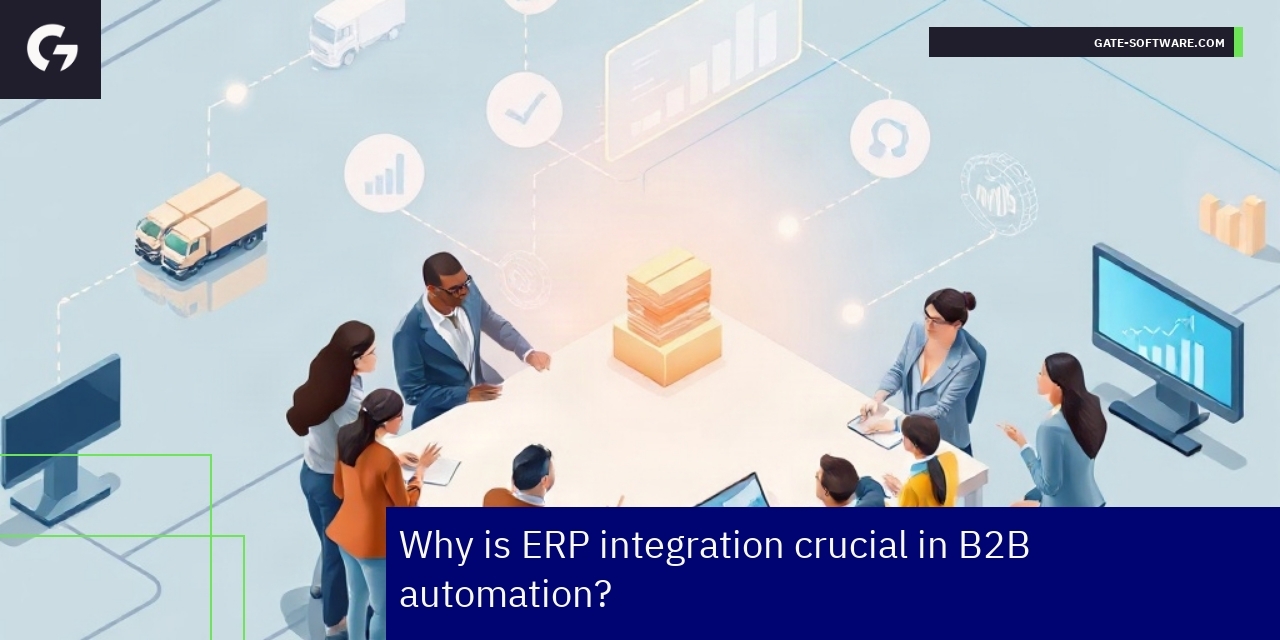
Why is ERP integration crucial in B2B automation?
Importance of Integration
ERP integration plays a critical role in B2B process automation by synchronizing data across various business functions and optimizing operational workflows. The main benefits of ERP integration include improved efficiency through automation of data exchange, enhanced accuracy by reducing manual errors, and enabling real-time visibility into processes such as inventory management, order tracking, and financial transactions. This synchronization allows enterprises to better manage resources, streamline collaboration with suppliers and customers, and respond faster to market and customer demands. In addition, integrated ERP systems support scalability, adapting to business growth without disrupting existing workflows.
—
Key Takeaways:
Common Challenges Addressed:
—
What are the main benefits of ERP integration?
The core advantages of ERP integration in B2B environments include operational efficiency, cost reduction, and improved decision-making. By automating data flow between disparate systems, businesses minimize manual input and the associated risks of errors, accelerating cycle times for critical processes. Real-time access to unified data enables senior stakeholders to make informed strategic decisions, identify bottlenecks promptly, and improve customer responsiveness. Furthermore, integration fosters seamless communication between business units and external partners, enhancing collaboration and customer service. Scalability is another key benefit, as integrated ERP systems can evolve with changing business needs, supporting future growth and complexity.
Which data should be synchronized?
Effective ERP integration requires synchronization of key business data to maintain consistency across platforms. Crucial datasets include inventory levels, ensuring accurate stock visibility to prevent overstocking or shortages. Order information, including purchase and sales orders as well as fulfillment status, must be kept up to date to coordinate supply chain activities. Financial data such as invoicing, payments, and accounts receivable/payable ensures transparency in transactions and financial planning. Customer information—spanning records, preferences, and interaction history—should be aligned to support personalized service and account management. Additionally, supplier and vendor data must be synchronized to monitor performance and streamline procurement.
How to avoid integration pitfalls?
Avoiding common ERP integration pitfalls involves careful planning, selecting appropriate tools, and maintaining rigorous oversight throughout the process. Clear definition of integration goals and requirements upfront prevents scope creep and misalignment. Choosing integration platforms compatible with existing systems reduces technical complexity and implementation risks. Precise data mapping ensures that only relevant and correctly formatted information is synchronized, avoiding discrepancies. Continuous testing during and after deployment helps catch issues early, minimizing disruption. Training users comprehensively promotes system adoption and reduces operational errors. Finally, ongoing monitoring and maintenance are essential to adapt integrations over time, addressing evolving business demands and technology changes.
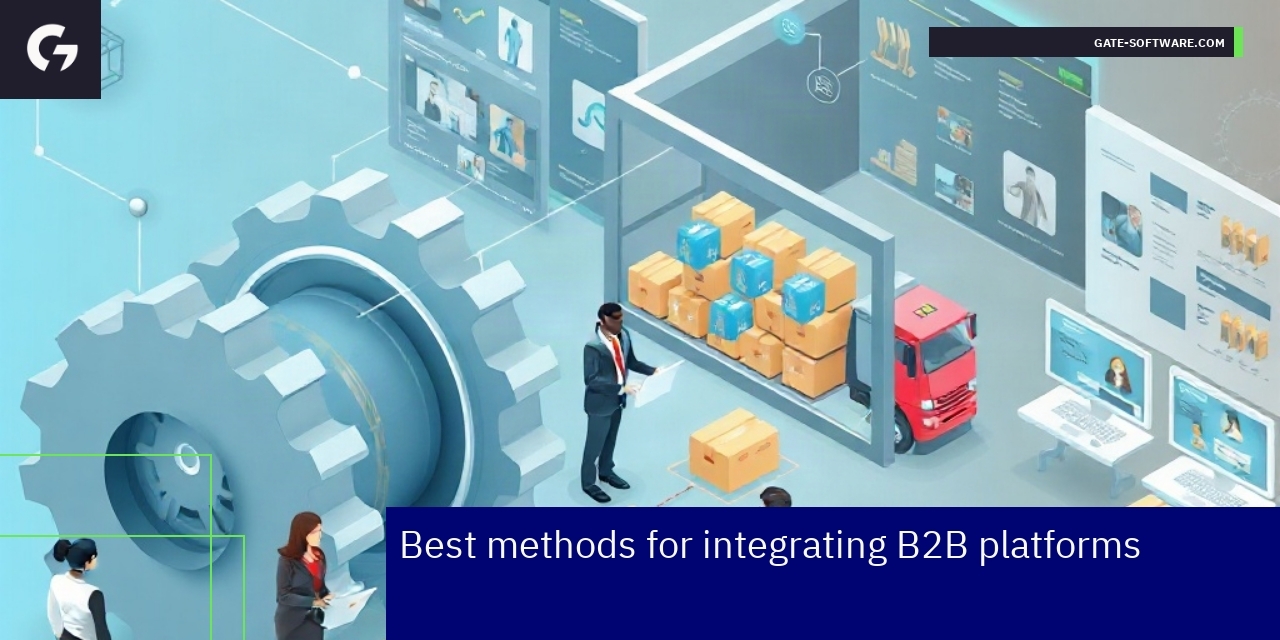
Best methods for integrating B2B platforms
Integration Planning
Effective integration planning for B2B platforms requires a comprehensive understanding of the existing systems and clear prioritization of tasks. Initially, the process starts with a detailed assessment of the organization’s core systems—specifically ERP (Enterprise Resource Planning) and PIM (Product Information Management)—to identify dependencies and data flow requirements. Planning should include defining critical business processes, setting integration objectives aligned with operational goals, and determining data synchronization frequency.
Selecting which systems to integrate first is crucial for minimizing disruption. Typically, ERP systems are prioritized because they form the backbone for order management, inventory, and financials. Following this, PIM systems are integrated to streamline product data management and ensure consistent product information across channels. This phased approach supports gradual integration steps, enabling smoother transitions and early identification of issues.
Common integration traps include lack of standardization in data formats, underestimating the complexity of legacy systems, and insufficient testing phases. Overlooking these risks can lead to data inconsistencies, process delays, and scalability challenges. Hence, robust mapping of data, establishing clear governance policies, and incremental rollout combined with continuous monitoring are essential to avoiding integration pitfalls and ensuring operational efficiency and scalability.

How to start B2B sales automation?
Starting automation in a B2B sales environment heavily reliant on Excel and email requires a strategic and measured approach. First, it is critical to establish clear, quantifiable goals for what the automation should achieve—whether that is increasing lead response times, improving data accuracy, or reducing manual workload. Beginning with simpler process automations allows teams to quickly realize value and adapt workflows without overwhelming existing operations.
Processes to Automate First
The initial focus should be on automating repetitive, rule-based tasks that consume significant time but do not require complex decision-making. Examples include data entry from Excel spreadsheets into CRM systems, automated follow-up email sequences, and lead qualification through predefined criteria. Automating these processes reduces human error and frees up sales staff for higher-value activities. Selecting these processes also ensures quick wins to build momentum for broader automation initiatives.
—
Helpful Tips for Selecting Processes to Automate:
—
Which processes should be automated initially?
Processes that are high-volume and standardized are ideal candidates for initial automation. Data synchronization between tools (such as Excel and CRM platforms), lead routing, and automated scheduling of meetings are common starting points. Prioritize tasks that have clear inputs and outputs and can be captured by workflow tools with minimal custom coding or integration complexity. This phased approach limits disruption and lays a foundation for more advanced automations.
What are the easiest tools to implement?
User-friendly tools that integrate seamlessly with existing email clients and Excel, such as low-code automation platforms or sales engagement tools, are often the easiest to implement. These solutions typically offer prebuilt connectors, drag-and-drop interfaces, and templates specific to sales processes. Additionally, leveraging built-in features of widely used CRMs that support email automation and Excel integration can reduce technical overhead and speed deployment.
How to track automation progress?
Tracking progress requires defining and monitoring key performance indicators (KPIs) aligned with initial automation goals. Metrics may include time saved on manual tasks, increased lead engagement rates, reduction in data errors, or cycle time improvements. Implementation of dashboards that aggregate these KPIs in real time allows senior stakeholders to evaluate impact continually and fine-tune automations as needed. Establishing feedback loops with sales teams encourages adoption and surfaces issues early.
Starting B2B sales automation thoughtfully through targeted process selection, use of accessible tools, and rigorous measurement paves the way for scalable efficiency gains and sustained digital transformation.
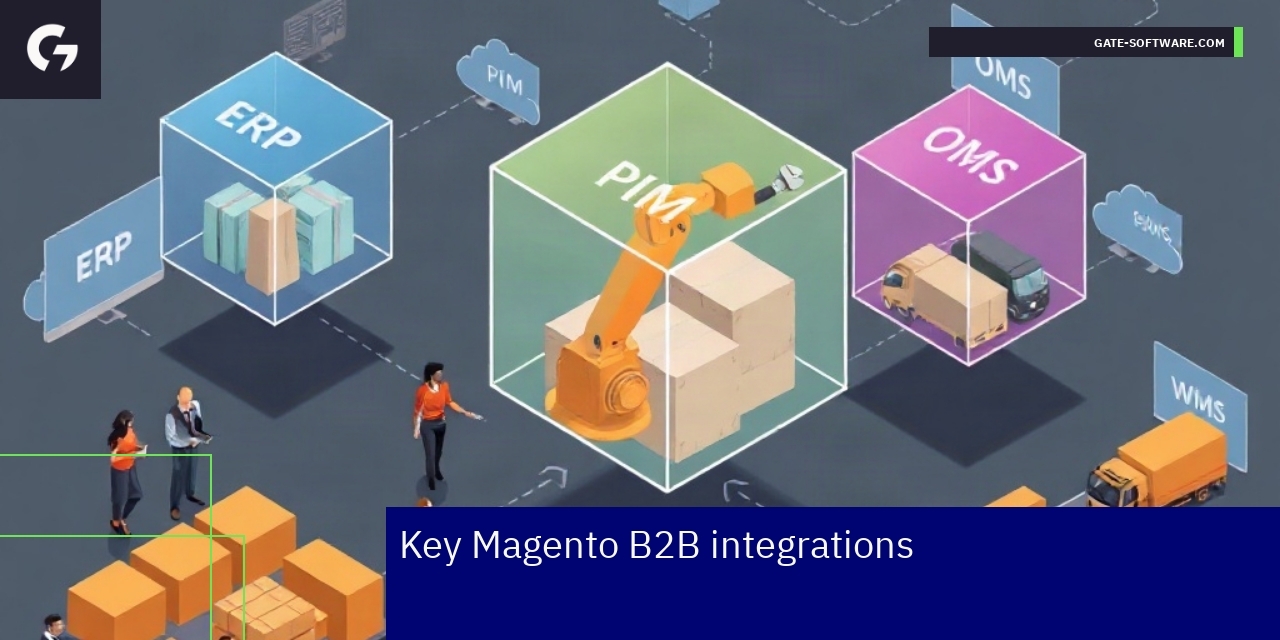
Key Magento B2B integrations
Integration Benefits
Magento B2B leverages critical integrations with ERP, PIM, OMS, and WMS systems to enhance operational efficiency and streamline complex business processes. Each integration offers distinct advantages that together support scalability, data accuracy, and seamless order fulfillment.
ERP integration is fundamental for unifying core business processes, including finance, inventory, and procurement. By connecting Magento B2B with an ERP system, companies gain real-time visibility into inventory levels, automate financial reconciliations, and improve order accuracy, ultimately reducing operational costs and accelerating decision-making.
PIM systems support product data management by centralizing and standardizing product information across multiple sales channels. This integration ensures that Magento B2B stores maintain consistent, high-quality product descriptions, technical specifications, and media assets, which enhances the buyer experience and reduces errors caused by data discrepancies.
OMS and WMS integrations offer substantial benefits in order management and warehouse operations. An OMS integration provides streamlined order processing workflows, enabling efficient order tracking, fulfillment prioritization, and returns management. Meanwhile, WMS integration optimizes warehouse operations by automating inventory control, improving picking accuracy, and accelerating shipment processes. Together, these systems enhance supply chain responsiveness and customer satisfaction in the Magento B2B environment.

What are customer purchase experience requirements?
Key Customer Expectations
In the B2B sector, customer purchase experience requirements center around seamless, efficient, and personalized interactions that support complex buying decisions. Top B2B customer demands include streamlined workflows capable of handling bulk orders, transparent pricing structures, and easy access to detailed product information. Buyers expect automated solutions that customize their experience, anticipating their needs and reducing friction points such as lengthy approval processes or manual order entries. Personalization goes beyond marketing messages to include adaptive interfaces that reflect prior purchasing behavior and preferences.
What are the top B2B customer demands?
The most critical demands revolve around speed, accuracy, and reliability of the purchase process. B2B customers seek systems that integrate easily with their internal procurement or ERP platforms to ensure data consistency and operational efficiency. They value real-time inventory availability, flexible payment options, and responsive support during the purchasing journey. Automation and AI-driven recommendations play a crucial role in fulfilling these demands by accelerating workflows and reducing errors, ultimately driving higher satisfaction and loyalty.
Which experiences keep you competitive?
To maintain a competitive edge, businesses must provide a purchase experience that reduces complexity and enhances transparency. Key experiences include intuitive self-service portals, mobile accessibility, and personalized dashboards that aggregate order history and pending tasks. Customers appreciate proactive notification systems about order status and delivery schedules. Incorporating advanced analytics allows suppliers to anticipate reorder needs and offer timely promotions or solutions, ensuring customer retention in a dynamic market.
Recommendations for optimizing purchase workflows?
Optimizing B2B purchase workflows involves adopting end-to-end automation that aligns with buyer expectations and operational realities. Recommendations include integrating AI-powered chatbots to assist with order inquiries, employing advanced data analytics for demand forecasting, and deploying scalable platforms that grow with business needs. Streamlining approval chains through digital signatures and customizable user roles enhances efficiency. Continuous monitoring and iterative improvements based on customer feedback and behavioral data ensure that workflows remain adaptive, reducing churn and boosting lifetime customer value.
How Magento B2B meets user requirements
Magento B2B Features
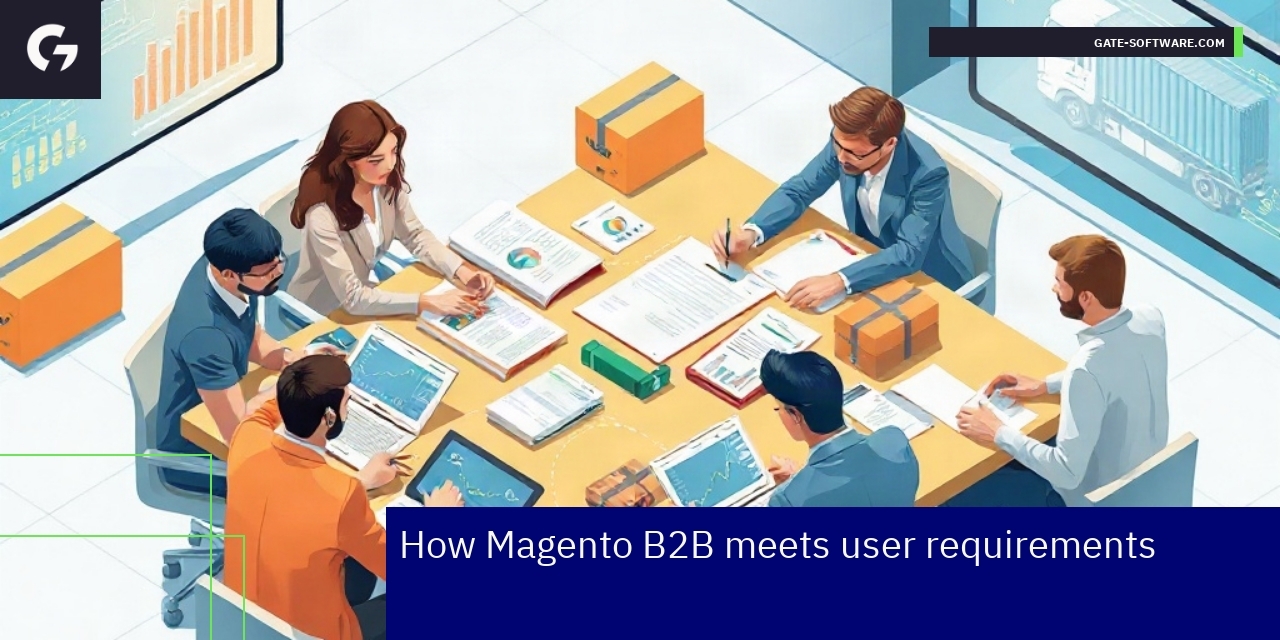
Magento B2B offers a suite of features specifically designed to meet complex business-to-business requirements. These include advanced customer segmentation, custom catalogs and pricing, corporate account management, and streamlined quote requests. The platform supports multiple buyers per company with varying roles and permissions, enabling tailored purchasing experiences. Additionally, Magento B2B provides integration capabilities for procurement processes, automated workflows for order approvals, and flexible payment terms. These features facilitate efficient handling of bulk orders, negotiated contracts, and personalized deals, essential in B2B transactions. Leveraging Magento’s modular architecture, businesses can customize these functions extensively to align with their unique operational needs.
How to integrate features with sales processes?
Integrating Magento B2B features with existing sales processes requires careful alignment with the company’s sales cycle and CRM systems. Organizations can automate key sales operations such as quote management, order approvals, and contract negotiations directly within Magento. The platform’s API and extensibility enable seamless data synchronization between sales teams and digital commerce, ensuring real-time visibility into customer interactions and order statuses. Custom workflows can be implemented to reflect internal approval hierarchies, helping reduce manual intervention and accelerate the sales pipeline. Such integration enhances operational efficiency while maintaining compliance with corporate procurement standards.
Necessary work to fully utilize Magento?
To fully leverage Magento B2B’s capabilities, significant configuration and customization efforts are necessary. This often involves detailed mapping of business processes to Magento’s feature set, development of custom modules for specific requirements, and integration with external ERP and CRM systems. Technical teams need to optimize system architecture to handle scalability and performance demands typical of B2B operations, such as large product catalogs and high transaction volumes. User training and change management are equally important to ensure adoption of automated functions and new workflows. Ongoing maintenance and iteration based on usage analytics help continuously improve how Magento supports business goals and user demands.

How to implement Magento in practice?
Implementation Best Practices
Implementing Magento in a B2B environment demands a strategic approach centered on aligning the platform’s capabilities with specific business requirements. Essential best practices include comprehensive requirements gathering involving all stakeholders to understand customer workflows, pricing models, and catalog structures. Ensure modular architecture utilization, which allows scalability and flexibility for evolving business needs. Prioritize data integrity by establishing robust data migration and synchronization processes between Magento and existing enterprise systems. Security measures are critical: configure custom roles, permissions, and secure API integrations. Performance optimization through caching strategies, server capacity planning, and CDN integration ensures responsive user experiences. Lastly, plan extensive testing phases—unit, integration, and user acceptance testing—to identify and resolve issues before go-live.
Key stages of the implementation process
The Magento B2B implementation typically unfolds across several key stages. Initiate with discovery and analysis to detail business requirements and define project scope. Follow with platform design that includes user experience, data models, and integration architecture. Development is the next critical phase, encompassing customization, module development, and system integrations with ERP, CRM, and payment gateways. Data migration and quality assurance testing serve as pivotal stages before deployment. Go-live is executed with monitored cutover procedures minimizing business disruption. Finally, ongoing support and continuous improvement post-launch are essential to addressing emerging needs, optimizing functionality, and maintaining security and performance standards.
How to handle common issues during deployment?
Common deployment challenges in Magento B2B implementations revolve around integration complexities, data inconsistencies, and performance bottlenecks. Address integration challenges with clear API documentation, middleware solutions for smoother data flow, and asynchronous processing to reduce load. To resolve data-related issues, implement rigorous data validation, cleansing routines, and fallback mechanisms during migration. Performance bottlenecks can be managed by load testing in advance, optimizing database queries, and leveraging Magento’s built-in caching mechanisms. To mitigate risks, maintain close collaboration between development, IT operations, and business teams ensuring issues surface early and are swiftly resolved. Establishing a rollback plan and incremental deployment capabilities enhances deployment resilience and reduces downtime impact.
Advantages of a dedicated implementation
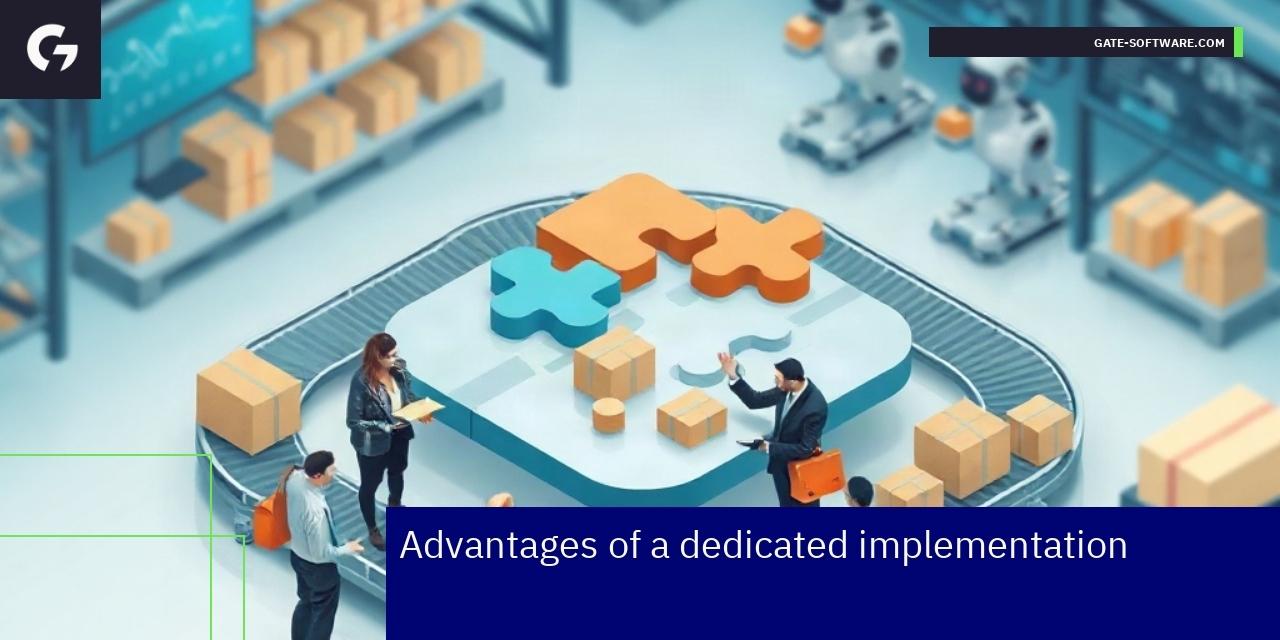
A dedicated implementation for B2B process automation offers numerous advantages that significantly enhance the operational effectiveness and strategic alignment of business processes. Primarily, it allows organizations to tailor systems precisely to their unique operational requirements, ensuring that automation addresses specific workflows, rules, and integration needs intrinsic to their business model. This specificity leads to improved efficiency, as processes are harmonized with existing practices and technologies, minimizing unnecessary customization or workarounds common in generic solutions.
Moreover, dedicated implementations support scalability and flexibility. As business demands evolve, a custom-built solution can be adapted more fluidly without the constraints of off-the-shelf software limitations. This adaptability is critical for B2B environments where rapid market changes and complex supply chain relationships demand responsive and resilient automation frameworks.
Additionally, such implementations enhance data coherence and integrity, enabling seamless communication between disparate business units and external partners. This integrated data flow supports better analytics, decision-making, and compliance with industry regulations.
Considerations Before Deployment
Designing a custom solution begins with a thorough analysis of business processes to identify automation opportunities and critical pain points. Key elements include defining clear objectives, selecting appropriate technology stacks, and ensuring compatibility with existing IT infrastructure. Engaging cross-functional stakeholders early in the design phase is essential to capture diverse requirements and foster organizational buy-in.
Potential challenges include managing the complexity of integration with legacy systems, maintaining data security, and ensuring robust change management. The bespoke nature of dedicated implementations often requires specialized skills and can incur higher initial costs and longer deployment timelines.
To prepare the organization for change, it is vital to establish a comprehensive communication plan addressing stakeholder expectations and training needs. Developing a phased implementation approach with pilot testing helps mitigate risks and ensures smoother transition. Encouraging a culture receptive to technology adoption and continuous improvement further supports successful automation deployment, ultimately maximizing ROI and operational excellence.
—
If available:

Alternatives to B2B sales automation
Alternative Solutions
In B2B sales processes, alternative solutions to full automation often involve a combination of semi-automated tools and enhanced human-driven strategies designed to optimize efficiency without completely removing human involvement. These solutions include customer relationship management (CRM) systems that feature smart analytics, enabling sales teams to prioritize leads and tailor communications effectively. Additionally, workflow management software can support teams in tracking progress and ensuring task completion, thereby reducing administrative burdens without automating the entire sales process.
What other automation methods exist?
Besides traditional sales automation, companies can leverage AI-assisted tools that provide insights and recommendations rather than executing tasks autonomously. For example, predictive analytics can forecast customer behavior, allowing sales teams to focus on high-potential opportunities. Chatbots equipped with natural language processing can handle routine queries, freeing human agents for complex interactions. These methods maintain a balance between automation and human expertise, ensuring operational efficiency while preserving personal engagement critical in B2B sales.
Innovative approaches to B2B sales?
Innovative approaches focus on integrating data-driven personalization with collaborative tools that enhance team communication and knowledge sharing. Techniques such as account-based marketing (ABM) supported by technology platforms enable targeted and personalized outreach to key decision-makers. Virtual and augmented reality technologies are emerging as tools to create immersive product demonstrations and improve client engagement remotely. These innovations support sales processes by enriching customer experience and enabling scalable outreach without entirely depending on automation.
Tools that support processes without full automation?
There are various tools designed to augment rather than replace human roles in B2B sales. Sales enablement platforms provide content and training to improve team effectiveness. Communication platforms integrated with CRM allow seamless interactions and data sharing across departments. Additionally, analytics dashboards offer visibility into sales performance metrics, helping refine strategies dynamically. These tools facilitate process support and optimization, allowing businesses to leverage technology benefits while maintaining strategic oversight and adaptability in their sales processes.

Data and Performance Metrics – Efficiency and Cost
Key Metrics for B2B
In the B2B landscape, efficient process automation can lead to notable improvements in operational performance. For instance, businesses that implement automated workflows typically observe a 30% reduction in order processing time, which translates to faster delivery to customers and higher satisfaction rates.
Moreover, companies have reported a 25% decrease in manual errors through the use of automated data entry systems, enhancing data accuracy and reliability in transaction records. This reduction directly contributes to greater compliance with industry standards and regulations.
When it comes to cost efficiency, organizations leveraging B2B automation have achieved a 20% decrease in operational costs after automating routine tasks, which allows reallocation of resources towards strategic initiatives. This cost-saving measure is crucial for maintaining competitive pricing across markets.
Scalability is another vital metric to consider; businesses utilizing automated systems are capable of handling 50% more transactions during peak load periods without a proportional increase in labor costs. This efficiency supports business growth while ensuring optimal resource utilization.
In terms of system performance, companies have experienced an uptime improvement of 98% for automated processes, minimizing downtime and maximizing overall productivity. This high reliability is essential for maintaining continuous service delivery in B2B operations.
Furthermore, real-time analytics enabled by automation allow businesses to identify bottlenecks more effectively, resulting in a 15% increase in throughput across various processes, thereby enhancing overall operational throughput.
Lastly, organizations using automated reporting tools have noted a 40% reduction in time spent on manual reporting, leading to improved decision-making capabilities and quicker response times to market changes. This combination of efficiency, performance, and cost-effectiveness underscores the strategic value of implementing automation in B2B environments.

Summary
As you consider the dynamics of B2B process automation, it’s important to recognize the transformative impact that Magento 2 can have on your business operations. By leveraging automation within your existing workflows, you can significantly boost operational efficiency, reduce manual errors, and streamline complex processes. The flexibility of Magento 2 allows for seamless integration with various enterprise systems, ultimately addressing key challenges such as managing extensive product catalogs, complex pricing structures, and intricate approval workflows. By automating routine tasks like inventory updates and order processing, your organization can enhance accuracy and speed, paving the way for improved decision-making and a more agile response to market demands. Embracing this technology not only supports your operational scalability but also enriches the customer experience through personalized interactions and faster service delivery. Reflecting on these factors, now may be the ideal time for you to explore how integrating Magento 2 automation into your B2B environment can foster sustainable growth and a competitive edge in your industry.

FAQ
What is B2B process automation?
B2B process automation refers to the application of technology and software to perform business processes with minimal human intervention, aimed at streamlining operations, reducing errors, and boosting efficiency in business-to-business interactions.
Why is ERP integration crucial in B2B automation?
ERP integration is vital in B2B automation as it synchronizes data across various business functions, improves efficiency through automation of data exchange, enhances accuracy by reducing manual errors, and provides real-time visibility into processes.
How can businesses effectively start B2B sales automation?
To effectively start B2B sales automation, businesses should establish clear, quantifiable goals, focus initially on automating repetitive, rule-based tasks, and select user-friendly tools that integrate well with existing systems.
What key customer purchase experience requirements should B2B businesses consider?
B2B customers expect seamless, efficient, and personalized interactions that can handle bulk orders, provide transparent pricing structures, ensure access to detailed product information, and adapt to their needs through automation.
What are common mistakes in B2B automation?
Common mistakes in B2B automation include attempting to automate poorly defined processes, underestimating integration complexities with legacy systems, and neglecting change management and training, which can hinder adoption and minimize effectiveness.
.
.
Zamów bezpłatną konsultację
.
Z nami rozwój Twojego biznesu nabierze tempa! Zapraszamy do kontaktu średnie i duże firmy generujące min. 7 mln PLN obrotu rocznie – tam nasza ekspertyza sprawdza się najlepiej.
.
Kliknij w poniższy przycisk i skontaktuj się z jednym z naszych konsultantów e-commerce
.