Introduction
Integrations represent a critical pillar in building and maintaining robust B2B e-commerce platforms on Magento 2. In the complex environment of B2B commerce, where sophisticated buyer requirements, multi-tiered pricing, and extensive product catalogs prevail, integrating Magento 2 with complementary systems is essential for delivering seamless user experiences and operational efficiency.
Gate-Software’s approach to Magento 2 B2B integrations centers on harmonizing core platform capabilities with vital enterprise systems such as ERP, PIM, CRM, and payment gateways. This integration synergy enables real-time data synchronization, enhanced customer segmentation, personalized pricing mechanisms, and streamlined order fulfillment processes, ensuring that B2B customers’ expectations for reliability and speed are met consistently.
Moreover, thoughtful integration extends beyond technical connectivity. It includes aligning with UX/UI standards tailored for B2B personas—such as eCommerce Managers and Heads of Applications—ensuring interfaces meet WCAG 1.1 accessibility guidelines while facilitating intuitive navigation through complex product assortments. Gate-Software’s emphasis on secure, scalable, and maintainable integration frameworks supports agile business adaptation, reduces total cost of ownership, and mitigates risks associated with legacy system dependencies.
In this section, we will explore key Magento 2 integrations that form the backbone of high-performance B2B storefronts. Our focus will be on strategic integration areas that address the unique challenges faced by B2B enterprises, reflecting Gate-Software’s best practices and proven methodologies in delivering end-to-end MagentoOneS™ solutions.
ERP Integration with Magento B2B Platform
📌 Key Benefits
⚙️ Implementation Considerations
🚀 Performance Optimization
TABLE OF CONTENTS
-
-
- Key Integrations for B2B Stores on Magento 2
- Magento 2 B2B Integrations
- ERP Integration with Magento B2B Platform
- Magento and CRM – Essential Connection
- System Integration for Better Performance
- Expanding B2B Features in Magento 2
- Improving B2B Platform Speed
- Logistics Management in Magento B2B
- User Permission Levels in B2B Stores
- Custom Pricing in Magento B2B
- Additional Integrations for Enhanced Performance
- Magento B2B Security
- Magento B2B Implementation Checklists
- Common Errors in B2B Deployment
- ERP Integration Benefits for Magento 2 B2B
- Why Implement a B2B Store?
- Data and Performance Metrics – Efficiency, SLA, TCO
- Summary
- FAQ
-
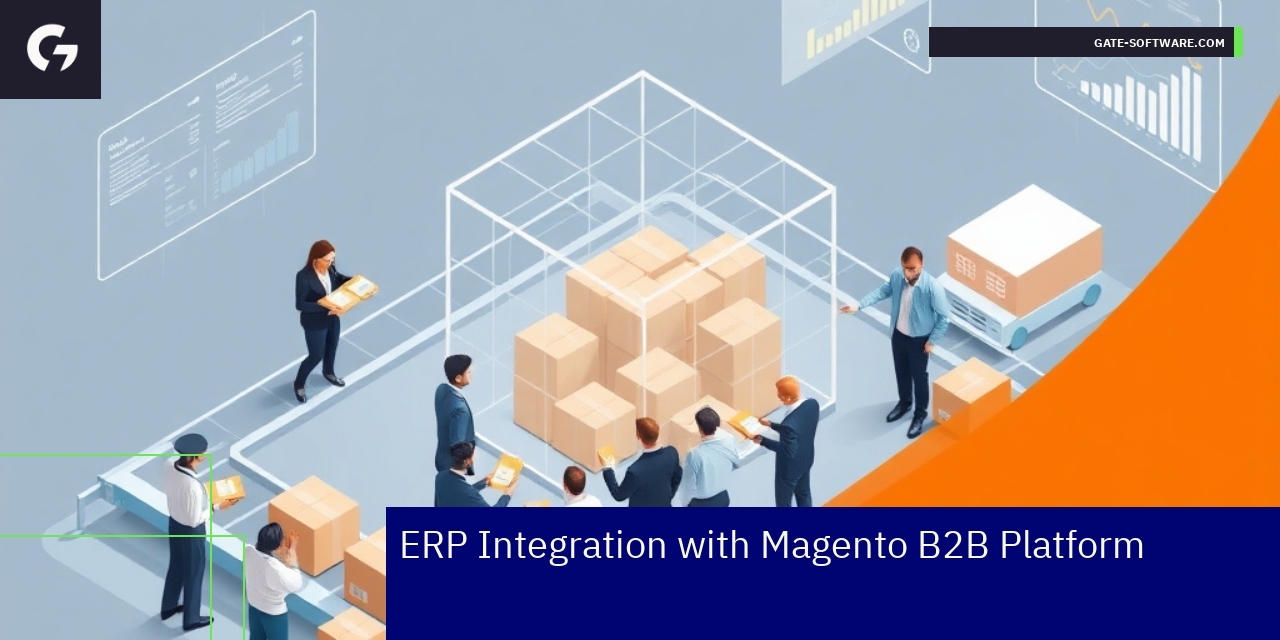
ERP Integration with Magento B2B Platform
Benefits of ERP Integration
Integrating the Magento ERP system within a B2B context significantly enhances operational efficiency by providing access to critical data and key performance metrics. This integration facilitates better resource allocation and process automation, which directly supports SLA adherence and lowers total cost of ownership (TCO). By leveraging these benefits, enterprises can optimize their Magento 2 deployments to drive sustainable business growth. The seamless flow of information between ERP and Magento platforms ensures that order processing, inventory management, and customer relations are managed more effectively, directly impacting the bottom line and customer satisfaction.
ERP System Features in Magento
The ERP Magento solutions designed for B2B environments include comprehensive features that enable advanced data management and insightful analytics. These functionalities contribute to improved monitoring of business performance through detailed reporting and dashboards. Key features often encompass real-time inventory visibility, automated invoicing, and integrated financial management, all of which enhance transactional accuracy and operational responsiveness. The system supports the complex requirements of B2B transactions, such as multi-level pricing, customer-specific catalogs, and bulk ordering, aligning technical capabilities with strategic business objectives.
Successful ERP Implementations in B2B
Case studies of ERP integration with Magento in B2B businesses demonstrate measurable improvements following Magento 2 deployments. These implementations have led to better synchronization between sales, finance, and supply chain departments, resulting in faster order fulfillment and enhanced data reliability. The integration has enabled companies to meet stringent SLA requirements while optimizing TCO, validating the critical role ERP systems play in elevating Magento-based B2B platforms. Lessons from these successes underscore the importance of tailored integration strategies that address specific organizational needs and scalability.
How ERP Integration Works
Understanding the data flow and operational processes between ERP systems and Magento B2B platforms is essential to maximize the impact of integration. Typically, data such as orders, inventory levels, pricing, and customer information synchronizes bidirectionally, ensuring consistency across systems. This integration supports performance metrics tracking and decision-making processes, which are vital to improving service levels and managing costs effectively. By aligning technical workflows, businesses can harness the full potential of Magento 2 deployments, achieving improved SLA compliance and reduced TCO through transparent, data-driven management.
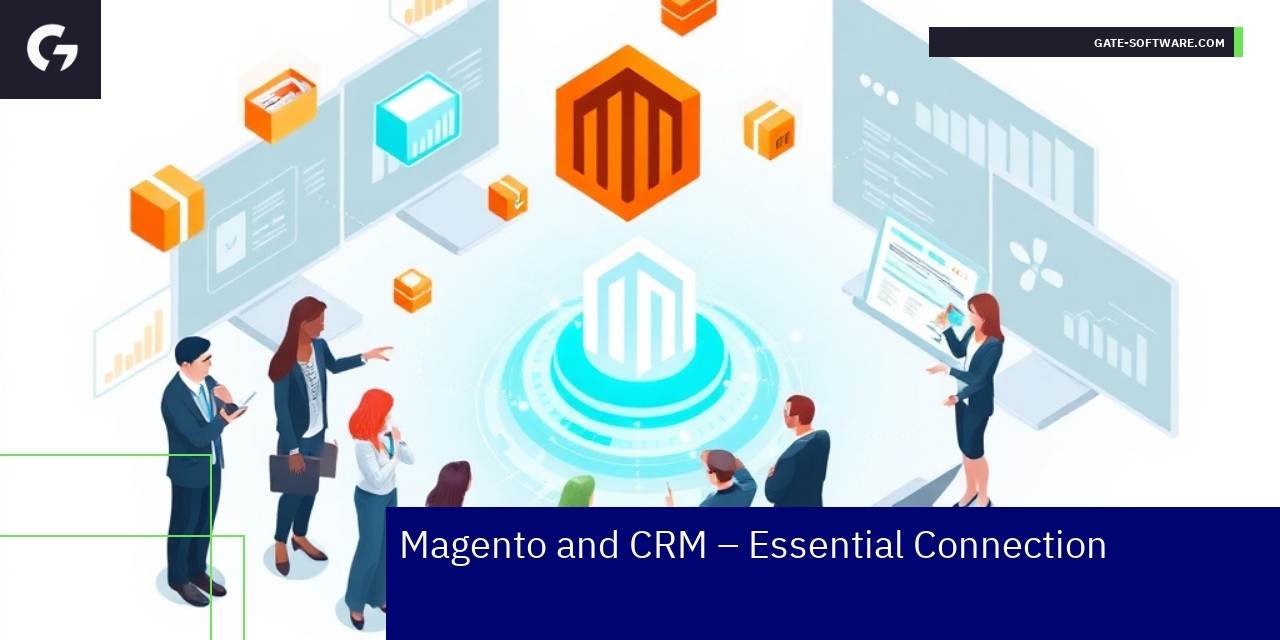
Magento and CRM – Essential Connection
Benefits of Magento and CRM Integration ⬇️ Integracja, Synergia, Efektywność, Optymalizacja
The integration of Magento and CRM systems is essential for enhancing operational efficiency within B2B commerce environments. This synergy allows for a more streamlined management of customer interactions and sales processes, which directly impacts the platform’s overall effectiveness. After deploying Magento 2, many businesses observe significant improvements such as enhanced customer management capabilities and optimized workflows. These benefits result in reduced redundancies and allow teams to focus on strategic tasks, improving responsiveness to B2B clients. Moreover, integrating these systems helps to avoid common implementation mistakes by ensuring data consistency and process alignment, which are critical for sustaining long-term platform performance.
Best CRM Systems for Magento
Choosing the right CRM system that integrates seamlessly with Magento is a key decision for optimizing the B2B platform. Not all CRM solutions offer the same level of compatibility or feature alignment, so it is crucial to identify those best suited for Magento environments. Effective CRM solutions complement Magento 2 capabilities by supporting customer segmentation, advanced analytics, and personalized communications. By leveraging CRM systems tailored for Magento, companies can fully exploit Magento B2B features like customized pricing, streamlined quote management, and improved client engagement, ultimately driving higher efficiency and revenue growth.
Customer Data Management in CRM
Effective management of customer data within a CRM system is pivotal to the success of Magento’s B2B platform. Proper handling of client information reduces risks associated with data duplication, inaccuracies, and compliance issues. Maintaining accurate and up-to-date data ensures that customer profiles are reliable, supporting personalized marketing and sales efforts. Good customer data management also helps avoid common errors that occur during Magento and CRM integration projects by fostering data integrity and operational transparency. This alignment is particularly important in B2B contexts where complex customer hierarchies and multi-user accounts are standard.
Examples of Magento-CRM Integrations
There are numerous successful implementations where Magento has been integrated with CRM systems, illustrating the positive impact on B2B platform functionality post-deployment. These case studies underline how such integrations facilitate better workflow automation, improve customer service, and increase sales effectiveness. Integrations typically showcase the ability to synchronize orders, manage customer interactions seamlessly, and provide comprehensive reporting tools. The examples highlight the operational improvements gained by eliminating manual tasks and providing a unified view of customer data, thereby demonstrating the tangible benefits of a well-executed Magento and CRM connection in B2B commerce.

System Integration for Better Performance
The art of system integration (including Magento) plays a critical role in B2B platform success. Avoiding common integration errors drives smoother operations and improved outcomes.
Effective system integration is fundamental to driving B2B platform success, especially when leveraging solutions like Magento. The art of seamlessly connecting various systems enhances operational efficiency, streamlines workflows, and reduces errors that can disrupt business processes. Avoiding common integration mistakes such as data mismatches, incompatible workflows, or insufficient testing is crucial. By ensuring robust integration protocols, businesses realize smoother operations, superior platform stability, and improved outcomes. Incorporating Magento into the B2B ecosystem allows for scalable, flexible, and customized solutions that meet intricate business requirements while supporting advanced eCommerce functionalities.
Which Systems Can Be Integrated with Magento?
Magento supports linkage with various systems, amplifying platform capabilities. These integrations contribute to the overall effects realized post-implementation.
Magento, as a leading B2B eCommerce platform, supports integration with numerous systems essential to business operations. These include ERP systems for inventory and order management, CRM platforms to enhance customer interactions, PIM (Product Information Management) systems, and third-party logistics providers to streamline fulfillment processes. Additionally, integrating marketing automation tools and payment gateways helps unify sales and marketing workflows. These diverse integrations amplify Magento’s platform capabilities, enabling comprehensive data synchronization and real-time process automation. The post-implementation effect is a cohesive ecosystem that improves operational accuracy and enables scalability aligned with business growth.
Advantages of System Integration
Joining systems enhances Magento 2 performance, delivering tangible post-deployment benefits and aligning with best B2B extension practices.
System integration brings substantial advantages for Magento 2 in B2B environments. It improves efficiency by minimizing manual data entry and errors, resulting in faster order processing and customer service responses. Integrations often lead to better data visibility and analytics by consolidating information from disparate sources. The performance of Magento 2 is enhanced through smoother backend operations and increased automation capabilities, aligning with best B2B extension practices. This also facilitates cost optimization and supports compliance with specific business requirements, ultimately driving higher ROI and more predictable business outcomes.
Examples of System Integrations
Case studies show how effective system integration realizes Magento 2 benefits for B2B businesses.
Real-world case studies demonstrate the concrete benefits of integrating Magento 2 with core business systems. For example, linking Magento with an ERP system enabled one client to automate inventory tracking and streamline order fulfillment, significantly reducing lead times. Another case highlighted integration with CRM software, which improved B2B customer management and enabled personalized marketing campaigns. These examples reflect how thoughtful system integration unlocks Magento’s full potential, turning technical enhancements into measurable business results such as increased sales, improved customer satisfaction, and better operational scalability.
Common Integration Mistakes to Avoid
Avoiding pitfalls during system integration ensures expected effects of Magento 2 deployments and smooth platform function.
Common mistakes in system integration can hinder achieving anticipated Magento 2 benefits in B2B contexts. These include insufficient planning around data mapping, neglecting to address compatibility between systems, and failing to implement thorough testing phases. Other pitfalls are overlooking scalability needs and not aligning integration approaches with business goals, which can lead to disruptions and costly rework. Avoiding these errors through a structured integration strategy ensures smoother Magento 2 deployment, supports stable platform functionality, and maximizes the positive effects on business processes and customer experiences.
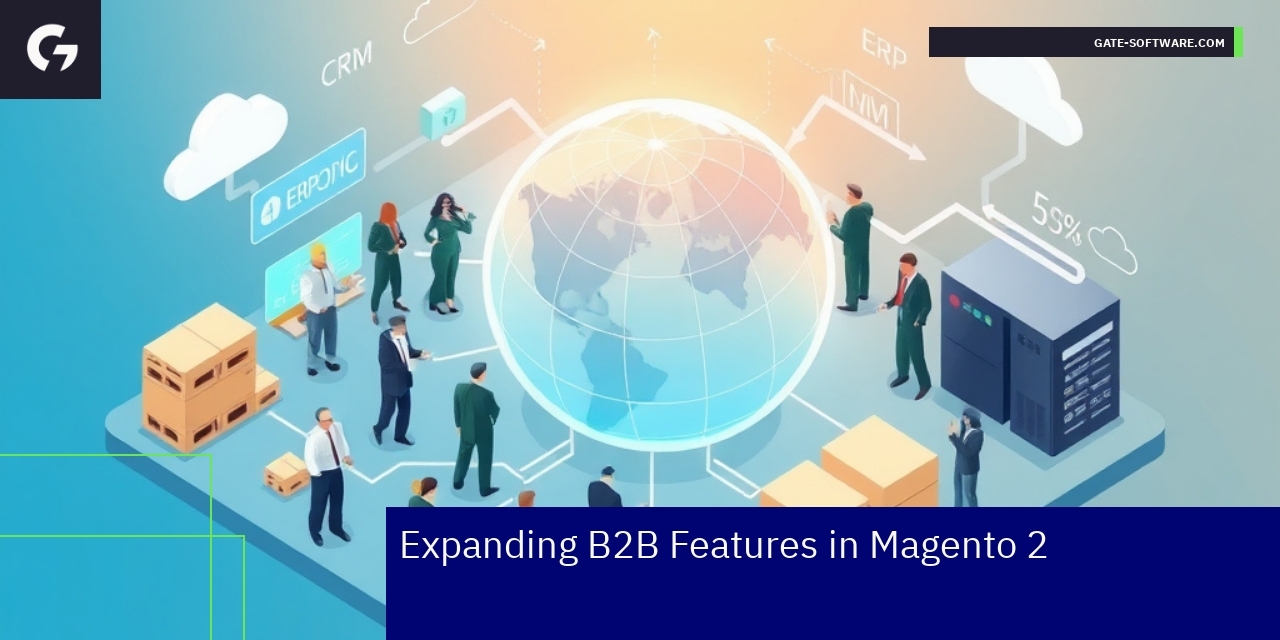
Expanding B2B Features in Magento 2
Features Worth Expanding
Identifying which B2B features to enhance is critical to align with Magento 2 deployment objectives and to maximize business benefits. Important features often include advanced customer segmentation, tailored pricing models, and customized checkout flows designed for wholesale transactions. Enhancing user roles and permissions further supports complex organizational hierarchies typical in B2B environments. These upgrades directly impact usability and operational efficiency, ensuring the platform serves diverse business needs. Incorporating features that support integrations with ERP and CRM solutions also drives scalability and enhanced data consistency. Strategically focusing on these elements facilitates the delivery of a seamless, user-centric experience while leveraging the platform’s full potential to meet B2B client expectations.
Best Practices for Expansion
Following best practices during B2B feature expansion in Magento 2 is essential for success and avoiding common pitfalls. This includes thorough requirements analysis involving key stakeholders such as CTOs and eCommerce Managers to capture precise business needs. Incremental feature rollouts combined with rigorous QA testing reduce risks and ensure stability. Adhering to WCAG 1.1 standards and UX/UI guidelines promotes accessibility and a streamlined user interface across roles. Employing Agile methodologies allows swift adaptation to changes and continuous improvement. Additionally, aligning feature enhancements with Gate-Software’s strategic frameworks, including SLA and hosting optimizations, guarantees reliable performance and scalability tailored to complex B2B processes.
Examples of B2B Feature Enhancements
Real-world examples illustrate the value of expanding B2B features in Magento 2. For instance, implementing tiered pricing and contract-specific catalogs significantly improved client satisfaction and repeat business for a major retail chain. Another enhancement focused on automating order approval workflows, reducing manual intervention and accelerating order processing times. Integration with payment gateways supporting invoicing and credit terms streamlined financial operations. These enhancements enriched the Magento B2B features list, enhancing functionality and platform usability while directly supporting operational KPIs. Such cases demonstrate how thoughtful feature expansion drives measurable business outcomes and competitive advantage.
Costs of Feature Expansion
Understanding the costs related to expanding B2B features in Magento 2 is vital for effective budgeting and project planning. Factors influencing costs include development complexity, integration requirements with existing systems, and adherence to compliance and accessibility standards like WCAG 1.1. Customization depth, testing cycles, and ongoing maintenance also contribute to overall expenses. Engaging with Gate-Software’s cost optimization strategies helps manage expenditures without compromising quality. Transparent cost forecasting aligned with a phased implementation approach supports efficient resource allocation while mitigating the risk of budget overruns in Magento 2 B2B deployments.

Improving B2B Platform Speed
Platform speed directly affects Magento 2 B2B store success — knowing how to enhance it supports increased sales and optimal performance.
Platform speed is a critical factor in the success of any Magento 2 B2B store. Fast-loading pages improve user experience, reduce bounce rates, and encourage prolonged engagement, directly influencing sales metrics. Understanding how to enhance platform speed involves optimizing backend processes, server configurations, and frontend delivery. Key areas include caching strategies, minimizing HTTP requests, and optimizing database queries. A responsive and swift platform not only meets customer expectations but also supports scalable growth in the B2B sector. Leveraging Gate-Software’s expertise and solutions helps identify bottlenecks, ensuring seamless Magento 2 deployment and sustained performance.
How to Speed Up Your Store
Implementing targeted solutions for speed optimization begins with diagnosing current platform performance through comprehensive audits. Techniques such as enabling full-page caching, using Content Delivery Networks (CDN), and optimizing images and scripts are vital. Additionally, streamlining code, adopting lazy loading, and minimizing CSS and JavaScript files reduce load times significantly. Gate-Software emphasizes best practices in Magento 2 deployment to accelerate store speed, which, in turn, enhances the user experience by facilitating faster navigation and transactions. These improvements are essential for B2B operations where efficient workflows and prompt access to product information are business-critical.
Impact of Speed on Sales
The correlation between fast-loading B2B stores and increased conversion rates is well-established. Speed influences not just customer satisfaction but also purchasing decisions, especially in B2B environments where buyers expect efficiency and reliability. Slow response times can lead to cart abandonment and lost revenue opportunities. Magento B2B commerce benefits greatly from optimized speed, supporting higher engagement and repeat business. Gate-Software’s strategic approach ensures that platform performance aligns with business goals, ultimately driving measurable sales growth and enhancing competitive advantage in the B2B marketplace.
┌───────────────────────────────┐
│ WSKAŹNIKI │
│ – Analiza konwersji │
│ – Ocena zachowań użytkowników│
└───────────────────────────────┘
┌───────────────────────────────┐
│ STRATEGIE MARKETINGOWE │
│ – Personalizacja ofert │
│ – Optymalizacja komunikacji │
└───────────────────────────────┘
┌───────────────────────────────┐
│ NARZĘDZIA ANALITYCZNE │
│ – Google Analytics │
│ – Heatmapy │
└───────────────────────────────┘
Performance Testing Tools
Utilizing robust performance testing tools is crucial for maintaining optimal speed standards after deployment. Tools like Magento’s built-in profiler, Lighthouse, and third-party solutions provide insights into load times, server response, and frontend rendering. Continuous monitoring during the Magento platform lifecycle identifies regressions and performance issues early. Gate-Software advocates for integrating these testing frameworks into standard operating procedures, enabling proactive maintenance and swift optimization. This ensures that the platform consistently meets the speed expectations of B2B clients and supports a high-quality user experience.
Errors Affecting Speed
Common errors that degrade speed include unoptimized database queries, excessive server requests, blocking JavaScript, and lack of caching mechanisms. Misconfigured hosting environments or plugins can also drastically impact performance. Identifying and resolving such errors is essential to maintain Magento 2 performance and customer satisfaction. Gate-Software’s expertise guides technical teams in diagnosing and eliminating speed bottlenecks, aligning platform architecture with B2B requirements. Addressing these errors not only improves load times but also stabilizes platform reliability, critical for high-demand B2B operations.
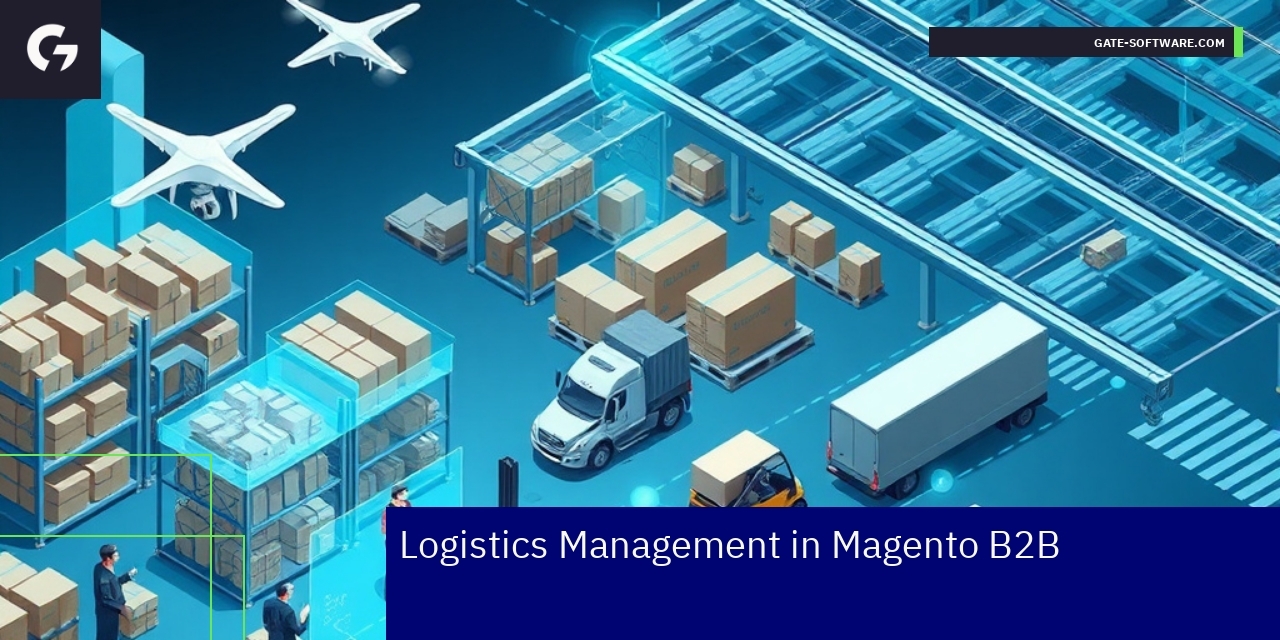
Logistics Management in Magento B2B
Key Logistics Features
Managing logistics efficiently is a Magento B2B advantage that stems from a comprehensive set of logistics features designed to support complex, large-scale operations typical in B2B commerce. Magento facilitates real-time inventory management, multi-warehouse handling, and detailed shipment tracking, which are essential for ensuring transparency and reliability throughout the supply chain. These features enable businesses to maintain optimal stock levels, reduce delivery delays, and enhance customer satisfaction. Equally important, Magento supports flexible shipping rules and carrier options, allowing companies to tailor logistics workflows to meet the diverse demands of B2B clients. Integrating such capabilities systematically contributes directly to meeting deployment goals and scaling operations sustainably.
Integration with Logistics Systems
Seamless integration with external logistics software is a critical factor in maximizing Magento’s effectiveness for B2B enterprises. By linking Magento with ERP systems, warehouse management solutions, and transport management platforms, businesses can automate data exchanges, reduce manual errors, and synchronize order fulfillment processes. This integration not only improves workflow efficiency but also lays a foundation for data-driven decision-making by providing real-time insights into inventory levels, shipment statuses, and delivery timelines. For CTOs and Heads of Applications, implementing these integrations ensures that Magento supports scalable business practices and adaptability in fast-evolving markets, making it a robust backbone for logistics operations.
Optimizing Logistics Processes
Optimizing logistics processes within the Magento 2 environment enhances operational efficiency and responsiveness to the modern demands of B2B commerce. Process optimization involves automating repetitive tasks, refining route planning, and streamlining order processing through Magento’s customizable workflows and extensions. Such improvements reduce bottlenecks and operational costs while boosting throughput and delivery speed. Combining these optimizations with strategic use of Magento’s analytics tools enables businesses to continuously monitor and refine their logistics performance. This dynamic approach helps eCommerce Managers and CDOs ensure that their Magento deployments achieve maximum effect and remain competitive in complex B2B ecosystems.
Successful Logistics Implementations
Examples of successful logistics implementations highlight how Magento’s logistics capabilities, when optimized, can significantly elevate B2B commerce performance. Case studies show that by leveraging Magento’s multi-channel integration, businesses achieved higher accuracy in order fulfillment and reduced lead times. Customized logistics workflows integrated with third-party systems helped enterprises address unique distribution challenges and improve customer satisfaction effectively. These real-world implementations demonstrate the impact of meticulously planned logistics strategies aligned with Magento’s platform strengths, reinforcing the value of continuous process improvement and strategic system integration in sustaining thriving B2B operations.

User Permission Levels in B2B Stores
Managing permissions appropriately secures operations and ensures efficient Magento B2B platform use.
Proper management of user permissions is critical to securing business operations and maintaining efficiency on Magento B2B platforms. This involves clearly defining roles and access rights to ensure that sensitive data and critical system functionalities are only accessible to authorized personnel. By managing permissions appropriately, organizations mitigate risks associated with unauthorized access and operational errors, which is essential for maintaining compliance and safeguarding the integrity of business processes. This foundational practice supports smooth workflows and aligns with the rigorous requirements of B2B environments.
Managing User Permissions
Effective permission management contributes to successful Magento 2 implementation and error minimization.
Managing user permissions effectively in Magento 2 directly impacts the success of platform implementation and reduces the likelihood of operational errors. By establishing granular permission controls, businesses can tailor access controls to specific roles such as Architekt, eCommerce Manager, or Head of Applications. This targeted access limits human error and supports compliance with standards like WCAG, while also enhancing user experience through role-appropriate interfaces. Comprehensive permission strategies ensure that users have the necessary access to perform their functions without compromising overall system security or performance.
Benefits of Diverse Permission Levels
Multiple permission tiers support complex B2B workflows, enhancing platform functionality.
Having diverse permission levels in B2B stores is fundamental for supporting the complexity of modern business workflows. Different tiers enable segmentation of responsibilities across departments and teams, from sales to IT, aligning with personas such as CDO or CIO/CTO who oversee broader strategic and technological oversight. This layered structure increases operational flexibility, provides safeguards by isolating sensitive functions, and optimizes collaboration. Diverse permission levels also facilitate adherence to GDPR and other compliance frameworks, ultimately providing a robust framework for scalable and flexible Magento B2B operations.
—
[Informacje pomocnicze:]
Korzyści z różnorodnych poziomów uprawnień:
- Umożliwiają precyzyjne dostosowanie dostępu do specyficznych zadań i ról w organizacji.
- Zwiększają bezpieczeństwo poprzez ograniczenie ryzyka nieautoryzowanego dostępu.
- Wspierają zgodność z przepisami i normami (np. GDPR).
- Ułatwiają zarządzanie złożonymi procesami biznesowymi i współpracę między zespołami.
—
Permission Level Use Cases
Real-world applications demonstrate how varying access levels improve Magento B2B store management.
In practical terms, implementing varying user permission levels has proven beneficial in Magento B2B store settings by enhancing control and accountability. For example, sales teams may have permissions focused on order management, while IT and architects hold higher-level rights involving platform maintenance and integrations. This differentiation prevents workflow bottlenecks, accelerates task completion, and enforces segregation of duties essential to enterprise security protocols. Gate-Software’s approach applies these principles through customized permission schemes that align with client-specific roles and responsibilities, optimizing both user experience and platform security.
Common Permission Management Mistakes
Avoiding pitfalls helps maintain platform integrity and reflects positively on Magento 2 deployment.
Common mistakes in permission management, such as granting excessive access to users or neglecting regular audits, can jeopardize platform security and operational integrity. These errors often lead to unauthorized actions, data breaches, and compliance violations that undermine the Magento 2 deployment and the wider business environment. Proactive strategies, including periodic permission reviews, automation of permission workflows, and aligning access rights strictly to job functions, are key to overcoming these challenges. Maintaining a disciplined permission framework safeguards the platform, supports sustainable growth, and enhances the reputation of Magento B2B implementations under Gate-Software’s guidance.

Custom Pricing in Magento B2B
Customized pricing supports flexible B2B commerce; setting up and managing individual price lists is critical.
Customized pricing in Magento B2B plays a vital role in creating a flexible commerce environment tailored to the unique needs of business clients. Effective setup and management of individual price lists allow companies to respond dynamically to different customer segments, negotiated contracts, and volume discounts. This flexibility enhances customer relationships and streamlines procurement processes by ensuring that each client receives pricing aligned with their strategic value and purchase behavior. Integrating customized pricing mechanisms requires understanding Magento’s capabilities for price segmentation and leveraging them to optimize sales strategies. Applying these practices ensures that operations remain agile, competitive, and aligned with overarching business goals, ultimately supporting robust and scalable B2B commerce.
How to Set Custom Prices
Setting custom prices in Magento B2B demands rigorous adherence to established procedures to harness the platform’s full pricing capabilities efficiently. Key steps involve carefully defining customer groups, associating them with tailored price lists, and implementing tiered and volume pricing structures that reflect real contractual agreements. Proper configuration minimizes risks of errors and discrepancies post-deployment, ensuring pricing accuracy and operational stability. This systematic approach includes validating all pricing rules, continuous monitoring, and adjustments based on market changes or customer feedback. Organizations that follow these procedures benefit from smooth implementation and positive outcomes such as increased customer satisfaction and enhanced revenue management.
Benefits of Custom Pricing
Custom pricing strategies empower B2B companies to be more responsive to client needs, improving customer satisfaction and retention. Tailored pricing helps accommodate complex business agreements, such as negotiated bulk discounts or loyalty incentives, that standard pricing models cannot capture effectively. Additionally, it enables better margin control and competitive positioning through differentiated offers aligned with customer value profiles. Utilizing Magento B2B’s pricing features also streamlines internal processes by automating repetitive tasks and reducing pricing errors. Ultimately, the personalized approach fosters stronger business relationships and supports long-term revenue growth.
Use Cases for Custom Pricing
Successful applications of custom pricing in Magento B2B demonstrate its versatility across various industries and business models. For instance, manufacturing clients can offer volume-based discounts to large buyers, while service providers might customize prices based on contract duration or specific service bundles. Retailers with B2B segments use separate price lists to address different buyer personas within the same platform seamlessly. These practical examples exhibit how personalized pricing models increase sales opportunities, enhance scalability, and improve overall customer experience by ensuring that pricing reflects the specific context and requirements of each business buyer.
Pricing Setup Errors to Avoid
Avoiding common errors in pricing setup is crucial for maintaining Magento 2’s performance and ensuring pricing precision. Frequent pitfalls include misconfiguration of customer groups, overlapping or conflicting price rules, and neglected testing phases before go-live. Such issues can lead to incorrect price display, lost sales opportunities, or operational disruptions that damage client trust. To prevent these, organizations must adhere to best practices, including thorough validation, incremental implementation, and ongoing monitoring. Attending to these details supports a stable B2B pricing infrastructure that reliably delivers accurate and dynamic pricing tailored to customer needs.

Additional Integrations for Enhanced Performance
Beyond basics, additional Magento integrations further elevate B2B store capabilities
In the B2B ecommerce landscape, basic Magento implementations provide a solid foundation, yet additional integrations truly unlock enhanced performance and competitive advantage. Integrations with ERP systems, CRM platforms, and advanced analytics extend Magento 2’s capabilities, optimizing order management, customer insights, and supply chain efficiency. These connections enhance operational workflows and support complex B2B processes such as personalized pricing, purchase approvals, and multi-user accounts. The seamless integration of marketing automation tools enables better targeting and engagement, driving revenue growth. Leveraging these integrations, B2B enterprises benefit from improved platform stability and scalability, which are crucial for maintaining consistent user experience and supporting evolving business needs. Additionally, incorporating integrations aligned with WCAG standards ensures accessible and inclusive design, enhancing usability for diverse user groups.
Recommended Additional Integrations
Identifying valuable extra integrations is essential for sustaining Magento deployments in B2B settings. Key integrations include ERP systems like SAP or Microsoft Dynamics, which synchronize inventory and financial data, reducing errors and manual entry. CRM platforms such as Salesforce provide rich customer data to enable personalized marketing and sales strategies. Payment gateway expansions improve transaction security and flexibility in B2B payments. Integrating advanced search and filtering tools enhances UX/UI by helping users quickly find products, which contributes to higher conversion rates. Due to Gate-Software’s focus on strategic partnership, it is recommended to prioritize integrations that facilitate automation, support compliance with WCAG 1.1 standards, and enhance user journey continuity across channels. This approach mitigates risk while maximizing Magento 2 effects.
Benefits of Integrations
Integrations contribute significantly to Magento 2 effects by streamlining processes, improving data accuracy, and enabling real-time decision-making. Enhanced connectivity between platforms reduces operational bottlenecks and supports scalability, which is vital for growth-oriented B2B companies. These integrations enable richer analytics, helping eCommerce Managers and Heads of Applications to measure KPI-driven success and optimize marketing strategies. Well-integrated Magento stores provide smoother customer experiences, reinforce brand trust, and support efficient inventory and order management. The incorporation of integrations that respect WCAG guidelines also promotes inclusivity, aligning with corporate values of accessibility and diversity. Ultimately, these technical enhancements translate into measurable business value, increased client retention, and stronger competitive positioning.
📌 Key Focus Areas: Process Efficiency, Data Accuracy, Real-time Decision-making
♿ WCAG Compliance: Accessibility and Inclusivity
📈 Business Outcomes: Client Retention, Competitive Advantage
Successful Additional Integration Examples
Case studies within Gate-Software’s portfolio demonstrate tangible business growth from integrating Magento with ERP and CRM platforms tailored for B2B users. For instance, a client in manufacturing experienced a 30% reduction in order processing time after linking Magento 2 with their SAP system, improving supply chain transparency. Another example is a distribution company that used Salesforce integration alongside enhanced search features to increase average order value by better targeting key decision-makers — personas such as Architekt and eCommerce Manager — through personalized offers and seamless purchase flows. These real-world successes underscore how additional integration layers directly support strategic business objectives, operational efficiency, and enhanced user experiences in B2B environments.
Integration Pitfalls to Avoid
Awareness of common mistakes is critical to prevent setbacks in Magento B2B implementations. Pitfalls include poor planning around data synchronization, resulting in inconsistent or outdated information across systems. Neglecting compliance with WCAG 1.1 limits accessibility and excludes potential users. Overloading the system with unnecessary plugins may compromise performance and scalability. Lack of alignment between technical teams and business stakeholders can lead to mismatched expectations and underutilized functionalities. Gate-Software emphasizes thorough integration audits, prioritizing security, and clear communication across CDO, CTO, and application teams to mitigate these risks. Careful selection and phased implementation of integrations ensure sustained Magento 2 effects and long-term platform reliability.

Magento B2B Security
Ensuring Data Security
In B2B environments, ensuring data security is critical to protect sensitive client information, transactions, and business workflows. Aligning security practices with Magento B2B platform standards guarantees not only data integrity but also supports successful deployment and ongoing operations. This involves employing encryption for data at rest and in transit, enforcing strict user access controls, and implementing role-based permissions consistent with eCommerce Manager and Head of Applications requirements. Maintaining compliance with industry security benchmarks and auditing systems regularly helps prevent unauthorized access while strengthening trust across business partners. The integration of security strategies directly impacts platform stability and customer satisfaction.
Security Recommendations
Adopting comprehensive security guidelines tailored for Magento 2 B2B platforms reduces vulnerabilities and enhances compliance with legal and industry regulations. Key recommendations include regular patch management, robust authentication mechanisms such as multi-factor authentication, and continuous monitoring of transaction activities and system logs. It is essential to follow best practices addressing potential attack vectors like SQL injection, cross-site scripting, and other common exploit techniques. Ensuring secure API management and safeguarding payment systems fortifies defense layers. Following these guidelines aligns with Gate-Software’s strategic approach emphasizing a secure, resilient commerce environment.
Secure Implementation Examples
Practical implementations underscore how successful Magento B2B deployments incorporate stringent security measures throughout the project lifecycle. For example, real-world cases demonstrate the use of segmented network architecture, vulnerability scanning automation, and comprehensive incident response plans designed by architects and CTOs. Leveraging Gate-Software’s expertise, projects integrate compliance with WCAG standards and secure UX/UI audit protocols to avoid exposing sensitive data. Such implementations highlight the significance of proactive security planning combined with continuous updates, ensuring that Magento 2 platforms remain fortified against evolving cyber threats.
Potential Security Threats
Understanding potential security threats is vital for maintaining a robust Magento B2B commerce environment. Threats range from external cyberattacks targeting e-commerce platforms using malware and phishing to insider risks caused by inadequate access controls or insufficient employee training. Addressing these requires a layered security model encompassing encryption, user behavior analytics, and automated threat detection. Recognizing and mitigating risks promptly supports the stability and reputation of B2B operations. The strategic involvement of CIO/CTO roles ensures technology aligns with threat intelligence, minimizing business disruption and safeguarding the platform’s integrity throughout its lifecycle.

Magento B2B Implementation Checklists
Steps Before Deployment
Successful Magento B2B implementation begins with meticulous planning and preparation. Key steps before deployment include thorough requirements analysis tailored to B2B workflows, validating integrations with ERP and CRM systems, configuring user roles and permissions specific to B2B personas such as Architekt and eCommerce Manager, and ensuring compliance with industry standards and WCAG accessibility guidelines. Paying close attention to UX/UI audits and aligning with MagentoOneS™ infrastructure requirements helps in optimizing platform performance. Preparing staging environments for exhaustive testing and ensuring SLA parameters for uptime and monitoring are configured will reduce deployment risks. These preparatory steps enhance both project execution and the long-term scalability of the solution.
Benefits of Using Checklists
Utilizing comprehensive checklists during Magento 2 B2B deployment improves project outcomes by ensuring no critical configurations or integrations are overlooked. Checklists support adherence to best practices outlined in Gate-Software’s Content Strategy 5.0 and facilitate consistent alignment with B2B marketing and communication strategies. They enable cross-functional teams—such as CTOs and Heads of Applications—to maintain clarity on technical tasks and business objectives. By systematically covering aspects from system performance tuning to content accuracy and brand voice consistency, checklists help mitigate errors, reduce rework, and accelerate time-to-market while maintaining high standards required for B2B eCommerce platforms.
Sample Implementation Checklists
Sample checklists for Magento B2B implementation often include categories like platform configuration, payment and shipping setup, catalog and pricing rules for B2B customers, user access control, performance optimization, and WCAG compliance verification. Integration checkpoints for seamless data flow between Magento and backend systems ensure operational integrity. Communication and content review steps align with Gate-Software’s brand voice and social media strategies to maintain consistent messaging. These templates serve as practical tools to guide teams through deployment phases, promoting efficiency and a smooth launch that meets both functional and strategic business requirements.
Checklist Missteps to Avoid
Common pitfalls in Magento B2B checklist application include neglecting to update checklists based on project learnings, omitting stakeholder-specific criteria such as those important for CIO/CTO roles, and underestimating the complexity of B2B workflows and persona-specific needs. Overly generic checklists risk missing critical compliance or UX/UI issues relevant to business clients. Avoid fragmenting checklist ownership across too many roles to prevent accountability gaps. Ensuring checklists are living documents, regularly reviewed and customized to reflect evolving Gate-Software strategies and client expectations, will maximize their effectiveness and safeguard quality throughout Magento B2B deployments.
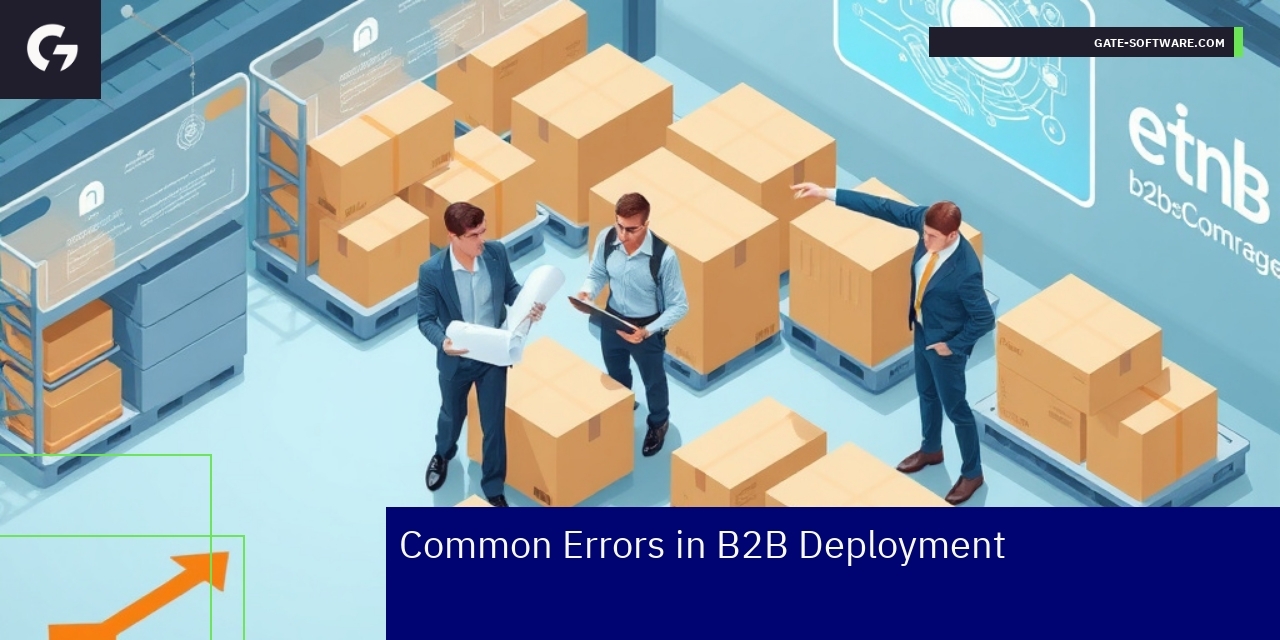
Common Errors in B2B Deployment
Understanding frequent errors assists in creating error-free Magento 2 implementations.
In B2B deployments, frequent errors often stem from insufficient alignment between business goals and technical execution. A common issue arises from inadequate integration of Magento 2 with existing enterprise systems, leading to data inconsistencies and disrupted workflows. Ignoring the specific needs of B2B personas such as the Architect, eCommerce Manager, and CTO can result in suboptimal UX/UI tailored for B2B scenarios, impacting user adoption and satisfaction. Moreover, overlooking WCAG compliance standards like WCAG 1.1 can limit accessibility and exclude some user groups, which defeats inclusive design principles in B2B environments. Understanding these frequent errors is crucial because it helps stakeholders detect and prevent issues early, ensuring smooth, error-free Magento 2 implementations that leverage Gate-Software’s best practices and expertise.
Most Frequent Mistakes
Some of the most frequent mistakes in B2B Magento 2 deployment include incomplete platform migration plans, underestimating the complexity of eCommerce integrations, and neglecting specific customizations needed for different business roles. Often, businesses fail to maintain clear communication strategies and content alignment during deployment, overlooking how critical Content Strategy 5.0 is to the overall project success. Another common flaw is ignoring performance optimization and SLA requirements, which can lead to system downtimes or slow response times during high-demand periods. These mistakes directly affect the efficiency and scalability of the Magento store and can increase operational costs. Identifying such common B2B deployment flaws enables teams to prepare mitigation strategies that maintain system stability and optimize user experiences.
How to Avoid Them
Avoiding these errors demands a detailed, collaborative approach that starts with comprehensive requirements gathering addressing the needs of key decision-makers such as the CDO and Head of Applications. Leveraging Gate-Software’s frameworks and methodologies ensures proper alignment between business objectives and technical capabilities. Addressing compliance with UX/UI standards and WCAG 1.1 from the outset guarantees inclusivity, while rigorous testing, continuous monitoring, and hosting strategies safeguard system uptime. Incorporating iterative feedback loops and agile workflows enables early detection and correction of deviations. Applying robust communication and marketing plans ensures that users and stakeholders remain engaged and informed throughout the deployment lifecycle. These corrective actions are essential to maintaining Magento 2 project quality and securing the full spectrum of business benefits.
Error-Free Deployment Examples
Several case studies from Gate-Software illustrate successful B2B Magento 2 implementations that avoided common pitfalls. These projects consistently feature strong cross-functional collaboration, adherence to the brand voice, and tailored content strategies that reflect B2B personas’ needs. They demonstrate how combining technical rigor—such as implementing advanced monitoring and optimization—with business insights yields scalable, error-free deployments. For example, projects that align with the Content Strategy 5.0 ensure that SEO practices and UX/UI guidelines are seamlessly integrated, producing engaging and accessible eCommerce platforms. These success stories provide valuable lessons and benchmarks for replicating error-free deployments in similar B2B contexts, reaffirming the importance of thorough planning and execution.
Consequences of Mistakes
Failure to address deployment errors in B2B Magento 2 projects can have severe technical and business consequences. From a technical perspective, errors may result in platform instability, security vulnerabilities, and non-compliance with WCAG 1.1 accessibility standards, potentially causing reputational damage. Business impacts include loss of customer trust, decreased operational efficiency, and missed revenue opportunities due to poor user experience and platform performance. Additionally, delayed projects or costly rework can strain budgets and resources. Recognizing these consequences highlights the critical need for careful Magento 2 B2B implementations, supported by Gate-Software’s strategic frameworks and expertise, ensuring sustainable growth and competitive advantage.
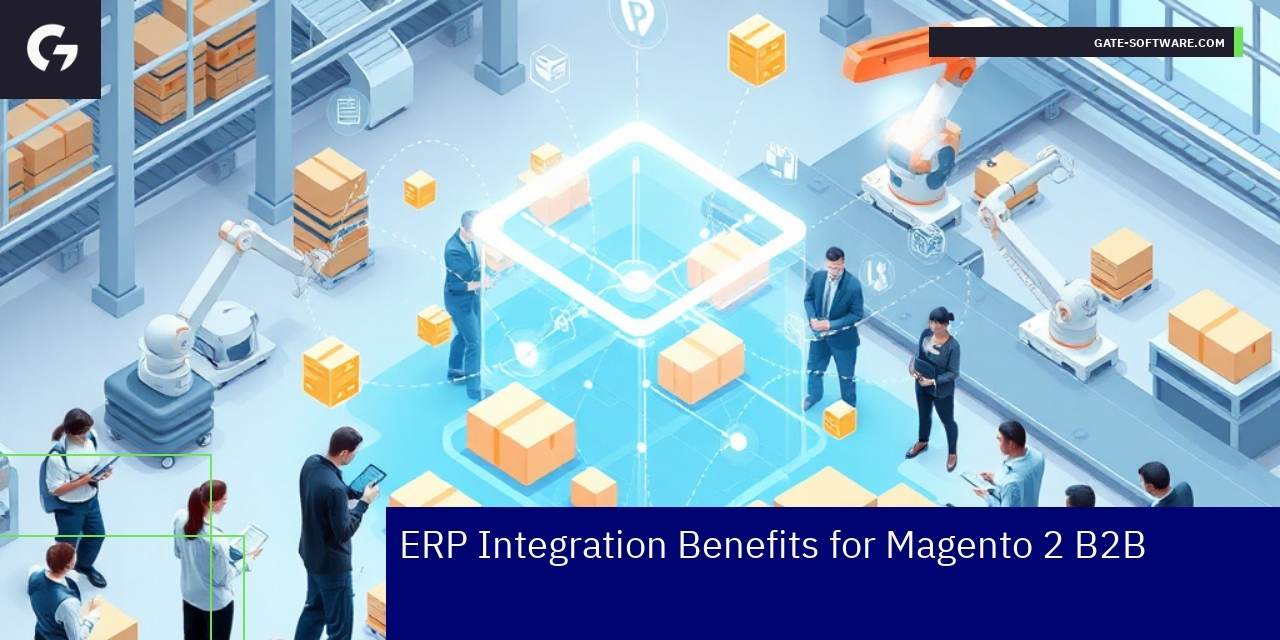
ERP Integration Benefits for Magento 2 B2B
ERP system integrations enhance Magento 2 B2B stores through improved data flow and process automation.
Integrating ERP systems with Magento 2 in a B2B context significantly streamlines business operations by automating data exchange and workflows. This integration ensures real-time synchronization of inventory, orders, and customer data, eliminating manual data entry errors and accelerating processing times. Consequently, Magento 2 stores benefit from enhanced operational efficiency, improved accuracy in order fulfillment, and a more seamless customer experience. Additionally, automated processes free up valuable IT and operational resources, allowing teams to focus on strategic initiatives rather than routine administrative tasks.
ERP Integration Advantages
Linking ERP systems to Magento 2 offers substantial benefits critical to the success of B2B deployments. Integration supports scalability by enabling the handling of complex transactions and large volumes of data typical in B2B environments. It also enhances decision-making by providing comprehensive insights through unified data reporting. ERP integration supports compliance and financial accuracy by automating invoicing, inventory management, and supply chain visibility. Furthermore, it contributes to faster order processing cycles and better responsiveness to customer demands, key factors for retaining competitive advantage in B2B e-commerce.
Top ERP Systems for Magento 2
Selecting ERP systems that naturally align and integrate with Magento 2 is essential for achieving robust, reliable integration. Leading ERP platforms for Magento 2 support flexible APIs and modular architecture, facilitating seamless data exchange and customization. These ERP solutions address unique B2B needs such as complex pricing models, multi-tiered customer hierarchies, and contract management. Choosing the right ERP system mitigates integration risks and ensures that Magento 2 platforms operate at optimized performance levels, supporting long-term business growth and agility.
Successful ERP Integration Cases
Real-world examples demonstrate that successful ERP integration with Magento 2 can significantly elevate business outcomes. For instance, B2B enterprises using integrated ERP systems report improvements in inventory accuracy, reduction of order processing times, and increased transparency across the supply chain. These integrations enable companies to better manage customer relationships and service levels, driving higher customer satisfaction and repeat business. Case studies reveal that leveraging ERP-Magento synergy leads to measurable operational efficiencies and enhanced digital commerce performance.
ERP Integration Pitfalls
Avoiding common pitfalls during ERP integration protects the investment in Magento 2 platforms and ensures system reliability. Challenges often include inadequate planning, misalignment of ERP and e-commerce workflows, and underestimating data migration complexities. Additionally, insufficient testing can lead to data inconsistencies and system downtime. Addressing these issues requires rigorous project governance, clear scope definition, and close collaboration between IT and business stakeholders. Proactively managing risks prevents disruptions and maximizes the benefits of ERP integration for B2B Magento 2 stores.

Why Implement a B2B Store?
Is Magento good for B2B? Understanding the value and risks of Magento 2 B2B stores helps businesses decide wisely.
Magento 2 is a highly regarded platform for B2B eCommerce, offering extensive capabilities tailored to the complex needs of business clients. Its flexibility accommodates diverse business models, while its scalability supports growth without compromising performance. Recognizing the value of Magento 2 B2B stores involves understanding how features like personalized account management, custom pricing, and quote requests enable efficient business transactions. At the same time, awareness of risks such as integration challenges and implementation costs is essential for a successful launch. Leveraging Magento’s capabilities significantly improves buyer experience and operational workflows, empowering businesses to compete effectively in B2B markets.
Advantages of a B2B Store
Recognizing key benefits of Magento B2B commerce supports strategic business growth decisions.
Implementing a B2B store brings several strategic advantages crucial for business growth. First, it automates complex B2B purchasing processes, reducing manual errors and saving time. Second, personalized pricing and user-specific catalogs ensure clients receive tailored offers aligned with their needs, enhancing satisfaction and loyalty. Third, integrating sales channels elevates the customer journey across touchpoints, fostering long-term partnerships. Finally, advanced analytics provide actionable insights into customer behavior and sales trends, enabling data-driven decisions. These benefits collectively empower businesses to scale efficiently while delivering value to their corporate clients.
Core B2B Store Features
The top Magento 2 B2B feature list highlights capabilities that simplify corporate purchases and enhance scalability.
Magento 2 B2B stores come equipped with essential features designed to meet corporate purchasing demands. These include multiple user roles per account, allowing organizational purchasing teams to collaborate seamlessly. Custom catalogs and pricing ensure that clients see relevant products and negotiated terms, optimizing conversions. Quote management simplifies negotiation on bulk orders and pricing flexibility. Additionally, Magento supports integration with ERP systems for real-time inventory and order synchronization. These core features enable businesses to streamline processes, support complex decision workflows, and scale their operations effectively.
Successful B2B Store Examples
Real-world success stories illustrate Magento’s potential in B2B commerce.
Companies that have adopted Magento 2 B2B stores report significant improvements in operational efficiency and customer engagement. For example, industrial suppliers and distributors have leveraged Magento’s tailored account features and pricing flexibility to enhance client retention and expand into new markets. These success stories highlight how Magento’s robust platform supports customized business processes while maintaining a seamless user experience, reinforcing its suitability for B2B commerce.
Risks in Implementation
Being aware of possible implementation threats aids in better Magento 2 deployment planning.
While Magento 2 offers comprehensive B2B functionalities, implementation carries potential risks. The complexity of configuring advanced features can lead to extended timelines and increased costs if not managed properly. Integration with existing back-office systems poses technical challenges, requiring expert knowledge to avoid disruptions. Moreover, insufficient training for internal teams and clients can hinder adoption, reducing the expected return on investment. Mitigating these risks involves thorough planning, leveraging experienced partners, and adopting agile deployment strategies to ensure successful Magento 2 B2B store implementations.
Summary
The decision to implement a B2B store on Magento 2 entails balancing clear benefits with known challenges. The platform’s specialized B2B features simplify procurement for business clients and enable scalable growth. However, understanding and managing risks such as integration complexities and adoption barriers are critical. Through careful planning and leveraging Magento 2 capabilities, businesses can create efficient, personalized B2B commerce experiences that support long-term success in competitive markets.

Data and Performance Metrics – Efficiency, SLA, TCO
Operational Effectiveness in B2B Projects
Gate-Software’s approach to boosting operational efficiency in B2B projects is reflected in several key measurable metrics. For instance, on average, project takeover time is reduced to 4 weeks, allowing swift integration and deployment of Magento solutions for clients. Furthermore, Gate-Software boasts a remarkable 95% of projects delivered on time, ensuring that client expectations are consistently met.
In terms of total cost of ownership (TCO), clients have reported an average reduction of 30% post-implementation, demonstrating substantial cost savings through optimized processes and better resource allocation. With over 150 successful implementations of Magento 2 in B2B contexts, the company has established a proven track record of fostering scalable e-commerce environments.
Additionally, uptime SLA commitment stands at 99.9%, ensuring that businesses can rely on uninterrupted service for their online operations. This high reliability is crucial for maintaining customer satisfaction and trust in the digital marketplace.
Finally, the average client relationship duration spanned over 5 years, illustrating the long-term partnerships Gate-Software builds with its clientele, centered around mutual success and continuous improvement in B2B operations. These metrics not only reinforce the effectiveness of Gate-Software’s services but also provide quantifiable data for businesses considering a partnership for their e-commerce needs.

Summary
As you consider the integration of a B2B store on Magento 2, it’s essential to recognize the profound advantages it offers for your business. Gate-Software stands at the forefront of enabling seamless integrations and enhancing operational efficiency through tailored solutions that truly address the unique challenges faced by B2B enterprises. Our strategic focus on harmonizing Magento 2 with critical systems such as ERP, CRM, and logistics platforms not only facilitates smooth data synchronization but also enhances customer engagement and satisfaction. Moreover, by implementing best practices aligned with user experience and compliance standards, we empower businesses to streamline complex processes while maintaining scalability. Engaging with Gate-Software means partnering with an expert committed to delivering robust, secure, and efficient eCommerce solutions tailored to your needs. We invite you to explore how we can support your journey toward achieving unparalleled success in the B2B landscape.

FAQ
What are the key benefits of integrating ERP with Magento 2 B2B platforms?
Integrating ERP with Magento 2 enhances operational efficiency, providing real-time data synchronization, improved order processing, and better resource allocation. It automates critical workflows, supports SLA adherence, and lowers the total cost of ownership (TCO), ultimately driving sustainable business growth.
How does Magento support logistics management in B2B commerce?
Magento provides comprehensive logistics features such as real-time inventory management, multi-warehouse handling, and detailed shipment tracking. These capabilities facilitate transparency and reliability throughout the supply chain, optimizing delivery processes and enhancing customer satisfaction.
Why is user permission management important in B2B stores?
Effective user permission management in B2B stores is crucial for securing sensitive data and ensuring operational efficiency. Proper control over user access minimizes unauthorized actions, supports compliance with regulations, and streamlines workflows by tailoring access levels to specific roles within the organization.
What are the common pitfalls to avoid when implementing a B2B store on Magento?
Common pitfalls include inadequate planning, misalignment of integration efforts with business workflows, and insufficient testing. Such issues can lead to data inconsistencies, operational disruptions, and difficulties in meeting compliance standards, ultimately undermining the deployment’s success.
How does custom pricing work in Magento B2B?
Custom pricing in Magento B2B allows businesses to set individualized price lists based on customer segments, negotiated contracts, and volume discounts. This flexibility enhances client relationships and streamlines procurement processes, ensuring that pricing aligns with each client’s strategic value and purchasing behavior.
.
.
Zamów bezpłatną konsultację
.
Z nami rozwój Twojego biznesu nabierze tempa! Zapraszamy do kontaktu średnie i duże firmy generujące min. 7 mln PLN obrotu rocznie – tam nasza ekspertyza sprawdza się najlepiej.
.
Kliknij w poniższy przycisk i skontaktuj się z jednym z naszych konsultantów e-commerce
.