In the evolving landscape of eCommerce, Magento 2’s adoption of headless commerce architectures represents a milestone in delivering superior user experiences and scalable technology stacks. Headless commerce decouples the frontend presentation layer from the backend commerce functionality, enabling businesses to leverage modern frontend frameworks and tailor user interactions without constraints imposed by traditional monolithic systems.
Magento Headless Commerce allows enterprises to build highly customizable, responsive, and performance-optimized storefronts while maintaining the robust backend capabilities of Magento 2. This architectural model is particularly relevant in B2B and B2C sectors seeking agility in user interface innovation, faster time-to-market for new features, and seamless omnichannel experiences.
Leveraging modern frontend solutions such as Hyvä Themes aligns with this headless paradigm by offering lightweight, accessible, and developer-friendly frameworks that drastically improve site speed and UX/UI quality. Hyvä complements Magento’s backend by simplifying frontend complexity, supporting WCAG compliance, and facilitating rapid development cycles—key factors for CTOs and eCommerce Managers focused on balancing technical excellence with business agility.
At Gate-Software, our approach to Magento Headless Commerce integrates these technologies with a strategic focus on scalability, cost optimization, and high availability. We ensure monitoring, maintenance, and continuous improvement within an SLA-driven framework, matching technical execution with organizational goals. This enables decision-makers including CDOs and Heads of Applications to confidently implement forward-looking digital commerce platforms that scale with their business needs.
This introduction outlines how Magento 2 headless commerce, supported by Hyvä and tailored Gate-Software services, is shaping the future of eCommerce by merging cutting-edge frontend innovation with Magento’s enterprise-grade backend capabilities.
TABLE OF CONTENTS
- Introduction to Magento Headless Commerce in Magento 2: Modern Frontend Solutions
- What Is Magento 2?
- What Is Headless Commerce in Magento 2?
- NextJS Performance Matrix
- Comparisons and Alternatives
- Common Mistakes in Headless Implementation
- Data and Performance Metrics – Efficiency, SLA, TCO
- Summary
- FAQ
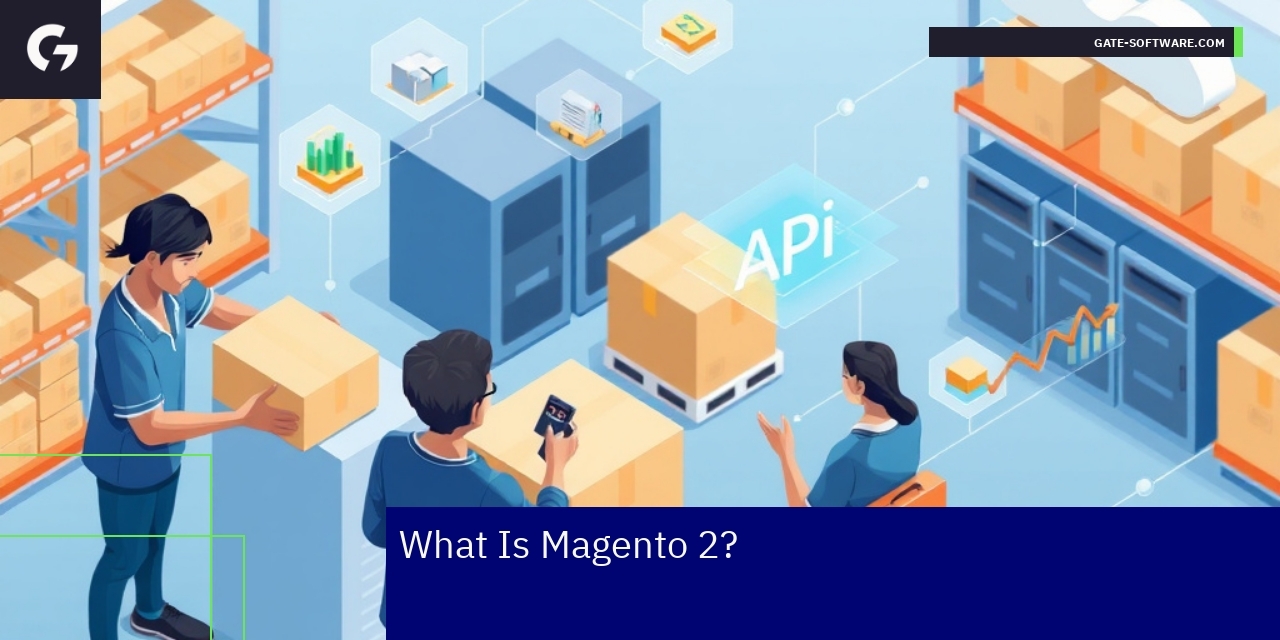
What Is Magento 2?
Magento 2 Definition
Magento 2 is a robust open-source e-commerce platform widely adopted for its scalability, flexibility, and comprehensive feature set. It supports advanced product and customer management capabilities and allows extensive customization via themes and extensions. Understanding Magento 2 definition is essential for grasping how Magento headless commerce operates, as it lays the foundation for modern frontend solutions. Magento 2 is built to improve performance, security, and user experience over its predecessor, making it a preferred choice for enterprises seeking reliable, scalable e-commerce infrastructure. Integrating Magento 2 with modern frontend frameworks, such as Hyva, enables businesses to deliver seamless, optimized shopping experiences aligned with advanced UX/UI and WCAG standards.
What Is Headless?
Headless denotes a decoupled architecture where the frontend and backend systems operate independently but communicate via APIs. This separation offers tremendous flexibility, enabling frontend developers to leverage the latest technologies without being constrained by backend limitations. In the context of Magento, headless architectures transform e-commerce experiences by unlocking faster, more responsive interfaces and facilitating tailored content delivery. This approach aligns with current trends emphasizing agility and innovation in user experience design. Hyva exemplifies headless principles by providing a streamlined frontend that connects effortlessly with Magento 2 backend, supporting compliance with accessibility standards and enhancing frontend performance critical for eCommerce success.
Project Examples and Tutorials
Practical resources, including project examples and tutorials, illustrate the real-world application of Magento 2 combined with Hyva-based headless frontends. These guides provide developers with frontend templates and step-by-step instructions to implement and customize modern Magento e-commerce sites effectively. Examples focus on performance optimization and adherence to UX/UI best practices while maintaining brand consistency with SEO phrases like sklep internetowy and platforma Magento. Such materials are invaluable for teams aiming to shorten development cycles, reduce technical debt, and deliver scalable, performant storefronts that meet both customer expectations and business goals.
Tools and Resources
A suite of essential tools and technologies supports the development of cutting-edge frontend solutions for Magento e-commerce, with Hyva at the forefront. These resources include modern JavaScript frameworks, API integration utilities, and performance monitoring tools tailored for Magento 2 environments. Developers and decision-makers benefit from insights into WCAG compliance tools and UX audit methodologies that ensure accessible, user-friendly web experiences. Gate-Software’s strategic knowledge base offers curated materials to facilitate headless Magento development, enabling businesses to leverage consistent standards, efficient workflows, and optimized cost structures while deploying scalable Magento-based eCommerce platforms.

What Is Headless Commerce in Magento 2?
Why Choose Magento Headless Commerce? 🟦 Zalety 🟩 Wyzwania 🟧 Przykłady
Magento headless commerce decouples the frontend presentation layer from the backend system, allowing enhanced flexibility and control over the eCommerce experience. This separation enables leveraging modern frontend technologies tailored to user needs without backend constraints. Enterprises adopting Magento headless commerce benefit from improved performance and scalability by optimizing frontend frameworks independently. Furthermore, it supports an omnichannel approach, delivering seamless shopping experiences across web, mobile, and other digital touchpoints, all powered by a consistent backend. This architecture fosters faster loading times and better UX, which translate directly into higher engagement and conversion rates. For Hyva users, this approach aligns perfectly with the emphasis on minimalistic, high-performance frontend solutions. Choosing Magento headless commerce thus equips businesses with a cutting-edge eCommerce platform primed for innovation and growth.
What Is Headless Commerce in Magento 2?
Magento headless commerce decouples the frontend from the backend, enabling businesses to adopt flexible, scalable, and faster eCommerce solutions. Leveraging this architecture allows companies to deliver seamless omnichannel experiences and improve user engagement through faster load times and tailored frontend technologies.
Benefits of NextJS with Magento Headless
Integrating NextJS as a frontend template with Magento headless commerce delivers multiple strategic benefits, particularly for Hyva-centric projects. NextJS’s support for static site generation and server-side rendering optimizes loading speed and SEO performance, critical factors for online marketplaces striving for visibility and customer retention. Its incremental static regeneration allows frequent content updates without full rebuilds, maintaining site responsiveness under high traffic conditions. NextJS’s modular architecture and API-first design streamline communication with Magento backends, easing data handling, user personalization, and dynamic content delivery. This synergy of NextJS and Magento headless commerce offers a robust, scalable foundation for eCommerce stores demanding agility, user-centric design, and technical excellence.
Clean and Optimized Code Structure
Maintaining a clean and optimized codebase is vital in Magento headless commerce implementations, particularly when using frameworks like NextJS combined with Hyva. Modularity and separation of concerns promote maintainability, enabling teams to update or extend features without impacting other system parts. Clear code organization enhances scalability, allowing the platform to grow alongside business needs without accumulating technical debt. Adhering to best practices in frontend development and Magento integration ensures higher stability and easier onboarding for new developers. Clean code also facilitates compliance with accessibility standards (WCAG) and offers a more consistent UX/UI, important for meeting enterprise-level user requirements. This focus on code quality significantly boosts the overall performance and long-term sustainability of Magento headless commerce solutions.

NextJS Performance Matrix
Core Web Vitals
Core Web Vitals metrics are essential indicators of frontend performance in modern technologies. These metrics — including Largest Contentful Paint (LCP), First Input Delay (FID), and Cumulative Layout Shift (CLS) — directly impact user experience and search engine rankings. In the context of Magento headless setups with NextJS, these standards become critically important. NextJS facilitates server-side rendering and static site generation, enabling faster load times and interactive page readiness. Magento headless architecture, combined with NextJS, ensures that e-commerce platforms achieve optimal Core Web Vitals scores, thereby supporting superior user engagement, reduced bounce rates, and improved SEO performance. Leveraging these metrics effectively allows teams to measure and optimize both perceived and actual performance, which is vital for sustaining competitive advantage in digital commerce.
How Headless Architecture Works in Magento
Headless architecture in Magento decouples the frontend presentation layer from the backend commerce logic, enabling independent development and deployment of each. With NextJS powering the frontend, dynamic and personalized user interfaces can be built while Magento continues to handle catalog management, inventory, payments, and order processes. This separation of concerns allows teams to innovate rapidly on the UI/UX without risking core e-commerce functionalities. The modular approach also facilitates seamless integrations with third-party services and APIs, enhancing the platform’s flexibility. For CTOs and eCommerce Managers, this means greater agility, easier maintenance, and a future-proof system architecture that supports evolving business needs, all while maintaining performance benchmarks critical for digital sales.
Security and Performance
Security and performance are paramount concerns in Magento headless commerce environments. Implementing NextJS with Magento necessitates adopting best practices such as server-side rendering to reduce client-side attack surfaces and ensure data integrity. Moreover, securing API endpoints and ensuring HTTPS and authentication mechanisms protect customer and transactional data. Performance-wise, NextJS optimizes resource loading with techniques like image optimization, incremental static regeneration, and code splitting, which contribute to faster load times and responsive interfaces. Gate-Software recommends continuous performance monitoring, automated testing, and adherence to WCAG standards to meet accessibility and security requirements. Addressing these factors systematically ensures reliable, fast, and secure user experiences, supporting business continuity and compliance in a competitive e-commerce landscape.
Core Web Vitals 🟩 Performance Optimization 🛠️ SEO Impact 📈 User Experience 🧑💻

Comparisons and Alternatives
Headless vs Monolith
When evaluating frontend solutions for modern e-commerce platforms like those using Hyva, it’s crucial to distinguish between headless and monolithic architectures. Headless Magento structures decouple the frontend from the backend, enabling greater flexibility, faster development cycles, and personalized user experiences. This separation supports scalable, dynamic UX/UI designs essential for today’s diverse customer journeys and devices. On the downside, headless architectures often require more complex integration and maintenance efforts, demanding skilled teams familiar with API-driven commerce. Conversely, monolithic solutions integrate frontend and backend tightly within the Magento platform, which simplifies deployment and reduces technical overhead. However, monolithic setups may limit customization and responsiveness, as changes affect the entire system, potentially slowing innovation. Selecting between headless and monolith impacts cost optimization, SLA adherence, and the ability to meet WCAG accessibility standards, all critical factors in Gate-Software’s Hyva service delivery.
Alternatives to Magento 2
Exploring alternatives to Magento 2 within Hyva’s service scope involves assessing frontend technologies capable of supporting headless commerce architectures. Modern alternatives include frameworks such as React, Vue.js, and Next.js, which empower developers to build efficient, scalable, and responsive frontends. These technologies integrate well with Magento backends or other e-commerce APIs, enabling enhanced UX/UI and agile iteration cycles aligned with Gate-Software’s Content Strategy 5.0. However, shifts towards these alternatives require strategic re-alignment to maintain brand voice consistency, leverage Gate-Software’s knowledge on WCAG compliance, and support defined personas like the Architect and eCommerce Manager in delivery excellence. An alternative frontend must also align with marketing and communication plans to ensure seamless implementation and optimal platform performance under the Hyva umbrella. This strategic choice helps address real challenges around scalability, adaptability, and maintaining low latency in digital commerce ecosystems.

Common Mistakes in Headless Implementation 🛠️🚩📊
Implementing Magento headless commerce using Hyva frontend can unlock significant performance and UX benefits, but common pitfalls often undermine project success. A frequent error is underestimating the complexity of frontend-backend decoupling. Teams sometimes treat Hyva merely as a theme replacement rather than embracing its modern stack, leading to improper integration that impacts scalability and maintainability. Another critical mistake is neglecting to align the headless architecture with backend services, including APIs and MagentoOneS™ hosting and monitoring solutions. This can result in inconsistent data delivery and degraded user experience, exposing issues in UX/UI audits and WCAG compliance.
Moreover, insufficient emphasis on performance optimization and progressive enhancements often leads to slower page loads, despite Hyva’s lightweight and optimized approach. This shows the importance of leveraging Gate-Software’s expertise in cost optimization and continuous monitoring post-launch. Finally, ignoring clear communication with key personas—such as Architects, eCommerce Managers, and CTOs—can hinder the alignment of business goals with technical execution, causing resource misallocation and delayed time-to-market. Integrating user personas and adhering to Gate-Software’s content and communication strategies ensures that the implementation supports strategic marketing, brand voice, and operational stability.
Addressing these mistakes with a comprehensive approach to frontend solutions, rigorous adherence to standards, and cooperation with experts familiar with Hyva and Magento ensures a successful headless project free of costly pitfalls. This strategy also supports the sustainable growth of e-commerce platforms under the Gate-Software SLA and cooperation best practices.
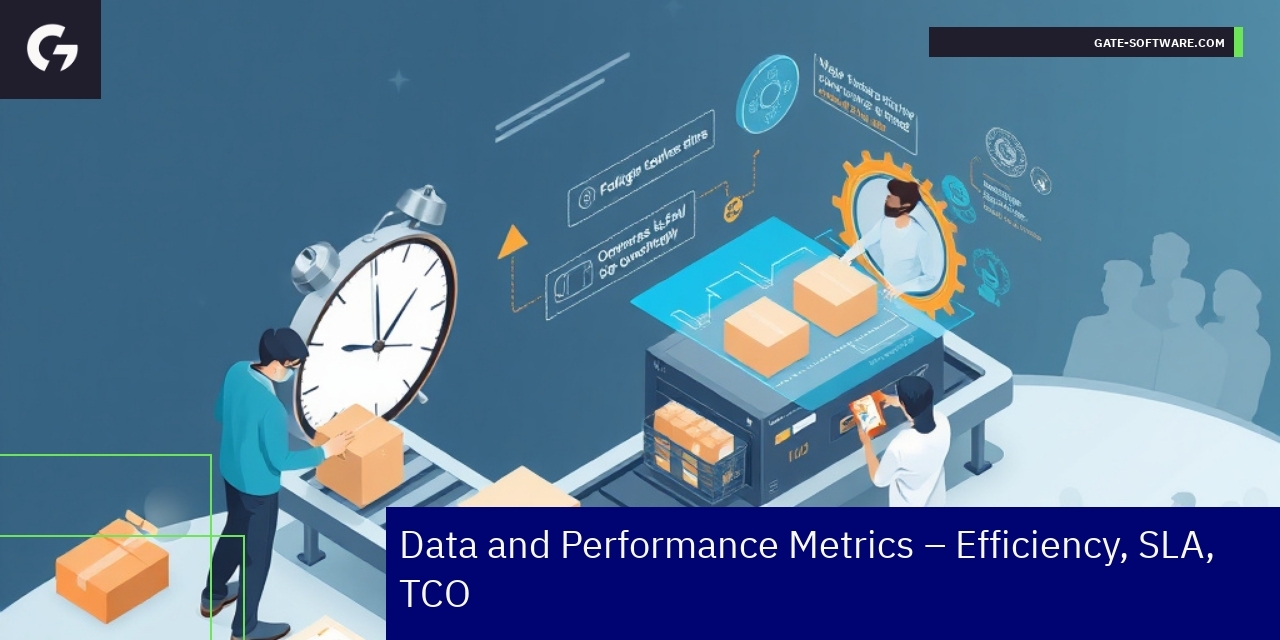
Data and Performance Metrics – Efficiency, SLA, TCO
Operational Effectiveness in Hyva Projects
In the realm of Hyva implementations, several key performance metrics highlight the operational effectiveness and value delivered. Gate-Software monitors and maintains these metrics to ensure optimal service delivery and client satisfaction.
For instance, the typical project takeover time for a Hyva-based implementation averages around 30 days, significantly enhancing the time-to-market for clients exploring headless commerce solutions. Furthermore, Gate-Software has consistently reported an impressive 95% of projects delivered on time, directly contributing to improved client trust and engagement.
When considering cost efficiency, Hyva solutions have demonstrated an average 20% reduction in Total Cost of Ownership (TCO) compared to traditional approaches. This reduction is achieved through streamlined development processes and effective resource management, allowing clients to allocate budget resources more strategically.
As for the scope of implementations, Gate-Software has successfully completed over 150 Hyva projects, showcasing the scalability and adaptability of this service in varying eCommerce environments. Additionally, the uptime Service Level Agreement (SLA) for Hyva projects stands at 99.9%, ensuring high availability and reliability essential for ongoing business operations.
Finally, the average client relationship duration resulting from successful Hyva implementations tends to span over 5 years, reflecting the enduring partnerships built on trust and operational excellence. Each of these metrics underlines how Hyva services not only support immediate business goals but also foster long-term strategic alignment in clients’ digital commerce endeavors.

Summary
As you navigate the complexities of eCommerce, adopting a headless architecture with Magento 2 and enhancing it with Hyvä can radically transform your online presence. This innovative approach decouples the frontend from the backend, allowing for unparalleled customization and optimal performance while leveraging modern frameworks suited for today’s digital landscape. By integrating Hyvä with your Magento setup, you benefit from improved site speed, superior user experience, and compliance with accessibility standards, all of which are crucial for retaining customers and driving conversions.
At Gate-Software, we are dedicated to helping businesses like yours harness the full potential of Magento Headless Commerce. Our expert team focuses on delivering scalable, cost-effective solutions tailored to your specific needs, ensuring that your eCommerce platform remains agile and future-proof. We partner closely with decision-makers to align technical execution with organizational goals, enabling you to confidently implement digital commerce strategies that efficiently support your growth ambitions.
We invite you to connect with us for a consultation or to explore how our services can enhance your eCommerce operations, ensuring a smooth transition to a headless commerce model that elevates your business to new heights.

FAQ
What is Hyvä and how does it enhance Magento’s performance?
Hyvä is a modern frontend framework designed to work with Magento’s backend, providing a lightweight, accessible, and developer-friendly solution that significantly improves site speed and user experience. It allows for high customization and supports compliance with WCAG standards, which is essential for enhancing eCommerce performance.
Why choose headless commerce with Hyvä for Magento?
Choosing headless commerce with Hyvä allows businesses to decouple the frontend and backend, enabling greater flexibility in user interface innovation and faster time-to-market for new features. This architecture supports seamless omnichannel experiences, ultimately leading to improved engagement and conversion rates.
How does Hyvä support compliance with WCAG standards?
Hyvä is designed to adhere to accessibility standards set forth by WCAG, ensuring that frontend solutions are usable by all customers, including those with disabilities. This compliance is crucial for enterprises aiming to deliver inclusive digital experiences.
What challenges might developers face when customizing Hyvä themes?
Customizing Hyvä themes may present challenges related to understanding its modular structure. Developers need expertise in frontend development and a solid grasp of integration with the Magento backend to effectively implement and maximize the framework’s capabilities.
How does Gate-Software ensure the successful implementation of Hyvä in Magento projects?
Gate-Software employs proven methodologies and offers comprehensive documentation and support to ensure seamless integration of Hyvä within Magento projects. Their focus on scalability, performance optimization, and continuous monitoring aids in achieving the strategic goals of eCommerce businesses.
.
.
Zamów bezpłatną konsultację
.
Z nami rozwój Twojego biznesu nabierze tempa! Zapraszamy do kontaktu średnie i duże firmy generujące min. 7 mln PLN obrotu rocznie – tam nasza ekspertyza sprawdza się najlepiej.
.
Kliknij w poniższy przycisk i skontaktuj się z jednym z naszych konsultantów e-commerce
.