The integration of artificial intelligence (AI) with Magento 2 templates represents a transformative leap in eCommerce capabilities, addressing critical business challenges and unlocking new operational efficiencies. For senior stakeholders such as CTOs, CDOs, and eCommerce Managers, this fusion offers strategic value extending beyond mere automation to fundamentally enhancing customer experience, personalization, and scalability.
AI-infused Magento 2 templates empower merchants to leverage dynamic content that adapts to user behavior and preferences in real-time, thus improving engagement and conversion rates. Intelligent algorithms can analyze vast datasets to optimize product recommendations directly within the front-end templates, ensuring that each shopper receives highly relevant offers without manual intervention. This reduces the complexity traditionally associated with template customization, enabling faster go-to-market cycles and reducing development overhead.
From a technical perspective, integrating AI requires a robust and flexible Magento 2 architecture capable of handling increased computational loads and data exchange with AI services. Hyva themes, known for lightweight and performance-oriented design, provide an ideal foundation for embedding AI functionalities without compromising site speed or user experience. This balance is crucial as performance directly correlates with SEO rankings and user retention in competitive eCommerce landscapes.
Operationally, AI-enhanced templates can automate personalization workflows, streamline content updates, and adapt promotional messaging dynamically based on real-time analytics. This agility helps businesses respond swiftly to market trends and customer behavior shifts without extensive manual reconfigurations. Moreover, the reduction in static template reliance supports more scalable and maintainable codebases, which is essential for enterprises managing large product catalogs and complex sales strategies.
Strategically, leveraging AI within Magento templates aligns with broader digital transformation initiatives. It positions businesses to capitalize on cutting-edge technologies that drive measurable KPIs such as increased average order value, improved customer lifetime value, and enhanced brand loyalty. For digital directors and product leaders, this integration offers a pathway to innovate continuously while maintaining operational stability.
In summary, the convergence of AI and Magento 2 templates underpinned by Hyva’s modern theming approach represents the future of eCommerce. It addresses core business and technical challenges by delivering personalized, scalable, and performance-optimized online shopping experiences that meet the evolving expectations of today’s digital consumers.

Introduction
Hyva is a modern front-end solution designed to optimize and streamline the user experience of eCommerce platforms, particularly those built on Magento. It addresses critical challenges related to legacy frontend architectures by providing a lean, performance-focused alternative that enhances both developer efficiency and site scalability.
From a technical architecture perspective, Hyva replaces traditionally monolithic and complex frontend systems with a modular, flexible framework. It leverages cutting-edge technologies such as Tailwind CSS and Alpine.js, promoting minimalistic yet powerful design patterns. This approach significantly reduces the frontend codebase, thereby accelerating development workflows and simplifying maintenance. By doing so, Hyva supports faster iteration cycles and promotes adaptability in rapidly changing market environments.
Operational efficiency is a core benefit of adopting Hyva. Its streamlined code reduces page load times and server resource demands, directly impacting conversion rates positively. Faster frontends not only elevate user satisfaction but also lower hosting costs due to improved performance efficiencies. For businesses aiming for scalability, Hyva’s architecture facilitates seamless integration with modern backend services and scalable infrastructure, allowing the platform to grow without significant frontend bottlenecks.
Overall, Hyva represents a strategic investment in future-proofing eCommerce storefronts by combining technical innovation with operational advantages, meeting the needs of demanding digital commerce environments while supporting long-term business growth.
TABLE OF CONTENTS
- Integrating AI with Magento 2 Templates: The Future of eCommerce
- Introduction
- What is AI Integration in Magento 2?
- Why Use AI in eCommerce?
- Core AI Features in Magento 2
- How Does Automatic Review Moderation Work in Magento 2?
- Opportunities from AI Integration
- How to Improve Operational Efficiency with AI?
- AI Module Installation Guide
- Panel Configuration and Management
- Data Security in AI Integration
- Key Benefits for Magento 2 Stores
- How the AI Module Works with Extensions?
- Real-World AI Applications in eCommerce
- Challenges and Risks with AI
- Data and Performance Metrics – Efficiency and Cost
- Summary
- FAQ
- Examples of flagged content types (spam, offensive language, promotional material)
- Information on AI training data sources
- Metrics or statistics on moderation accuracy and speed
- User control options for moderation settings
- Integration capabilities with third-party moderation tools
- Case studies showcasing successful AI automation in retail administrative tasks
- Links to software tools specializing in AI-driven inventory and order management
- Expert interviews or quotes on the impact of AI in operational efficiency
- GDPR Compliance Guidelines
- CCPA Overview and Requirements
- Privacy by Design Framework
- Conduct regular data protection impact assessments
- Implement role-based access controls
- Use end-to-end encryption for all customer data transmissions
What is AI Integration in Magento 2?
AI Definition and Basics
Artificial Intelligence (AI) refers to the capability of machines to perform tasks that typically require human intelligence, such as data analysis and generating recommendations. In the context of eCommerce, understanding Why is AI Important for eCommerce is essential because AI empowers online stores to operate more efficiently and intelligently. By leveraging AI, businesses can better understand customer behaviors, predict trends, and automate complex decision-making processes, leading to improved operational efficiency and customer satisfaction.
AI Functionality in Magento 2
In Magento 2, AI integration primarily involves the use of machine learning algorithms that analyze large volumes of customer data to deliver personalized shopping experiences. These algorithms can customize product recommendations, tailor marketing offers, and optimize various touchpoints in the customer journey. This customization enables Magento 2 stores to boost engagement and conversion rates. How Magento 2 AI Extensions Help Your Store Grow lies in their ability to create these data-driven, personalized customer experiences that respond dynamically to evolving consumer preferences and behaviors.
—
If available:
—
Key Technologies in Integration
Several key AI technologies play a crucial role in Magento 2 integration. Natural language processing (NLP) enhances content management by enabling the system to understand and generate human language effectively, which is vital for chatbots and voice search functionalities. Sentiment analysis helps gauge customer opinions and feedback to refine marketing and product strategies. Additionally, AI-powered recommendation engines analyze past customer interactions to suggest relevant products, increasing upsell and cross-sell opportunities. Together, these technologies enable a sophisticated, scalable approach to AI-driven commerce within Magento 2 ecosystems.
Why Use AI in eCommerce?
Benefits of AI Implementation
Integrating AI into Magento websites offers significant advantages that enhance both operational efficiency and cost-effectiveness. AI technologies streamline workflows by automating repetitive marketing tasks, such as customer segmentation and targeted promotions, which in turn reduce manual workload and operational expenses. Marketing automation driven by AI enables precise audience targeting based on behavior analytics, improving campaign performance and resource allocation. Additionally, AI optimizes inventory management by predicting demand trends, minimizing excess stock and shortages. These benefits collectively empower eCommerce stores to operate more efficiently, maintain lean costs, and scale while adapting quickly to market changes.
Impact on Customer Experience
Personalization is at the heart of customer retention in eCommerce, and AI plays a pivotal role in delivering tailored shopping experiences. By analyzing user data in real time, AI customizes product recommendations, content, and promotions suited to individual preferences, significantly increasing customer engagement and loyalty. Furthermore, AI-driven chatbots revolutionize customer support by providing instant, round-the-clock assistance, addressing inquiries and resolving issues without human intervention. This immediacy enhances overall satisfaction and builds trust, essential for long-term customer relationships. Through these AI applications, eCommerce platforms can foster a more responsive and satisfying environment for their users.
Trends in eCommerce
The adoption of AI is a growing trend among online stores striving to remain competitive amid rapidly evolving market dynamics. Retailers increasingly leverage AI to gain insights into consumer behavior, optimize supply chains, and personalize marketing strategies. This shift is driven by the need for agility, better customer insights, and operational excellence in a digital-first marketplace. As AI technologies continue to mature, more eCommerce platforms integrate these tools to anticipate market demands, improve decision-making, and enhance customer journeys. Staying ahead with AI is becoming essential to maintaining market share and delivering a superior shopping experience.
Core AI Features in Magento 2
Automated Content Moderation
AI-driven automated content moderation plays a crucial role in maintaining the quality and integrity of user-generated content within Magento 2 stores. By leveraging machine learning algorithms, the system evaluates submissions in real time to detect inappropriate, fraudulent, or low-quality content. This process raises store standards by ensuring that product reviews, comments, and ratings meet predefined guidelines and enhance customer trust. Moreover, fraud detection and prevention mechanisms are integral to these moderation features, helping protect the store from malicious activities that could undermine both customer confidence and operational security.
Product Recommendations
AI-powered product recommendations in Magento Commerce significantly enhance personalized shopping experiences. These systems analyze customer data, browsing history, and purchase patterns to suggest relevant products tailored to individual preferences. The incorporation of AI enables dynamic and contextual recommendations that evolve with user behavior, thereby increasing conversion rates and average order values. How to Use AI-Powered Recommendations in Magento Commerce guides merchants in effectively integrating these tools to boost sales, optimize product visibility, and ultimately drive revenue growth.
Customer Behavior Analysis
Understanding customer behavior is key to devising effective marketing strategies, and AI in Magento 2 facilitates this through advanced data analysis. AI models identify patterns and trends in customer interactions, purchase history, and engagement metrics. This insight allows store owners to segment audiences accurately, predict future behaviors, and customize marketing campaigns to resonate more deeply with target segments. Leveraging AI for customer behavior analysis leads to improved decision-making, enhanced customer satisfaction, and optimized resource allocation across marketing channels.
How Does Automatic Review Moderation Work in Magento 2?
Moderation Process
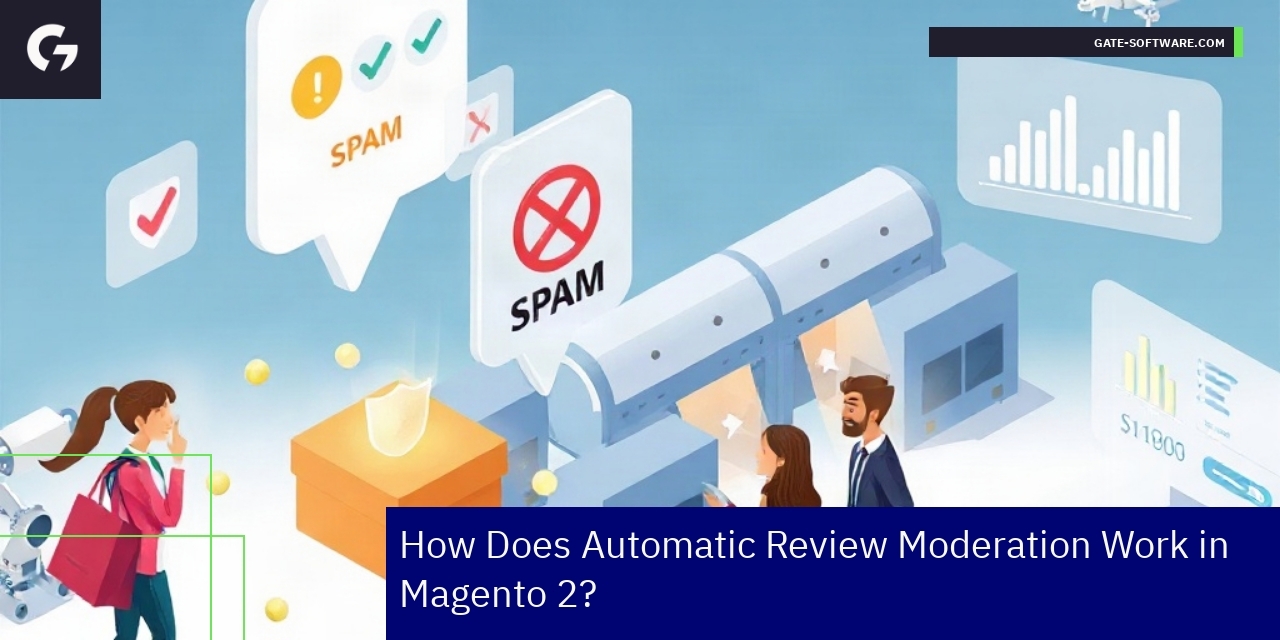
Automatic review moderation in Magento 2 operates through advanced AI algorithms designed to filter and analyze customer-submitted content in real time. This process enables the system to instantly evaluate reviews for their relevance, authenticity, and compliance with platform guidelines. The underlying AI models scan textual content for indicators of spam, offensive language, or promotional material that could compromise the integrity of the review section. By doing this dynamically as reviews are submitted, Magento 2 maintains a streamlined moderation workflow that reduces manual intervention, ensuring that only meaningful and appropriate feedback becomes visible to potential customers. This real-time filtration is critical in high-volume eCommerce environments to preserve user trust and maintain operational efficiency.
If available:
Ensuring High-Quality Content
Maintaining content standards is a key function of Magento 2’s automatic moderation system. The AI actively removes spam, offensive content, and other inappropriate submissions, thereby preserving the quality and reliability of user-generated reviews. By leveraging natural language processing techniques and pattern recognition, the system discerns between genuine feedback and manipulative or irrelevant entries. These mechanisms support a consistent, trustworthy review environment that helps customers make informed purchasing decisions. For eCommerce leaders, this means reduced risk of brand damage due to false or harmful content and improved customer satisfaction through exposure to high-value, credible insights.
Analyze Feedback
Beyond filtering content, the AI-driven moderation tools in Magento 2 also analyze customer reviews to extract actionable product insights. By aggregating and interpreting sentiment and thematic elements within the feedback, businesses gain a deeper understanding of product performance and customer preferences. This analysis supports data-driven decisions around product improvements, marketing strategies, and customer engagement initiatives. The integration of feedback analytics within the moderation framework enhances the overall usability of review data, transforming routine content management into a strategic asset that informs product development and operational efficiency.

Opportunities from AI Integration
AI for Inventory Management and Demand Forecasting
Integrating AI with Magento 2, especially in the context of Hyva front-end solutions, brings transformative improvements in inventory management and demand forecasting. AI-driven systems can analyze vast amounts of sales data, seasonal trends, and customer behaviors in real time, enabling precise stock level monitoring and automated replenishment recommendations. This reduces overstock and stockouts, ensuring optimal inventory turnover. The integration supports scalability by adapting forecasting models as the business grows, thus maintaining operational efficiency without manual overhead.
Retargeted Marketing
AI integration enhances marketing strategies by enabling highly personalized retargeted campaigns. Leveraging AI models with Magento 2 data and Hyva’s fast, flexible frontend, businesses can dynamically segment audiences based on browsing behaviors, purchase history, and engagement metrics. This precision targeting ensures marketing resources focus on prospects with the highest conversion potential, improving ROI. Additionally, AI optimizes ad placements and budgets in real time, adapting campaigns to market shifts seamlessly.
Supporting Business Decisions
The synergy of AI with Magento 2 through platforms like Hyva facilitates smarter decision-making for eCommerce leaders. AI analyzes multiple data streams—from sales performance to customer feedback—offering actionable insights and predictive analytics. Business owners and digital executives can access data-driven recommendations that support product assortment, pricing strategies, and promotional planning. This leads to more informed strategic moves and enhances competitive posture without compromising system performance or scalability.
How to Improve Operational Efficiency with AI?
Automating Administrative Tasks
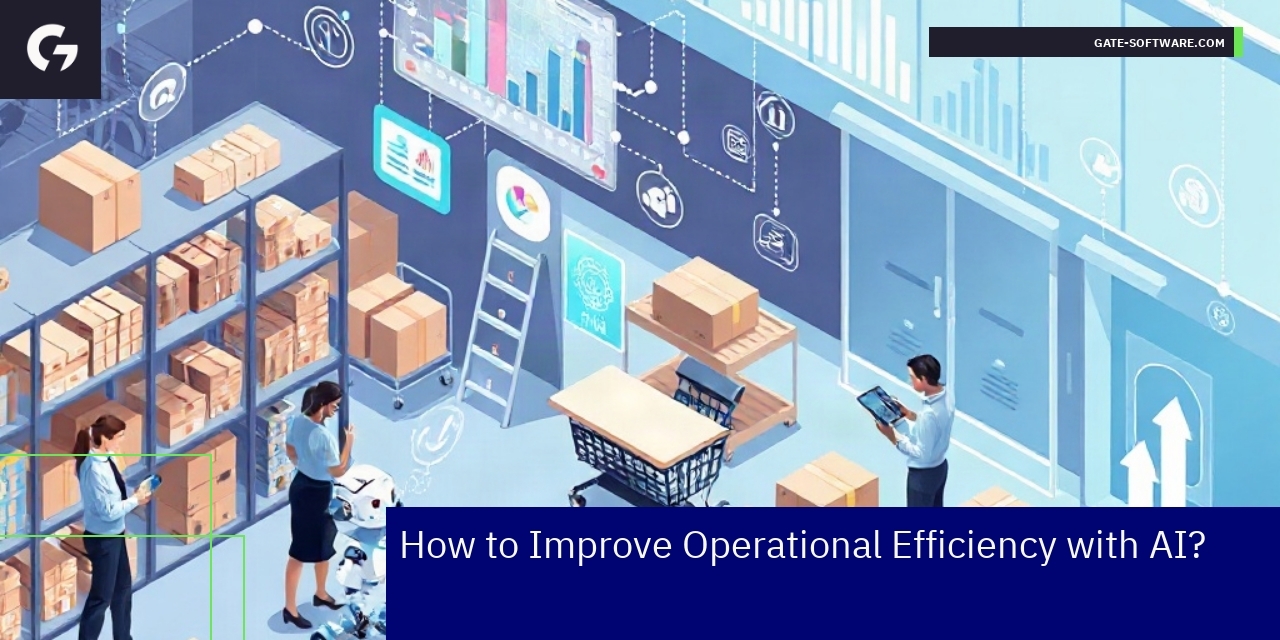
Implementing AI in daily store operations significantly enhances operational efficiency by automating repetitive administrative tasks. AI-driven systems can handle inventory management, order processing, and customer data updates with minimal human intervention, reducing errors and saving valuable time. This automation not only streamlines the workflow but also enables store managers to redirect focus from mundane tasks to strategic planning and business growth initiatives. Additionally, leveraging AI for administrative functions ensures consistent data accuracy and faster response times, which are critical for maintaining smooth store operations.
—
If available:
—
Increasing Team Productivity
AI tools empower teams by alleviating routine burdens, allowing staff to concentrate on higher-value activities. For example, AI can assist in customer service through chatbots or virtual assistants, freeing employees to engage in problem-solving and creative tasks that require human insight. Enhanced productivity arises from AI’s ability to provide real-time insights and actionable data, enabling teams to make informed decisions swiftly. The integration of AI solutions fosters a more agile and motivated workforce, equipped with intelligent tools that optimize daily workflows and reduce operational friction.
Better Campaign Management
AI-driven marketing automation plays a crucial role in elevating campaign management by analyzing large datasets to tailor marketing strategies effectively. These tools can segment customers, predict buying behaviors, and optimize promotional timing, providing a granular approach to campaign execution. As a result, businesses can maximize return on investment by targeting the right audience with personalized messaging. AI’s continuous learning capabilities ensure that campaigns adapt dynamically to market trends and customer preferences, enhancing both engagement and conversion rates while reducing manual oversight in campaign operations.
AI Module Installation Guide
System Requirements
Before beginning the installation of the AI module for Magento 2, it is essential to identify all necessary system requirements. This includes verifying server specifications such as PHP version compatibility, memory limits, disk space, and required PHP extensions. Ensuring these prerequisites are met prevents installation failures and guarantees optimal performance. Additionally, the Magento version installed should be compatible with the AI module to ensure seamless integration. Confirming resource availability ahead of time paves the way for a smooth setup process and operational efficiency post-installation.
Installation Steps via Composer
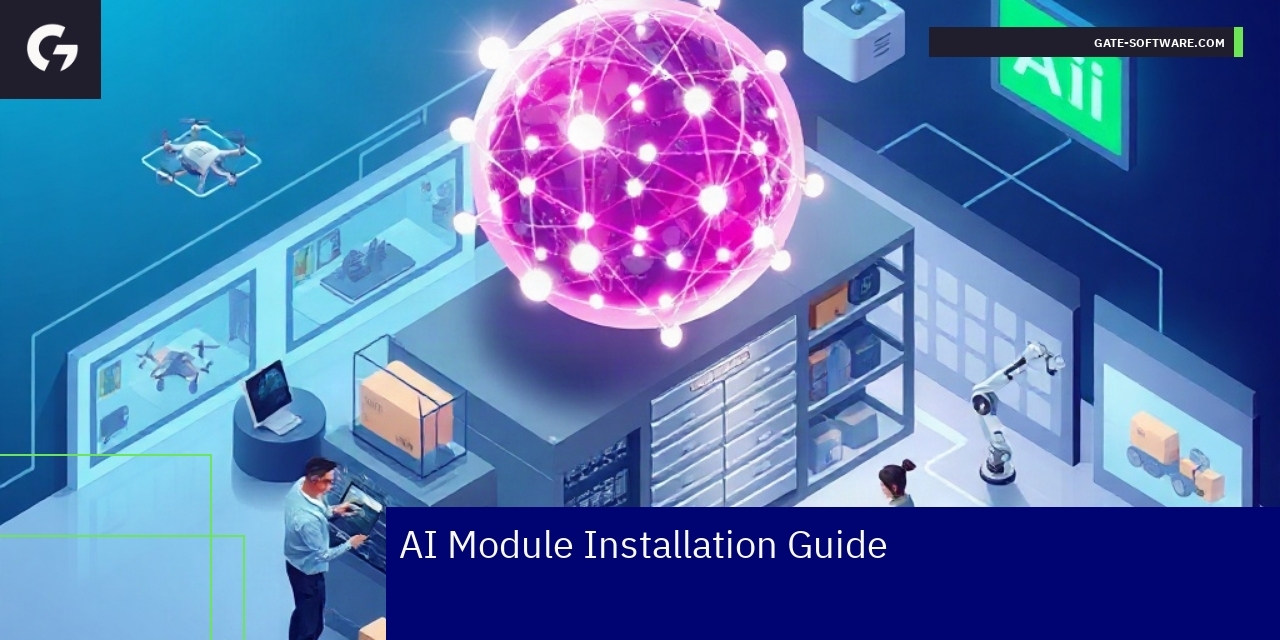
Installing the AI module via Composer simplifies and streamlines the process. Start by configuring the Composer repository credentials if needed, then require the AI module package using the appropriate Composer command tailored for Magento 2. Once downloaded, you need to enable the module through Magento’s CLI commands, clear caches, and run upgrades to register the new module with the system. This approach ensures proper dependency management and version control, crucial for maintaining a scalable and reliable Magento store. These steps effectively lay the foundation for starting to use AI in your Magento store with minimal friction.
Functionality Testing
Testing the AI module in a trial or staging environment is a critical phase before full deployment. This allows validation of the module’s integration points and ensures it behaves as expected within the Magento framework. Functionality testing should include verifying AI-driven features such as personalized recommendations, automated responses, or predictive analytics depending on the module’s capabilities. Detecting issues early reduces operational risks and allows for necessary adjustments without impacting live customers. This testing phase is indispensable to confirm stability and performance before the module goes live.

Panel Configuration and Management
Advanced Settings
The advanced settings within the Hyva configuration panel empower users to fine-tune AI functionalities to meet the specific demands of their store environments. This includes adjusting algorithms and parameters that impact personalized user experiences, inventory management, and sales optimization. By customizing these settings, stakeholders can align AI behavior with unique operational requirements, ensuring that the system adapts precisely to store workflows and customer engagement patterns. These tailored configurations not only improve accuracy but also enhance the responsiveness of AI tools, enabling more granular control over decision-making processes and promoting scalable strategies for growth.
Performance Monitoring
Consistent performance monitoring is critical to sustaining the effectiveness of AI implementations in Hyva-powered stores. This process involves systematic reviews and analyses of key performance indicators that reflect how well the AI tools support business objectives. Monitoring enables early identification of inefficiencies or deviations and provides data-driven insights for continuous improvement. Regular assessments help in maintaining optimal operational performance, ensuring AI-driven processes contribute positively to customer satisfaction, conversion rates, and overall store efficiency. Effective performance monitoring underpins agile management strategies by facilitating informed adjustments and proactive troubleshooting.
Technical Support
Access to comprehensive technical support is essential when managing the configuration panel, especially when troubleshooting configuration complexities or system anomalies. Technical support ensures that potential disruptions are addressed swiftly, minimizing downtime and operational risk. Expert assistance helps store managers and technical teams navigate configuration challenges, clarifying system capabilities, and optimizing AI integration. Reliable support structures enhance confidence in deploying advanced AI features, ensuring smooth operation and alignment with strategic priorities. This dimension of management guarantees that technical issues do not hinder the deployment or evolution of AI functionalities essential for competitive advantage.

Data Security in AI Integration
Personal Data Protection
In the context of AI integration within eCommerce platforms like Hyva, personal data protection is fundamental to maintaining customer trust and legal compliance. Robust policies must be implemented to ensure that customer data is collected, stored, and processed securely. These policies should include clear guidelines on data encryption both at rest and in transit, strict access controls, and regular data privacy assessments. The use of AI introduces complexities due to the volume and variety of data processed, including sensitive personal information, requiring organizations to adopt comprehensive data governance frameworks. Compliance with regional regulations such as GDPR or CCPA is also critical, ensuring customers’ rights to access, modify, or delete their personal information are respected. By embedding privacy-by-design principles into AI systems, enterprises can mitigate risks of data breaches and build a resilient infrastructure that secures personal data at every stage.
—
Additional Resources
Key Best Practices
—
Risks Related to AI
AI implementations bring several security risks that organizations must proactively address. Machine learning models can be vulnerable to adversarial attacks aiming to manipulate outputs or extract confidential information. Additionally, automated decision-making may inadvertently lead to data leaks if AI systems access unauthorized datasets or if training data includes unvetted sensitive information. The integration of AI also increases the attack surface, as interconnected systems may expose new vulnerabilities. In Hyva-based eCommerce solutions, these risks necessitate thorough threat modeling and continuous monitoring to detect anomalous behavior. There is also a heightened risk of insider threats, where employees with AI system access might misuse data. Addressing these risks requires a combination of technical measures, policy enforcement, and employee training to create a secure AI operational environment.
Proactive Security Measures
Ensuring ongoing system security in AI-driven eCommerce environments calls for proactive measures that include regular software updates, patch management, and comprehensive security audits. Automated AI components should undergo continuous evaluation against emerging vulnerabilities and compliance standards. Implementing multi-factor authentication, encryption protocols, and network segmentation can help limit exposure. Furthermore, integrating automated monitoring tools that leverage AI’s capabilities for threat detection and response can enhance overall resilience. Incident response plans tailored to AI-specific scenarios should be developed, tested, and updated frequently. In Hyva-integrated systems, collaboration between security teams and AI engineers is essential to maintain alignment on security policies and technological advancements. This iterative security approach supports scalable and performant AI integration while minimizing potential breaches and operational disruptions.

Key Benefits for Magento 2 Stores
Revenue Growth
Integrating Hyva with Magento 2 stores facilitates significant revenue growth by streamlining key business processes through automation. This approach reduces manual intervention, accelerates order processing, and optimizes backend operations, directly contributing to increased financial gains. Efficient inventory management and faster checkout processes further minimize cart abandonment, positively impacting the bottom line. By enhancing operational workflows, Hyva enables Magento 2 stores to efficiently scale sales activities and capitalize on emerging market opportunities, reinforcing sustained financial performance.
Customer Satisfaction
Hyva improves customer satisfaction by delivering a superior shopping experience on Magento 2 platforms. Enhanced frontend performance and responsive design provide seamless navigation, reducing friction during the buying journey. Personalization powered by AI allows for tailored product recommendations and relevant content presentation, fostering engagement and trust. Additionally, streamlined interfaces reduce latency and enhance mobile usability, crucial for retaining customers and nurturing positive relationships. These improvements underpin better customer loyalty and lifetime value.
Increased Competitiveness
By integrating AI capabilities, Hyva-equipped Magento 2 stores gain a competitive edge through agile adaptation to market trends and consumer behavior insights. Automated data analysis supports informed decision-making, enabling quick responses to shifting demands. This adaptability enhances market positioning by enabling merchants to offer relevant products and promotions promptly. Furthermore, Hyva’s modern architecture supports scalability and performance optimization, preparing stores to meet future challenges and maintain a strong presence in an increasingly dynamic eCommerce landscape.

How the AI Module Works with Extensions?
Compatibility with Other Tools
The AI module’s compatibility with various extensions is crucial for maximizing an eCommerce store’s performance. In the Magento 2 ecosystem, the AI module is designed to integrate seamlessly with a range of popular extensions, including those for personalized recommendations, advanced search, and inventory management. This broad compatibility ensures that merchants can leverage AI capabilities without sacrificing the specialized functionalities other extensions provide. The module employs standardized APIs and data exchange protocols, enabling it to communicate effectively with third-party tools. This interoperability is essential for maintaining data consistency and operational reliability across the platform.
Synergy and Efficiency
When the AI module collaborates with other extensions, the result is a significantly enhanced operational workflow. The AI’s data insights optimize how extensions function, from refining search algorithms to improving the accuracy of personalized marketing campaigns. For instance, integrating AI with inventory management extensions helps predict stock needs based on customer behavior patterns, thereby reducing overstock and stockouts. This synergy boosts overall efficiency by automating decision-making processes and streamlining administrative tasks. As a result, businesses can scale more effectively while maintaining high performance and customer satisfaction levels.
Integration Examples
Successful integration examples highlight the business impact of combining the AI module with other Magento 2 extensions. One case involves a retailer who implemented the AI module alongside a dynamic pricing extension, leading to automated, demand-responsive pricing strategies that increased revenue. Another example includes the fusion of AI with a content personalization extension, resulting in tailored product displays that improved conversion rates. These integrations demonstrate how the AI module functions as a catalyst, amplifying the benefits of other tools to create a more intelligent, responsive, and competitive online store.

Real-World AI Applications in eCommerce
Successful Implementations
Many eCommerce businesses have successfully implemented AI to enhance personalized shopping experiences, optimize inventory management, and improve customer support. For example, AI-powered recommendation engines analyze customer data to suggest relevant products, leading to increased conversion rates and higher average order values. Additionally, AI-driven demand forecasting helps retailers maintain optimal stock levels, reducing both overstock and stockouts. Chatbots and virtual assistants offer real-time customer service, resolving queries efficiently and improving satisfaction.
AI Application Methods
Integrating AI into live eCommerce stores involves various techniques, including machine learning algorithms for predictive analytics, natural language processing (NLP) for customer interaction, and computer vision for visual search capabilities. Techniques such as dynamic pricing adjust prices in real time based on market trends and competitor pricing. AI models are often embedded into the platform’s backend, feeding insights to front-end systems to personalize user experiences seamlessly.
Lessons Learned
From practical deployments, it is evident that the success of AI applications depends heavily on data quality and integration depth. Implementations that embraced iterative development, continuous monitoring, and involved cross-functional teams achieved better outcomes. Failures often stemmed from over-reliance on automation without human oversight or insufficient training data leading to biased or inaccurate predictions. Strategic alignment between AI initiatives and business goals proved essential to ensure operational efficiency and scalability.

Challenges and Risks with AI
Common Integration Issues
Integrating AI into eCommerce platforms like Hyva often presents technical and operational challenges. The primary difficulty lies in seamlessly embedding AI solutions within existing infrastructure without causing disruptions. Data silos and inconsistent data quality hinder AI model training and performance, leading to unreliable outputs. Moreover, aligning AI capabilities with business workflows demands significant customization, which can delay deployment. Integration complexities also arise from ensuring compatibility across various systems, such as ERPs, CRMs, and front-end platforms. These factors require careful planning and robust technical frameworks to mitigate risks of suboptimal AI performance or operational downtime.
Potential Threats
Using AI in business introduces risks including data privacy breaches, algorithmic biases, and security vulnerabilities. AI systems processing sensitive customer data may expose enterprises to compliance issues or cyberattacks if not properly safeguarded. Furthermore, biases within training data can lead to discriminatory practices or skewed decision-making, negatively impacting brand reputation and customer trust. Automation driven by AI may also result in unintended operational failures or errors if models are not continuously monitored and updated. These threats underscore the need for vigilant oversight and ethical AI governance to maintain business integrity and user confidence.
Risk Mitigation Strategies
To overcome AI implementation challenges, businesses should adopt a multi-faceted risk mitigation approach. Establishing strong data governance protocols ensures high-quality, secure data flows critical to AI effectiveness. Incremental deployment with thorough testing phases helps identify integration issues early, reducing downtime risk. Embedding continuous monitoring mechanisms allows detection and correction of model drift or performance degradation. Addressing ethical concerns via bias audits and transparency enhances trust and compliance. Finally, investing in interdisciplinary teams combining technical, legal, and operational expertise ensures balanced AI adoption aligned with strategic objectives, fostering scalable and resilient eCommerce solutions.

Data and Performance Metrics – Efficiency and Cost
Key Metrics for Hyva
Hyva’s implementation can lead to a reduction in page load times by up to 50%, positively affecting user retention and satisfaction. Moreover, businesses have reported an increase in conversion rates by as much as 30% due to faster and more engaging front-end experiences. The operational efficiency gains from Hyva’s architecture may contribute to a decrease in over 20% of development costs, as the lightweight design minimizes server resource demands.
Furthermore, AI-driven personalizations facilitated by Hyva can enhance average order values by approximately 15%, as tailored recommendations resonate more effectively with customers. Companies leveraging AI in conjunction with Hyva themes have seen an improvement in customer lifetime value (CLV) by around 25%, stemming from increased engagement and repeat purchases.
On the scalability front, businesses utilizing Hyva have reported handling up to 3 times more concurrent users without performance degradation compared to traditional Magento front-ends. Additionally, the use of Hyva helps reduce time-to-market for new features by an estimated 40%, allowing merchants to remain agile in a competitive landscape.

Summary
In conclusion, the integration of AI with Magento 2, particularly through the modernized framework provided by Hyva, brings forward significant advantages for eCommerce operations. By enhancing customer experiences through personalization and real-time data analytics, businesses are better positioned to meet the evolving demands of today’s digital consumers. The operational efficiencies gained from automating workflows and simplifying the technical complexities of template management not only accelerate go-to-market strategies but also create a more agile organizational structure. This strategic implementation of AI empowers stakeholders to make informed decisions backed by robust data insights, driving measurable growth in sales metrics such as average order value and customer lifetime value. As eCommerce continues to evolve, partnering with innovative technologies like Hyva’s AI capabilities offers a promising pathway for companies looking to maintain their competitive edge and foster lasting customer loyalty. Consider this integration as an opportunity to reflect on your own operational needs and future developments; the next steps could pave the way for meaningful advancements in your eCommerce strategy.

FAQ
What is AI integration in Magento 2?
AI integration in Magento 2 involves embedding intelligent algorithms that analyze large volumes of customer data to enhance eCommerce processes, such as personalized product recommendations and automated inventory management.
How does AI enhance customer experience in eCommerce?
AI enhances customer experience by delivering personalized shopping experiences through real-time data analysis, which customizes product recommendations, content, and promotional offers based on individual user preferences.
Why is the Hyva theme suitable for AI functionalities in Magento 2?
The Hyva theme is lightweight and performance-oriented, providing an ideal foundation for embedding AI functionalities without compromising site speed or user experience, which is essential for maintaining SEO rankings and user retention.
How does automatic review moderation work in Magento 2?
Automatic review moderation in Magento 2 uses advanced AI algorithms to evaluate customer-submitted content in real time, filtering out inappropriate or low-quality reviews to ensure the integrity and quality of user-generated content.
What are the key benefits of integrating AI with Magento 2 stores?
The key benefits of integrating AI with Magento 2 stores include operational efficiency, improved customer satisfaction through personalized experiences, and enhanced revenue growth by optimizing backend processes and reducing cart abandonment.
.
.
Zamów bezpłatną konsultację
.
Z nami rozwój Twojego biznesu nabierze tempa! Zapraszamy do kontaktu średnie i duże firmy generujące min. 7 mln PLN obrotu rocznie – tam nasza ekspertyza sprawdza się najlepiej.
.
Kliknij w poniższy przycisk i skontaktuj się z jednym z naszych konsultantów e-commerce
.