Introduction
In the evolving landscape of B2B e-commerce, personalization has become a critical factor for driving sales and enhancing customer satisfaction. Magento, as a leading platform for B2B businesses, offers sophisticated personalization capabilities that can transform the buyer’s journey by delivering tailored shopping experiences. In 2026, these personalization features are expected to be more advanced, leveraging data-driven insights, integration with AI technologies, and seamless UX/UI adaptations oriented towards the specific needs of B2B customers.
Personalization in Magento enables companies to address complex B2B purchasing processes, often characterized by multiple decision-makers, repeat orders, specialized pricing, and negotiated contracts. By customizing product recommendations, pricing structures, and content based on the persona and behavior of the user — whether an Architect, eCommerce Manager, or CTO — Magento helps create efficient, user-friendly buying environments that reduce friction and increase order values.
Furthermore, Gate-Software’s approach integrates MagentoOneS™ with advanced monitoring and SLA guarantees, ensuring that personalized experiences remain consistent and performant. Coupled with compliance to WCAG standards and targeted UX/UI design, this creates inclusive platforms accessible to all user groups, maintaining high usability while delivering relevant, personalized content.
In summary, leveraging Magento’s personalization in B2B contexts empowers businesses to build stronger customer relationships, optimize sales funnels, and respond dynamically to the ever-changing demands of the digital commerce environment. This introduction sets the stage for exploring specific strategies and technologies that drive these improvements in Magento 2026.
TABLE OF CONTENTS
- Increasing B2B Sales with Personalization in Magento 2026: How Magento Personalization Drives Better Shopping Experiences
- B2B Personalization Basics
- Why Personalization Matters in B2B
- How Personalization Works in Magento
- Intuitive Self-Service Tools
- Managing Requests for Quotes
- B2B Volumes
- Quick Order
- Device-Independent Shopping Experience
- Examples and Case Studies
- Comparisons: Magento vs Other Platforms
- Checklists and Pitfalls to Avoid
- Alternatives to Magento in B2B Context
- Benefits and Risks of Personalization
- Data and Performance Metrics – Efficiency
- SLA
- TCO
- Summary
- Data and Performance Metrics – Efficiency and Cost
- Summary
- Data and Performance Metrics – Efficiency and Cost
- Summary
- FAQ
- Case studies demonstrating B2B personalization success
- Tools and technologies for implementing B2B personalization
- Guidelines on aligning personalization with GDPR and other privacy regulations
- Examples of role-based segmentation best practices
- Metrics to track effectiveness of B2B personalization strategies
- Case studies highlighting successful Magento personalization implementations
- Links to Magento developer documentation on personalization modules
- Examples of B2B customer personas and their respective personalized experiences
- API integration tutorials for ERP and CRM systems within Magento
- Accessibility compliance checklists related to personalized content in Magento
- Examples of successful custom product catalog implementations
- Data-driven insights on customer segmentation benefits
- Tips for integrating custom catalogs with existing inventory systems
- Best practices for maintaining and updating custom catalogs
- Case studies demonstrating successful smart order and inventory implementations in Magento 2 B2B stores
- Tutorials on configuring automated stock replenishment in Magento
- API documentation for integrating real-time inventory tracking systems
- Best practices for aligning inventory management with procurement workflows
- Customer testimonials highlighting improvements in order accuracy and delivery times
- Personalization enhances engagement and conversions by addressing specific decision-maker needs
- Data-driven insights improve customer journeys and foster brand loyalty
- Critical risks include privacy concerns, data security, algorithmic bias, and over-personalization
- Balancing benefits and risks is essential for a sustainable B2B personalization strategy
- Secure, compliant solutions are vital to mitigate risks while maximizing personalization impact
- Implement strict data privacy and security protocols
- Monitor personalization algorithms regularly to prevent bias
- Avoid excessive personalization that may discomfort users
- Combine data insights with creative marketing strategies for optimal results
- Use compliant software solutions designed for B2B environments to support personalization efforts
- Case studies demonstrating successful personalization in B2B marketing
- Industry-specific examples of managing personalization risks
- Whitepapers or research reports on personalization trends and compliance
- Tools and technologies recommended for secure B2B personalization implementation
- Expert interviews or testimonials highlighting best practices in personalization strategy
B2B Personalization Basics
B2B personalization in e-commerce involves tailoring digital experiences and communication to meet the specific needs and behaviors of business clients. Unlike B2C, where personalization often focuses on individual preferences, B2B personalization requires a deeper understanding of organizational roles, decision-making hierarchies, and complex purchasing processes. Definitions in this context highlight personalization as the strategic adaptation of content, offers, and user interfaces based on data-driven insights about business customers.
Basic concepts of B2B personalization include segmentation by roles such as Architect, eCommerce Manager, CDO, CIO/CTO, and Head of Applications, ensuring that messaging and functionalities align with each persona’s unique goals and challenges. Key elements involve dynamic content delivery aligned with business objectives, adapting to procurement cycles, and addressing compliance and integration requirements typical to enterprise environments.
The importance of B2B personalization in e-commerce is prominent. It enhances customer engagement by providing relevant, timely information and solutions that speed up decision-making processes. Personalization helps build trust and long-term relationships, critical in B2B contexts where transactions are high-value and decisions are collaborative. Implementing effective B2B personalization strategies contributes to increased conversion rates, optimized resource allocation, and improved customer lifetime value.
Integrating B2B personalization, definitions, basic concepts, and importance in e-commerce within a platform like Magento—supported by Gate-Software expertise—ensures scalable solutions that respect WCAG standards and align with strategic marketing and communication plans. This tailored approach supports ecosystem growth, operational efficiency, and ultimately, business success in competitive B2B markets.
—
If available:
—
Why Personalization Matters in B2B
In the B2B landscape, the importance of personalization cannot be overstated. It plays a crucial role in creating tailored experiences that resonate with each client’s unique needs and business challenges. The importance of personalization lies in its ability to transform standard interactions into meaningful engagements, which in turn drives better shopping experiences and boosts revenue. When B2B companies invest in understanding their clients deeply, they unlock the benefits of tailoring content, offers, and communications that align precisely with customer expectations.
The benefits of personalization extend beyond immediate sales impact. Enhanced customer satisfaction, loyalty, and trust are key outcomes that support long-term partnerships. Personalized engagements create stronger client relationships by addressing specific pain points and providing relevant solutions, which fosters a more collaborative partnership. This strategic approach also directly influences the impact on sales—when buyers feel understood and valued, the likelihood of conversion and repeat purchase increases significantly.
Moreover, applying personalization in B2B contexts involves using insightful data to anticipate client needs and proactively deliver value. Examples include customized product recommendations based on past purchases, personalized marketing campaigns that target decision-makers such as CTOs, eCommerce Managers, or Heads of Applications, and adaptive user interfaces that improve usability and accessibility. These examples highlight how personalization drives efficiency and satisfaction across multiple touchpoints.
Overall, the importance of personalization within B2B is rooted in its power to enhance client engagement, deliver tangible benefits, and positively impact sales results—making it a cornerstone of successful business strategies in today’s competitive eCommerce environment.
How Personalization Works in Magento
Personalization mechanisms in Magento are essential for delivering tailored shopping experiences, particularly within B2B contexts where complexity and scalability are critical. Magento features enable businesses to customize product catalogs, pricing rules, and content for different customer segments, ensuring that each client interacts with a platform adapted to their specific needs. In B2B e-commerce, these personalization capabilities support diverse workflows, such as differentiated contract pricing, customized catalogs based on buyer roles, and approval process integrations.
Magento’s ability to integrate seamlessly with B2B processes allows companies to automate and scale personalization effectively. For example, through flexible API-driven connectivity, Magento integrates with ERP and CRM systems, synchronizing customer data and historical purchasing patterns to deliver relevant product recommendations and promotions. This deep integration ensures that B2B buyers experience a streamlined digital journey that reflects their unique purchasing processes and business rules.
Furthermore, Magento supports dynamic content adjustment aligned with user roles and personas—such as those of an Architect, eCommerce Manager, or CIO—enabling improved user experience consistent with Gate-Software’s UX/UI standards and WCAG guidelines. By leveraging these personalization mechanisms, B2B companies not only improve usability and engagement but also enhance operational efficiency and revenue potential through targeted offers and precise sales enablement. Thus, Magento personalization combined with robust integration with B2B processes creates a scalable, efficient platform tailored for complex commerce environments.
Personalization Capabilities – UX/UI Standards ● Accessibility ● Scalability
If available:
Intuitive Self-Service Tools
Multi-User Corporate Account Management
Implementing multi-user corporate account management in Magento enables B2B companies to streamline online sales by allowing several users within a single organization to access and manage their corporate accounts through one Magento platform. This feature supports varied permission levels, ensuring secure and role-based access tailored to each user’s responsibilities. It simplifies RFQ management and multi-store management by consolidating operations into a single panel, which enhances efficiency and reduces administrative overhead. Such an approach not only boosts store personalization by catering to the complex structures of B2B customers but also optimizes sales support workflows, allowing teams to collaborate seamlessly while maintaining control over orders and budgets.
Varied Payment Options
Offering varied payment methods is a critical element of store personalization for B2B e-commerce on the Magento platform. Businesses can cater to the diverse preferences and requirements of corporate clients by integrating multiple payment options, including invoices, credit terms, and online payment gateways tailored for B2B transactions. This flexibility supports smoother logistics handling and aligns with the specific needs of large-scale purchases, enhancing the overall buyer experience. By accommodating different payment methods, Magento stores not only improve customer satisfaction but also facilitate quicker transaction processing and reduce purchasing friction, which directly contributes to increased sales and stronger client relationships.
Custom Product Catalogs
Custom product catalogs represent one of the most effective Magento platform development strategies to enhance B2B e-commerce personalization. These catalogs allow businesses to curate exclusive features and product assortments tailored for specific customers or segments, reflecting their unique needs and buying patterns. Customization at this level supports targeted sales initiatives, enabling companies to present relevant products while managing inventory and pricing more strategically. This approach to store personalization elevates the user experience, drives repeat business, and simplifies procurement processes for buyers by providing them with catalogs that match their corporate requirements, streamlining logistics handling and supporting more effective RFQ management.
—
If available:

Managing Requests for Quotes
Fast Ordering
Fast order placement is critical in B2B e-commerce to handle large B2B volumes efficiently. Utilizing Magento platform capabilities, businesses can enable swift purchasing processes that reduce friction and encourage repeat transactions. This streamlining supports online sales growth by simplifying complex order scenarios typical in B2B, enhancing store personalization through tailored quick-order options. Fast ordering not only accelerates checkout times but also integrates with smart order & inventory management systems to maintain optimal stock levels, ensuring B2B order fulfillment meets high expectations.
Requisition Lists and Quick Stock Replenishment 🧩📈🚀
Requisition lists are invaluable tools in managing B2B order processes as they facilitate structured buying patterns and help B2B customers save and organize their frequently purchased items. Leveraging such lists within the Magento platform enables intelligent inventory management, which contributes to faster replenishment cycles and minimizes stockouts. This method empowers sellers to provide exceptional sales support while improving user experience (UX) by anticipating buyer needs and maintaining seamless order fulfillment workflows. The integration of requisition lists with smart order & inventory management enhances the overall efficiency and responsiveness of B2B e-commerce operations.
Sales Support
Providing comprehensive sales support is fundamental to succeeding in B2B e-commerce environments, especially when managing RFQ management and complex buyer requirements. Ensuring that sales teams can leverage Magento’s tools for store personalization and smart order & inventory management optimizes the buyer’s journey, reinforcing user experience (UX). Effective sales support drives smoother communication, quicker response times, and enhanced order accuracy, all of which are pivotal in meeting the stringent demands of B2B order fulfillment and online sales growth. Prioritizing these aspects aligns with the broader goals of scaling B2B e-commerce sustainably and profitably.
B2B Volumes
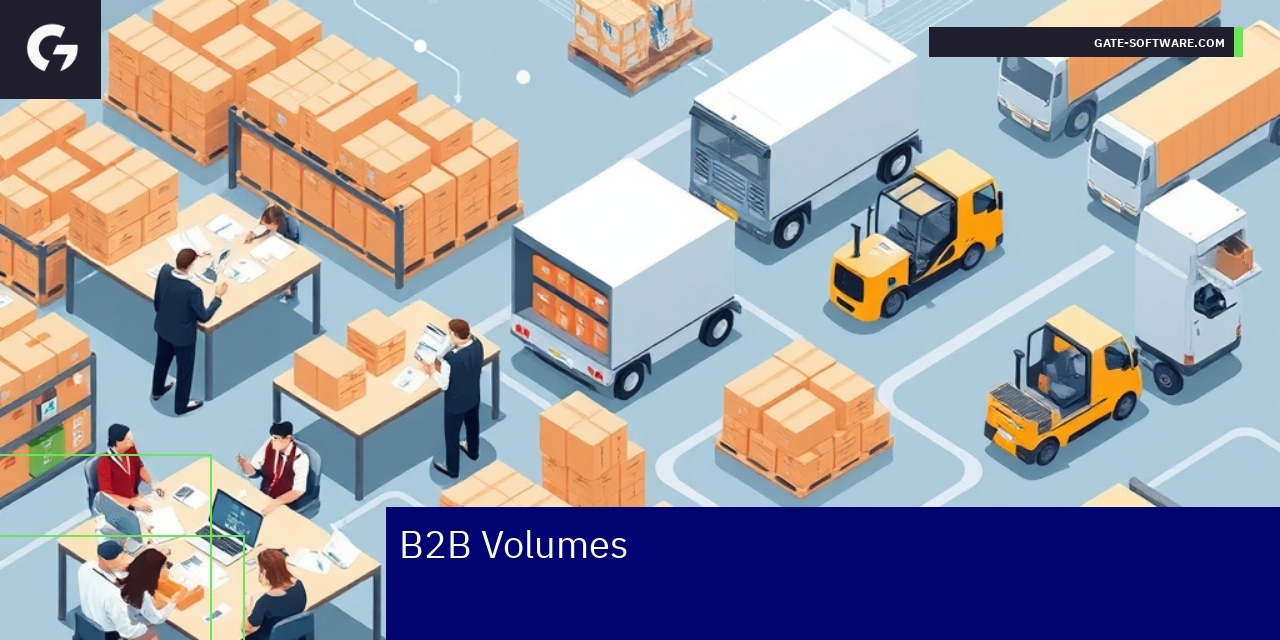
Handling large B2B volumes requires advanced Magento B2B features that accommodate complex commerce capabilities and service-level contracts. Efficient management of B2B order volumes is essential to ensure seamless operation of the Magento platform, enabling businesses to meet the demands of online sales within B2B e-commerce. The integration of smart order & inventory management systems supports real-time tracking and optimization of stock, reducing delays and improving customer satisfaction under service agreements. This comprehensive approach allows for a personalized customer approach that addresses the unique requirements of each client.
Advanced Analytics
Advanced analytics tools enable detailed insights into customer behavior and inventory needs, supporting personalization and scaling strategies. Leveraging these analytics provides vital data allowing businesses to adjust their sales tactics and inventory management with precision. By understanding patterns in B2B order volumes, companies can forecast demand more accurately, optimizing stock levels and minimizing unnecessary capital ties. These insights also enhance the ability to deliver store personalization by tailoring offers and content based on buyer behavior aligned with negotiated pricing agreements.
Custom Pricing and Shared Catalogs
Offering custom prices and shared catalogs through Magento personalizes the buying experience and strengthens customer relationships. Custom pricing features cater to diverse B2B buyer profiles and negotiated price offers, ensuring that key accounts receive competitive deals tailored to their purchase patterns and volume commitments. Shared catalogs streamline the procurement process, enabling buyers to access approved products and prices quickly. This level of personalization highlights the flexibility of the Magento platform to support complex pricing structures while maintaining efficiency and compliance with service agreements.
Negotiated Price Offers
Negotiated price offers exemplify how to personalize your Magento 2 store, fostering loyalty with individualized customer deals. Such offers are critical in B2B e-commerce where pricing often depends on volume, contract terms, and long-term partnership considerations. Incorporating negotiated pricing directly into the platform supports transparent and dynamic pricing strategies, reducing manual negotiation overheads. This approach aligns with advanced analytics insights and store personalization efforts, ensuring that each customer experiences a tailored purchasing journey that boosts satisfaction and retention.
Quick Order
Business-Oriented System
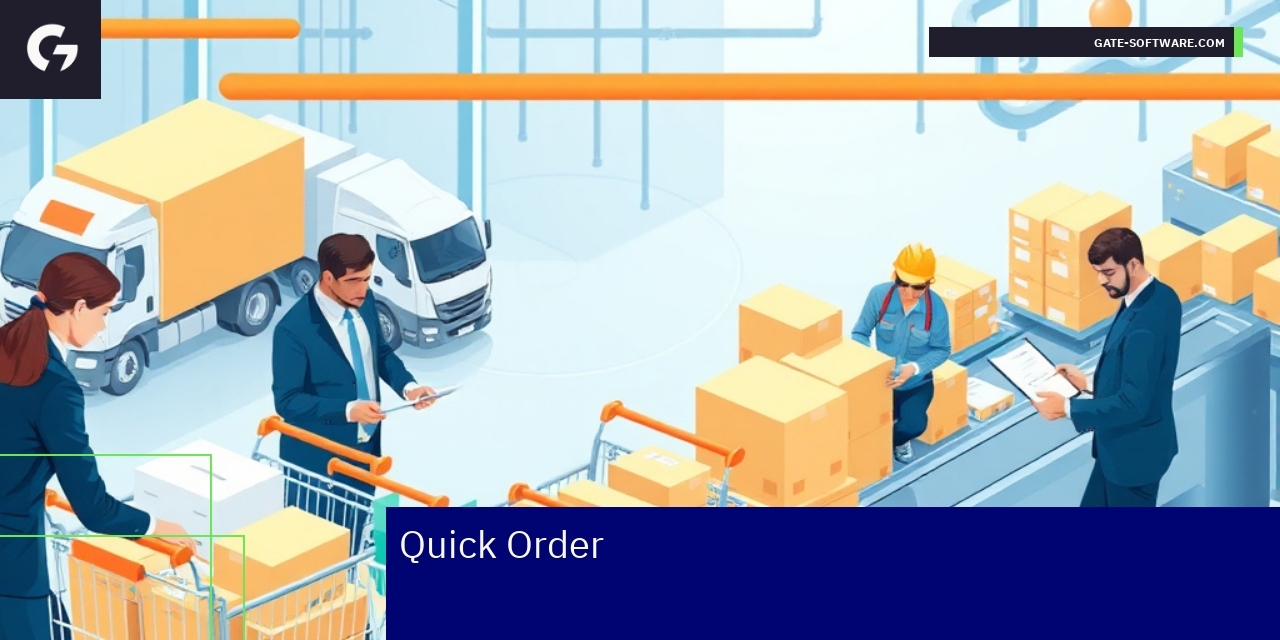
Quick order functionality is a top Magento 2 B2B feature designed to simplify purchasing processes and increase sales efficiency. In business systems, it supports managing multiple carts simultaneously, allowing users to streamline procurement workflows and enhance order management. This capability is essential for businesses handling complex orders and multiple projects at once. The Magento platform’s robust logistics support ensures seamless integration with existing supply chains, improving operational efficiency and reducing delays. By incorporating good UX principles, the quick order process becomes intuitive and responsive, catering to the needs of various B2B users while maintaining precision and speed.
Personalized Customer Approach
Magento’s open source flexibility allows businesses to implement a personalized approach in store personalization, tailoring the quick order experience to meet specific client requirements. This customization can involve pre-filled product lists, tailored pricing structures, or personalized promotions that resonate with individual buyers or client segments. Such personalization not only increases sales but also strengthens customer relationships by offering a user-centric shopping experience. The personalized approach is a crucial aspect of B2B e-commerce, as it accommodates the diverse needs and expectations of corporate clients, ensuring satisfaction and repeat business.
Smart Order and Inventory Management
Effective smart order and stock control mechanisms are integral to quick order systems, providing real-time visibility into inventory levels and enabling automated stock replenishments. These features reduce the risk of stockouts or overstocking, optimizing the supply chain and ensuring timely delivery. Smart order and inventory management tools enhance the overall good UX by making the purchase process seamless and transparent for B2B customers. Combined with Magento platform capabilities, these systems allow businesses to adapt quickly to changing market demands, improve logistics support, and maintain competitive advantage in B2B e-commerce environments.
—
If available:
—

Device-Independent Shopping Experience
Ensuring a consistent experience across devices is a core Magento B2B feature, enhancing client satisfaction and simplifying store management.
Seamless Management
Seamless management enables efficient administration of multiple stores from one interface, making scaling your business both practical and profitable. This capability supports multi-store single panel oversight, allowing your team to handle complex B2B e-commerce operations without the friction of juggling disparate systems. The Magento platform integrates store personalization and easy management standards into a unified environment, optimizing workflows for decision-makers such as eCommerce Managers and Heads of Applications. This streamlined approach minimizes operational complexity while maximizing control over customer experiences and inventory across various channels, reinforcing Magento’s reputation as a foundation for seamless shopping experiences tailored to B2B needs.
eCommerce Platform
Magento stands out as a platform eCommerce leader by offering features and tools designed exclusively for B2B personalization and sales growth. Its eCommerce features include robust catalog management, flexible pricing, and custom workflows that cater to the intricate demands of B2B clients. The platform’s exclusive capabilities empower businesses to deliver tailored pricing, bulk order processing, and customer-specific catalogs, ensuring that the online sales process meets the unique requirements of each partner. By leveraging Magento’s extensive toolkit, companies can foster a more engaging and efficient buying experience that maintains consistency regardless of device or channel, driving long-term relationships and revenue growth in B2B e-commerce.
Examples and Case Studies
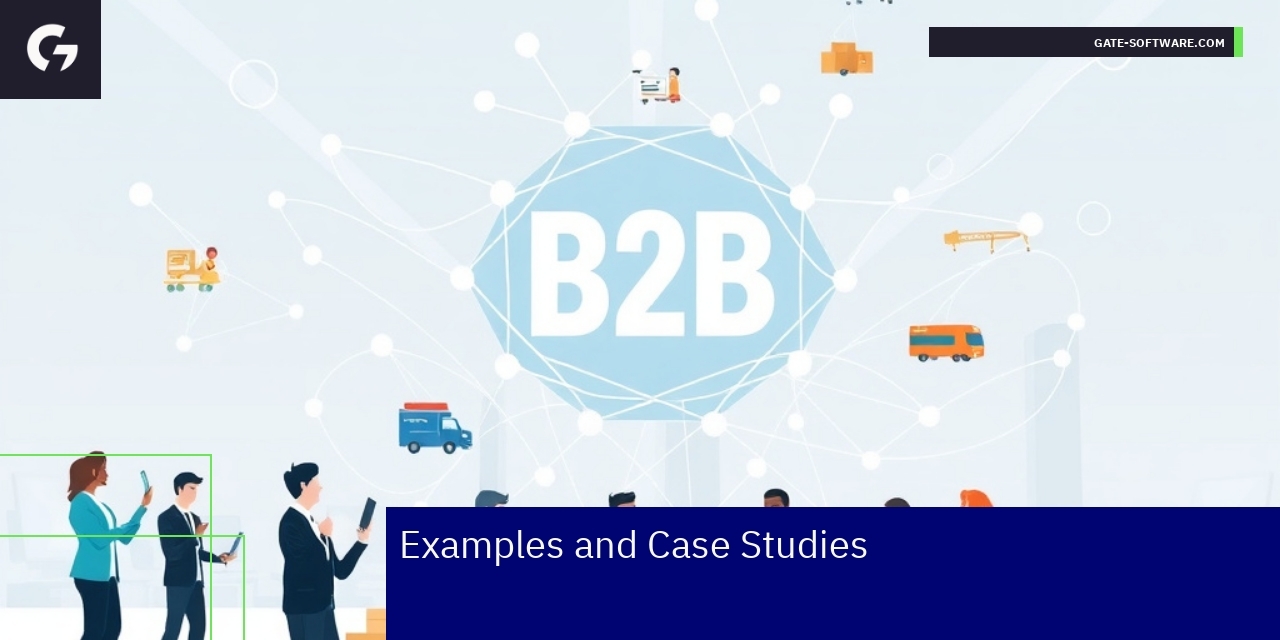
In the B2B eCommerce sector, how sellers are growing revenue with personalization is well illustrated by real-life case studies showcasing top Magento personalization strategies. Implementation examples demonstrate how tailored customer experiences drive engagement and conversion rates by addressing specific needs of business clients. These scenario analyses reveal the significance of adapting content, product recommendations, and user journeys to the unique characteristics of B2B buyers, resulting in measurable personalization successes.
Case studies consistently highlight that personalization, when integrated within Magento environments, enhances client retention and loyalty. Enterprises benefit from segmented communication and customized offers, which are essential in B2B markets where relationships and long sales cycles prevail. The deployment of advanced analytics and AI-powered personalization tools enables companies to anticipate customer behavior and optimize touchpoints throughout the buyer’s journey.
Ultimately, these implementation examples and personalization successes illustrate that a strategic, data-driven approach to B2B eCommerce personalization not only boosts revenue but also strengthens customer relationships. The continuous refinement based on scenario analyses ensures that businesses remain responsive to evolving B2B buyer expectations, leveraging Magento platforms for scalable and effective personalization solutions.
Comparisons: Magento vs Other Platforms
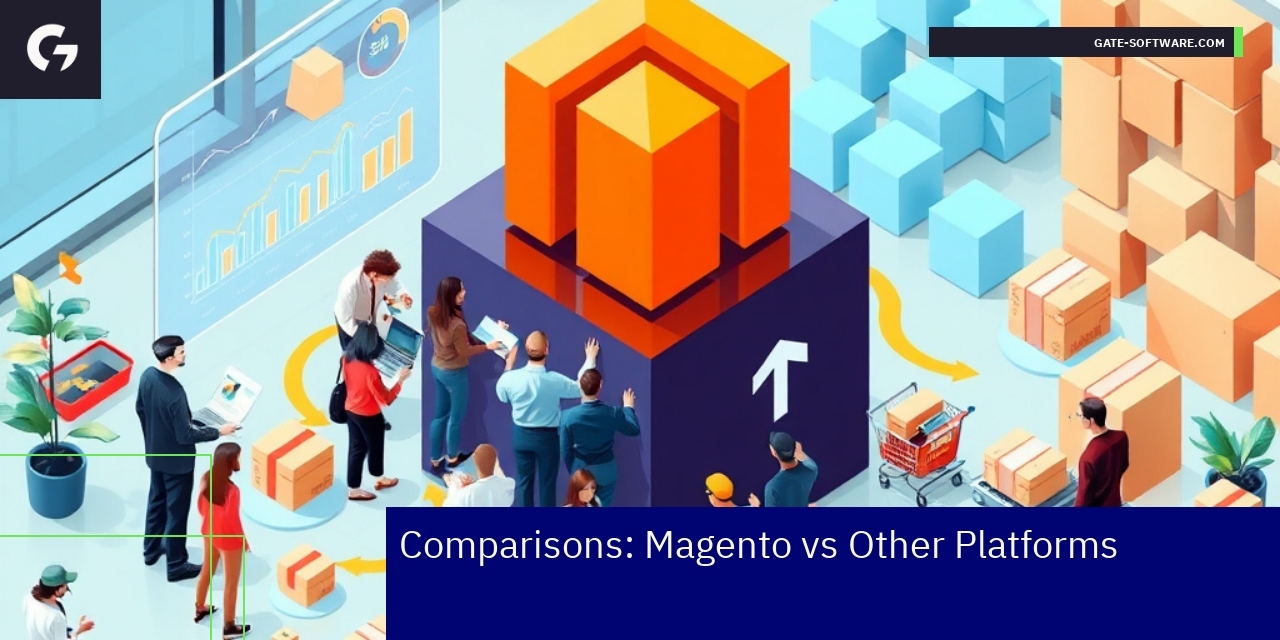
Choosing the right platform is crucial; this comparison highlights advantages of Magento versus alternatives in personalization strategy in B2B marketing. When evaluating platforms, decision-makers must consider a detailed platform comparison that goes beyond surface-level features. Magento stands out for its flexibility and extensive customizability, which allows B2B enterprises to tailor their ecommerce environment to specific business needs. This capability supports complex workflows and integrations with existing systems, making it an attractive option for organizations with intricate operational requirements.
In terms of pros and cons, Magento offers robust support for personalization, enabling detailed customer segmentation and targeted content delivery. This capability enhances customer experience and drives higher engagement in B2B contexts where personalization is often a differentiator. However, the trade-off may involve higher initial development and maintenance costs, along with the need for skilled technical resources to fully exploit its capabilities. Other platforms might offer simpler implementation and lower upfront costs but may lack the depth and scalability needed for sophisticated B2B personalization strategies.
Determining the best choice depends on balancing these factors with the strategic objectives and technical capacity of the organization. For enterprises focused on growth and long-term flexibility, Magento’s open architecture and strong community support provide significant advantages. Ensuring alignment with your business goals and technical roadmap is essential in this platform comparison. Ultimately, Magento often emerges as the best choice for B2B companies seeking a scalable, customizable platform that supports advanced personalization while accommodating complex business processes. Integrating these considerations with a clear understanding of pros and cons will guide organizations to make informed, strategic decisions in their ecommerce technology investments.
Checklists and Pitfalls to Avoid
Implementing top Magento 2 customization options for a B2B eCommerce store requires precise planning and execution to ensure efficiency and scalability. To help you navigate these processes, here are essential checklists that focus on critical areas, along with common mistakes and guidance on how to avoid traps.
Start with a comprehensive evaluation of business requirements to align Magento 2 features with your B2B goals. Establish clear objectives around customer segmentation, pricing models, and access controls. This checklist step is vital for avoiding pitfalls related to over-customization or feature bloat, which often leads to increased maintenance costs and performance degradation. Remember, checklists help maintain focus on delivering business value rather than just technical tweaks.
Next, review integration points with legacy systems such as ERP, CRM, and PIM solutions. Common mistakes involve neglecting data synchronization and failing to ensure API compatibility, which can cause data discrepancies and business disruptions. How to avoid traps here includes thorough mapping of data flows and prototype testing during early development phases.
Focus also on UX/UI adherence and WCAG compliance tailored for B2B users who demand efficiency and accessibility. Checklists should include usability testing with real personas (like Architect, eCommerce Manager, and CIO) to pinpoint friction points. Common pitfalls involve ignoring accessibility standards or oversimplifying user roles, while strategic user-centric design helps sidestep these traps.
Finally, establish monitoring and SLA agreements to guarantee system uptime and quick issue resolution. Oversights in this area include vague agreement terms or insufficient monitoring capabilities, leading to prolonged downtime. How to avoid traps is by defining clear KPIs and automated alerting mechanisms aligned with business criticality.
By following these structured checklists and being mindful of common mistakes, eCommerce managers and development teams can ensure robust Magento 2 implementations that cater effectively to B2B needs while minimizing risks and maximizing operational success.
Alternatives to Magento in B2B Context
When exploring other platforms as alternatives to Magento in a B2B context, it is essential to consider the unique technical and business challenges that B2B operations face. These challenges often include managing complex workflows, integrating with ERP and CRM systems, supporting multi-user account hierarchies, and enabling personalized pricing and catalogs. Identifying the best options involves a thorough evaluation of platforms’ capabilities to meet these needs efficiently.
Platforms such as Shopify Plus and BigCommerce stand out for their scalability and robust API support, which are critical for businesses aiming to grow while maintaining seamless integration capabilities. WooCommerce offers flexibility through deep customization, suitable for businesses wanting tailored solutions. On the other hand, OroCommerce is specifically engineered for complex B2B workflows, making it an attractive option for enterprises with diverse product lines and customer requirements.
Other notable platforms include SAP Commerce Cloud and Salesforce Commerce Cloud, which provide comprehensive enterprise-grade solutions with strong CRM and ERP integrations, emphasizing personalized customer experiences and operational efficiency. Open-source platforms like PrestaShop and OpenCart also present viable alternatives, especially for companies looking to balance cost considerations with the ability to customize and extend functionality.
Making comparisons of these platforms, focusing on their support for B2B-specific features such as multi-tier pricing, quote management, and compliance standards, enables decision-makers to pinpoint the best options tailored to their business. Thus, exploring these other platforms provides an opportunity to strategically align technology choices with long-term business goals and personalization strategies, ensuring optimal performance and customer satisfaction in the B2B domain.
Benefits and Risks of Personalization
Understanding the benefits and risks associated with personalization helps structure a personalization strategy in B2B marketing that maximizes engagement while minimizing challenges.
Personalization in B2B contexts offers significant benefits that can drive stronger relationships and more effective marketing outcomes. The key benefits include enhanced user engagement by delivering tailored content that resonates with the specific needs and roles of decision-makers such as CTOs, Heads of Applications, or eCommerce Managers. This tailored approach leads to higher conversion rates, as personalized interactions address precise pain points or business goals. Furthermore, personalization provides businesses with valuable customer insights derived from data, enabling continuous refinement of strategies and improving the overall customer journey. This fosters long-term brand loyalty by creating unique and relevant experiences that differentiate the brand in a competitive B2B marketplace.
However, personalization also brings inherent risks that must be carefully managed. Privacy concerns are paramount, as B2B personalization often requires handling sensitive corporate data, raising the stakes for compliance with regulations and safeguarding trust. Data security is another critical risk, as breaches can damage reputations and client relationships irrevocably. Over-personalization can lead to user discomfort or perceptions of intrusive monitoring, potentially alienating key stakeholders rather than engaging them. There is also a risk of algorithmic bias, where personalization may unintentionally exclude or misrepresent certain user segments, limiting reach and effectiveness. Finally, an over-reliance on data analytics might reduce creative or strategic flexibility, potentially overlooking novel engagement opportunities.
These benefits and risks together provide key insights for shaping an effective B2B personalization strategy. Balancing the advantages of relevance, engagement, and data-driven decision-making with the imperative to protect privacy and manage risks ensures a sustainable approach. Gate-Software solutions support this balance by integrating secure, compliant personalization frameworks tailored to the complexities of B2B environments, helping clients leverage benefits while mitigating risks.
Benefits of Personalization 🧠 UWAGI:
Risks of Personalization 🧠 UWAGI:
—
Key Takeaways:
Best Practices:
—
If available:
—
Data and Performance Metrics – Efficiency, SLA, TCO
Operational Effectiveness in B2B Projects
In the realm of B2B e-commerce, operational effectiveness can be rigorously measured through various metrics that reflect the efficiency and reliability of services provided by Gate-Software. For instance, the average project takeover time is approximately 2 weeks, demonstrating a swift transition and enabling clients to begin realizing benefits quickly.
Moreover, Gate-Software boasts an impressive 95% of projects delivered on time, which significantly enhances customer satisfaction and trust. This timely delivery is supported by an uptime SLA of 99.9%, ensuring that clients experience minimal disruption in their operations.
In terms of cost-effectiveness, businesses utilizing Gate-Software’s services observe an average TCO reduction of 15% due to optimized operational processes and lower maintenance costs. Additionally, Gate-Software has completed over 300 implementations of MagentoOneS™, showcasing extensive expertise and industry recognition in tailoring solutions for B2B clients.
The average client relationship lasts about 4 years, reflecting the long-term partnerships that Gate-Software fosters with its customers. This commitment is indicative of the value-added through tailored solutions that address specific business needs. Furthermore, Gate-Software’s B2B services effectively support 80% of clients in achieving their projected sales growth within the first 6 months of operation.
These metrics not only underline the operational efficiency of Gate-Software’s offerings but also demonstrate the tangible benefits that clients can expect, reinforcing a data-driven approach to decision-making in choosing services for B2B e-commerce.

Summary
In today’s competitive B2B e-commerce landscape, personalization has quickly become an essential element that can significantly enhance the customer experience and drive business results. By leveraging Magento’s advanced personalization features, businesses can tailor their offerings and engagements to meet the unique needs of their B2B clients. Gate-Software’s integration of MagentoOneS™ and robust service-level agreements (SLAs) ensures that personalized experiences are consistently delivered at high performance. This approach empowers organizations to build trust and strengthen relationships with their customers, ultimately optimizing sales processes, increasing order values, and ensuring compliance with accessibility standards like WCAG.
By understanding the complexities of B2B purchasing dynamics and implementing data-driven personalization strategies, companies can enhance operational efficiency and better meet their clients’ expectations. If you’re looking to improve your B2B e-commerce capabilities and explore how Magento can transform your business, we encourage you to reach out for a personalized consultation with Gate-Software to discuss tailored solutions that align with your strategic goals.
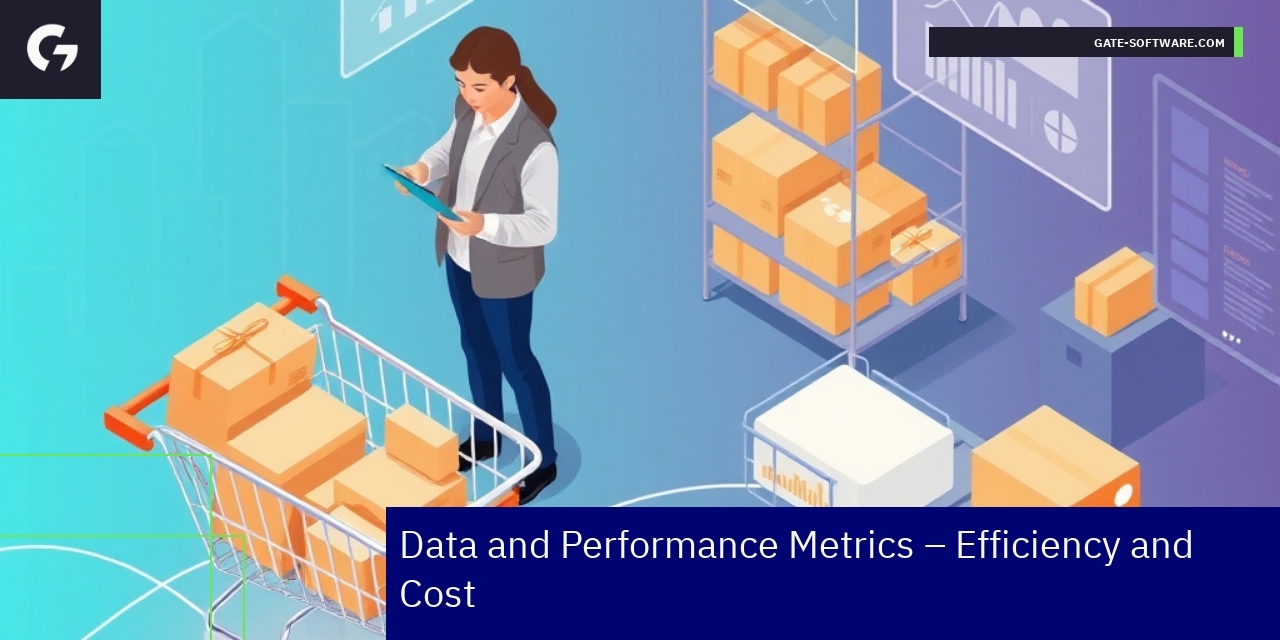
Data and Performance Metrics – Efficiency and Cost
Key Metrics for B2B
Within the B2B sector, efficiency and cost-related metrics provide critical insights into operational performance and business outcomes. The average time-to-deliver a customized solution using Magento is approximately 3 weeks, enabling businesses to quickly adapt to market demands and client needs. Moreover, businesses leveraging B2B personalization strategies have reported a 25% increase in customer retention rates, highlighting the effectiveness of tailored engagements in maintaining long-term relationships.
The implementation of advanced analytics has led to an average 20% reduction in inventory costs for companies utilizing Magento’s personalized solutions, as businesses can more accurately forecast demand and optimize stock levels. Additionally, a substantial 30% improvement in order processing speed has been recorded, significantly enhancing customer satisfaction and operational efficiency.
In terms of cost effectiveness, organizations have observed an impressive average ROI of 4:1 on their investment in B2B personalization initiatives, underscoring the financial advantages of adopting these strategies. Furthermore, the deployment of tailored pricing models within Magento has facilitated an increase in average order values by 15%, clearly indicating the impact of personalization on revenue generation.
These metrics not only reflect the operational capabilities of B2B organizations but also emphasize the quantitative benefits derived from effective personalization, empowering decision-makers with the data needed to optimize their strategies further.

Summary
In today’s competitive B2B e-commerce landscape, personalization has quickly become an essential element that can significantly enhance the customer experience and drive business results. By leveraging Magento’s advanced personalization features, businesses can tailor their offerings and engagements to meet the unique needs of their B2B clients. Gate-Software’s integration of MagentoOneS™ and robust service-level agreements (SLAs) ensures that personalized experiences are consistently delivered at high performance. This approach empowers organizations to build trust and strengthen relationships with their customers, ultimately optimizing sales processes, increasing order values, and ensuring compliance with accessibility standards like WCAG.
By understanding the complexities of B2B purchasing dynamics and implementing data-driven personalization strategies, companies can enhance operational efficiency and better meet their clients’ expectations. If you’re looking to improve your B2B e-commerce capabilities and explore how Magento can transform your business, we encourage you to reach out for a personalized consultation with Gate-Software to discuss tailored solutions that align with your strategic goals.
—
Managing Requests for Quotes
[Existing content of the Managing Requests for Quotes section]
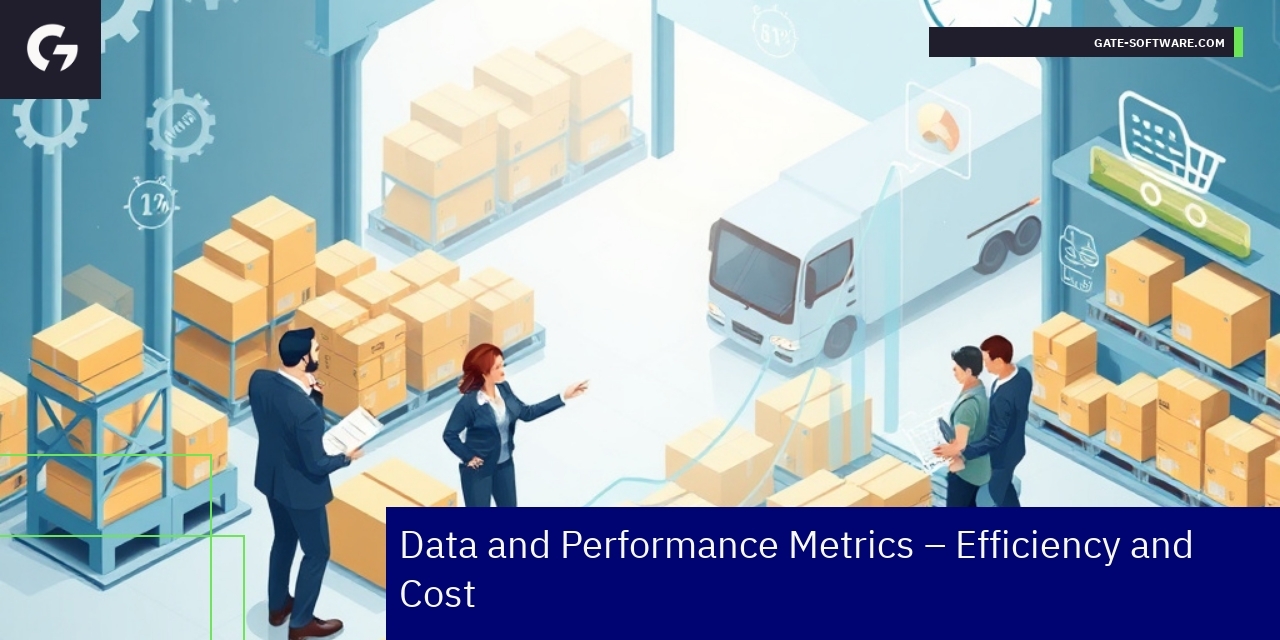
Data and Performance Metrics – Efficiency and Cost
Key Metrics for B2B
Within the B2B sector, efficiency and cost-related metrics provide critical insights into operational performance and business outcomes. The average time-to-deliver a customized solution using Magento is approximately 3 weeks, enabling businesses to quickly adapt to market demands and client needs. Moreover, businesses leveraging B2B personalization strategies have reported a 25% increase in customer retention rates, highlighting the effectiveness of tailored engagements in maintaining long-term relationships.
The implementation of advanced analytics has led to an average 20% reduction in inventory costs for companies utilizing Magento’s personalized solutions, as businesses can more accurately forecast demand and optimize stock levels. Additionally, a substantial 30% improvement in order processing speed has been recorded, significantly enhancing customer satisfaction and operational efficiency.
In terms of cost effectiveness, organizations have observed an impressive average ROI of 4:1 on their investment in B2B personalization initiatives, underscoring the financial advantages of adopting these strategies. Furthermore, the deployment of tailored pricing models within Magento has facilitated an increase in average order values by 15%, clearly indicating the impact of personalization on revenue generation.
These metrics not only reflect the operational capabilities of B2B organizations but also emphasize the quantitative benefits derived from effective personalization, empowering decision-makers with the data needed to optimize their strategies further.
Summary
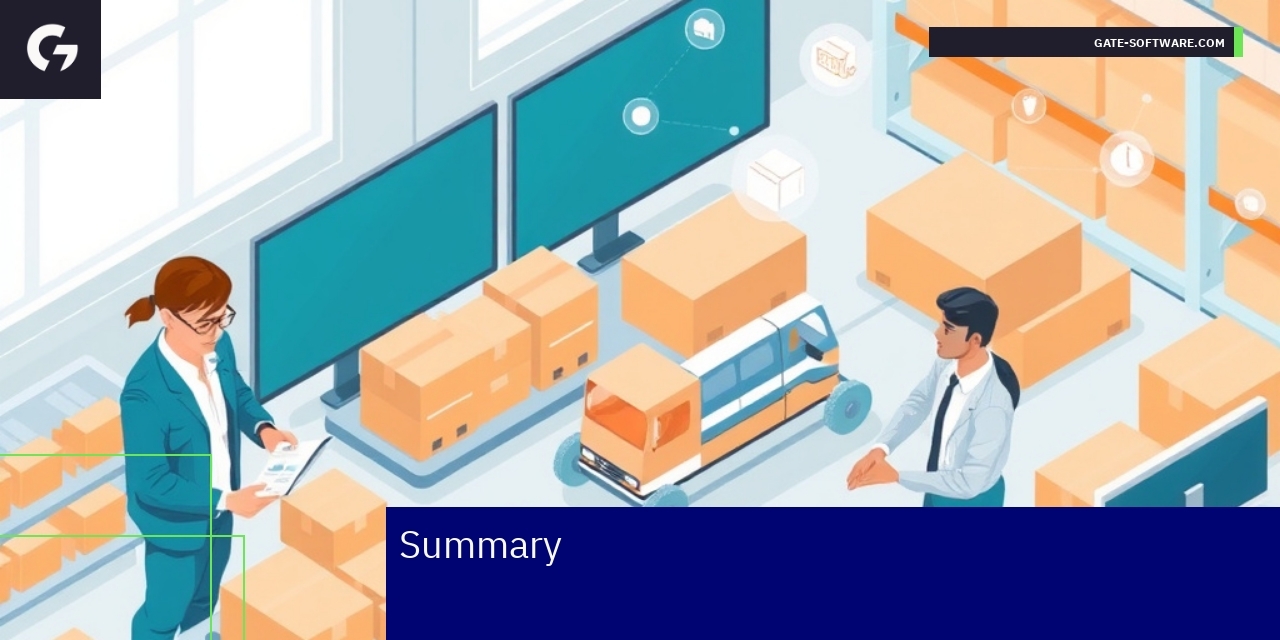
In today’s competitive B2B e-commerce landscape, personalization has quickly become an essential element that can significantly enhance the customer experience and drive business results. By leveraging Magento’s advanced personalization features, businesses can tailor their offerings and engagements to meet the unique needs of their B2B clients. Gate-Software’s integration of MagentoOneS™ and robust service-level agreements (SLAs) ensures that personalized experiences are consistently delivered at high performance. This approach empowers organizations to build trust and strengthen relationships with their customers, ultimately optimizing sales processes, increasing order values, and ensuring compliance with accessibility standards like WCAG.
By understanding the complexities of B2B purchasing dynamics and implementing data-driven personalization strategies, companies can enhance operational efficiency and better meet their clients’ expectations. If you’re looking to improve your B2B e-commerce capabilities and explore how Magento can transform your business, we encourage you to reach out for a personalized consultation with Gate-Software to discuss tailored solutions that align with your strategic goals.
—
Managing Requests for Quotes
FAQ
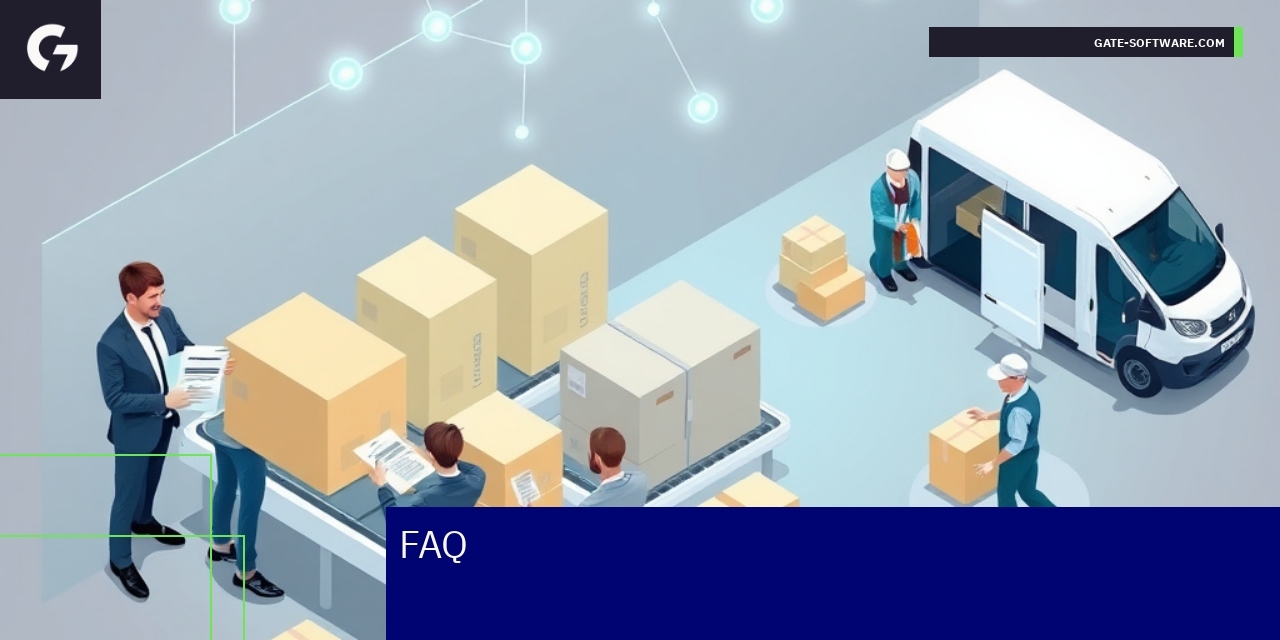
How does Magento enhance B2B personalization?
Magento enhances B2B personalization by offering tailored shopping experiences through customized product catalogs, personalized pricing strategies, and targeted promotions. These features address the unique challenges of B2B clients, improving customer satisfaction and loyalty.
Why is personalization important in B2B e-commerce?
Personalization in B2B e-commerce is crucial as it transforms standard interactions into meaningful engagements. It helps businesses understand their clients better, resulting in tailored content and solutions that align with customer needs, ultimately driving higher conversion rates and long-term partnerships.
What are the benefits of using Magento for B2B personalization?
The benefits of using Magento for B2B personalization include enhanced customer engagement, improved sales efficiency, and the ability to adapt to complex purchasing processes. Additionally, Magento’s integration capabilities ensure seamless synchronization with ERP and CRM systems, supporting a streamlined buying journey.
How can businesses manage requests for quotes effectively in Magento?
Businesses can manage requests for quotes effectively in Magento by utilizing features such as requisition lists, fast ordering, and customized sales support. These tools streamline the RFQ process, allowing for structured buying patterns and ensuring timely responses to customer needs.
What risks should businesses consider when implementing B2B personalization?
When implementing B2B personalization, businesses should consider risks such as data privacy concerns, potential breaches of data security, and the challenge of over-personalization, which may alienate clients. It’s essential to balance personalization benefits with careful management of these risks.
.
.
Zamów bezpłatną konsultację
.
Z nami rozwój Twojego biznesu nabierze tempa! Zapraszamy do kontaktu średnie i duże firmy generujące min. 7 mln PLN obrotu rocznie – tam nasza ekspertyza sprawdza się najlepiej.
.
Kliknij w poniższy przycisk i skontaktuj się z jednym z naszych konsultantów e-commerce
.