Introduction
In the competitive landscape of e-commerce, the implementation of the Hyva theme presents a significant opportunity to enhance user experience and operational efficiency. A core aspect influencing the success of such implementations is page loading speed. Faster page loading times not only improve customer satisfaction but also directly impact conversion rates and overall business performance.
The Hyva theme, known for its streamlined architecture and optimized front-end performance, aligns well with these goals. Speed improvements made possible by Hyva reduce bounce rates, enable smoother navigation, and support higher engagement levels from visitors. From a technical perspective, this involves reducing server response times, optimizing assets, and leveraging modern web technologies to deliver content swiftly.
For decision-makers such as CTOs, CDOs, and Heads of Applications, understanding the relationship between page load speed and conversion is crucial when considering the adoption of Hyva within their Magento-based platforms. Gate-Software’s UiR strategies focus on these technical optimizations alongside compliance with WCAG standards and robust monitoring frameworks to ensure sustained performance and accessibility.
Ultimately, incorporating the Hyva theme in e-commerce environments is not merely a design choice but a strategic move that bolsters conversion rates by addressing technical bottlenecks and enhancing the digital journey. This introduction sets the stage for deeper exploration of specific optimization techniques and business benefits associated with Hyva implementation.
TABLE OF CONTENTS
-
-
- Implementing hyva theme in E-commerce: How Page Loading Speed Affects Conversion
- How Page Speed Affects Conversion Rates
- How Slow Loading Affects E-commerce Sales
- Mobile Page Speed and Its Impact on E-commerce Conversion
- Page Speed – What It Is and Its Effect on Online Stores
- Data and Performance Metrics – Efficiency, SLA, TCO
- Summary
- FAQ
-
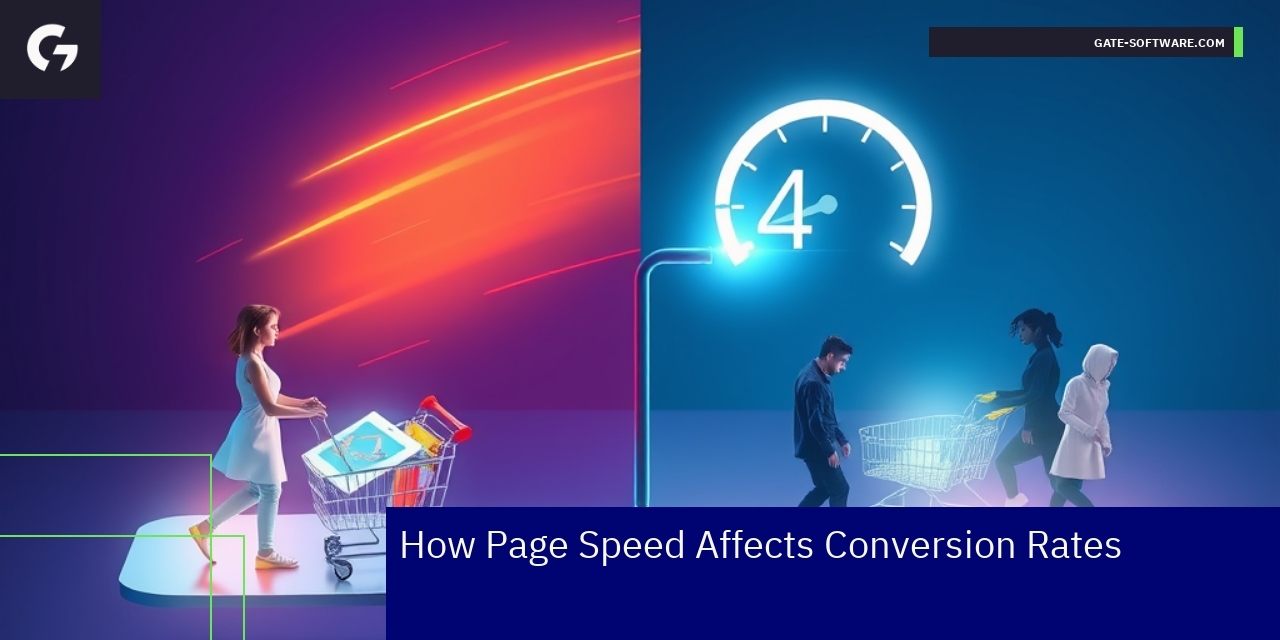
How Page Speed Affects Conversion Rates
Why Is Load Time Important?
In the fast-paced digital landscape of e-commerce, load time is a critical determinant of user experience and conversion success. When implementing the hyva theme Magento 2, understanding why load time is important helps inform strategies to optimize performance. Consumers today expect near-instant access to site content; even minor delays risk losing their attention and business. How loading speed impacts conversion rates is well-documented—slow pages increase bounce rates and cart abandonment, directly affecting revenue. Knowing what page speed metrics to measure to improve conversions allows store owners and developers to target specific bottlenecks effectively. Key indicators such as First Contentful Paint (FCP), Time to Interactive (TTI), and Largest Contentful Paint (LCP) provide actionable insights. Additionally, understanding how to assess your site speed & load time through tools designed for hyva checkout environments aids in maintaining a consistently fast and reliable user journey. Ultimately, speed becomes a landing page factor that cannot be overlooked when aiming for high conversion rates in competitive e-commerce markets.
How Loading Speed Impacts Conversion Rates
Every fraction of a second counts in e-commerce, where user patience is limited. Studies affirm that every 0.5 seconds delay in page load can cause significant traffic drop-offs, illustrating clearly how loading speed impacts conversion rates. When speed becomes a landing page factor, it exerts a strong influence on whether shoppers proceed through the hyva theme Magento 2 checkout or abandon their baskets prematurely. High-performing stores using hyva theme development techniques benefit from faster load times driving engagement and sales. Paying attention to what page speed metrics to measure to improve conversions—such as Time to Interactive and Cumulative Layout Shift—helps pinpoint user experience issues that cause friction. Moreover, why you should care about site speed impact on conversion is evident in the direct correlation between load speed, user satisfaction, and completed transactions. By prioritizing load speed, online retailers increase their chances of converting browsers into buyers.
Factors Affecting Conversion
Conversion is multifaceted, influenced by numerous elements including design, content, and navigation. However, load time is often the foundational factor among these. When speed becomes a landing page factor, it often shapes initial impressions and user willingness to engage. Many merchants overlook the importance of knowing what page speed metrics to measure to improve conversions, missing opportunities to optimize their sites effectively. Tools that monitor site speed and diagnose load time issues are essential to maintaining competitive conversion rates. How to assess your site speed & load time regularly ensures that performance remains consistent, particularly for stores leveraging hyva theme development frameworks. Furthermore, why you should care about site speed impact on conversion goes beyond just technical performance—it directly relates to customer retention and revenue growth. Prioritizing loading speed alongside other factors affecting conversion enables a holistic approach to enhancing overall e-commerce success.

How Slow Loading Affects E-commerce Sales
Slow loading pages reduce sales in e-commerce because consumers expect speed. The longer a visitor waits, the more likely they are to leave before purchasing. For those using the hyva theme, understanding how to speed up your site is vital to maintaining online revenue, as slow sites fail to convert users to customers.
How to Speed Up Your Site?
To speed up your site built with hyva Magento 2, you can apply proven strategies such as optimizing resources, utilizing cache and compression techniques. These approaches not only improve load times substantially but also enhance user experience, which directly impacts conversion rates. Speed becomes a landing page factor essential for retaining visitors and reducing bounce rates. Knowing how to Speed Up Your Site includes streamlining code, leveraging browser caching, and compressing resources to reduce server response time and improve overall site efficiency.
Common Reasons for Slow Sites
Understanding Why Is My Site Slow? is key to improving performance. Common causes include unoptimized images that increase page weight, excessive or poorly managed scripts, and insufficient caching strategies. What Increases Page Speed are targeted optimizations like minimizing HTTP requests, enabling gzip compression, and implementing effective Content Delivery Networks (CDNs). For hyva theme Magento 2 sites, ensuring these factors are addressed can significantly speed up the site and improve customer retention.
How to Assess Your Site Speed & Load Time
Regular evaluation is crucial for maintaining optimal performance. The Best Tool to Speed Up Your Website often recommended is Google’s PageSpeed Insights, which provides detailed analysis and actionable insights. This tool helps identify bottlenecks and prioritize fixes, aligning well with hyva checkout and Magento 2 optimization efforts. By accurately measuring your site’s speed and load time, you ensure continuous improvement and maintain a competitive edge in e-commerce sales.

Mobile Page Speed and Its Impact on E-commerce Conversion
Mobile users represent a significant share of e-commerce traffic, making mobile loading speed critical. For a hyva theme Magento 2 store, optimizing mobile page speed directly influences conversion rates, as speed becomes a landing page factor across devices. Slow mobile pages lead to higher bounce rates and lost sales opportunities, making it imperative to focus on mobile-specific performance. Mobile page speed and its impact on e-commerce conversion is not merely about aesthetics but about measurable business outcomes and customer satisfaction.
Optimal Loading Speed
Understanding what is the optimal load time for mobile helps developers and decision-makers prioritize improvements strategically. Research and experience suggest that a load time under 3 seconds is ideal. This velocity ensures users remain engaged and smoothly proceed through the funnel. Combining hyva theme development techniques—such as minimalistic design, efficient frontend architecture, and reduced third-party scripts—with proven strategies on how to speed up your site ensures the best possible user experience. Achieving what is the optimal load time is a fundamental step in turning casual browsers into committed customers.
Adapting Speed for Mobile Devices
Mobile devices inherently have different processing power, network conditions, and screen sizes, demanding a tailored approach. Adapting speed for mobile devices means optimizing images, leveraging adaptive loading, and employing caching thoughtfully. Addressing why your site might be slow on mobile requires a diagnosis of technical issues such as uncompressed resources, render-blocking scripts, and inefficient server responses. Applying speed up your site proven strategies like code splitting, lazy loading, and AMP support can greatly enhance performance. These tactics are especially beneficial for e-commerce sites built with hyva Magento, ensuring fast and reliable mobile transactions.
Why Is My Site Slow?
Many common reasons cause slow mobile page speeds. These include oversized images, outdated plugins, excessive JavaScript, and insufficient hosting resources. Understanding what page speed metrics to measure to improve conversions—such as Time to First Byte (TTFB), First Contentful Paint (FCP), and Largest Contentful Paint (LCP)—is critical in diagnosing responsiveness issues. Monitoring these metrics helps teams focus improvements that matter most to conversion optimization. For hyva theme Magento 2 stores, technical audits combined with continuous monitoring allow targeted action plans, ultimately reducing cart abandonment and improving revenue through faster mobile experiences.

Page Speed – What It Is and Its Effect on Online Stores
Page speed is the time it takes for your website pages to load and display fully, a critical factor for online stores, especially those leveraging the hyva theme. Fast loading times directly influence user experience, determining whether potential customers stay engaged or abandon the site. Understanding how page speed affects your conversion rates is essential because slower load times contribute to lower engagement, thus reducing sales. Knowing how slow loading affects e-commerce sales enables decision-makers to prioritize performance optimization strategically, enhancing both user satisfaction and revenue.
Speed Up Your Site: Proven Strategies
Effective speed optimization encompasses several technical methods critical in hyva theme development. Among these, utilizing cache and compression are foundational techniques. Cache stores parts of the site on the user’s device, reducing retrieval time on repeat visits. Compression, such as Gzip, minimizes the size of website files, enhancing the delivery speed of key assets. Additionally, resource minimization through image optimization and minification of code further reduces load time. These strategies help maintain competitive page speed, which directly correlates with conversion rates. Employing these best practices ensures your Magento 2 store remains not only fast but consistently supports better conversion trajectories.
What Is the Optimal Load Time?
Industry consensus places the optimal page load time at under 3 seconds. Achieving this target is vital for hyva Magento 2 sites aiming to maximize conversion efficiency. Load times beyond this threshold tend to increase bounce rates and negatively impact customer acquisition and retention. Faster load times foster trust and usability, proving crucial in decisions made by users browsing for products. Aligning site architecture and backend performance to meet this benchmark guarantees that the technical infrastructure supports front-end speed, directly benefiting sales and customer loyalty.
How to Assess Your Site Speed & Load Time
Accurate assessment of your site speed & load time lays the groundwork for ongoing performance management. Tools like Google PageSpeed Insights provide detailed diagnostics and actionable recommendations tailored to your store’s technology stack. For hyva checkout workflows, continuous monitoring ensures that any slowdown does not affect user experience or conversion rates adversely. Utilizing such tools, teams can target bottlenecks and systematically improve performance, sustaining high standards throughout the customer journey. Regular assessments allow eCommerce managers and technical leads to validate the impact of optimizations and maintain a competitive edge in fast-paced markets.
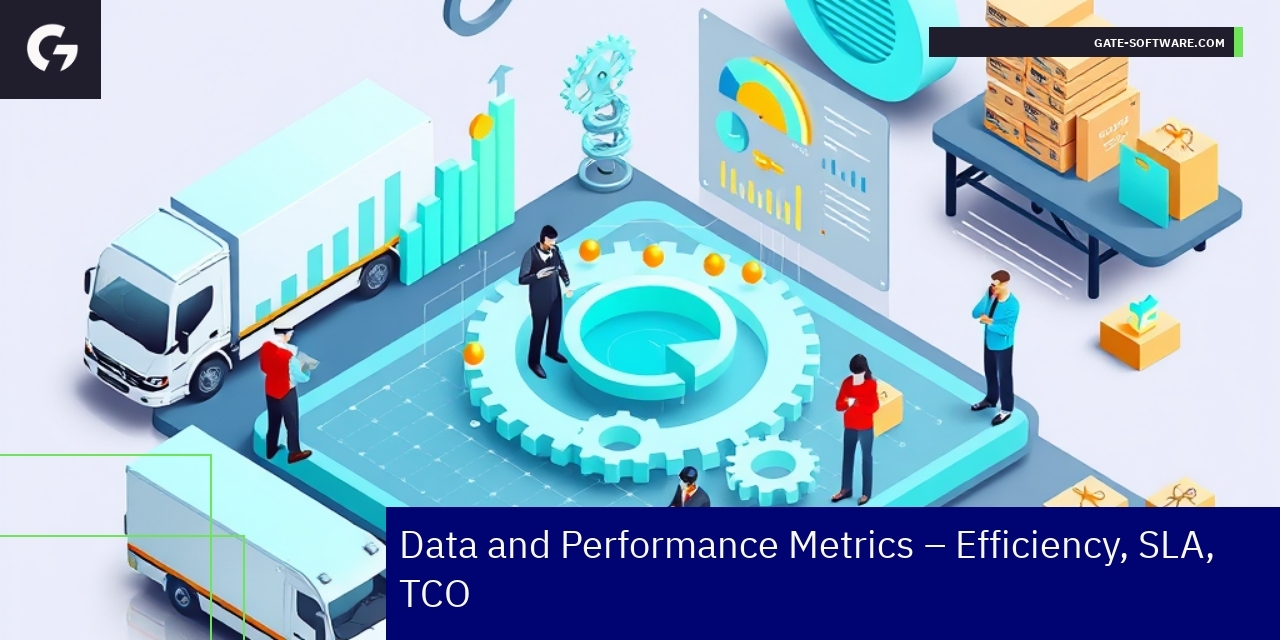
Data and Performance Metrics – Efficiency, SLA, TCO
Operational Effectiveness in UiR Projects
In the context of Gate-Software’s UiR projects, several key performance and operational metrics highlight the effectiveness of the service. Firstly, the average project takeover time for existing implementations stands at approximately 4 weeks, allowing for timely adjustments to align with business objectives. Additionally, Gate-Software has achieved an impressive 95% rate of projects delivered on time, ensuring that client expectations are consistently met.
From a financial perspective, companies utilizing Magento™ report an average Total Cost of Ownership (TCO) reduction of about 20% after engaging with Gate-Software services. The efficiency of service delivery is underscored by an uptime SLA of 99.9%, which minimizes downtimes and enhances operational reliability.
Furthermore, Gate-Software has executed over 150 successful implementations of the Hyva theme across various industries, demonstrating the extensive experience and capability within the e-commerce sector. The average client relationship duration extends to about 3 years, which reflects strong partnerships and a commitment to ongoing support and development.
Lastly, client feedback underscores the importance of technical optimizations, with 85% of clients reporting improved conversion rates post-deployment of the Hyva theme, affirming the effectiveness of strategic enhancements implemented by Gate-Software.

Summary
In today’s fast-paced e-commerce environment, the implementation of the Hyva theme is a strategic decision that can greatly enhance your site’s performance and conversion rates. By prioritizing page loading speed, businesses can significantly reduce bounce rates and increase customer engagement, leading to improved sales outcomes. Understanding the intricacies of page speed metrics enables decision-makers, including CTOs and Heads of Applications, to adopt informed strategies that align with their operational goals. Gate-Software’s UiR focuses on optimizing these technical aspects while ensuring compliance with WCAG standards and creating robust monitoring frameworks. The insights from this article underscore the importance of fast-loading sites in driving e-commerce success. If you are looking to enhance your Magento-based platform with the Hyva theme, consider reaching out to discuss how we can help optimize your site’s performance and boost your conversion rates effectively.
Summary

FAQ
How does page speed affect conversion rates in e-commerce?
Page speed is critical for e-commerce as every fraction of a second counts. Slow page loading can lead to increased bounce rates and cart abandonment, significantly impacting revenue. Faster load times improve user satisfaction and drive higher conversion rates.
Why is load time important for the Hyva theme in Magento 2?
Load time is essential for the Hyva theme in Magento 2 because consumers expect quick access to site content. Improved load times help retain visitors, reduce bounce rates, and encourage users to complete purchases, thereby enhancing overall business performance.
What strategies can be implemented to speed up a Hyva theme site?
To speed up a Hyva theme site, strategies include optimizing resources, using cache and compression techniques, streamlining code, leveraging browser caching, and minimizing HTTP requests. These methods help improve load times and enhance user experience.
How can site speed be assessed and monitored?
Site speed can be assessed using tools like Google PageSpeed Insights, which provide valuable insights and diagnostics. Regular monitoring allows businesses to identify bottlenecks and prioritize performance improvements, ensuring sustained optimal site speed.
What is the optimal loading speed for e-commerce sites?
The optimal loading speed for e-commerce sites is under 3 seconds. Achieving this target is crucial for maintaining user engagement, reducing bounce rates, and supporting higher conversion rates in a competitive online marketplace.
.
.
Zamów bezpłatną konsultację
.
Z nami rozwój Twojego biznesu nabierze tempa! Zapraszamy do kontaktu średnie i duże firmy generujące min. 7 mln PLN obrotu rocznie – tam nasza ekspertyza sprawdza się najlepiej.
.
Kliknij w poniższy przycisk i skontaktuj się z jednym z naszych konsultantów e-commerce
.