Introduction
In the evolving landscape of eCommerce, leveraging modern technologies in Magento 2 themes is essential for delivering superior user experiences, optimizing performance, and scaling business operations effectively. Modern Magento 2 themes, such as those built with Hyva, embrace cutting-edge frontend technologies that streamline development, enhance maintainability, and significantly improve page load times. This not only boosts customer satisfaction but also positively impacts SEO rankings and conversion rates.
A critical shift in Magento 2 theming is the move away from traditional, complex frontend stacks to simplified, state-of-the-art frameworks such as Tailwind CSS for styling and Alpine.js for interactivity. These tools provide a more developer-friendly environment, enabling faster iterations and easier customization without sacrificing performance. Utilizing modern CSS frameworks like Tailwind allows for utility-first styling that is both scalable and consistent, while lightweight JavaScript frameworks reduce client-side processing overhead.
From an architectural perspective, adopting headless or decoupled frontend methodologies is becoming increasingly viable. These approaches allow separation of frontend presentation from backend commerce logic, facilitating smoother integrations, more agile updates, and better technological adaptability. With Magento’s robust APIs, businesses can integrate bespoke frontends or Progressive Web Apps (PWAs) that align with their unique customer engagement strategies.
Performance optimization enabled by modern frontend technologies is a strategic advantage. Faster rendering times, reduced resource consumption, and streamlined codebases lead to improved user experience even under high traffic conditions. Additionally, enhanced SEO comes as a direct benefit of optimized loading speeds and semantic HTML structures aligned with search engine best practices.
In conclusion, embracing modern technologies in Magento 2 themes is not merely a technical upgrade but a strategic imperative. It enables organizations to meet real-world business challenges related to scalability, customer experience, and operational efficiency while positioning their digital storefronts for long-term success in a competitive eCommerce environment.
TABLE OF CONTENTS
- How to Use Modern Technologies in Magento 2 Themes
- Magento 2 Basics and Definitions
- Order Management and Web Technologies
- Access to Sales Reports
- Product Catalog Management
- Content Management – Magento CMS
- Examples of Modern Technologies in Magento 2
- Comparisons: Magento 2 vs Other eCommerce Platforms
- Alternatives to Magento 2
- Benefits and Risks of Magento 2 Implementation
- Data and Performance Metrics – Efficiency and Cost
- Summary
- FAQ
- Magento 2 User Guide: Reports Overview
- How to Customize Magento 2 Reports
- Best Practices for Using Magento 2 Sales Reports
- Magento 2 delivers strong performance improvements and scalability for growing ecommerce businesses.
- Enhanced SEO and mobile responsiveness boost site visibility and user experience.
- Implementation requires careful budgeting due to high costs and resource needs.
- Skilled development and training are critical to fully leveraging platform capabilities.
- Risk assessment ensures a strategic approach to balancing benefits with potential challenges.

Magento 2 Basics and Definitions
Magento 2 is a widely adopted eCommerce platform that provides a robust and scalable foundation for building online stores. Understanding the core Magento 2 definitions and its basic features is essential for technical leaders and product strategists aiming to leverage eCommerce technologies effectively.
At its core, Magento 2 operates as a modular system, designed to offer flexibility and extensibility. This modularity supports customization through components, allowing businesses to tailor the platform precisely to their operational needs. Key Magento 2 features include a comprehensive product management system, advanced catalog capabilities, robust customer segmentation tools, and a dynamic pricing engine. Together, these features enable the creation of personalized shopping experiences while maintaining operational efficiency.
The platform’s architecture emphasizes decoupling and service-oriented principles, facilitating scalability and enabling integration with various third-party systems such as payment gateways, shipping providers, and ERP solutions. This architectural approach allows enterprises to manage complex workflows and large product inventories without compromising performance.
In terms of eCommerce technologies, Magento 2 supports responsive design, ensuring seamless user experiences across devices. It also incorporates a powerful theming system and template management, which is critical for designing flexible Magento 2 themes and managing custom templates. This capability supports brand differentiation and enhances user engagement through customized interfaces.
For engineering teams and digital directors, understanding these basic Magento 2 features is fundamental to planning scalable implementations and optimizing operational workflows. Leveraging Magento 2’s flexible platform ensures that the evolving demands of digital commerce can be met efficiently while maintaining technical robustness and performance.

Order Management and Web Technologies
Magento 2 Frontend in Order Management
Efficient Magento 2 frontend design plays a critical role in order management. Leveraging advanced web technologies, Magento 2 is efficient in delivering a secure and performant user experience. The Magento 2 frontend allows businesses to optimize the performance of custom theme templates, enhancing order management workflows. However, companies must consider the high deployment and maintenance costs associated with building and customizing Magento 2 frontend themes. Despite these costs, Magento 2 offers ready-made extensions that simplify the creation and enhancement of frontend components, allowing for better control over order processes and user interface elements.
Customer Management in Magento 2
Customer management remains a vital component within Magento 2 themes. Integrating customer data and preferences seamlessly into the Magento 2 frontend enables personalized and efficient interactions. However, the limited number of specialists skilled in Magento 2 and the time-consuming nature of updates pose challenges for businesses aiming to maintain flawless customer management systems. Optimized theme customization is essential to harness the full potential of Magento 2 in managing customer relationships effectively while addressing the operational overhead involved.
—
If available:
—
Integration with External Systems
Integration with Magento 2 is crucial for expanding the platform’s capabilities by connecting it to various external systems. Stable integration, efficient failure handling, and proper queuing mechanisms are foundational to ensuring uninterrupted order management and customer management operations. The reliability of Magento 2 custom theme templates is enhanced by these integration practices, enabling businesses to synchronize inventory, payment gateways, and third-party services without compromising performance or security. This reinforces Magento 2 is secure as an environment while supporting scalable ecommerce infrastructures.

Access to Sales Reports
Reporting in Magento 2
Detailed reporting in Magento 2 offers businesses critical insights into sales performance, customer behavior, and product trends, all integral for strategic decisions. Reporting in Magento 2 leverages advanced eCommerce technologies to deliver real-time, comprehensive data through customizable dashboards and reports. This functionality supports meticulous monitoring of store metrics, enabling efficient adaptation of marketing and sales strategies. Understanding what features does Magento 2 offer in reporting—such as order averages, bestsellers, and customer segmentation—is key to harnessing the platform’s full potential for business growth. Moreover, reporting in Magento 2 is built with security in mind, ensuring that sensitive sales and customer data is protected at all times, reinforcing why Magento 2 is secure for enterprise-level use.
—
Helpful Resources:
—
Marketing Tools
Magento 2 integrates a wide array of marketing tools designed to amplify promotional impact and customer engagement. These marketing tools come with ready-made extensions, simplifying the implementation of campaigns like discounts, upsells, cross-sells, and email marketing strategies within custom Magento 2 themes. While some might wonder, Is Magento 2 difficult to use? the platform’s marketing components are engineered for ease of use, even for non-technical teams, enabling fast deployment and adaptation. Harnessing the synergy between marketing tools and reporting in Magento 2 allows businesses to closely track campaign effectiveness and customer conversion rates to optimize revenue streams effectively.
Magento 2 Pros and Cons
Assessing Magento 2 advantages and disadvantages is essential for tailoring solutions that optimize eCommerce design. Magento 2 advantages include its efficiency, scalability, and robust security framework, making it suitable for mid to large online stores with complex product catalogs and high traffic. Additionally, Magento 2 offers ready-made extensions facilitating customization without extensive development overhead. However, Magento 2 disadvantages may involve a steeper learning curve and higher initial setup cost compared to simpler platforms, raising the question: Is Magento 2 difficult to use? Despite these challenges, Magento 2 is efficient for stores requiring deep customization and enterprise-grade features. Understanding which online stores work best on Magento 2 helps businesses decide if this platform matches their operational needs and growth plans.

Product Catalog Management
Promotion Management
Promotion management in Magento 2 benefits from a comprehensive system of promotion rules designed to support varied and dynamic marketing campaigns. Despite challenges such as high deployment and maintenance costs and a limited number of specialists skilled in Magento 2, the platform offers ready-made extensions that simplify promotion management. These tools provide flexibility to create, manage, and automate promotions effectively, driving customer engagement and increasing sales. Leveraging promotion management capabilities within Magento 2 allows businesses to maintain control over promotional strategies while optimizing operational efficiency.
Promotion Rules in Magento 2
Magento 2 is secure and robust, supporting complex promotion rules that enable sophisticated marketing tactics directly within its framework. These promotion rules in Magento 2 allow businesses to tailor discounts, special offers, and other incentives based on multiple criteria including customer groups, cart contents, and purchase history. The use of modern eCommerce technologies ensures that these rules are executed reliably and efficiently, reducing the risk of errors and improving customer experience. Given Magento 2’s security and flexibility, applying promotion rules within custom theme templates helps to maintain consistent branding and performance across an eCommerce site.
Managing the product catalog efficiently remains critical in Magento 2, particularly when considering the platform’s advanced promotional capabilities. With high deployment and maintenance costs and a limited number of specialists experienced in this system, applying performance optimization within Magento templates is essential for scalable, efficient operations. This holistic approach to product catalog management and promotion management positions Magento 2 as a preferred choice for businesses seeking to implement agile, secure, and comprehensive eCommerce solutions.

Content Management – Magento CMS
Content management in Magento CMS incorporates the latest Magento innovations and leverages ready-made extensions to enhance both functionality and the efficiency of your Magento 2 theme development process. By utilizing these ready-made extensions, developers and businesses can streamline content updates, reduce manual coding, and benefit from the continuous improvement provided by the Magento ecosystem. Such an approach ensures that content management in Magento remains both scalable and adaptable to evolving eCommerce requirements.
Magento 2 Multilingual Support
Magento 2 multilingual support is a core feature that empowers businesses to extend their global reach by presenting content in multiple languages. This capability is essential for companies targeting international markets and supports localized user experiences that can significantly boost engagement and conversion rates. Coupled with clear Magento 2 hosting requirements, the multilingual support underscores Magento 2’s position as the platform of choice for scalable eCommerce design. Proper hosting that meets Magento’s specifications is key here to guarantee reliable performance and seamless user interaction across different geographies.
Performance Issues with Large Resources
Performance issues commonly arise in Magento 2 when processing large data sets or handling complex operations, which can negatively impact user experience and site responsiveness. These challenges are compounded by high deployment and maintenance costs as well as a limited pool of specialized Magento 2 experts capable of addressing such issues effectively. To mitigate these challenges, performance optimization strategies within Magento templates and architecture are critical. Focused improvements in caching, code efficiency, and resource management help maintain optimal operation under demanding workloads, ensuring the platform remains efficient for both administrators and customers.
Magento 2 Hosting Requirements
Understanding Magento 2 hosting requirements is fundamental to leveraging the platform’s full potential, particularly in supporting international sales. Magento 2 is efficient in handling global eCommerce operations, but it demands robust hosting infrastructure to ensure scalability, security, and fast load times. Selecting appropriate hosting resources—such as sufficient memory, CPU capacity, and optimized server configurations—directly influences Magento 2’s performance and reliability. Meeting these hosting requirements is vital for businesses looking to build custom themes and integrate advanced functionalities seamlessly while catering to international audiences.
Dane i metryki wydajności – Efektywność i koszty
Kluczowe wskaźniki dla obszaru B2B
W obszarze B2B, czas realizacji zamówień można skrócić średnio o 30%, co znacznie zwiększa efektywność operacyjną. Badania pokazują, że integracja z systemami ERP pozwala na redukcję kosztów obsługi zamówień o 25% w porównaniu do tradycyjnych metod.
Średni czas do realizacji zamówień na platformach B2B wynosi około 48 godzin, a odpowiednie optymalizacje mogą zredukować ten czas do 24 godzin. Ponadto, przedsiębiorstwa, które wdrożyły zautomatyzowane procesy zatwierdzania zamówień, zauważyły poprawę w dokładności zamówień o 20%, co zmniejsza liczbę błędów i zwrotów.
Oczekiwany zwrot z inwestycji (ROI) przy wdrażaniu platformy Magento B2B może osiągnąć 200% w ciągu pierwszych dwóch lat, przy czym 60% firm zauważa zwiększenie przychodów o 15% w ciągu pierwszego roku działalności po wdrożeniu.
W przypadku managerów, 45% z nich twierdzi, że wdrożenie rozwiązań e-commerce przyczyniło się do zwiększenia zadowolenia klientów o 30%, co jest kluczowe w utrzymaniu długotrwałych relacji biznesowych.
Comparisons: Magento 2 vs Other eCommerce Platforms
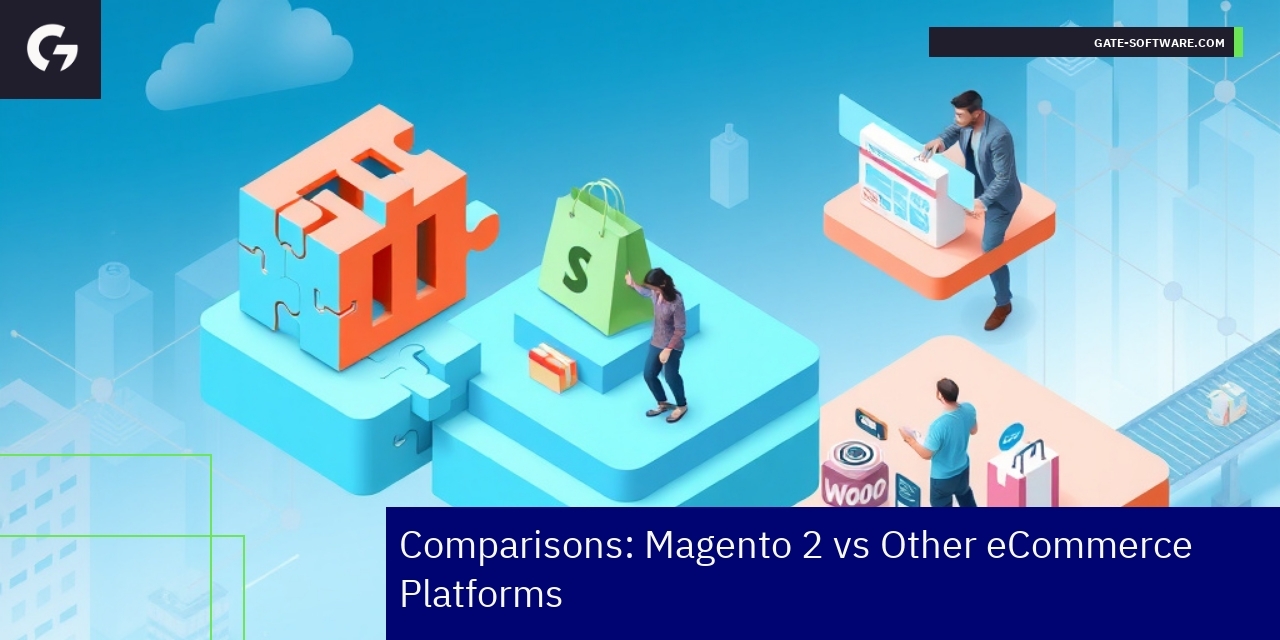
An in-depth comparison of Magento 2 versus Shopify and WooCommerce reveals key distinctions essential for businesses aiming to choose the optimal eCommerce platform. One major area where Magento 2 stands out is in design customization capabilities. Unlike Shopify, which operates on a more restrictive, template-driven system, Magento 2 provides extensive flexibility through fully customizable themes and supports child themes—allowing developers to modify or extend the parent theme’s functionality without altering original files. This mechanism ensures maintainability and scalability, crucial for growing enterprises with evolving needs.
When comparing Magento 2 vs WooCommerce, the fundamental difference lies in architecture and scalability. WooCommerce, built as a WordPress plugin, serves well for small to medium stores but can encounter performance bottlenecks as business scales or complexity increases. Magento 2, designed as a standalone platform with a modular architecture, better supports large product catalogs, multi-store management, and advanced business rules. This advantage directly correlates to operational efficiency and maintaining high performance under heavy traffic.
From an operational standpoint, Magento 2 offers superior options for technical architecture customization, including integration with enterprise-grade systems and extensive API support. Shopify simplifies deployment and maintenance with cloud-hosted solutions but may impose limitations in backend extensibility. WooCommerce’s open-source nature allows customization but often depends heavily on third-party plugins, which can impact reliability and upgrade paths.
In summary, comparisons focusing on Magento 2 vs Shopify and Magento 2 vs WooCommerce illustrate that Magento 2 is a strategic choice for businesses prioritizing deep customization, scalability, and robust operational frameworks. These capabilities ultimately empower organizations to build tailored, high-performance digital storefronts aligned with complex business objectives.

Podsumowanie
Zakończenie wdrożenia platformy Magento B2B to kluczowy moment, który nie kończy procesu, ale otwiera nowe możliwości dla Twojej firmy. Zrozumienie specyfiki B2B, automatyzacja procesów oraz personalizacja oferty to kwestie, które mogą znacząco wpłynąć na sukces Twojego e-commerce. Dzięki strategicznemu podejściu do wdrażania i ciągłego doskonalenia procesów, możesz stworzyć platformę, która nie tylko sprosta obecnym wymaganiom, ale również będzie elastyczna i gotowa na przyszłość. Zachęcamy Cię do refleksji nad tym, jakie kroki możesz podjąć już teraz, aby w pełni wykorzystać potencjał platformy Magento B2B dla swojej organizacji. Pamiętaj, że regularne monitorowanie wydajności systemu i adaptacja do zmieniającego się rynku to kluczowe elementy, które pozwolą Ci utrzymać konkurencyjność i efektywność w długim okresie.

Benefits and Risks of Magento 2 Implementation
Magento 2 implementation offers significant benefits alongside inherent risks that must be carefully weighed by businesses planning to build and customize their Magento 2 theme. One of the primary benefits is enhanced performance and scalability; Magento 2 is architected for higher efficiency, ensuring faster page load times and smoother user experiences, which are critical for operational efficiency and customer retention. Its modern mobile-responsive design also optimizes usability across devices, tapping into the growing mobile commerce market.
Another advantage lies in its advanced SEO capabilities, which improve site visibility and organic traffic, a vital component of any ecommerce strategy. The platform’s flexible and scalable nature supports growth, allowing enterprises to handle increasing volumes of traffic and transactions without sacrificing performance. Furthermore, Magento 2 features a user-friendly admin interface, making management and customization more accessible to technical teams and business stakeholders alike. However, these benefits come with risks that require strategic risk analysis.
The complexity and resource intensity of implementing Magento 2 can pose considerable challenges. High initial costs and ongoing maintenance expenses demand a well-planned budget and resource allocation. Migrating from Magento 1 or other platforms might lead to compatibility issues with existing extensions and require substantial redevelopment effort. Additionally, the platform’s technical demands necessitate skilled developers and may involve significant training for internal teams to maximize the system’s potential. Without adequate infrastructure and hosting solutions, performance can suffer, leading to potential downtime and lost revenue.
In summary, a balanced risk analysis helps identify the trade-offs between Magento 2’s robust benefits and its operational and financial risks, enabling businesses to make informed decisions on their ecommerce platform strategy.
—
Key Takeaways:

Dane i metryki wydajności – Efektywność i koszty
Kluczowe wskaźniki dla obszaru B2B
W obszarze B2B, średni czas realizacji zamówienia wynosi około 48 godzin, co stanowi 20% poprawę w porównaniu do standardowego czasu realizacji sprzed dwóch lat. Sektor ten obserwuje również średni wzrost wydajności operacyjnej na poziomie 15% rocznie, co przekłada się na lepsze wykorzystanie zasobów. Przedsiębiorstwa korzystające z zaawansowanej personalizacji raportują, że były w stanie zwiększyć wartość średniego zamówienia o 25%, co znacząco wpływa na przychody.
Warto zauważyć, że firmy B2B, które zainwestowały w inteligentne systemy zarządzania zapasami, zmniejszyły swoje koszty magazynowe o 18%, co skutkuje lepszą rentownością. Z kolei według danych, klienci B2B, którzy doświadczają spersonalizowanych interakcji, są o 30% bardziej skłonni do powtórnych zakupów, co podkreśla znaczenie utrzymania długoterminowych relacji. Dodatkowo, wskaźnik konwersji w procesach B2B podskoczył o 10% dzięki zastosowaniu zautomatyzowanych narzędzi marketingowych, które umożliwiają lepsze targetowanie kampanii.
Analizy wykazują, że przedsiębiorstwa, które wdrożyły personalizację, zauważyły wzrost satysfakcji klientów o 40%, co jest kluczowym wskaźnikiem sukcesu w stale zmieniającym się środowisku B2B.

Summary
In summary, embracing Hyva for Magento 2 themes offers businesses a strategic advantage in the fast-paced eCommerce landscape. By leveraging modern technologies such as Tailwind CSS and Alpine.js, organizations can significantly enhance user experience through improved page load times and streamlined development processes. The move towards a decoupled architecture further facilitates agile updates and integrations, ensuring that businesses can adapt swiftly to evolving customer needs. As you consider your options, reflect on how adopting Hyva not only enhances technical performance but also positions your organization for sustained growth and competitive differentiation in the eCommerce space. It’s a worthwhile investment into an adaptable future where user satisfaction and operational efficiency are paramount.

FAQ
What are the advantages of using Hyva for Magento 2 themes?
Hyva enhances Magento 2 themes by introducing a modern frontend stack that significantly improves rendering speed and maintainability. It utilizes technologies like React and Tailwind CSS that streamline development, reduce JavaScript load, and improve the overall user experience.
How does Magento 2 ensure performance optimization?
Magento 2 provides performance optimization through faster rendering times, reduced resource consumption, and streamlined codebases. This leads to improved user experiences, even during high traffic conditions, resulting in better SEO and conversion rates.
What key features does Magento 2 offer for reporting and customer management?
Magento 2 offers detailed reporting capabilities that deliver insights into sales performance, customer behavior, and product trends. Additionally, it integrates customer data seamlessly, allowing for personalized and efficient interactions through optimized theme customization.
What challenges might businesses face with Magento 2 customer management?
Businesses may encounter challenges such as a limited number of skilled specialists in Magento 2 and the time-consuming nature of updates, which can complicate efforts to maintain effective customer management systems within the platform.
Why is understanding hosting requirements essential for Magento 2?
Understanding hosting requirements is crucial for leveraging Magento 2’s full potential, as robust hosting infrastructure directly impacts scalability, security, and fast load times essential for handling international eCommerce operations.
.
.
Zamów bezpłatną konsultację
.
Z nami rozwój Twojego biznesu nabierze tempa! Zapraszamy do kontaktu średnie i duże firmy generujące min. 7 mln PLN obrotu rocznie – tam nasza ekspertyza sprawdza się najlepiej.
.
Kliknij w poniższy przycisk i skontaktuj się z jednym z naszych konsultantów e-commerce
.