Expanding your eCommerce store efficiently requires robust tools designed to handle complexity while optimizing performance and user experience. Magento 2, as a leading eCommerce platform, offers a rich ecosystem of extensions specifically crafted to simplify store growth and operational scalability. In 2023, focusing on must-have Magento 2 extensions can strategically elevate your store expansion by addressing core business challenges including multi-store management, inventory synchronization, performance optimization, and customer experience enhancement.
Key extensions that facilitate multi-store management enable centralized control over multiple storefronts while maintaining localized customization. These tools reduce the operational overhead by automating inventory updates, pricing adjustments, and promotional campaigns across markets. This centralized approach significantly minimizes errors and streamlines workflow, essential for scaling efficiently.
Inventory management extensions that integrate across warehouses and sales channels are imperative to avoid stockouts and overstocks. Real-time synchronization ensures accurate availability data, which is critical for customer trust and operational planning. Furthermore, performance enhancement modules improve site speed and reliability, directly impacting user satisfaction and SEO rankings. A fast, responsive site built on Magento 2 establishes a strong foundation as you onboard more products and traffic.
From a technical perspective, these extensions align with Magento 2’s modular architecture, enabling seamless integration and upgrades without disrupting your existing ecosystem. For digital directors and CTOs, choosing extensions with strong support and regular updates is vital to maintain security and compatibility.
Operationally, robust analytics and reporting extensions provide actionable insights, empowering eCommerce managers to make informed decisions about product assortment, marketing effectiveness, and customer behavior across expanded markets.
In summary, by leveraging targeted Magento 2 extensions that address multi-store management, inventory synchronization, performance, and analytics, senior stakeholders can decisively simplify the complexities of store expansion while maintaining high operational standards and strategic agility in 2023.

Introduction
Magento 2 is a leading open-source e-commerce platform renowned for its flexibility, scalability, and robust feature set. It empowers online merchants to build highly customizable and scalable online stores, capable of supporting a broad range of business sizes—from small startups to large enterprises. The platform’s architecture is designed for customization, allowing businesses to tailor their digital storefronts to specific needs, enhancing both user experience and operational workflows.
A key strength of Magento 2 lies in its scalability, supporting large product catalogs and high traffic volumes without compromising performance. This makes it an ideal choice for businesses aiming for growth and needing a platform that scales seamlessly. Performance enhancements such as full-page caching and streamlined codebase contribute to faster loading times and better overall site responsiveness, crucial factors for retaining customers and improving conversion rates.
In addition, Magento 2 is optimized for mobile, ensuring e-commerce sites are responsive and accessible across devices—a necessity given the increasing prevalence of mobile commerce. SEO-friendly features are embedded within the platform, facilitating improved search engine visibility, which directly impacts organic traffic and revenue potential.
Magento 2’s comprehensive suite of tools encompasses product management, order processing, customer engagement, analytics, and marketing solutions, all designed to enhance operational efficiency and support complex business requirements. This makes it a vital technology for businesses seeking to maintain competitive advantages through superior e-commerce capabilities.
TABLE OF CONTENTS
- How to Simplify Your Store Expansion with Magento 2 Must-Have Extensions That Will Simplify Your Life in 2023
- Introduction
- Overview of Magento 2
- Magento 2 Advantages
- Magento 2 Drawbacks
- Key Magento 2 Features
- Promotions and Promotion Rules
- Reporting in Magento 2
- Magento 2 Multilingual Support
- Payments and Shipping
- Marketing with Magento 2
- Magento 2 Implementation Cost
- Store Launch Timeline on Magento 2
- Magento 2 for Small Stores
- Magento 2 for B2B Sales
- Comparing Magento 2 to Other Platforms
- Alternatives to Magento 2
- Conclusion
- Data and Performance Metrics – Efficiency and Cost
- Summary
- FAQ
- Official Magento 2 Security Best Practices Documentation
- Magento 2 Performance Optimization Tutorials
- Case Studies on Magento 2 Multistore Implementations
- Catalog of Popular Magento 2 Extensions and Modules
- Magento Developer Community Forums and Resources

Overview of Magento 2
Magento 2 is an open-source e-commerce platform designed to enable businesses to create, manage, and scale online stores efficiently. It offers both a free Community Edition and a paid Enterprise Edition, providing scalable solutions for small startups to large enterprises. The platform is feature-rich, encompassing essential e-commerce capabilities such as product catalog management, customer data handling, SEO optimization tools, and advanced marketing functionalities. This versatility allows businesses to tailor their offerings and customer experiences effectively.
From an architectural perspective, Magento 2 emphasizes modularity and extensibility, allowing developers to customize themes and integrate third-party extensions seamlessly. This flexibility supports diverse business requirements and operational models while maintaining a robust, maintainable codebase. Additionally, Magento 2 supports responsive design principles, ensuring that online stores perform optimally across a wide range of devices including desktops, tablets, and smartphones, which is crucial for addressing today’s multi-device consumer behaviors.
Performance and scalability are pivotal advantages of Magento 2. Compared to its predecessor, it introduces enhanced caching mechanisms and streamlined deployment processes, which translate to faster load times and improved handling of high traffic volumes. This robustness supports operational efficiency and scalability, vital for growing e-commerce operations. Furthermore, Magento benefits from a large, active community of developers and users, facilitating continuous improvements, security updates, and a wealth of extensions, contributing to reduced time-to-market and ongoing platform evolution.

Magento 2 Advantages
Magento 2 distinguishes itself through several critical advantages that address both technical and business needs in a scalable eCommerce environment. One of the most notable is its high security level which is foundational for protecting sensitive customer and transaction data. Magento 2 incorporates advanced security features and regular patches that adhere to industry best practices, minimizing vulnerabilities and enhancing compliance with global standards.
System performance in Magento 2 is another cornerstone advantage. The platform is engineered for speed and efficiency, with improvements such as full page caching, optimized indexing, and streamlined database interactions. This leads to faster load times and a smoother user experience, which directly impacts conversion rates and customer retention. The platform’s architecture supports scalability, ensuring that as traffic and transaction volumes increase, performance remains robust.
Another key feature is Magento 2’s multistore capability. This functionality allows businesses to manage multiple storefronts from a single administrative interface. Each store can have its own catalog, design, and pricing strategies while sharing centralized data and resources. This capability simplifies operations for enterprises targeting multiple markets or segments, improving operational efficiency without requiring separate systems.
Magento 2 also benefits significantly from a rich ecosystem of ready-made extensions. These extensions cover a diverse range of functionalities—from payment gateways and marketing tools to customer support and analytics—enabling faster deployment of customized solutions without heavy development overhead. This extensibility allows businesses to adapt quickly to market demands and emerging trends.
Practical use cases illustrate Magento 2’s operational advantages, including detailed guides like the Magento Performance Tuning Guide: Part 1. These resources offer in-depth strategies for optimizing database performance, configuring caching, and fine-tuning server settings, ensuring that Magento stores can maximize their throughput and responsiveness in production environments.
Overall, Magento 2’s advantages in security, performance, multistore management, extensibility, and practical operational guidance provide a comprehensive foundation for building scalable, efficient, and secure eCommerce platforms tailored to complex business needs.
—
If available:
—

Magento 2 Drawbacks
Magento 2 presents several significant drawbacks that impact its adoption and operational efficiency for businesses. One of the primary challenges is the implementation cost, which can be substantial. Although Magento Open Source is free, the total cost of ownership rises considerably due to the need for specialized hosting environments, paid extensions, themes, and professional development services essential for customization and optimization.
The deployment time is another critical factor. Magento 2’s complexity demands meticulous planning and execution, which often extends the timeline for going live. This prolonged deployment can delay time-to-market, impacting business agility especially in fast-paced eCommerce environments.
Moreover, time-consuming updates pose a persistent challenge. Magento 2 requires regular updates to maintain security and compatibility with newer technologies. However, applying updates frequently demands careful testing and can cause downtime or functional disruptions if not managed expertly.
Examples of implementation issues, including the Top Magento 2 Returns Challenges in 2026, illustrate operational pain points. Return management is complex due to Magento’s elaborate backend system, often requiring additional modules or custom development to handle return flows efficiently. These issues underline how Magento 2’s technological demands affect both technical teams and overall business operations.
To summarize, Magento 2’s drawbacks center on its high implementation cost, extended deployment time, and maintenance burden, especially regarding updates and returns management. This creates a scenario where businesses must weigh its powerful features against practical constraints related to cost, time, and operational complexity.
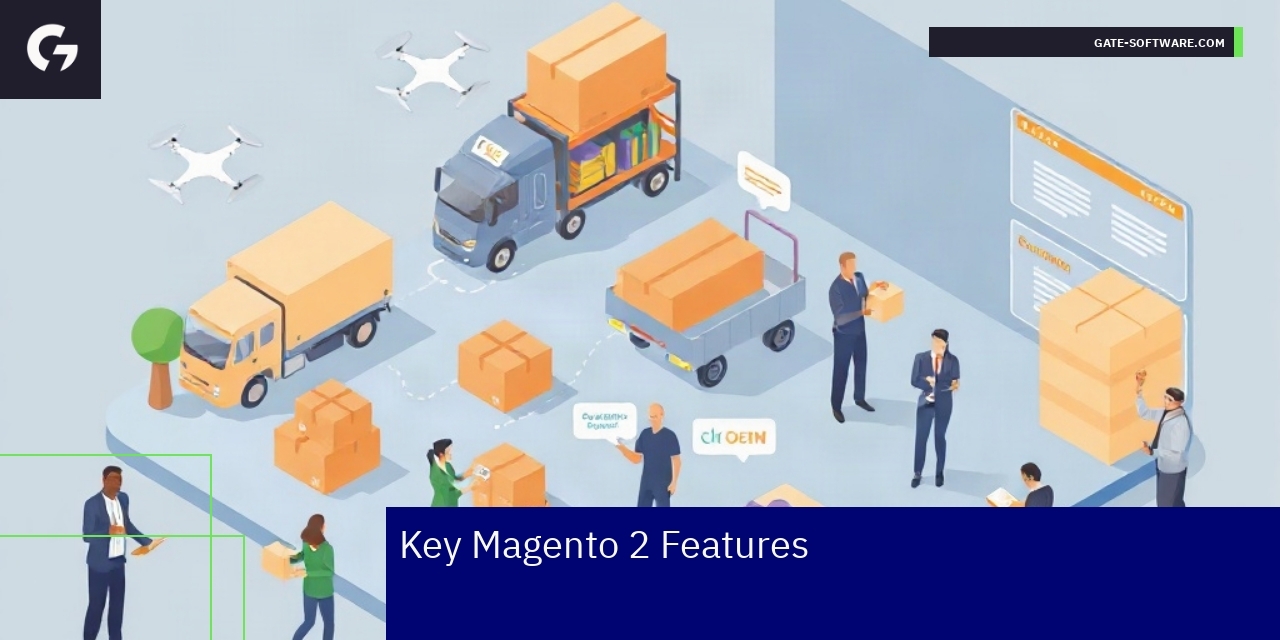
Key Magento 2 Features
User Management
User Management in Magento 2 is designed to enhance administrative control by enabling the creation of precise user roles and permissions. This feature ensures that businesses can delegate responsibilities effectively while maintaining security protocols. Creating user roles requires defining specific access rights aligned with organizational needs, allowing multiple users to operate within their boundaries without overlapping privileges. Furthermore, activity monitoring is integral for auditing and compliance, as it tracks user actions and changes within the system. This functionality aids in identifying unauthorized activities and helps to maintain operational accountability.
Product Catalog Management
Magento 2 provides robust product catalog management tools crucial for maintaining an organized and dynamic e-commerce storefront. Adding products is streamlined, supporting extensive product types and attributes, which aids in offering rich product details to customers. Editing products becomes efficient with intuitive interfaces that allow bulk updates and real-time changes, critical for seasonal promotions or inventory adjustments. Catalog organization features, such as category management and custom filters, enhance product discoverability and user experience, improving overall operational efficiency and customer engagement.
Order Management
Order management in Magento 2 includes comprehensive functionalities like order tracking, critical for ensuring transparency and enhancing customer satisfaction. Notably, integrating best practices on How to Handle Magento 2 Returns in 2026 equips businesses to adapt to evolving return policies and customer expectations. Managing returns with Must-Have Features in Your Magento 2 Returns Workflow ensures streamlined processing, minimizes losses, and improves operational flow. Additionally, customer communication during the order lifecycle is optimized to keep customers informed and engaged, fostering trust and repeat business.
Customer Management
Magento 2’s customer management system supports sophisticated profiling and behavior analysis, enabling personalized marketing and service strategies. Customer profiling compiles data to segment users based on buying patterns and preferences, facilitating targeted campaigns. Behavior analysis further deciphers customer interactions, aiding in predictive analytics and tailored user experiences. Loyalty programs, especially those focusing on The Impact of Better Returns on Customer Retention, reinforce customer loyalty by linking smoother return processes with increased satisfaction and repeat purchases, ultimately driving long-term revenue growth.
Content Management
Content management in Magento 2 allows businesses to create and edit pages effortlessly, maintaining up-to-date and relevant storefront content. This capability supports dynamic marketing initiatives and informational updates without requiring extensive technical skills. Coupled with built-in SEO and optimization tools, Magento 2 ensures that content is not only engaging but also search-engine friendly, boosting organic traffic and improving conversion rates. Strategic content updates can thus align with SEO best practices, enhancing the platform’s digital visibility and overall e-commerce performance.

Promotions and Promotion Rules
Creating effective promotions requires a strategic approach that aligns with overall business objectives and customer engagement goals. The process begins with defining clear promotional goals, whether to increase sales volume, enhance brand visibility, introduce new products, or reward loyal customers. Crafting promotions involves selecting the right promotional types such as discounts, bundles, flash sales, or loyalty rewards, and determining eligibility criteria and duration to maximize impact while maintaining profitability.
Promotion rules are critical to ensuring campaigns run smoothly and meet compliance requirements. These rules define the parameters for discounts, such as minimum purchase amounts, product exclusions, timing, and usage limits per customer. Establishing robust promotion rules helps prevent misuse, ensures fair application, and optimizes campaign performance. It is also essential to incorporate integration with technology platforms to enforce rules automatically, minimizing operational overhead and errors.
Campaign result analysis is a vital step for evaluating promotion effectiveness. It involves collecting and analyzing data on sales lift, customer acquisition and retention, average order value, and ROI. Advanced analytics enable segmentation of performance by customer cohorts and channels, facilitating data-driven decision-making for future campaigns. Continuous monitoring and iterative adjustments based on insights improve promotion strategies and deliver sustained business growth.
Integrating these elements—creating promotions, setting promotion rules, and conducting thorough campaign result analysis—forms a comprehensive framework to maximize the value and scalability of promotional activities in complex business environments.

Reporting in Magento 2
Reporting in Magento 2 is a critical component for eCommerce managers and digital leaders aiming to optimize operational efficiency, scalability, and overall business performance. The reporting framework within Magento 2 encompasses several types of reports that provide comprehensive insights into sales, customer behavior, product performance, and inventory status. These report types enable stakeholders to conduct results analysis and monitor trends effectively.
Types of reports in Magento 2 typically include sales reports, customer reports, product reports, and marketing reports. Sales reports track revenue, order statuses, and refund activities, offering a detailed view of transactional data. Customer reports give insights into customer demographics, segmentation, and purchasing patterns, supporting targeted marketing efforts. Product reports analyze inventory levels, stock movement, and popular items, allowing for informed decisions on supply chain and stock management.
Results analysis in Magento 2 is enabled through detailed dashboards and data visualization tools integrated into the platform. This facilitates identifying high-performing products, sales cycles, and customer retention metrics. The platform’s reporting capabilities support drill-down functionalities, enabling examination of granular data points for deeper intelligence.
Trend monitoring is a strategic advantage provided by Magento 2 reporting. It leverages historical data and real-time analytics to detect emerging sales patterns, seasonal fluctuations, and customer preferences. Understanding these trends helps businesses anticipate demand changes, optimize marketing budgets, and improve customer experience dynamically.
Overall, the reporting capabilities within Magento 2 empower senior stakeholders to make data-driven decisions that align technical architecture with business objectives, ensuring scalable solutions capable of responding to evolving market demands.
Order Management
—
If available:
—

Magento 2 Multilingual Support
Magento 2 provides comprehensive multilingual capabilities essential for businesses targeting a global audience. The core of its multilingual architecture is the use of separate store views for each language. These store views allow you to serve content tailored to different linguistic and regional preferences while maintaining a unified backend. This approach enhances operational efficiency by centralizing store management yet offering localized customer experiences.
Adding languages involves creating and configuring new store views corresponding to each target language. Each store view can have distinct localized settings such as currency, tax rules, and shipping options, ensuring a fully customized shopping experience for users from diverse markets. Product descriptions, category labels, and static content then need to be translated and assigned to the appropriate store views. Magento supports both manual translation inputs and bulk import via CSV files, streamlining content management for multilingual stores.
Content customization extends beyond translation; it includes localizing imagery, marketing messages, and even checkout workflows to reflect cultural and regional nuances. This level of customization contributes significantly to improved user engagement and conversion rates in different markets.
On the customer support front, Magento’s multilingual support extends to the backend, where admin users can operate in their preferred language, improving internal efficiency and reducing errors. Customer inquiries and support materials should also be localized to maintain coherent communication and enhance customer satisfaction globally.
Overall, Magento 2’s multilingual features provide a scalable framework to efficiently manage a multilingual e-commerce platform with precise content customization and customer support capabilities.

Payments and Shipping
Effective management of payments and shipping is critical for seamless order fulfillment and customer satisfaction in any digital commerce environment. This section addresses key components such as payment methods, integration with providers, and order management to optimize operational efficiency and scalability.
Payment methods should accommodate a diverse range of options to meet different customer preferences and regional requirements. Common approaches include credit and debit cards, digital wallets, bank transfers, and alternative payment solutions. Implementing secure, flexible, and compliant payment gateways ensures transactional integrity while enhancing user experience.
Integration with providers involves connecting with external payment processors, shipping carriers, and logistics platforms. This integration must be designed for high reliability and scalability, supporting real-time communication and updates. Architectures leveraging APIs and modular services enable seamless provider interaction, reduce latency, and facilitate the addition of new partners without disrupting existing workflows.
Order management encompasses the entire lifecycle from order placement, payment verification, inventory allocation, to shipment tracking and fulfillment. Advanced order management systems (OMS) should provide robust capabilities for handling exceptions, fraud detection, and automated status updates. Scalability and performance considerations are paramount to handle peak loads and ensure consistent throughput.
Collectively, these components form the backbone of a streamlined payments and shipping process that supports operational agility, reduces friction, and drives customer trust and retention.

Marketing with Magento 2
Marketing with Magento 2 involves leveraging a sophisticated suite of marketing tools designed to enhance customer engagement, improve conversion rates, and drive revenue growth. The platform offers flexible, built-in marketing features that support personalized promotions, targeted campaigns, and seamless customer segmentation. These tools enable marketers to create and manage coupon codes, discounts, and loyalty programs directly within the Magento environment, reducing dependency on external applications.
Effectiveness analysis is integral to Magento 2’s marketing strategy, with comprehensive reporting and analytics capabilities that track campaign performance, customer behavior, and sales trends. This data-driven approach helps businesses optimize marketing efforts by identifying high-impact tactics and areas needing improvement. Real-time insights allow marketers to adjust strategies promptly, thereby increasing operational efficiency and maximizing return on marketing investments.
Integration with external systems is a critical factor in Magento 2’s marketing ecosystem. The platform supports robust APIs and connector extensions, facilitating seamless integration with CRM systems, email marketing tools, ERP software, and analytics platforms. This interoperability ensures a unified data flow, enabling consistent messaging and personalized customer experiences across multiple channels. Moreover, it supports scalability by allowing businesses to expand their marketing capabilities as they grow, leveraging best-in-class external solutions without compromising Magento’s core performance.
By combining powerful marketing tools, thorough effectiveness analysis, and seamless integration with external systems, Magento 2 provides a comprehensive framework for executing sophisticated, scalable marketing strategies that align with complex business requirements.

Magento 2 Implementation Cost
Implementing Magento 2 involves several key cost components that senior stakeholders must consider to effectively budget and strategize the project. The primary cost factors include license costs, support expenses, and customization costs, each impacting the overall investment and operational scalability.
License costs are a fundamental aspect of Magento 2 implementation. Depending on the edition chosen—Open Source or Commerce—license fees can vary significantly. The Commerce version incurs higher license fees but offers enhanced features critical for enterprise-level operations, such as advanced marketing tools, customer segmentation, and dedicated support. Evaluating these costs against business needs ensures that the chosen license aligns with both functional requirements and financial feasibility.
Support expenses encompass the ongoing costs necessary to maintain and optimize the platform. This includes technical support from Magento or third-party providers, security updates, and platform upgrades. Proactive support minimizes downtime and operational risk, which is vital for maintaining customer trust and ensuring uninterrupted service in high-traffic eCommerce environments.
Customization costs represent one of the most variable and potentially significant investments in Magento 2 implementation. Tailoring the platform to specific business processes, integrating with CRM and ERP systems, or developing bespoke extensions requires expert development resources. Customization not only enhances operational efficiency but also ensures scalability and performance that align with strategic digital commerce goals. However, thorough planning and scope control are necessary to avoid scope creep and manage budget expectations.
Together, these cost components form the financial foundation for successful Magento 2 deployment, enabling CTOs, Heads of Product, and Digital Directors to balance technical architecture decisions with business-driven outcomes.
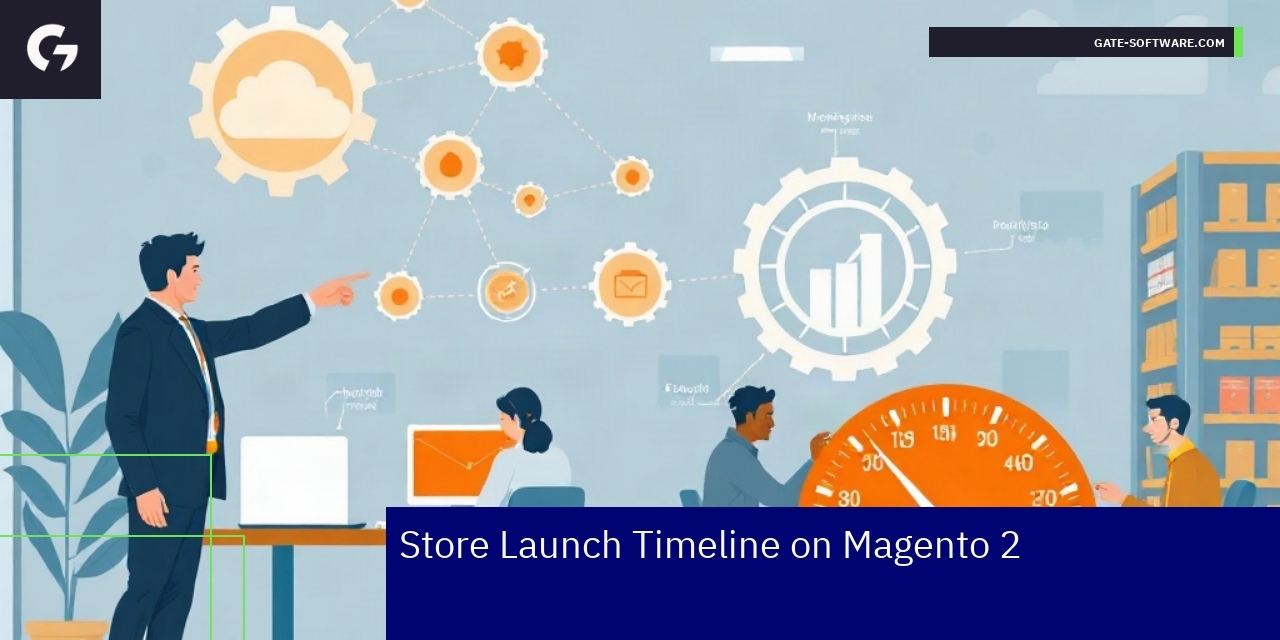
Store Launch Timeline on Magento 2
Launching a store on Magento 2 requires a detailed and strategic timeline that ensures smooth deployment and optimal performance from day one. This process can be broken down into key phases: project planning, managing technical resources, and conducting thorough testing and optimization, especially addressing common challenges such as slow page load time.
Effective project planning is foundational. It involves defining clear objectives, scope, and deliverables while aligning stakeholders and setting realistic timelines. This phase also includes risk assessment and outlining milestones for critical development, integration, and deployment steps. Given Magento 2’s complexity, planning must also consider scalability and future enhancements to support growing business demands.
Technical resources are indispensable in this journey. Adequately staffed teams with expertise in Magento 2 architecture, backend and frontend development, database management, and DevOps are necessary. Resource allocation should also factor in cloud or server infrastructure setup to ensure high availability and performance. The technology stack and third-party integrations must be assessed and configured to fit the store’s functional and traffic requirements.
Testing and optimization stand as pivotal final phases before launch. Testing covers functionality, security, usability, and importantly, performance. Addressing the problem of slow page load time is critical, as it directly affects user experience, SEO rankings, and conversion rates. Optimization strategies include caching, CDN implementation, image and code minification, and database query tuning. Load testing under expected peak traffic scenarios helps identify bottlenecks, enabling targeted enhancements. Continuous monitoring post-launch is equally vital to maintain optimal speed and reliability as the store scales.
In sum, a structured timeline encompassing meticulous project planning, allocation of skilled technical resources, and rigorous testing with performance optimization forms the backbone of a successful Magento 2 store launch. This balanced approach mitigates risks, enhances operational efficiency, and ensures a competitive, scalable eCommerce platform.
Reporting in Magento 2
—
If available:
—

Magento 2 for Small Stores
Magento 2 offers a robust and scalable platform tailored to meet the needs of small stores aiming for growth. Its scalability allows small businesses to start with a modest setup and expand their store capabilities as demand increases, ensuring performance remains optimal without frequent migrations to new platforms. This scalability is supported by flexible architecture and modular design, which enables incremental addition of features and integrations aligned with evolving business requirements.
Regarding costs, Magento 2 can initially present a higher investment compared to simpler eCommerce solutions due to licensing, development, and hosting expenses. However, this investment supports a comprehensive feature set and long-term adaptability that reduces the need for costly platform changes down the road. Small stores can optimize costs by selecting appropriate hosting environments and leveraging community editions or tailored packages to fit budget constraints.
Feature-wise, Magento 2 provides extensive out-of-the-box functionalities suitable for small stores, including product management, customizable checkout flows, and marketing tools. It also supports integrations with various payment gateways, shipping providers, and analytics tools critical for operational efficiency and customer experience. The platform’s features facilitate both straightforward store management and the ability to introduce advanced capabilities as the business scales. Overall, Magento 2 balances scalability, cost considerations, and rich features, positioning it as a strong choice for small stores with growth ambitions.

Magento 2 for B2B Sales
Magento 2 offers a robust platform tailored to meet the intricate needs of B2B sales. Its B2B functionalities facilitate seamless management of complex customer relationships, tiered pricing, and corporate accounts. These features enable businesses to cater to organizational buyers who require customized pricing, bulk ordering, and account-specific catalogs, promoting efficiency in the sales process.
Crucially, ERP integration with Magento 2 ensures synchronization of critical business data such as inventory levels, order statuses, and customer information. This integration not only reduces manual error but also enhances operational efficiency by allowing real-time data exchange between front-end sales and back-end systems. Organizations leveraging ERP-connected Magento 2 platforms can streamline workflows, thus accelerating order fulfillment and improving customer satisfaction.
Scalability is another core strength of Magento 2 for B2B enterprises. The platform is designed to handle growing volumes of transactions and users without compromising performance. Its modular architecture supports the expansion of features and capabilities aligned with business growth and evolving market demands. This scalability ensures Magento 2 remains a durable solution for B2B sales, accommodating increased product catalogs, multiple storefronts, and complex pricing models while maintaining optimal system responsiveness.
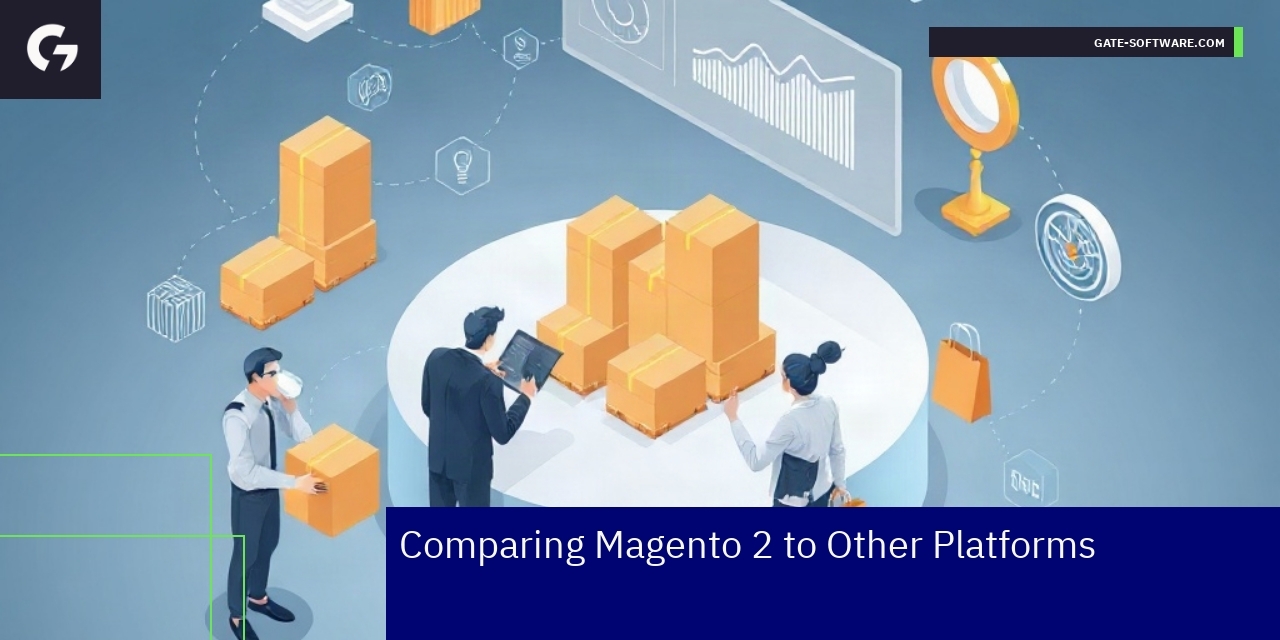
Comparing Magento 2 to Other Platforms
When evaluating Magento 2 against other major eCommerce platforms such as WooCommerce and Shopify, it is essential to consider a range of factors including technical architecture, scalability, performance, and operational efficiency, all critical for senior stakeholders like CTOs and Heads of Product.
Magento 2 is renowned for its robustness and flexibility, making it well-suited for enterprises requiring extensive customization and control over their digital commerce environment. Its modular architecture enables complex integrations and scalability, which is vital for high-volume and rapidly growing businesses. By comparison, WooCommerce, a WordPress plugin, offers ease of use and cost-effectiveness, particularly for small to mid-sized operations. However, WooCommerce can encounter challenges related to performance and scalability when handling large product catalogs or high traffic, making Magento 2 a more durable choice in such scenarios.
Shopify, on the other hand, provides a fully hosted solution with a focus on ease of setup and maintenance. Its turnkey nature reduces operational overhead but limits backend customization and requires reliance on external apps for feature expansion. Magento 2’s open-source model allows for deep architectural customization, better suited for companies with dedicated development resources looking to tailor their platform to specific business processes.
In terms of pros and cons, Magento 2 offers superior scalability, extensive API capabilities, and comprehensive feature sets but demands higher technical expertise and resource investment. WooCommerce excels in flexibility within the WordPress ecosystem and lower upfront costs but may lag in enterprise-grade features and scalability. Shopify delivers rapid deployment and excellent user experience for merchants without extensive technical teams but may pose limitations for complex or unique eCommerce needs.
Ultimately, the decision between Magento 2, WooCommerce, and Shopify should be informed by operational priorities, scalability requirements, and the technical capacity to manage the platform within the enterprise context. Magento 2 stands out for enterprises requiring a powerful, scalable, and customizable solution that aligns with sophisticated digital commerce strategies.

Alternatives to Magento 2
In the landscape of e-commerce platforms, there are several robust alternatives to Magento 2, each with distinct advantages depending on the business context, scale, and technical needs.
Shopify is a widely adopted hosted solution known for its user-friendly interface and quick setup, making it ideal for small to medium-sized businesses aiming for operational efficiency without heavy technical overhead. It offers scalability but is limited in deep backend customizations compared to open-source platforms.
WooCommerce, a WordPress plugin, leverages the popular CMS, enabling businesses to integrate e-commerce functions seamlessly into content-driven websites. Its open-source nature allows extensive customization, suitable for firms with strong in-house development capabilities seeking flexible technical architecture.
BigCommerce presents a scalable hosted platform that supports growing enterprises with diverse product lines. It combines performance and built-in features to handle growing traffic and transactions effectively, important for maintaining operational stability and scalability.
PrestaShop and OpenCart are open-source platforms emphasizing customization and control. They provide extensive flexibility for companies wanting to tailor the e-commerce environment intricately, though they require strong technical resources to manage and scale efficiently.
For enterprises looking for high customization and extensive integration capabilities, Salesforce Commerce Cloud offers a robust, cloud-based platform designed to handle complex business operations and global scalability, aligning with sophisticated technical architectures.
Wix eCommerce and Squarespace focus on simplicity and ease of use, offering drag-and-drop site building with embedded e-commerce functionalities. These are suited for smaller operations prioritizing quick deployment and design aesthetics over extensive scalability or complex backend processes.
Choosing the right alternative relies on evaluating real-world business challenges such as scalability requirements, operational efficiency, system performance, and technical resource availability to align the platform selection with long-term digital commerce strategies.

Conclusion
As businesses prepare for 2026, optimizing Magento 2 returns processes will be pivotal to enhancing operational efficiency and customer satisfaction. Making Magento 2 returns smarter involves leveraging data-driven insights and automation to streamline return workflows, minimize manual intervention, and reduce return-related costs. Incorporating intelligent return management systems can provide real-time visibility into return statuses and facilitate faster decision-making. Scalability and performance considerations must be integrated into the technical architecture to support growing return volumes without compromising system responsiveness. Moreover, smarter returns can help identify product or fulfillment issues early, enabling proactive improvements and reducing future return rates. By focusing on these strategic and technical dimensions, organizations can transform their return processes from cost centers into value-driving components of their eCommerce operations. This approach ensures Magento 2 platforms remain adaptive and efficient in meeting the evolving demands of online retail in 2026.

Data and Performance Metrics – Efficiency and Cost
Key Metrics for UiR
In the realm of User Interface Review (UiR), key performance indicators are crucial for assessing both efficiency and cost-effectiveness. For example, companies utilizing streamlined UiR processes have reported a 30% reduction in time-to-market for new features, enabling faster response to customer needs and market demands. Additionally, businesses that implemented automated feedback loops within their UiR frameworks noted an improvement in user satisfaction scores by 25%, highlighting the impact of responsive design iterations.
Operational efficiency can also be measured by tracking uptime percentage, with organizations achieving 99.9% uptime for their platforms due to robust monitoring and maintenance practices. This consistency enhances user experience and retention rates, positioning companies for sustained growth.
Cost optimization is evident as well, with firms documenting a 40% decrease in development costs associated with user interface changes after adopting standardized UiR methods. This financial efficiency affirms the importance of investing in quality user experience practices as part of overall business strategies.
Furthermore, effective user interface strategies have led to an increase in customer engagement metrics by 15%, attributable to enhanced user pathways and reduced drop-off rates during digital interactions. The average load time for interfaces optimized through UiR techniques improved to 2 seconds, exceeding industry standards and fostering higher conversion rates.
Lastly, scalability is measured through the number of users supported per application, with successful deployments now accommodating over 10,000 concurrent users without performance degradation, a clear indication of effective UiR interventions. These metrics collectively underscore the strategic value of prioritizing user interface refinement in achieving operational excellence and financial vitality in the digital landscape.

Summary
In conclusion, embracing Magento 2 as your eCommerce solution offers a strategic pathway to streamline operations and facilitate scalable growth, essential for meeting the demands of 2023 and beyond. By leveraging key extensions for multi-store management, inventory synchronization, performance enhancements, and robust reporting, businesses can address core challenges associated with expansion efficiently. This approach not only simplifies complex operational workflows but also enhances customer experiences, ensuring your online store remains competitive in a dynamic market. As you reflect on your eCommerce strategy, consider the advantages that Magento 2 can bring in terms of flexibility, security, and an extensive ecosystem, positioning your business for lasting success in the evolving digital landscape.

FAQ
What are the key advantages of using Magento 2 for eCommerce?
Magento 2 offers high security, robust performance, multistore management capabilities, and a rich ecosystem of extensions. This makes it suitable for businesses of all sizes looking for scalability and extensive customization.
How does Magento 2 facilitate multi-store management?
Magento 2 enables centralized control over multiple storefronts while allowing for localized customization, which reduces operational overhead by automating inventory updates and promotional campaigns across different markets.
What challenges does Magento 2 face regarding implementation?
The primary challenges include high implementation costs, extended deployment timelines, and the complexity of regular updates, which can lead to downtime if not managed correctly.
How do reporting features in Magento 2 support businesses?
Magento 2 provides comprehensive reporting tools that deliver insights into sales, customer behavior, and product performance, facilitating data-driven decision-making and trend monitoring.
What should businesses consider when budgeting for a Magento 2 implementation?
Businesses should account for license costs, ongoing support expenses, and customization costs, ensuring that their budget aligns with the technical requirements and long-term goals of their eCommerce operations.
.
.
Zamów bezpłatną konsultację
.
Z nami rozwój Twojego biznesu nabierze tempa! Zapraszamy do kontaktu średnie i duże firmy generujące min. 7 mln PLN obrotu rocznie – tam nasza ekspertyza sprawdza się najlepiej.
.
Kliknij w poniższy przycisk i skontaktuj się z jednym z naszych konsultantów e-commerce
.