Introduction
Preparing an online store for B2B sales requires a strategic approach that addresses the complex needs of business clients compared to typical B2C customers. At Gate-Software, we focus on solutions that integrate technical robustness with seamless user experience tailored specifically for B2B commerce environments. This involves aligning the platform architecture with Magento™ capabilities, ensuring compliance with WCAG standards to enhance accessibility, and implementing UX/UI designs that simplify intricate transactions typical in B2B scenarios.
Key considerations include optimizing processes for multi-user accounts, tiered pricing, custom catalogs, and integration with enterprise resource planning (ERP) systems. Our approach also emphasizes scalability and SLA-backed hosting to support high availability and performance, which are critical for maintaining business continuity. Additionally, Gate-Software’s B2B e-commerce strategy integrates deep persona insights—targeting roles such as CTOs, CDOs, eCommerce Managers, and Heads of Applications—to deliver tailored marketing and communication strategies that meet the specific decision-making criteria of these stakeholders.
By leveraging expert guidelines on platform development, continuous monitoring, and cost optimization, B2B online stores can achieve not only operational excellence but also competitive differentiation in the digital marketplace. This introduction initiates a comprehensive overview of the best practices and key technical-business challenges that we address to prepare your online B2B store for success.
TABLE OF CONTENTS
- How to Prepare Your Online Store for B2B Sales: B2B Ecommerce Best Practices for a Successful Online Store
- Definition of a B2B Online Store
- Is Launching a B2B Store Right for You?
- Cost of Setting Up a B2B Store – What Does Wholesale Online Distribution Really Cost?
- B2B Digital Marketing – Choosing the Right Strategy for Your Business
- Common Mistakes When Launching a B2B Store
- Alternatives to Traditional B2B Models
- Benefits of Owning a B2B Store
- Risks of B2B Ecommerce
- Data and Performance Metrics – Efficiency, SLA, TCO
- Summary
- FAQ
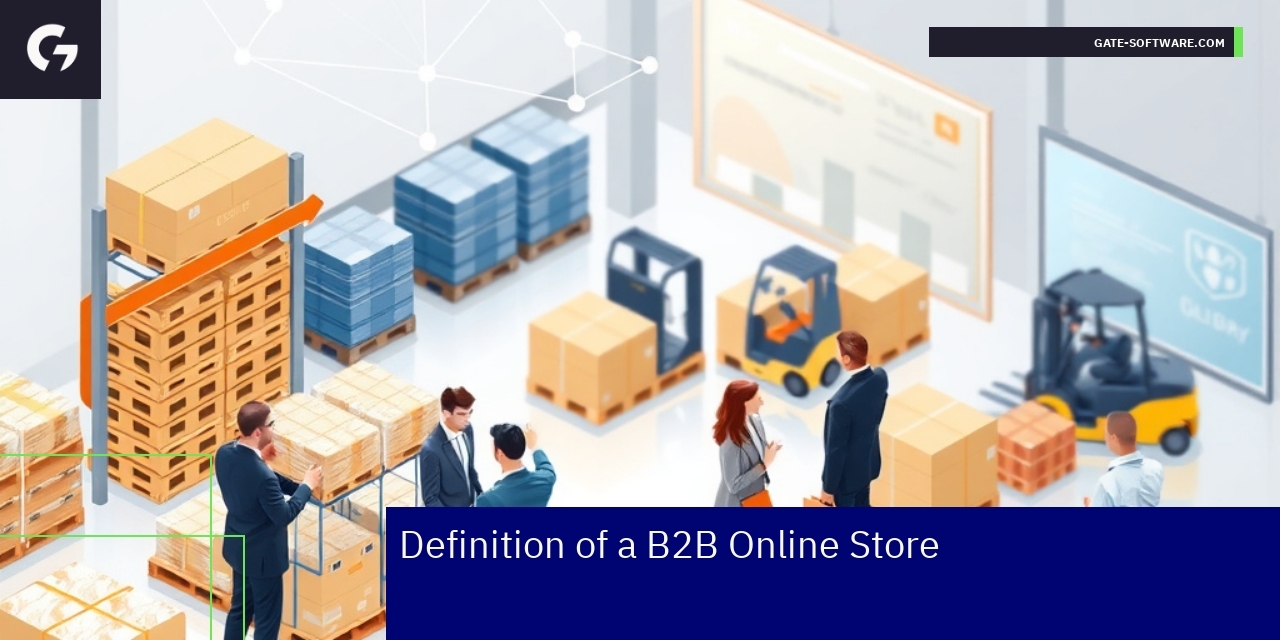
Definition of a B2B Online Store
A B2B (business-to-business) online store is a platform where companies sell products or services to other businesses. Unlike B2C (business-to-consumer) stores, which target individual customers, B2B stores focus on wholesale transactions or long-term collaboration agreements. These platforms typically offer special pricing, credit purchase options, and dedicated customer service tailored to business clients. In the context of B2B ecommerce, understanding the unique needs and purchase behaviors of business customers is crucial, including the integration of custom workflows, pricing tiers, and negotiation mechanisms. A successful B2B online store enhances efficiency by streamlining order management, providing comprehensive product catalogs with technical specifications, and enabling seamless reordering processes. This approach supports business clients in achieving their operational goals while maintaining compliance with industry standards and company policies. Integrating such capabilities ensures the store is not only a sales channel but also a strategic tool that supports complex procurement needs and fosters long-term partnerships. The platform must address the technical challenges related to scalability, security, and interoperability with existing enterprise systems, which are fundamental for maintaining a competitive advantage in the B2B market.
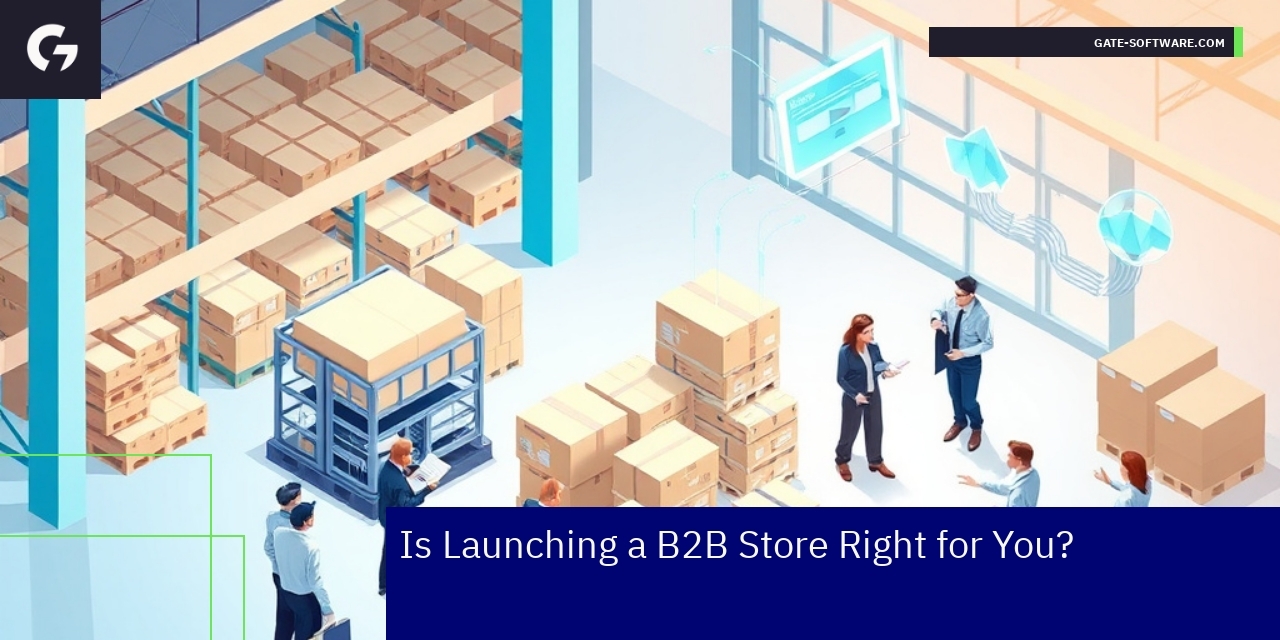
Is Launching a B2B Store Right for You?
Want to Start a B2B Store? Check out Automico B2B!
Leveraging system B2B and ecommerce B2B tools is crucial for businesses aiming to enhance their sales channels effectively. A platform B2B with capabilities such as fast product additions to the cart, 24/7 access from anywhere on earth, and customizable order attributes supports seamless transactions and orders management. These features enable customer experience optimization by providing buyers with flexibility and efficiency tailored to their business needs. Adopting such sales enablement best practices streamlines operations and helps maintain competitiveness in complex B2B environments.
Differences Between B2C and B2B Stores
Choosing the right platform B2B involves understanding fundamental distinctions from B2C models. B2B ecommerce platforms often require fixed credit limits for customers and support multiple company profiles, which facilitates business-client flexibility. These unique requirements reflect sales enablement best practices focused on balancing financial controls with smooth purchasing processes. Recognizing these differences ensures your ecommerce B2B platform aligns with customer expectations and operational workflows distinctive to the B2B sector.
B2B Store Essentials – Start in a Few Steps
A system B2B or platform B2B must efficiently support customer service teams while enabling workflows like “add to cart – check quality” to optimize order accuracy and customer satisfaction. Providing individual product feeds tailored to your ecommerce B2B model further enhances relevance and streamlines procurement for clients. Such integration and customization reflect the core of B2B ecommerce websites, which must facilitate smooth purchasing journeys and support complex sales cycles consistent with sales enablement best practices. Implementing these features ensures that your platform B2B meets evolving buyer requirements in an efficient, scalable manner.
Setting Up a B2B Store – Easier Than You Think!
Cost of Setting Up a B2B Store – What Does Wholesale Online Distribution Really Cost?
Understanding the cost structure for a system B2B or ecommerce B2B platform involves assessing platform B2B pricing and options. Take advantage of competitive pricing while offering separate deals for retail and wholesale customers with dedicated customization options. These considerations are part of security and compliance essentials and foundational best practices for B2B ecommerce success.
When setting up a B2B store, a clear understanding of platform B2B pricing and options is crucial. The cost components typically include licensing fees, customization for wholesale online distribution, integration with existing ERP or CRM systems, and continuous platform maintenance. Selecting a system B2B or ecommerce B2B platform with competitive pricing models helps optimize investment while enabling tailored solutions for separate retail and wholesale customer segments. Offering dedicated customization options ensures seamless customer experience optimization, which is essential in retaining business clients. Furthermore, adherence to security and compliance essentials must be embedded into every stage of development and operation, safeguarding both your company and customers. These foundational best practices guarantee sustainable growth and reliability in demanding B2B commerce environments.
Setting Up a B2B Store – Easier Than You Think!
Utilize system B2B and ecommerce B2B tools allowing quick product additions to the cart, continuous 24/7 access worldwide, and personal order attributes, easing your launch process and enhancing customer experience optimization.
Modern B2B ecommerce platforms offer user-friendly tools that simplify the process of setting up a wholesale online distribution store. Features like quick product additions to the cart and 24/7 worldwide access improve order handling speed and enhance customer satisfaction. Personal order attributes such as custom pricing, credit limits, and purchase terms can be integrated seamlessly thanks to a system B2B approach. These functionalities reduce time to market and allow your business to focus on scaling sales rather than technical hurdles. Moreover, customer experience optimization results from these capabilities, turning a complex B2B buying journey into an efficient, automated process. The focus on both retail and B2B customers with distinct workflows and tailored deals drives conversion and loyalty.
LinkedIn B2B – How to Build Communication and Marketing on This Platform?
Use LinkedIn B2B strategies to build communication and digital marketing aligned with platform B2B requirements. The approach benefits from credit limits and lets users switch easily between companies, supporting sales enablement best practices.
LinkedIn is a vital channel in B2B communication and digital marketing strategies. It supports platform B2B requirements by allowing companies to target decision-makers such as CDOs, CTOs, and eCommerce Managers effectively. The integration of credit limits within the platform facilitates smoother payment processes and trust-building with wholesale clients. Additionally, enabling users to switch easily between multiple companies in their profiles helps streamline negotiations and sales cycles. Employing LinkedIn B2B strategies tailored to your ecommerce B2B system supports sales enablement, maximizes lead generation, and enhances brand visibility. This dual approach of leveraging a strong communication platform and technical flexibility meets the evolving demands of modern wholesale online distribution.
Omnibus Directive in B2B – What You Need to Know
Stay informed about regulations impacting your system B2B or ecommerce B2B platform. Ensuring compliance through customer service support, quality checks in cart processes, and customized product feeds is crucial for security and compliance essentials.
The Omnibus Directive brings several regulatory changes affecting ecommerce platforms, including those focused on B2B operations. Compliance is not optional but an integral part of security and compliance essentials in platform B2B setups. Businesses must ensure their ecommerce B2B platform provides robust customer service support that addresses regulatory requirements and quality assurance throughout order processing. Implementing quality checks in cart processes and tailoring product feeds to comply with transparency and return policies help mitigate legal risks. Customized product feeds enable clear communication of pricing, availability, and terms, fostering trust with wholesale customers. Staying abreast of such regulations ensures your wholesale online distribution aligns with all legal standards, maintaining your company’s reputation and operational continuity.
How to defend your system B2B against them following security and compliance essentials?
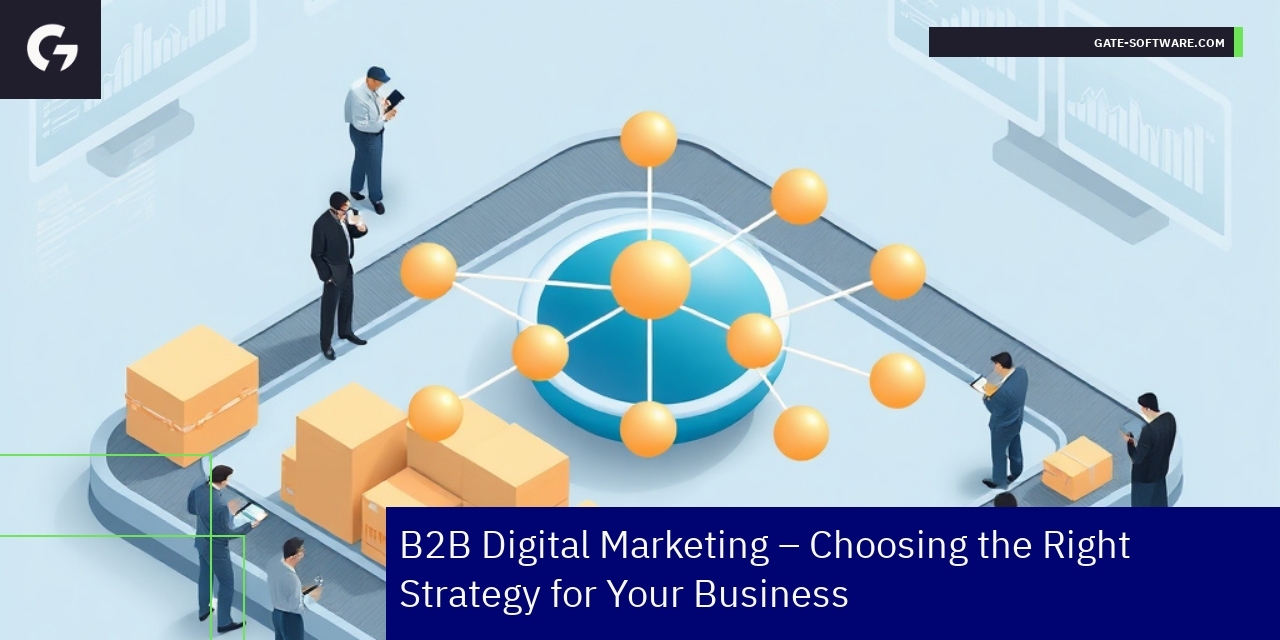
B2B Digital Marketing – Choosing the Right Strategy for Your Business
Select a system B2B or ecommerce B2B platform that supports digital marketing strategies, offers competitive prices, and differentiates retail from wholesale offers with dedicated customizations. This is integral to how B2B businesses optimize their digital marketing strategies effectively.
Choosing the right B2B or ecommerce B2B platform is foundational to executing effective digital marketing strategies tailored to the B2B environment. The chosen system must support distinct retail and wholesale pricing models and allow dedicated customizations to cater to the unique purchasing behaviors and expectations of each segment. Competitive pricing is essential to sustain market positioning while ensuring scalable digital marketing implementation without compromising ROI. Platforms that integrate marketing automation, personalized content delivery, and advanced analytics enable precise targeting and performance tracking, essential in B2B where sales cycles are complex and relationship-driven. Moreover, the platform must facilitate seamless integration with existing enterprise systems—ERP, CRM, and procurement—to maintain data consistency and support strategic decision-making. Focusing on these features empowers B2B businesses to enhance user experience, build strong client relationships, and improve conversion rates by delivering relevant content and offers that resonate with target personas like eCommerce Managers and CTOs.
See How B2B Online Wholesalers Using Magento Rate Their Customers
Magento exemplifies a B2B platform designed with features that elevate the customer experience and support sophisticated digital marketing strategies. With quick product additions to the cart, it simplifies the purchasing process for busy B2B buyers, reducing friction and boosting conversion rates. Its 24/7 global access feature breaks geographical and time barriers, accommodating international client operations and diverse time zones. Additionally, custom order attributes allow wholesalers to tailor orders precisely to business needs, enhancing satisfaction and repeat business. This flexibility and responsiveness showcase best practices in B2B ecommerce, where personalized service and operational efficiency are key competitive advantages. Magento’s capabilities enable businesses to collect valuable customer insights, optimize marketing campaigns, and reinforce customer loyalty through tailored content and differentiated wholesale offers. By leveraging Magento, B2B wholesalers can align marketing activities closely with sales processes, improving lead nurturing and ultimately driving sustainable growth in the competitive B2B digital landscape.
Common Mistakes When Launching a B2B Store
Launching a B2B ecommerce platform involves unique challenges that distinguish it from B2C environments. One common mistake is underestimating the complexity of business buyer requirements. B2B buyers demand personalized experiences based on detailed personas such as Architect, eCommerce Manager, and CIO/CTO roles. Failure to address these personas with tailored workflows and content can hinder adoption and sales performance.
Another frequent pitfall is neglecting technical standards such as WCAG 1.1, essential for accessibility compliance, which impacts user experience and legal adherence. Overlooking these standards alongside suboptimal UX/UI design audits leads to lower engagement and trust. Additionally, overlooking the importance of integrations with core systems (e.g., ERP, CRM) or choosing a platform without SLA-backed hosting and monitoring can compromise operational stability and scalability.
Cost optimization errors also often arise by not planning migration or maintenance strategies properly, which later result in escalating expenses. Lastly, insufficient alignment between marketing communication strategies and the ecommerce platform can cause missed opportunities in segmentation and lead nurturing.
To avoid these pitfalls, enterprises should leverage Gate-Software’s strategic knowledge in Magento™, focusing on robust architecture, compliant UX/UI practices, and integration readiness. Employing thorough audit processes, continuous monitoring, and aligning platform capabilities with detailed personas enable smooth launches. Embedding these elements ensures the platform supports efficient decision-making and sustainable growth, integrating the best practices for B2B ecommerce platforms naturally within your operating model.
Common Mistakes When Launching a B2B Store
Alternatives to Traditional B2B Models
Other sales models explored
In the evolving B2B e-commerce landscape, companies are increasingly exploring alternative sales models that break away from the traditional bulk ordering and long negotiation cycles. These alternatives include subscription-based models, where clients receive regular deliveries of goods or services, enhancing predictability and cash flow. Another approach is the marketplace model, which opens access to a broader range of suppliers and products within a single digital platform, increasing competition and choice for buyers. Additionally, direct sales supported by sophisticated digital tools emphasize personalized customer journeys and allow for tailored pricing and service levels. Integrating these models requires robust technical infrastructure aligned with WCAG standards, ensuring accessibility and a seamless user experience. From a UX/UI perspective, adapting interfaces to support flexible purchasing paths and maintaining compliance with standards like WCAG 1.1 are critical to meet the expectations of professional B2B buyers. The Gate-Software approach integrates these elements, facilitating scalable and secure commerce platforms underpinned by Magento™, optimized for cost and performance.
Comparison with B2C and how their ecommerce B2B strategies differ
Unlike B2C, where the sales process is typically centered around impulse buying and individual consumer preferences, B2B e-commerce strategies demand a focus on complex purchasing workflows, multiple decision-maker personas such as Architects, eCommerce Managers, and CTOs, and compliance with stringent business rules. B2B platforms must support custom pricing, contract management, and extended product catalogs enriched with detailed specifications. The communication strategy in B2B often involves coordinated touchpoints across multiple channels, according to the Gate-Software communication strategy, ensuring alignment between marketing and sales efforts. Social media content is tailored differently to engage the professional buyer audience with technical and strategic insights rather than purely promotional messaging. Cost optimization and SLA guarantees are also paramount to ensure system reliability tailored for business continuity. The contrasting approach in B2C prioritizes streamlined, intuitive checkouts and broad appeal marketing, whereas B2B requires architecture supporting multi-layered approval processes and scalable integrations with ERP systems. This nuanced understanding guides Gate-Software’s development of e-commerce platforms that harmonize technical sophistication with user-centric design.
Benefits of Owning a B2B Store
Owning a B2B store brings significant advantages that directly align with the needs of business clients and operational efficiencies. One of the primary benefits is the ability to generate stable revenue streams due to long-term contracts and bulk purchasing typical in B2B transactions. This stability enables better financial planning and resource allocation for growing businesses. Additionally, B2B ecommerce platforms facilitate larger transaction values compared to consumer sales, given the volume and frequency of orders, which optimizes sales processes and revenue generation.
Investing in a B2B ecommerce platform also enhances customer relationships by providing tailored solutions that meet the specific needs of business partners. This fosters loyalty and encourages recurring sales, essential elements for sustainable growth. Moreover, B2B platforms allow for the automation and streamlining of procurement processes, reducing operational costs and improving order accuracy, which directly benefits business clients seeking efficiency.
Integrating technologies like Magento™ supports robust hosting, monitoring, and WCAG-compliant UX/UI standards that contribute to an accessible and reliable online shopping experience. This is crucial for meeting the diverse technical and compliance requirements of B2B clients. Employing such platforms also enables better data-driven decision-making and personalized marketing strategies that resonate with target personas such as eCommerce Managers and CTOs.
Overall, owning a B2B store is a strategic investment that delivers enhanced operational control, stronger client partnerships, and scalable growth opportunities within specialized markets, aligning perfectly with the expectations and demands of business customers.
Risks of B2B Ecommerce
– What risks might occur?
B2B ecommerce faces a variety of risks that can impact operational stability, data security, and customer trust. Cybersecurity threats such as data breaches and ransomware attacks pose significant dangers, potentially compromising sensitive business information and client data. Compliance risks are another major concern, as businesses must adhere to an array of data protection regulations and industry-specific standards; failing to meet these can result in legal penalties and reputational damage. Additionally, supply chain disruptions—whether due to geopolitical issues or logistical challenges—can impede timely delivery and affect client relationships. Data integrity issues, including inaccuracies in product information and pricing, may lead to poor purchasing experiences and lost revenue. Payment fraud risks also increase with online transactions, necessitating robust payment security measures. Difficulties integrating ecommerce platforms with existing ERP or CRM systems can cause inefficiencies, while heightened customer service expectations require well-structured support capabilities. Moreover, the competitive landscape intensifies as more companies establish online presences, forcing businesses to continually differentiate themselves. Technological dependence creates vulnerabilities related to system failures or maintenance downtime. Finally, evolving buyer behaviors demand agile adaptation to new purchasing preferences.
– How to defend your system B2B against them following security and compliance essentials?
Defending a B2B ecommerce system against these risks begins with implementing comprehensive cybersecurity measures, including encryption, multi-factor authentication, and continuous monitoring to detect and respond to threats proactively. Compliance should be managed through regular audits and updates aligned with current regulations, ensuring that data privacy and industry standards are rigorously maintained. To mitigate supply chain vulnerabilities, diversifying supplier bases and integrating real-time logistics tracking can improve resilience. Ensuring data integrity requires synchronized inventories and automated data validation processes to maintain accuracy in product catalogs and pricing. Secure payment gateways with fraud detection capabilities protect against financial risks. Seamless integration with enterprise systems like ERP and CRM can be achieved through standardized APIs and middleware solutions tailored for compatibility. High-quality customer service is supported by omnichannel communication and AI-driven support tools to meet B2B client demands efficiently. Maintaining competitive advantage involves ongoing market analysis and personalized user experiences that reflect evolving buyer needs. System reliability is enhanced through robust hosting environments, SLA agreements, and continuous monitoring underpinning uptime guarantees. By following these security and compliance essentials, businesses can sustain trustworthy, compliant, and efficient B2B ecommerce operations.
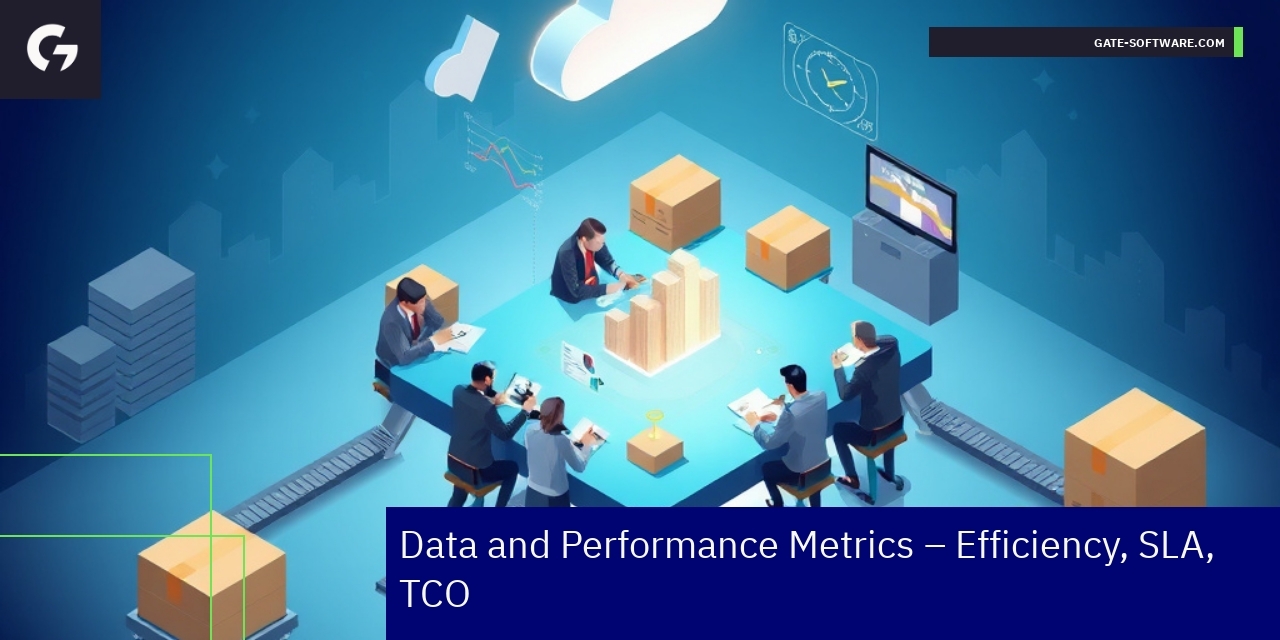
Data and Performance Metrics – Efficiency, SLA, TCO
Operational Effectiveness in B2B Projects
In the realm of B2B projects, operational effectiveness is underpinned by several critical metrics that not only illustrate performance but also enhance decision-making processes. At Gate-Software, our commitment to delivering high-quality B2B solutions is reflected in our operational data.
One key performance indicator is the average project takeover time, which stands impressively at two weeks, demonstrating our efficiency in onboarding new projects. We have achieved an exceptional 98% of projects delivered on time, underscoring our dedication to meeting client timelines and expectations consistently.
When it comes to cost management, clients utilizing our B2B solutions report an average TCO reduction of 30% over a span of three years. This significant decrease highlights our approach to optimizing operational costs while maintaining high service quality.
Our uptime SLA is backed by a robust guarantee, consistently achieving an uptime of 99.9%, ensuring that clients experience minimal disruptions in their business operations. This level of reliability is essential for maintaining business continuity in the fast-paced B2B environment.
Additionally, the average client relationship duration stands at an impressive 7 years, a testament to our ability to forge strong partnerships that foster mutual growth and success.
Gathering insights into number of implementations, we proudly report having completed over 150 successful B2B projects, each tailored to meet the unique demands of diverse business clients.
These metrics collectively demonstrate Gate-Software’s commitment to operational excellence, ensuring that our B2B solutions not only meet but exceed client expectations in a highly competitive landscape.
Summary
In conclusion, partnering with Gate-Software for your B2B e-commerce initiatives presents significant advantages that align with the unique demands of business clients. Our expertise in Magento™ facilitates the creation of robust, accessible platforms that enhance operational efficiency and improve user experiences. By focusing on essential elements such as tailored pricing, ERP integration, and compliance with WCAG standards, we ensure that your B2B store not only meets but exceeds the expectations of modern business buyers. Additionally, our commitment to SLA-backed hosting and continuous monitoring safeguards the performance and reliability of your platform, allowing you to concentrate on growth and customer satisfaction. We invite you to explore how our solutions can empower your business in the competitive B2B landscape, fostering long-term partnerships and driving success without the pressure of a sales pitch. Connect with us today to discuss your specific needs and embark on a journey towards digital excellence in B2B commerce.
Summary

FAQ
What is a B2B online store?
A B2B online store is a platform where businesses sell products or services to other businesses, focusing on wholesale transactions and long-term collaborations rather than individual consumer sales.
Why is it important to follow WCAG standards in B2B ecommerce?
Adhering to WCAG standards is crucial for enhancing accessibility, ensuring compliance with legal requirements, and improving the user experience for all business clients, which ultimately supports operational stability.
How do B2B and B2C ecommerce models differ?
B2B ecommerce involves complex purchasing workflows, multiple decision-makers, and often requires custom pricing and negotiation mechanisms, while B2C typically focuses on individual consumer preferences with a simpler buying process.
What are common mistakes to avoid when launching a B2B store?
Common mistakes include underestimating business buyer requirements, neglecting WCAG compliance, overlooking critical system integrations, and failing to optimize cost planning for migration and maintenance.
How can businesses defend their B2B ecommerce systems against risks?
Defending against risks involves implementing layered security measures such as encryption, multi-factor authentication, regular audits for compliance, and ensuring robust integration with existing ERP and CRM systems.
.
.
Zamów bezpłatną konsultację
.
Z nami rozwój Twojego biznesu nabierze tempa! Zapraszamy do kontaktu średnie i duże firmy generujące min. 7 mln PLN obrotu rocznie – tam nasza ekspertyza sprawdza się najlepiej.
.
Kliknij w poniższy przycisk i skontaktuj się z jednym z naszych konsultantów e-commerce
.