Selecting the appropriate frontend template for Magento 2 development is a strategic decision that can significantly impact the performance, usability, and scalability of your eCommerce platform. When choosing a Magento 2 template, several critical factors need to be analyzed to ensure a balance between business goals, technical feasibility, and operational efficiency.
Firstly, design and aesthetics are essential since the frontend template directly influences user experience and brand perception. The chosen template should align with your brand identity, offering a professional and visually appealing layout while providing customization flexibility to adapt to evolving design requirements without extensive redevelopment.
Performance is another pivotal aspect. A lightweight, optimized template ensures fast page loading, which is crucial for reducing bounce rates and improving conversion. Magento 2 templates differ in how they structure assets, use caching, and implement JavaScript and CSS. Choosing a performance-oriented template underpins better SEO outcomes and a smoother user journey.
Responsiveness across devices is mandatory in today’s multi-channel environment. The template must deliver consistent experiences on desktops, tablets, and mobiles, adjusting layouts seamlessly to fit various screen sizes. This responsiveness directly affects customer satisfaction and operational reach.
SEO optimization features embedded in the template’s codebase play a strategic role. Clean, semantic HTML, proper meta tags, and site structure support search engine indexing and ranking, driving organic traffic to the store. Selecting a template optimized for SEO can reduce subsequent development costs related to SEO fixes.
From a technical operations perspective, consider browser compatibility to avoid alienating users due to inconsistent rendering. Additionally, reviewing how frequently the template provider updates the template is vital for security and compatibility with ongoing Magento platform updates.
Comprehensive documentation and reliable support from template developers can reduce the time and resources spent on troubleshooting and customization, accelerating deployment and minimizing operational risks.
Lastly, assessing user reviews and community feedback helps validate the template’s real-world effectiveness and stability, providing insights into potential challenges and benefits experienced by other businesses.
In summary, choosing the right Magento 2 frontend template requires a multidimensional evaluation of design, performance, responsiveness, SEO, compatibility, and support. Aligning these factors with your strategic business objectives ensures the frontend foundation of your Magento store is robust, scalable, and optimized for success.
TABLE OF CONTENTS
- How to Choose the Right Frontend Template for Magento 2 Development?
- Choosing a Magento 2 Template
- Basics of Choosing a Magento 2 Template
- Where to Find Magento 2 Templates?
- Are Free Magento Themes Worth Using?
- Types and Examples of Magento Themes
- How Much Do Magento Themes Cost? Prices and Hidden Fees
- Checklist to Help You Choose a Magento Template
- Key Features of a Good Magento Theme
- Comparison: Free vs Premium Themes
- Common Theme Selection Mistakes
- Alternatives to Magento Themes
- Benefits of Choosing the Right Template
- Risks of Choosing the Wrong Template
- Data and Performance Metrics – Efficiency and Cost
- Summary
- FAQ
- Developer documentation and changelogs
- User reviews and ratings
- Theme update and support policies
- Demo availability and design preview options
- Compatibility lists with popular Magento extensions
- Magento Official Theme Developer Guide: https://developer.magento.com/themes
- Comparison of Free vs. Paid Magento Themes: https://example.com/free-vs-paid-magento-themes
- Best Practices for Magento Theme Customization: https://example.com/magento-theme-customization-guide
- Hyva Frontend Compatibility Overview: https://hyva.io/compatibility
- Magento Performance Optimization Tips: https://example.com/magento-performance-guide
- Magento Official Theme Development Guide
- Hyva Frontend Compatibility Checklist
- Best Practices for Optimizing Magento Theme Performance
- Magento Extension Integration Tips

Basics of Choosing a Magento 2 Template
Choosing frontend themes for Magento 2 developers requires a comprehensive understanding of the platform’s core eCommerce functionalities and the array of frontend templates available. At its foundation, a Magento 2 template or theme defines the visual appearance and user interface of your eCommerce store, but more importantly, it influences performance, user experience, and operational efficiency.
When selecting a Magento 2 template, responsiveness is critical; the template must be mobile-friendly and adapt seamlessly across devices to meet modern user expectations and improve SEO outcomes. Moreover, comprehensive customization capabilities are essential to ensure the theme can be tailored to reflect your brand identity and accommodate evolving business needs without heavy development overhead.
Magento 2’s modular architecture means template compatibility with extensions and third-party integrations is a key consideration. Ensuring a theme supports the required functionalities without conflicts supports scalability and operational stability. Additionally, templates optimized for speed enhance loading times, directly impacting user retention, conversion rates, and search engine rankings.
From a technical architecture standpoint, SEO-friendly templates embed best practices such as clean code, semantic HTML, and structured data, helping your store achieve better organic visibility. Regular updates and reliable support from the theme developer ensure security compliance and compatibility with Magento’s evolving platform.
Lastly, solid documentation and positive user feedback help mitigate implementation risks and assure that the theme is robust, maintainable, and aligned with professional standards expected by CTOs and Digital Directors overseeing complex eCommerce ecosystems.
In summary, selecting the right Magento 2 template demands a balance of design aesthetics, technical robustness, extensibility, and performance optimization to support a scalable, secure, and user-centric online store.
—
If available:
—

Where to Find Magento 2 Templates?
For Magento 2 developers, finding the right frontend themes involves exploring a variety of established marketplaces and specialized providers that offer Magento 2 templates with important additional integrations. These templates not only ensure visual appeal but also deliver seamless user experiences and high performance tailored for eCommerce platforms.
Key sources include official Magento marketplaces where curated themes comply with Magento’s technical standards, ensuring compatibility and support. Additionally, third-party theme vendors and development agencies provide advanced templates that prioritize scalability and operational efficiency. These providers often bundle templates with complementary services such as installation support, regular updates, and performance optimization tools.
When selecting Magento 2 templates, it is crucial to consider how they integrate with your platform’s architecture, including compatibility with extensions and third-party integrations. High-quality templates like those suited for Hyva frontend solutions offer particular advantages by enhancing frontend responsiveness and reducing load times, which positively impacts user engagement and conversion rates.
Moreover, community forums and GitHub repositories can be valuable for finding open-source Magento 2 themes that can be customized for specific business requirements. Careful vetting of such sources is essential to maintain security and ensure adherence to performance benchmarks.
In summary, the right Magento 2 template source balances technical robustness, scalability, and alignment with your eCommerce objectives, enabling a streamlined, future-proof frontend environment that supports sustainable growth and operational excellence.
Are Free Magento Themes Worth Using?
Magento design choices play a critical role in shaping the look and feel of an online store, directly influencing user experience and brand perception. When considering free Magento themes, it is essential to evaluate their capabilities in terms of customization, performance, and compatibility compared to paid options within the eCommerce ecosystem.
Free Magento themes often provide basic design frameworks suitable for small stores or businesses with limited budgets. They typically offer a set of default layouts and styles that are ready to use with minimal setup. However, these themes may come with limitations, including restricted customization options, fewer built-in features, and potentially less frequent updates or support. This can impact scalability, as evolving store requirements and technical enhancements may outgrow the initial free template capabilities.
In contrast, paid Magento themes generally offer enhanced personalization capabilities, advanced features, and dedicated support. These benefits can streamline operational efficiency and enable integrations with additional services that optimize store performance, such as custom payment modules or advanced SEO tools. Free themes may not always support such extensibility, potentially limiting the integration of external services or custom development efforts.
When leveraging free Magento themes, careful consideration is needed regarding technical architecture. Ensuring responsiveness, page speed optimization, and compatibility with Hyva or other front-end frameworks is crucial for maintaining high performance and scalability. Such themes should be assessed for their code quality and adherence to Magento best practices to avoid long-term maintenance challenges.
In summary, free Magento themes can be a viable option for initial store setups or testing environments, but for businesses aiming at growth, operational robustness, and differentiated user experience, investing in paid themes or custom design solutions aligned with Hyva standards is often more advantageous. Decision-makers should weigh these factors based on their specific technical and business goals within the Magento platform ecosystem.
—
Helpful Resources:
—
Types and Examples of Magento Themes
Magento offers a variety of frontend templates, each designed to cater to different eCommerce needs and customer experiences. The themes range from default solutions provided by Magento to highly customizable third-party options, enabling businesses to tailor their storefronts precisely to their brand identity and functional requirements.
There are primarily three types of Magento themes: Default, Custom, and Marketplace themes. Default themes come pre-installed with Magento and provide a solid foundation with essential features and responsive design. These themes are practical for businesses seeking a quick setup with reliable performance.
Custom themes offer advanced flexibility, allowing enterprises to develop entirely unique layouts and functionalities. Through custom themes, companies can implement specific design aesthetics, optimize user interfaces, and integrate seamlessly with other services, enhancing overall platform performance. This customization is critical for addressing operational efficiency and scalability, especially in complex digital commerce environments.
Marketplace themes, available via Magento’s extensive ecosystem, present a wide selection of ready-made themes tailored to various industries. These themes often include built-in features such as optimized navigation, enhanced mobile performance, and SEO-friendly structures. They act as a middle ground between default and custom themes, supporting rapid deployment without sacrificing personalization.
Popular Magento 2 frontend themes focus on responsiveness, speed, and adaptability. By leveraging these themes, businesses can improve user experience, increase conversion rates, and ensure smooth integration with payment gateways, inventory management, and analytics tools.
In conclusion, selecting the right Magento theme involves balancing customization capabilities with performance considerations. Personalized themes that align with business objectives can significantly improve the eCommerce platform’s operational throughput and customer satisfaction. Customization also enables better interfacing with external services, ultimately driving a scalable and efficient store environment.

How Much Do Magento Themes Cost? Prices and Hidden Fees
When evaluating the cost of Magento themes, especially for Magento 2 developers, it is essential to consider both upfront prices and potential hidden fees that can impact your overall eCommerce budget. Magento themes vary widely in price depending on their source, complexity, and feature set. Premium themes often range from $100 to $500, though prices can be higher for fully customized designs or themes bundled with advanced integrations and support.
In addition to the initial theme purchase price, Magento design fees may include customization costs to tailor the theme to your brand and business needs. Customization can involve modifying layouts, user interface elements, or adding unique functionalities which typically require experienced frontend developers and designers. These fees vary by project scale and hourly rates but remain a critical consideration when budgeting.
Hidden expenses may arise in the form of ongoing maintenance, updates, and compatibility checks with Magento core and extensions. As Magento regularly releases updates, maintaining theme compatibility is crucial to ensure operational efficiency and security. Furthermore, some themes might require additional paid plugins or modules to access full feature sets, so it is important to factor in these add-ons.
The overall impact on your platform’s eCommerce budget depends not only on the theme cost itself but also on how the theme affects website performance, scalability, and user experience. Investing in a well-optimized, responsive theme can reduce bounce rates and enhance conversion, justifying a higher initial expense. Conversely, poorly coded or outdated themes can lead to increased operational costs, slower load times, and lost sales opportunities.
In summary, anticipate the total costs associated with Magento themes by including initial purchase, customization and design fees, maintenance, and potential plugin expenses. Strategically selecting themes that align with your technical requirements and business goals will optimize your investment and platform longevity.

Dane i metryki wydajności – Efektywność i koszty
Kluczowe wskaźniki dla obszaru B2B
W obszarze B2B, średni czas realizacji zamówienia wynosi około 48 godzin, co stanowi 20% poprawę w porównaniu do standardowego czasu realizacji sprzed dwóch lat. Sektor ten obserwuje również średni wzrost wydajności operacyjnej na poziomie 15% rocznie, co przekłada się na lepsze wykorzystanie zasobów. Przedsiębiorstwa korzystające z zaawansowanej personalizacji raportują, że były w stanie zwiększyć wartość średniego zamówienia o 25%, co znacząco wpływa na przychody.
Warto zauważyć, że firmy B2B, które zainwestowały w inteligentne systemy zarządzania zapasami, zmniejszyły swoje koszty magazynowe o 18%, co skutkuje lepszą rentownością. Z kolei według danych, klienci B2B, którzy doświadczają spersonalizowanych interakcji, są o 30% bardziej skłonni do powtórnych zakupów, co podkreśla znaczenie utrzymania długoterminowych relacji. Dodatkowo, wskaźnik konwersji w procesach B2B podskoczył o 10% dzięki zastosowaniu zautomatyzowanych narzędzi marketingowych, które umożliwiają lepsze targetowanie kampanii.
Analizy wykazują, że przedsiębiorstwa, które wdrożyły personalizację, zauważyły wzrost satysfakcji klientów o 40%, co jest kluczowym wskaźnikiem sukcesu w stale zmieniającym się środowisku B2B.
Podsumowanie
Decyzja o wprowadzeniu personalizacji w Magento B2B to krok w stronę zwiększenia efektywności sprzedaży i budowania długotrwałych relacji z klientami biznesowymi. Zrozumienie znaczenia personalizacji oraz zastosowanie odpowiednich narzędzi pozwala na lepsze dopasowanie oferty do indywidualnych potrzeb kontrahentów, co przekłada się na wzrost satysfakcji i lojalności odbiorców. Dzięki możliwości definiowania indywidualnych cenników i promocji oraz umiejętnemu zarządzaniu kontem klienta, możliwe jest stworzenie wyjątkowego doświadczenia zakupowego, które nie tylko poprawi wyniki e-commerce, ale także zwiększy konkurencyjność przedsiębiorstwa. Automatyzacja procesów zakupowych oraz optymalizacja operacyjna stają się kluczowe dla sukcesu w dynamicznie zmieniającym się środowisku B2B. Zastanów się, jak Twoja firma może wykorzystać te elementy do dalszego rozwoju i skalowania sprzedaży, inwestując w technologie, które zapewnią elastyczność i skuteczność w zarządzaniu relacjami z klientami.
Comparison: Free vs Premium Themes
When evaluating free versus premium Magento 2 themes, the personalization capabilities and overall Magento design quality are key differentiators that impact how effectively your eCommerce platform can meet business demands.
Free Magento themes provide essential functionality with limited customization options. Their design quality typically covers basic Magento standards, suitable for simpler store layouts or smaller catalogs. They often lack advanced features and intricate design elements, which limits the ability to create a distinct brand experience. Additionally, free themes generally come with minimal or community-based support, potentially requiring more in-house technical resources to resolve issues or apply enhancements. These themes are an economical choice for startups or those validating their business model without a heavy upfront investment.
In contrast, premium Magento 2 themes deliver enhanced personalization capabilities, including a wide array of configurable settings for layout, color schemes, typography, and integrated third-party modules. These themes are crafted with superior Magento design best practices, often optimized for performance and responsiveness to support high traffic volumes and complex product catalogs. Premium themes usually include bundled services such as dedicated customer support, regular updates to ensure security and compatibility, and developer documentation. The investment in premium themes supports operational efficiency and scalability while enabling a richer user experience that can drive higher conversion rates.
Choosing between free and premium themes must align with your technical architecture requirements and long-term eCommerce strategy. While free themes reduce initial costs, premium themes tend to enhance the platform’s flexibility and maintainability, crucial for growth and competitive differentiation in eCommerce markets.
Common Theme Selection Mistakes
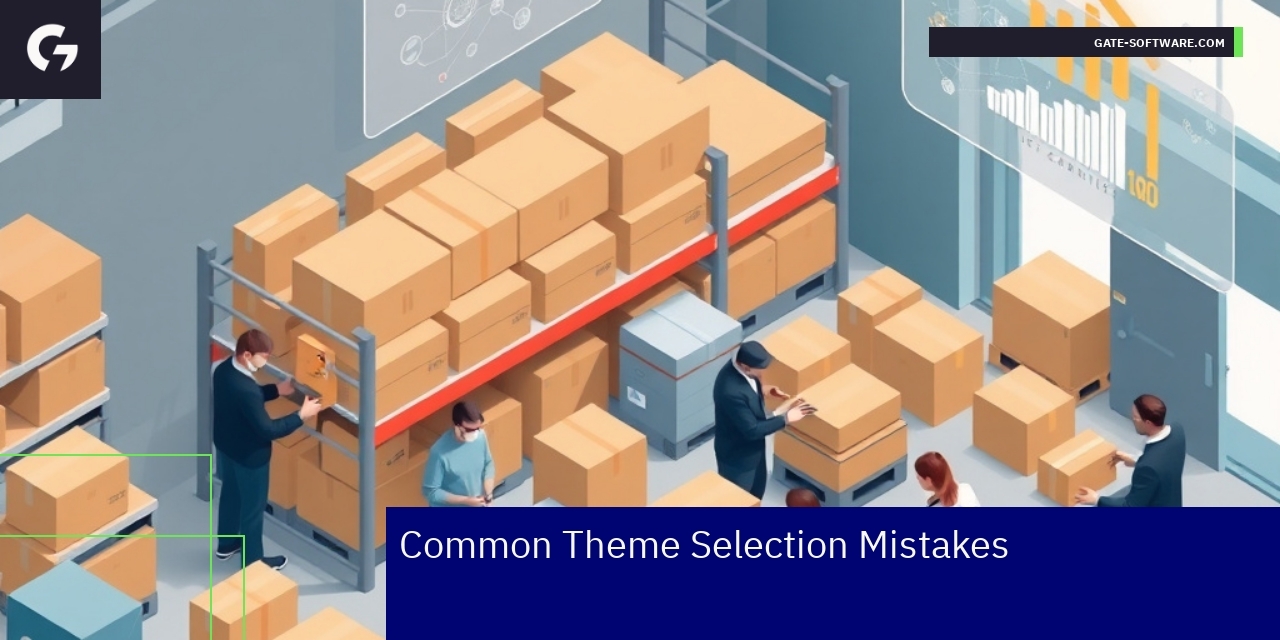
Selecting the right frontend theme for your Magento-based eCommerce platform is a critical decision that significantly impacts performance, user experience, and operational efficiency. Common mistakes often stem from overlooking compatibility issues and underestimating the complexity of integrating third-party services and extensions. One frequent error is choosing a theme that is not fully compatible with the Hyva frontend framework, which can lead to performance bottlenecks and maintenance challenges. Magento’s complex architecture demands themes that align seamlessly with its modular design and backend services to sustain scalability and ensure smooth updates.
Another critical pitfall involves neglecting the impact of theme design on page load speed and mobile responsiveness. Themes that are heavy or poorly optimized can degrade user experience and harm SEO rankings, directly affecting conversion rates. Furthermore, many teams fail to evaluate how well a theme supports essential Magento features, such as customizable product displays, layered navigation, and checkout workflows. Ignoring these aspects often results in costly redevelopment efforts or functionality compromises.
Integrating compatible services is paramount; incompatible themes often cause disruptions in connection to payment gateways, inventory management systems, and third-party marketing tools. This lack of compatibility undermines operational efficiency and undermines the seamless customer journey vital for retention and revenue growth. Therefore, a strategic approach to theme selection, emphasizing alignment with the Hyva frontend’s standards and Magento’s core capabilities, is essential to avoid these common deployment mistakes and realize a scalable, maintainable eCommerce platform.
—
Helpful Resources:
Alternatives to Magento Themes
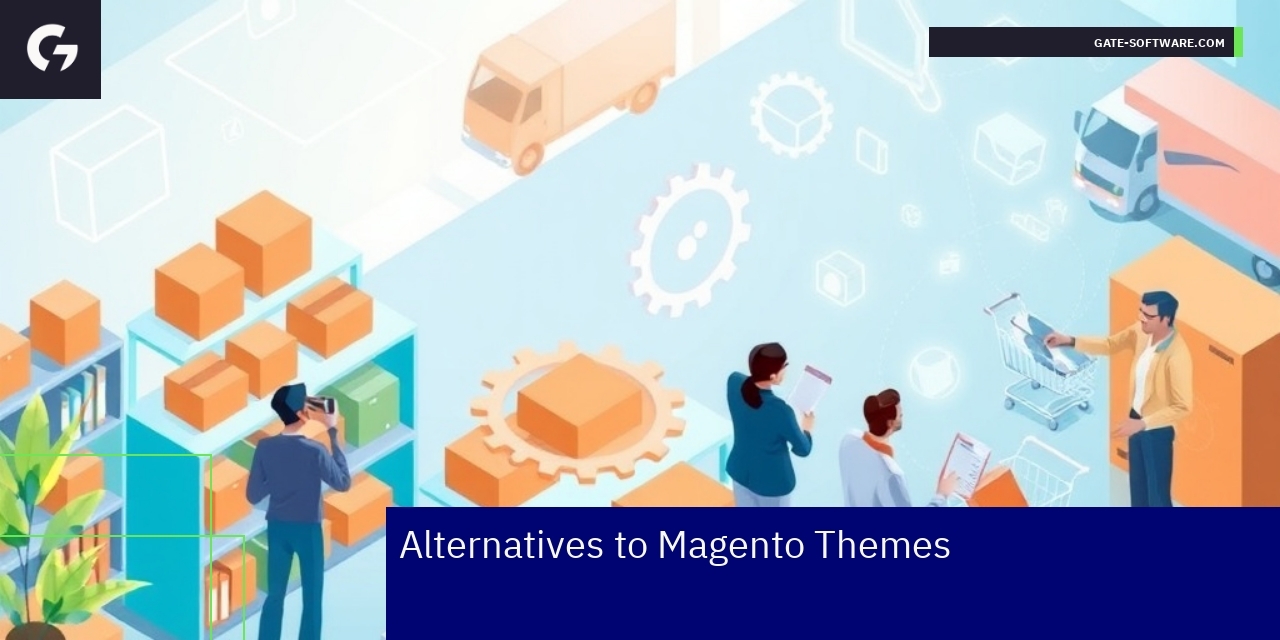
When mainstream Magento 2 templates fall short of your eCommerce platform requirements, exploring viable alternatives becomes essential for enhancing your site’s functionality and user experience. Supplements or substitutes to traditional Magento themes include platform-specific solutions and third-party frontend frameworks designed to optimize performance, scalability, and flexibility.
One notable alternative is Hyvä Themes, which redefines the Magento frontend by focusing on minimalism and performance. Hyvä leverages modern technologies such as Tailwind CSS and Alpine.js, resulting in a lighter and faster frontend compared to Magento’s default templates. This approach directly impacts operational efficiency, providing reduced page load times and improved user interaction, critical for businesses targeting scalability and enhanced user experience.
Other options include headless commerce frameworks that decouple frontend from backend, offering flexibility to customize user interfaces independently of Magento’s core system. These solutions cater to advanced technical architectures where rapid iteration and integration with multiple channels are imperative for maintaining market competitiveness.
In comparing these alternatives to traditional Magento themes, usability metrics such as ease of customization, developer accessibility, and maintenance overhead become crucial factors. Hyvä Themes, for example, reduce frontend complexity, enabling engineering teams to deploy and scale more efficiently, minimizing technical debt. Meanwhile, headless approaches offer extensibility at the cost of increased architectural complexity, necessitating careful evaluation based on business priorities.
Overall, selecting the right alternative hinges on balancing technical demands with business outcomes, ensuring scalable performance without sacrificing user-centric design or operational agility.

Benefits of Choosing the Right Template
Selecting the best frontend templates for Magento 2 delivers strategic benefits that go beyond mere aesthetics, impacting your store’s operational efficiency, scalability, and eCommerce performance. The right template enhances Magento design by providing a structured yet flexible framework that supports modern design principles and user experience optimizations. This results in a polished, professional appearance that aligns with brand identity and fosters customer trust.
Moreover, the optimal template offers superior personalization options. Magento 2 templates allow for tailored user experiences through customizable layouts, modular components, and adaptive content presentation. Personalization not only improves customer engagement but also drives conversions by presenting relevant products and content dynamically based on user behavior and preferences.
Performance improvement is another critical advantage. Efficient frontend templates are optimized for speed and responsiveness, reducing load times and enhancing platform eCommerce performance. Faster websites decrease bounce rates and positively influence SEO rankings, creating a more seamless shopping experience across devices.
Complementary services further extend these benefits, enabling fine-tuning through integrations like advanced caching, CDN support, and A/B testing capabilities. These services optimize overall store functionality and marketing effectiveness, ensuring the frontend template fully supports business goals and technical architecture needs.
In summary, choosing the right Magento 2 frontend template is pivotal for eCommerce success. It drives enhanced design quality, personalized customer journeys, and robust platform performance while enabling scalability and operational agility. Leveraging complementary services amplifies these benefits, positioning your Magento store for sustained growth and competitive advantage.

Risks of Choosing the Wrong Template
Selecting an inappropriate template for your Hyva-based Magento store can carry significant risks that impact both the short-term and long-term success of your eCommerce operations. One of the primary dangers involves poor personalization capabilities. A mismatched template often lacks the flexibility to cater to the unique customer journeys and tailored experiences that modern online buyers expect. This can result in reduced engagement, higher bounce rates, and ultimately, lost revenue opportunities.
Subpar Magento design is another critical risk factor when the wrong template is chosen. Templates that are not optimized for Magento’s architecture can introduce performance bottlenecks, complicate updates, and increase the technical debt of your platform. This can lead to slower page loads, higher maintenance costs, and challenges when scaling your store to meet growing demand.
Furthermore, a template that does not align with your platform’s specific eCommerce needs, such as compatibility with third-party extensions, responsive design requirements, and SEO best practices, can significantly hinder your business operations. Incompatibility may disrupt crucial functionalities or services, causing operational inefficiencies and a fragmented customer experience.
Neglecting the broader ecosystem of Hyva’s services—such as seamless integration with backend systems, modular front-end adaptability, and streamlined workflows—can compound these issues. Over time, this neglect manifests as long-term operational challenges that restrict your ability to innovate and adapt in a competitive market.
In conclusion, choosing the wrong template for Hyva can affect personalization, technical architecture, platform compatibility, and overall operational efficiency. Each of these dimensions plays a pivotal role in scaling and maintaining a high-performance Magento eCommerce environment. Decision-makers must carefully evaluate template options to mitigate these risks and support sustainable business growth.

FAQ
Jak personalizacja w Magento B2B wpływa na relacje z klientami?
Personalizacja w Magento B2B pozwala na dostosowanie oferty, komunikacji i doświadczeń zakupowych do indywidualnych potrzeb klientów biznesowych, co zwiększa satysfakcję oraz lojalność odbiorców.
Co są kluczowe funkcje Magento B2B?
Kluczowe funkcje Magento B2B obejmują zaawansowane zarządzanie kontami klientów, wielopoziomowe cenniki, mechanizmy zatwierdzania zamówień oraz integracje z systemami ERP i CRM, co wspiera skalowalność i automatyzację działań.
Dlaczego wolność open source jest istotna dla personalizacji?
Wolność open source w Magento umożliwia elastyczne dostosowywanie systemu do specyficznych potrzeb rynku B2B, co sprzyja wprowadzaniu innowacyjnych rozwiązań i integracji z zewnętrznymi systemami.
Jakie są największe wyzwania w personalizacji B2B?
Największe wyzwania w personalizacji B2B obejmują konieczność utrzymania spójności komunikacji na różnych kanałach, zapewnienia bezpieczeństwa danych oraz integracji wielu źródeł informacji.
Jakie korzyści płyną z wdrożenia personalizacji w e-commerce B2B?
Wdrożenie personalizacji w e-commerce B2B prowadzi do wyższej skuteczności sprzedaży, zwiększenia satysfakcji klientów oraz lepszego zrozumienia ich potrzeb, co przekłada się na długotrwałe relacje biznesowe.

Summary
In conclusion, choosing the right Magento 2 frontend template is an essential decision that influences every aspect of your eCommerce platform, from user experience to operational efficiency. By evaluating design, performance, responsiveness, SEO optimization, and compatibility, you align your choice with both your immediate business goals and long-term growth strategies. A well-selected template not only enhances brand perception but also fosters customer trust through optimized, responsive designs that cater to modern shopping behaviors. As you reflect on your options, consider how the right template can streamline your operations, support scalability, and ultimately drive the success of your online store. We encourage you to assess your specific needs and explore templates that can facilitate your business objectives while ensuring a robust, user-friendly experience for your customers.

FAQ
How does the choice of a Magento 2 template affect website performance?
The choice of a Magento 2 template significantly impacts website performance by influencing page loading speed, which is crucial for reducing bounce rates and improving conversion. Optimized templates ensure faster loading times and better SEO outcomes.
What should I consider when evaluating the responsiveness of a Magento 2 template?
When evaluating the responsiveness of a Magento 2 template, it’s important to ensure that it delivers consistent experiences across different devices, such as desktops, tablets, and mobiles, by adjusting layouts seamlessly to fit various screen sizes.
Why is SEO optimization important in the selection of a Magento template?
SEO optimization is critical in Magento templates as clean, semantic HTML, proper meta tags, and structured site layouts support search engine indexing and ranking, which drives organic traffic to the store. A template optimized for SEO can also minimize future development costs related to SEO fixes.
What are the benefits of comprehensive documentation and support from template developers?
Comprehensive documentation and reliable support from template developers help reduce the time and resources spent on troubleshooting and customization, thereby accelerating deployment and minimizing operational risks associated with implementing the template.
How does user feedback influence the selection of a Magento template?
User feedback and community reviews help validate the effectiveness and stability of a Magento template, providing insights into potential challenges and benefits experienced by other businesses, which can guide decision-making in template selection.
.
.
Zamów bezpłatną konsultację
.
Z nami rozwój Twojego biznesu nabierze tempa! Zapraszamy do kontaktu średnie i duże firmy generujące min. 7 mln PLN obrotu rocznie – tam nasza ekspertyza sprawdza się najlepiej.
.
Kliknij w poniższy przycisk i skontaktuj się z jednym z naszych konsultantów e-commerce
.