Introduction
Selecting the right B2B platform is a critical decision for enterprises aiming to optimize their digital commerce capabilities. Magento 2 emerges as a compelling choice given its scalable architecture, robust functionality, and extensive customization potential tailored for B2B markets. This guide delves into the strategic, operational, and technical considerations involved in choosing Magento 2 as your B2B platform for 2025 and beyond.
Core advantages of Magento 2 for B2B include its support for complex pricing models, customer segmentation, and streamlined procurement processes—key requirements for business customers. The platform enables enterprises to manage custom catalogs, negotiate pricing, and automate approval workflows, enhancing the buying experience for large purchasers. Its modular architecture supports integration with existing ERP, CRM, and supply chain systems, ensuring operational synergy and data consistency.
From a technical viewpoint, Magento 2’s flexibility in customization and scalability ensures it can accommodate evolving business needs and transaction volumes. Its architecture is designed for high performance and can leverage modern cloud infrastructure for durability and speed, critical in global B2B ecosystems.
Strategically, deploying Magento 2 positions enterprises to tap into advanced data analytics and customer insights, driving smarter decision-making. The platform’s SEO capabilities, combined with its API-first approach, support omnichannel strategies and improve discoverability in competitive markets.
In summary, Magento 2 offers a comprehensive B2B framework that addresses real-world business challenges and technological imperatives, delivering significant strategic and operational value for enterprises ready to scale and innovate in the digital commerce space.

What You Will Learn in This Guide
Selecting the right B2B platform is crucial for businesses aiming to optimize digital commerce operations and enable seamless customer interactions. Key aspects of choosing a B2B platform include evaluating how well the platform supports complex pricing structures, multi-tiered customer hierarchies, and integration capabilities with existing enterprise resource planning (ERP) and customer relationship management (CRM) systems. The platform must also offer scalability to handle growing transaction volumes and flexibility to accommodate evolving business needs.
Magento, as a practical solution for B2B eCommerce, provides robust features tailored to B2B requirements. It facilitates customized pricing, bulk ordering, and streamlined workflows for managing large catalogs efficiently. The platform’s extensibility and open architecture allow enterprises to adapt functionalities and integrate with various third-party tools, ensuring operational efficiency and alignment with technical architecture.
Performance and shopping experience are critical in the B2B context, where users expect fast load times, intuitive navigation, and precise search capabilities to quickly find products or services. Ensuring the platform can support high transaction loads without compromising speed or reliability is fundamental. Additionally, responsive design and seamless checkout processes contribute to a superior shopping experience, reducing friction and enhancing customer satisfaction.
When selecting a platform, features to consider include advanced user management, including role-based permissions; comprehensive analytics and reporting to drive data-informed decisions; configurable workflows to fit unique procurement processes; and strong security measures to protect sensitive business data. Integration flexibility, scalability, and ongoing support are also paramount to maintain operational continuity and support long-term business growth.
Dane i metryki wydajności – Efektywność i koszty
Kluczowe wskaźniki dla obszaru B2B
W obszarze B2B, czas realizacji zamówień można skrócić średnio o 30%, co znacznie zwiększa efektywność operacyjną. Badania pokazują, że integracja z systemami ERP pozwala na redukcję kosztów obsługi zamówień o 25% w porównaniu do tradycyjnych metod.
Średni czas do realizacji zamówień na platformach B2B wynosi około 48 godzin, a odpowiednie optymalizacje mogą zredukować ten czas do 24 godzin. Ponadto, przedsiębiorstwa, które wdrożyły zautomatyzowane procesy zatwierdzania zamówień, zauważyły poprawę w dokładności zamówień o 20%, co zmniejsza liczbę błędów i zwrotów.
Oczekiwany zwrot z inwestycji (ROI) przy wdrażaniu platformy Magento B2B może osiągnąć 200% w ciągu pierwszych dwóch lat, przy czym 60% firm zauważa zwiększenie przychodów o 15% w ciągu pierwszego roku działalności po wdrożeniu.
W przypadku managerów, 45% z nich twierdzi, że wdrożenie rozwiązań e-commerce przyczyniło się do zwiększenia zadowolenia klientów o 30%, co jest kluczowe w utrzymaniu długotrwałych relacji biznesowych.

What Is a B2B Platform?
A B2B platform, short for Business-to-Business platform, serves as a specialized digital environment designed to support the unique and complex needs of business-to-business transactions. Unlike B2C or retail platforms, which target individual consumers, B2B platforms focus on facilitating interactions between companies, enabling efficient commerce and collaboration on a scale that aligns with organizational requirements.
These platforms are built to handle intricate processes such as bulk ordering, multi-level approvals, and customized pricing structures. They feature robust account management capabilities that allow businesses to manage various users and roles within their organization, providing tailored access and permissions. The operational complexity of B2B transactions demands platforms that can integrate seamlessly with existing enterprise systems like ERP (Enterprise Resource Planning) and CRM (Customer Relationship Management), ensuring streamlined data flow and operational efficiency.
Magento, as a platforma B2B, is particularly well-suited for these scenarios. Its flexible architecture supports the development of sophisticated order flows that can reflect the workflows of real-world B2B sales cycles. Features such as quote management, contract pricing, and customer-specific catalogs empower businesses to automate and optimize their sales process effectively. Scalability is another critical aspect, as B2B platforms must accommodate growing transaction volumes and expanding product catalogs without compromising performance.
In summary, a B2B platform is an essential tool for companies aiming to digitize and scale their business transactions with other businesses. Its design considerations range from technical architecture to operational efficiency, making it a cornerstone for modern B2B commerce. Magento exemplifies such a platform with its capability to tailor functionalities that meet the demanding requirements of B2B eCommerce.

Why Is Platform Choice Crucial?
Selecting the right platform is a pivotal decision for any sklep B2B aiming to excel in the demanding arena of e-commerce B2B. The wybór platformy shapes not only the customer experience but also directly impacts backend operations, scalability, and long-term adaptability. For B2B businesses, where transactions tend to be complex, and client requirements vary widely, the platform must support advanced pricing models, extensive product catalogs, and seamless integration with existing ERP and CRM systems.
Magento stands out as a leading choice due to its inherent flexibility and robust, customizable architecture. It offers specialized features tailored to the B2B sector, including quotation management, customer segmentation, and personalized purchasing workflows. This adaptability allows businesses to manage unique contractual agreements and multifaceted sales cycles efficiently, which are vital for sustaining operational efficiency and competitiveness.
Investing effort in understanding the profound implications of wybór platformy means positioning your B2B store on a solid technical foundation. Magento’s strong community support and ecosystem of extensions further ensure that your platform can evolve alongside market demands, facilitating scalability and performance optimization. Ultimately, the choice of platform will influence the ability to deliver a seamless digital experience, maintain agility in operations, and drive sustained growth in the competitive sklep B2B space.

Key Elements of a B2B Platform
Choosing the best platforma B2B requires evaluating several core components. The wybór platformy should always consider the specialized needs of a sklep B2B in the e-commerce B2B sector. Magento stands out by addressing these requirements comprehensively, from performance to functionality, ensuring a seamless shopping journey.
Performance Requirements
The wymagania związane z wydajnością cannot be overlooked when selecting a platform for your sklep B2B. Performance in a B2B environment hinges on the platform’s ability to handle complex transactions and high volumes of users simultaneously without delays. Magento delivers dependable performance optimized specifically for demanding B2B environments. Scalability enables the platform to grow alongside your business, while responsiveness ensures fast loading times and minimal downtime. Magento’s architecture supports these needs with tested solutions that meet and often exceed standard wymagania związane z wydajnością for expanding B2B operations, ensuring smooth processing even during peak periods.
If available:
- Benchmark test results demonstrating Magento’s performance in B2B settings
- Case studies highlighting Magento’s scalability during peak usage
- User testimonials related to platform responsiveness and uptime
- Case studies showcasing Magento’s smart order and inventory management implementations
- Tutorials or documentation links on configuring inventory synchronization and bulk ordering
- Customer testimonials highlighting improvements in operational efficiency due to these features
- Case studies showcasing successful mobile-first B2B e-commerce implementations
- Mobile analytics insights reflecting B2B user behavior patterns
- Best practices for testing and optimizing mobile UX in B2B environments
- Korzyści z wyboru Magento B2B: Benefits of choosing Magento B2B
- Zagrożenia związane z Magento: Risks related to Magento
- Sklep B2B: B2B store
Customer Shopping Experience Requirements
A high-quality customer journey is integral to the wymagania związane z doświadczeniami zakupowymi klienta of any e-commerce B2B platform. B2B buyers demand more than simple transactions—they expect personalized experiences, streamlined ordering processes, and rich product information. Magento’s tools enhance personalization through targeted offers and tailored content, simplifying the ordering experience with easy reordering and bulk purchase options. The platform also supports comprehensive content such as technical specifications and usage guidelines that cater to professional buyers, fulfilling the sophisticated expectations aligned with wymagania związane z doświadczeniami zakupowymi klienta in B2B commerce.
Functional Requirements
Identifying the right wymagania funkcjonalne is key to the wybór platformy tailored to your business needs. Magento’s modular architecture supports a broad range of customizable functions that adapt to diverse B2B business models. Essential features include robust product catalogs, multi-tier pricing, complex approval workflows, and integration with ERP and CRM systems, reflecting the multifaceted nature of B2B transactions. This flexibility ensures that the platform meets not only current operational requirements but can also evolve with changing business strategies, making Magento an ideal choice to satisfy specific wymagania funkcjonalne for B2B eCommerce platforms.
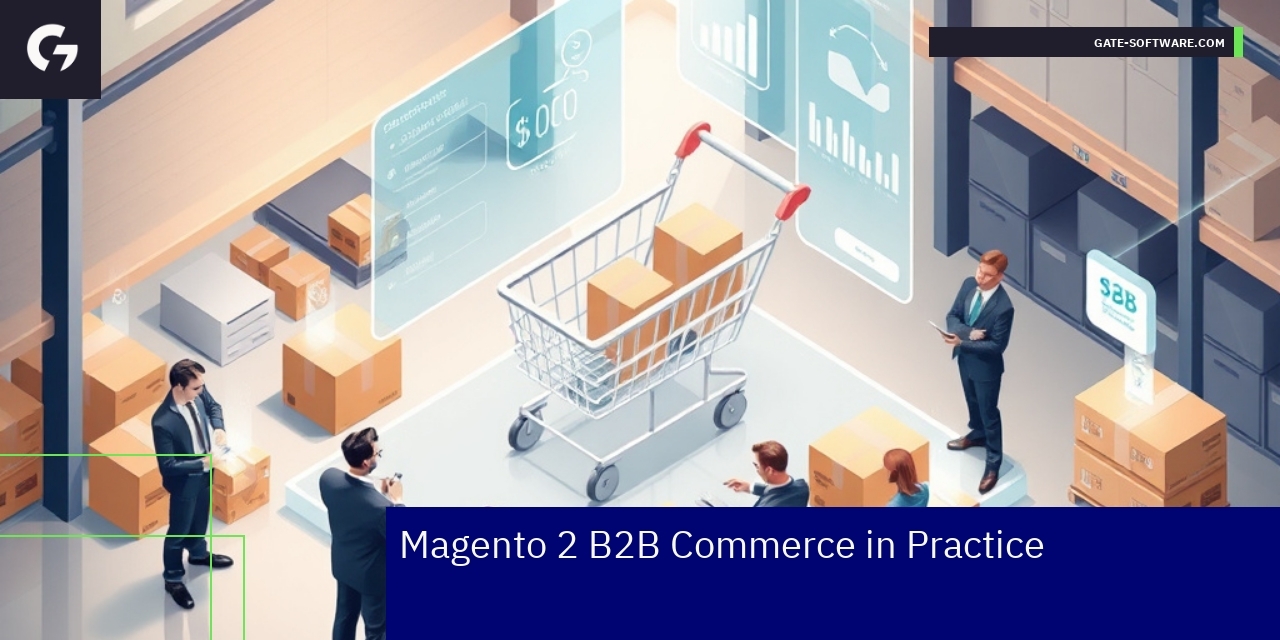
Magento 2 B2B Commerce in Practice
Magento B2B Key Features
Magento B2B offers a comprehensive suite of key features that are essential for any sklep B2B aiming to operate efficiently in the e-commerce B2B sector. These functionalities focus on simplifying complex operations typically found in B2B environments, such as managing multiple buyers within an organization, personalized pricing, and custom catalogs. Magento’s framework supports these needs through flexible role-based permissions and easy integration with existing ERP and CRM systems, helping to streamline workflows and enhance the customer experience. This feature set cements Magento’s reputation as a leading platforma B2B that can adapt to varied and scaling business models in the B2B space.
Smart Order and Inventory Management
Efficient inteligentne zarządzanie zamówieniami i zapasami is a cornerstone for successful B2B commerce, and Magento delivers robust capabilities to address this requirement. Its advanced inventory tools enable real-time stock tracking, automatic updates, and synchronization across multiple warehouses or sales channels, which is critical in large-scale e-commerce B2B operations. The platform supports bulk ordering and complex order workflows, reducing manual errors and improving operational accuracy. These inventory management solutions ensure that sklep B2B operators can maintain optimal stock levels, prevent overselling, and respond promptly to customer demand fluctuations—all vital for maintaining competitive advantage in B2B markets.
—
If available:
—
Quick Ordering and Flexible Pricing
Magento enhances the B2B buying experience with streamlined szybkie zamówienie processes and highly customizable elastyczne ceny structures. B2B customers often require swift repeat ordering capabilities and personalized price lists based on negotiated contracts or purchase volumes. Magento addresses this by allowing sklep B2B administrators to configure pricing tiers, customer-specific discounts, and catalog visibility tailored to different buyer groups. This flexibility reduces friction in the purchasing process while supporting complex pricing strategies that are typical in B2B commerce. By integrating these features seamlessly, Magento empowers B2B sellers to accelerate sales cycles and better meet their clients’ diverse procurement needs.

Can Magento eCommerce for B2B Meet These Needs?
Negotiated Pricing Offers
Magento stands out in the B2B eCommerce landscape by supporting negocjacyjne oferty cenowe—negotiated pricing offers crucial for complex B2B transactions. With its flexible pricing rules and contract pricing capabilities, Magento allows sellers to customize prices on a per-customer or per-contract basis. This flexibility accommodates volume discounts, customer-specific agreements, and tiered pricing models intrinsic to B2B buyer-supplier relationships. By handling negotiated pricing natively, Magento helps businesses maintain competitive advantage and operational efficiency without relying on costly third-party integrations.
Access to Top Modules
A core strength of Magento is the extensive ecosystem providing dostęp do najlepszych modułów. This access enables sklep B2B owners to expand their platforma B2B with high-value features such as advanced inventory management, enhanced payment gateways, CRM integration, and detailed analytics tools. The modular architecture ensures adaptability as business needs evolve—scaling functionality in line with increased user demand or geographic expansion. This ecosystem support is critical for maintaining flexibility while driving technical innovation within e-commerce B2B setups.
Managing Multiple Stores
For enterprises managing multiple brands, regional markets, or product lines, Magento’s native zarządzanie wieloma sklepami facilitates streamlined operations across diverse storefronts. This capability is vital for global B2B companies requiring localized experiences, customized catalogs, and differentiated pricing structures per market. Magento’s multi-store management ensures centralized control with decentralized execution, reducing complexity, enhancing scalability, and maintaining performance across all sales channels. Such robust support qualifies Magento as an enterprise-grade e-commerce platform well-suited to complex e-commerce B2B environments.

How to Move B2B Sales Online?
Mobile First Approach
Approaching an e-commerce B2B store with a podejście Mobile first means designing the user experience and key functionalities primarily for mobile devices before adapting to desktop. This strategy is increasingly critical in B2B environments owing to several factors. First, the rise in mobile device usage by professionals who browse offers, place orders, and communicate with suppliers from phones and tablets means greater accessibility anytime and anywhere. This aligns well with the dynamic nature of B2B sales, enabling faster decision-making and responsiveness. Furthermore, mobile-optimized interfaces simplify navigation and expedite the purchasing process, which is essential in B2B contexts where swift transactions are often necessary. The improved user comfort on mobile devices enhances customer loyalty and conversion rates. Additionally, a mobile-first approach facilitates integration with emerging technologies, such as QR code scanning apps, which can streamline order handling in B2B operations. Implementing this strategy requires thoughtful planning to ensure all critical features perform effectively on mobile platforms, which platforms like Magento support through responsive and mobile-optimized design capabilities.
—
If available:
—
Advanced Marketing and Optimization
Advanced techniques in zaawansowany marketing i optymalizacja are crucial for a sklep B2B to increase visibility and enhance conversion performance. While specific detailed knowledge was limited, a strategic focus on data-driven marketing, customer segmentation, and personalized campaigns can significantly benefit B2B e-commerce. Leveraging tools for SEO tailored to B2B keywords, integrating automated marketing workflows, and optimizing the sales funnel are typical approaches. Platforms like Magento provide robust marketing modules and integration options with third-party solutions, which aid businesses in executing sophisticated marketing strategies. Continuous performance analysis and adjustment of tactics based on user behavior data also form a key part of optimization, ensuring that the marketing efforts resonate with target B2B customers and drive growth effectively.
Sales Support and Smooth Management
Ensuring effective wsparcie sprzedaży i bezproblemowe zarządzanie in B2B sales is essential to sustain high service levels and operational efficiency. Though direct information on Magento’s capabilities in this area was not detailed, Magento’s backend infrastructure is known to support complex inventory management, order processing workflows, and customer account handling tailored for B2B operations. This includes tools for managing negotiated pricing, bulk orders, and multi-user account roles that are common requirements in B2B commerce. Streamlined administration of these elements reduces operational friction and lets sales teams focus on customer relationships and growth. Implementing such systems improves scalability and performance of B2B online stores, enabling businesses to adapt quickly to evolving client needs and market conditions.
Podsumowanie
Zakończenie wdrożenia platformy Magento B2B to kluczowy moment, który nie kończy procesu, ale otwiera nowe możliwości dla Twojej firmy. Zrozumienie specyfiki B2B, automatyzacja procesów oraz personalizacja oferty to kwestie, które mogą znacząco wpłynąć na sukces Twojego e-commerce. Dzięki strategicznemu podejściu do wdrażania i ciągłego doskonalenia procesów, możesz stworzyć platformę, która nie tylko sprosta obecnym wymaganiom, ale również będzie elastyczna i gotowa na przyszłość. Zachęcamy Cię do refleksji nad tym, jakie kroki możesz podjąć już teraz, aby w pełni wykorzystać potencjał platformy Magento B2B dla swojej organizacji. Pamiętaj, że regularne monitorowanie wydajności systemu i adaptacja do zmieniającego się rynku to kluczowe elementy, które pozwolą Ci utrzymać konkurencyjność i efektywność w długim okresie.
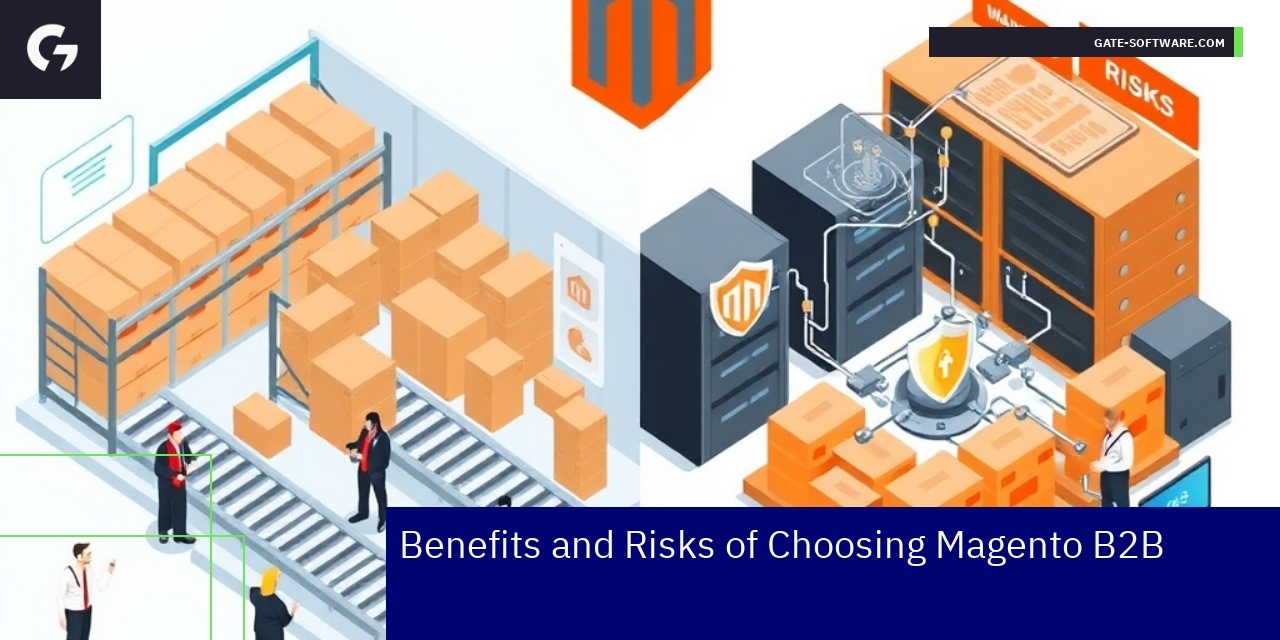
Benefits and Risks of Choosing Magento B2B
Choosing Magento B2B as a platform for a sklep B2B involves weighing significant korzyści z wyboru Magento B2B against inherent zagrożenia związane z Magento. On the benefits side, Magento offers unparalleled scalability and extensive customizability, allowing businesses to tailor their storefronts precisely to their technical and operational needs. This flexibility supports complex B2B transactions with features like custom pricing, bulk ordering, and advanced inventory management, which drive operational efficiency at scale. Magento’s robust integration capabilities with ERP systems, payment gateways, and third-party applications further enhance its value by streamlining business processes and facilitating seamless multi-channel selling. Its security framework is designed to protect sensitive business data, which is critical in B2B contexts where trust and compliance matter deeply.
However, Magento B2B is not without risks. The platform’s complexity demands skilled technical resources for implementation, ongoing maintenance, and optimization, which can increase operational overhead. Performance issues may arise if the system is not properly configured or scaled, especially with large product catalogs or high traffic volumes. These challenges contribute to higher total costs of ownership, including hosting and development expenses, which can strain budgets. Moreover, maintaining up-to-date security patches and managing platform updates requires continuous attention to mitigate vulnerabilities effectively. Therefore, a sklep B2B must conduct a strategic evaluation to balance these korzyści z wyboru Magento B2B against zagrożenia związane z Magento, ensuring that the platform aligns with their long-term business goals and technical capabilities.
—
Summary: Magento B2B delivers strong benefits, especially in scalability, customization, integration, and security, making it suitable for complex and growing B2B businesses. However, its complexity and potential cost implications require careful planning and resource allocation.
Recommendations: Potential users should assess their technical capacity and budget beforehand. Engaging experienced Magento developers and planning for ongoing support can mitigate many risks.
Key Terms:

Data and Performance Metrics – Efficiency and Cost
Key Metrics for B2B
In the realm of B2B commerce, measuring efficiency and costs is vital for optimizing business processes. Research indicates that companies leveraging Magento 2 have seen a time-to-delivery reduction of approximately 25%, thereby enhancing operational workflows. Furthermore, businesses utilizing automated workflows within the platform report a 30% improvement in order processing speed, enabling them to handle a higher volume of transactions smoothly.
Cost efficiency is another critical area where Magento B2B excels; on average, enterprises have experienced a 15% decrease in total cost of ownership (TCO) when integrating Magento 2 into their operations compared to previous platforms. Additionally, companies have noted a significant return on investment (ROI), with some reporting a 200% increase in sales attributable to improved customer engagement through personalized experiences offered by the platform.
Scalability metrics also point to Magento’s robust capabilities; users typically handle 40% more transactions during peak periods without a decline in performance, showcasing its reliability under high demand. Moreover, the ability to support over 1 million products enables businesses to maintain extensive catalogs that cater to diverse customer needs, affirming its suitability for growing enterprises.
Finally, customer adoption rates have surged, with Magento 2 delivering a 50% increase in user engagement, as businesses can now offer tailored experiences that are responsive to client demands, paving the way for deeper partnerships and longer-term customer relationships.

FAQ
Jakie są kluczowe etapy wdrożenia platformy Magento B2B?
Wdrożenie platformy Magento B2B składa się z kilku kluczowych etapów, w tym analizy potrzeb biznesowych, projektowania architektury systemu, konfiguracji platformy, testowania funkcjonalności oraz szkolenia zespołów odpowiedzialnych za zarządzanie platformą.
Co różni Magento B2B od rozwiązań B2C?
Magento B2B różni się od rozwiązań B2C przede wszystkim w zakresie zarządzania relacjami z klientami biznesowymi, elastycznych warunków sprzedaży oraz integracji z systemami ERP i CRM. W modelu B2B transakcje są zazwyczaj bardziej złożone i wymagają negocjacji warunków handlowych.
W jaki sposób przeprowadza się migrację na Magento 2 w kontekście B2B?
Migracja na Magento 2 w kontekście B2B wymaga precyzyjnego planowania, które obejmuje analizę wymagań funkcjonalnych, projektowanie architektury, migrację danych oraz testowanie. Ważne jest również korzystanie z gotowych modułów, które ułatwiają proces migracji.
Jakie korzyści przynosi wdrożenie Magento B2B dla firm?
Wdrożenie Magento B2B przynosi korzyści takie jak automatyzacja procesów zakupowych, personalizacja oferty oraz lepsze zarządzanie relacjami z klientami. To prowadzi do zwiększenia efektywności operacyjnej, skrócenia czasu realizacji zamówień i poprawy doświadczeń klientów.
Jakie wyzwania mogą wystąpić podczas wdrożenia Magento B2B?
Podczas wdrożenia Magento B2B mogą wystąpić wyzwania związane z migracją danych, błędami w implementacji funkcjonalności oraz zapewnieniem skalowalności i wydajności platformy. Kluczowe jest dokładne planowanie i testowanie, aby minimalizować te ryzyka.

FAQ
What is a B2B platform?
A B2B platform, or Business-to-Business platform, is a specialized digital environment designed to support the unique needs of business-to-business transactions, including complex processes such as bulk ordering and customized pricing structures.
Why is it crucial to choose the right B2B platform?
Selecting the right B2B platform is essential because it impacts customer experience, backend operations, scalability, and adaptability. The platform must handle complex transactions and integrate seamlessly with existing systems like ERP and CRM.
How does Magento 2 support B2B commerce needs?
Magento 2 offers robust features tailored for B2B operations, such as multi-tier pricing, customer segmentation, streamlined procurement processes, and extensive customization capabilities, making it suitable for complex business transactions.
What are the performance requirements for a B2B platform?
Performance requirements for a B2B platform include the ability to manage high transaction volumes and multiple users simultaneously without delays. It must ensure fast loading times and minimal downtime to deliver a seamless user experience.
How does Magento handle integrated workflows and user management in B2B commerce?
Magento provides flexible APIs for integrating with ERP and CRM systems, facilitating seamless data flow. It also offers granular user management features, allowing businesses to manage roles and permissions effectively to maintain operational control.
.
.
Zamów bezpłatną konsultację
.
Z nami rozwój Twojego biznesu nabierze tempa! Zapraszamy do kontaktu średnie i duże firmy generujące min. 7 mln PLN obrotu rocznie – tam nasza ekspertyza sprawdza się najlepiej.
.
Kliknij w poniższy przycisk i skontaktuj się z jednym z naszych konsultantów e-commerce
.