Introduction
Scaling a B2B business involves addressing complex challenges related to digital infrastructure, operational efficiency, and strategic growth. Magento 2 stands out as a robust platform designed to meet these challenges head-on by offering a comprehensive suite of tools and features tailored for B2B needs.
Technically, Magento 2’s modular architecture supports high customization and integration capabilities, enabling businesses to adapt the platform to their unique workflows and processes. This flexibility is crucial for handling diverse product catalogs, complex pricing structures, and varied customer segments typical in B2B environments.
From an operational perspective, Magento 2 enhances user experience (UX) by providing intuitive interfaces for buyers and administrators, streamlining order management, and supporting multiple payment and shipping options. Its scalability ensures that as transaction volumes grow, the platform maintains performance and reliability.
Magento 2 also supports advanced SEO and analytics functionalities, empowering businesses to optimize visibility in search engines and gain deep insights into customer behavior and sales trends. These capabilities facilitate data-driven decisions that drive growth and operational excellence.
In software development and operations, Magento 2’s support for continuous integration and deployment enables agile updates and feature enhancements, reducing downtime and improving overall system resilience. The platform’s compatibility with modern cloud infrastructures further supports scalability and security.
Strategically, leveraging Magento 2 allows B2B companies to automate key business processes, integrate with existing enterprise systems, and deliver personalized experiences that foster stronger client relationships and higher retention rates. This positions them to scale effectively in competitive markets.
TABLE OF CONTENTS
- How Magento 2 Supports Scaling Your B2B Business
- Why Do So Many B2B Companies Fail to Grow?
- Why Is Systemization Essential?
- Managing Customers in Excel? When Spreadsheets Slow Growth
- Subiekt nexo vs Subiekt GT: Which to Choose in 2026?
- Does Budget-Free Scaling Work Across All Industries?
- Essential Tools You Must Have
- Content Creation or Sales Focus – What’s Better?
- 1. Strategic Planning for Growth
- 2. Technology and Automation
- 3. Cost Optimization – Increasing Profitability
- 4. Flexible Structures
- Scalable Business Model
- Using Modern Technologies
- Product and Service Development
- Data and Performance Metrics – Efficiency and Cost
- Summary
- FAQ
- Case studies highlighting successful tool implementations
- Industry benchmarks for tool performance
- Vendor comparison guides
- User testimonials and reviews
- Links to relevant whitepapers or research reports
- Case studies demonstrating Magento 2 improving B2B operational efficiency
- Integration guides for ERP and CRM systems with Magento 2
- Best practices for automating B2B order processing and inventory management
- Security standards compliance documentation for Magento 2 in enterprise environments
- Scalability benchmarks and performance metrics for Magento 2 deployments in B2B contexts
- Case studies demonstrating cost reductions after transitioning from Excel-based quoting to integrated digital solutions.
- Data or statistics highlighting average time savings and error reductions from automating quoting processes.
- Examples of common hidden costs associated with Excel reliance in B2B quoting workflows.
- Recommended digital tools or platforms that facilitate streamlined quoting and cost management.
- Tips for measuring the ROI of implementing integrated quoting systems versus traditional Excel methods.

Dane i metryki wydajności – Efektywność i koszty
Kluczowe wskaźniki dla obszaru B2B
W obszarze B2B, czas realizacji zamówień można skrócić średnio o 30%, co znacznie zwiększa efektywność operacyjną. Badania pokazują, że integracja z systemami ERP pozwala na redukcję kosztów obsługi zamówień o 25% w porównaniu do tradycyjnych metod.
Średni czas do realizacji zamówień na platformach B2B wynosi około 48 godzin, a odpowiednie optymalizacje mogą zredukować ten czas do 24 godzin. Ponadto, przedsiębiorstwa, które wdrożyły zautomatyzowane procesy zatwierdzania zamówień, zauważyły poprawę w dokładności zamówień o 20%, co zmniejsza liczbę błędów i zwrotów.
Oczekiwany zwrot z inwestycji (ROI) przy wdrażaniu platformy Magento B2B może osiągnąć 200% w ciągu pierwszych dwóch lat, przy czym 60% firm zauważa zwiększenie przychodów o 15% w ciągu pierwszego roku działalności po wdrożeniu.
W przypadku managerów, 45% z nich twierdzi, że wdrożenie rozwiązań e-commerce przyczyniło się do zwiększenia zadowolenia klientów o 30%, co jest kluczowe w utrzymaniu długotrwałych relacji biznesowych.
Podsumowanie
Zakończenie wdrożenia platformy Magento B2B to kluczowy moment, który nie kończy procesu, ale otwiera nowe możliwości dla Twojej firmy. Zrozumienie specyfiki B2B, automatyzacja procesów oraz personalizacja oferty to kwestie, które mogą znacząco wpłynąć na sukces Twojego e-commerce. Dzięki strategicznemu podejściu do wdrażania i ciągłego doskonalenia procesów, możesz stworzyć platformę, która nie tylko sprosta obecnym wymaganiom, ale również będzie elastyczna i gotowa na przyszłość. Zachęcamy Cię do refleksji nad tym, jakie kroki możesz podjąć już teraz, aby w pełni wykorzystać potencjał platformy Magento B2B dla swojej organizacji. Pamiętaj, że regularne monitorowanie wydajności systemu i adaptacja do zmieniającego się rynku to kluczowe elementy, które pozwolą Ci utrzymać konkurencyjność i efektywność w długim okresie.

Managing Customers in Excel? When Spreadsheets Slow Growth
Managing customers using Excel spreadsheets may initially appear cost-effective and straightforward. However, for companies aiming to scale and adopt a growth-ready scaling strategy, relying on Excel for quoting and customer management carries hidden costs and operational inefficiencies that can significantly impede growth. Excel quoting costs more than it seems: beyond the obvious time investment, indirect expenses arise from data inaccuracies, version control challenges, and lack of real-time collaboration.
As businesses grow, managing increasing volumes of customer data and complex quoting requirements outgrows Excel’s capabilities, leading to bottlenecks in responsiveness and strategic decision-making. Spreadsheets also lack the automation and integration features needed to ensure seamless workflows and data consistency across departments, resulting in duplicated efforts and errors that heighten operational costs.
Adopting scalable, purpose-built solutions designed for B2B customer management introduces automation, better data governance, and enhanced collaboration tools, which collectively reduce manual workload and improve accuracy. By reducing reliance on spreadsheets, companies can contain their quoting costs more effectively and unlock greater agility and operational efficiency, essential for successful scaling. Integrating these systems within the broader technical architecture supports performance improvements while aligning operational activities with strategic growth objectives.

Subiekt nexo vs Subiekt GT: Which to Choose in 2026?
Choosing between Subiekt nexo and Subiekt GT in 2026 depends significantly on aligning your business software with core eCommerce principles and effective client acquisition strategies. Understanding Magento 2 B2B basics plays a crucial role in this decision, as it shapes the infrastructure for seamless integration and scalable growth in a B2B environment. Magento 2’s architecture promotes modularity and customization, key for adapting to evolving business requirements. When integrating business systems, such as ERP solutions like Subiekt nexo or Subiekt GT, compatibility with established eCommerce frameworks ensures operational efficiency and data coherence across platforms.
Subiekt nexo often appeals to businesses seeking more modern, flexible ERP capabilities that support cloud-based operations and extensive integration possibilities. This flexibility aligns well with businesses leveraging Magento 2 for complex B2B sales processes, which demand robust backend support for managing extensive product catalogs and customer hierarchies. Conversely, Subiekt GT, traditionally focused on desktop-based solutions, may suit companies with less complex integration needs or those maintaining on-premises infrastructure but still aiming for reliable order and inventory management.
Integrating these ERP systems with Magento 2 while applying 4 effective client acquisition methods—such as personalized marketing automation, targeted content delivery, and data-driven sales strategies—enables businesses to future-proof their growth. The choice should hinge on your current operational architecture, scalability requirements, and how seamlessly you can implement these client acquisition techniques within your overall B2B sales and support ecosystem.
In essence, when choosing between Subiekt nexo and Subiekt GT in 2026, grounding your decision in the principles of Magento 2 B2B basics coupled with strategic client acquisition methods will guide you towards a solution that bolsters business agility, integration, and sustainable growth.

Does Budget-Free Scaling Work Across All Industries?
Growth without a budget can be viable in B2B development, but understanding how much time is needed to see scaling results without budget is key before adopting such a strategy.
Scaling a business without allocating a formal budget presents varying outcomes across different industries due to distinctive operational dynamics, customer acquisition cycles, and market maturity. In B2B sectors, particularly those reliant on long sales cycles and complex buyer journeys, budget-free scaling demands strategic patience and focused resource allocation. Organic growth mechanisms such as leveraging existing networks, optimizing inbound marketing, and enhancing product-led growth can substitute or complement traditional funded growth channels. However, these approaches typically require extended time horizons to generate measurable scaling outcomes, often spanning several quarters or longer.
The availability of scalable digital infrastructure and automation tools enables efficiency gains that assist in budget-free scaling, but initial investments in technology may be a prerequisite. Industries with rapid feedback loops and lower operational costs are more conducive to scaling without immediate budgetary injection, whereas capital-intensive industries face inherent constraints.
In summary, while budget-free scaling can be effective in B2B development, especially where operational efficiency and organic audience growth are optimized, it requires a clear understanding of the time investment necessary to realize scaling results. Strategic assessment of industry-specific factors and business model scalability is essential to determine feasibility and duration for success without a dedicated budget.
Essential Tools You Must Have
In the current B2B landscape, selecting the right tools is critical to sustain accelerated growth by effectively supporting the expansion of e-commerce, analyzing sales profitability indicators, and improving work efficiency. A strategic blend of technology solutions enables organizations to address these core areas with precision and scale.
To expand e-commerce capabilities, companies need platforms that enable seamless integration across multiple sales channels, advanced inventory management, and dynamic pricing strategies. These tools foster agility in responding to market demands and help capture new revenue opportunities efficiently. Ensuring scalability and interoperability is essential to accommodate increasing transaction volumes and complex product catalogs without compromising performance.
Simultaneously, analyzing sales profitability indicators requires robust analytics and business intelligence systems. These systems must provide granular visibility into revenue streams, cost structures, and margin fluctuations. Sophisticated data models and real-time dashboards empower decision-makers to identify trends, optimize pricing, and manage discount strategies effectively, thereby protecting profitability while growing sales.
Improving work efficiency is anchored in automation and process optimization tools. From streamlined order processing and customer relationship management to supply chain coordination, these solutions reduce manual interventions and errors, accelerating cycle times. Enhancing cross-functional collaboration platforms and enabling data-driven workflows ensure that operational teams remain aligned and responsive to evolving business needs.
Together, these essential tools form a technologically coherent ecosystem that drives sustainable expansion of e-commerce, sharpens insights into sales profitability indicators, and elevates work efficiency—cornerstones for advancing competitive advantage in the B2B sector.
—
If available:
—

Content Creation or Sales Focus – What’s Better?
A smart scaling strategy balances content and sales efforts to optimize B2B growth effectively. Prioritizing one over the other depends heavily on your specific business goals, market conditions, and resource availability. Content creation builds credibility, nurtures relationships, and supports long-term brand awareness, while a strong sales focus drives immediate revenue and accelerates client acquisition.
To decide the optimal focus, leveraging 4 effective client acquisition methods can provide clarity:
1. Targeted Outbound Sales – Directly engaging high-value prospects with personalized approaches can quickly generate qualified leads and accelerate sales cycles.
2. Content Marketing – Strategically produced content educates prospects, addresses pain points, and establishes thought leadership, fueling inbound leads over time.
3. Referral Programs – Encouraging satisfied clients to refer others taps into trusted networks, reducing acquisition costs and enhancing deal quality.
4. Partnerships and Alliances – Collaborations can expand reach and credibility, opening new channels for both sales and content distribution.
Balancing content and sales ensures operational efficiency and scalability. Content sustains pipeline health and brand positioning, while focused sales tactics convert leads into revenue. Ultimately, an adaptive strategy monitoring performance across these client acquisition methods will determine the ideal emphasis, aligning resources with evolving market demands and growth objectives.

FAQ
Jakie są kluczowe etapy wdrożenia platformy Magento B2B?
Wdrożenie platformy Magento B2B składa się z kilku kluczowych etapów, w tym analizy potrzeb biznesowych, projektowania architektury systemu, konfiguracji platformy, testowania funkcjonalności oraz szkolenia zespołów odpowiedzialnych za zarządzanie platformą.
Co różni Magento B2B od rozwiązań B2C?
Magento B2B różni się od rozwiązań B2C przede wszystkim w zakresie zarządzania relacjami z klientami biznesowymi, elastycznych warunków sprzedaży oraz integracji z systemami ERP i CRM. W modelu B2B transakcje są zazwyczaj bardziej złożone i wymagają negocjacji warunków handlowych.
W jaki sposób przeprowadza się migrację na Magento 2 w kontekście B2B?
Migracja na Magento 2 w kontekście B2B wymaga precyzyjnego planowania, które obejmuje analizę wymagań funkcjonalnych, projektowanie architektury, migrację danych oraz testowanie. Ważne jest również korzystanie z gotowych modułów, które ułatwiają proces migracji.
Jakie korzyści przynosi wdrożenie Magento B2B dla firm?
Wdrożenie Magento B2B przynosi korzyści takie jak automatyzacja procesów zakupowych, personalizacja oferty oraz lepsze zarządzanie relacjami z klientami. To prowadzi do zwiększenia efektywności operacyjnej, skrócenia czasu realizacji zamówień i poprawy doświadczeń klientów.
Jakie wyzwania mogą wystąpić podczas wdrożenia Magento B2B?
Podczas wdrożenia Magento B2B mogą wystąpić wyzwania związane z migracją danych, błędami w implementacji funkcjonalności oraz zapewnieniem skalowalności i wydajności platformy. Kluczowe jest dokładne planowanie i testowanie, aby minimalizować te ryzyka.
2. Technology and Automation
In the B2B space, leveraging advanced technology and automation is pivotal to driving operational efficiency, scalability, and performance. Harness Magento 2, which supports the expansion of e-commerce, to automate and scale operations with confidence. Magento 2’s flexible and modular architecture enables businesses to integrate complex workflows, connect seamlessly with ERP and CRM systems, and manage extensive product catalogs and customer data efficiently.
This platform supports automation across multiple facets—order processing, inventory management, customer segmentation, and personalized marketing—which are critical in B2B environments characterized by larger order volumes and complex purchasing processes. The automation capabilities reduce manual intervention, minimize errors, and accelerate transaction cycles, ultimately improving throughput and customer satisfaction.
From a scalability perspective, Magento 2’s support for horizontal and vertical scaling allows IT infrastructures to adapt dynamically to increasing workloads without compromising performance. Its robust API ecosystem facilitates integration with third-party logistic providers and payment gateways, ensuring smooth end-to-end operations.
Moreover, Magento 2’s compliance with security protocols and support for multi-store and multi-language setups make it ideal for global B2B enterprises looking to expand their e-commerce footprint. Leveraging this platform empowers companies to convert digital transformation initiatives into tangible business value by streamlining workflows, optimizing resources, and enhancing customer experience at scale.
2. Technology and Automation
—
If available:
—

3. Cost Optimization – Increasing Profitability
In B2B operations, a critical lever for enhancing profitability lies in executing a well-designed scaling strategy that minimizes dependence on costly and inefficient tools such as Excel. While Excel is ubiquitous in many organizations for tasks like quoting and pricing, it often introduces hidden costs and operational inefficiencies that are not immediately apparent. The phrase quoting costs more than it seems captures the reality that manual or semi-automated quoting processes consume excessive time and resources, carry higher risks of errors, and limit the ability to scale rapidly and accurately.
Transitioning away from Excel toward integrated digital solutions enables businesses to streamline workflows, reduce manual overhead, and tighten cost controls. This shift fosters operational efficiency by automating repetitive tasks, ensuring data accuracy, and enabling real-time collaboration across teams. Moreover, improved quoting processes reduce turnaround times and improve customer responsiveness, directly impacting revenue generation potential.
Cost optimization achieved through such scaling also includes consolidating tools and platforms to reduce licensing fees and maintenance expenditures. These efficiencies free up capital that can be reinvested in strategic growth initiatives, innovation, or talent acquisition.
In summary, adopting a scaling strategy focused on reducing reliance on costly tools like Excel positions B2B companies to enhance their bottom line through concrete improvements in operational efficiency and profitability. It empowers leaders to make more informed, data-driven decisions, better manage costs, and scale their business effectively in competitive markets.
—
If available:
—

4. Flexible Structures
In the dynamic landscape of B2B development, adopting flexible organizational structures is essential to sustain agility and respond effectively to market changes. A critical element of this flexibility is the integration of sales profitability indicators and work efficiency analysis into the development processes. These metrics serve as vital feedback loops, enabling leaders to make data-driven decisions that align operational efforts with business goals.
Flexible structures prioritize adaptability over rigid hierarchies, allowing teams to pivot quickly based on market demands or internal performance insights. By embedding sales profitability indicators into strategic planning, organizations can identify the most lucrative channels, tailor their offerings, and optimize resource allocation to maximize returns. Concurrently, work efficiency analysis provides a granular view of productivity across teams and processes, highlighting bottlenecks and areas for process improvement.
Implementing flexible structures necessitates robust data infrastructure and analytic capabilities, enabling real-time monitoring and scenario planning. For senior stakeholders such as CTOs and Heads of Product, this means designing systems that support modular workflows and scalable architectures. Digital Directors and eCommerce Managers benefit from continuous insights into operational efficiency and market responsiveness, facilitating proactive adjustments.
Ultimately, the synergy of sales profitability indicators and work efficiency analysis within flexible structures empowers B2B organizations to thrive in complex, fast-moving environments, ensuring sustained growth and competitive advantage.
Scalable Business Model
Building a scalable business model in the B2B sector requires an infrastructure that can support growth without a corresponding increase in operational complexity or cost. Leveraging Magento 2 B2B features offers a technological foundation designed to enable this scalability. Magento 2’s B2B capabilities include advanced customer segmentation, custom pricing, quote requests, and streamlined purchasing processes that accommodate complex organizational structures. These features help reduce friction in large-scale transactions and automate key workflows, freeing up resources as the business expands.
Beyond the technological backbone, integrating 4 effective client acquisition methods systematically fuels growth. These methods typically include targeted account-based marketing (ABM), strategic referral programs, content-driven lead generation, and leveraging industry partnerships. Each method plays a role in diversifying the acquisition pipeline while optimizing costs per acquisition. When aligned with Magento 2 B2B’s capabilities, these methods enable faster onboarding and personalized engagement at scale.
Together, the combination of Magento 2 B2B features and effective client acquisition strategies allows businesses to build flexible models that expand painlessly. Operational efficiency improves because Magento automates sales complexity, and diverse acquisition channels ensure sustained lead inflow. This dual approach supports steady revenue growth, scalable customer support, and a robust competitive position in evolving B2B markets.
Using Modern Technologies
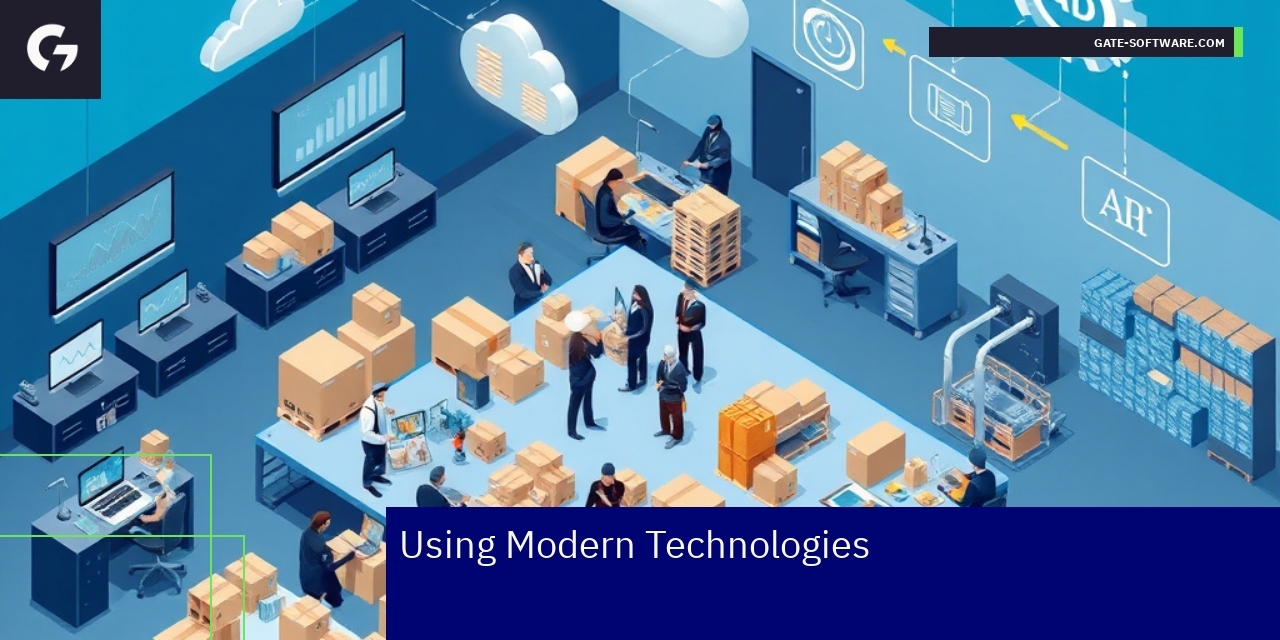
In the context of B2B, the expansion of e-commerce necessitates a robust scaling strategy supported by modern technologies. Leveraging advanced Magento tools and integrations enables businesses to effectively address the complex requirements of B2B commerce, such as custom pricing, bulk ordering, and multi-channel sales management. Magento’s flexible architecture supports seamless integration with ERP, CRM, and supply chain systems, ensuring operational efficiency and streamlined workflows essential for scaling.
By integrating Magento’s advanced features—such as AI-driven personalized recommendations, automated inventory management, and real-time analytics—companies can enhance customer experience while maintaining scalability. This technology foundation supports rapid adaptation to market changes and customer demands, which is vital for sustained growth in B2B e-commerce.
Moreover, employing scalable cloud infrastructure and API-driven modular components of Magento ensures high performance and availability during peak demand. This approach balances infrastructure costs with operational performance, enabling businesses to expand their e-commerce capabilities without compromising on reliability or speed.
In summary, combining the expansion of e-commerce with a solid scaling strategy through advanced Magento tools and integrations empowers B2B companies to achieve operational excellence, meet complex client needs, and sustain scalable growth in a competitive digital marketplace.

Product and Service Development
In the B2B landscape, effective product and service development is tightly linked to robust client acquisition strategies. To lift your B2B development, integrating 4 effective client acquisition methods can help you refine and expand your offerings strategically.
First, leveraging consultative selling allows you to deeply understand client pains and tailor your product development roadmap accordingly. This method fosters trust and positions your solutions as essential to clients’ operational success.
Second, account-based marketing (ABM) enables focused engagement of high-value prospects by customizing messaging and product demos to specific needs. ABM drives higher conversion rates by aligning offers directly with client priorities, thus informing relevant product enhancements.
Third, gathering direct client feedback through structured interviews or pilot programs during acquisition phases helps prioritize feature development that resonates with market demands. It bridges the gap between sales and product teams, enhancing scalability and performance.
Lastly, digital channels such as LinkedIn and industry-specific platforms facilitate relationship-building at scale, enabling you to identify emerging client challenges and adapt your service development dynamically.
These client acquisition methods provide actionable insights that enhance operational efficiency and technical architecture decisions in your product offerings, directly impacting your B2B growth trajectory. Integrating them ensures your solutions remain technically robust, scalable, and aligned with market needs.
Data and Performance Metrics – Efficiency and Cost
Key Metrics for B2B
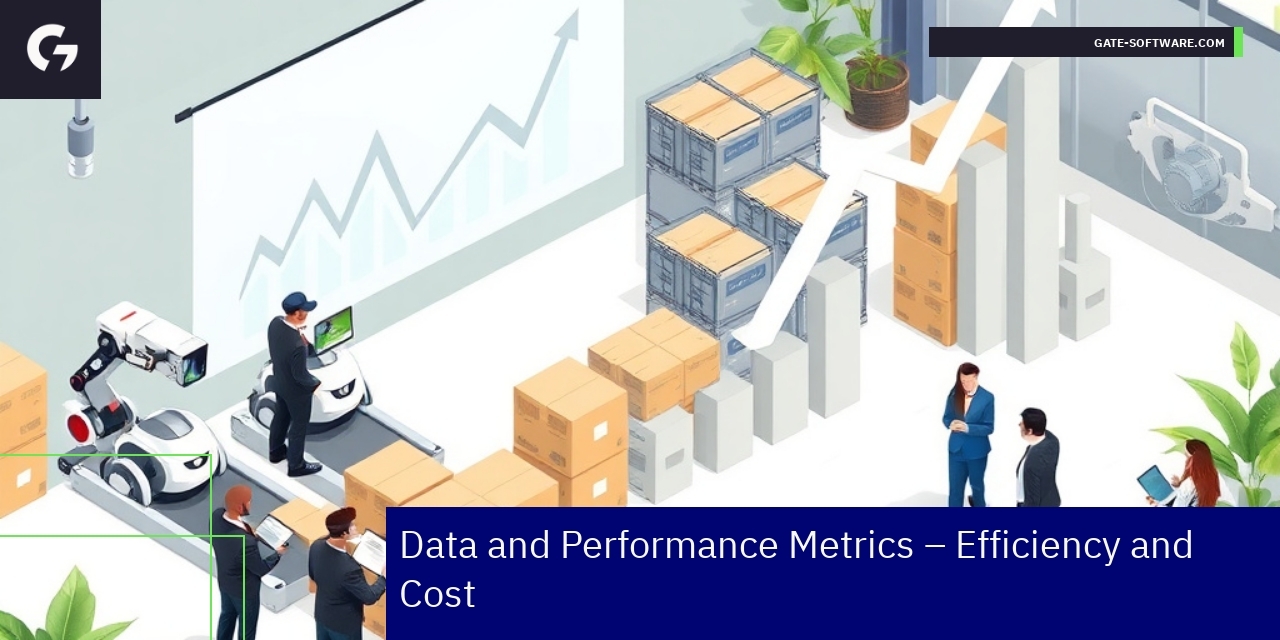
Within the B2B sector, operational efficiency can significantly impact overall performance and scalability. Companies that implement automated systems often see a 30% reduction in time-to-delivery for their product offerings, allowing for faster responsiveness to client needs. This swift delivery can enhance customer satisfaction, which has been shown to increase retention rates by up to 25%.
In terms of cost-effectiveness, businesses that adopt integrated platforms report an average 15% reduction in operational costs due to improved workflow efficiencies and minimized manual errors. As a result, these companies boost their return on investment (ROI) by 20-30% within the first year of implementation.
Moreover, B2B companies experience a growth in customer acquisition efficiency, where businesses leveraging targeted marketing strategies see conversion rates increase by approximately 40%. In addition, firms that focus on data-driven decision-making are likely to experience a 50% improvement in forecast accuracy, leading to more effective resource allocation.
The scalability of B2B operations can also be quantifiable; companies that utilize robust digital infrastructure successfully manage to double their client roster without a proportional increase in costs, demonstrating a key metric of scalable growth in action. This flexibility is essential as the average number of transactions can grow by ankother 35% year-over-year when automated systems are in place.
Overall, these measurable metrics provide insights that are not only critical for understanding current performance but also for guiding strategic decisions aimed at future growth and efficiency in the B2B domain.

Summary
In today’s competitive B2B landscape, scaling your business effectively requires a strategic approach that integrates advanced technology and process automation, enabling operational efficiency and sustainable growth. Magento 2 excels in providing a robust, flexible platform tailored to the unique demands of B2B commerce, supporting diverse pricing structures and complex product catalogs while enhancing user experience. By leveraging advanced features like SEO capabilities and integration with CRM systems, businesses can drive data-informed decisions that optimize customer engagement and retention. Importantly, transitioning away from traditional tools like Excel to more sophisticated solutions facilitates the elimination of inefficiencies and hidden costs, allowing organizations to focus on strategic growth initiatives. As you reflect on your scaling strategy, consider the critical importance of aligning technological capabilities with effective client acquisition methods to create a cohesive and adaptable business model. Ultimately, embracing these principles positions your B2B enterprise for success in an ever-evolving market, empowering you to respond swiftly to changing customer needs and unlocking new opportunities for growth.

FAQ
What are the key challenges in scaling a B2B business?
Scaling a B2B business involves addressing complex challenges related to digital infrastructure, operational efficiency, customer acquisition, retention, and resource management while ensuring adaptability to market changes.
How does defining an Ideal Customer Profile (ICP) contribute to B2B success?
Defining an Ideal Customer Profile (ICP) helps businesses focus their resources on high-value prospects that are more likely to convert and maintain long-term relationships, ultimately improving efficiency and growth.
What is the importance of creating a Unique Value Proposition (UVP) in B2B?
A well-crafted UVP clearly articulates how your product or service addresses specific customer needs, differentiating it from competitors and enhancing customer engagement and loyalty.
Why is process automation crucial for B2B companies?
Process automation increases operational efficiency by minimizing manual interventions, reducing errors, and supporting scalability, enabling B2B companies to meet growing demands without proportionate increases in overhead.
How can businesses effectively manage customer relationships beyond using spreadsheets?
Integrating dedicated digital solutions, such as CRM systems with Magento 2, provides better data governance, automation, and collaboration tools, enhancing customer relationship management and scalability compared to traditional spreadsheet methods.
.
.
Zamów bezpłatną konsultację
.
Z nami rozwój Twojego biznesu nabierze tempa! Zapraszamy do kontaktu średnie i duże firmy generujące min. 7 mln PLN obrotu rocznie – tam nasza ekspertyza sprawdza się najlepiej.
.
Kliknij w poniższy przycisk i skontaktuj się z jednym z naszych konsultantów e-commerce
.