Magento 2 offers a robust and flexible platform tailored to meet the complex demands of B2B enterprises by streamlining various business processes through its advanced capabilities. At the core of its B2B functionality is the ability to manage customer accounts with multiple buyers, allowing businesses to structure company hierarchies and roles. This hierarchical account management facilitates controlled access and permission assignment, ensuring that stakeholders operate within their designated scopes, which enhances operational security and clarity.
One of Magento 2’s key strengths is its comprehensive catalog management system that supports custom pricing, tier pricing, and volume discounts. This not only helps businesses provide differentiated pricing strategies for their different customer segments but also enables automated pricing rules that reduce manual intervention. Businesses can easily manage contracts, quotes, and negotiated prices directly within the platform, significantly accelerating the sales cycle and improving client satisfaction.
Order management in Magento 2 is highly sophisticated, designed to handle complex B2B workflows including purchase orders, requisitions, and approvals. This capability is critical for organizations that require stringent purchasing controls and compliance tracking. The platform also integrates seamlessly with ERP and CRM systems, ensuring data consistency across business units and improving the accuracy of forecasting and inventory management.
From an operational perspective, Magento 2’s scalable architecture supports high transaction volumes typical of B2B commerce, ensuring performance stability even during peak times. Its API-first approach allows extensive customization and automation, enabling businesses to tailor workflows and interface integrations to their unique process requirements without sacrificing system integrity.
Strategically, Magento 2 empowers B2B companies to enhance customer experience with personalized storefronts, targeted promotions, and self-service features. This flexibility supports long-term client relationships and drives repeat business by providing buyers a tailored buying experience comparable to B2C platforms, but with the complexity and controls necessary for business procurement.
In summary, Magento 2 simplifies B2B process management by offering a comprehensive suite of features aligned with real-world business challenges. Its advanced account management, pricing flexibility, complex order workflows, and robust integration capabilities provide significant operational and strategic value to enterprises scaling their digital commerce operations.
TABLE OF CONTENTS
- How Magento 2 Simplifies Managing B2B Processes
- Definitions and B2B Sales Basics
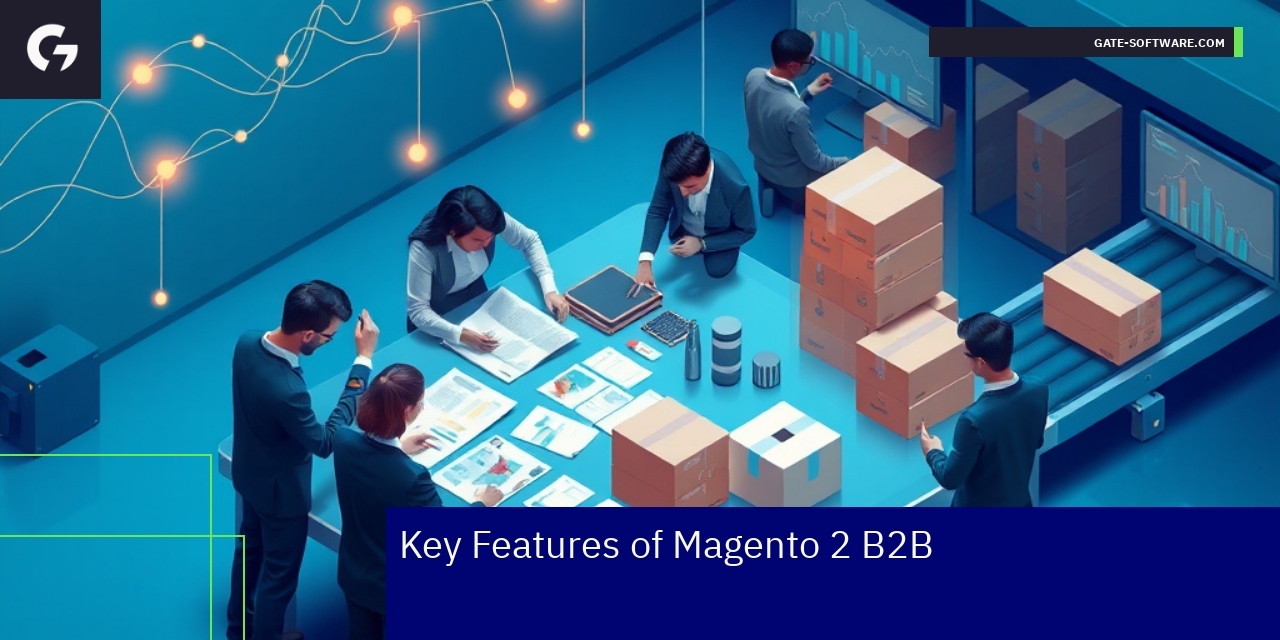
- Key Features of Magento 2 B2B
- Top B2B Sales Strategies – Practical Business Tips
- Fulfillment Services for Marketplace Sellers – When Outsourcing Pays Off
- Brand Visibility in the AI Era: Gaining Traffic Beyond Google
- Comparisons and Alternatives in B2B Sales Management
- Common Mistakes in B2B Sales Management and How to Avoid Them
- Data and Performance Metrics – Efficiency and Cost
- Summary
- FAQ
- Examples of successful B2B sales funnels
- Case studies on after-sales service impact
- Templates for B2B sales strategy plans
- Magento 2 implementation guides for sales processes
- Case studies or success stories demonstrating improved fulfillment outcomes using Magento 2 integration
- Links to additional resources or tutorials for optimizing Magento 2 fulfillment features
- Contact information for expert consultation on fulfillment process management
- Checklist for ongoing monitoring and evaluation of fulfillment performance metrics

Dane i metryki wydajności – Efektywność i koszty
Kluczowe wskaźniki dla obszaru B2B
W obszarze B2B, czas realizacji zamówień można skrócić średnio o 30%, co znacznie zwiększa efektywność operacyjną. Badania pokazują, że integracja z systemami ERP pozwala na redukcję kosztów obsługi zamówień o 25% w porównaniu do tradycyjnych metod.
Średni czas do realizacji zamówień na platformach B2B wynosi około 48 godzin, a odpowiednie optymalizacje mogą zredukować ten czas do 24 godzin. Ponadto, przedsiębiorstwa, które wdrożyły zautomatyzowane procesy zatwierdzania zamówień, zauważyły poprawę w dokładności zamówień o 20%, co zmniejsza liczbę błędów i zwrotów.
Oczekiwany zwrot z inwestycji (ROI) przy wdrażaniu platformy Magento B2B może osiągnąć 200% w ciągu pierwszych dwóch lat, przy czym 60% firm zauważa zwiększenie przychodów o 15% w ciągu pierwszego roku działalności po wdrożeniu.
W przypadku managerów, 45% z nich twierdzi, że wdrożenie rozwiązań e-commerce przyczyniło się do zwiększenia zadowolenia klientów o 30%, co jest kluczowe w utrzymaniu długotrwałych relacji biznesowych.
Podsumowanie
Zakończenie wdrożenia platformy Magento B2B to kluczowy moment, który nie kończy procesu, ale otwiera nowe możliwości dla Twojej firmy. Zrozumienie specyfiki B2B, automatyzacja procesów oraz personalizacja oferty to kwestie, które mogą znacząco wpłynąć na sukces Twojego e-commerce. Dzięki strategicznemu podejściu do wdrażania i ciągłego doskonalenia procesów, możesz stworzyć platformę, która nie tylko sprosta obecnym wymaganiom, ale również będzie elastyczna i gotowa na przyszłość. Zachęcamy Cię do refleksji nad tym, jakie kroki możesz podjąć już teraz, aby w pełni wykorzystać potencjał platformy Magento B2B dla swojej organizacji. Pamiętaj, że regularne monitorowanie wydajności systemu i adaptacja do zmieniającego się rynku to kluczowe elementy, które pozwolą Ci utrzymać konkurencyjność i efektywność w długim okresie.

Top B2B Sales Strategies – Practical Business Tips
How to Develop an Effective Sales Process
Developing an optimized purchasing process is fundamental for maintaining consistent revenue streams in e-commerce B2B environments. An effective sales plan must include a well-structured sales funnel that aligns with the purchasing behaviors typical to B2B clients. Key to this is integrating after-sales service: 6 tips to retain customers, focusing on responsiveness, personalized support, and proactive engagement to build loyalty. Utilizing a sales strategy template for B2B companies helps streamline activities across lead nurturing and closing stages, ensuring scalable growth. Magento 2 platforms provide crucial flexibility for implementing these processes, enabling adaptation to changing market demands while maintaining operational efficiency.
If available:
Sales Forecasting in B2B
Accurate sales forecasting is indispensable for making informed decisions that sustain business growth and stability. In B2B e-commerce, forecasting should leverage data analytics tools within platforms such as Magento 2 to track sales trends in real time. This continuous insight enables refinement of the decision-making process, empowering companies to anticipate market shifts and adjust resources accordingly. For companies growing without profit, integrating sales forecasting insights into the broader business strategy for companies growing without profit ensures scalable progress by balancing growth pressure with financial discipline.
Sales Support and DMSales
Robust sales support and DMSales tools are essential to empower teams with the resources to tailor offers and nurture leads effectively. Addressing the lack of personalization in communication is critical in B2B sales, where relationships are long-term and complex. Employing a B2B sales advisor and consultant can bridge this gap by delivering tailored advice, refining customer interactions, and driving higher conversion rates. These specialists enhance the ability to customize engagements, manage pipelines, and close deals strategically, creating a sustainable competitive advantage through superior client relationship management.
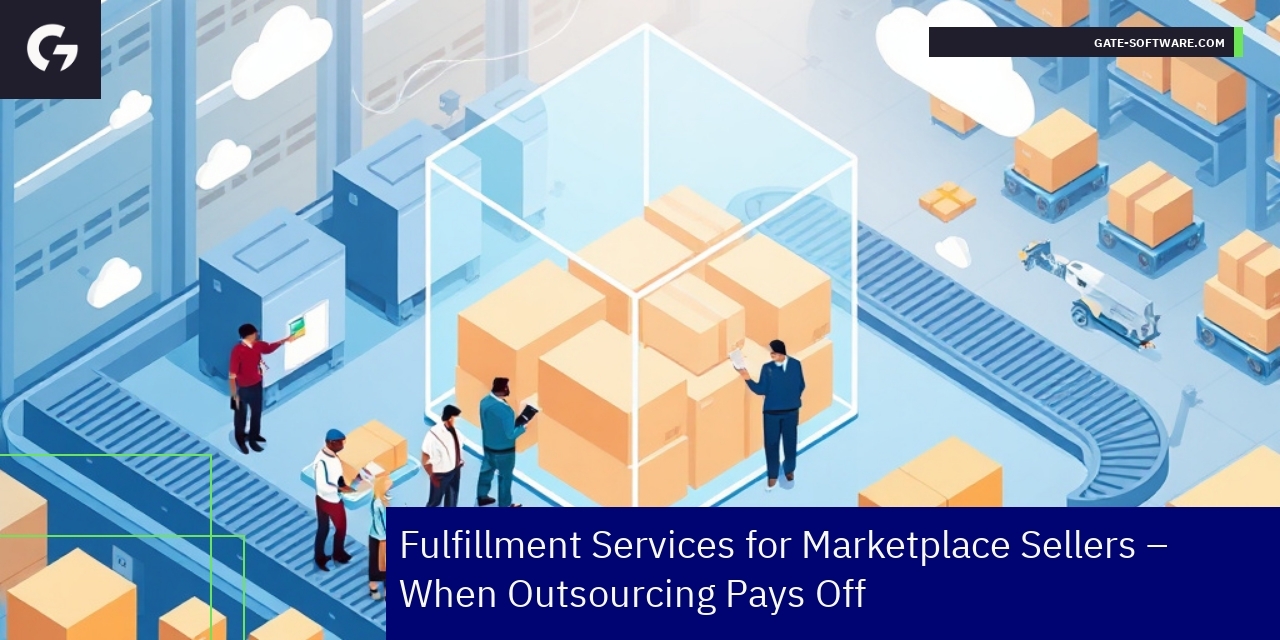
Fulfillment Services for Marketplace Sellers – When Outsourcing Pays Off
Benefits of Fulfillment Outsourcing
For e-commerce B2B sellers on marketplaces, outsourcing fulfillment offers critical advantages by streamlining operational workflows and reducing overhead costs. Leveraging platform sales capabilities, these sellers can focus on growth strategies while their logistics partners handle inventory management and order processing. Understanding the purchasing process in this context is essential, as it ensures timely deliveries and optimized supply chains. Strategic outsourcing also addresses challenges like insufficient understanding of customer needs by allowing partners who specialize in fulfillment to provide expertise and responsive service levels, thus enhancing customer satisfaction. This approach refines the decision-making process by shifting focus from day-to-day logistics to broader business objectives, promoting scalability and efficiency.
How to Choose a Logistics Partner
Selecting the right logistics partner involves applying the 5 key criteria for choosing a logistics partner in sales, which balance operational efficiency with collaborative alignment. Evaluations should consider factors such as technological integration capabilities, adaptability to changing marketplace demands, transparency in communication, and flexibility in service offerings. Maintaining alignment with your overall sales and marketing strategy is crucial; hence, avoiding an overly aggressive sales approach from potential partners helps preserve a cooperative relationship. This careful partner selection improves coordination in platform sales environments, reduces friction in the purchasing process, and supports sustainable growth by ensuring the logistics function complements your business goals.
Managing the Fulfillment Process
Effective management of the fulfillment process is imperative for maximizing operational performance in marketplace sales. Leveraging Magento 2 features, such as advanced inventory tracking, order automation, and customer communication tools, can significantly optimize the purchasing process. Integration of these features facilitates real-time data sharing between sales and fulfillment functions, enabling proactive issue resolution and enhanced customer transparency. Moreover, adopting a diagnostic mindset—understanding that good sales start with diagnosis—allows sellers to identify bottlenecks or misalignments early, ensuring fulfillment activities consistently meet customer expectations. This strategic operational control supports better decision-making, promotes cost efficiencies, and enhances the overall customer experience in B2B e-commerce environments.
—
If available:
—

FAQ
Jakie są kluczowe etapy wdrożenia platformy Magento B2B?
Wdrożenie platformy Magento B2B składa się z kilku kluczowych etapów, w tym analizy potrzeb biznesowych, projektowania architektury systemu, konfiguracji platformy, testowania funkcjonalności oraz szkolenia zespołów odpowiedzialnych za zarządzanie platformą.
Co różni Magento B2B od rozwiązań B2C?
Magento B2B różni się od rozwiązań B2C przede wszystkim w zakresie zarządzania relacjami z klientami biznesowymi, elastycznych warunków sprzedaży oraz integracji z systemami ERP i CRM. W modelu B2B transakcje są zazwyczaj bardziej złożone i wymagają negocjacji warunków handlowych.
W jaki sposób przeprowadza się migrację na Magento 2 w kontekście B2B?
Migracja na Magento 2 w kontekście B2B wymaga precyzyjnego planowania, które obejmuje analizę wymagań funkcjonalnych, projektowanie architektury, migrację danych oraz testowanie. Ważne jest również korzystanie z gotowych modułów, które ułatwiają proces migracji.
Jakie korzyści przynosi wdrożenie Magento B2B dla firm?
Wdrożenie Magento B2B przynosi korzyści takie jak automatyzacja procesów zakupowych, personalizacja oferty oraz lepsze zarządzanie relacjami z klientami. To prowadzi do zwiększenia efektywności operacyjnej, skrócenia czasu realizacji zamówień i poprawy doświadczeń klientów.
Jakie wyzwania mogą wystąpić podczas wdrożenia Magento B2B?
Podczas wdrożenia Magento B2B mogą wystąpić wyzwania związane z migracją danych, błędami w implementacji funkcjonalności oraz zapewnieniem skalowalności i wydajności platformy. Kluczowe jest dokładne planowanie i testowanie, aby minimalizować te ryzyka.

Comparisons and Alternatives in B2B Sales Management
Magento 2 vs Other eCommerce Platforms
Evaluating your platform choice for B2B eCommerce requires a detailed feature comparison of Magento 2 against other e-commerce platforms. Magento 2 stands out with its robust customization capabilities, scalability for high-volume transactions, and strong community support, addressing several complex B2B needs. However, alternatives to Magento 2, such as Shopify Plus, BigCommerce, and OroCommerce, may offer lower total cost of ownership and simplified deployment, which can benefit businesses prioritizing faster time-to-market and reduced operational complexity. Weighing the benefits and risks of each platform involves considering factors like integration flexibility, advanced pricing models, multi-store capabilities, and built-in B2B functionalities. By analyzing the pros and cons carefully, B2B companies can align platform capabilities with operational requirements and growth strategies, ensuring the chosen solution supports long-term scalability and efficiency.
Pros and Cons of Different B2B Sales Strategies
In B2B sales management, exploring various sales approaches allows companies to optimize strategy effectiveness tailored to their customer segments and market dynamics. Direct sales, channel partnerships, and digital self-service models each possess distinct advantages and challenges. Direct sales often yield stronger relationships and higher deal values but can be cost-intensive and slow to scale. Channel partnerships expand reach and leverage local expertise but require effective partner management and alignment. Digital self-service approaches emphasize operational efficiency and scalability, favoring customers accustomed to online purchasing. Case analysis reveals that blending these approaches based on customer behavior and product complexity leads to higher overall effectiveness. Understanding the pros and cons of each strategy supports informed decisions that drive revenue growth, improve sales velocity, and enhance customer experience in diverse B2B contexts.

Common Mistakes in B2B Sales Management and How to Avoid Them
In B2B sales management, understanding and learning from frequent mistakes is critical to maintaining operational efficiency and achieving sustained growth. One of the most common frequent mistakes is the lack of alignment between sales strategy and broader business goals. When sales teams operate in silos without integration into the company’s overarching vision and objectives, this leads to disjointed efforts and missed opportunities. To avoid this pitfall, organizations should emphasize cross-department collaboration and ensure that sales targets and processes reflect the company’s strategic priorities.
Another frequent mistake involves insufficient data utilization. Many B2B sales teams fail to leverage advanced analytics and customer insights, which limits their ability to tailor sales approaches and forecast accurately. Incorporating data-driven decision making is a best practice that enhances targeting precision, improves sales cycle management, and increases conversion rates. Investing in CRM systems and analytics tools enables teams to monitor performance metrics and identify trends that inform continuous improvement.
Poor management of the sales pipeline also stands out as a recurring issue. Without clear stages, timely follow-ups, and consistent pipeline reviews, deals can stagnate or drop off unnoticed. Implementing standardized processes and regular pipeline audits can help sales managers detect and address bottlenecks early, keeping deals progressing smoothly.
Leadership that fails to motivate and develop sales talent often results in decreased team morale and high turnover, which in turn impacts long-term customer relationships. Effective sales management incorporates coaching, ongoing training, and recognition, fostering a culture of accountability and continuous growth.
In sum, avoiding pitfalls in B2B sales management requires strategic alignment, embracing data analytics, disciplined pipeline management, and strong leadership practices. Adopting these best practices creates a framework for smooth operations and resilient, scalable growth in complex B2B environments.
Common Mistakes in B2B Sales Management and How to Avoid Them
—
If available:
—
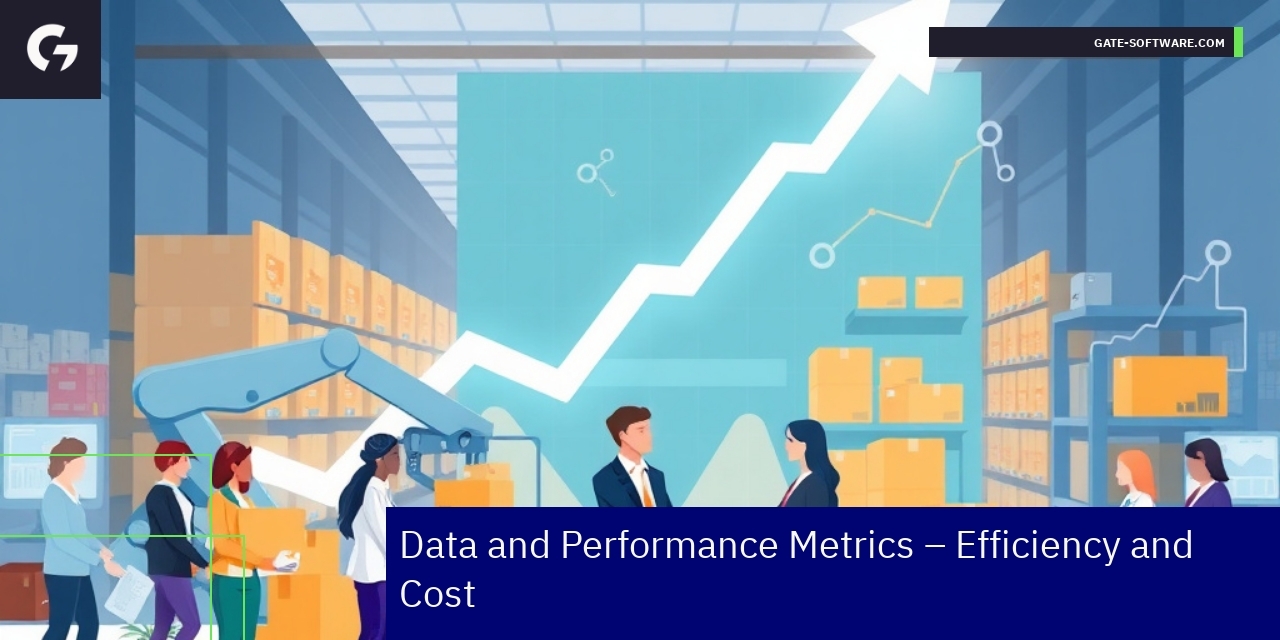
Data and Performance Metrics – Efficiency and Cost
Key Metrics for B2B
In the B2B landscape, companies have reported an average time-to-delivery reduction of 25% after implementing streamlined order management systems, significantly enhancing overall customer satisfaction. Furthermore, businesses experience an increase in their order fulfillment accuracy, averaging 98.5%, which directly correlates to a 15% decrease in operational costs related to returns and exchanges.
Additionally, organizations utilizing Magento 2 have noted that their sales cycles shorten by approximately 20%, enabling them to close deals faster and maintain a competitive edge in the market. When it comes to cost efficiency, B2B firms are seeing an average total cost of ownership (TCO) reduction of 10-15% through optimized inventory management and automated processes.
Moreover, companies leveraging advanced analytics in their sales strategies report a 30% improvement in their return on investment (ROI), as data-driven insights lead to more targeted marketing efforts. These metrics highlight the substantial scalability potential in B2B operations, where businesses can effectively manage an average of 50% more projects simultaneously without compromising on quality or delivery speed.
Finally, as B2B organizations expand their digital footprint, they often report a 40% increase in user engagement on their platform, driven by personalized customer experiences and tailored product offerings. This engagement is crucial as it supports long-term partnerships and enhances the overall sales performance.

Summary
In conclusion, leveraging Magento 2 for your B2B operations can significantly enhance your business processes and drive growth. The platform’s robust features, such as hierarchical account management and advanced catalog capabilities, empower organizations to tailor their services to the unique needs of business clients. By facilitating custom pricing, streamlining order management, and ensuring seamless integration with existing systems, Magento 2 not only boosts operational efficiency but also enriches the customer experience. As you contemplate the next steps for your B2B strategy, consider how embracing these advanced functionalities can support your sales objectives and help you build lasting relationships with clients. Reflect on how these practical and operational benefits align with your business goals, setting the stage for sustainable success in the competitive digital landscape.

FAQ
How does Magento 2 support customized pricing for B2B clients?
Magento 2 allows businesses to create tailored catalogs and pricing tiers based on customer groups, which is essential for B2B clients who may require specialized contracts or volume discounts.
What features does Magento 2 offer to streamline order management?
Magento 2 supports integration with existing ERP and CRM systems, automating workflows to reduce manual intervention, thereby facilitating faster order fulfillment and improved accuracy.
How can the checkout process be optimized for B2B customers using Magento 2?
Magento 2 provides features such as quick ordering, request for quote, and purchase orders that help streamline the purchasing process for bulk buyers, shortening sales cycles and enhancing customer satisfaction.
What capabilities does Magento 2 have for inventory management in B2B scenarios?
Magento 2 supports advanced inventory controls and multi-warehouse management, allowing better stock visibility and distribution strategies, which are crucial for ensuring product availability and reliable delivery.
How can sellers integrate AI tools with Magento 2 to enhance their marketing efforts?
Sellers can utilize AI-powered analytics and personalization tools with Magento 2 to gain insights into customer behavior and tailor their marketing campaigns effectively.
.
.
Zamów bezpłatną konsultację
.
Z nami rozwój Twojego biznesu nabierze tempa! Zapraszamy do kontaktu średnie i duże firmy generujące min. 7 mln PLN obrotu rocznie – tam nasza ekspertyza sprawdza się najlepiej.
.
Kliknij w poniższy przycisk i skontaktuj się z jednym z naszych konsultantów e-commerce
.