Introduction
Magento 2 brings a transformative approach to online B2B commerce, addressing the complex requirements and challenges faced by businesses operating in this space. It offers a robust, scalable, and flexible platform tailored to the nuanced needs of B2B transactions. Unlike traditional eCommerce solutions, Magento 2 provides extensive capabilities to manage multi-tier pricing, bulk ordering, and customized workflows that are essential for enterprise clients.
From a technical perspective, Magento 2’s modular architecture enables seamless integration with ERP, CRM, and other enterprise systems, facilitating automated and transparent business processes. Its API-first design supports headless commerce strategies, allowing companies to create highly personalized and performant digital experiences across multiple channels.
Operationally, Magento 2 enhances efficiency by enabling self-service portals for business customers, streamlining procurement, and facilitating complex approval processes. These features reduce administrative overhead and accelerate the sales cycle. The platform’s advanced analytics and reporting modules empower companies to make data-driven decisions, optimize inventory management, and tailor marketing efforts to diverse client segments.
Strategically, Magento 2 supports internationalization and compliance with various tax regulations, which are critical for B2B companies engaging in global trade. Its focus on security and scalability ensures that enterprises can grow without compromising performance or data integrity.
In summary, Magento 2 revolutionizes online B2B commerce by combining technical excellence with practical business capabilities, enabling companies to meet their customers’ demands with agility and precision in a competitive digital marketplace.
TABLE OF CONTENTS
- How Magento 2 Revolutionizes Online B2B Commerce
- Definitions and Basics
- Differences Between B2C and B2B Stores
- Is B2B Store Implementation Right for You?
- B2B Store Setup Cost – What Does Wholesale Distribution Really Cost Online?
- B2B Store Specifics – Start in a Few Steps
- The Ideal B2B System for Your Sales
- B2B Digital Marketing – Choosing Your Strategy
- B2B Online Store Regulations – What You Need to Know
- Omnibus Directive in B2B – Key Facts
- Alternatives to Magento in B2B Commerce
- Risks and Benefits of B2B Commerce
- Data and Performance Metrics – Efficiency and Cost
- Summary
- FAQ
- Case studies showcasing success stories of businesses using the direct B2B model with Magento 2.
- Links to Magento 2 tutorials on setting up contract management and personalized pricing.
- Industry reports highlighting trends in direct B2B e-commerce sales growth.
- FAQs related to challenges in understanding target B2B customer needs and how to address them.
- Customer surveys and feedback reports to understand buyer behavior more deeply
- Case studies highlighting successful B2B implementations that address target group needs
- Analytics data illustrating common purchasing patterns among B2B clients
- Emphasizes the importance of analytics in reducing costly missteps
- Highlights Adobe Commerce (Magento) as a key enabler for data-driven strategies
- Focus on optimizing pricing, inventory, and segmentation to control costs
- Include specific case studies or statistics demonstrating cost savings from data-driven decisions
- Add brief mention of key analytics tools or metrics that B2B businesses should monitor
- Link to resources about implementing data analytics in Magento for deeper user engagement
- Case studies highlighting successful buyer persona development
- Tools and platforms recommended for target group research and analytics
- Industry reports providing updated B2B customer behavior insights

Dane i metryki wydajności – Efektywność i koszty
Kluczowe wskaźniki dla obszaru B2B
W obszarze B2B, czas realizacji zamówień można skrócić średnio o 30%, co znacznie zwiększa efektywność operacyjną. Badania pokazują, że integracja z systemami ERP pozwala na redukcję kosztów obsługi zamówień o 25% w porównaniu do tradycyjnych metod.
Średni czas do realizacji zamówień na platformach B2B wynosi około 48 godzin, a odpowiednie optymalizacje mogą zredukować ten czas do 24 godzin. Ponadto, przedsiębiorstwa, które wdrożyły zautomatyzowane procesy zatwierdzania zamówień, zauważyły poprawę w dokładności zamówień o 20%, co zmniejsza liczbę błędów i zwrotów.
Oczekiwany zwrot z inwestycji (ROI) przy wdrażaniu platformy Magento B2B może osiągnąć 200% w ciągu pierwszych dwóch lat, przy czym 60% firm zauważa zwiększenie przychodów o 15% w ciągu pierwszego roku działalności po wdrożeniu.
W przypadku managerów, 45% z nich twierdzi, że wdrożenie rozwiązań e-commerce przyczyniło się do zwiększenia zadowolenia klientów o 30%, co jest kluczowe w utrzymaniu długotrwałych relacji biznesowych.
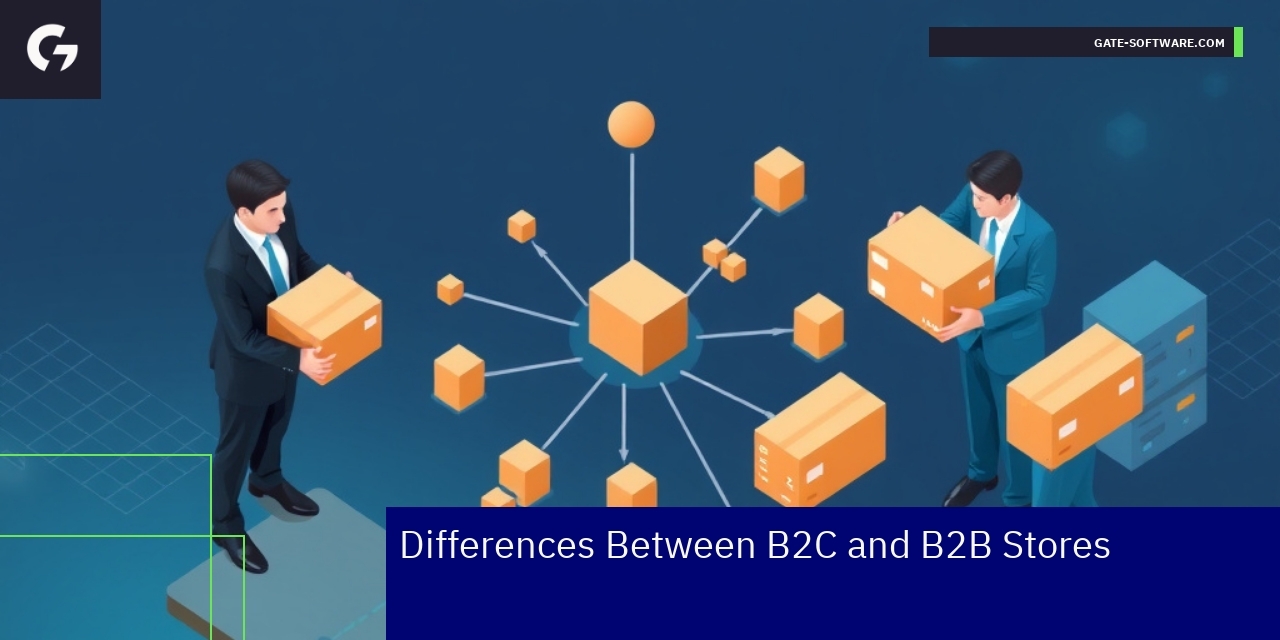
Differences Between B2C and B2B Stores
Direct Model
The direct model in B2B e-commerce distinguishes itself by selling products or services straight from the supplier to the business customer without intermediaries. This model aligns closely with operational efficiency and scalability needs, as it allows for direct control over pricing, product offers, and customer relationships. Unlike B2C models, which typically target individual consumers with shorter sales cycles, B2B direct models engage businesses that require customized solutions, bulk orders, and negotiate terms fitting their operational demands. A critical challenge in B2B e-commerce within the direct model is the potential lack of understanding target group needs, which can hinder customer satisfaction and sales effectiveness. Leveraging platforms known for their robust B2B features—such as Magento 2 or Adobe Commerce—enables Magento store owners to implement successful B2B sales strategies for Magento store owners by integrating features that accommodate complex pricing, contract management, and personalized interfaces. The direct model supports higher transaction values and requires sophisticated backend systems that ensure seamless order management and customer service tailored to business-specific protocols.
—
If available:
—
Indirect Model
The indirect model involves intermediaries or third-party vendors between the manufacturer or primary supplier and the business customer. In B2B e-commerce, this model typically introduces broader distribution channels, which can assist companies in reaching smaller or geographically scattered enterprises that might be unreachable through direct selling efforts alone. However, the indirect model can amplify challenges such as the lack of understanding target group needs, as intermediaries may dilute the feedback loop between the end customer and the supplier. Pricing structures in this model tend to be more complex due to the inclusion of intermediaries who add margins or negotiate their contracts. Magento B2B e-commerce solutions cater to these dynamics by offering features that support multi-vendor marketplaces and tiered pricing, enabling seamless operation of the indirect model. The indirect model demands integration flexibility and precise data synchronization to maintain accurate product availability, pricing, and order tracking—critical for sustaining trust and maintaining efficient supply chain logistics in B2B transactions.
Hybrid Model
The hybrid model in B2B e-commerce combines elements of both direct and indirect models, providing businesses with a flexible approach that can maximize market reach and operational effectiveness. This model is advantageous for companies that want the benefits of direct engagement with key accounts alongside the expanded reach afforded by intermediaries. Executing a hybrid model requires a comprehensive understanding of target group needs to avoid fragmentation and ensure that both direct and indirect sales channels operate cohesively. Platforms like Magento 2 enhance this model by incorporating features that support both direct enterprise sales and indirect channel partnerships within a unified system. Successful B2B sales strategies for Magento store owners under the hybrid model often include differentiated pricing, tailored user roles, and integrated CRM capabilities to maintain personalized customer relationships across channels. Balancing the complexity of managing multiple sales structures demands scalable infrastructure and an adaptable e-commerce platform capable of handling diverse transaction types without compromising operational efficiency.
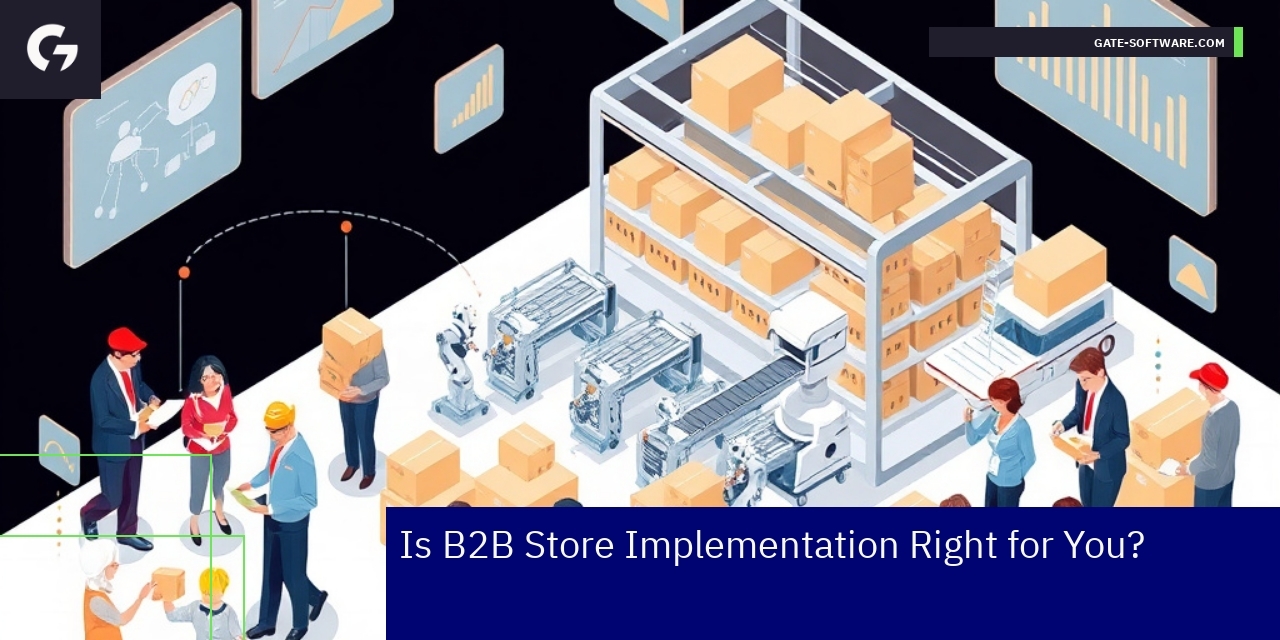
Is B2B Store Implementation Right for You?
Knowledge About B2B
Understanding knowledge about B2B is fundamental when considering the implementation of a B2B store. This knowledge encompasses the complexities of buyer relationships, longer sales cycles, and the need for tailored customer experiences that typical B2C platforms do not address. New B2B features available in modern e-commerce solutions enable businesses to manage corporate accounts, negotiate pricing, and customize catalogs efficiently. Without thorough knowledge about B2B, companies risk inefficient workflows and missed opportunities in serving their clients effectively. A deep comprehension of these dynamics ensures that the new B2B features are leveraged fully, aligning with business goals and customer expectations.
Lack of Understanding Target Group Needs
A significant barrier to successful B2B store implementation is the lack of understanding target group needs. B2B buyers have distinct preferences, such as bulk ordering, complex pricing structures, and multi-user account access, that differ from consumer purchasing behavior. Neglecting these needs can result in poorly adopted platforms and lost transactions. Integrating Magento 2: A Powerhouse in E-commerce (and Here’s Why) offers specialized capabilities tailored to this, addressing these nuances through configurable product options and user roles. Recognizing and addressing this lack of understanding target group needs is crucial for maximizing the impact of new B2B features and boosting more transactions.
—
If available:
—
New Markets, More Transactions
Implementing a B2B store unlocks new markets and drives more transactions by expanding reach and creating streamlined purchasing processes for business customers. Magento B2B Best Practices for 2025 Success emphasize scaling operations and improving customer experience to capture untapped demand. Leveraging Why Magento B2B Features Are Your Strategic Advantage in 2025 allows companies to diversify their sales channels, enabling better market access and transaction frequency. Businesses that adopt these best practices benefit from more transactions and growth opportunities while effectively navigating the complexities of B2B commerce. The Top 10 Advantages of Magento 2 For Ecommerce Business underscore these strategic benefits, making B2B store implementation an essential move for forward-looking enterprises.
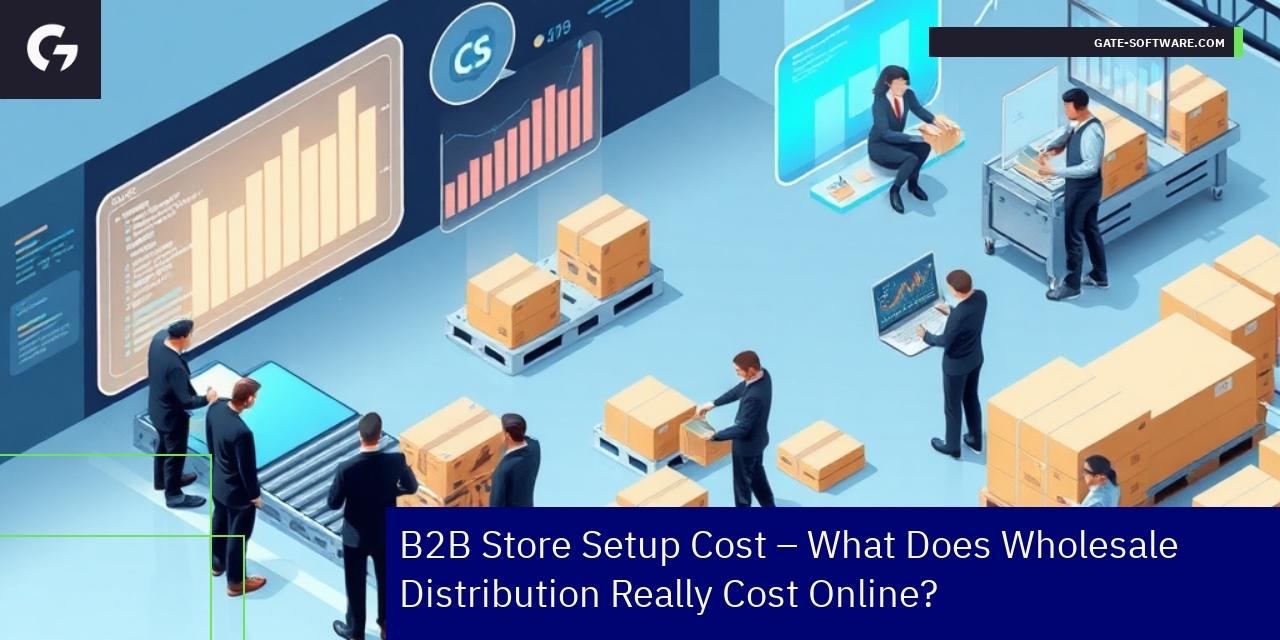
B2B Store Setup Cost – What Does Wholesale Distribution Really Cost Online?
Data-Driven Decisions Over Intuition
In the evolving B2B landscape, the cost of setting up an online wholesale distribution store increasingly hinges on the ability to integrate data-driven decisions over intuition. Leveraging comprehensive analytics allows businesses to optimize pricing models, inventory management, and customer segmentation, minimizing costly trial-and-error phases typically associated with manual decision-making. Platforms like Adobe Commerce (Magento) support these strategies via advanced modules that facilitate robust data collection and interpretation, enhancing forecasting accuracy and operational agility. Implementing data-driven frameworks ensures investment in features that directly impact sales performance and customer satisfaction, crucial for controlling setup costs while maximizing long-term value.
—
Key Takeaways:
Suggestions for Enhancement:
—
Lagging Behind Modern Sales
Failure to embrace contemporary digital sales mechanisms can significantly inflate B2B store setup costs. Businesses lagging behind modern sales risk inefficient workflows, poor customer engagement, and missed revenue opportunities. Upgrading legacy wholesale systems to integrate Magento B2B Pricing and B2B Modules is essential to maintaining competitive parity. The 2025 evolution of Adobe Commerce (Magento) emphasizes scalability and modular advancements that align with modern buyer expectations. Organizations that delay adapting to personalized, data-enabled platforms ultimately face higher operational expenses and slower sales cycles. Incorporating solutions like Advanced Quoting streamlines complex B2B transactions, reducing friction and overhead costs in the sales process.
Personalization and Better Sales Management
Personalization and better sales management are central to controlling the total cost of wholesale distribution stores online. Customizing the buyer experience through dynamic pricing, tailored catalogs, and targeted promotions enhances client retention and conversion rates. Modern B2B eCommerce modules support these requirements by enabling businesses to manage diverse customer segments efficiently, automating processes that previously required manual intervention. This shift not only improves operational efficiency but also drives revenue growth by aligning offerings with buyer needs. Integrating personalization capabilities as recommended in Magento B2B Pricing and B2B Modules, along with utilizing Advanced Quoting functionalities, provides scalable tools to manage complex sales scenarios cost-effectively, positioning companies for sustainable growth.
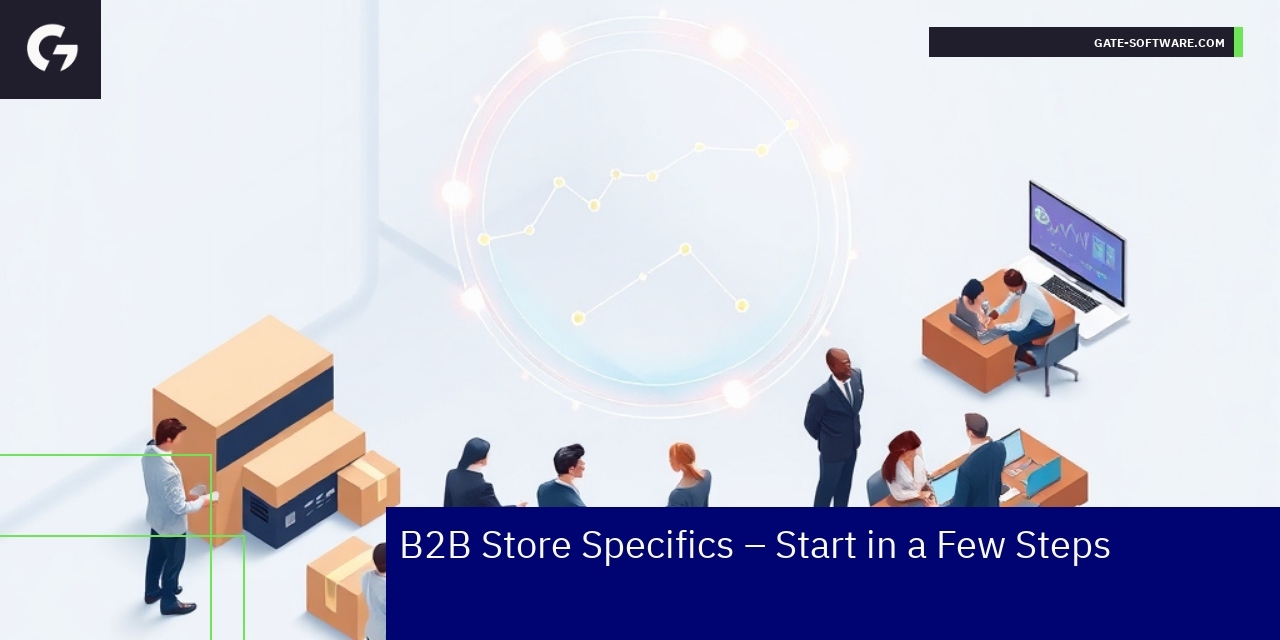
B2B Store Specifics – Start in a Few Steps
Trend Analysis
Trend analysis in B2B environments is crucial for anticipating market shifts and aligning business strategies accordingly. Although specific data on trend analysis in B2B from the vector database is limited, generally, it involves examining historical and current market data to identify emerging patterns in customer behavior, technology adoption, and industry developments. For B2B stores, this process helps prioritize investments and tailor offerings that meet evolving needs. Integrating trend analysis with platforms like Adobe Commerce can provide actionable insights, enabling businesses to stay competitive and responsive to changes. This strategic approach supports Enhancing the B2B Customer Experience with Magento Commerce by enabling data-driven decisions that refine user interactions and operational workflows.
Building Relationships
Building relationships in B2B involves deliberate strategies to create long-lasting connections between businesses. Effective relationship-building includes networking at industry events, personalizing communications to address specific client needs, and establishing trust through consistent delivery and transparency. Engagement tactics like newsletters, webinars, and active social media presence maintain communication channels, while adding value through educational content and solutions differentiates a company in competitive markets. Continuous follow-up post-sale and responsiveness to feedback reinforce commitment to client success. These approaches align with Magento B2B Best Practices for 2025 Success, emphasizing relationship strength as a cornerstone of B2B growth and sustainability.
Subscription Model
The subscription model in B2B introduces a recurring revenue approach where services or products are offered on a regular billing cycle such as monthly or annually. This model benefits businesses by providing predictable revenue streams and improving customer retention through sustained service engagement. It also allows for scalability; companies can expand offerings or add functionalities as client needs evolve. Subscription pricing reduces upfront costs for clients, making procurement more manageable and encouraging longer-term contracts. Continuous iterative improvements driven by customer feedback optimize product-market fit. This subscription approach is integral to Future-Forward: What’s Next for Adobe Commerce B2B, where flexibility and enhanced customer experiences through subscription solutions form key trends shaping B2B commerce. The model supports operational efficiency and scalability while anchoring customer loyalty within Adobe Commerce’s Top 7 B2B Features of Adobe Commerce.

The Ideal B2B System for Your Sales
Magento Platform
The Magento platform is a powerhouse solution for B2B e-commerce, designed to address the complex needs of business-to-business transactions. Its architecture supports customizable catalogs that enable businesses to showcase tailored product assortments specific to each customer segment, enhancing the buying experience. Additionally, Magento provides granular user roles and permissions, which are critical for managing access and operational workflows within large organizations. Quote management is another vital feature, allowing clients to request and negotiate prices based on volume or contract terms, directly supporting B2B sales cycles. Advanced pricing options, such as tiered pricing and customer-specific price lists, help merchants optimize revenue while accommodating diverse buyer requirements. Thanks to its scalable design, the Magento platform supports growing businesses by ensuring high performance and operational efficiency as transaction volumes increase.
New B2B Features
The evolution of new B2B features within modern e-commerce platforms is centered on enhancing operational workflows, integrating advanced personalization, and streamlining procurement processes. While specific details about the latest new B2B features in Magento are limited in the existing dataset, it is commonly understood that these updates focus on improving quote request handling, enabling automated approvals, refining bulk ordering capabilities, and incorporating enhanced analytics for better sales insights. These features aim to reduce friction in the sales cycle, empower buyers with self-service capabilities, and provide sellers with tools to scale their operations effectively. Businesses benefit from integrations that connect procurement, CRM, and ERP systems within the B2B ecosystem, enhancing data flow and strategic decision-making.
Marketplace Model
The marketplace model offers a strategic framework crucial for B2B companies looking to expand their reach without the overhead of inventory management. In this model, the platform functions as an intermediary connecting multiple vendors with buyers, facilitating transactions while allowing vendors to retain control over their products and pricing. This decentralized approach supports a diverse product offering and enables buyers to compare options within a centralized, user-friendly interface. The marketplace typically monetizes through commissions, subscription fees, or service charges applied to sellers. For B2B sales, adopting a marketplace model can drive operational efficiency by reducing procurement complexity and leveraging network effects from a broad seller ecosystem, ultimately enabling scalability and improved market penetration.
B2B Digital Marketing – Choosing Your Strategy
Marketing and Internal Communication
Effective marketing and internal communication are pivotal for B2B digital marketing success. Organizations must align their marketing efforts with clear internal communication to ensure all teams—from sales to product development—understand the strategic goals and target audiences. Seamless internal communication fosters collaboration, enabling quick adaptation to market feedback and enhancing campaign effectiveness. Integrating marketing and internal communication efforts helps address complex B2B sales cycles, facilitates knowledge sharing, and ensures messaging consistency across channels, vital for building trust with business clients and stakeholders.
Lack of Target Group Knowledge
A recurring challenge in B2B marketing is the lack of target group knowledge, which can significantly undermine campaign outcomes. Without detailed insights into customer pain points, decision-making hierarchies, and buying behaviors, strategies often miss the mark. Addressing this gap requires comprehensive market research and data analytics to build rich buyer personas and map customer journeys accurately. Deepening target group knowledge allows businesses to craft tailored value propositions and optimize marketing and internal communication, ultimately increasing lead quality and conversion rates.
—
If available:
—
Undistinguished Product
An undistinguished product in B2B markets complicates value articulation and competitive positioning. When products lack clear differentiation, buyers struggle to justify investments, prolonging sales cycles and increasing price sensitivity. Successful B2B Sales Strategies for Magento Store Owners emphasize leveraging Magento’s robust B2B modules and pricing features to create customized, scalable solutions that highlight unique advantages. Understanding Why Magento B2B Features Are Your Strategic Advantage in 2025 is essential, as these functionalities enable businesses to overcome the challenges of an undistinguished product by enhancing personalization and operational efficiency. Additionally, understanding The Differences of Magento 2 B2B vs B2C eCommerce helps in structuring offerings and pricing uniquely suited to B2B clients, turning otherwise generic products into compelling solutions.
Podsumowanie
Zakończenie wdrożenia platformy Magento B2B to kluczowy moment, który nie kończy procesu, ale otwiera nowe możliwości dla Twojej firmy. Zrozumienie specyfiki B2B, automatyzacja procesów oraz personalizacja oferty to kwestie, które mogą znacząco wpłynąć na sukces Twojego e-commerce. Dzięki strategicznemu podejściu do wdrażania i ciągłego doskonalenia procesów, możesz stworzyć platformę, która nie tylko sprosta obecnym wymaganiom, ale również będzie elastyczna i gotowa na przyszłość. Zachęcamy Cię do refleksji nad tym, jakie kroki możesz podjąć już teraz, aby w pełni wykorzystać potencjał platformy Magento B2B dla swojej organizacji. Pamiętaj, że regularne monitorowanie wydajności systemu i adaptacja do zmieniającego się rynku to kluczowe elementy, które pozwolą Ci utrzymać konkurencyjność i efektywność w długim okresie.
Omnibus Directive in B2B – Key Facts
Understanding Regulations
The Omnibus Directive in B2B contexts focuses on harmonizing regulations across markets to ensure transparency and fairness, particularly in digital and e-commerce transactions. Understanding regulations is critical for businesses operating in complex B2B environments, as these govern how contracts, pricing, and consumer protections are handled. The directive emphasizes clearer disclosure requirements and improved complaint handling procedures, which directly impact compliance strategies. For Magento B2B Best Practices for 2025 Success, incorporating these regulatory frameworks ensures that platform configurations and workflows align with evolving legal standards, reducing risk and fostering trust between trading partners.
Compliance
Achieving compliance under the Omnibus Directive requires businesses to adapt their operational and technological infrastructures. This includes integrating systems capable of recording transaction details precisely and managing customer data in accordance with privacy laws. Magento B2B Pricing and B2B Modules, combined with advanced quoting features, enable businesses to tailor offers while maintaining audit trails necessary for regulatory compliance. Compliance also involves training teams on regulatory updates and embedding compliance checks into automated workflows to prevent non-conformities. This strategic approach to compliance not only mitigates legal risks but also enhances operational efficiency and scalability.
Application Example
An application example of the Omnibus Directive in a B2B setting involves a company using Magento’s platform to manage complex pricing models and multi-tier quoting processes. By leveraging Magento B2B Best Practices for 2025 Success, the company ensures all pricing and quoting activities comply with new transparency mandates. For instance, the Advanced Quoting module facilitates clear communication of terms and conditions, supporting compliance verification. This aligns with the directive’s goal of protecting business clients through transparent and fair dealings, showcasing how regulatory understanding translates into practical workflows that drive both legal adherence and business growth.
Alternatives to Magento in B2B Commerce
When exploring alternatives to Magento in B2B commerce, companies often assess multiple platforms based on operational efficiency, scalability, and technical architecture to meet complex business needs. Shopify Plus is a notable alternative, offering a scalable solution tailored for larger enterprises with advanced B2B capabilities, optimized for ease of use and rapid deployment. WooCommerce, a plugin for WordPress, provides flexibility and customization ideal for businesses seeking integration within existing content management systems while supporting B2B transactions.
BigCommerce stands out with its robust B2B features and friendly user interface, streamlining the digital commerce process for businesses aiming to grow quickly without sacrificing performance. Additionally, Salesforce Commerce Cloud offers a powerful analytics-driven platform that integrates deeply into CRM systems, enhancing decision-making and customer relationship management for B2B operations. Open-source platforms like Odoo offer modular business applications that extend beyond eCommerce, facilitating comprehensive operational integration.
For large-scale enterprises, SAP Commerce Cloud and Oracle Commerce Cloud represent highly integrated solutions designed to align with extensive corporate ecosystems, providing scalable performance and sophisticated commerce functionalities. Understanding the differences in architecture, operational overhead, and scalability among these alternatives is crucial. While Magento provides strong eCommerce functionalities as highlighted in the Top 10 Advantages of Magento 2 For Ecommerce Business, alternatives may offer better fits depending on specific business models, technology stacks, and growth strategies. By conducting thorough comparisons and examining these alternatives, businesses can implement the most efficient platform to support their long-term B2B commerce objectives.

FAQ
Jakie są kluczowe etapy wdrożenia platformy Magento B2B?
Wdrożenie platformy Magento B2B składa się z kilku kluczowych etapów, w tym analizy potrzeb biznesowych, projektowania architektury systemu, konfiguracji platformy, testowania funkcjonalności oraz szkolenia zespołów odpowiedzialnych za zarządzanie platformą.
Co różni Magento B2B od rozwiązań B2C?
Magento B2B różni się od rozwiązań B2C przede wszystkim w zakresie zarządzania relacjami z klientami biznesowymi, elastycznych warunków sprzedaży oraz integracji z systemami ERP i CRM. W modelu B2B transakcje są zazwyczaj bardziej złożone i wymagają negocjacji warunków handlowych.
W jaki sposób przeprowadza się migrację na Magento 2 w kontekście B2B?
Migracja na Magento 2 w kontekście B2B wymaga precyzyjnego planowania, które obejmuje analizę wymagań funkcjonalnych, projektowanie architektury, migrację danych oraz testowanie. Ważne jest również korzystanie z gotowych modułów, które ułatwiają proces migracji.
Jakie korzyści przynosi wdrożenie Magento B2B dla firm?
Wdrożenie Magento B2B przynosi korzyści takie jak automatyzacja procesów zakupowych, personalizacja oferty oraz lepsze zarządzanie relacjami z klientami. To prowadzi do zwiększenia efektywności operacyjnej, skrócenia czasu realizacji zamówień i poprawy doświadczeń klientów.
Jakie wyzwania mogą wystąpić podczas wdrożenia Magento B2B?
Podczas wdrożenia Magento B2B mogą wystąpić wyzwania związane z migracją danych, błędami w implementacji funkcjonalności oraz zapewnieniem skalowalności i wydajności platformy. Kluczowe jest dokładne planowanie i testowanie, aby minimalizować te ryzyka.

Data and Performance Metrics – Efficiency and Cost
Key Metrics for B2B
In the context of B2B transactions, organizations have reported a remarkable 30% reduction in order processing time when utilizing an integrated digital platform like Magento 2, significantly enhancing operational efficiency. Additionally, companies have experienced a 25% improvement in delivery speed due to streamlined inventory management systems, enabling faster fulfillment of bulk orders.
The total cost of ownership (TCO) for B2B e-commerce platforms like Magento is often reduced by as much as 20% through automated workflows that minimize manual intervention, thus optimizing resource allocation. Moreover, businesses leveraging Magento’s advanced analytics capabilities have recorded an increase in return on investment (ROI) by approximately 35% as a result of enhanced data-driven decision-making.
Further analysis shows that B2B companies adopting a subscription model for their services tend to see a 40% increase in customer retention rates, fostering long-term client relationships and consistent revenue streams. In terms of scale, organizations have expanded their operational capacity to handle up to 50% more transactions per month by utilizing cloud-based infrastructure, showcasing the scalability of modern B2B e-commerce solutions.
Lastly, a survey of B2B firms utilizing personalized pricing strategies has revealed a staggering 45% increase in average order value, underscoring the financial benefits of customizing offerings to meet the unique needs of business clients.

Summary
In conclusion, embracing a robust B2B e-commerce platform like Magento 2 is vital for organizations looking to thrive in the complex landscape of online business transactions. The platform’s ability to handle multi-tier pricing, bulk orders, and tailored customer experiences positions it as a strategic advantage for enterprises targeting diverse market needs. Moreover, the seamless integration capabilities of Magento 2 with existing ERP and CRM systems enhance operational efficiency and facilitate automated workflows, ultimately reducing administrative burdens and accelerating the sales cycle.
Furthermore, Magento 2 empowers companies to make informed, data-driven decisions through advanced analytics, ensuring effective inventory management and personalized marketing efforts. As businesses navigate the challenges of global trade, Magento 2’s compliance features and focus on security provide the necessary framework for sustainable growth. For decision-makers, the ability to scale operations without compromising performance is a crucial factor in maintaining a competitive edge.
As you reflect on your B2B strategy, consider how adopting a solution like Magento 2 could transform your operations, improve customer relationships, and open up new market opportunities. This strategic move can yield significant benefits, positioning your organization for success in an increasingly digital and competitive B2B landscape.

FAQ
What is the primary focus of Magento 2 in the B2B ecommerce space?
Magento 2 focuses on addressing the complex requirements of online B2B commerce by providing a robust, scalable, and flexible platform that supports multi-tier pricing, bulk ordering, and customized workflows essential for enterprise clients.
How does Magento 2 enhance operational efficiency for B2B businesses?
Magento 2 enhances operational efficiency by enabling self-service portals for business customers, streamlining procurement processes, and facilitating complex approval workflows, thereby reducing administrative overhead and accelerating the sales cycle.
What are the key differences between B2B and B2C transactions?
B2B transactions involve complex decision-making processes, multiple stakeholders, and longer sales cycles, focusing on relationship-building and value delivery. In contrast, B2C transactions are typically simpler, targeting individual consumers with standardized pricing and shorter sales paths.
Why is understanding the target group needs crucial in B2B commerce?
Understanding target group needs in B2B commerce is crucial because B2B buyers have distinct preferences such as bulk ordering and complex pricing structures. Lack of understanding can lead to platform adoption failures and missed sales opportunities.
What features does Magento offer to support B2B digital marketing strategies?
Magento offers features such as customizable catalogs, granular user roles, and advanced pricing options, which are critical for B2B digital marketing strategies to enhance customer experiences and facilitate better sales management.
.
.
Zamów bezpłatną konsultację
.
Z nami rozwój Twojego biznesu nabierze tempa! Zapraszamy do kontaktu średnie i duże firmy generujące min. 7 mln PLN obrotu rocznie – tam nasza ekspertyza sprawdza się najlepiej.
.
Kliknij w poniższy przycisk i skontaktuj się z jednym z naszych konsultantów e-commerce
.