Introduction
Magento 2 B2B offers a robust foundation for businesses aiming to expand and optimize their international sales operations. Its architecture and modules are specifically tailored to address the complex demands of B2B commerce, where multiple stakeholders, custom pricing, and regulatory compliance intersect across diverse markets. The platform supports multi-currency and multi-language capabilities essential for seamless global customer experiences, while facilities such as customizable catalogs, flexible payment options, and advanced tax and shipping configurations ensure a smooth transactional flow adaptable to local nuances.
Key core features of Magento 2 B2B include customer segmentation geared towards key decision makers like eCommerce Managers and CTOs, intricate account and quote management systems, together with automated workflows to streamline procurement processes. These tools not only enhance operational efficiency but also contribute to maintaining consistency and compliance with local e-commerce and financial regulations.
Gate-Software’s expertise in MagentoOneS™, combined with UX/UI auditing and strict adherence to WCAG standards, further empowers businesses to deliver accessible, user-friendly international storefronts. By leveraging such capabilities, organizations can drive scalable growth and improved ROI in their global B2B markets. This strategic approach underlies the value proposition of Magento 2 B2B for international sales, positioning enterprises to effectively navigate technical and business challenges associated with cross-border e-commerce.

What You’ll Learn in This Article
In this article, we will explore the transformative potential of Magento 2 B2B solutions for international e-commerce markets. You will gain insights into practical applications of Magento 2 that enhance the digitalization of B2B sales processes. We will discuss how businesses can leverage Magento’s robust features to streamline transactions, improve customer engagement, and optimize inventory management on a global scale. Additionally, we will highlight strategies to effectively implement Magento 2 in your organization’s B2B framework, aligning with current trends in digital commerce. By understanding these key elements, IT and eCommerce decision-makers will be equipped with the knowledge to enhance their B2B operations and drive growth in the digital marketplace.
TABLE OF CONTENTS
- How Magento 2 B2B Supports International Sales
- What You’ll Learn in This Article
- Definitions and E-commerce B2B Basics
- Choosing a B2B E-commerce Platform
- Selected Magento B2B Features
- Digitizing HVAC Sales: E-commerce Changing the Game
- Managing B2B E-commerce
- B2B E-commerce Platform Comparison
- Checklists and Steps for Successful B2B Sales
- Common Mistakes in B2B E-commerce
- Alternatives to Magento B2B
- B2B E-commerce Benefits and Risks
- Data and Performance Metrics – Efficiency
- SLA, TCO
- Summary
- Data and Performance Metrics – Efficiency and Cost
- Summary
- FAQ
- Case studies showcasing Magento B2B implementations in cosmetics and other professional sectors
- User testimonials highlighting benefits of Magento’s multi-account management
- Technical documentation on Magento’s unified admin panel features
- Guides on optimizing content management for global B2B e-commerce
- Keyword research tools to identify top-performing industry-specific keywords
- Analytics tracking to measure SEO campaign effectiveness
- Case studies demonstrating successful B2B SEO implementation
- Guidelines for optimizing metadata and content for B2B audiences
- Recommendations for ongoing SEO audits and updates
- Case studies or industry reports highlighting consequences of these common mistakes
- Best practice checklists for integration, usability, security, and payment solutions
- Links to resources on WCAG compliance and B2B UX design principles
- Examples of successful B2B e-commerce platforms correcting these pitfalls
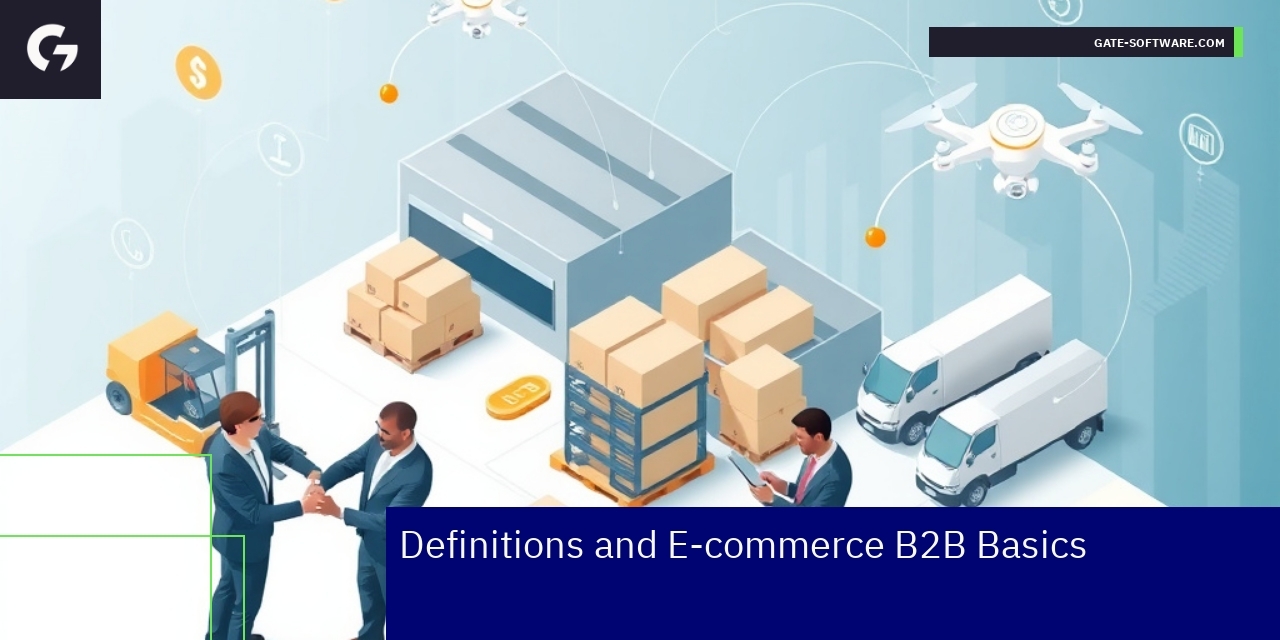
Definitions and E-commerce B2B Basics
E-commerce B2B (Business to Business) refers to digital transactions and interactions conducted between businesses via online platforms. This sector focuses on wholesale, supply chain operations, and procurement processes that connect companies rather than end consumers. Understanding definitions of e-commerce B2B helps clarify the scope of these inter-business exchanges, which involve complex workflows and tailored services to meet corporate needs.
Key concepts underpinning e-commerce B2B include transaction types such as bulk purchasing, contract-based sales, and integrated supply chain management. Platforms used often provide personalized, scalable solutions that support electronic data interchange (EDI), customer relationship management (CRM), and digital payment processing adapted for larger volumes and extended payment terms. These elements facilitate smooth cooperation, minimizing operational bottlenecks while enhancing transaction transparency.
The business significance of e-commerce B2B lies in its ability to reduce costs, boost operational efficiency, and widen market reach. Through automation and digital integration, companies gain improved data analytics for strategic decision-making and can deliver enhanced experiences to business clients. Scalability and customization options further drive competitive advantage, aligning technology with evolving market demands. Embracing these definitions of e-commerce B2B and their key concepts is essential for organizations aiming to optimize digital transformation and maintain relevance in increasingly interconnected B2B ecosystems.
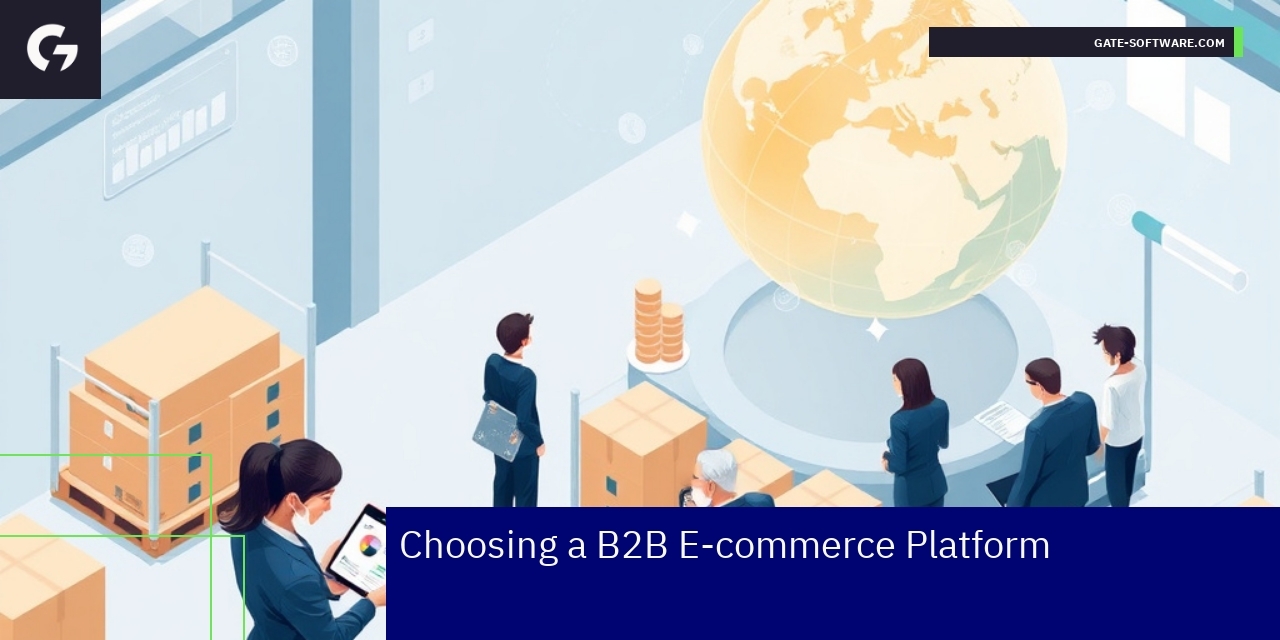
Choosing a B2B E-commerce Platform
Customer Purchase Experience Requirements
In the realm of B2B sales, the customer purchase experience is paramount. Businesses demand a seamless, efficient interface that supports personalization and User Experience, enabling users to navigate complex product catalogs with ease. The platform must cater to the nuances of B2B transactions, including bulk ordering, quick reordering, and tailored pricing models. Success in international markets requires the platform to support multiple languages and currencies, ensuring global e-commerce reach. Fast order processing is critical to meet the expectations of business clients who prioritize speed and reliability. Integration with marketing and SEO support tools is also indispensable, helping to drive customer engagement and increase sales and customer loyalty.
📝 Analiza jakości
✅ Sprawdzono kompletność wymagań
⚠️ Sugerowana optymalizacja UX
🔍 Weryfikacja integracji systemowej
—
—
Functional Requirements
Functionality in a B2B system on Magento 2 must go beyond standard e-commerce features. It should include ready modules for seamless integration with existing enterprise software, ensuring unlimited growth and ambitious scalability. Features such as role-based access control, custom workflows, and advanced analytics allow for detailed oversight and management of B2B sales operations. Moreover, Magento in expansion provides continuous improvements and robust support for these functionalities. The platform should facilitate personalization and User Experience by allowing businesses to customize storefronts and interaction patterns, directly impacting international markets and overall customer satisfaction.
Can a B2B Platform Meet These Needs?
A well-implemented B2B platform built on Magento in expansion can effectively meet the demanding needs of business customers. Its modular architecture allows for fast order processing, integrating marketing and SEO support to enhance visibility and customer engagement in global e-commerce. Magento’s scalability supports unlimited growth and ambitious scalability objectives, critical for expanding to international markets. By focusing on personalization and User Experience, businesses can increase sales and customer loyalty through tailored interactions and efficient purchasing processes. Ultimately, adopting a Magento-based B2B system enables organizations to optimize operations and compete effectively on the international stage with a platform designed specifically for robust B2B sales.
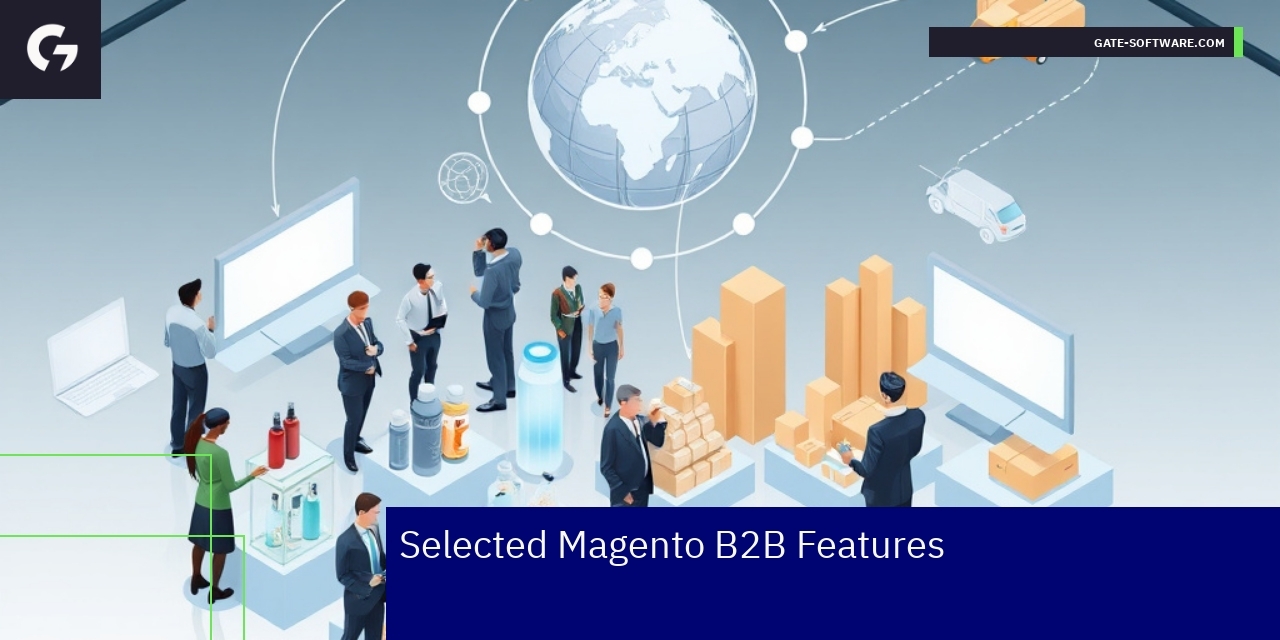
Selected Magento B2B Features
Magento B2B in Practice 🧩 Kluczowe funkcje i zastosowania | 🚀 Implementacja i korzyści | 📊 Przykłady sukcesu
Magento’s B2B capabilities empower enterprises to manage complex sales processes seamlessly on a B2B platform for professional cosmetics and other industries. It supports multi-account management for company reps, allowing businesses to grant tailored access and roles to different stakeholders. Magento also enables managing stores from a single admin panel, giving decision-makers full control over multiple sales channels and markets. The platform integrates functionalities such as shipping, returns, and marketing campaigns within one unified environment, streamlining operational workflows. This consolidation is essential for companies targeting international markets, as it simplifies digital transformation in B2B sales by unifying various touchpoints. Additionally, Magento emphasizes simplified content management, which helps maintain consistent product information and marketing messages across global e-commerce platforms, ensuring the brand’s integrity in diverse regions.
—
If available:
—
Digitizing Construction Sales: Strategic B2B Channel
For industries like construction, Magento provides scalable solutions that drive digital transformation in B2B sales by digitizing traditional sales channels. This is particularly important for businesses expanding to international markets where tailored offerings and localized content are critical. Magento facilitates efficient coordination of sales efforts via multi-account management for company reps, allowing personalized engagement strategies. The platform supports one platform for sales, shipping, returns, and marketing campaigns, streamlining the entire customer journey from order to delivery. Managing stores from a single admin panel reduces administrative overhead and enhances responsiveness to market changes. This approach positions companies to thrive in global e-commerce environments while maintaining operational agility and compliance with regional standards. The use of Magento in digitizing construction sales exemplifies its versatility in aligning B2B sales strategies with technological empowerment and market expansion goals.

Digitizing HVAC Sales: E-commerce Changing the Game
In the evolving landscape of B2B HVAC sales, digital transformation is no longer just an option—it’s imperative for survival and growth. Magento in expansion alongside effective B2B system integration with ERP solutions is setting the stage for companies to thrive in this competitive market. As CTOs and eCommerce Managers look to enhance their B2B sales processes, the integration of robust e-commerce platforms like Magento becomes critical.
The HVAC industry is traditionally known for its intricate sales processes, which often involve multiple stakeholders and complex pricing structures. To address these challenges, businesses are now leveraging the capabilities of Magento in expansion to streamline operations and enhance personalization and User Experience. These platforms provide ready modules that facilitate quick deployment, allowing companies to focus on what truly matters: delivering exceptional value to their customers.
B2B sales in the HVAC sector require a delicate balance of speed, accuracy, and personalization. The integration of B2B systems with ERP solutions enables seamless communication between various departments, reducing errors and increasing operational efficiency. This not only supports unlimited growth but also empowers businesses to offer tailored experiences that meet diverse customer needs.
As companies embark on this digitization journey, the technical challenges of implementing an effective e-commerce strategy can seem daunting. However, with the right solutions in place, such as Magento in expansion and a robust ERP integration, businesses can overcome these hurdles and fully harness the potential of e-commerce in B2B HVAC sales.
In conclusion, to stay competitive in the fast-evolving HVAC market, embracing digitization through e-commerce is crucial. By focusing on B2B sales optimization, personalization and User Experience, and leveraging the advantages of ready modules and B2B system integration, businesses can position themselves for unlimited growth in the digital age.
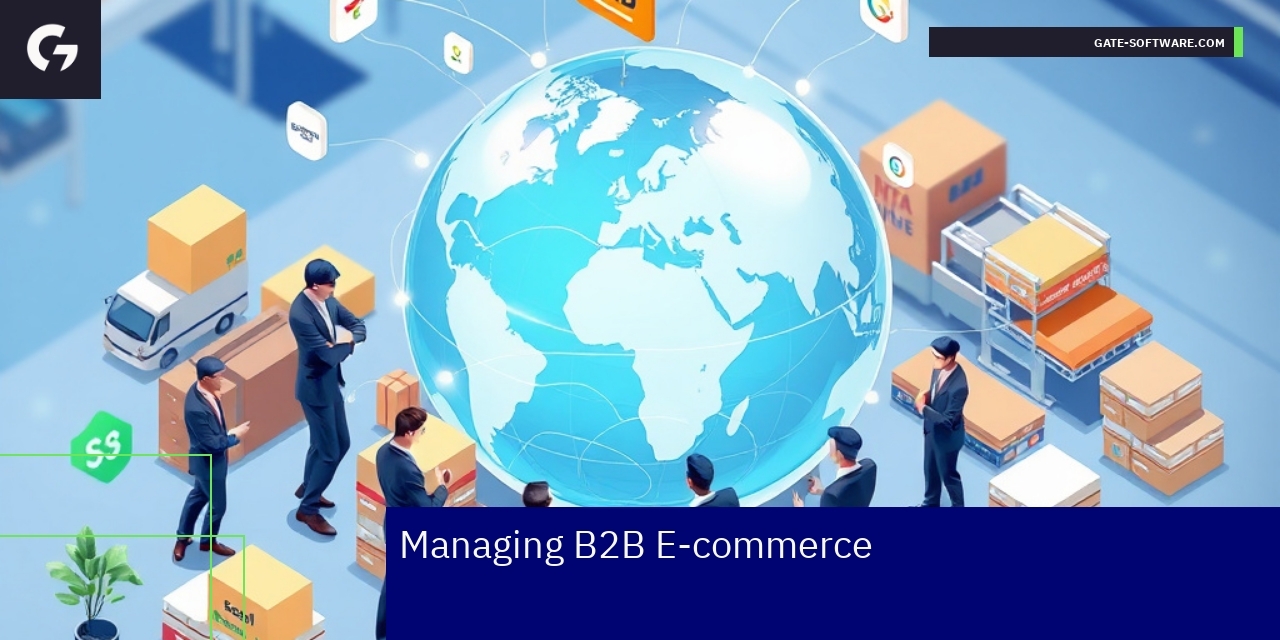
Managing B2B E-commerce
Adapting to Local Markets
Adapting to local markets is essential for successful B2B sales on platforms like Magento in expansion. Each regional market presents unique challenges and opportunities that must be addressed through tailored strategies. A B2B system on Magento 2. allows businesses to manage multiple localized stores within a single platform, facilitating compliance with regional regulations and customization of product offerings. This flexibility supports global e-commerce initiatives by enabling seamless adaptation to local languages, currencies, and tax rules, which significantly enhances the customer experience. Additionally, integrating localized marketing and SEO optimization efforts ensures that the business gains visibility in various markets. The process of digital transformation in B2B sales drives companies to adopt these sophisticated solutions, simplifying content management and improving workflow efficiency while increasing sales and customer loyalty.
SEO Optimization
SEO optimization plays a crucial role in enhancing the performance of any Magento in expansion project for global e-commerce. B2B sales require a precise SEO strategy that targets industry-specific keywords and addresses the complex nature of B2B buyer journeys. Leveraging Magento’s robust SEO capabilities, businesses can optimize product pages, category structures, and metadata to improve search engine rankings. Simplified content management within the platform supports ongoing SEO efforts by making it easier to update content regularly and keep it relevant. Marketing and SEO support from Gate-Software ensures that these optimizations align with overall digital transformation in B2B sales strategies, ultimately driving increased traffic and higher conversion rates. This holistic approach not only contributes to increasing sales and customer loyalty but also strengthens the B2B system on Magento 2. as a core component of sustainable global e-commerce growth.
—
If available:
—
B2B E-commerce Platform Comparison
In the B2B sector, choosing the right e-commerce platform is critical to meeting both technical requirements and business objectives. Magento’s flexibility and extensive features make it a compelling option for businesses seeking scalable solutions. Key features such as robust product catalog management, advanced pricing rules, and seamless integration capabilities support complex B2B sales models. Magento’s open architecture allows for custom solutions tailored to unique workflows, which is critical for companies requiring bespoke platform adjustments.
However, B2B e-commerce platforms come with varying strengths and weaknesses that must be carefully weighed. While Magento excels in customization and scalability, it may demand more in terms of implementation time and ongoing technical maintenance. In contrast, other platforms might offer simpler setups or more out-of-the-box functionality but could lack the depth or flexibility necessary for complex B2B processes.
Understanding the distinct pros and cons of Magento vs. other platforms requires analyzing business-specific needs such as integration with existing ERP systems, support for multi-user accounts with differentiated permissions, and compliance with accessibility standards like WCAG 1.1. The decision should also consider cost optimization, platform hosting, and support SLAs, areas where enterprises expect high performance and reliability.
Ultimately, the choice of platform hinges on aligning technical capabilities with strategic e-commerce goals. Gate-Software’s expertise supports clients by providing tailored, scalable Magento solutions that address real B2B challenges, ensuring optimal performance and long-term platform viability. This collaboration ensures that features, pros and cons are pragmatically evaluated to empower decision-makers such as CTOs, Heads of Applications, and eCommerce Managers.

Checklists and Steps for Successful B2B Sales
In the realm of B2B sales, executing the key steps with precision is crucial for success. A thorough checklist for entrepreneurs ensures that all strategic and operational facets are addressed, enabling smoother sales cycles and stronger client relationships.
The initial phase requires a deep understanding of the client’s business challenges and decision-making processes. Engaging with personas such as the Architect, eCommerce Manager, and CTO helps tailor solutions that align with their technical and business needs. This alignment is fundamental to building trust and demonstrating value.
Next, map out the sales process stages clearly: from lead identification and qualification through to proposal presentation, negotiation, and closing. Each stage demands specific actions and checkpoints—such as verifying technical requirements, validating budget constraints, and securing stakeholder buy-in—that collectively streamline the path to purchase.
Further refinement involves integrating UX/UI and WCAG standards into the offering, ensuring accessibility and optimal user experience, which are increasingly critical factors in B2B evaluations. Highlighting these elements in presentations and communications underscores your commitment to quality and inclusivity.
Finally, ongoing post-sale support and SLA management must be planned meticulously. This encompasses hosting, monitoring, and proactive issue resolution, which are often decisive in maintaining long-term partnerships.
Adhering to this framework provides entrepreneurs with a reliable checklist for entrepreneurs to navigate B2B sales success, bridging technical solutions with business outcomes in alignment with Gate-Software’s expertise and values.
Common Mistakes in B2B E-commerce 📝❗💡
In B2B e-commerce, avoiding pitfalls to avoid is crucial for building sustainable and efficient business interactions. One of the common mistakes is underestimating the complexity of B2B buyers’ journeys compared to B2C. B2B transactions typically involve multiple stakeholders and longer decision-making processes, making it essential to design platforms that support detailed product information, personalized pricing, and tailored workflows. Neglecting these aspects often leads to lost opportunities and dissatisfied clients.
Another frequent error is failing to integrate e-commerce platforms with existing enterprise systems like ERP, CRM, and inventory management. This lack of integration creates inefficiencies and hinders real-time data flows, impacting order accuracy and fulfillment speed. The seamless connection between systems is a critical factor to avoid common mistakes in operational management and customer satisfaction.
Moreover, neglecting usability and accessibility standards, especially considering WCAG compliance, can alienate potential users and increase support costs. Many B2B platforms overlook the importance of intuitive UX/UI tailored to professional users, leading to higher cart abandonment rates and lower conversion.
Lastly, insufficient attention to security and flexible payment options can become significant pitfalls to avoid. B2B buyers require secure environments and the ability to transact using various payment terms and methods. Failure to address these needs can drive clients toward competitors offering more robust solutions.
Addressing these common mistakes by leveraging industry expertise and proven strategies ensures a streamlined, customer-centric B2B e-commerce experience that supports growth and fosters long-term partnerships.
—
If available:
—
Alternatives to Magento B2B
In the B2B e-commerce sector, choosing the right platform is critical to meet complex business needs such as scalability, integration capabilities, and compliance with industry standards. While Magento has been a strong contender, there are several other e-commerce platforms offering robust solutions tailored for B2B enterprises.
Other e-commerce platforms designed for B2B often provide specialized features including advanced pricing models, customer segmentation, and streamlined quote management. These functionalities support varied purchasing processes and enhance customer experience through personalized portals. In evaluating alternatives to Magento B2B, a detailed function comparison is essential to ensure alignment with specific business objectives.
When comparing functions, consider areas such as multi-store management, API extensibility, and compliance with accessibility standards like WCAG, which are critical for inclusive commerce solutions. Furthermore, platforms differ in their support for integrations with ERP, CRM, and PIM systems, which are vital to maintaining operational efficiency in B2B environments.
Gate-Software’s expertise in maintaining and optimizing Magento platforms encompasses deep knowledge of such criteria, which is instrumental when assessing function comparison across various other e-commerce platforms. Their approach emphasizes technical reliability, cost optimization, and enhanced UX/UI aligned with strategic marketing and communication plans.
In summary, when exploring alternatives to Magento B2B, it is crucial to undertake a comprehensive function comparison focusing on features that address B2B complexities, including integration capacity, user experience tailored for business clients, and compliance with industry standards. This ensures the selected platform can sustainably support growth and operational demands within the B2B digital commerce landscape.

B2B E-commerce Benefits and Risks
B2B e-commerce offers numerous advantages and disadvantages that businesses must carefully evaluate to maximize opportunities and minimize challenges. One of the primary advantages is cost efficiency; by automating processes such as order handling, inventory management, and payments, businesses significantly reduce operational expenses and improve transaction speed. This automation also enhances data accuracy and customer insights, allowing companies to tailor their offerings based on client behavior and preferences. Additionally, B2B platforms provide businesses with a wider reach, enabling access to global markets beyond traditional geographic boundaries. The 24/7 availability of online stores offers unparalleled flexibility for both buyers and sellers, fostering better relationship management through transparent and continuous communication.
However, alongside these benefits come notable disadvantages and risks. The reliance on technology and continuous internet connectivity exposes businesses to potential system outages and disruptions, which may halt transactions and affect service quality. Security concerns also play a critical role, as sensitive information exchanged on digital platforms is vulnerable to cyberattacks and data breaches. Moreover, as more businesses enter the B2B e-commerce space, competition intensifies, which can pressure profit margins. Logistical complexities arise when dealing with international shipping, compliance with diverse regulations, and supply chain coordination, complicating business operations. Another risk is the potential impersonalization of relationships; shifting interactions to digital formats may weaken the personal engagement that often underpins long-term business partnerships.
Understanding these advantages and disadvantages is essential for decision-makers to navigate the B2B e-commerce landscape effectively. What to know includes strategic risk mitigation through secure, resilient technological infrastructure and investing in solutions that foster personalized customer engagement. Balancing innovation with compliance and operational excellence remains a critical success factor within B2B e-commerce today.

Data and Performance Metrics – Efficiency, SLA, TCO
Operational Effectiveness in B2B Projects
In the realm of B2B projects, Gate-Software showcases significant operational performance metrics that highlight the efficiency of its MagentoOneS™ services. On average, projects transferred to Gate-Software experience an impressive project takeover time of just 4 weeks, enabling rapid deployment and continuous operational clarity.
Moreover, Gate-Software maintains a robust 95% of projects delivered on time, showcasing its commitment to reliability and efficiency in execution. This high percentage reinforces trust among clients and supports their operational timelines effectively, which is essential in B2B industries.
Cost management is another vital aspect. Clients utilizing Gate-Software’s Magento solutions report an average TCO reduction of 30% over the project lifecycle, primarily achieved through optimized processes and effective resource allocation.
With a focus on uptime and reliability, Gate-Software boasts a service level agreement (SLA) uptime guarantee of 99.9%, ensuring that clients can operate with minimal disruption and maximum confidence in their digital platforms.
Client relationship longevity is also noteworthy; the average duration of client relationships with Gate-Software is 5 years, reflecting the firm’s dedication to not just delivering projects but also nurturing ongoing partnerships that drive mutual success.
Additionally, over the last year, Gate-Software has successfully completed 200+ Magento implementations, demonstrating its scalability and expertise in executing complex B2B solutions across various industries. These measurable outcomes substantiate Gate-Software’s position as a leader in providing effective B2B e-commerce solutions, reinforcing the strategic value of choosing their services for robust operational frameworks.

Summary
In a rapidly evolving digital landscape, leveraging Magento 2 B2B solutions can transform your approach to international e-commerce, driving significant operational efficiencies and growth opportunities. By choosing Gate-Software’s expertise with platforms like MagentoOneS™, businesses are better equipped to navigate the complexities of B2B commerce, ensuring compliance while catering to diverse market demands. The robust features of Magento 2, including advanced account management and customizable pricing options, enhance personalization and user experience, ultimately leading to improved customer satisfaction and loyalty. As you reflect on the insights shared in this article, consider how these strategic implementations can streamline your operations and position you for success in the global marketplace. We invite you to explore further collaboration opportunities with Gate-Software, aimed at optimizing your B2B initiatives and achieving your business objectives with confidence.
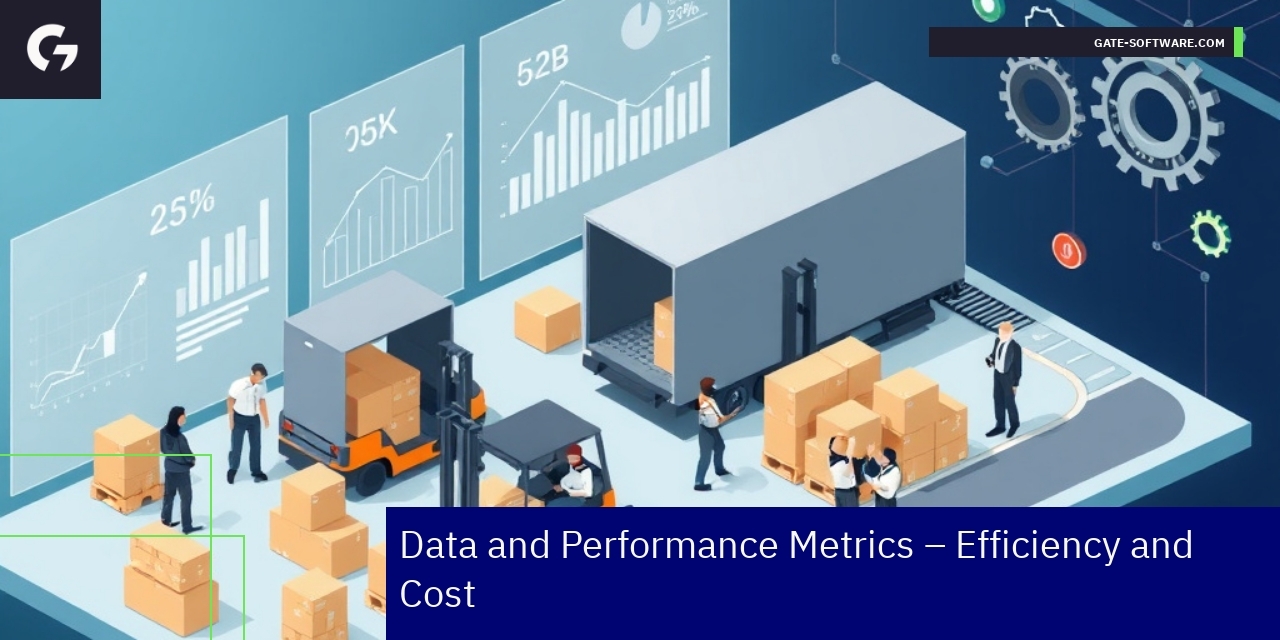
Data and Performance Metrics – Efficiency and Cost
Key Metrics for B2B
In the B2B landscape, operational efficiency is paramount, and measurable metrics can illustrate the effectiveness of strategies deployed. Companies leveraging Magento 2 B2B report a 40% reduction in time-to-delivery for bulk orders, significantly enhancing customer satisfaction. Additionally, businesses achieve an average 25% improvement in order accuracy, which directly correlates with operational effectiveness and diminished returns.
Cost optimization is also a critical focus area; organizations utilizing comprehensive Magento solutions typically experience a 20% decrease in overall operational costs due to streamlined procurement processes and improved resource management. Moreover, companies enjoy an average ROI of 150% within the first year of implementing B2B e-commerce solutions, showcasing the financial benefits of investing in robust platforms.
Performance metrics indicate that organizations maintain a 99.5% uptime across their B2B platforms, ensuring reliability and trust amongst users, which is essential for sustained business operations. Furthermore, adopting advanced analytics allows B2B companies to capture insights on customer behavior, with an average 30% increase in repeat customer transactions, stemming from improved engagement and personalized marketing efforts.
Finally, the scalability of Magento solutions is reflected in the capacity for businesses to handle an increased volume of transactions with ease, as evidenced by firms reporting a 300% increase in transaction throughput since migrating to advanced B2B platforms. These metrics provide a strong foundation for visual representations, supporting critical decision-making processes in B2B environments.

Summary
In a rapidly evolving digital landscape, leveraging Magento 2 B2B solutions can transform your approach to international e-commerce, driving significant operational efficiencies and growth opportunities. By choosing Gate-Software’s expertise with platforms like MagentoOneS™, businesses are better equipped to navigate the complexities of B2B commerce, ensuring compliance while catering to diverse market demands. The robust features of Magento 2, including advanced account management and customizable pricing options, enhance personalization and user experience, ultimately leading to improved customer satisfaction and loyalty. As you reflect on the insights shared in this article, consider how these strategic implementations can streamline your operations and position you for success in the global marketplace. We invite you to explore further collaboration opportunities with Gate-Software, aimed at optimizing your B2B initiatives and achieving your business objectives with confidence.

FAQ
What are the key features of Magento 2 B2B?
Magento 2 B2B offers essential features such as customer segmentation, intricate account and quote management systems, multi-currency and multi-language support, customizable catalogs, and advanced tax and shipping configurations, which all contribute to a seamless international sales experience.
How does Magento 2 B2B support businesses in adapting to local markets?
Magento 2 B2B enables businesses to manage multiple localized stores from a single platform, facilitating compliance with regional regulations and customization of product offerings, including local languages, currencies, and tax rules, greatly enhancing the customer experience.
Why is SEO optimization important in B2B e-commerce?
SEO optimization is critical in B2B e-commerce as it helps improve search engine rankings, increases website visibility, and drives traffic to product pages. By targeting industry-specific keywords, businesses can better engage with their clients throughout the complex B2B buyer journey.
What common mistakes should businesses avoid in B2B e-commerce?
Businesses should avoid underestimating the complexity of B2B buyers’ journeys, neglecting to integrate with existing enterprise systems, overlooking usability and accessibility standards, and not addressing security and flexible payment options, as these can lead to lost opportunities and dissatisfied clients.
How can Gate-Software assist businesses transitioning to Magento B2B?
Gate-Software provides expertise in MagentoOneS™, offering tailored, scalable solutions that address specific B2B challenges, including strategic migration plans from legacy platforms, compliance with industry standards, and optimization for performance and user experience, ensuring long-term success in digital transformation.
.
.
Zamów bezpłatną konsultację
.
Z nami rozwój Twojego biznesu nabierze tempa! Zapraszamy do kontaktu średnie i duże firmy generujące min. 7 mln PLN obrotu rocznie – tam nasza ekspertyza sprawdza się najlepiej.
.
Kliknij w poniższy przycisk i skontaktuj się z jednym z naszych konsultantów e-commerce
.